
[fusion_builder_container hundred_percent=”no” hundred_percent_height=”no” hundred_percent_height_scroll=”no” hundred_percent_height_center_content=”yes” equal_height_columns=”no” menu_anchor=”” hide_on_mobile=”small-visibility,medium-visibility,large-visibility” class=”” id=”” background_color=”” background_image=”” background_position=”center center” background_repeat=”no-repeat” fade=”no” background_parallax=”none” enable_mobile=”no” parallax_speed=”0.3″ video_mp4=”” video_webm=”” video_ogv=”” video_url=”” video_aspect_ratio=”16:9″ video_loop=”yes” video_mute=”yes” video_preview_image=”” border_size=”” border_color=”” border_style=”solid” margin_top=”” margin_bottom=”” padding_top=”” padding_right=”” padding_bottom=”” padding_left=””][fusion_builder_row][fusion_builder_column type=”1_1″ layout=”1_2″ spacing=”” center_content=”no” link=”” target=”_self” min_height=”” hide_on_mobile=”small-visibility,medium-visibility,large-visibility” class=”” id=”” background_color=”” background_image=”” background_position=”left top” background_repeat=”no-repeat” hover_type=”none” border_size=”0″ border_color=”” border_style=”solid” border_position=”all” animation_type=”” animation_direction=”left” animation_speed=”0.3″ animation_offset=”” last=”no”][fusion_text columns=”” column_min_width=”” column_spacing=”” rule_style=”default” rule_size=”” rule_color=”” class=”” id=””]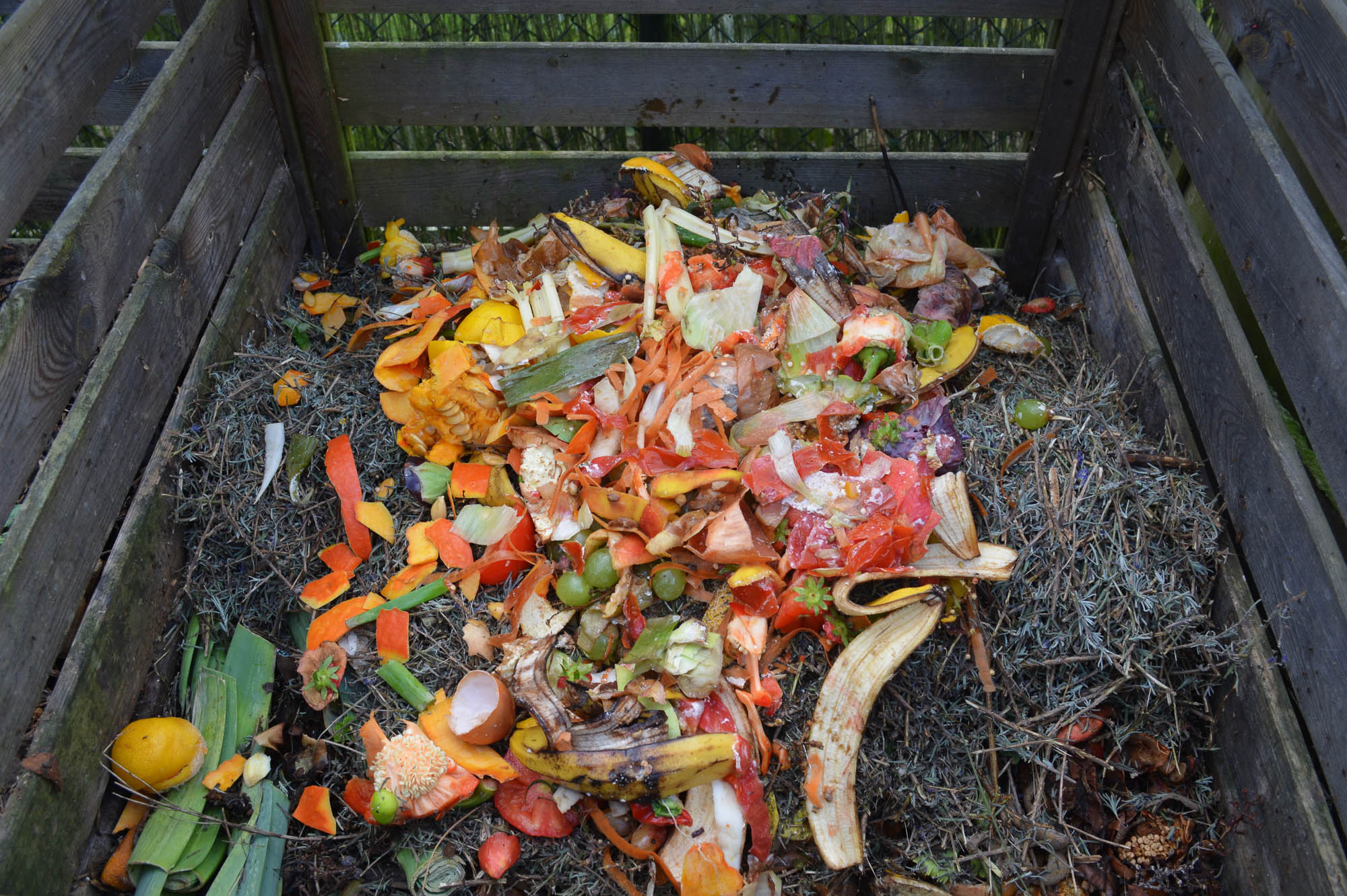 Composting in simple terms, is the process by which organic material is created to be added to existing soil to enhance plant growth. Yard waste and food scraps for instance, constitute about 20 to 30 per cent of our daily garbage. This, instead of being thrown out, can be composted. And that too, on your balcony. The process of composting requires 3 basic ingredients:[/fusion_text][fusion_checklist icon=”fa-google-drive fab” iconcolor=”” circle=”” circlecolor=”” size=”” divider=”” divider_color=”” hide_on_mobile=”small-visibility,medium-visibility,large-visibility” class=”” id=””][fusion_li_item icon=””]Greens that include vegetable waste, grass clippings, coffee grounds and fruit & vegetable scraps. These provide carbon to the compost.[/fusion_li_item][fusion_li_item icon=””]Browns that include branches, dead leaves and twigs. These are sources of nitrogen.[/fusion_li_item][fusion_li_item icon=””]The right quantity of water to provide adequate moisture for breaking down organic matter.[/fusion_li_item][/fusion_checklist][/fusion_builder_column][/fusion_builder_row][/fusion_builder_container][fusion_builder_container hundred_percent=”no” hundred_percent_height=”no” hundred_percent_height_scroll=”no” hundred_percent_height_center_content=”yes” equal_height_columns=”no” menu_anchor=”” hide_on_mobile=”small-visibility,medium-visibility,large-visibility” class=”” id=”” background_color=”” background_image=”” background_position=”center center” background_repeat=”no-repeat” fade=”no” background_parallax=”none” enable_mobile=”no” parallax_speed=”0.3″ video_mp4=”” video_webm=”” video_ogv=”” video_url=”” video_aspect_ratio=”16:9″ video_loop=”yes” video_mute=”yes” video_preview_image=”” border_size=”” border_color=”” border_style=”solid” margin_top=”” margin_bottom=”” padding_top=”” padding_right=”” padding_bottom=”” padding_left=””][fusion_builder_row][fusion_builder_column type=”1_1″ layout=”1_1″ spacing=”” center_content=”no” link=”” target=”_self” min_height=”” hide_on_mobile=”small-visibility,medium-visibility,large-visibility” class=”” id=”” background_color=”” background_image=”” background_position=”left top” background_repeat=”no-repeat” hover_type=”none” border_size=”0″ border_color=”” border_style=”solid” border_position=”all” padding_top=”” padding_right=”” padding_bottom=”” padding_left=”” margin_top=”” margin_bottom=”” animation_type=”” animation_direction=”left” animation_speed=”0.3″ animation_offset=”” last=”no”][fusion_text columns=”” column_min_width=”” column_spacing=”” rule_style=”default” rule_size=”” rule_color=”” class=”” id=””]
Types of Composting
[/fusion_text][fusion_text columns=”” column_min_width=”” column_spacing=”” rule_style=”default” rule_size=”” rule_color=”” class=”” id=””]The following are the three main procedures for composting:[/fusion_text][fusion_checklist icon=”fa-google-drive fab” iconcolor=”” circle=”” circlecolor=”” size=”” divider=”” divider_color=”” hide_on_mobile=”small-visibility,medium-visibility,large-visibility” class=”” id=””][fusion_li_item icon=””]
Vermicomposting:
Worms are predominantly used to create this type of compost. Ideal for balconies. Worms enjoy feeding on food scraps immensely. When red worms are amply fed on food waste, they excrete waste in pellet form, These are fully nutrient-packed. It is also proven that worm waste is the most fertile soil for plant growth and much preferred by “urban farmers” who do most of their composting on balconies or backyards.[/fusion_li_item][/fusion_checklist][/fusion_builder_column][/fusion_builder_row][/fusion_builder_container][fusion_builder_container hundred_percent=”no” hundred_percent_height=”no” hundred_percent_height_scroll=”no” hundred_percent_height_center_content=”yes” equal_height_columns=”no” menu_anchor=”” hide_on_mobile=”small-visibility,medium-visibility,large-visibility” class=”” id=”” background_color=”” background_image=”https://www.earthsquad.global/wp-content/uploads/2018/05/envatoelements-common-earthworm-viewed-from-up-high-lumbricus-pm9d4yc.jpg” background_position=”center center” background_repeat=”no-repeat” fade=”no” background_parallax=”fixed” enable_mobile=”no” parallax_speed=”0.3″ video_mp4=”” video_webm=”” video_ogv=”” video_url=”” video_aspect_ratio=”16:9″ video_loop=”yes” video_mute=”yes” video_preview_image=”” border_size=”” border_color=”” border_style=”solid” margin_top=”30px” margin_bottom=”30px” padding_top=”70px” padding_right=”70px” padding_bottom=”70px” padding_left=”70px”][fusion_builder_row][fusion_builder_column type=”1_1″ layout=”1_1″ spacing=”” center_content=”no” link=”” target=”_self” min_height=”” hide_on_mobile=”small-visibility,medium-visibility,large-visibility” class=”” id=”” background_color=”rgba(232,215,213,0.88)” background_image=”” background_position=”left top” undefined=”” background_repeat=”no-repeat” hover_type=”none” border_size=”0″ border_color=”” border_style=”solid” border_position=”all” padding_top=”25px” padding_right=”25px” padding_bottom=”25px” padding_left=”25px” margin_top=”” margin_bottom=”” animation_type=”” animation_direction=”left” animation_speed=”0.3″ animation_offset=”” last=”no”][fusion_text columns=”” column_min_width=”” column_spacing=”” rule_style=”default” rule_size=”” rule_color=”” class=”” id=””]
Method:
A large waterproof tote or bin should be filled with bedding materials like shredded ink-free paper, peat moss, straw or dried leaves. This bedding is to be then moistened slightly. About half a kilogram of red worms need to be added to the bin. These will be around 1,000 in number and consume up to 250 grams of non-fatty kitchen waste daily. The bin needs protection from extreme heat and may be kept in a dark and moist place. In a vermicomposting system, worms make tunnels in the matter, thereby creating pathways for air to pass. This eliminates the need for turning the pile periodically.
A rich fertilizer, vermicompost has higher levels of nitrogen and phosphorous, and should be sparingly used. It also generates a concentrated liquid, which may be diluted with water to create “compost tea.” This is a nutrient-rich drink for grown plants. Moreover, vermicomposting can be done on one to two square feet of surface area in bins which are between eight to sixteen inches deep. It’s also a cheaper option as compared to anaerobic and regular composting.[/fusion_text][/fusion_builder_column][/fusion_builder_row][/fusion_builder_container][fusion_builder_container hundred_percent=”no” hundred_percent_height=”no” hundred_percent_height_scroll=”no” hundred_percent_height_center_content=”yes” equal_height_columns=”no” menu_anchor=”” hide_on_mobile=”small-visibility,medium-visibility,large-visibility” class=”” id=”” background_color=”” background_image=”” background_position=”center center” background_repeat=”no-repeat” fade=”no” background_parallax=”none” enable_mobile=”no” parallax_speed=”0.3″ video_mp4=”” video_webm=”” video_ogv=”” video_url=”” video_aspect_ratio=”16:9″ video_loop=”yes” video_mute=”yes” video_preview_image=”” border_size=”” border_color=”” border_style=”solid” margin_top=”” margin_bottom=”” padding_top=”” padding_right=”” padding_bottom=”” padding_left=””][fusion_builder_row][fusion_builder_column type=”1_1″ layout=”1_1″ spacing=”” center_content=”no” link=”” target=”_self” min_height=”” hide_on_mobile=”small-visibility,medium-visibility,large-visibility” class=”” id=”” background_color=”” background_image=”” background_position=”left top” background_repeat=”no-repeat” hover_type=”none” border_size=”0″ border_color=”” border_style=”solid” border_position=”all” padding_top=”” padding_right=”” padding_bottom=”” padding_left=”” margin_top=”” margin_bottom=”” animation_type=”” animation_direction=”left” animation_speed=”0.3″ animation_offset=”” last=”no”][fusion_checklist icon=”fa-google-drive fab” iconcolor=”” circle=”” circlecolor=”” size=”” divider=”” divider_color=”” hide_on_mobile=”small-visibility,medium-visibility,large-visibility” class=”” id=””][fusion_li_item icon=””]
Anaerobic composting:
This is usually done for waste management on a large scale as also for renewable energy generation. Anaerobic decomposition takes place slowly and without oxygen.[/fusion_li_item][/fusion_checklist][/fusion_builder_column][/fusion_builder_row][/fusion_builder_container][fusion_builder_container hundred_percent=”no” hundred_percent_height=”no” hundred_percent_height_scroll=”no” hundred_percent_height_center_content=”yes” equal_height_columns=”no” menu_anchor=”” hide_on_mobile=”small-visibility,medium-visibility,large-visibility” class=”” id=”” background_color=”” background_image=”https://www.earthsquad.global/wp-content/uploads/2018/05/envatoelements-heap-of-the-soil-pzqfr28.jpg” background_position=”center center” background_repeat=”no-repeat” fade=”no” background_parallax=”fixed” enable_mobile=”no” parallax_speed=”0.3″ video_mp4=”” video_webm=”” video_ogv=”” video_url=”” video_aspect_ratio=”16:9″ video_loop=”yes” video_mute=”yes” video_preview_image=”” border_size=”” border_color=”” border_style=”solid” margin_top=”30px” margin_bottom=”30px” padding_top=”70px” padding_right=”70px” padding_bottom=”70px” padding_left=”70px”][fusion_builder_row][fusion_builder_column type=”1_1″ layout=”1_1″ spacing=”” center_content=”no” link=”” target=”_self” min_height=”” hide_on_mobile=”small-visibility,medium-visibility,large-visibility” class=”” id=”” background_color=”rgba(232,215,213,0.88)” background_image=”” background_position=”left top” undefined=”” background_repeat=”no-repeat” hover_type=”none” border_size=”0″ border_color=”” border_style=”solid” border_position=”all” padding_top=”25px” padding_right=”25px” padding_bottom=”25px” padding_left=”25px” margin_top=”” margin_bottom=”” animation_type=”” animation_direction=”left” animation_speed=”0.3″ animation_offset=”” last=”no”][fusion_text columns=”” column_min_width=”” column_spacing=”” rule_style=”default” rule_size=”” rule_color=”” class=”” id=””]
Method:
The feedstock may comprise limited quantities of meat and carbon-rich materials like dead leaves, pine needles and even straw. Grass trimmings are welcome also. In anaerobic systems, however, one doesn’t need to combine them with other materials or spread them out. This is to prevent their conversion into a slimy green mush. Additionally, green leaves, old plants and weeds — the usual garden refuse, can be used in limited quantities. You may also use wood chips, woody hedge-trimmings or weed piles with roots.
However, use animal products carefully because you risk introducing pathogens. These break down more slowly in anaerobic systems. It’s also best to let the material sit for a full year if meat waste is used. This eliminates pathogens by its acidic reaction. Avoid using very oily or fatty foods like mayonnaise, margarine, scraps of fatty meat and vegetable oils.
The first step to take is to pile up organic matter, moisten it, and then cover it with a tarp to cut off the oxygen supply. Once this is done, the anaerobic composting starts. A bin with drainage holes, a tight lid or even a garbage bag may also be used. However, this process requires a completely different set of conditions and organisms. It is essentially putrefaction and produces a highly acidic environment. Hence, it’s also called the “digester” process.
Anaerobic decay produces heat as a by-product. However, it doesn’t become hot enough to kill weed seeds or pathogens. Use a compost tumbler to give the organic mix a quick spin and then wait for a year before using it. This is primarily because fresh anaerobic material is highly acidic and can’t be applied to the soil directly or else it will damage plant roots. It needs to go through the aerobic phase for at least a month to neutralize its pH factor. That’s why the one-year wait is advised for the safety of your balcony garden. Moreover, it smells much better, too.
So keep two bins going simultaneously. When one bin is full, close its lid for 12 months, periodically depositing waste materials in the other. At the end of 12 months, all pathogens in the first bin will be dead and you have the material ready for use.
 The simplest do-it-yourself method involves using a plastic bag filled with waste and leaving it in direct sunlight. Alternately, you may also use a single compartment container and place it on a cement block. Place a vessel beneath it so that the leachate gets collected. You could also bury the waste-filled plastic bag partially in the ground so that the leachate also fertilizes the surrounding soil.
When you sink the digester’s bottom into the ground, you slow down the rate of leachate drain from the feedstock. And by doing so, you also prevent the contents from drying out. This also gives worms and other assorted soil micro-organisms access to the digester’s contents. The burial also reduces bad odors and makes the bin’s contents inaccessible to pests.
Anaerobic composting involves lesser work and eliminates the need for turning compost piles. However, short-term anaerobic compost needs to be dug into fallow soil to kill the smell and to normalize the pH before planting. If the anaerobic material is left in the digester for 12 months, it becomes ready for use straight out of the bin.
One major drawback of an anaerobic pile is that it smells awfully. This is because anaerobic decay produces hydrogen sulfide, known for its rotten egg-like malodor. However, should you use air-tight containers, you can eliminate this problem. Of course, you’ll get the smell whenever you lift the lid to add new wastes. This again can be eliminated by using commercial digesters and enzymes that enhance decay speed and reduce bad odors. By sprinkling some fresh earth over each new layer of waste also, the odor may be reduced.
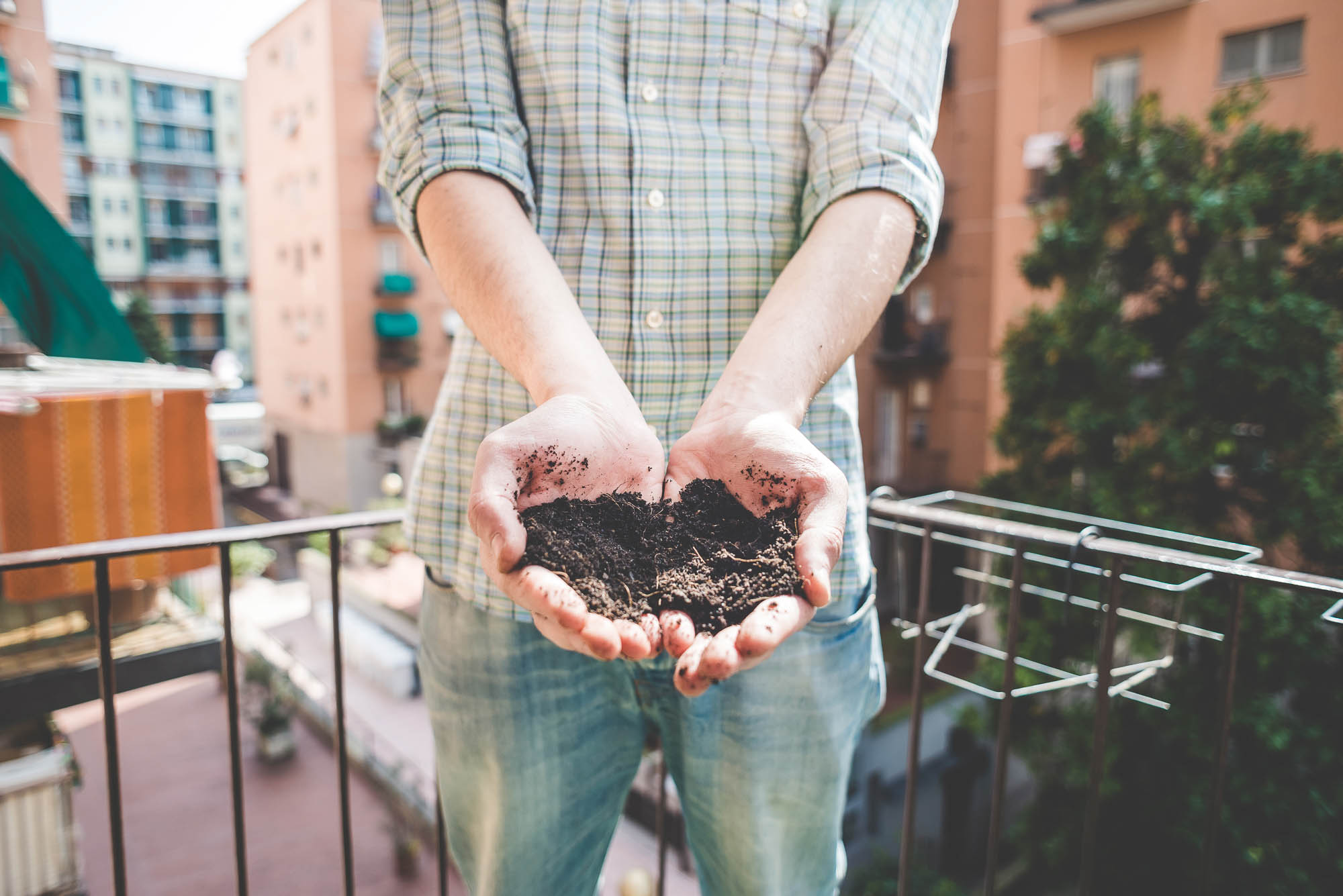 Anaerobic systems offer protection against various pests because they are enclosed and create a highly acidic environment. This makes them inaccessible to pests, pathogens or seeds brought in by way of bird droppings. Even deer, crow, magpie, fox or raccoon infiltration is impossible with an anaerobic pile.
However, insects may cause some trouble. You could end up being engulfed in a swarm of flies on opening the digester’s lid. This again can be tackled by using female fly parasites. These identify the host pupa and drills through its cocoon. Following this, it lays eggs inside it. The parasitoids born from these eggs consume the pupa.
The ideal set-up for anaerobic composting is a sunny site coupled with efficient drainage. Sunshine not only raises bin temperature but keeps microbes happy, too. Drainage on the other hand, ensures the right moisture level.
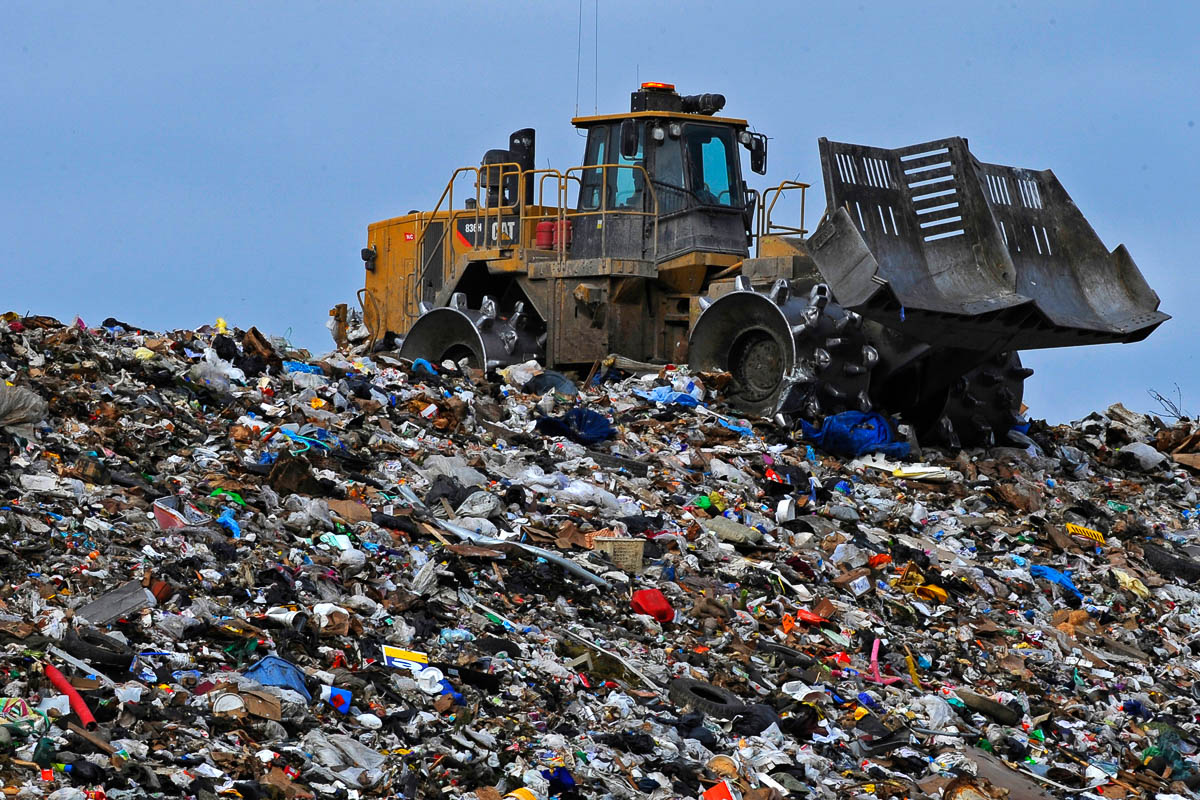
On the flip side, however, anaerobic decay harms the environment. This is because when organic material breaks down in oxygen’s presence, one of the primary by-products generated is carbon dioxide. More importantly, it also generates methane, a far more dangerous greenhouse gas, known to damage the environment 20 times more than carbon dioxide.[/fusion_text][/fusion_builder_column][/fusion_builder_row][/fusion_builder_container][fusion_builder_container hundred_percent=”no” hundred_percent_height=”no” hundred_percent_height_scroll=”no” hundred_percent_height_center_content=”yes” equal_height_columns=”no” menu_anchor=”” hide_on_mobile=”small-visibility,medium-visibility,large-visibility” class=”” id=”” background_color=”” background_image=”” background_position=”center center” background_repeat=”no-repeat” fade=”no” background_parallax=”none” enable_mobile=”no” parallax_speed=”0.3″ video_mp4=”” video_webm=”” video_ogv=”” video_url=”” video_aspect_ratio=”16:9″ video_loop=”yes” video_mute=”yes” video_preview_image=”” border_size=”” border_color=”” border_style=”solid” margin_top=”” margin_bottom=”” padding_top=”” padding_right=”” padding_bottom=”” padding_left=””][fusion_builder_row][fusion_builder_column type=”1_1″ layout=”1_1″ spacing=”” center_content=”no” link=”” target=”_self” min_height=”” hide_on_mobile=”small-visibility,medium-visibility,large-visibility” class=”” id=”” background_color=”” background_image=”” background_position=”left top” background_repeat=”no-repeat” hover_type=”none” border_size=”0″ border_color=”” border_style=”solid” border_position=”all” animation_type=”” animation_direction=”left” animation_speed=”0.3″ animation_offset=”” last=”no”][fusion_checklist icon=”fa-google-drive fab” iconcolor=”” circle=”” circlecolor=”” size=”” divider=”” divider_color=”” hide_on_mobile=”small-visibility,medium-visibility,large-visibility” class=”” id=””][fusion_li_item icon=””]
Regular Composting:
For regular composting you will require a pitchfork, machetes or square-point shovels and a water hose with a high-speed spray head. Regular turning or mixing the matter and watering help maintain the material’s quality.[/fusion_li_item][/fusion_checklist][/fusion_builder_column][/fusion_builder_row][/fusion_builder_container][fusion_builder_container hundred_percent=”no” hundred_percent_height=”no” hundred_percent_height_scroll=”no” hundred_percent_height_center_content=”yes” equal_height_columns=”no” menu_anchor=”” hide_on_mobile=”small-visibility,medium-visibility,large-visibility” class=”” id=”” background_color=”” background_image=”https://www.earthsquad.global/wp-content/uploads/2018/05/envatoelements-dead-leaves-in-a-canvas-pnpgbps.jpg” background_position=”center center” background_repeat=”no-repeat” fade=”no” background_parallax=”fixed” enable_mobile=”no” parallax_speed=”0.3″ video_mp4=”” video_webm=”” video_ogv=”” video_url=”” video_aspect_ratio=”16:9″ video_loop=”yes” video_mute=”yes” video_preview_image=”” border_size=”” border_color=”” border_style=”solid” margin_top=”30px” margin_bottom=”30px” padding_top=”70px” padding_right=”70px” padding_bottom=”70px” padding_left=”70px”][fusion_builder_row][fusion_builder_column type=”1_1″ layout=”1_1″ spacing=”” center_content=”no” link=”” target=”_self” min_height=”” hide_on_mobile=”small-visibility,medium-visibility,large-visibility” class=”” id=”” background_color=”rgba(232,215,213,0.88)” background_image=”” background_position=”left top” undefined=”” background_repeat=”no-repeat” hover_type=”none” border_size=”0″ border_color=”” border_style=”solid” border_position=”all” padding_top=”25px” padding_right=”25px” padding_bottom=”25px” padding_left=”25px” margin_top=”” margin_bottom=”” animation_type=”” animation_direction=”left” animation_speed=”0.3″ animation_offset=”” last=”no”][fusion_text columns=”” column_min_width=”” column_spacing=”” rule_style=”default” rule_size=”” rule_color=”” class=”” id=””]
Method:
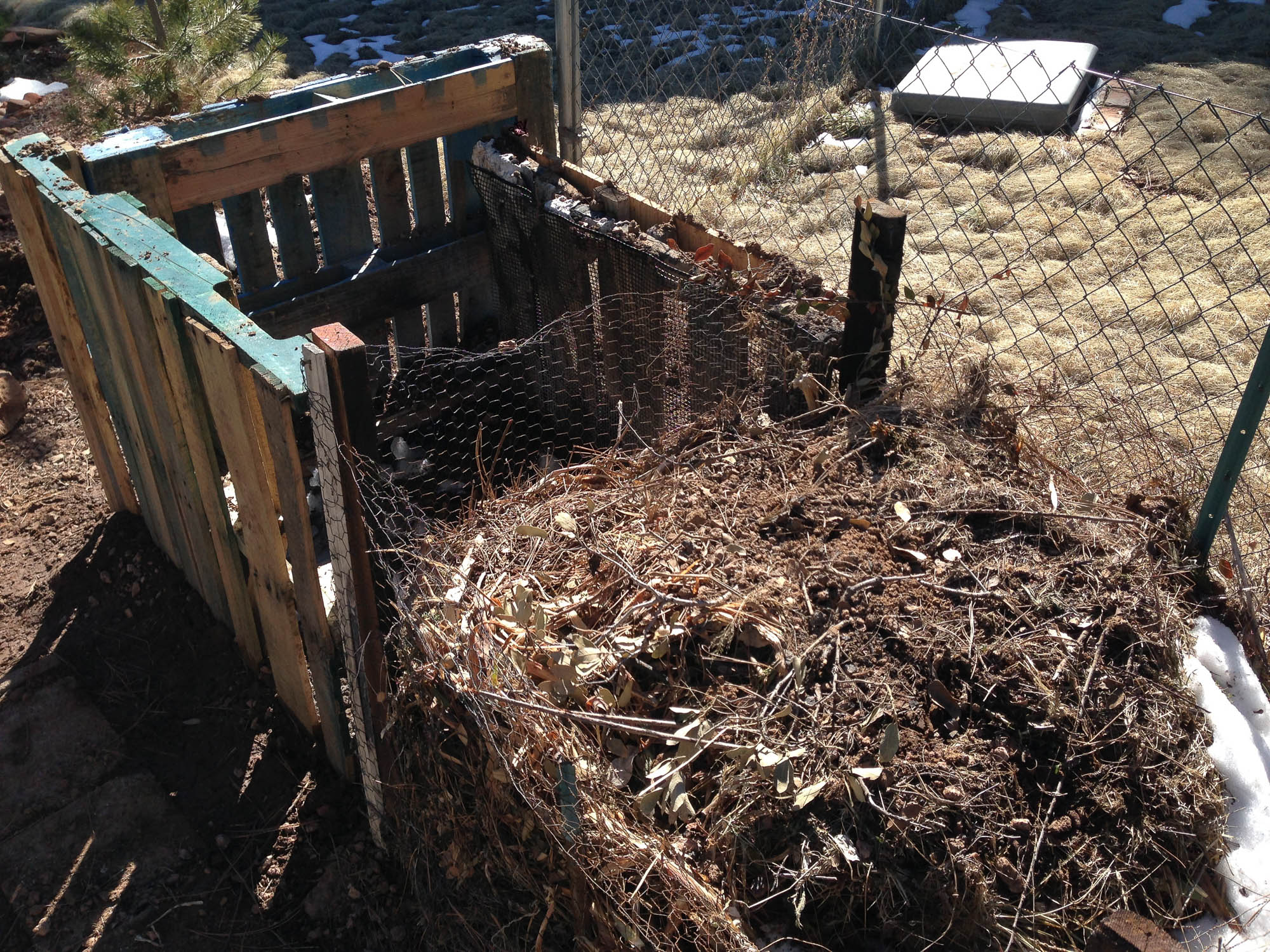
For balcony composting, choose a shady and dry spot close to a water source to install the compost bin or pile. Add the green and brown materials after chopping and shredding larger pieces. Keep moistening them as they are added. Once this piling is done, add green waste, grass clippings, vegetable and fruit waste ten inches under the compost material. You may cover it with a tarp to hold the moisture. As the material at the bottom darkens and turns a rich color, your compost is ready for use. This, of course, may take anything between two months to 2 years.
For indoor composting, special bins may be used. However, this needs regular tending. You also have to keep detailed track of what you are throwing in. A carefully managed bin hardly attracts rodents or pests and usually gives out no foul odor. It’s generally ready by 2 to 5 weeks.[/fusion_text][fusion_separator style_type=”none” hide_on_mobile=”small-visibility,medium-visibility,large-visibility” class=”” id=”” sep_color=”” top_margin=”20px” bottom_margin=”” border_size=”” icon=”” icon_circle=”” icon_circle_color=”” width=”” alignment=”center” /][/fusion_builder_column][/fusion_builder_row][/fusion_builder_container][fusion_builder_container hundred_percent=”no” hundred_percent_height=”no” hundred_percent_height_scroll=”no” hundred_percent_height_center_content=”yes” equal_height_columns=”no” menu_anchor=”” hide_on_mobile=”small-visibility,medium-visibility,large-visibility” class=”” id=”” background_color=”” background_image=”” background_position=”center center” background_repeat=”no-repeat” fade=”no” background_parallax=”none” enable_mobile=”no” parallax_speed=”0.3″ video_mp4=”” video_webm=”” video_ogv=”” video_url=”” video_aspect_ratio=”16:9″ video_loop=”yes” video_mute=”yes” video_preview_image=”” border_size=”” border_color=”” border_style=”solid” margin_top=”” margin_bottom=”” padding_top=”” padding_right=”” padding_bottom=”” padding_left=””][fusion_builder_row][fusion_builder_column type=”1_1″ layout=”1_1″ spacing=”” center_content=”no” link=”” target=”_self” min_height=”” hide_on_mobile=”small-visibility,medium-visibility,large-visibility” class=”set_block” id=”” background_color=”” background_image=”” background_position=”left top” undefined=”” background_repeat=”no-repeat” hover_type=”none” border_size=”0″ border_color=”” border_style=”solid” border_position=”all” padding_top=”” padding_right=”” padding_bottom=”” padding_left=”” margin_top=”” margin_bottom=”” animation_type=”” animation_direction=”left” animation_speed=”0.3″ animation_offset=”” last=”no”][fusion_text columns=”” column_min_width=”” column_spacing=”” rule_style=”default” rule_size=”” rule_color=”” hide_on_mobile=”small-visibility,medium-visibility,large-visibility” class=”” id=””]
In short, a compound enriches the soil, helps retain moisture and prevents plant diseases. Also protects against pests. Being completely organic in nature, it is a great substitute for chemical fertilizers and increases the production of beneficial fungi and good bacteria. In addition, the compound also breaks down the organic matter to create humus, a highly nutritious material. Another great benefit is that composting reduces methane emissions from landfills. This, in turn, reduces unwanted carbon footprint. Go ahead, try. And watch your garden grow…..
[/fusion_text][/fusion_builder_column][/fusion_builder_row][/fusion_builder_container][fusion_builder_container hundred_percent=”no” hundred_percent_height=”no” hundred_percent_height_scroll=”no” hundred_percent_height_center_content=”yes” equal_height_columns=”no” menu_anchor=”” hide_on_mobile=”small-visibility,medium-visibility,large-visibility” class=”” id=”” background_color=”” background_image=”” background_position=”center center” background_repeat=”no-repeat” fade=”no” background_parallax=”none” enable_mobile=”no” parallax_speed=”0.3″ video_mp4=”” video_webm=”” video_ogv=”” video_url=”” video_aspect_ratio=”16:9″ video_loop=”yes” video_mute=”yes” video_preview_image=”” border_size=”” border_color=”” border_style=”solid” margin_top=”” margin_bottom=”” padding_top=”” padding_right=”” padding_bottom=”” padding_left=””][fusion_builder_row][fusion_builder_column type=”1_1″ layout=”1_1″ spacing=”” center_content=”no” link=”” target=”_self” min_height=”” hide_on_mobile=”small-visibility,medium-visibility,large-visibility” class=”” id=”” background_color=”” background_image=”” background_position=”left top” background_repeat=”no-repeat” hover_type=”none” border_size=”0″ border_color=”” border_style=”solid” border_position=”all” padding_top=”” padding_right=”” padding_bottom=”” padding_left=”” margin_top=”” margin_bottom=”” animation_type=”” animation_direction=”left” animation_speed=”0.3″ animation_offset=”” last=”no”][fusion_separator style_type=”single solid” hide_on_mobile=”small-visibility,medium-visibility,large-visibility” class=”” id=”” sep_color=”rgba(193,25,120,0.73)” top_margin=”5%” bottom_margin=”5%” border_size=”” icon=”” icon_circle=”” icon_circle_color=”” width=”25%” alignment=”center” /][/fusion_builder_column][fusion_builder_column type=”1_1″ layout=”1_1″ spacing=”” center_content=”no” link=”” target=”_self” min_height=”” hide_on_mobile=”small-visibility,medium-visibility,large-visibility” class=”” id=”” background_color=”” background_image=”” background_position=”left top” background_repeat=”no-repeat” hover_type=”none” border_size=”0″ border_color=”” border_style=”solid” border_position=”all” padding_top=”” padding_right=”” padding_bottom=”” padding_left=”” margin_top=”” margin_bottom=”” animation_type=”” animation_direction=”left” animation_speed=”0.3″ animation_offset=”” last=”no”][fusion_text columns=”” column_min_width=”” column_spacing=”” rule_style=”default” rule_size=”” rule_color=”” class=”” id=””]
Surf on…
[/fusion_text][/fusion_builder_column][fusion_builder_column type=”1_1″ layout=”1_1″ spacing=”” center_content=”no” link=”” target=”_self” min_height=”” hide_on_mobile=”small-visibility,medium-visibility,large-visibility” class=”” id=”” background_color=”” background_image=”” background_position=”left top” background_repeat=”no-repeat” hover_type=”none” border_size=”0″ border_color=”” border_style=”solid” border_position=”all” padding_top=”” padding_right=”” padding_bottom=”” padding_left=”” margin_top=”” margin_bottom=”” animation_type=”” animation_direction=”left” animation_speed=”0.3″ animation_offset=”” last=”no”][fusion_blog layout=”medium alternate” blog_grid_columns=”” blog_grid_column_spacing=”” blog_masonry_grid_ratio=”” blog_masonry_width_double=”” equal_heights=”no” number_posts=”6″ offset=”0″ pull_by=”category” cat_slug=”” exclude_cats=”” tag_slug=”” exclude_tags=”” orderby=”date” order=”DESC” thumbnail=”yes” title=”yes” title_link=”yes” excerpt=”” excerpt_length=”10″ strip_html=”yes” meta_all=”yes” meta_author=”yes” meta_categories=”yes” meta_comments=”no” meta_date=”no” meta_link=”yes” meta_tags=”no” scrolling=”pagination” grid_box_color=”” grid_element_color=”” grid_separator_style_type=”” grid_separator_color=”” padding_top=”” padding_right=”” padding_bottom=”” padding_left=”” hide_on_mobile=”small-visibility,medium-visibility,large-visibility” class=”” id=”” /][/fusion_builder_column][/fusion_builder_row][/fusion_builder_container]



Leave A Comment