
[fusion_builder_container hundred_percent=”no” hundred_percent_height=”no” hundred_percent_height_scroll=”no” hundred_percent_height_center_content=”yes” equal_height_columns=”no” menu_anchor=”” hide_on_mobile=”small-visibility,medium-visibility,large-visibility” class=”” id=”” background_color=”” background_image=”” background_position=”center center” background_repeat=”no-repeat” fade=”no” background_parallax=”none” enable_mobile=”no” parallax_speed=”0.3″ video_mp4=”” video_webm=”” video_ogv=”” video_url=”” video_aspect_ratio=”16:9″ video_loop=”yes” video_mute=”yes” video_preview_image=”” border_size=”” border_color=”” border_style=”solid” margin_top=”” margin_bottom=”” padding_top=”” padding_right=”” padding_bottom=”” padding_left=””][fusion_builder_row][fusion_builder_column type=”1_1″ layout=”1_1″ spacing=”” center_content=”no” link=”” target=”_self” min_height=”” hide_on_mobile=”small-visibility,medium-visibility,large-visibility” class=”” id=”” background_color=”” background_image=”” background_position=”left top” background_repeat=”no-repeat” hover_type=”none” border_size=”0″ border_color=”” border_style=”solid” border_position=”all” padding_top=”” padding_right=”” padding_bottom=”” padding_left=”” margin_top=”” margin_bottom=”” animation_type=”” animation_direction=”left” animation_speed=”0.3″ animation_offset=”” last=”no”][fusion_text columns=”” column_min_width=”” column_spacing=”” rule_style=”default” rule_size=”” rule_color=”” class=”” id=””]
Recycling Process of Glass
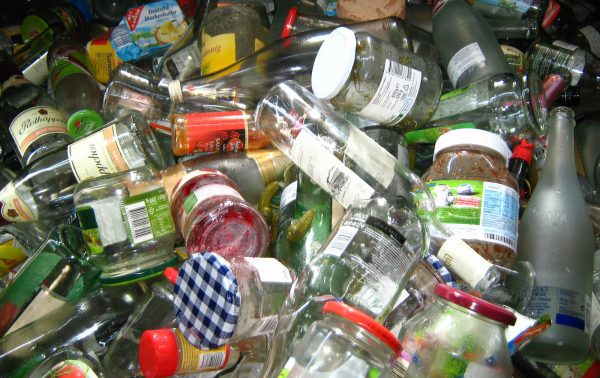 More firms are utilizing recycled glass to produce their bottles and save operating expenses. Utilizing this material requires significantly less energy and costs significantly less than processing new raw material into glass containers. Processing facilities utilize glass sorting gear to recycle discarded glass bottles and jars into a furnace prepared merchandise for producers to purchase and form to the desired shapes. The procedure for recycling glass is more than simply pulverizing or melting the glass to new types. This method involves many intricate steps utilizing specialized machinery. The glass is made apparent or dye is added to attain brown and green colours. Glass sorting equipment is required to divide the glass things according to colour because the dyed glass can’t be mixed together when producing new glass products.[/fusion_text][fusion_section_separator divider_type=”clouds” divider_position=”left” divider_candy=”top” icon=”” icon_color=”” bordersize=”” bordercolor=”” backgroundcolor=”#5bb45a” hide_on_mobile=”small-visibility,medium-visibility,large-visibility” class=”” id=”” /][fusion_text columns=”” column_min_width=”” column_spacing=”” rule_style=”default” rule_size=”” rule_color=”” class=”” id=””]
 Spain has a recycling system that’s simple to use and available for everyone. All you need is colour. Whether your destination is out a mega metropolis such as Madrid or even a pint-sized pueblo pequeo, you need to find the familiar a pint-sized pueblo pequeo, you acquire your recyclables. Ecoembes, the nonprofit group responsible for the yellow and blue bins says you will find half a million yellow and blue bins readily available for use. Spain also homes 164, 503 green bins units near your accommodation waiting to among 1 per 284 residents, making this individual ratio. With the number of recycling containers sprinkled around, the countries with the highest glass recycling bin-to do not recycle in Spain.
Nevertheless, whatever excuse you bear in mind, are all clarified below. Recycling bins are colour coded in accordance with the material that you could toss into each. They’re placed alongside a trash bin. Occasionally these round bins can a few details you may want to the whole surface. Bins: tetra brick cartons, tins cans, and plastic. This is apparently the most perplexing has commissioned artwork covering the get the most unsuitable material, such as Compact Disc etc. Orange bins: You won’t find these as much, but they’re for recycling used of the bins, as the yellowish ones cocina.[/fusion_text][/fusion_builder_column][fusion_builder_column type=”1_4″ layout=”1_3″ spacing=”” center_content=”no” link=”” target=”_self” min_height=”” hide_on_mobile=”small-visibility,medium-visibility,large-visibility” class=”” id=”” background_color=”” background_image=”” background_position=”left top” background_repeat=”no-repeat” hover_type=”none” border_size=”0″ border_color=”” border_style=”solid” border_position=”all” padding_top=”” padding_right=”” padding_bottom=”” padding_left=”” margin_top=”” margin_bottom=”” animation_type=”” animation_direction=”left” animation_speed=”0.3″ animation_offset=”” last=”no”][fusion_counters_circle animation_offset=”” hide_on_mobile=”small-visibility,medium-visibility,large-visibility” class=”” id=””][fusion_counter_circle value=”50″ filledcolor=”” unfilledcolor=”#25b3cd” size=”220″ scales=”no” countdown=”no” speed=”1500″]50%[/fusion_counter_circle][/fusion_counters_circle][/fusion_builder_column][fusion_builder_column type=”3_4″ layout=”2_3″ spacing=”” center_content=”no” link=”” target=”_self” min_height=”” hide_on_mobile=”small-visibility,medium-visibility,large-visibility” class=”” id=”” background_color=”” background_image=”” background_position=”left top” background_repeat=”no-repeat” hover_type=”none” border_size=”0″ border_color=”” border_style=”solid” border_position=”all” padding_top=”” padding_right=”” padding_bottom=”” padding_left=”” margin_top=”” margin_bottom=”” animation_type=”” animation_direction=”left” animation_speed=”0.3″ animation_offset=”” last=”no”][fusion_text columns=”” column_min_width=”” column_spacing=”” rule_style=”default” rule_size=”” rule_color=”” hide_on_mobile=”small-visibility,medium-visibility,large-visibility” class=”” id=””]
Many especially oil, recycled used oil from deposit and oil explain to fill out a plastic bottle with. Pouring used oil down the drain may the bottle in the orange bin may be used for things such as making soap or cause out a series of problems including clogging pipes while recycled oil. To learn more as biodiesel for sustainable transportation. Spain still has a considerable way to go to catch up its European Neighbors with regards to recycling. Way to go to catch up its European Neighbors correspondingly While Austria and Germany lead all the union by recycling 63% and 62%. Of their municipal waste, Spain still only recycles 33%.9% of all wrapping in Spain has been recycled, or 1.2 million tons of light packaging paper and paperboard packaging. The goal of all the European Union is that by 2020 all European nations will recycle at least 50% of household and comparable waste.
[/fusion_text][/fusion_builder_column][/fusion_builder_row][/fusion_builder_container][fusion_builder_container hundred_percent=”no” hundred_percent_height=”no” hundred_percent_height_scroll=”no” hundred_percent_height_center_content=”yes” equal_height_columns=”yes” menu_anchor=”” hide_on_mobile=”small-visibility,medium-visibility,large-visibility” class=”” id=”” background_color=”” background_image=”https://www.earthsquad.global/wp-content/uploads/2018/04/recycling-93-1024×682.jpg” background_position=”center center” background_repeat=”no-repeat” fade=”no” background_parallax=”fixed” enable_mobile=”no” parallax_speed=”0.3″ video_mp4=”” video_webm=”” video_ogv=”” video_url=”” video_aspect_ratio=”16:9″ video_loop=”yes” video_mute=”yes” video_preview_image=”” border_size=”” border_color=”” border_style=”solid” margin_top=”” margin_bottom=”” padding_top=”” padding_right=”” padding_bottom=”” padding_left=””][fusion_builder_row][fusion_builder_column type=”2_3″ layout=”2_3″ spacing=”” center_content=”no” link=”” target=”_self” min_height=”” hide_on_mobile=”small-visibility,medium-visibility,large-visibility” class=”fixed_box” id=”” background_color=”rgba(232,215,213,0.88)” background_image=”” background_position=”left top” undefined=”” background_repeat=”no-repeat” hover_type=”none” border_size=”0″ border_color=”” border_style=”solid” border_position=”all” padding_top=”20px” padding_right=”20px” padding_bottom=”20px” padding_left=”20px” margin_top=”0″ margin_bottom=”0″ animation_type=”” animation_direction=”left” animation_speed=”0.3″ animation_offset=”” last=”no”][fusion_text columns=”” column_min_width=”” column_spacing=”” rule_style=”default” rule_size=”” rule_color=”” class=”” id=””]The brown glass may simply be recycled into brown containers green may only be used to create green bottles. Nevertheless, certain substances might be used to eliminate any dye before blending clear, brown and green glass. Step one involves removing all of labels and lids and cleaning any lingering debris and foreign matter that will weaken the recycled item. A cullet chip then crushes the glass into little pieces called cullet. This material proceeds via a detection and screening process to locate any paper, metal, and plastic materials. A strong vacuum removes those elements since they’d weaken the strength of the recycled item.
Ceramic materials are also detected and removed via a fine sizing method. This procedure leaves only very fine ceramic dust that’s eliminated from the product. This item can now be sold to producers to produce new jars and bottles by heating in an oven and moulding to the size and shape required. Recycling glass bottles and jars utilizing glass sorting equipment, like Glass ColorSort, is cost efficient and uses significantly less energy and time to produce new glass products.[/fusion_text][/fusion_builder_column][fusion_builder_column type=”1_3″ layout=”1_3″ spacing=”” center_content=”no” link=”” target=”_self” min_height=”” hide_on_mobile=”small-visibility,medium-visibility,large-visibility” class=”” id=”” background_color=”” background_image=”” background_position=”left top” undefined=”” background_repeat=”no-repeat” hover_type=”none” border_size=”0″ border_color=”” border_style=”solid” border_position=”all” padding_top=”” padding_right=”” padding_bottom=”” padding_left=”” margin_top=”0″ margin_bottom=”0″ animation_type=”” animation_direction=”left” animation_speed=”0.3″ animation_offset=”” last=”no”][/fusion_builder_column][/fusion_builder_row][/fusion_builder_container][fusion_builder_container hundred_percent=”no” hundred_percent_height=”no” hundred_percent_height_scroll=”no” hundred_percent_height_center_content=”yes” equal_height_columns=”no” menu_anchor=”” hide_on_mobile=”small-visibility,medium-visibility,large-visibility” class=”” id=”” background_color=”” background_image=”” background_position=”center center” background_repeat=”no-repeat” fade=”no” background_parallax=”none” enable_mobile=”no” parallax_speed=”0.3″ video_mp4=”” video_webm=”” video_ogv=”” video_url=”” video_aspect_ratio=”16:9″ video_loop=”yes” video_mute=”yes” video_preview_image=”” border_size=”” border_color=”” border_style=”solid” margin_top=”30px” margin_bottom=”0″ padding_top=”” padding_right=”” padding_bottom=”” padding_left=””][fusion_builder_row][fusion_builder_column type=”1_1″ layout=”1_1″ spacing=”” center_content=”no” link=”” target=”_self” min_height=”” hide_on_mobile=”small-visibility,medium-visibility,large-visibility” class=”” id=”” background_color=”” background_image=”” background_position=”left top” background_repeat=”no-repeat” hover_type=”none” border_size=”0″ border_color=”” border_style=”solid” border_position=”all” padding_top=”” padding_right=”” padding_bottom=”” padding_left=”” margin_top=”” margin_bottom=”” animation_type=”” animation_direction=”left” animation_speed=”0.3″ animation_offset=”” last=”no”][fusion_text]
Stages of Glass Recycling
[/fusion_text][/fusion_builder_column][/fusion_builder_row][/fusion_builder_container][fusion_builder_container hundred_percent=”no” hundred_percent_height=”no” hundred_percent_height_scroll=”no” hundred_percent_height_center_content=”yes” equal_height_columns=”no” menu_anchor=”” hide_on_mobile=”small-visibility,medium-visibility,large-visibility” class=”” id=”” background_color=”” background_image=”” background_position=”center center” background_repeat=”no-repeat” fade=”no” background_parallax=”none” enable_mobile=”no” parallax_speed=”0.3″ video_mp4=”” video_webm=”” video_ogv=”” video_url=”” video_aspect_ratio=”16:9″ video_loop=”yes” video_mute=”yes” video_preview_image=”” border_size=”” border_color=”” border_style=”solid” margin_top=”” margin_bottom=”” padding_top=”” padding_right=”” padding_bottom=”” padding_left=””][fusion_builder_row][fusion_builder_column type=”1_1″ layout=”1_1″ spacing=”” center_content=”no” link=”” target=”_self” min_height=”” hide_on_mobile=”small-visibility,medium-visibility,large-visibility” class=”” id=”” background_color=”” background_image=”” background_position=”left top” background_repeat=”no-repeat” hover_type=”none” border_size=”0″ border_color=”” border_style=”solid” border_position=”all” padding_top=”” padding_right=”” padding_bottom=”” padding_left=”” margin_top=”” margin_bottom=”” animation_type=”” animation_direction=”left” animation_speed=”0.3″ animation_offset=”” last=”no”][fusion_content_boxes layout=”icon-with-title” columns=”2″ title_size=”35px” title_color=”” body_color=”” backgroundcolor=”” icon=”fa-comments-o” iconflip=”” iconrotate=”180″ iconspin=”no” iconcolor=”” icon_circle=”” icon_circle_radius=”” circlecolor=”#25b4ce” circlebordersize=”0″ circlebordercolor=”” outercirclebordersize=”” outercirclebordercolor=”” icon_size=”35″ icon_hover_type=”” hover_accent_color=”” image=”” image_width=”” image_height=”” link_type=”” link_area=”” link_target=”” icon_align=”left” animation_type=”” animation_delay=”” animation_offset=”” animation_direction=”left” animation_speed=”0.3″ margin_top=”” margin_bottom=”” hide_on_mobile=”small-visibility,medium-visibility,large-visibility” class=”” id=””][fusion_content_box title=”Stage 1″ backgroundcolor=”” icon=”” iconflip=”” iconrotate=”” iconspin=”no” iconcolor=”” circlecolor=”” circlebordersize=”” circlebordercolor=”” outercirclebordersize=”” outercirclebordercolor=”” image=”” image_width=”35″ image_height=”35″ link=”” linktext=”Read More” link_target=”” animation_type=”” animation_direction=”left” animation_speed=”0.3″ animation_offset=””]Glass for Europe wants to find the growth of efficient waste management infrastructures around Europes areas for the selection and treatment of destruction and construction glass as a raw material. The glass industry is willing to provide experience in the setup for these infrastructures with workable, practical and economically viable alternatives. – Download the research – Read the news release – Access to container parks to improve recycling of different waste flows RDC study for the area of Wallonia – The Wallonia area has resisted RDC Environment to create an evaluation of the regional coverage on container parks. This work, only available in French, was done via two stages: an investigation of the current situation and an investigation of the interest to expand the container parks function to other waste flues.[/fusion_content_box][fusion_content_box title=”Stage 2″ backgroundcolor=”” icon=”” iconflip=”” iconrotate=”” iconspin=”no” iconcolor=”” circlecolor=”” circlebordersize=”” circlebordercolor=”” outercirclebordersize=”” outercirclebordercolor=”” image=”” image_width=”35″ image_height=”35″ link=”” linktext=”Read More” link_target=”” animation_type=”” animation_direction=”left” animation_speed=”0.3″ animation_offset=””]Stage 2 presents a thorough analysis of the potential expansion of container park into end-of-life construction glass to be able to better gather and type this waste flow in order to enhance its own recycling. The investigation is interesting as it addresses both the 3 pillars of sustainability: environment, social and economically. Using reference situations when compared with potential situation, the study analyses the supply chains differences. The results are presented as environmental impacts. The usage of container park for end-of lifetime construction glass, instead of a benchmark situation of disposal, leads to an essential environmental benefit of 0.57 kg eq CO2 per tons of sorted glass.[/fusion_content_box][fusion_content_box title=”Stage 3″ backgroundcolor=”” icon=”” iconflip=”” iconrotate=”” iconspin=”no” iconcolor=”” circlecolor=”” circlebordersize=”” circlebordercolor=”” outercirclebordersize=”” outercirclebordercolor=”” image=”” image_width=”35″ image_height=”35″ link=”” linktext=”Read More” link_target=”” animation_type=”” animation_direction=”left” animation_speed=”0.3″ animation_offset=””]This effect is mainly resulting from the lots of advantages and lower environmental impacts generated by a rise in recycling to a glass of end-of-life building glass. This ecological effect, when monetarized, rebalances the financial costs. Taking into consideration this holistic approach, the conclusion presents a general economic interest in facilitating access into container parks for both the disposal of end-of-life flat glass in order to improve its effective own recycling into the glass. Use of cullet and minimization of production waste – The float glass manufacturing process generates minimal waste products and a very small quantity of toxicity wastes.[/fusion_content_box][fusion_content_box title=”Stage 4″ backgroundcolor=”” icon=”” iconflip=”” iconrotate=”” iconspin=”no” iconcolor=”” circlecolor=”” circlebordersize=”” circlebordercolor=”” outercirclebordersize=”” outercirclebordercolor=”” image=”” image_width=”35″ image_height=”35″ link=”” linktext=”Read More” link_target=”” animation_type=”” animation_direction=”left” animation_speed=”0.3″ animation_offset=””]The float process recycles virtually all of its glass waste during production. This glass is reintroduced into the float batch mix to help to melt. In addition to this own recycling of internal waste products, the flat glass industry may also use waste glass from additional sources provided that quality requirements are met. The use of cullet contributes to reducing both the need for raw materials and energy input. One of those categories, Materials and Resources, enables credits into be earned on both the basis of both the recycled content of products.[/fusion_content_box][/fusion_content_boxes][/fusion_builder_column][/fusion_builder_row][/fusion_builder_container][fusion_builder_container hundred_percent=”no” hundred_percent_height=”no” hundred_percent_height_scroll=”no” hundred_percent_height_center_content=”yes” equal_height_columns=”no” menu_anchor=”” hide_on_mobile=”small-visibility,medium-visibility,large-visibility” class=”” id=”” background_color=”” background_image=”” background_position=”center center” background_repeat=”no-repeat” fade=”no” background_parallax=”none” enable_mobile=”no” parallax_speed=”0.3″ video_mp4=”” video_webm=”” video_ogv=”” video_url=”” video_aspect_ratio=”16:9″ video_loop=”yes” video_mute=”yes” video_preview_image=”” border_size=”” border_color=”” border_style=”solid” margin_top=”” margin_bottom=”” padding_top=”” padding_right=”” padding_bottom=”” padding_left=””][fusion_builder_row][fusion_builder_column type=”1_1″ layout=”1_1″ spacing=”” center_content=”no” link=”” target=”_self” min_height=”” hide_on_mobile=”small-visibility,medium-visibility,large-visibility” class=”” id=”” background_color=”” background_image=”” background_position=”left top” background_repeat=”no-repeat” hover_type=”none” border_size=”0″ border_color=”” border_style=”solid” border_position=”all” padding_top=”” padding_right=”” padding_bottom=”” padding_left=”” margin_top=”” margin_bottom=”” animation_type=”” animation_direction=”left” animation_speed=”0.3″ animation_offset=”” last=”no”][fusion_separator style_type=”single solid” hide_on_mobile=”small-visibility,medium-visibility,large-visibility” class=”” id=”” sep_color=”rgba(193,25,120,0.73)” top_margin=”5%” bottom_margin=”5%” border_size=”” icon=”” icon_circle=”” icon_circle_color=”” width=”25%” alignment=”center” /][/fusion_builder_column][fusion_builder_column type=”1_1″ layout=”1_1″ spacing=”” center_content=”no” link=”” target=”_self” min_height=”” hide_on_mobile=”small-visibility,medium-visibility,large-visibility” class=”” id=”” background_color=”” background_image=”” background_position=”left top” background_repeat=”no-repeat” hover_type=”none” border_size=”0″ border_color=”” border_style=”solid” border_position=”all” animation_type=”” animation_direction=”left” animation_speed=”0.3″ animation_offset=”” last=”no”][fusion_text]
Surf on…
[/fusion_text][/fusion_builder_column][fusion_builder_column type=”1_1″ layout=”1_1″ spacing=”” center_content=”no” link=”” target=”_self” min_height=”” hide_on_mobile=”small-visibility,medium-visibility,large-visibility” class=”” id=”” background_color=”” background_image=”” background_position=”left top” background_repeat=”no-repeat” hover_type=”none” border_size=”0″ border_color=”” border_style=”solid” border_position=”all” animation_type=”” animation_direction=”left” animation_speed=”0.3″ animation_offset=”” last=”no”][fusion_blog layout=”medium alternate” blog_grid_columns=”3″ blog_grid_column_spacing=”40″ equal_heights=”no” number_posts=”6″ offset=”0″ pull_by=”category” cat_slug=”” exclude_cats=”” tag_slug=”” exclude_tags=”” orderby=”date” order=”DESC” thumbnail=”yes” title=”yes” title_link=”yes” excerpt=”” excerpt_length=”10″ strip_html=”yes” meta_all=”yes” meta_author=”yes” meta_categories=”yes” meta_comments=”yes” meta_date=”yes” meta_link=”yes” meta_tags=”yes” scrolling=”pagination” grid_box_color=”” grid_element_color=”” grid_separator_style_type=”” grid_separator_color=”” padding_top=”” padding_right=”” padding_bottom=”” padding_left=”” hide_on_mobile=”small-visibility,medium-visibility,large-visibility” class=”” id=”” /][/fusion_builder_column][/fusion_builder_row][/fusion_builder_container]


With havin so much content do you ever run into any issues of plagorism or copyright infringement? My site has a lot of unique content I’ve either created myself or outsourced but it appears a lot of it is popping it up all over the web without my agreement. Do you know any solutions to help stop content from being ripped off? I’d truly appreciate it.