
 You are a force – own it!
“Individually we are one drop, together we are an ocean”, Ryunosuke Satoro.
Apart from NGOs and a few experimental organizations, the companies want one thing above all: Profits. Is that oversimplified? Yes, maybe. But not much. Profits are the universal KPI, the holy grail of practically all institutions – that’s what they are after. That’s the main reason why they want happy customers. Because happy customers buy again. Buying customers increase revenues and higher revenues lead to increased profits.
What does that have to do with you?
You are the one who spends the money that they need, to increase their profits. This is not evil nor bad. It’s just the capitalistic market, that majority of our modern society is built upon. Every time you spend your money on something, you make a statement – you tell the seller: “I like that”. And they hear you! The principle behind this is called demand and supply. The more you buy of a product, the more they’ll produce and provide. Products that nobody buys, will not be produced and distributed (Scientific proof: Since the market for MonChhiChi was saturated in the 1980s, they haven’t been seen again! No toy store wastes his precious shop space for products that nobody buys).
Obviously, companies want to fulfill more of your needs. They bring variations of existing products and services as well as new lines of products. They experiment to see what works and what doesn’t. If you buy, you must be happy – so they’ll produce more. If you don’t buy a product, they’ll stop producing it.
How does it work in reality?
Let’s take a simple product like canned tomatoes and let’s assume you live in a climate where thanks to modern greenhouses, smart planning and latest agricultural technologies, tomatoes are available all year round from a local farmer.
What happens when you buy canned tomatoes? What message do you give to the purchasing department of your supermarket? What will your local farmer hear? What will your local government hear?
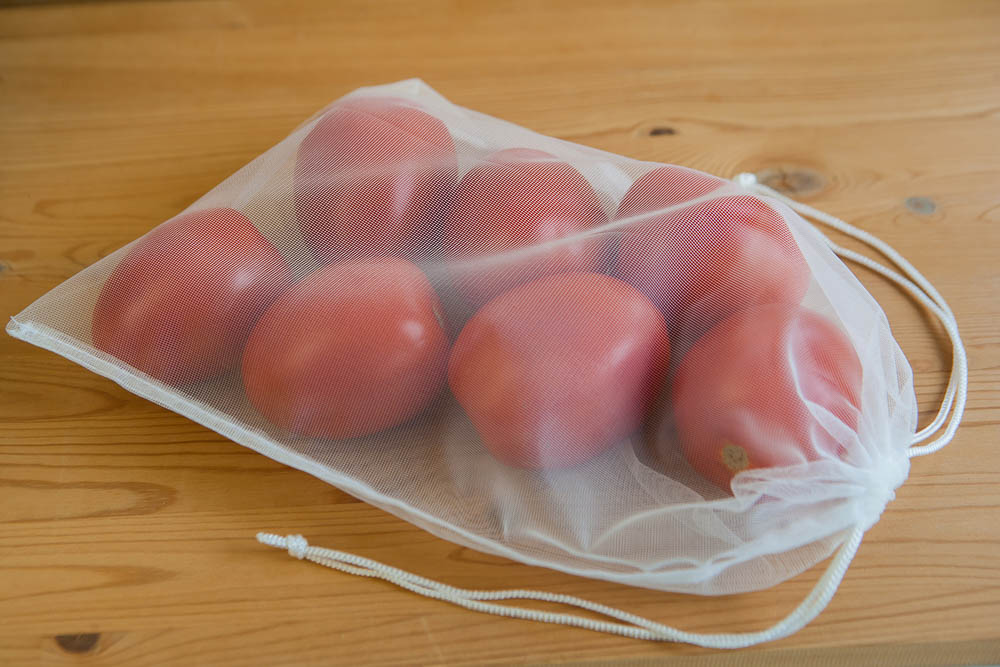 Canned tomatoes are products with long shelf life – they may last several years. For such products there is usually no human decision involved in the purchasing processes – everything works automatically. You (and a few others) buy canned tomatoes regularly. The system of the supermarket “learns” the average consumption e.g. within a month. It knows the duration it takes to bring in new cans, and goes ahead to order from the local wholesaler.
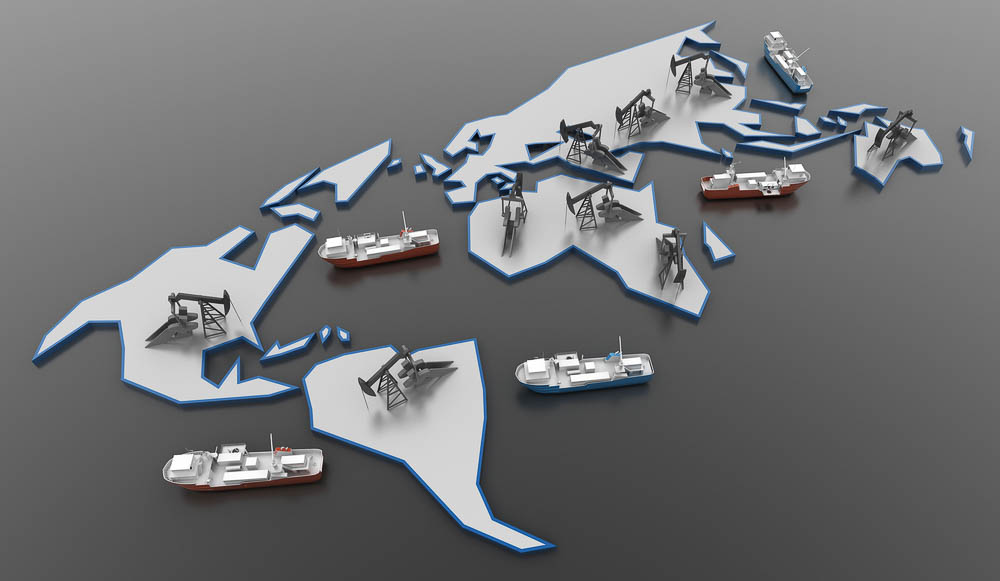
The local wholesaler does the same – his system will order from the wholesaler e.g. in Italy (or wherever it is cheapest to get them from). Depending on their contract, one of the two parties will reserve transportation capacity from a forwarding company, which will order new containers and container ships from their suppliers. And they will need new steel from China to produce those new containers and ships. In the process new drill rigs will be created to provide more oil for production and transport. All that because you love your canned tomatoes.
Exaggerated? Well, maybe a tiny bit – but you get the picture.
Yes, but isn’t that a lot of jobs?
 Damn, you’re right! How could we not see that?! Spending your money on the canned tomatoes creates and saves thousands of jobs on the long run. But wait. What happens to your local farmer and your local market? To whom will they sell their products if you buy from abroad? And if they can’t sell, how will they earn money in order to buy products or services from the company that you work for?
Of course, international trade created a lot of jobs. The unregulated market can be brutal when it comes to jobs – ask your local farmer. He is facing competition coming from countries with better climate, most probably less strict regulations for pesticides, less (if at all) workers’ rights, less taxes and most probably governmental support for certain products when they’re exported (discussing WHY governments support overproduction of goods would fill a book – maybe we’ll describe that in a separate article).
Environmental burden
Not only do you have the power to decide who and where will have a job; you also decide the environmental consequences. International trade produces and releases a lot of CO2. Even if you pick up your canned tomatoes from the supermarket by bike – it won’t reduce the CO2 production enough.
Watching your buying behavior closely, the supermarket and the supply chain behind hear and understand, whether you are concerned about the environment. Even if their private opinion is different, they’ll listen to you. You want goods from far, far away? That’s what it takes to get your money? “We’ll do it – because if we don’t, the competition will!”
Activism is not necessarily tiring
You don’t need to walk chanting “More Jobs” or “Save the environment” in front of the headquarter of your best-hated supermarket chain. It’s so much easier to drive change (and more likely to be successful) by using your super-powers as a money spending customer. Buy, if possible, from local producers. If not aim for national companies. Go for seasonal fruits and vegetables – no need to eat strawberries all year round. Enjoy eating them when they are in season, then look forward to next year.
Wrap up
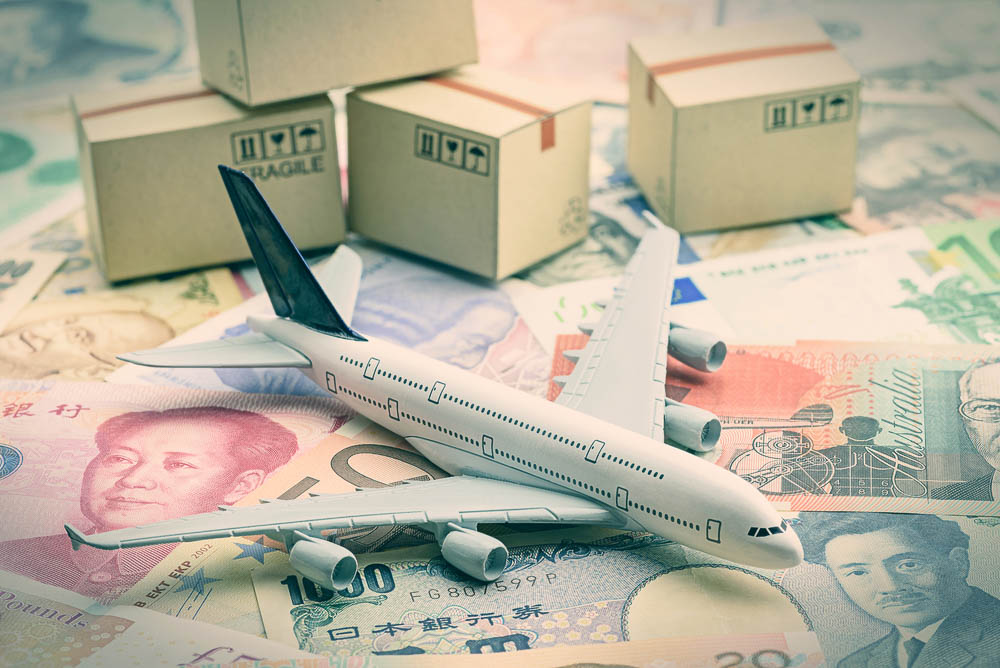 “Money makes the world go round” is still valid in modern economics. In our modern world – using behavior analysis systems, predictive analysis, automated supply chain – how you spend your money is more important than ever. It’s your power and your responsibility to send the right messages. It is in your hands (and your wallet), which products are sold in our supermarkets, where they come from and where people will keep their jobs.
Surf on…
Solar Ovens
Conserving energy has been in the headlines for as [...]
The hazardous nature of landfill Leachate
The pressure to maintain our groundwater fresh and safe [...]
Giving life to the sun: Recycling solar panels
Since the beginning of time, the sun has been [...]
The giant amongst all charities — Greenpeace
Incredibly controversial charities exist worldwide but to ignore the one [...]
The afterlife of the infamous Fresh Kills landfill
From garbage to ecosystem: how the disastrous Fresh Kills [...]

Working towards a cleaner ocean with The OceanCleanUp
Currently, as it stands an amazing amount of plastic [...]




Leave A Comment