Recycling made difficult
World of recycling and collection systems couldn’t be more diverse because each country, often districts or even smaller units like cities treat recycle material in various ways! Paper and cardboard are either collected or at least separately disposable almost everywhere. But that’s it. Despite that there are so many other things which cannot be recycled.
While we continue to collect data from local members of the EarthSquad it shows already clearly: Concepts, costs and systems are amazingly different around the globe. That not enough – the old saying is true:
The only thing that is constant is change (Heraclitus)
You know more details on a specific area our country? Hence Let the community know – work with us to build more great and up to date information!
Recycling methods of the world
An Introduction to Recycling
This recycling is simply the conversion of waste back into a reusable material. Therefore by breaking down and reusing materials that are no longer useful in their current form we recycle our scarce resources.
Communities encourage to recycle by making specialised containers available for public use, or by providing individual bins for homeowners and businesses with curbside pickup.
Recycle Materials
Many materials can be recycled, most commonly:
Metal
The recycling of metal takes 70% less energy than manufacturing a new metal item.
Paper and Cardboard
Paper can be recycled 5 to 7 times according to the EPA. Besides that the cellulose fibres shorten each time so it can not be recycled indefinitely, like some metals can.
Glass
Glass is not as versatile as metal or paper. The various types and colours of glass limit the ability for the glass to be repurposed.
There is more!
There are many more recyclable items. Electronics, light bulbs, batteries and plastics, can all be recycled. Each helps the environment.
Why Recycle
 Recycling has been reported as far back as Plato’s time. At that time people were reusing broken pottery and tools because the raw materials became scarce. We understand the recycle benefits as we have started to see our resources as scarce, too.
Recycle benefits the environment by:
- Preventing millions of tons of materials from being dumped into ugly, toxic landfills
- Reducing pollutants in air and water.
- Avoiding energy use producing new items.
- Conserving natural resources.
Recycling benefits the economy by:
- Recycle programs cost less than waste programs.
- Creating jobs.
Why we need to recycle
Our environment is more susceptible to being polluted today because of the long disintegration period of many of our modern products. Most importantly some of them would need hundreds or thousands of years to decompose. Eventually, the size of our landfills will simply take over our living spaces, if we do nothing.
Some countries understood this needs better than others. Therefore they created recycling systems that are capable of significantly reducing the quantity of waste within the country. For example, Sweden, is so efficient at managing its recyclable waste that it ended up importing waste to keep things going. How is this possible?

Sweden
Sweden is managing their waste recycling so efficiently that they are now importing waste from other countries. They are using a system where they turn waste into usable energy. Moreover a quarter of a million homes in Sweden are using electricity and heat that was produced from this recyclable waste.

Italy
Italy is selective when collecting recycling materials. Because they have implemented a system of fines in order to strongly encourage participation. In 2017, the fine was $833 (619 €) which is strongly encouraged.

Switzerland
In Switzerland, you have to pay a tax to use the landfill. Most importantly there are special grey bags to hold waste that cost $1.64 and $9.60 each. Therefore by making people pay such large fees they manage waste selectively. Switzerland now has one of the best recycling results in the world

Canada
In spite of being the second largest country of the world, Canada is very keen about waste recycling. They select waste for recycling by using blue containers. Therefore it encourages the reuse and processing of old items. Used car tires are processed to be used for additional safety on the ground in children’s play areas. However special bins are placed around cities to collect cigarette butts to processed into items like plastic palettes. Thrift stores abound.

Germany
In 2013, Germany was in the top position worldwide with a recycle rate of 65% because there are fees for inadequate recycling waste management. Moreover a 60 liter bin costs $8.87. The fee increases as the bin gets larger, and also if the waste is not sorted properly. Apart from that dead animals are rendered for fat, as part of the recycling program. Hence this is a comprehensive recycle program.
EarthSquad
Surf on…
Recycling tires: Both a Business and a Charity
Once damaged tires are taken off vehicles, they are considered scrap tires. In the past, these tires were often dumped illegally in lakes and [...]

Working towards a cleaner ocean with The OceanCleanUp
Currently, as it stands an amazing amount of plastic is in our oceans, with over five trillion pieces of plastic floating around in ocean [...]
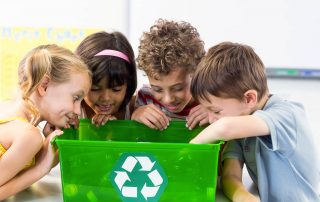
How to Cultivate the Passion for Recycling in New Generation
Recycling is more important today than it was ever before. Since it is already common knowledge that the world’s population is growing at an alarming [...]

Gimme a Break
It is not Crystal Clear What comes to mind when we think GLASS, is drinking glasses, glass vases, glass bottles, glass jars, windows, [...]
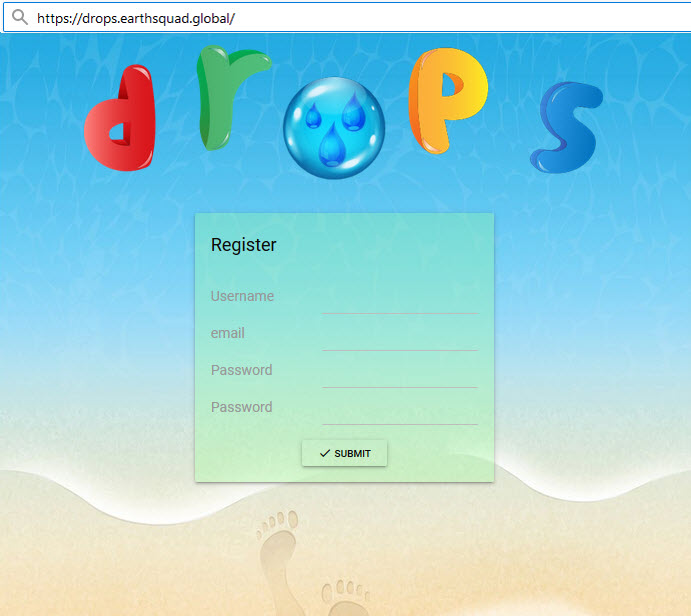
DROPS – New Version – no update!
New Version of DROPS App We were installing a new version of DOPS App today. Good news for you: There is no need to [...]
Leather Recycling: A great way to show kindness to the environment and turn something old into new one
Man is the only species that consumes more than its need. It produces waste in quantities so large that nature cannot "recycle" by itself. Man [...]

Recycling of Pens, Highlighters and Board Markers
Pens, markers, and board markers are small everyday items that you might have never thought of recycling. But think: when only one manufacturer of France [...]
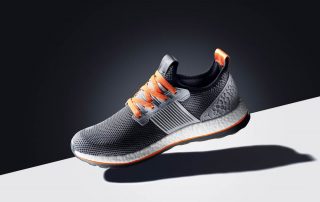
Recycling Technologies: Sport Shoes
Instead of throwing away your beloved old kicks, you can choose to recycle them and by doing so contribute to a much healthier environment. Once [...]

Recycling: Chances are your spectacles are not glass!
While it is traditionally difficult to recycle some of the materials that our spectacles are made of, there exist other options that don’t involve the [...]
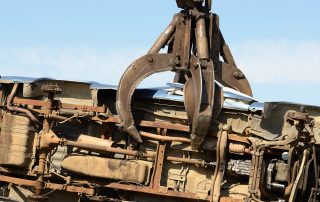
Recycling Technologies — Cars
The automobile manufacturing industry has steadily grown in the last 20 years, climbing 32% globally between 1997 and 2020. The inevitable and continued expansion of [...]