O meio ambiente paga o verdadeiro custo da moda rápida

/, Têxteis/O meio ambiente paga o verdadeiro custo da moda rápida

[fusion_builder_container hundred_percent=”no” hundred_percent_height=”no” hundred_percent_height_scroll=”no” hundred_percent_height_center_content=”yes” equal_height_columns=”no” menu_anchor=”” hide_on_mobile=”small-visibility,medium-visibility,large-visibility” class=”” id=”” background_color=”” background_image=”” background_position=”center center” background_repeat=”no-repeat” fade=”no” background_parallax=”none” enable_mobile=”no” parallax_speed=”0.3″ video_mp4=”” video_webm=”” video_ogv=”” video_url=”” video_aspect_ratio=”16:9″ video_loop=”yes” video_mute=”yes” video_preview_image=”” border_size=”” border_color=”” border_style=”solid” margin_top=”” margin_bottom=”” padding_top=”” padding_right=”” padding_bottom=”” padding_left=””][fusion_builder_row][fusion_builder_column type=”1_1″ layout=”1_1″ spacing=”” center_content=”no” link=”” target=”_self” min_height=”” hide_on_mobile=”small-visibility,medium-visibility,large-visibility” class=”” id=”” background_color=”” background_image=”” background_position=”left top” background_repeat=”no-repeat” hover_type=”none” border_size=”0″ border_color=”” border_style=”solid” border_position=”all” padding_top=”” padding_right=”” padding_bottom=”” padding_left=”” margin_top=”” margin_bottom=”” animation_type=”” animation_direction=”left” animation_speed=”0.3″ animation_offset=”” last=”no”][fusion_text columns=”” column_min_width=”” column_spacing=”” rule_style=”default” rule_size=”” rule_color=”” class=”” id=””]
O meio ambiente paga o verdadeiro custo da moda rápida

[/fusion_text][/fusion_builder_column][fusion_builder_column type=”1_1″ layout=”2_3″ spacing=”” center_content=”no” link=”” target=”_self” min_height=”” hide_on_mobile=”small-visibility,medium-visibility,large-visibility” class=”” id=”” background_color=”” background_image=”” background_position=”left top” undefined=”” background_repeat=”no-repeat” hover_type=”none” border_size=”0″ border_color=”” border_style=”solid” border_position=”all” padding_top=”” padding_right=”” padding_bottom=”” padding_left=”” margin_top=”” margin_bottom=”” animation_type=”” animation_direction=”left” animation_speed=”0.3″ animation_offset=”” last=”no”][fusion_text columns=”” column_min_width=”” column_spacing=”” rule_style=”default” rule_size=”” rule_color=”” class=”” id=””]

Já se foram os dias em que a gratificação instantânea era reservada a uma elite. Com a ascensão da moda rápida, você pode exibir o estilo de seu ator favorito de estrelinha pelo baixo e baixo preço de 0,99, mas o preço que o planeta paga por esses tecidos “baratos” não é tão acessível.

A moda rápida não é apenas um termo para a rápida mudança de tendências de moda da passarela para o cabide de roupas; Ele pinta uma imagem de enchentes de roupas feitas com materiais abaixo do normal criados para serem substituídos com a mesma rapidez com que são feitos. Era uma vez, a indústria da moda operava em dois ciclos por ano, primavera / verão e inverno / outono, mas as potências de varejo como Forever 21, H&M, M e Zara agora operam em até 52 ciclos – isso é uma por semana. Este rápido giro criou uma questão multifacetada de ética, poluição, aterro sanitário , e diminuindo recursos, bem como um sentimento geral de desperdício.

[/fusion_text][/fusion_builder_column][/fusion_builder_row][/fusion_builder_container][fusion_builder_container hundred_percent=”no” hundred_percent_height=”no” hundred_percent_height_scroll=”no” hundred_percent_height_center_content=”yes” equal_height_columns=”no” menu_anchor=”” hide_on_mobile=”small-visibility,medium-visibility,large-visibility” class=”” id=”” background_color=”rgba(244,244,244,0.85)” background_image=”” background_position=”center center” background_repeat=”no-repeat” fade=”no” background_parallax=”none” enable_mobile=”no” parallax_speed=”0.3″ video_mp4=”” video_webm=”” video_ogv=”” video_url=”” video_aspect_ratio=”16:9″ video_loop=”yes” video_mute=”yes” video_preview_image=”” border_size=”” border_color=”” border_style=”solid” margin_top=”20px” margin_bottom=”” padding_top=”2%” padding_right=”” padding_bottom=”0″ padding_left=””][fusion_builder_row][fusion_builder_column type=”1_1″ layout=”1_1″ spacing=”” center_content=”no” link=”” target=”_self” min_height=”none” hide_on_mobile=”small-visibility,medium-visibility,large-visibility” class=”” id=”” background_color=”” background_image=”” background_position=”left top” undefined=”” background_repeat=”no-repeat” hover_type=”none” border_size=”0″ border_color=”” border_style=”solid” border_position=”all” padding_top=”” padding_right=”” padding_bottom=”” padding_left=”” margin_top=”” margin_bottom=”” animation_type=”” animation_direction=”left” animation_speed=”0.3″ animation_offset=”” last=”no”][fusion_text columns=”” column_min_width=”” column_spacing=”” rule_style=”default” rule_size=”” rule_color=”” class=”” id=””]

Se velocidade, eficiência e acessibilidade são as marcas do progresso, então a indústria da moda deu passos gigantescos que são, de certa forma, admiráveis. A primeira aparição do fast fashion surgiu na década de 1960. À medida que a geração mais jovem começou a comprar mais e mais roupas baratas, os varejistas foram forçados a competir em preço em vez de qualidade ou estilo individual. Não foi até o final da década de 1990 até o início dos anos 2000 que os varejistas dedicados à moda rápida, que já eram bem conhecidos em toda a Europa, começaram a ganhar popularidade voraz na América. Quem conseguisse produzir um produto viável pelo menor custo poderia manter seus preços de varejo baixos enquanto ainda obtém lucro. Para sustentar o modelo fast fashion, os varejistas contam com materiais baratos, mão-de-obra barata e despertam a necessidade psicológica dos consumidores de acompanhar as últimas tendências. Com tão pouca marcação nas roupas produzidas, os varejistas de fast fashion devem vender quantidades maciças de roupas para obter lucro.

[/fusion_text][/fusion_builder_column][/fusion_builder_row][/fusion_builder_container][fusion_builder_container hundred_percent=”no” hundred_percent_height=”no” hundred_percent_height_scroll=”no” hundred_percent_height_center_content=”yes” equal_height_columns=”no” menu_anchor=”” hide_on_mobile=”small-visibility,medium-visibility,large-visibility” class=”” id=”” background_color=”” background_image=”” background_position=”center center” background_repeat=”no-repeat” fade=”no” background_parallax=”none” enable_mobile=”no” parallax_speed=”0.3″ video_mp4=”” video_webm=”” video_ogv=”” video_url=”” video_aspect_ratio=”16:9″ video_loop=”yes” video_mute=”yes” video_preview_image=”” border_size=”” border_color=”” border_style=”solid” margin_top=”50px” margin_bottom=”” padding_top=”” padding_right=”” padding_bottom=”” padding_left=””][fusion_builder_row][fusion_builder_column type=”1_1″ layout=”2_3″ spacing=”” center_content=”no” link=”” target=”_self” min_height=”” hide_on_mobile=”small-visibility,medium-visibility,large-visibility” class=”” id=”” background_color=”” background_image=”” background_position=”left top” undefined=”” background_repeat=”no-repeat” hover_type=”none” border_size=”0″ border_color=”” border_style=”solid” border_position=”all” padding_top=”” padding_right=”” padding_bottom=”” padding_left=”” margin_top=”” margin_bottom=”” animation_type=”” animation_direction=”left” animation_speed=”0.3″ animation_offset=”” last=”no”][fusion_text columns=”” column_min_width=”” column_spacing=”” rule_style=”default” rule_size=”” rule_color=”” class=”” id=””]

Para comprar essas roupas a preços acessíveis, pagamos um preço que só recentemente veio à luz. São necessários muitos recursos para criar todo o material necessário para acompanhar a demanda constante por novas roupas. A Savers, uma popular cadeia de lojas de artigos usados ​​nos Estados Unidos, estima que, para cultivar o algodão necessário para fabricar uma única camiseta, ela consome até 700 galões de água; um par de jeans pode levar até 1800 litros de água. A toxicidade não pára por aí. O algodão é uma das culturas mais pulverizadas, exigindo grandes quantidades de pesticidas. Para combater isso e manter os custos baixos, os varejistas recorreram a fibras mais sintéticas, mas, embora esses têxteis sintéticos precisem de muito menos água, eles produzem uma enorme quantidade de gases do efeito estufa. De acordo com o Instituto Mundial de Recursos (WRI) “Produção de poliéster para os têxteis liberou cerca de 706 bilhões de quilos de gases de efeito estufa em 2015, o equivalente a 185 emissões anuais das usinas a carvão. Isso dificilmente é um compromisso.

[/fusion_text][/fusion_builder_column][/fusion_builder_row][/fusion_builder_container][fusion_builder_container hundred_percent=”no” hundred_percent_height=”no” hundred_percent_height_scroll=”no” hundred_percent_height_center_content=”yes” equal_height_columns=”no” menu_anchor=”” hide_on_mobile=”small-visibility,medium-visibility,large-visibility” class=”” id=”” background_color=”” background_image=”” background_position=”center center” background_repeat=”no-repeat” fade=”no” background_parallax=”none” enable_mobile=”no” parallax_speed=”0.3″ video_mp4=”” video_webm=”” video_ogv=”” video_url=”” video_aspect_ratio=”16:9″ video_loop=”yes” video_mute=”yes” video_preview_image=”” border_size=”” border_color=”” border_style=”solid” margin_top=”50px” margin_bottom=”” padding_top=”” padding_right=”” padding_bottom=”” padding_left=””][fusion_builder_row][fusion_builder_column type=”1_1″ layout=”1_1″ spacing=”” center_content=”no” link=”” target=”_self” min_height=”” hide_on_mobile=”small-visibility,medium-visibility,large-visibility” class=”” id=”” background_color=”” background_image=”” background_position=”left top” background_repeat=”no-repeat” hover_type=”none” border_size=”0″ border_color=”” border_style=”solid” border_position=”all” padding_top=”” padding_right=”” padding_bottom=”” padding_left=”” margin_top=”” margin_bottom=”” animation_type=”” animation_direction=”left” animation_speed=”0.3″ animation_offset=”” last=”no”][fusion_imageframe image_id=”513″ style_type=”none” stylecolor=”” hover_type=”none” bordersize=”” bordercolor=”” borderradius=”” align=”center” lightbox=”no” gallery_id=”” lightbox_image=”” alt=”” link=”” linktarget=”_self” hide_on_mobile=”small-visibility,medium-visibility,large-visibility” class=”” id=”” animation_type=”” animation_direction=”left” animation_speed=”0.3″ animation_offset=””]https://earthsquad.global/wp-content/uploads/2018/04/188-1200×557.jpg[/fusion_imageframe][/fusion_builder_column][fusion_builder_column type=”1_1″ layout=”1_1″ spacing=”” center_content=”no” link=”” target=”_self” min_height=”” hide_on_mobile=”small-visibility,medium-visibility,large-visibility” class=”” id=”” background_color=”” background_image=”” background_position=”left top” undefined=”” background_repeat=”no-repeat” hover_type=”none” border_size=”0″ border_color=”” border_style=”solid” border_position=”all” padding_top=”” padding_right=”” padding_bottom=”” padding_left=”” margin_top=”30px” margin_bottom=”” animation_type=”” animation_direction=”left” animation_speed=”0.3″ animation_offset=”” last=”no”][fusion_text columns=”” column_min_width=”” column_spacing=”” rule_style=”default” rule_size=”” rule_color=”” hide_on_mobile=”small-visibility,medium-visibility,large-visibility” class=”” id=””]

Em um artigo, o WRI informa que a indústria têxtil é responsável por aproximadamente 20% de toda a poluição industrial da água. A indústria da moda rápida ficou sob fogo antes por supostamente usar corantes à base de chumbo. A água utilizada durante o tingimento e processamento torna-se escoamento tóxico das fábricas. A poluição da água continua muito depois que o produto final chegou aos consumidores. Com o uso crescente de têxteis à base de petróleo, como o poliéster, estamos inadvertidamente adicionando ao nosso sempre crescente plastic . Phys.org descreve um quadro chocante: “quando os trajes de poliéster são lavados em máquinas de lavar domésticas, eles perdem microfibras que aumentam os níveis crescentes de plastic em nossos oceanos. Essas microfibras são minúsculas e podem passar facilmente por estações de tratamento de esgoto e águas residuais em nossos cursos d’água, mas, como não são biodegradáveis, representam uma séria ameaça à vida aquática. Pequenas criaturas, como o plâncton, consomem as microfibras, que então sobem pela cadeia alimentar para pescar e crustáceos comidos pelos humanos. ”

[/fusion_text][/fusion_builder_column][/fusion_builder_row][/fusion_builder_container][fusion_builder_container hundred_percent=”no” hundred_percent_height=”no” hundred_percent_height_scroll=”no” hundred_percent_height_center_content=”yes” equal_height_columns=”no” menu_anchor=”” hide_on_mobile=”small-visibility,medium-visibility,large-visibility” class=”” id=”” background_color=”rgba(244,244,244,0.85)” background_image=”” background_position=”center center” background_repeat=”no-repeat” fade=”no” background_parallax=”none” enable_mobile=”no” parallax_speed=”0.3″ video_mp4=”” video_webm=”” video_ogv=”” video_url=”” video_aspect_ratio=”16:9″ video_loop=”yes” video_mute=”yes” video_preview_image=”” border_size=”” border_color=”” border_style=”solid” margin_top=”20px” margin_bottom=”” padding_top=”2%” padding_right=”” padding_bottom=”0″ padding_left=””][fusion_builder_row][fusion_builder_column type=”1_3″ layout=”1_3″ spacing=”” center_content=”no” link=”” target=”_self” min_height=”” hide_on_mobile=”small-visibility,medium-visibility,large-visibility” class=”” id=”” background_color=”” background_image=”” background_position=”left top” background_repeat=”no-repeat” hover_type=”none” border_size=”0″ border_color=”” border_style=”solid” border_position=”all” padding_top=”” padding_right=”” padding_bottom=”” padding_left=”” margin_top=”” margin_bottom=”” animation_type=”” animation_direction=”left” animation_speed=”0.3″ animation_offset=”” last=”no”][fusion_counters_circle animation_offset=”” hide_on_mobile=”small-visibility,medium-visibility,large-visibility” class=”” id=””][fusion_counter_circle value=”60″ filledcolor=”” unfilledcolor=”#25b4ce” size=”220″ scales=”yes” countdown=”yes” speed=”1500″]60%[/fusion_counter_circle][/fusion_counters_circle][/fusion_builder_column][fusion_builder_column type=”2_3″ layout=”2_3″ spacing=”” center_content=”no” link=”” target=”_self” min_height=”” hide_on_mobile=”small-visibility,medium-visibility,large-visibility” class=”” id=”” background_color=”” background_image=”” background_position=”left top” background_repeat=”no-repeat” hover_type=”none” border_size=”0″ border_color=”” border_style=”solid” border_position=”all” padding_top=”” padding_right=”” padding_bottom=”” padding_left=”” margin_top=”” margin_bottom=”” animation_type=”” animation_direction=”left” animation_speed=”0.3″ animation_offset=”” last=”no”][fusion_text columns=”” column_min_width=”” column_spacing=”” rule_style=”default” rule_size=”” rule_color=”” class=”” id=””]

O world está comprando mais roupas do que nunca. De acordo com o WRI, compramos 60% mais roupas em 2014 do que em 2000, mas só seguramos metade de cada peça. O resultado? Aterros sanitários repletos de roupas, quase 26 bilhões de libras por ano, feitos de materiais sintéticos que são muitas vezes tingidos e acabados com produtos químicos tóxicos que podem lixiviar no solo e nas águas subterrâneas. As fibras em si não são biodegradáveis, então pode levar até 20 anos para que a roupa comece a se decompor. Muitos consumidores, em um esforço para serem mais amigos do meio ambiente, decidem doar suas roupas fora de época, mas quando as roupas estão fora de temporada depois de uma semana, as doações podem se acumular rapidamente. O problema é que muitas pessoas que vasculham brechós como a Goodwill buscam qualidade com desconto; roupas não baratas fizeram apenas um desconto do preço de varejo para que as roupas fiquem lá forçando doações para dentro do aterros sanitários .

[/fusion_text][/fusion_builder_column][/fusion_builder_row][/fusion_builder_container][fusion_builder_container hundred_percent=”no” hundred_percent_height=”no” hundred_percent_height_scroll=”no” hundred_percent_height_center_content=”yes” equal_height_columns=”no” menu_anchor=”” hide_on_mobile=”small-visibility,medium-visibility,large-visibility” class=”” id=”” background_color=”” background_image=”” background_position=”center center” background_repeat=”no-repeat” fade=”no” background_parallax=”none” enable_mobile=”no” parallax_speed=”0.3″ video_mp4=”” video_webm=”” video_ogv=”” video_url=”” video_aspect_ratio=”16:9″ video_loop=”yes” video_mute=”yes” video_preview_image=”” border_size=”” border_color=”” border_style=”solid” margin_top=”50px” margin_bottom=”” padding_top=”” padding_right=”” padding_bottom=”” padding_left=””][fusion_builder_row][fusion_builder_column type=”1_1″ layout=”2_3″ spacing=”” center_content=”no” link=”” target=”_self” min_height=”” hide_on_mobile=”small-visibility,medium-visibility,large-visibility” class=”” id=”” background_color=”” background_image=”” background_position=”left top” background_repeat=”no-repeat” hover_type=”none” border_size=”0″ border_color=”” border_style=”solid” border_position=”all” padding_top=”” padding_right=”” padding_bottom=”” padding_left=”” margin_top=”” margin_bottom=”” animation_type=”” animation_direction=”left” animation_speed=”0.3″ animation_offset=”” last=”no”][fusion_text columns=”” column_min_width=”” column_spacing=”” rule_style=”default” rule_size=”” rule_color=”” class=”” id=””]

 Broto de planta verde crescendo dentro de uma silhueta de lâmpada no fundo do solo - Agricultura e conceito de crescimento Somos obrigados a ficar sem espaço em algum momento. A população mundo está crescendo rapidamente. A UN.org projeta que a população mundo crescerá mais de um bilhão de pessoas até 2030. Isso é apenas cerca de 10 anos de distância e com mais pessoas vem a necessidade de mais roupas e mais recursos para fazer essa roupa. Como os varejistas manterão o modelo fast fashion em face do aumento populacional? Presumivelmente a um grande custo para seus consumidores. O pedágio ambiental é apenas uma conta não paga pela indústria da moda rápida, há também a questão da ética e da labuta sócio-econômica. A única luz brilhante é que os consumidores, com a ajuda de pessoas como os criadores do documentário, estão começando a ver em detrimento desta indústria e perceberam que podem votar com seus dólares. Muitos consumidores estão optando por marcas ecológicas que aderem a práticas de trabalho éticas no lugar de varejistas de moda rápida. Esta é uma tendência que esperamos nunca sair da temporada.

[/fusion_text][/fusion_builder_column][/fusion_builder_row][/fusion_builder_container][fusion_builder_container hundred_percent=”no” hundred_percent_height=”no” hundred_percent_height_scroll=”no” hundred_percent_height_center_content=”yes” equal_height_columns=”no” menu_anchor=”” hide_on_mobile=”small-visibility,medium-visibility,large-visibility” class=”” id=”” background_color=”” background_image=”” background_position=”center center” background_repeat=”no-repeat” fade=”no” background_parallax=”none” enable_mobile=”no” parallax_speed=”0.3″ video_mp4=”” video_webm=”” video_ogv=”” video_url=”” video_aspect_ratio=”16:9″ video_loop=”yes” video_mute=”yes” video_preview_image=”” border_size=”” border_color=”” border_style=”solid” margin_top=”50px” margin_bottom=”” padding_top=”” padding_right=”” padding_bottom=”” padding_left=””][fusion_builder_row][fusion_builder_column type=”1_1″ layout=”1_1″ spacing=”” center_content=”no” link=”” target=”_self” min_height=”” hide_on_mobile=”small-visibility,medium-visibility,large-visibility” class=”challenge_block” id=”” background_color=”” background_image=”” background_position=”left top” undefined=”” background_repeat=”no-repeat” hover_type=”none” border_size=”0″ border_color=”” border_style=”solid” border_position=”all” padding_top=”” padding_right=”” padding_bottom=”” padding_left=”” margin_top=”” margin_bottom=”” animation_type=”” animation_direction=”left” animation_speed=”0.3″ animation_offset=”” last=”no”][fusion_text columns=”” column_min_width=”” column_spacing=”” rule_style=”default” rule_size=”” rule_color=”” class=”” id=””]

Fontes

https://fashionista.com/2016/06/what-is-fast-fashion
https://phys.org/news/2018-01-environmental-fast-fashion.html
http://www.wri.org/blog/2017/07/apparel-industrys-environmental-impact-6-graphics
http://www.businessinsider.com/goodwill-overrun-with-fast-fashion-donations-2018-2
https://www.savers.com/sites/default/files/reuse_report_2017_sav_0.pdf
https://www.npr.org/2016/04/08/473513620/what-happens-when-fashion-becomes-fast-disposable-and-cheap
http://www.newsweek.com/2016/09/09/old-clothes-fashion-waste-crisis-494824.html
https://www.forbes.com/sites/quora/2017/07/26/fast-fashion-is-a-disaster-for-women-and-the-environment/#6e633b3b1fa4
https://qz.com/1222569/fast-fashion-is-causing-an-environmental-emergency/[/fusion_text][/fusion_builder_column][/fusion_builder_row][/fusion_builder_container][fusion_builder_container hundred_percent=”no” hundred_percent_height=”no” hundred_percent_height_scroll=”no” hundred_percent_height_center_content=”yes” equal_height_columns=”no” menu_anchor=”” hide_on_mobile=”small-visibility,medium-visibility,large-visibility” class=”” id=”” background_color=”” background_image=”” background_position=”center center” background_repeat=”no-repeat” fade=”no” background_parallax=”none” enable_mobile=”no” parallax_speed=”0.3″ video_mp4=”” video_webm=”” video_ogv=”” video_url=”” video_aspect_ratio=”16:9″ video_loop=”yes” video_mute=”yes” video_preview_image=”” border_size=”” border_color=”” border_style=”solid” margin_top=”50px” margin_bottom=”” padding_top=”” padding_right=”” padding_bottom=”” padding_left=””][fusion_builder_row][fusion_builder_column type=”1_1″ layout=”1_1″ spacing=”” center_content=”no” link=”” target=”_self” min_height=”” hide_on_mobile=”small-visibility,medium-visibility,large-visibility” class=”” id=”” background_color=”” background_image=”” background_position=”left top” background_repeat=”no-repeat” hover_type=”none” border_size=”0″ border_color=”” border_style=”solid” border_position=”all” padding_top=”” padding_right=”” padding_bottom=”” padding_left=”” margin_top=”” margin_bottom=”” animation_type=”” animation_direction=”left” animation_speed=”0.3″ animation_offset=”” last=”no”][fusion_separator style_type=”single solid” hide_on_mobile=”small-visibility,medium-visibility,large-visibility” class=”” id=”” sep_color=”rgba(193,25,120,0.73)” top_margin=”5%” bottom_margin=”5%” border_size=”1″ icon=”” icon_circle=”yes” icon_circle_color=”” width=”25%” alignment=”center” /][fusion_text columns=”” column_min_width=”” column_spacing=”” rule_style=”default” rule_size=”” rule_color=”” class=”” id=””]

Surf em …

[/fusion_text][fusion_blog layout=”medium alternate” blog_grid_columns=”3″ blog_grid_column_spacing=”20″ equal_heights=”yes” number_posts=”0″ offset=”0″ pull_by=”category” cat_slug=”” exclude_cats=”” tag_slug=”” exclude_tags=”” orderby=”rand” order=”DESC” thumbnail=”yes” title=”yes” title_link=”yes” excerpt=”yes” excerpt_length=”25″ strip_html=”yes” meta_all=”yes” meta_author=”yes” meta_categories=”yes” meta_comments=”no” meta_date=”no” meta_link=”yes” meta_tags=”yes” scrolling=”infinite” grid_box_color=”” grid_element_color=”” grid_separator_style_type=”” grid_separator_color=”” padding_top=”” padding_right=”” padding_bottom=”” padding_left=”” hide_on_mobile=”small-visibility,medium-visibility,large-visibility” class=”” id=”” /][/fusion_builder_column][/fusion_builder_row][/fusion_builder_container]

2018-10-15T12:31:20+00:00By |Categories: Material de reciclagem, Têxteis|0 Comments

About the Author:

Leave A Comment

[fusion_builder_container hundred_percent=”no” hundred_percent_height=”no” hundred_percent_height_scroll=”no” hundred_percent_height_center_content=”yes” equal_height_columns=”no” menu_anchor=”” hide_on_mobile=”small-visibility,medium-visibility,large-visibility” class=”” id=”” background_color=”” background_image=”” background_position=”center center” background_repeat=”no-repeat” fade=”no” background_parallax=”none” enable_mobile=”no” parallax_speed=”0.3″ video_mp4=”” video_webm=”” video_ogv=”” video_url=”” video_aspect_ratio=”16:9″ video_loop=”yes” video_mute=”yes” video_preview_image=”” border_size=”” border_color=”” border_style=”solid” margin_top=”” margin_bottom=”” padding_top=”” padding_right=”” padding_bottom=”” padding_left=””][fusion_builder_row][fusion_builder_column type=”1_1″ layout=”1_1″ spacing=”” center_content=”no” link=”” target=”_self” min_height=”” hide_on_mobile=”small-visibility,medium-visibility,large-visibility” class=”” id=”” background_color=”” background_image=”” background_position=”left top” background_repeat=”no-repeat” hover_type=”none” border_size=”0″ border_color=”” border_style=”solid” border_position=”all” padding_top=”” padding_right=”” padding_bottom=”” padding_left=”” margin_top=”” margin_bottom=”” animation_type=”” animation_direction=”left” animation_speed=”0.3″ animation_offset=”” last=”no”][fusion_text]

The Environment Pays the True Cost of Fast Fashion

[/fusion_text][/fusion_builder_column][fusion_builder_column type=”1_1″ layout=”2_3″ spacing=”” center_content=”no” link=”” target=”_self” min_height=”” hide_on_mobile=”small-visibility,medium-visibility,large-visibility” class=”” id=”” background_color=”” background_image=”” background_position=”left top” undefined=”” background_repeat=”no-repeat” hover_type=”none” border_size=”0″ border_color=”” border_style=”solid” border_position=”all” padding_top=”” padding_right=”” padding_bottom=”” padding_left=”” margin_top=”” margin_bottom=”” animation_type=”” animation_direction=”left” animation_speed=”0.3″ animation_offset=”” last=”no”][fusion_text columns=”” column_min_width=”” column_spacing=”” rule_style=”default” rule_size=”” rule_color=”” class=”” id=””]

Gone are the days when instant gratification was reserved for an elite few. With the rise of fast fashion, you can flaunt the style of your favorite actor of starlet for the low, low price of $9.99, but the price the planet pays for these ‘dirt cheap’ textiles isn’t quite so affordable.

Fast fashion isn’t just a term for the rapid fire turnover of trends from the catwalk to clothing rack; it paints a picture of floods of clothing made with subpar materials created to be replaced just as quickly as they’re made. Once upon a time, the fashion industry operated in two cycles per year, spring/summer and winter/fall, but retail powerhouses like Forever 21, H&M, and Zara now operate in as many as 52 cycles – that’s one per week. This quick turnover has created a multi-pronged issue of ethics, pollution, landfill overfill, and waning resources as well as an overall sense of wastefulness.

[/fusion_text][/fusion_builder_column][/fusion_builder_row][/fusion_builder_container][fusion_builder_container hundred_percent=”no” hundred_percent_height=”no” hundred_percent_height_scroll=”no” hundred_percent_height_center_content=”yes” equal_height_columns=”no” menu_anchor=”” hide_on_mobile=”small-visibility,medium-visibility,large-visibility” class=”” id=”” background_color=”rgba(244,244,244,0.85)” background_image=”” background_position=”center center” background_repeat=”no-repeat” fade=”no” background_parallax=”none” enable_mobile=”no” parallax_speed=”0.3″ video_mp4=”” video_webm=”” video_ogv=”” video_url=”” video_aspect_ratio=”16:9″ video_loop=”yes” video_mute=”yes” video_preview_image=”” border_size=”” border_color=”” border_style=”solid” margin_top=”20px” margin_bottom=”” padding_top=”2%” padding_right=”” padding_bottom=”0″ padding_left=””][fusion_builder_row][fusion_builder_column type=”1_1″ layout=”1_1″ spacing=”” center_content=”no” link=”” target=”_self” min_height=”none” hide_on_mobile=”small-visibility,medium-visibility,large-visibility” class=”” id=”” background_color=”” background_image=”” background_position=”left top” undefined=”” background_repeat=”no-repeat” hover_type=”none” border_size=”0″ border_color=”” border_style=”solid” border_position=”all” padding_top=”” padding_right=”” padding_bottom=”” padding_left=”” margin_top=”” margin_bottom=”” animation_type=”” animation_direction=”left” animation_speed=”0.3″ animation_offset=”” last=”no”][fusion_text]

If speed, efficiency, and affordability are the hallmarks of progress, then the fashion industry has made giant strides that are, in some regard, admirable indeed. The first appearance of fast fashion reared its head in the 1960s. As the younger generation began to buy more and more of the inexpensive clothing, retailers were forced to compete on price instead of quality or individual style. It wasn’t until the late 1990s to early 2000s that dedicated fast fashion retailers, who were already well known throughout Europe, began to gain voracious popularity in America. Whoever could churn out a viable product for the lowest cost could keep their retail prices low while still making a profit. To sustain the fast fashion model, retailers rely on cheap materials, cheap labor, and triggering consumers’ psychological need to keep up with the latest trends. With so little markup on the clothing produced, fast fashion retailers must sell massive amounts of clothing to turn a profit.

[/fusion_text][/fusion_builder_column][/fusion_builder_row][/fusion_builder_container][fusion_builder_container hundred_percent=”no” hundred_percent_height=”no” hundred_percent_height_scroll=”no” hundred_percent_height_center_content=”yes” equal_height_columns=”no” menu_anchor=”” hide_on_mobile=”small-visibility,medium-visibility,large-visibility” class=”” id=”” background_color=”” background_image=”” background_position=”center center” background_repeat=”no-repeat” fade=”no” background_parallax=”none” enable_mobile=”no” parallax_speed=”0.3″ video_mp4=”” video_webm=”” video_ogv=”” video_url=”” video_aspect_ratio=”16:9″ video_loop=”yes” video_mute=”yes” video_preview_image=”” border_size=”” border_color=”” border_style=”solid” margin_top=”50px” margin_bottom=”” padding_top=”” padding_right=”” padding_bottom=”” padding_left=””][fusion_builder_row][fusion_builder_column type=”1_1″ layout=”2_3″ spacing=”” center_content=”no” link=”” target=”_self” min_height=”” hide_on_mobile=”small-visibility,medium-visibility,large-visibility” class=”” id=”” background_color=”” background_image=”” background_position=”left top” undefined=”” background_repeat=”no-repeat” hover_type=”none” border_size=”0″ border_color=”” border_style=”solid” border_position=”all” padding_top=”” padding_right=”” padding_bottom=”” padding_left=”” margin_top=”” margin_bottom=”” animation_type=”” animation_direction=”left” animation_speed=”0.3″ animation_offset=”” last=”no”][fusion_text columns=”” column_min_width=”” column_spacing=”” rule_style=”default” rule_size=”” rule_color=”” class=”” id=””]To purchase these affordable clothes, we pay a price that has only recently come to light. It takes many resources to create all of the material needed to keep up with the constant demand for new clothing. Savers, a popular US thrift store chain, estimates that in order to grow the cotton needed to make a single t-shirt it takes up to 700 gallons of water; a pair of jeans can take up to 1800 gallons of water. The toxicity doesn’t stop there. Cotton is one of the most heavily sprayed crops, requiring massive amounts of pesticides. To combat this, and keep costs low, retailers have turned to more synthetic fibers, but while those synthetic textiles require far less water, they produce a massive amount of greenhouse gases. According to World Resources Institute (WRI) “Polyester production for textiles released about 706 billion kg (1.5 trillion pounds) of greenhouse gases in 2015, the equivalent of 185 coal-fired power plants’ annual emissions”. That’s hardly a trade-off at all.[/fusion_text][/fusion_builder_column][/fusion_builder_row][/fusion_builder_container][fusion_builder_container hundred_percent=”no” hundred_percent_height=”no” hundred_percent_height_scroll=”no” hundred_percent_height_center_content=”yes” equal_height_columns=”no” menu_anchor=”” hide_on_mobile=”small-visibility,medium-visibility,large-visibility” class=”” id=”” background_color=”” background_image=”” background_position=”center center” background_repeat=”no-repeat” fade=”no” background_parallax=”none” enable_mobile=”no” parallax_speed=”0.3″ video_mp4=”” video_webm=”” video_ogv=”” video_url=”” video_aspect_ratio=”16:9″ video_loop=”yes” video_mute=”yes” video_preview_image=”” border_size=”” border_color=”” border_style=”solid” margin_top=”50px” margin_bottom=”” padding_top=”” padding_right=”” padding_bottom=”” padding_left=””][fusion_builder_row][fusion_builder_column type=”1_1″ layout=”1_1″ spacing=”” center_content=”no” link=”” target=”_self” min_height=”” hide_on_mobile=”small-visibility,medium-visibility,large-visibility” class=”” id=”” background_color=”” background_image=”” background_position=”left top” background_repeat=”no-repeat” hover_type=”none” border_size=”0″ border_color=”” border_style=”solid” border_position=”all” padding_top=”” padding_right=”” padding_bottom=”” padding_left=”” margin_top=”” margin_bottom=”” animation_type=”” animation_direction=”left” animation_speed=”0.3″ animation_offset=”” last=”no”][fusion_imageframe image_id=”513″ style_type=”none” stylecolor=”” hover_type=”none” bordersize=”” bordercolor=”” borderradius=”” align=”center” lightbox=”no” gallery_id=”” lightbox_image=”” alt=”” link=”” linktarget=”_self” hide_on_mobile=”small-visibility,medium-visibility,large-visibility” class=”” id=”” animation_type=”” animation_direction=”left” animation_speed=”0.3″ animation_offset=””]https://www.earthsquad.global/wp-content/uploads/2018/04/188-1200×557.jpg[/fusion_imageframe][/fusion_builder_column][fusion_builder_column type=”1_1″ layout=”1_1″ spacing=”” center_content=”no” link=”” target=”_self” min_height=”” hide_on_mobile=”small-visibility,medium-visibility,large-visibility” class=”” id=”” background_color=”” background_image=”” background_position=”left top” undefined=”” background_repeat=”no-repeat” hover_type=”none” border_size=”0″ border_color=”” border_style=”solid” border_position=”all” padding_top=”” padding_right=”” padding_bottom=”” padding_left=”” margin_top=”30px” margin_bottom=”” animation_type=”” animation_direction=”left” animation_speed=”0.3″ animation_offset=”” last=”no”][fusion_text columns=”” column_min_width=”” column_spacing=”” rule_style=”default” rule_size=”” rule_color=”” class=”” id=””]

In one article, WRI reports that the textile industry is responsible for approximately 20% of all industrial water pollution. The fast fashion industry has come under fire before for reportedly using lead-based dyes. The water used during dyeing and processing becomes toxic runoff from the factories. The water pollution continues long after the final product has reached consumers. With the increasing use of petroleum-based textiles like polyester, we are inadvertently adding to our ever-growing plastic problem. Phys.org paints a shocking picture, “when polyester garments are washed in domestic washing machines they shed microfibers that add to the increasing levels of plastic in our oceans. These microfibers are minute and can easily pass through sewage and wastewater treatment plants into our waterways, but because they do not biodegrade, they represent a serious threat to aquatic life. Small creatures such as plankton eat the microfibres, which then make their way up the food chain to fish and shellfish eaten by humans.”

[/fusion_text][/fusion_builder_column][/fusion_builder_row][/fusion_builder_container][fusion_builder_container hundred_percent=”no” hundred_percent_height=”no” hundred_percent_height_scroll=”no” hundred_percent_height_center_content=”yes” equal_height_columns=”no” menu_anchor=”” hide_on_mobile=”small-visibility,medium-visibility,large-visibility” class=”” id=”” background_color=”rgba(244,244,244,0.85)” background_image=”” background_position=”center center” background_repeat=”no-repeat” fade=”no” background_parallax=”none” enable_mobile=”no” parallax_speed=”0.3″ video_mp4=”” video_webm=”” video_ogv=”” video_url=”” video_aspect_ratio=”16:9″ video_loop=”yes” video_mute=”yes” video_preview_image=”” border_size=”” border_color=”” border_style=”solid” margin_top=”20px” margin_bottom=”” padding_top=”2%” padding_right=”” padding_bottom=”0″ padding_left=””][fusion_builder_row][fusion_builder_column type=”1_3″ layout=”1_3″ spacing=”” center_content=”no” link=”” target=”_self” min_height=”” hide_on_mobile=”small-visibility,medium-visibility,large-visibility” class=”” id=”” background_color=”” background_image=”” background_position=”left top” background_repeat=”no-repeat” hover_type=”none” border_size=”0″ border_color=”” border_style=”solid” border_position=”all” padding_top=”” padding_right=”” padding_bottom=”” padding_left=”” margin_top=”” margin_bottom=”” animation_type=”” animation_direction=”left” animation_speed=”0.3″ animation_offset=”” last=”no”][fusion_counters_circle animation_offset=”” hide_on_mobile=”small-visibility,medium-visibility,large-visibility” class=”” id=””][fusion_counter_circle value=”60″ filledcolor=”” unfilledcolor=”#25b4ce” size=”220″ scales=”yes” countdown=”yes” speed=”1500″]60%[/fusion_counter_circle][/fusion_counters_circle][/fusion_builder_column][fusion_builder_column type=”2_3″ layout=”2_3″ spacing=”” center_content=”no” link=”” target=”_self” min_height=”” hide_on_mobile=”small-visibility,medium-visibility,large-visibility” class=”” id=”” background_color=”” background_image=”” background_position=”left top” background_repeat=”no-repeat” hover_type=”none” border_size=”0″ border_color=”” border_style=”solid” border_position=”all” padding_top=”” padding_right=”” padding_bottom=”” padding_left=”” margin_top=”” margin_bottom=”” animation_type=”” animation_direction=”left” animation_speed=”0.3″ animation_offset=”” last=”no”][fusion_text columns=”” column_min_width=”” column_spacing=”” rule_style=”default” rule_size=”” rule_color=”” class=”” id=””]

The world is purchasing more clothing than ever. According to WRI, we purchased 60% more clothing in 2014 than in 2000 but only held onto each piece half as long. The result? Landfills brimming with clothing, nearly 26 billion pounds per year, made from synthetic materials that are often dyed and finished with toxic chemicals that can leach into the soil and groundwater. The fibers themselves aren’t biodegradable so it can take up to 20 years before the clothing even begins to decompose. Many consumers, in an effort to be more eco-friendly, decide to donate their out of season clothing but when clothes are out of season after a week the donations can pile up quickly. The problem is that many people sifting through thrift stores like Goodwill are looking for quality at a discount; not cheaply made clothing that’s only marked down a modicum from the retail price so the clothing just sits there forcing incoming donations into the landfills.

[/fusion_text][/fusion_builder_column][/fusion_builder_row][/fusion_builder_container][fusion_builder_container hundred_percent=”no” hundred_percent_height=”no” hundred_percent_height_scroll=”no” hundred_percent_height_center_content=”yes” equal_height_columns=”no” menu_anchor=”” hide_on_mobile=”small-visibility,medium-visibility,large-visibility” class=”” id=”” background_color=”” background_image=”” background_position=”center center” background_repeat=”no-repeat” fade=”no” background_parallax=”none” enable_mobile=”no” parallax_speed=”0.3″ video_mp4=”” video_webm=”” video_ogv=”” video_url=”” video_aspect_ratio=”16:9″ video_loop=”yes” video_mute=”yes” video_preview_image=”” border_size=”” border_color=”” border_style=”solid” margin_top=”50px” margin_bottom=”” padding_top=”” padding_right=”” padding_bottom=”” padding_left=””][fusion_builder_row][fusion_builder_column type=”1_1″ layout=”2_3″ spacing=”” center_content=”no” link=”” target=”_self” min_height=”” hide_on_mobile=”small-visibility,medium-visibility,large-visibility” class=”” id=”” background_color=”” background_image=”” background_position=”left top” background_repeat=”no-repeat” hover_type=”none” border_size=”0″ border_color=”” border_style=”solid” border_position=”all” padding_top=”” padding_right=”” padding_bottom=”” padding_left=”” margin_top=”” margin_bottom=”” animation_type=”” animation_direction=”left” animation_speed=”0.3″ animation_offset=”” last=”no”][fusion_text columns=”” column_min_width=”” column_spacing=”” rule_style=”default” rule_size=”” rule_color=”” hide_on_mobile=”small-visibility,medium-visibility,large-visibility” class=”” id=””]

Green plant sprout growing within a lightbulb silhouette on soil background - Agriculture and growth conceptWe’re bound to run out of room at some point. The world population is quickly growing. UN.org projects that the world population will grow by over a billion people by 2030. That’s only about 10 years away and with more people comes the need for more clothing and more resources to make that clothing. How will retailers sustain the fast fashion model in the face of rising populations? Presumably at great cost to their consumers. The environmental toll is only one bill left unpaid by the fast fashion industry, there is also the matter of ethics and socio-economical toil. The one shining light is that consumers, with the help of people like the makers of documentary The True Cost, are beginning to see the detriment of this industry and have realized they can vote with their dollars. Many consumers are opting eco-friendly brands that adhere to ethical work practices in place of fast fashion retailers. This is one trend we hope never goes out of season.

[/fusion_text][/fusion_builder_column][/fusion_builder_row][/fusion_builder_container][fusion_builder_container hundred_percent=”no” hundred_percent_height=”no” hundred_percent_height_scroll=”no” hundred_percent_height_center_content=”yes” equal_height_columns=”no” menu_anchor=”” hide_on_mobile=”small-visibility,medium-visibility,large-visibility” class=”” id=”” background_color=”” background_image=”” background_position=”center center” background_repeat=”no-repeat” fade=”no” background_parallax=”none” enable_mobile=”no” parallax_speed=”0.3″ video_mp4=”” video_webm=”” video_ogv=”” video_url=”” video_aspect_ratio=”16:9″ video_loop=”yes” video_mute=”yes” video_preview_image=”” border_size=”” border_color=”” border_style=”solid” margin_top=”50px” margin_bottom=”” padding_top=”” padding_right=”” padding_bottom=”” padding_left=””][fusion_builder_row][fusion_builder_column type=”1_1″ layout=”1_1″ spacing=”” center_content=”no” link=”” target=”_self” min_height=”” hide_on_mobile=”small-visibility,medium-visibility,large-visibility” class=”challenge_block” id=”” background_color=”” background_image=”” background_position=”left top” undefined=”” background_repeat=”no-repeat” hover_type=”none” border_size=”0″ border_color=”” border_style=”solid” border_position=”all” padding_top=”” padding_right=”” padding_bottom=”” padding_left=”” margin_top=”” margin_bottom=”” animation_type=”” animation_direction=”left” animation_speed=”0.3″ animation_offset=”” last=”no”][fusion_text]

Sources

https://fashionista.com/2016/06/what-is-fast-fashion
https://phys.org/news/2018-01-environmental-fast-fashion.html
http://www.wri.org/blog/2017/07/apparel-industrys-environmental-impact-6-graphics
http://www.businessinsider.com/goodwill-overrun-with-fast-fashion-donations-2018-2
https://www.savers.com/sites/default/files/reuse_report_2017_sav_0.pdf
https://www.npr.org/2016/04/08/473513620/what-happens-when-fashion-becomes-fast-disposable-and-cheap
http://www.newsweek.com/2016/09/09/old-clothes-fashion-waste-crisis-494824.html
https://www.forbes.com/sites/quora/2017/07/26/fast-fashion-is-a-disaster-for-women-and-the-environment/#6e633b3b1fa4
https://qz.com/1222569/fast-fashion-is-causing-an-environmental-emergency/[/fusion_text][/fusion_builder_column][/fusion_builder_row][/fusion_builder_container][fusion_builder_container hundred_percent=”no” hundred_percent_height=”no” hundred_percent_height_scroll=”no” hundred_percent_height_center_content=”yes” equal_height_columns=”no” menu_anchor=”” hide_on_mobile=”small-visibility,medium-visibility,large-visibility” class=”” id=”” background_color=”” background_image=”” background_position=”center center” background_repeat=”no-repeat” fade=”no” background_parallax=”none” enable_mobile=”no” parallax_speed=”0.3″ video_mp4=”” video_webm=”” video_ogv=”” video_url=”” video_aspect_ratio=”16:9″ video_loop=”yes” video_mute=”yes” video_preview_image=”” border_size=”” border_color=”” border_style=”solid” margin_top=”50px” margin_bottom=”” padding_top=”” padding_right=”” padding_bottom=”” padding_left=””][fusion_builder_row][fusion_builder_column type=”1_1″ layout=”1_1″ spacing=”” center_content=”no” link=”” target=”_self” min_height=”” hide_on_mobile=”small-visibility,medium-visibility,large-visibility” class=”” id=”” background_color=”” background_image=”” background_position=”left top” background_repeat=”no-repeat” hover_type=”none” border_size=”0″ border_color=”” border_style=”solid” border_position=”all” padding_top=”” padding_right=”” padding_bottom=”” padding_left=”” margin_top=”” margin_bottom=”” animation_type=”” animation_direction=”left” animation_speed=”0.3″ animation_offset=”” last=”no”][fusion_separator style_type=”single solid” hide_on_mobile=”small-visibility,medium-visibility,large-visibility” class=”” id=”” sep_color=”rgba(193,25,120,0.73)” top_margin=”5%” bottom_margin=”5%” border_size=”1″ icon=”” icon_circle=”yes” icon_circle_color=”” width=”25%” alignment=”center” /][fusion_text]

Surf on…

[/fusion_text][fusion_blog layout=”medium alternate” blog_grid_columns=”3″ blog_grid_column_spacing=”20″ equal_heights=”yes” number_posts=”0″ offset=”0″ pull_by=”category” cat_slug=”” exclude_cats=”” tag_slug=”” exclude_tags=”” orderby=”rand” order=”DESC” thumbnail=”yes” title=”yes” title_link=”yes” excerpt=”yes” excerpt_length=”25″ strip_html=”yes” meta_all=”yes” meta_author=”yes” meta_categories=”yes” meta_comments=”no” meta_date=”no” meta_link=”yes” meta_tags=”yes” scrolling=”infinite” grid_box_color=”” grid_element_color=”” grid_separator_style_type=”” grid_separator_color=”” padding_top=”” padding_right=”” padding_bottom=”” padding_left=”” hide_on_mobile=”small-visibility,medium-visibility,large-visibility” class=”” id=”” /][/fusion_builder_column][/fusion_builder_row][/fusion_builder_container]

2018-10-16T07:57:06+00:00By |Categories: Recycling Material, Textiles|0 Comments

About the Author:

Leave A Comment

[fusion_builder_container hundred_percent=”no” hundred_percent_height=”no” hundred_percent_height_scroll=”no” hundred_percent_height_center_content=”yes” equal_height_columns=”no” menu_anchor=”” hide_on_mobile=”small-visibility,medium-visibility,large-visibility” class=”” id=”” background_color=”” background_image=”” background_position=”center center” background_repeat=”no-repeat” fade=”no” background_parallax=”none” enable_mobile=”no” parallax_speed=”0.3″ video_mp4=”” video_webm=”” video_ogv=”” video_url=”” video_aspect_ratio=”16:9″ video_loop=”yes” video_mute=”yes” video_preview_image=”” border_size=”” border_color=”” border_style=”solid” margin_top=”” margin_bottom=”” padding_top=”” padding_right=”” padding_bottom=”” padding_left=””][fusion_builder_row][fusion_builder_column type=”1_1″ layout=”1_1″ spacing=”” center_content=”no” link=”” target=”_self” min_height=”” hide_on_mobile=”small-visibility,medium-visibility,large-visibility” class=”” id=”” background_color=”” background_image=”” background_position=”left top” background_repeat=”no-repeat” hover_type=”none” border_size=”0″ border_color=”” border_style=”solid” border_position=”all” padding_top=”” padding_right=”” padding_bottom=”” padding_left=”” dimension_margin=”” animation_type=”” animation_direction=”left” animation_speed=”0.3″ animation_offset=”” last=”no”][fusion_text columns=”” column_min_width=”” column_spacing=”” rule_style=”default” rule_size=”” rule_color=”” class=”” id=””]

环境支付快速时尚的真实成本

[/fusion_text][/fusion_builder_column][fusion_builder_column type=”1_1″ layout=”2_3″ spacing=”” center_content=”no” link=”” target=”_self” min_height=”” hide_on_mobile=”small-visibility,medium-visibility,large-visibility” class=”” id=”” background_color=”” background_image=”” background_position=”left top” undefined=”” background_repeat=”no-repeat” hover_type=”none” border_size=”0″ border_color=”” border_style=”solid” border_position=”all” padding_top=”” padding_right=”” padding_bottom=”” padding_left=”” margin_top=”” margin_bottom=”” animation_type=”” animation_direction=”left” animation_speed=”0.3″ animation_offset=”” last=”no”][fusion_text columns=”” column_min_width=”” column_spacing=”” rule_style=”default” rule_size=”” rule_color=”” class=”” id=””]

为少数精英保留即时满足的日子已经一去不复返了。随着快速时尚的兴起,你可以炫耀你最喜欢的明星演员的风格,低价,低价9.99美元,但这个星球为这些“廉价”纺织品付出的代价并不是那么实惠。

快速时尚不仅仅是从时装表演到服装架的快速火灾周转的术语;它描绘了一种用低于标准材料制成的衣服泛滥的图片,这些材料的制作可以像制作时一样快速地进行更换。曾几何时,时装业每年运营两个周期,春夏季和冬季/秋季,但和Zara等零售巨头现在运营多达52个周期 – 即每周一个。这种快速周转创造了一个多管齐下的道德,污染问题, 垃圾填埋场溢出,资源减少以及整体浪费感。

[/fusion_text][/fusion_builder_column][/fusion_builder_row][/fusion_builder_container][fusion_builder_container hundred_percent=”no” hundred_percent_height=”no” hundred_percent_height_scroll=”no” hundred_percent_height_center_content=”yes” equal_height_columns=”no” menu_anchor=”” hide_on_mobile=”small-visibility,medium-visibility,large-visibility” class=”” id=”” background_color=”rgba(244,244,244,0.85)” background_image=”” background_position=”center center” background_repeat=”no-repeat” fade=”no” background_parallax=”none” enable_mobile=”no” parallax_speed=”0.3″ video_mp4=”” video_webm=”” video_ogv=”” video_url=”” video_aspect_ratio=”16:9″ video_loop=”yes” video_mute=”yes” video_preview_image=”” border_size=”” border_color=”” border_style=”solid” margin_top=”20px” margin_bottom=”” padding_top=”2%” padding_right=”” padding_bottom=”0″ padding_left=””][fusion_builder_row][fusion_builder_column type=”1_1″ layout=”1_1″ spacing=”” center_content=”no” link=”” target=”_self” min_height=”none” hide_on_mobile=”small-visibility,medium-visibility,large-visibility” class=”” id=”” background_color=”” background_image=”” background_position=”left top” undefined=”” background_repeat=”no-repeat” hover_type=”none” border_size=”0″ border_color=”” border_style=”solid” border_position=”all” padding_top=”” padding_right=”” padding_bottom=”” padding_left=”” margin_top=”” margin_bottom=”” animation_type=”” animation_direction=”left” animation_speed=”0.3″ animation_offset=”” last=”no”][fusion_text columns=”” column_min_width=”” column_spacing=”” rule_style=”default” rule_size=”” rule_color=”” class=”” id=””]

如果速度,效率和可负担性是进步的标志,那么时装业已经取得了巨大的进步,在某些方面,确实令人钦佩。快速时尚的第一次亮相在20世纪60年代开始崭露头角。随着年轻一代开始购买越来越多的廉价服装,零售商被迫以价格而不是质量或个人风格进行竞争。直到20世纪90年代末到 21, H&M, 世纪初,专门的快速时装零售商才开始在美国广受欢迎,这些零售商在欧洲已经广为人知。任何能够以最低成本生产出可行产品的人都可以保持零售价格低廉,同时仍能获利。为了维持快速时尚模式,零售商依赖廉价材料,廉价劳动力,并引发消费者的心理需求,以跟上最新趋势。由于服装生产的加价很少,快时尚零售商必须出售大量服装以赚取利润。

[/fusion_text][/fusion_builder_column][/fusion_builder_row][/fusion_builder_container][fusion_builder_container hundred_percent=”no” hundred_percent_height=”no” hundred_percent_height_scroll=”no” hundred_percent_height_center_content=”yes” equal_height_columns=”no” menu_anchor=”” hide_on_mobile=”small-visibility,medium-visibility,large-visibility” class=”” id=”” background_color=”” background_image=”” background_position=”center center” background_repeat=”no-repeat” fade=”no” background_parallax=”none” enable_mobile=”no” parallax_speed=”0.3″ video_mp4=”” video_webm=”” video_ogv=”” video_url=”” video_aspect_ratio=”16:9″ video_loop=”yes” video_mute=”yes” video_preview_image=”” border_size=”” border_color=”” border_style=”solid” margin_top=”50px” margin_bottom=”” padding_top=”” padding_right=”” padding_bottom=”” padding_left=””][fusion_builder_row][fusion_builder_column type=”1_1″ layout=”2_3″ spacing=”” center_content=”no” link=”” target=”_self” min_height=”” hide_on_mobile=”small-visibility,medium-visibility,large-visibility” class=”” id=”” background_color=”” background_image=”” background_position=”left top” undefined=”” background_repeat=”no-repeat” hover_type=”none” border_size=”0″ border_color=”” border_style=”solid” border_position=”all” padding_top=”” padding_right=”” padding_bottom=”” padding_left=”” margin_top=”” margin_bottom=”” animation_type=”” animation_direction=”left” animation_speed=”0.3″ animation_offset=”” last=”no”][fusion_text columns=”” column_min_width=”” column_spacing=”” rule_style=”default” rule_size=”” rule_color=”” class=”” id=””]

为了购买这些价格实惠的衣服,我们付出了最近刚刚曝光的价格。创造所需的所有材料需要很多资源以满足对新服装的不断需求。 Savers是一家受欢迎的美国旧货连锁店,据估计,为了生产制作单件T恤所需的棉花,需要多达700加仑的水;一条牛仔裤最多可以带1800加仑的水。毒性并不止于此。棉花是喷洒最多的作物之一,需要大量的农药。为了解决这个问题并保持低成本,零售商已经转向使用更多的合成纤维,但这些合成纺织品需要的水量要少得多,它们会产生大量的温室气体。根据 世界资源研究所(WRI)“2015年纺织品聚酯生产释放约7060亿公斤(1.5万亿磅)温室气体,相当于185个燃煤电厂的年度排放量”。这根本不是一种权衡。

[/fusion_text][/fusion_builder_column][/fusion_builder_row][/fusion_builder_container][fusion_builder_container hundred_percent=”no” hundred_percent_height=”no” hundred_percent_height_scroll=”no” hundred_percent_height_center_content=”yes” equal_height_columns=”no” menu_anchor=”” hide_on_mobile=”small-visibility,medium-visibility,large-visibility” class=”” id=”” background_color=”” background_image=”” background_position=”center center” background_repeat=”no-repeat” fade=”no” background_parallax=”none” enable_mobile=”no” parallax_speed=”0.3″ video_mp4=”” video_webm=”” video_ogv=”” video_url=”” video_aspect_ratio=”16:9″ video_loop=”yes” video_mute=”yes” video_preview_image=”” border_size=”” border_color=”” border_style=”solid” margin_top=”50px” margin_bottom=”” padding_top=”” padding_right=”” padding_bottom=”” padding_left=””][fusion_builder_row][fusion_builder_column type=”1_1″ layout=”1_1″ spacing=”” center_content=”no” link=”” target=”_self” min_height=”” hide_on_mobile=”small-visibility,medium-visibility,large-visibility” class=”” id=”” background_color=”” background_image=”” background_position=”left top” background_repeat=”no-repeat” hover_type=”none” border_size=”0″ border_color=”” border_style=”solid” border_position=”all” padding_top=”” padding_right=”” padding_bottom=”” padding_left=”” dimension_margin=”” animation_type=”” animation_direction=”left” animation_speed=”0.3″ animation_offset=”” last=”no”][fusion_imageframe image_id=”513″ style_type=”none” stylecolor=”” hover_type=”none” bordersize=”” bordercolor=”” borderradius=”” align=”center” lightbox=”no” gallery_id=”” lightbox_image=”” alt=”” link=”” linktarget=”_self” hide_on_mobile=”small-visibility,medium-visibility,large-visibility” class=”” id=”” animation_type=”” animation_direction=”left” animation_speed=”0.3″ animation_offset=””]https://earthsquad.global/wp-content/uploads/2018/04/188-1200×557.jpg[/fusion_imageframe][/fusion_builder_column][fusion_builder_column type=”1_1″ layout=”1_1″ spacing=”” center_content=”no” link=”” target=”_self” min_height=”” hide_on_mobile=”small-visibility,medium-visibility,large-visibility” class=”” id=”” background_color=”” background_image=”” background_position=”left top” undefined=”” background_repeat=”no-repeat” hover_type=”none” border_size=”0″ border_color=”” border_style=”solid” border_position=”all” padding_top=”” padding_right=”” padding_bottom=”” padding_left=”” margin_top=”30px” margin_bottom=”” animation_type=”” animation_direction=”left” animation_speed=”0.3″ animation_offset=”” last=”no”][fusion_text columns=”” column_min_width=”” column_spacing=”” rule_style=”default” rule_size=”” rule_color=”” class=”” id=””]

在一篇文章中,世界资源研究所报告说,纺织工业占所有工业水污染的约20%。据报道,快速时尚产业因使用含铅染料而受到抨击。染色和加工过程中使用的水成为工厂的有毒流失。在最终产品到达消费者之后,水污染持续很长时间。随着聚酯等石油基纺织品的使用越来越多,我们无意中增加了我们不断增长的产品 塑料问题。 Phys.org描绘了一幅令人震惊的画面,“当涤纶服装在家用洗衣机中洗涤时,它们会脱落微纤维,增加微纤维的含量。 我们海洋中的塑料。这些微纤维很小,很容易通过污水和污水处理厂进入我们的水道,但由于它们不会生物降解,因此对水生生物构成严重威胁。浮游生物等小型生物吃微纤维,然后沿着食物链上升到人类食用的鱼类和贝类。”

[/fusion_text][/fusion_builder_column][/fusion_builder_row][/fusion_builder_container][fusion_builder_container hundred_percent=”no” hundred_percent_height=”no” hundred_percent_height_scroll=”no” hundred_percent_height_center_content=”yes” equal_height_columns=”no” menu_anchor=”” hide_on_mobile=”small-visibility,medium-visibility,large-visibility” class=”” id=”” background_color=”rgba(244,244,244,0.85)” background_image=”” background_position=”center center” background_repeat=”no-repeat” fade=”no” background_parallax=”none” enable_mobile=”no” parallax_speed=”0.3″ video_mp4=”” video_webm=”” video_ogv=”” video_url=”” video_aspect_ratio=”16:9″ video_loop=”yes” video_mute=”yes” video_preview_image=”” border_size=”” border_color=”” border_style=”solid” margin_top=”20px” margin_bottom=”” padding_top=”2%” padding_right=”” padding_bottom=”0″ padding_left=””][fusion_builder_row][fusion_builder_column type=”1_3″ layout=”1_3″ spacing=”” center_content=”no” link=”” target=”_self” min_height=”” hide_on_mobile=”small-visibility,medium-visibility,large-visibility” class=”” id=”” background_color=”” background_image=”” background_position=”left top” background_repeat=”no-repeat” hover_type=”none” border_size=”0″ border_color=”” border_style=”solid” border_position=”all” padding_top=”” padding_right=”” padding_bottom=”” padding_left=”” dimension_margin=”” animation_type=”” animation_direction=”left” animation_speed=”0.3″ animation_offset=”” last=”no”][fusion_counters_circle animation_offset=”” hide_on_mobile=”small-visibility,medium-visibility,large-visibility” class=”” id=””][fusion_counter_circle value=”60″ filledcolor=”” unfilledcolor=”#25b4ce” size=”220″ scales=”yes” countdown=”yes” speed=”1500″]60%[/fusion_counter_circle][/fusion_counters_circle][/fusion_builder_column][fusion_builder_column type=”2_3″ layout=”2_3″ spacing=”” center_content=”no” link=”” target=”_self” min_height=”” hide_on_mobile=”small-visibility,medium-visibility,large-visibility” class=”” id=”” background_color=”” background_image=”” background_position=”left top” background_repeat=”no-repeat” hover_type=”none” border_size=”0″ border_color=”” border_style=”solid” border_position=”all” padding_top=”” padding_right=”” padding_bottom=”” padding_left=”” dimension_margin=”” animation_type=”” animation_direction=”left” animation_speed=”0.3″ animation_offset=”” last=”no”][fusion_text columns=”” column_min_width=”” column_spacing=”” rule_style=”default” rule_size=”” rule_color=”” class=”” id=””]

The 世界正在购买比以往更多的服装。根据世界资源研究所的数据,2014年我们购买的服装比2000年增加了60%,但每件服装只保留了一半。结果? 垃圾填埋场充满了每年近260亿磅的衣服,由合成材料制成,经常被染成有毒化学物质,可以渗入土壤和地下水。纤维本身不可生物降解,因此在衣服开始分解之前可能需要长达20年的时间。为了更加环保,许多消费者决定捐出他们不合时宜的服装,但是一周后衣服不合时宜,捐款很快就会堆积起来。问题是很多人在像Goodwill这样的旧货店进行筛选,正在寻找折扣质量;不是廉价制造的服装,只是从零售价格下降了一点点所以服装只是坐在那里迫使传入的捐款进入 垃圾填埋场.

[/fusion_text][/fusion_builder_column][/fusion_builder_row][/fusion_builder_container][fusion_builder_container hundred_percent=”no” hundred_percent_height=”no” hundred_percent_height_scroll=”no” hundred_percent_height_center_content=”yes” equal_height_columns=”no” menu_anchor=”” hide_on_mobile=”small-visibility,medium-visibility,large-visibility” class=”” id=”” background_color=”” background_image=”” background_position=”center center” background_repeat=”no-repeat” fade=”no” background_parallax=”none” enable_mobile=”no” parallax_speed=”0.3″ video_mp4=”” video_webm=”” video_ogv=”” video_url=”” video_aspect_ratio=”16:9″ video_loop=”yes” video_mute=”yes” video_preview_image=”” border_size=”” border_color=”” border_style=”solid” margin_top=”50px” margin_bottom=”” padding_top=”” padding_right=”” padding_bottom=”” padding_left=””][fusion_builder_row][fusion_builder_column type=”1_1″ layout=”2_3″ spacing=”” center_content=”no” link=”” target=”_self” min_height=”” hide_on_mobile=”small-visibility,medium-visibility,large-visibility” class=”” id=”” background_color=”” background_image=”” background_position=”left top” background_repeat=”no-repeat” hover_type=”none” border_size=”0″ border_color=”” border_style=”solid” border_position=”all” padding_top=”” padding_right=”” padding_bottom=”” padding_left=”” dimension_margin=”” animation_type=”” animation_direction=”left” animation_speed=”0.3″ animation_offset=”” last=”no”][fusion_text columns=”” column_min_width=”” column_spacing=”” rule_style=”default” rule_size=”” rule_color=”” class=”” id=””]

Green plant sprout growing within a lightbulb silhouette on soil background - Agriculture and growth concept我们一定会在某个时候用完房间。该世界人口迅速增长。 UN.org的项目是 2030年,世界人口将增长超过10亿人。距离仅仅10年左右,随着越来越多的人需要更多的衣服和更多的资源来制造这种服装。面对人口增长,零售商将如何维持快速时尚模式?据推测,他们的消费者付出了巨大的代价。环境收费只是快速时尚产业未付的一项法案,还有道德问题和社会经济劳动。一个闪亮的亮点是消费者,在纪录片制作者等人的帮助下

[/fusion_text][/fusion_builder_column][/fusion_builder_row][/fusion_builder_container][fusion_builder_container hundred_percent=”no” hundred_percent_height=”no” hundred_percent_height_scroll=”no” hundred_percent_height_center_content=”yes” equal_height_columns=”no” menu_anchor=”” hide_on_mobile=”small-visibility,medium-visibility,large-visibility” class=”” id=”” background_color=”” background_image=”” background_position=”center center” background_repeat=”no-repeat” fade=”no” background_parallax=”none” enable_mobile=”no” parallax_speed=”0.3″ video_mp4=”” video_webm=”” video_ogv=”” video_url=”” video_aspect_ratio=”16:9″ video_loop=”yes” video_mute=”yes” video_preview_image=”” border_size=”” border_color=”” border_style=”solid” margin_top=”50px” margin_bottom=”” padding_top=”” padding_right=”” padding_bottom=”” padding_left=””][fusion_builder_row][fusion_builder_column type=”1_1″ layout=”1_1″ spacing=”” center_content=”no” link=”” target=”_self” min_height=”” hide_on_mobile=”small-visibility,medium-visibility,large-visibility” class=”challenge_block” id=”” background_color=”” background_image=”” background_position=”left top” undefined=”” background_repeat=”no-repeat” hover_type=”none” border_size=”0″ border_color=”” border_style=”solid” border_position=”all” padding_top=”” padding_right=”” padding_bottom=”” padding_left=”” margin_top=”” margin_bottom=”” animation_type=”” animation_direction=”left” animation_speed=”0.3″ animation_offset=”” last=”no”][fusion_text columns=”” column_min_width=”” column_spacing=”” rule_style=”default” rule_size=”” rule_color=”” class=”” id=””]

来源

https://fashionista.com/2016/06/what-is-fast-fashion
https://phys.org/news/2018-01-environmental-fast-fashion.html
http://www.wri.org/blog/2017/07/apparel-industrys-environmental-impact-6-graphics
http://www.businessinsider.com/goodwill-overrun-with-fast-fashion-donations-2018-2
https://www.savers.com/sites/default/files/reuse_report_2017_sav_0.pdf
https://www.npr.org/2016/04/08/473513620/what-happens-when-fashion-becomes-fast-disposable-and-cheap
http://www.newsweek.com/2016/09/09/old-clothes-fashion-waste-crisis-494824.html
https://www.forbes.com/sites/quora/2017/07/26/fast-fashion-is-a-disaster-for-women-and-the-environment/#6e633b3b1fa4
https://qz.com/1222569/fast-fashion-is-causing-an-environmental-emergency/[/fusion_text][/fusion_builder_column][/fusion_builder_row][/fusion_builder_container][fusion_builder_container hundred_percent=”no” hundred_percent_height=”no” hundred_percent_height_scroll=”no” hundred_percent_height_center_content=”yes” equal_height_columns=”no” menu_anchor=”” hide_on_mobile=”small-visibility,medium-visibility,large-visibility” class=”” id=”” background_color=”” background_image=”” background_position=”center center” background_repeat=”no-repeat” fade=”no” background_parallax=”none” enable_mobile=”no” parallax_speed=”0.3″ video_mp4=”” video_webm=”” video_ogv=”” video_url=”” video_aspect_ratio=”16:9″ video_loop=”yes” video_mute=”yes” video_preview_image=”” border_size=”” border_color=”” border_style=”solid” margin_top=”50px” margin_bottom=”” padding_top=”” padding_right=”” padding_bottom=”” padding_left=””][fusion_builder_row][fusion_builder_column type=”1_1″ layout=”1_1″ spacing=”” center_content=”no” link=”” target=”_self” min_height=”” hide_on_mobile=”small-visibility,medium-visibility,large-visibility” class=”” id=”” background_color=”” background_image=”” background_position=”left top” background_repeat=”no-repeat” hover_type=”none” border_size=”0″ border_color=”” border_style=”solid” border_position=”all” padding_top=”” padding_right=”” padding_bottom=”” padding_left=”” dimension_margin=”” animation_type=”” animation_direction=”left” animation_speed=”0.3″ animation_offset=”” last=”no”][fusion_separator style_type=”single solid” hide_on_mobile=”small-visibility,medium-visibility,large-visibility” class=”” id=”” sep_color=”rgba(193,25,120,0.73)” top_margin=”5%” bottom_margin=”5%” border_size=”1″ icon=”” icon_circle=”yes” icon_circle_color=”” width=”25%” alignment=”center” /][fusion_text columns=”” column_min_width=”” column_spacing=”” rule_style=”default” rule_size=”” rule_color=”” class=”” id=””]

冲浪……

[/fusion_text][fusion_blog layout=”medium alternate” blog_grid_columns=”3″ blog_grid_column_spacing=”20″ equal_heights=”yes” number_posts=”0″ offset=”0″ pull_by=”category” cat_slug=”” exclude_cats=”” tag_slug=”” exclude_tags=”” orderby=”rand” order=”DESC” thumbnail=”yes” title=”yes” title_link=”yes” excerpt=”yes” excerpt_length=”25″ strip_html=”yes” meta_all=”yes” meta_author=”yes” meta_categories=”yes” meta_comments=”no” meta_date=”no” meta_link=”yes” meta_tags=”yes” scrolling=”infinite” grid_box_color=”” grid_element_color=”” grid_separator_style_type=”” grid_separator_color=”” padding_top=”” padding_right=”” padding_bottom=”” padding_left=”” hide_on_mobile=”small-visibility,medium-visibility,large-visibility” class=”” id=”” /][/fusion_builder_column][/fusion_builder_row][/fusion_builder_container]
2018-09-30T18:40:56+00:00By |Categories: 回收材料, 紡織品|0 Comments

About the Author:

Leave A Comment

[fusion_builder_container hundred_percent=”no” hundred_percent_height=”no” hundred_percent_height_scroll=”no” hundred_percent_height_center_content=”yes” equal_height_columns=”no” menu_anchor=”” hide_on_mobile=”small-visibility,medium-visibility,large-visibility” class=”” id=”” background_color=”” background_image=”” background_position=”center center” background_repeat=”no-repeat” fade=”no” background_parallax=”none” enable_mobile=”no” parallax_speed=”0.3″ video_mp4=”” video_webm=”” video_ogv=”” video_url=”” video_aspect_ratio=”16:9″ video_loop=”yes” video_mute=”yes” video_preview_image=”” border_size=”” border_color=”” border_style=”solid” margin_top=”” margin_bottom=”” padding_top=”” padding_right=”” padding_bottom=”” padding_left=””][fusion_builder_row][fusion_builder_column type=”1_1″ layout=”1_1″ spacing=”” center_content=”no” link=”” target=”_self” min_height=”” hide_on_mobile=”small-visibility,medium-visibility,large-visibility” class=”” id=”” background_color=”” background_image=”” background_position=”left top” background_repeat=”no-repeat” hover_type=”none” border_size=”0″ border_color=”” border_style=”solid” border_position=”all” padding_top=”” padding_right=”” padding_bottom=”” padding_left=”” margin_top=”” margin_bottom=”” animation_type=”” animation_direction=”left” animation_speed=”0.3″ animation_offset=”” last=”no”][fusion_text columns=”” column_min_width=”” column_spacing=”” rule_style=”default” rule_size=”” rule_color=”” class=”” id=””]

Die Umwelt zahlt die wahren Kosten schneller Mode

[/fusion_text][/fusion_builder_column][fusion_builder_column type=”1_1″ layout=”2_3″ spacing=”” center_content=”no” link=”” target=”_self” min_height=”” hide_on_mobile=”small-visibility,medium-visibility,large-visibility” class=”” id=”” background_color=”” background_image=”” background_position=”left top” undefined=”” background_repeat=”no-repeat” hover_type=”none” border_size=”0″ border_color=”” border_style=”solid” border_position=”all” padding_top=”” padding_right=”” padding_bottom=”” padding_left=”” margin_top=”” margin_bottom=”” animation_type=”” animation_direction=”left” animation_speed=”0.3″ animation_offset=”” last=”no”][fusion_text columns=”” column_min_width=”” column_spacing=”” rule_style=”default” rule_size=”” rule_color=”” class=”” id=””]

Vorbei sind die Zeiten, in denen sofortige Befriedigung nur wenigen Auserwählten vorbehalten war. Mit dem Aufkommen von Fast Fashion kannst du den Stil deines Lieblingsstarstarts für den niedrigen, niedrigen Preis von 9,99 $ zur Schau stellen, aber der Preis, den der Planet für diese ‘spottbilligen’ Textilien zahlt, ist nicht ganz so erschwinglich.

Fast Fashion ist nicht nur ein Ausdruck für den schnellen Brandwechsel der Trends vom Laufsteg bis zum Kleiderständer; es malt ein Bild von Überschwemmungen von Kleidung, die mit unterdurchschnittlichen Materialien hergestellt wurden, um so schnell wie sie ersetzt zu werden. Es war einmal, dass die Modebranche in zwei Zyklen pro Jahr, Frühling / Sommer und Winter / Herbst, betrieben wurde, aber Einzelhandelskraftzentren wie Forever 21, H&M, und Zara arbeiten jetzt in 52 Zyklen – das ist einer pro Woche. Dieser schnelle Umsatz hat ein vielschichtiges Thema von Ethik und Umweltverschmutzung geschaffen, Deponierung und abnehmende Ressourcen sowie ein allgemeines Gefühl der Verschwendung.

[/fusion_text][/fusion_builder_column][/fusion_builder_row][/fusion_builder_container][fusion_builder_container hundred_percent=”no” hundred_percent_height=”no” hundred_percent_height_scroll=”no” hundred_percent_height_center_content=”yes” equal_height_columns=”no” menu_anchor=”” hide_on_mobile=”small-visibility,medium-visibility,large-visibility” class=”” id=”” background_color=”rgba(244,244,244,0.85)” background_image=”” background_position=”center center” background_repeat=”no-repeat” fade=”no” background_parallax=”none” enable_mobile=”no” parallax_speed=”0.3″ video_mp4=”” video_webm=”” video_ogv=”” video_url=”” video_aspect_ratio=”16:9″ video_loop=”yes” video_mute=”yes” video_preview_image=”” border_size=”” border_color=”” border_style=”solid” margin_top=”20px” margin_bottom=”” padding_top=”2%” padding_right=”” padding_bottom=”0″ padding_left=””][fusion_builder_row][fusion_builder_column type=”1_1″ layout=”1_1″ spacing=”” center_content=”no” link=”” target=”_self” min_height=”none” hide_on_mobile=”small-visibility,medium-visibility,large-visibility” class=”” id=”” background_color=”” background_image=”” background_position=”left top” undefined=”” background_repeat=”no-repeat” hover_type=”none” border_size=”0″ border_color=”” border_style=”solid” border_position=”all” padding_top=”” padding_right=”” padding_bottom=”” padding_left=”” margin_top=”” margin_bottom=”” animation_type=”” animation_direction=”left” animation_speed=”0.3″ animation_offset=”” last=”no”][fusion_text columns=”” column_min_width=”” column_spacing=”” rule_style=”default” rule_size=”” rule_color=”” class=”” id=””]

Wenn Geschwindigkeit, Effizienz und Erschwinglichkeit die Kennzeichen des Fortschritts sind, dann hat die Modebranche große Fortschritte gemacht, die in gewisser Hinsicht bewundernswert sind. Der erste Auftritt von Fast Fashion hat in den 1960er Jahren seinen Anfang genommen. Als die jüngere Generation begann, immer mehr billige Kleidung zu kaufen, waren die Einzelhändler gezwungen, nach Preis statt Qualität oder individuellem Stil zu konkurrieren. Erst in den späten 1990er Jahren bis Anfang der 2000er Jahre erlangten die in Europa bereits bekannten Fast-Fashion-Einzelhändler große Beliebtheit in Amerika. Wer auch immer ein praktikables Produkt zu den niedrigsten Kosten herstellen könnte, könnte seine Einzelhandelspreise niedrig halten und trotzdem einen Gewinn machen. Um das Fast-Fashion-Modell zu erhalten, sind Einzelhändler auf billige Materialien, billige Arbeitskräfte und das psychologische Bedürfnis der Verbraucher angewiesen, mit den neuesten Trends Schritt zu halten. Mit so wenig Aufdruck auf die produzierte Kleidung müssen Fast-Fashion-Händler große Mengen an Kleidung verkaufen, um einen Gewinn zu erzielen.

[/fusion_text][/fusion_builder_column][/fusion_builder_row][/fusion_builder_container][fusion_builder_container hundred_percent=”no” hundred_percent_height=”no” hundred_percent_height_scroll=”no” hundred_percent_height_center_content=”yes” equal_height_columns=”no” menu_anchor=”” hide_on_mobile=”small-visibility,medium-visibility,large-visibility” class=”” id=”” background_color=”” background_image=”” background_position=”center center” background_repeat=”no-repeat” fade=”no” background_parallax=”none” enable_mobile=”no” parallax_speed=”0.3″ video_mp4=”” video_webm=”” video_ogv=”” video_url=”” video_aspect_ratio=”16:9″ video_loop=”yes” video_mute=”yes” video_preview_image=”” border_size=”” border_color=”” border_style=”solid” margin_top=”50px” margin_bottom=”” padding_top=”” padding_right=”” padding_bottom=”” padding_left=””][fusion_builder_row][fusion_builder_column type=”1_1″ layout=”2_3″ spacing=”” center_content=”no” link=”” target=”_self” min_height=”” hide_on_mobile=”small-visibility,medium-visibility,large-visibility” class=”” id=”” background_color=”” background_image=”” background_position=”left top” undefined=”” background_repeat=”no-repeat” hover_type=”none” border_size=”0″ border_color=”” border_style=”solid” border_position=”all” padding_top=”” padding_right=”” padding_bottom=”” padding_left=”” margin_top=”” margin_bottom=”” animation_type=”” animation_direction=”left” animation_speed=”0.3″ animation_offset=”” last=”no”][fusion_text columns=”” column_min_width=”” column_spacing=”” rule_style=”default” rule_size=”” rule_color=”” class=”” id=””]

Um diese erschwinglichen Kleidungsstücke zu kaufen, zahlen wir einen Preis, der erst kürzlich bekannt wurde. Es braucht viele Ressourcen, um alles Material zu schaffen, das benötigt wird, um mit der ständigen Nachfrage nach neuer Kleidung Schritt zu halten. Savers, eine beliebte US-Secondhand-Ladenkette, schätzt, dass für den Anbau der Baumwolle, die für ein einzelnes T-Shirt benötigt wird, bis zu 700 Gallonen Wasser benötigt werden; Eine Jeans kann bis zu 1800 Gallonen Wasser aufnehmen. Die Toxizität hört hier nicht auf. Baumwolle ist eine der am stärksten besprühten Nutzpflanzen und erfordert große Mengen an Pestiziden. Um dem entgegenzuwirken und die Kosten niedrig zu halten, haben sich die Einzelhändler mehr synthetischen Fasern zugewandt, aber während diese synthetischen Textilien viel weniger Wasser benötigen, produzieren sie eine enorme Menge an Treibhausgasen. Laut World Resources Institute (WRI) ” Die Polyesterproduktion für Textilien hat im Jahr 2015 rund 706 Milliarden Kilogramm (1,5 Billionen Pfund) Treibhausgase freigesetzt, was 185 jährlichen Emissionen von Kohlekraftwerken entspricht. Das ist kaum ein Kompromiss.

[/fusion_text][/fusion_builder_column][/fusion_builder_row][/fusion_builder_container][fusion_builder_container hundred_percent=”no” hundred_percent_height=”no” hundred_percent_height_scroll=”no” hundred_percent_height_center_content=”yes” equal_height_columns=”no” menu_anchor=”” hide_on_mobile=”small-visibility,medium-visibility,large-visibility” class=”” id=”” background_color=”” background_image=”” background_position=”center center” background_repeat=”no-repeat” fade=”no” background_parallax=”none” enable_mobile=”no” parallax_speed=”0.3″ video_mp4=”” video_webm=”” video_ogv=”” video_url=”” video_aspect_ratio=”16:9″ video_loop=”yes” video_mute=”yes” video_preview_image=”” border_size=”” border_color=”” border_style=”solid” margin_top=”50px” margin_bottom=”” padding_top=”” padding_right=”” padding_bottom=”” padding_left=””][fusion_builder_row][fusion_builder_column type=”1_1″ layout=”1_1″ spacing=”” center_content=”no” link=”” target=”_self” min_height=”” hide_on_mobile=”small-visibility,medium-visibility,large-visibility” class=”” id=”” background_color=”” background_image=”” background_position=”left top” background_repeat=”no-repeat” hover_type=”none” border_size=”0″ border_color=”” border_style=”solid” border_position=”all” padding_top=”” padding_right=”” padding_bottom=”” padding_left=”” margin_top=”” margin_bottom=”” animation_type=”” animation_direction=”left” animation_speed=”0.3″ animation_offset=”” last=”no”][fusion_imageframe image_id=”513″ style_type=”none” stylecolor=”” hover_type=”none” bordersize=”” bordercolor=”” borderradius=”” align=”center” lightbox=”no” gallery_id=”” lightbox_image=”” alt=”” link=”” linktarget=”_self” hide_on_mobile=”small-visibility,medium-visibility,large-visibility” class=”” id=”” animation_type=”” animation_direction=”left” animation_speed=”0.3″ animation_offset=””]https://earthsquad.global/wp-content/uploads/2018/04/188-1200×557.jpg[/fusion_imageframe][/fusion_builder_column][fusion_builder_column type=”1_1″ layout=”1_1″ spacing=”” center_content=”no” link=”” target=”_self” min_height=”” hide_on_mobile=”small-visibility,medium-visibility,large-visibility” class=”” id=”” background_color=”” background_image=”” background_position=”left top” undefined=”” background_repeat=”no-repeat” hover_type=”none” border_size=”0″ border_color=”” border_style=”solid” border_position=”all” padding_top=”” padding_right=”” padding_bottom=”” padding_left=”” margin_top=”30px” margin_bottom=”” animation_type=”” animation_direction=”left” animation_speed=”0.3″ animation_offset=”” last=”no”][fusion_text columns=”” column_min_width=”” column_spacing=”” rule_style=”default” rule_size=”” rule_color=”” class=”” id=””]

In einem Artikel berichtet die WRI, dass die Textilindustrie für etwa 20% der gesamten industriellen Wasserverschmutzung verantwortlich ist. Die Fast-Fashion-Industrie ist bereits unter Beschuss geraten, weil sie angeblich Blei-basierte Farbstoffe verwendet haben soll. Das Wasser, das während des Färbens und der Verarbeitung verwendet wird, wird giftiger Abfluss von den Fabriken. Die Wasserverschmutzung setzt sich fort, lange nachdem das Endprodukt die Verbraucher erreicht hat. Mit der zunehmenden Verwendung von Petroleum-basierten Textilien wie Polyester, fügen wir unabsichtlich zu unserem ständig wachsenden Kunststoff Problem. Phys.org zeichnet ein schockierendes Bild: “Wenn Polyester-Kleidungsstücke in Haushaltswaschmaschinen gewaschen werden, schütten sie Mikrofasern aus, die zu den steigenden Werten von Plastik in unseren Ozeanen. Diese Mikrofasern sind sehr klein und können leicht durch Abwasser- und Abwasserbehandlungsanlagen in unsere Gewässer gelangen, da sie jedoch nicht biologisch abbaubar sind, stellen sie eine ernsthafte Bedrohung für Wasserlebewesen dar. Kleine Lebewesen wie Plankton fressen die Mikrofasern, die sich dann in der Nahrungskette zu Fischen und Schalentieren auftürmen, die von Menschen gegessen werden. “

[/fusion_text][/fusion_builder_column][/fusion_builder_row][/fusion_builder_container][fusion_builder_container hundred_percent=”no” hundred_percent_height=”no” hundred_percent_height_scroll=”no” hundred_percent_height_center_content=”yes” equal_height_columns=”no” menu_anchor=”” hide_on_mobile=”small-visibility,medium-visibility,large-visibility” class=”” id=”” background_color=”rgba(244,244,244,0.85)” background_image=”” background_position=”center center” background_repeat=”no-repeat” fade=”no” background_parallax=”none” enable_mobile=”no” parallax_speed=”0.3″ video_mp4=”” video_webm=”” video_ogv=”” video_url=”” video_aspect_ratio=”16:9″ video_loop=”yes” video_mute=”yes” video_preview_image=”” border_size=”” border_color=”” border_style=”solid” margin_top=”20px” margin_bottom=”” padding_top=”2%” padding_right=”” padding_bottom=”0″ padding_left=””][fusion_builder_row][fusion_builder_column type=”1_3″ layout=”1_3″ spacing=”” center_content=”no” link=”” target=”_self” min_height=”” hide_on_mobile=”small-visibility,medium-visibility,large-visibility” class=”” id=”” background_color=”” background_image=”” background_position=”left top” background_repeat=”no-repeat” hover_type=”none” border_size=”0″ border_color=”” border_style=”solid” border_position=”all” padding_top=”” padding_right=”” padding_bottom=”” padding_left=”” margin_top=”” margin_bottom=”” animation_type=”” animation_direction=”left” animation_speed=”0.3″ animation_offset=”” last=”no”][fusion_counters_circle animation_offset=”” hide_on_mobile=”small-visibility,medium-visibility,large-visibility” class=”” id=””][fusion_counter_circle value=”60″ filledcolor=”” unfilledcolor=”#25b4ce” size=”220″ scales=”yes” countdown=”yes” speed=”1500″]60%[/fusion_counter_circle][/fusion_counters_circle][/fusion_builder_column][fusion_builder_column type=”2_3″ layout=”2_3″ spacing=”” center_content=”no” link=”” target=”_self” min_height=”” hide_on_mobile=”small-visibility,medium-visibility,large-visibility” class=”” id=”” background_color=”” background_image=”” background_position=”left top” background_repeat=”no-repeat” hover_type=”none” border_size=”0″ border_color=”” border_style=”solid” border_position=”all” padding_top=”” padding_right=”” padding_bottom=”” padding_left=”” margin_top=”” margin_bottom=”” animation_type=”” animation_direction=”left” animation_speed=”0.3″ animation_offset=”” last=”no”][fusion_text columns=”” column_min_width=”” column_spacing=”” rule_style=”default” rule_size=”” rule_color=”” class=”” id=””]

Die world kauft mehr Kleidung als je zuvor. Laut WRI haben wir 2014 60% mehr Kleidung gekauft als im Jahr 2000, aber nur halb so lange. Das Ergebnis? Deponien voller Kleidung, fast 26 Milliarden Pfund pro Jahr, hergestellt aus synthetischen Materialien, die oft gefärbt und mit giftigen Chemikalien behandelt sind, die in den Boden und das Grundwasser eindringen können. Die Fasern selbst sind nicht biologisch abbaubar, so dass es bis zu 20 Jahre dauern kann, bis sich die Kleidung zu zersetzen beginnt. Viele Verbraucher, die umweltfreundlicher sind, beschließen, ihre Out-Season-Kleidung zu spenden, aber wenn die Kleidung nach einer Woche ausverkauft ist, können sich die Spenden schnell häufen. Das Problem ist, dass viele Leute, die Second-Hand-Läden wie Goodwill durchsehen, nach Qualität mit einem Rabatt suchen; nicht billig gemachte Kleidung, die nur ein Minimum vom Verkaufspreis abgesetzt ist, so dass die Kleidung nur da sitzt und eingehende Spenden in die Deponien .

[/fusion_text][/fusion_builder_column][/fusion_builder_row][/fusion_builder_container][fusion_builder_container hundred_percent=”no” hundred_percent_height=”no” hundred_percent_height_scroll=”no” hundred_percent_height_center_content=”yes” equal_height_columns=”no” menu_anchor=”” hide_on_mobile=”small-visibility,medium-visibility,large-visibility” class=”” id=”” background_color=”” background_image=”” background_position=”center center” background_repeat=”no-repeat” fade=”no” background_parallax=”none” enable_mobile=”no” parallax_speed=”0.3″ video_mp4=”” video_webm=”” video_ogv=”” video_url=”” video_aspect_ratio=”16:9″ video_loop=”yes” video_mute=”yes” video_preview_image=”” border_size=”” border_color=”” border_style=”solid” margin_top=”50px” margin_bottom=”” padding_top=”” padding_right=”” padding_bottom=”” padding_left=””][fusion_builder_row][fusion_builder_column type=”1_1″ layout=”2_3″ spacing=”” center_content=”no” link=”” target=”_self” min_height=”” hide_on_mobile=”small-visibility,medium-visibility,large-visibility” class=”” id=”” background_color=”” background_image=”” background_position=”left top” background_repeat=”no-repeat” hover_type=”none” border_size=”0″ border_color=”” border_style=”solid” border_position=”all” padding_top=”” padding_right=”” padding_bottom=”” padding_left=”” margin_top=”” margin_bottom=”” animation_type=”” animation_direction=”left” animation_speed=”0.3″ animation_offset=”” last=”no”][fusion_text columns=”” column_min_width=”” column_spacing=”” rule_style=”default” rule_size=”” rule_color=”” class=”” id=””]

Green plant sprout growing within a lightbulb silhouette on soil background - Agriculture and growth conceptIrgendwann müssen wir keinen Platz mehr haben. Das Welt Bevölkerung wächst schnell. UN.org projiziert, dass die Die Welt Bevölkerung wird bis 2030 um mehr als eine Milliarde Menschen wachsen. Das ist nur etwa zehn Jahre entfernt und mit mehr Menschen kommt der Bedarf an mehr Kleidung und mehr Ressourcen, um diese Kleidung zu machen. Wie werden Einzelhändler angesichts der steigenden Bevölkerungszahlen das Fast-Fashion-Modell unterstützen? Vermutlich zu hohen Kosten für ihre Verbraucher. Die Umweltbelastung ist nur eine Rechnung, die von der Fast-Fashion-Industrie nicht bezahlt wird, es gibt auch eine Frage der Ethik und der sozioökonomischen Mühen. Das eine leuchtende Licht ist, dass Verbraucher, mit Hilfe von Menschen wie die Macher von Dokumentarfilm Die wahren Kosten beginnen, den Nachteil dieser Industrie zu sehen und haben erkannt, dass sie mit ihren Dollars abstimmen können. Viele Verbraucher entscheiden sich für umweltfreundliche Marken, die sich anstelle von Fast-Fashion-Händlern an ethische Arbeitsweisen halten. Dies ist ein Trend, von dem wir hoffen, dass er nie außerhalb der Saison geht.

[/fusion_text][/fusion_builder_column][/fusion_builder_row][/fusion_builder_container][fusion_builder_container hundred_percent=”no” hundred_percent_height=”no” hundred_percent_height_scroll=”no” hundred_percent_height_center_content=”yes” equal_height_columns=”no” menu_anchor=”” hide_on_mobile=”small-visibility,medium-visibility,large-visibility” class=”” id=”” background_color=”” background_image=”” background_position=”center center” background_repeat=”no-repeat” fade=”no” background_parallax=”none” enable_mobile=”no” parallax_speed=”0.3″ video_mp4=”” video_webm=”” video_ogv=”” video_url=”” video_aspect_ratio=”16:9″ video_loop=”yes” video_mute=”yes” video_preview_image=”” border_size=”” border_color=”” border_style=”solid” margin_top=”50px” margin_bottom=”” padding_top=”” padding_right=”” padding_bottom=”” padding_left=””][fusion_builder_row][fusion_builder_column type=”1_1″ layout=”1_1″ spacing=”” center_content=”no” link=”” target=”_self” min_height=”” hide_on_mobile=”small-visibility,medium-visibility,large-visibility” class=”challenge_block” id=”” background_color=”” background_image=”” background_position=”left top” undefined=”” background_repeat=”no-repeat” hover_type=”none” border_size=”0″ border_color=”” border_style=”solid” border_position=”all” padding_top=”” padding_right=”” padding_bottom=”” padding_left=”” margin_top=”” margin_bottom=”” animation_type=”” animation_direction=”left” animation_speed=”0.3″ animation_offset=”” last=”no”][fusion_text columns=”” column_min_width=”” column_spacing=”” rule_style=”default” rule_size=”” rule_color=”” class=”” id=””]

Quellen

https://fashionista.com/2016/06/what-is-fast-fashion
https://phys.org/news/2018-01-environmental-fast-fashion.html
http://www.wri.org/blog/2017/07/apparel-industrys-environmental-impact-6-graphics
http://www.businessinsider.com/goodwill-overrun-with-fast-fashion-donations-2018-2
https://www.savers.com/sites/default/files/reuse_report_2017_sav_0.pdf
https://www.npr.org/2016/04/08/473513620/what-happens-when-fashion-becomes-fast-disposable-and-cheap
http://www.newsweek.com/2016/09/09/old-clothes-fashion-waste-crisis-494824.html
https://www.forbes.com/sites/quora/2017/07/26/fast-fashion-is-a-disaster-for-women-and-the-environment/#6e633b3b1fa4
https://qz.com/1222569/fast-fashion-is-causing-an-environmental-emergency/

[/fusion_text][/fusion_builder_column][/fusion_builder_row][/fusion_builder_container][fusion_builder_container hundred_percent=”no” hundred_percent_height=”no” hundred_percent_height_scroll=”no” hundred_percent_height_center_content=”yes” equal_height_columns=”no” menu_anchor=”” hide_on_mobile=”small-visibility,medium-visibility,large-visibility” class=”” id=”” background_color=”” background_image=”” background_position=”center center” background_repeat=”no-repeat” fade=”no” background_parallax=”none” enable_mobile=”no” parallax_speed=”0.3″ video_mp4=”” video_webm=”” video_ogv=”” video_url=”” video_aspect_ratio=”16:9″ video_loop=”yes” video_mute=”yes” video_preview_image=”” border_size=”” border_color=”” border_style=”solid” margin_top=”50px” margin_bottom=”” padding_top=”” padding_right=”” padding_bottom=”” padding_left=””][fusion_builder_row][fusion_builder_column type=”1_1″ layout=”1_1″ spacing=”” center_content=”no” link=”” target=”_self” min_height=”” hide_on_mobile=”small-visibility,medium-visibility,large-visibility” class=”” id=”” background_color=”” background_image=”” background_position=”left top” background_repeat=”no-repeat” hover_type=”none” border_size=”0″ border_color=”” border_style=”solid” border_position=”all” padding_top=”” padding_right=”” padding_bottom=”” padding_left=”” margin_top=”” margin_bottom=”” animation_type=”” animation_direction=”left” animation_speed=”0.3″ animation_offset=”” last=”no”][fusion_separator style_type=”single solid” hide_on_mobile=”small-visibility,medium-visibility,large-visibility” class=”” id=”” sep_color=”rgba(193,25,120,0.73)” top_margin=”5%” bottom_margin=”5%” border_size=”1″ icon=”” icon_circle=”yes” icon_circle_color=”” width=”25%” alignment=”center” /][fusion_text columns=”” column_min_width=”” column_spacing=”” rule_style=”default” rule_size=”” rule_color=”” class=”” id=””]

Surfen auf …

[/fusion_text][fusion_blog layout=”medium alternate” blog_grid_columns=”3″ blog_grid_column_spacing=”20″ equal_heights=”yes” number_posts=”0″ offset=”0″ pull_by=”category” cat_slug=”” exclude_cats=”” tag_slug=”” exclude_tags=”” orderby=”rand” order=”DESC” thumbnail=”yes” title=”yes” title_link=”yes” excerpt=”yes” excerpt_length=”25″ strip_html=”yes” meta_all=”yes” meta_author=”yes” meta_categories=”yes” meta_comments=”no” meta_date=”no” meta_link=”yes” meta_tags=”yes” scrolling=”infinite” grid_box_color=”” grid_element_color=”” grid_separator_style_type=”” grid_separator_color=”” padding_top=”” padding_right=”” padding_bottom=”” padding_left=”” hide_on_mobile=”small-visibility,medium-visibility,large-visibility” class=”” id=”” /][/fusion_builder_column][/fusion_builder_row][/fusion_builder_container]
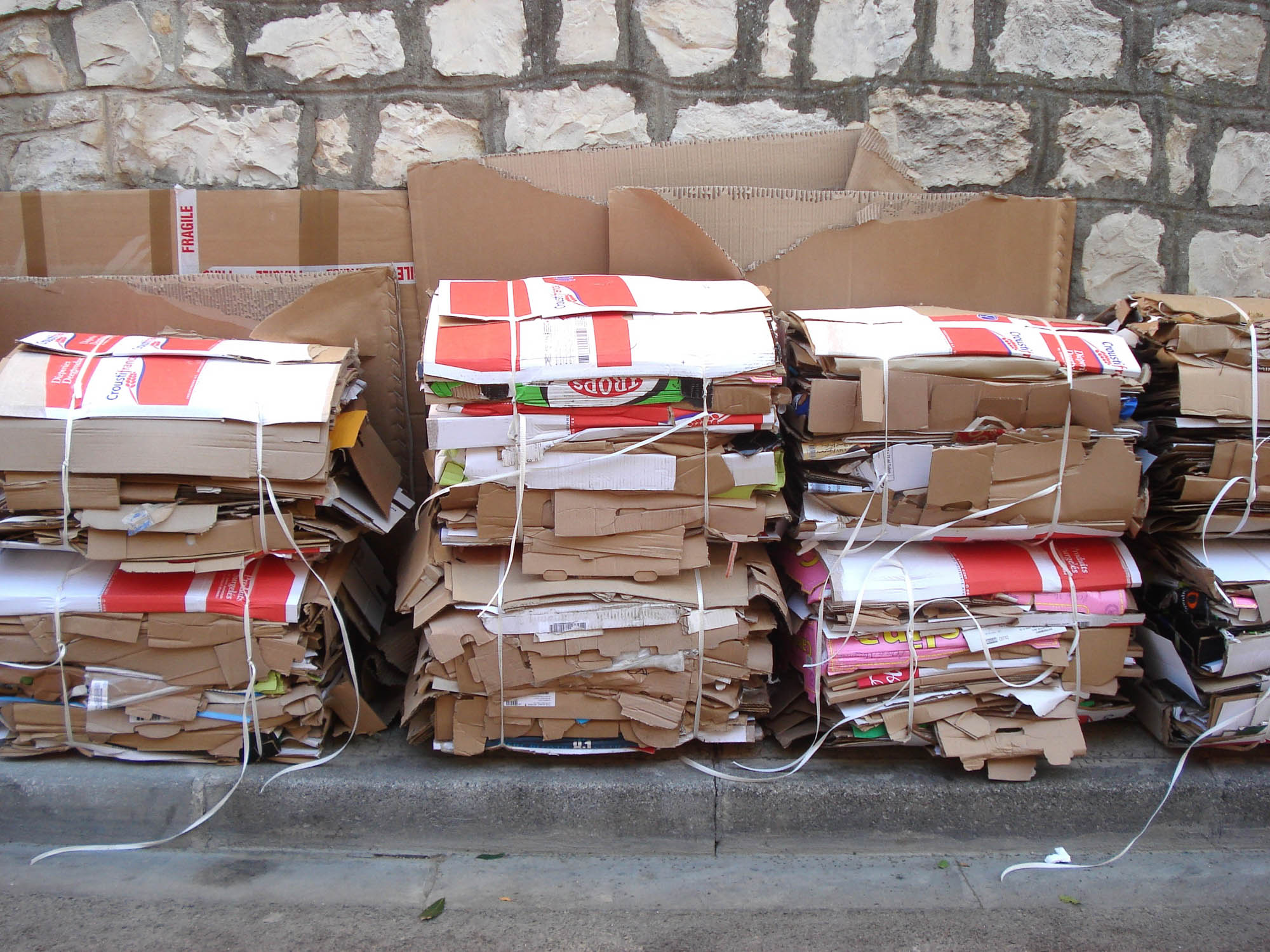
2018-10-15T07:52:19+00:00By |Categories: Recycling-Material, Textilien|0 Comments

About the Author:

Leave A Comment

[fusion_builder_container hundred_percent=”no” hundred_percent_height=”no” hundred_percent_height_scroll=”no” hundred_percent_height_center_content=”yes” equal_height_columns=”no” menu_anchor=”” hide_on_mobile=”small-visibility,medium-visibility,large-visibility” class=”” id=”” background_color=”” background_image=”” background_position=”center center” background_repeat=”no-repeat” fade=”no” background_parallax=”none” enable_mobile=”no” parallax_speed=”0.3″ video_mp4=”” video_webm=”” video_ogv=”” video_url=”” video_aspect_ratio=”16:9″ video_loop=”yes” video_mute=”yes” video_preview_image=”” border_size=”” border_color=”” border_style=”solid” margin_top=”” margin_bottom=”” padding_top=”” padding_right=”” padding_bottom=”” padding_left=””][fusion_builder_row][fusion_builder_column type=”1_1″ layout=”1_1″ spacing=”” center_content=”no” link=”” target=”_self” min_height=”” hide_on_mobile=”small-visibility,medium-visibility,large-visibility” class=”” id=”” background_color=”” background_image=”” background_position=”left top” background_repeat=”no-repeat” hover_type=”none” border_size=”0″ border_color=”” border_style=”solid” border_position=”all” padding_top=”” padding_right=”” padding_bottom=”” padding_left=”” margin_top=”” margin_bottom=”” animation_type=”” animation_direction=”left” animation_speed=”0.3″ animation_offset=”” last=”no”][fusion_text columns=”” column_min_width=”” column_spacing=”” rule_style=”default” rule_size=”” rule_color=”” class=”” id=””]

Окружающая среда оплачивает истинную стоимость быстрой моды

[/fusion_text][/fusion_builder_column][fusion_builder_column type=”1_1″ layout=”2_3″ spacing=”” center_content=”no” link=”” target=”_self” min_height=”” hide_on_mobile=”small-visibility,medium-visibility,large-visibility” class=”” id=”” background_color=”” background_image=”” background_position=”left top” undefined=”” background_repeat=”no-repeat” hover_type=”none” border_size=”0″ border_color=”” border_style=”solid” border_position=”all” padding_top=”” padding_right=”” padding_bottom=”” padding_left=”” margin_top=”” margin_bottom=”” animation_type=”” animation_direction=”left” animation_speed=”0.3″ animation_offset=”” last=”no”][fusion_text columns=”” column_min_width=”” column_spacing=”” rule_style=”default” rule_size=”” rule_color=”” class=”” id=””]

Прошли те времена, когда мгновенное удовлетворение было зарезервировано для избранных немногих. С появлением быстрой моды вы можете выставлять напоказ стиль вашего любимого актера старлета за низкую низкую цену в $ 9,99, но цена, которую планета платит за эти «грязные дешевые» ткани, не так уж и доступна.

Быстрая мода – это не просто термин для быстрого противопожарного тренда от подиума до стойки одежды; он рисует картину наводнений одежды, изготовленных из подпарных материалов, созданных для замены так же быстро, как и они сделаны. Когда-то давно индустрия моды работала в два цикла в год, весна / лето и зима / осень, но розничные силовые структуры, такие как Forever 21, H&M, и Zara, теперь работают целых 52 цикла – это один раз в неделю. Этот быстрый оборот создал многоцелевую проблему этики, загрязнения, полигон , а также убывающие ресурсы, а также общее ощущение расточительности.

[/fusion_text][/fusion_builder_column][/fusion_builder_row][/fusion_builder_container][fusion_builder_container hundred_percent=”no” hundred_percent_height=”no” hundred_percent_height_scroll=”no” hundred_percent_height_center_content=”yes” equal_height_columns=”no” menu_anchor=”” hide_on_mobile=”small-visibility,medium-visibility,large-visibility” class=”” id=”” background_color=”rgba(244,244,244,0.85)” background_image=”” background_position=”center center” background_repeat=”no-repeat” fade=”no” background_parallax=”none” enable_mobile=”no” parallax_speed=”0.3″ video_mp4=”” video_webm=”” video_ogv=”” video_url=”” video_aspect_ratio=”16:9″ video_loop=”yes” video_mute=”yes” video_preview_image=”” border_size=”” border_color=”” border_style=”solid” margin_top=”20px” margin_bottom=”” padding_top=”2%” padding_right=”” padding_bottom=”0″ padding_left=””][fusion_builder_row][fusion_builder_column type=”1_1″ layout=”1_1″ spacing=”” center_content=”no” link=”” target=”_self” min_height=”none” hide_on_mobile=”small-visibility,medium-visibility,large-visibility” class=”” id=”” background_color=”” background_image=”” background_position=”left top” undefined=”” background_repeat=”no-repeat” hover_type=”none” border_size=”0″ border_color=”” border_style=”solid” border_position=”all” padding_top=”” padding_right=”” padding_bottom=”” padding_left=”” margin_top=”” margin_bottom=”” animation_type=”” animation_direction=”left” animation_speed=”0.3″ animation_offset=”” last=”no”][fusion_text columns=”” column_min_width=”” column_spacing=”” rule_style=”default” rule_size=”” rule_color=”” class=”” id=””]

Если скорость, эффективность и доступность являются отличительными чертами прогресса, то индустрия моды сделала гигантские шаги, которые, в некотором отношении, действительно восхитительны. Первое появление быстрой моды подняло голову в 1960-х годах. Поскольку молодое поколение стало покупать все больше и больше недорогой одежды, розничные торговцы были вынуждены конкурировать по цене вместо качества или индивидуального стиля. Только в конце 1990-х годов в начале 2000-х годов посвященные быстрым розничным торговцам моды, которые уже были хорошо известны во всей Европе, стали получать прославленную популярность в Америке. Тот, кто мог бы выпустить жизнеспособный продукт для самых низких издержек, мог бы снизить розничные цены, сохраняя при этом прибыль. Чтобы поддерживать быструю модель моды, розничные продавцы полагаются на дешевые материалы, дешевую рабочую силу и вызывают психологическую потребность потребителей идти в ногу с последними тенденциями. С такой небольшой наценкой на произведенную одежду быстрые розничные торговцы модной одежды должны продавать огромное количество одежды, чтобы получить прибыль.

[/fusion_text][/fusion_builder_column][/fusion_builder_row][/fusion_builder_container][fusion_builder_container hundred_percent=”no” hundred_percent_height=”no” hundred_percent_height_scroll=”no” hundred_percent_height_center_content=”yes” equal_height_columns=”no” menu_anchor=”” hide_on_mobile=”small-visibility,medium-visibility,large-visibility” class=”” id=”” background_color=”” background_image=”” background_position=”center center” background_repeat=”no-repeat” fade=”no” background_parallax=”none” enable_mobile=”no” parallax_speed=”0.3″ video_mp4=”” video_webm=”” video_ogv=”” video_url=”” video_aspect_ratio=”16:9″ video_loop=”yes” video_mute=”yes” video_preview_image=”” border_size=”” border_color=”” border_style=”solid” margin_top=”50px” margin_bottom=”” padding_top=”” padding_right=”” padding_bottom=”” padding_left=””][fusion_builder_row][fusion_builder_column type=”1_1″ layout=”2_3″ spacing=”” center_content=”no” link=”” target=”_self” min_height=”” hide_on_mobile=”small-visibility,medium-visibility,large-visibility” class=”” id=”” background_color=”” background_image=”” background_position=”left top” undefined=”” background_repeat=”no-repeat” hover_type=”none” border_size=”0″ border_color=”” border_style=”solid” border_position=”all” padding_top=”” padding_right=”” padding_bottom=”” padding_left=”” margin_top=”” margin_bottom=”” animation_type=”” animation_direction=”left” animation_speed=”0.3″ animation_offset=”” last=”no”][fusion_text columns=”” column_min_width=”” column_spacing=”” rule_style=”default” rule_size=”” rule_color=”” class=”” id=””]

Чтобы купить эту доступную одежду, мы платим цену, которая только недавно появилась. Требуется много ресурсов для создания всего материала, необходимого для поддержания постоянного спроса на новую одежду. Savers, популярная сеть магазинов в США, оценивает, что для выращивания хлопка, необходимого для изготовления одной футболки, требуется до 700 галлонов воды; пара джинсов может принимать до 1800 галлонов воды. Токсичность не прекращается. Хлопок является одним из наиболее сильно разбрызгиваемых культур, требующих огромного количества пестицидов. Чтобы бороться с этим и снизить издержки, розничные торговцы превратились в более синтетические волокна, но в то время как для этих синтетических текстильных изделий требуется гораздо меньше воды, они производят огромное количество парниковых газов. Согласно Всемирный Институт ресурсов (WRI) ” В 2015 году производство полиэфира для текстильных изделий выпустило около 706 млрд. Кг (1,5 трлн фунтов) парниковых газов, что эквивалентно ежегодным выбросам 185 электростанций на угольных электростанциях. Вряд ли это компромисс.

[/fusion_text][/fusion_builder_column][/fusion_builder_row][/fusion_builder_container][fusion_builder_container hundred_percent=”no” hundred_percent_height=”no” hundred_percent_height_scroll=”no” hundred_percent_height_center_content=”yes” equal_height_columns=”no” menu_anchor=”” hide_on_mobile=”small-visibility,medium-visibility,large-visibility” class=”” id=”” background_color=”” background_image=”” background_position=”center center” background_repeat=”no-repeat” fade=”no” background_parallax=”none” enable_mobile=”no” parallax_speed=”0.3″ video_mp4=”” video_webm=”” video_ogv=”” video_url=”” video_aspect_ratio=”16:9″ video_loop=”yes” video_mute=”yes” video_preview_image=”” border_size=”” border_color=”” border_style=”solid” margin_top=”50px” margin_bottom=”” padding_top=”” padding_right=”” padding_bottom=”” padding_left=””][fusion_builder_row][fusion_builder_column type=”1_1″ layout=”1_1″ spacing=”” center_content=”no” link=”” target=”_self” min_height=”” hide_on_mobile=”small-visibility,medium-visibility,large-visibility” class=”” id=”” background_color=”” background_image=”” background_position=”left top” background_repeat=”no-repeat” hover_type=”none” border_size=”0″ border_color=”” border_style=”solid” border_position=”all” padding_top=”” padding_right=”” padding_bottom=”” padding_left=”” margin_top=”” margin_bottom=”” animation_type=”” animation_direction=”left” animation_speed=”0.3″ animation_offset=”” last=”no”][fusion_imageframe image_id=”513″ style_type=”none” stylecolor=”” hover_type=”none” bordersize=”” bordercolor=”” borderradius=”” align=”center” lightbox=”no” gallery_id=”” lightbox_image=”” alt=”” link=”” linktarget=”_self” hide_on_mobile=”small-visibility,medium-visibility,large-visibility” class=”” id=”” animation_type=”” animation_direction=”left” animation_speed=”0.3″ animation_offset=””]https://earthsquad.global/wp-content/uploads/2018/04/188-1200×557.jpg[/fusion_imageframe][/fusion_builder_column][fusion_builder_column type=”1_1″ layout=”1_1″ spacing=”” center_content=”no” link=”” target=”_self” min_height=”” hide_on_mobile=”small-visibility,medium-visibility,large-visibility” class=”” id=”” background_color=”” background_image=”” background_position=”left top” undefined=”” background_repeat=”no-repeat” hover_type=”none” border_size=”0″ border_color=”” border_style=”solid” border_position=”all” padding_top=”” padding_right=”” padding_bottom=”” padding_left=”” margin_top=”30px” margin_bottom=”” animation_type=”” animation_direction=”left” animation_speed=”0.3″ animation_offset=”” last=”no”][fusion_text columns=”” column_min_width=”” column_spacing=”” rule_style=”default” rule_size=”” rule_color=”” class=”” id=””]

В одной статье WRI сообщает, что текстильная промышленность отвечает за приблизительно 20% всех промышленных загрязнений. Индустрия быстрой моды попала под огонь раньше, по сообщениям, используя красители на основе свинца. Вода, используемая при крашении и переработке, становится токсичным стоком от заводов. Загрязнение воды продолжается задолго до того, как конечный продукт достиг потребителей. С увеличением использования текстильных материалов на основе нефти, таких как полиэфир, мы непреднамеренно добавляем к нашему постоянно растущему пластик проблема. Phys.org рисует шокирующую картину: «Когда полиэфирные одежды стираются в бытовых стиральных машинах, они проливают микроволокна, которые добавляют к возрастающим уровням пластик в наших океанах. Эти микроволокна являются мельчайшими и могут легко проходить через очистные сооружения сточных вод и очистных сооружений в наши водные пути, но поскольку они не подвергаются биологическому разложению, они представляют серьезную угрозу для водной жизни. Маленькие существа, такие как планктон, питаются микроволокнами, которые затем пробираются вверх по пищевой цепи, чтобы ловить рыбу и моллюсков, съеденных людьми ».

[/fusion_text][/fusion_builder_column][/fusion_builder_row][/fusion_builder_container][fusion_builder_container hundred_percent=”no” hundred_percent_height=”no” hundred_percent_height_scroll=”no” hundred_percent_height_center_content=”yes” equal_height_columns=”no” menu_anchor=”” hide_on_mobile=”small-visibility,medium-visibility,large-visibility” class=”” id=”” background_color=”rgba(244,244,244,0.85)” background_image=”” background_position=”center center” background_repeat=”no-repeat” fade=”no” background_parallax=”none” enable_mobile=”no” parallax_speed=”0.3″ video_mp4=”” video_webm=”” video_ogv=”” video_url=”” video_aspect_ratio=”16:9″ video_loop=”yes” video_mute=”yes” video_preview_image=”” border_size=”” border_color=”” border_style=”solid” margin_top=”20px” margin_bottom=”” padding_top=”2%” padding_right=”” padding_bottom=”0″ padding_left=””][fusion_builder_row][fusion_builder_column type=”1_3″ layout=”1_3″ spacing=”” center_content=”no” link=”” target=”_self” min_height=”” hide_on_mobile=”small-visibility,medium-visibility,large-visibility” class=”” id=”” background_color=”” background_image=”” background_position=”left top” background_repeat=”no-repeat” hover_type=”none” border_size=”0″ border_color=”” border_style=”solid” border_position=”all” padding_top=”” padding_right=”” padding_bottom=”” padding_left=”” margin_top=”” margin_bottom=”” animation_type=”” animation_direction=”left” animation_speed=”0.3″ animation_offset=”” last=”no”][fusion_counters_circle animation_offset=”” hide_on_mobile=”small-visibility,medium-visibility,large-visibility” class=”” id=””][fusion_counter_circle value=”60″ filledcolor=”” unfilledcolor=”#25b4ce” size=”220″ scales=”yes” countdown=”yes” speed=”1500″]60%[/fusion_counter_circle][/fusion_counters_circle][/fusion_builder_column][fusion_builder_column type=”2_3″ layout=”2_3″ spacing=”” center_content=”no” link=”” target=”_self” min_height=”” hide_on_mobile=”small-visibility,medium-visibility,large-visibility” class=”” id=”” background_color=”” background_image=”” background_position=”left top” background_repeat=”no-repeat” hover_type=”none” border_size=”0″ border_color=”” border_style=”solid” border_position=”all” padding_top=”” padding_right=”” padding_bottom=”” padding_left=”” margin_top=”” margin_bottom=”” animation_type=”” animation_direction=”left” animation_speed=”0.3″ animation_offset=”” last=”no”][fusion_text columns=”” column_min_width=”” column_spacing=”” rule_style=”default” rule_size=”” rule_color=”” class=”” id=””]

мир покупает больше одежды, чем когда-либо. По данным WRI, мы приобрели на 60% больше одежды в 2014 году, чем в 2000 году, но только удерживали каждую половину вдвое. Результат? полигоны , наполненные одеждой, почти 26 млрд. фунтов в год, изготовленных из синтетических материалов, которые часто окрашиваются и заканчиваются токсичными химикатами, которые могут выщелачиваться в почву и грунтовые воды. Сами волокна не подвержены биологическому разложению, поэтому может потребоваться до 20 лет, прежде чем одежда даже начнет разлагаться. Многие потребители, стремясь быть более экологически чистыми, решают пожертвовать свою одежду вне сезона, но когда одежда выходит из сезона через неделю, пожертвования быстро накапливаются. Проблема в том, что многие люди, просеивающие через благотворительные магазины, такие как Goodwill, ищут качество со скидкой; не дешево сделанная одежда, которая только маркируется по размеру от розничной цены, поэтому одежда просто сидит там, заставляя поступающие пожертвования в свалки .

[/fusion_text][/fusion_builder_column][/fusion_builder_row][/fusion_builder_container][fusion_builder_container hundred_percent=”no” hundred_percent_height=”no” hundred_percent_height_scroll=”no” hundred_percent_height_center_content=”yes” equal_height_columns=”no” menu_anchor=”” hide_on_mobile=”small-visibility,medium-visibility,large-visibility” class=”” id=”” background_color=”” background_image=”” background_position=”center center” background_repeat=”no-repeat” fade=”no” background_parallax=”none” enable_mobile=”no” parallax_speed=”0.3″ video_mp4=”” video_webm=”” video_ogv=”” video_url=”” video_aspect_ratio=”16:9″ video_loop=”yes” video_mute=”yes” video_preview_image=”” border_size=”” border_color=”” border_style=”solid” margin_top=”50px” margin_bottom=”” padding_top=”” padding_right=”” padding_bottom=”” padding_left=””][fusion_builder_row][fusion_builder_column type=”1_1″ layout=”2_3″ spacing=”” center_content=”no” link=”” target=”_self” min_height=”” hide_on_mobile=”small-visibility,medium-visibility,large-visibility” class=”” id=”” background_color=”” background_image=”” background_position=”left top” background_repeat=”no-repeat” hover_type=”none” border_size=”0″ border_color=”” border_style=”solid” border_position=”all” padding_top=”” padding_right=”” padding_bottom=”” padding_left=”” margin_top=”” margin_bottom=”” animation_type=”” animation_direction=”left” animation_speed=”0.3″ animation_offset=”” last=”no”][fusion_text columns=”” column_min_width=”” column_spacing=”” rule_style=”default” rule_size=”” rule_color=”” class=”” id=””]

» Мы обязательно закончим комнаты в какой-то момент. мир население быстро растет. UN.org, что мир будет к 2030 году возрастет более чем на миллиард человек. Это всего лишь около 10 лет, и с большим количеством людей возникает потребность в большей одежде и дополнительных ресурсах для изготовления этой одежды. Как розничные торговцы будут поддерживать быструю модель моды перед лицом роста населения? По-видимому, это дорого стоит их потребителям. Экологическая пошлина – это всего лишь один законопроект, оставшийся без оплаты в индустрии быстрой моды, также существует вопрос об этике и социально-экономическом труде. Один яркий свет заключается в том, что потребители с помощью людей, таких как создатели документальной Истинной стоимости , начинают видеть ущерб этой отрасли и осознали, что могут голосовать за свои доллары. Многие потребители выбирают экологически чистые бренды, которые придерживаются этических методов работы вместо быстрых розничных продавцов. Это одна из тенденций, которые мы надеемся никогда не уходить в отрыв.

[/fusion_text][/fusion_builder_column][/fusion_builder_row][/fusion_builder_container][fusion_builder_container hundred_percent=”no” hundred_percent_height=”no” hundred_percent_height_scroll=”no” hundred_percent_height_center_content=”yes” equal_height_columns=”no” menu_anchor=”” hide_on_mobile=”small-visibility,medium-visibility,large-visibility” class=”” id=”” background_color=”” background_image=”” background_position=”center center” background_repeat=”no-repeat” fade=”no” background_parallax=”none” enable_mobile=”no” parallax_speed=”0.3″ video_mp4=”” video_webm=”” video_ogv=”” video_url=”” video_aspect_ratio=”16:9″ video_loop=”yes” video_mute=”yes” video_preview_image=”” border_size=”” border_color=”” border_style=”solid” margin_top=”50px” margin_bottom=”” padding_top=”” padding_right=”” padding_bottom=”” padding_left=””][fusion_builder_row][fusion_builder_column type=”1_1″ layout=”1_1″ spacing=”” center_content=”no” link=”” target=”_self” min_height=”” hide_on_mobile=”small-visibility,medium-visibility,large-visibility” class=”challenge_block” id=”” background_color=”” background_image=”” background_position=”left top” undefined=”” background_repeat=”no-repeat” hover_type=”none” border_size=”0″ border_color=”” border_style=”solid” border_position=”all” padding_top=”” padding_right=”” padding_bottom=”” padding_left=”” margin_top=”” margin_bottom=”” animation_type=”” animation_direction=”left” animation_speed=”0.3″ animation_offset=”” last=”no”][fusion_text columns=”” column_min_width=”” column_spacing=”” rule_style=”default” rule_size=”” rule_color=”” class=”” id=””]

источники

https://fashionista.com/2016/06/what-is-fast-fashion
https://phys.org/news/2018-01-environmental-fast-fashion.html
http://www.wri.org/blog/2017/07/apparel-industrys-environmental-impact-6-graphics
http://www.businessinsider.com/goodwill-overrun-with-fast-fashion-donations-2018-2
https://www.savers.com/sites/default/files/reuse_report_2017_sav_0.pdf
https://www.npr.org/2016/04/08/473513620/what-happens-when-fashion-becomes-fast-disposable-and-cheap
http://www.newsweek.com/2016/09/09/old-clothes-fashion-waste-crisis-494824.html
https://www.forbes.com/sites/quora/2017/07/26/fast-fashion-is-a-disaster-for-women-and-the-environment/#6e633b3b1fa4
https://qz.com/1222569/fast-fashion-is-causing-an-environmental-emergency/[/fusion_text][/fusion_builder_column][/fusion_builder_row][/fusion_builder_container][fusion_builder_container hundred_percent=”no” hundred_percent_height=”no” hundred_percent_height_scroll=”no” hundred_percent_height_center_content=”yes” equal_height_columns=”no” menu_anchor=”” hide_on_mobile=”small-visibility,medium-visibility,large-visibility” class=”” id=”” background_color=”” background_image=”” background_position=”center center” background_repeat=”no-repeat” fade=”no” background_parallax=”none” enable_mobile=”no” parallax_speed=”0.3″ video_mp4=”” video_webm=”” video_ogv=”” video_url=”” video_aspect_ratio=”16:9″ video_loop=”yes” video_mute=”yes” video_preview_image=”” border_size=”” border_color=”” border_style=”solid” margin_top=”50px” margin_bottom=”” padding_top=”” padding_right=”” padding_bottom=”” padding_left=””][fusion_builder_row][fusion_builder_column type=”1_1″ layout=”1_1″ spacing=”” center_content=”no” link=”” target=”_self” min_height=”” hide_on_mobile=”small-visibility,medium-visibility,large-visibility” class=”” id=”” background_color=”” background_image=”” background_position=”left top” background_repeat=”no-repeat” hover_type=”none” border_size=”0″ border_color=”” border_style=”solid” border_position=”all” padding_top=”” padding_right=”” padding_bottom=”” padding_left=”” margin_top=”” margin_bottom=”” animation_type=”” animation_direction=”left” animation_speed=”0.3″ animation_offset=”” last=”no”][fusion_separator style_type=”single solid” hide_on_mobile=”small-visibility,medium-visibility,large-visibility” class=”” id=”” sep_color=”rgba(193,25,120,0.73)” top_margin=”5%” bottom_margin=”5%” border_size=”1″ icon=”” icon_circle=”yes” icon_circle_color=”” width=”25%” alignment=”center” /][fusion_text columns=”” column_min_width=”” column_spacing=”” rule_style=”default” rule_size=”” rule_color=”” class=”” id=””]

Посидеть на …

[/fusion_text][fusion_blog layout=”medium alternate” blog_grid_columns=”3″ blog_grid_column_spacing=”20″ blog_masonry_grid_ratio=”” blog_masonry_width_double=”” equal_heights=”yes” number_posts=”0″ offset=”0″ pull_by=”category” cat_slug=”” exclude_cats=”” tag_slug=”” exclude_tags=”” orderby=”rand” order=”DESC” thumbnail=”yes” title=”yes” title_link=”yes” content_alignment=”” excerpt=”yes” excerpt_length=”25″ strip_html=”yes” meta_all=”yes” meta_author=”yes” meta_categories=”yes” meta_comments=”no” meta_date=”no” meta_link=”yes” meta_tags=”yes” scrolling=”infinite” grid_box_color=”” grid_element_color=”” grid_separator_style_type=”” grid_separator_color=”” padding_top=”” padding_right=”” padding_bottom=”” padding_left=”” hide_on_mobile=”small-visibility,medium-visibility,large-visibility” class=”” id=”” /][/fusion_builder_column][/fusion_builder_row][/fusion_builder_container]

About the Author:

Leave A Comment

[fusion_builder_container hundred_percent=”no” hundred_percent_height=”no” hundred_percent_height_scroll=”no” hundred_percent_height_center_content=”yes” equal_height_columns=”no” menu_anchor=”” hide_on_mobile=”small-visibility,medium-visibility,large-visibility” class=”” id=”” background_color=”” background_image=”” background_position=”center center” background_repeat=”no-repeat” fade=”no” background_parallax=”none” enable_mobile=”no” parallax_speed=”0.3″ video_mp4=”” video_webm=”” video_ogv=”” video_url=”” video_aspect_ratio=”16:9″ video_loop=”yes” video_mute=”yes” video_preview_image=”” border_size=”” border_color=”” border_style=”solid” margin_top=”” margin_bottom=”” padding_top=”” padding_right=”” padding_bottom=”” padding_left=””][fusion_builder_row][fusion_builder_column type=”1_1″ layout=”1_1″ spacing=”” center_content=”no” link=”” target=”_self” min_height=”” hide_on_mobile=”small-visibility,medium-visibility,large-visibility” class=”” id=”” background_color=”” background_image=”” background_position=”left top” background_repeat=”no-repeat” hover_type=”none” border_size=”0″ border_color=”” border_style=”solid” border_position=”all” padding_top=”” padding_right=”” padding_bottom=”” padding_left=”” margin_top=”” margin_bottom=”” animation_type=”” animation_direction=”left” animation_speed=”0.3″ animation_offset=”” last=”no”][fusion_text columns=”” column_min_width=”” column_spacing=”” rule_style=”default” rule_size=”” rule_color=”” class=”” id=””]

El medio ambiente paga el verdadero costo de la moda rápida

[/fusion_text][/fusion_builder_column][fusion_builder_column type=”1_1″ layout=”2_3″ spacing=”” center_content=”no” link=”” target=”_self” min_height=”” hide_on_mobile=”small-visibility,medium-visibility,large-visibility” class=”” id=”” background_color=”” background_image=”” background_position=”left top” undefined=”” background_repeat=”no-repeat” hover_type=”none” border_size=”0″ border_color=”” border_style=”solid” border_position=”all” padding_top=”” padding_right=”” padding_bottom=”” padding_left=”” margin_top=”” margin_bottom=”” animation_type=”” animation_direction=”left” animation_speed=”0.3″ animation_offset=”” last=”no”][fusion_text columns=”” column_min_width=”” column_spacing=”” rule_style=”default” rule_size=”” rule_color=”” class=”” id=””]

Atrás han quedado los días en que la gratificación instantánea estaba reservada para unos pocos de élite. Con el auge de la moda rápida, puede hacer alarde del estilo de su actor favorito de Starlet por el bajo precio de $ 9.99, pero el precio que paga el planeta por estos textiles “muy baratos” no es tan asequible.

La moda rápida no es solo un término para la rápida rotación de las tendencias desde la pasarela hasta el estante de ropa; pinta una imagen de inundaciones de ropa hecha con materiales insatisfactorios creados para ser reemplazados tan rápido como están hechos. Érase una vez, la industria de la moda operaba en dos ciclos por año, primavera / verano e invierno / otoño, pero las grandes empresas minoristas como Forever 21, H&M, y Zara ahora operan en hasta 52 ciclos, es decir, uno por semana. Esta rápida rotación ha creado un problema múltiple de ética, contaminación,relleno de relleno , y recursos menguantes, así como una sensación general de desperdicio.

[/fusion_text][/fusion_builder_column][/fusion_builder_row][/fusion_builder_container][fusion_builder_container hundred_percent=”no” hundred_percent_height=”no” hundred_percent_height_scroll=”no” hundred_percent_height_center_content=”yes” equal_height_columns=”no” menu_anchor=”” hide_on_mobile=”small-visibility,medium-visibility,large-visibility” class=”” id=”” background_color=”rgba(244,244,244,0.85)” background_image=”” background_position=”center center” background_repeat=”no-repeat” fade=”no” background_parallax=”none” enable_mobile=”no” parallax_speed=”0.3″ video_mp4=”” video_webm=”” video_ogv=”” video_url=”” video_aspect_ratio=”16:9″ video_loop=”yes” video_mute=”yes” video_preview_image=”” border_size=”” border_color=”” border_style=”solid” margin_top=”20px” margin_bottom=”” padding_top=”2%” padding_right=”” padding_bottom=”0″ padding_left=””][fusion_builder_row][fusion_builder_column type=”1_1″ layout=”1_1″ spacing=”” center_content=”no” link=”” target=”_self” min_height=”none” hide_on_mobile=”small-visibility,medium-visibility,large-visibility” class=”” id=”” background_color=”” background_image=”” background_position=”left top” undefined=”” background_repeat=”no-repeat” hover_type=”none” border_size=”0″ border_color=”” border_style=”solid” border_position=”all” padding_top=”” padding_right=”” padding_bottom=”” padding_left=”” margin_top=”” margin_bottom=”” animation_type=”” animation_direction=”left” animation_speed=”0.3″ animation_offset=”” last=”no”][fusion_text columns=”” column_min_width=”” column_spacing=”” rule_style=”default” rule_size=”” rule_color=”” class=”” id=””]

Si la velocidad, la eficiencia y la asequibilidad son los distintivos del progreso, entonces la industria de la moda ha hecho grandes avances que, en cierto sentido, son admirables. La primera aparición de la moda rápida levantó su cabeza en la década de 1960. A medida que la generación más joven comenzó a comprar más y más ropa barata, los minoristas se vieron obligados a competir en precio en lugar de calidad o estilo individual. No fue hasta finales de la década de 1990 hasta principios de la década de 2000 que los minoristas dedicados a la moda rápida, que ya eran bien conocidos en toda Europa, comenzaron a ganar popularidad voraz en Estados Unidos. Quienquiera que pueda producir un producto viable al menor costo podría mantener bajos sus precios minoristas mientras sigue obteniendo ganancias. Para mantener el modelo de moda rápido, los minoristas dependen de materiales baratos, mano de obra barata y desencadenan la necesidad psicológica de los consumidores para mantenerse al día con las últimas tendencias. Con tan poco margen de beneficio en la ropa producida, los minoristas de moda rápida deben vender grandes cantidades de ropa para obtener ganancias.

[/fusion_text][/fusion_builder_column][/fusion_builder_row][/fusion_builder_container][fusion_builder_container hundred_percent=”no” hundred_percent_height=”no” hundred_percent_height_scroll=”no” hundred_percent_height_center_content=”yes” equal_height_columns=”no” menu_anchor=”” hide_on_mobile=”small-visibility,medium-visibility,large-visibility” class=”” id=”” background_color=”” background_image=”” background_position=”center center” background_repeat=”no-repeat” fade=”no” background_parallax=”none” enable_mobile=”no” parallax_speed=”0.3″ video_mp4=”” video_webm=”” video_ogv=”” video_url=”” video_aspect_ratio=”16:9″ video_loop=”yes” video_mute=”yes” video_preview_image=”” border_size=”” border_color=”” border_style=”solid” margin_top=”50px” margin_bottom=”” padding_top=”” padding_right=”” padding_bottom=”” padding_left=””][fusion_builder_row][fusion_builder_column type=”1_1″ layout=”2_3″ spacing=”” center_content=”no” link=”” target=”_self” min_height=”” hide_on_mobile=”small-visibility,medium-visibility,large-visibility” class=”” id=”” background_color=”” background_image=”” background_position=”left top” undefined=”” background_repeat=”no-repeat” hover_type=”none” border_size=”0″ border_color=”” border_style=”solid” border_position=”all” padding_top=”” padding_right=”” padding_bottom=”” padding_left=”” margin_top=”” margin_bottom=”” animation_type=”” animation_direction=”left” animation_speed=”0.3″ animation_offset=”” last=”no”][fusion_text columns=”” column_min_width=”” column_spacing=”” rule_style=”default” rule_size=”” rule_color=”” class=”” id=””]Para comprar esta ropa asequible, pagamos un precio que solo recientemente ha salido a la luz. Se necesitan muchos recursos para crear todo el material necesario para mantenerse al día con la demanda constante de ropa nueva. Savers, una popular cadena de tiendas de segunda mano en los Estados Unidos, estima que para cultivar el algodón necesario para hacer una sola camiseta, se necesitan hasta 700 galones de agua; un par de jeans puede llevar hasta 1800 galones de agua. La toxicidad no se detiene allí. El algodón es uno de los cultivos más fumigados, que requiere cantidades masivas de pesticidas. Para combatir esto y mantener los costos bajos, los minoristas han recurrido a más fibras sintéticas, pero aunque esos textiles sintéticos requieren mucha menos agua, producen una cantidad masiva de gases de efecto invernadero. Según el Mundo Resources Institute (WRI) ” La producción de poliéster para textiles liberó alrededor de 706 mil millones de kg (1.5 billones de libras) de gases de efecto invernadero en 2015, el equivalente a 185 emisiones anuales de centrales eléctricas de carbón ”. Eso no es una compensación en absoluto.[/fusion_text][/fusion_builder_column][/fusion_builder_row][/fusion_builder_container][fusion_builder_container hundred_percent=”no” hundred_percent_height=”no” hundred_percent_height_scroll=”no” hundred_percent_height_center_content=”yes” equal_height_columns=”no” menu_anchor=”” hide_on_mobile=”small-visibility,medium-visibility,large-visibility” class=”” id=”” background_color=”” background_image=”” background_position=”center center” background_repeat=”no-repeat” fade=”no” background_parallax=”none” enable_mobile=”no” parallax_speed=”0.3″ video_mp4=”” video_webm=”” video_ogv=”” video_url=”” video_aspect_ratio=”16:9″ video_loop=”yes” video_mute=”yes” video_preview_image=”” border_size=”” border_color=”” border_style=”solid” margin_top=”50px” margin_bottom=”” padding_top=”” padding_right=”” padding_bottom=”” padding_left=””][fusion_builder_row][fusion_builder_column type=”1_1″ layout=”1_1″ spacing=”” center_content=”no” link=”” target=”_self” min_height=”” hide_on_mobile=”small-visibility,medium-visibility,large-visibility” class=”” id=”” background_color=”” background_image=”” background_position=”left top” background_repeat=”no-repeat” hover_type=”none” border_size=”0″ border_color=”” border_style=”solid” border_position=”all” padding_top=”” padding_right=”” padding_bottom=”” padding_left=”” margin_top=”” margin_bottom=”” animation_type=”” animation_direction=”left” animation_speed=”0.3″ animation_offset=”” last=”no”][fusion_imageframe image_id=”513″ style_type=”none” stylecolor=”” hover_type=”none” bordersize=”” bordercolor=”” borderradius=”” align=”center” lightbox=”no” gallery_id=”” lightbox_image=”” alt=”” link=”” linktarget=”_self” hide_on_mobile=”small-visibility,medium-visibility,large-visibility” class=”” id=”” animation_type=”” animation_direction=”left” animation_speed=”0.3″ animation_offset=””]https://earthsquad.global/wp-content/uploads/2018/04/188-1200×557.jpg[/fusion_imageframe][/fusion_builder_column][fusion_builder_column type=”1_1″ layout=”1_1″ spacing=”” center_content=”no” link=”” target=”_self” min_height=”” hide_on_mobile=”small-visibility,medium-visibility,large-visibility” class=”” id=”” background_color=”” background_image=”” background_position=”left top” undefined=”” background_repeat=”no-repeat” hover_type=”none” border_size=”0″ border_color=”” border_style=”solid” border_position=”all” padding_top=”” padding_right=”” padding_bottom=”” padding_left=”” margin_top=”30px” margin_bottom=”” animation_type=”” animation_direction=”left” animation_speed=”0.3″ animation_offset=”” last=”no”][fusion_text columns=”” column_min_width=”” column_spacing=”” rule_style=”default” rule_size=”” rule_color=”” hide_on_mobile=”small-visibility,medium-visibility,large-visibility” class=”” id=””]

En un artículo, WRI informa que la industria textil es responsable de aproximadamente el 20% de toda la contaminación industrial del agua. La industria de la moda rápida ha sido objeto de críticas anteriormente por el uso de tintes a base de plomo. El agua utilizada durante el teñido y el procesamiento se convierte en escorrentía tóxica de las fábricas. La contaminación del agua continúa mucho después de que el producto final haya llegado a los consumidores. Con el uso cada vez mayor de textiles a base de petróleo como el poliéster, estamos agregando inadvertidamente a nuestro plastic problem. Phys.org pinta una imagen impactante, “cuando las prendas de poliéster se lavan en lavadoras domésticas, arrojan microfibras que aumentan los niveles de plastic en nuestros océanos. Estas microfibras son diminutas y pueden pasar fácilmente a través de las plantas de tratamiento de aguas residuales y aguas residuales a nuestras vías fluviales, pero debido a que no se biodegradan, representan una grave amenaza para la vida acuática. Las criaturas pequeñas, como el plancton, se comen las microfibras, que luego se abren paso a lo largo de la cadena alimenticia para los peces y los mariscos comidos por los seres humanos “.

[/fusion_text][/fusion_builder_column][/fusion_builder_row][/fusion_builder_container][fusion_builder_container hundred_percent=”no” hundred_percent_height=”no” hundred_percent_height_scroll=”no” hundred_percent_height_center_content=”yes” equal_height_columns=”no” menu_anchor=”” hide_on_mobile=”small-visibility,medium-visibility,large-visibility” class=”” id=”” background_color=”rgba(244,244,244,0.85)” background_image=”” background_position=”center center” background_repeat=”no-repeat” fade=”no” background_parallax=”none” enable_mobile=”no” parallax_speed=”0.3″ video_mp4=”” video_webm=”” video_ogv=”” video_url=”” video_aspect_ratio=”16:9″ video_loop=”yes” video_mute=”yes” video_preview_image=”” border_size=”” border_color=”” border_style=”solid” margin_top=”20px” margin_bottom=”” padding_top=”2%” padding_right=”” padding_bottom=”0″ padding_left=””][fusion_builder_row][fusion_builder_column type=”1_3″ layout=”1_3″ spacing=”” center_content=”no” link=”” target=”_self” min_height=”” hide_on_mobile=”small-visibility,medium-visibility,large-visibility” class=”” id=”” background_color=”” background_image=”” background_position=”left top” background_repeat=”no-repeat” hover_type=”none” border_size=”0″ border_color=”” border_style=”solid” border_position=”all” padding_top=”” padding_right=”” padding_bottom=”” padding_left=”” margin_top=”” margin_bottom=”” animation_type=”” animation_direction=”left” animation_speed=”0.3″ animation_offset=”” last=”no”][fusion_counters_circle animation_offset=”” hide_on_mobile=”small-visibility,medium-visibility,large-visibility” class=”” id=””][fusion_counter_circle value=”60″ filledcolor=”” unfilledcolor=”#25b4ce” size=”220″ scales=”yes” countdown=”yes” speed=”1500″]60%[/fusion_counter_circle][/fusion_counters_circle][/fusion_builder_column][fusion_builder_column type=”2_3″ layout=”2_3″ spacing=”” center_content=”no” link=”” target=”_self” min_height=”” hide_on_mobile=”small-visibility,medium-visibility,large-visibility” class=”” id=”” background_color=”” background_image=”” background_position=”left top” background_repeat=”no-repeat” hover_type=”none” border_size=”0″ border_color=”” border_style=”solid” border_position=”all” padding_top=”” padding_right=”” padding_bottom=”” padding_left=”” margin_top=”” margin_bottom=”” animation_type=”” animation_direction=”left” animation_speed=”0.3″ animation_offset=”” last=”no”][fusion_text columns=”” column_min_width=”” column_spacing=”” rule_style=”default” rule_size=”” rule_color=”” hide_on_mobile=”small-visibility,medium-visibility,large-visibility” class=”” id=””]

The mundo está comprando más ropa que nunca. Según WRI, compramos un 60% más de ropa en 2014 que en 2000, pero solo conservamos la mitad de cada pieza. ¿El resultado? Vertederos rebosantes de ropa, casi 26 Mil millones de libras al año, fabricados con materiales sintéticos que a menudo se tiñen y terminan con químicos tóxicos que pueden filtrarse en el suelo y las aguas subterráneas. Las fibras en sí no son biodegradables, por lo que pueden pasar hasta 20 años antes de que la ropa comience a descomponerse. Muchos consumidores, en un esfuerzo por ser más respetuosos con el medio ambiente, deciden donar su ropa fuera de temporada, pero cuando la ropa está fuera de temporada después de una semana, las donaciones pueden acumularse rápidamente. El problema es que muchas personas que buscan en tiendas de segunda mano como Goodwill buscan calidad con un descuento; La ropa no es barata, solo se reduce un poco del precio minorista, por lo que la ropa se queda allí, lo que obliga a las donaciones entrantes a vertederos .

[/fusion_text][/fusion_builder_column][/fusion_builder_row][/fusion_builder_container][fusion_builder_container hundred_percent=”no” hundred_percent_height=”no” hundred_percent_height_scroll=”no” hundred_percent_height_center_content=”yes” equal_height_columns=”no” menu_anchor=”” hide_on_mobile=”small-visibility,medium-visibility,large-visibility” class=”” id=”” background_color=”” background_image=”” background_position=”center center” background_repeat=”no-repeat” fade=”no” background_parallax=”none” enable_mobile=”no” parallax_speed=”0.3″ video_mp4=”” video_webm=”” video_ogv=”” video_url=”” video_aspect_ratio=”16:9″ video_loop=”yes” video_mute=”yes” video_preview_image=”” border_size=”” border_color=”” border_style=”solid” margin_top=”50px” margin_bottom=”” padding_top=”” padding_right=”” padding_bottom=”” padding_left=””][fusion_builder_row][fusion_builder_column type=”1_1″ layout=”2_3″ spacing=”” center_content=”no” link=”” target=”_self” min_height=”” hide_on_mobile=”small-visibility,medium-visibility,large-visibility” class=”” id=”” background_color=”” background_image=”” background_position=”left top” background_repeat=”no-repeat” hover_type=”none” border_size=”0″ border_color=”” border_style=”solid” border_position=”all” padding_top=”” padding_right=”” padding_bottom=”” padding_left=”” margin_top=”” margin_bottom=”” animation_type=”” animation_direction=”left” animation_speed=”0.3″ animation_offset=”” last=”no”][fusion_text columns=”” column_min_width=”” column_spacing=”” rule_style=”default” rule_size=”” rule_color=”” class=”” id=””]

Brote de planta verde que crece dentro de una silueta de bombilla en el fondo del suelo - Concepto de agricultura y crecimientoEstamos obligados a quedarnos sin espacio en algún momento. los La población mundial está creciendo rápidamente. UN.org proyecta que ella población mundial crecerá en más de mil millones de personas para el año 2030. Eso es solo a unos 10 años y con más personas viene la necesidad de más ropa y más recursos para hacer esa ropa. ¿Cómo van a sostener los minoristas el modelo de moda rápido ante el aumento de la población? Presumiblemente a un gran costo para sus consumidores. El costo ambiental es solo una factura que no ha sido pagada por la industria de la moda rápida, también está la cuestión de la ética y el trabajo socioeconómico. La única luz que brilla es que los consumidores, con la ayuda de personas como los creadores de documentales The True Cost , están empezando a ver en detrimento de esta industria y se han dado cuenta de que pueden votar con sus dólares. Muchos consumidores están optando por marcas ecológicas que se adhieren a prácticas de trabajo éticas en lugar de minoristas de moda rápida. Esta es una tendencia que esperamos nunca salga de temporada.

[/fusion_text][/fusion_builder_column][/fusion_builder_row][/fusion_builder_container][fusion_builder_container hundred_percent=”no” hundred_percent_height=”no” hundred_percent_height_scroll=”no” hundred_percent_height_center_content=”yes” equal_height_columns=”no” menu_anchor=”” hide_on_mobile=”small-visibility,medium-visibility,large-visibility” class=”” id=”” background_color=”” background_image=”” background_position=”center center” background_repeat=”no-repeat” fade=”no” background_parallax=”none” enable_mobile=”no” parallax_speed=”0.3″ video_mp4=”” video_webm=”” video_ogv=”” video_url=”” video_aspect_ratio=”16:9″ video_loop=”yes” video_mute=”yes” video_preview_image=”” border_size=”” border_color=”” border_style=”solid” margin_top=”50px” margin_bottom=”” padding_top=”” padding_right=”” padding_bottom=”” padding_left=””][fusion_builder_row][fusion_builder_column type=”1_1″ layout=”1_1″ spacing=”” center_content=”no” link=”” target=”_self” min_height=”” hide_on_mobile=”small-visibility,medium-visibility,large-visibility” class=”challenge_block” id=”” background_color=”” background_image=”” background_position=”left top” undefined=”” background_repeat=”no-repeat” hover_type=”none” border_size=”0″ border_color=”” border_style=”solid” border_position=”all” padding_top=”” padding_right=”” padding_bottom=”” padding_left=”” margin_top=”” margin_bottom=”” animation_type=”” animation_direction=”left” animation_speed=”0.3″ animation_offset=”” last=”no”][fusion_text columns=”” column_min_width=”” column_spacing=”” rule_style=”default” rule_size=”” rule_color=”” class=”” id=””]

Fuentes

https://fashionista.com/2016/06/what-is-fast-fashion
https://phys.org/news/2018-01-environmental-fast-fashion.html
http://www.wri.org/blog/2017/07/apparel-industrys-environmental-impact-6-graphics
http://www.businessinsider.com/goodwill-overrun-with-fast-fashion-donations-2018-2
https://www.savers.com/sites/default/files/reuse_report_2017_sav_0.pdf
https://www.npr.org/2016/04/08/473513620/what-happens-when-fashion-becomes-fast-disposable-and-cheap
http://www.newsweek.com/2016/09/09/old-clothes-fashion-waste-crisis-494824.html
https://www.forbes.com/sites/quora/2017/07/26/fast-fashion-is-a-disaster-for-women-and-the-environment/#6e633b3b1fa4
https://qz.com/1222569/fast-fashion-is-causing-an-environmental-emergency/[/fusion_text][/fusion_builder_column][/fusion_builder_row][/fusion_builder_container][fusion_builder_container hundred_percent=”no” hundred_percent_height=”no” hundred_percent_height_scroll=”no” hundred_percent_height_center_content=”yes” equal_height_columns=”no” menu_anchor=”” hide_on_mobile=”small-visibility,medium-visibility,large-visibility” class=”” id=”” background_color=”” background_image=”” background_position=”center center” background_repeat=”no-repeat” fade=”no” background_parallax=”none” enable_mobile=”no” parallax_speed=”0.3″ video_mp4=”” video_webm=”” video_ogv=”” video_url=”” video_aspect_ratio=”16:9″ video_loop=”yes” video_mute=”yes” video_preview_image=”” border_size=”” border_color=”” border_style=”solid” margin_top=”50px” margin_bottom=”” padding_top=”” padding_right=”” padding_bottom=”” padding_left=””][fusion_builder_row][fusion_builder_column type=”1_1″ layout=”1_1″ spacing=”” center_content=”no” link=”” target=”_self” min_height=”” hide_on_mobile=”small-visibility,medium-visibility,large-visibility” class=”” id=”” background_color=”” background_image=”” background_position=”left top” background_repeat=”no-repeat” hover_type=”none” border_size=”0″ border_color=”” border_style=”solid” border_position=”all” padding_top=”” padding_right=”” padding_bottom=”” padding_left=”” margin_top=”” margin_bottom=”” animation_type=”” animation_direction=”left” animation_speed=”0.3″ animation_offset=”” last=”no”][fusion_separator style_type=”single solid” hide_on_mobile=”small-visibility,medium-visibility,large-visibility” class=”” id=”” sep_color=”rgba(193,25,120,0.73)” top_margin=”5%” bottom_margin=”5%” border_size=”1″ icon=”” icon_circle=”yes” icon_circle_color=”” width=”25%” alignment=”center” /][fusion_text columns=”” column_min_width=”” column_spacing=”” rule_style=”default” rule_size=”” rule_color=”” class=”” id=””]

Navegar en…

[/fusion_text][fusion_blog layout=”medium alternate” blog_grid_columns=”3″ blog_grid_column_spacing=”20″ equal_heights=”yes” number_posts=”0″ offset=”0″ pull_by=”category” cat_slug=”” exclude_cats=”” tag_slug=”” exclude_tags=”” orderby=”rand” order=”DESC” thumbnail=”yes” title=”yes” title_link=”yes” excerpt=”yes” excerpt_length=”25″ strip_html=”yes” meta_all=”yes” meta_author=”yes” meta_categories=”yes” meta_comments=”no” meta_date=”no” meta_link=”yes” meta_tags=”yes” scrolling=”infinite” grid_box_color=”” grid_element_color=”” grid_separator_style_type=”” grid_separator_color=”” padding_top=”” padding_right=”” padding_bottom=”” padding_left=”” hide_on_mobile=”small-visibility,medium-visibility,large-visibility” class=”” id=”” /][/fusion_builder_column][/fusion_builder_row][/fusion_builder_container]
2018-10-15T10:16:09+00:00By |Categories: Reciclaje de material, Textilesk|0 Comments

About the Author:

Leave A Comment