
[fusion_builder_container hundred_percent=”no” hundred_percent_height=”no” hundred_percent_height_scroll=”no” hundred_percent_height_center_content=”yes” equal_height_columns=”no” menu_anchor=”” hide_on_mobile=”small-visibility,medium-visibility,large-visibility” class=”” id=”” background_color=”” background_image=”” background_position=”center center” background_repeat=”no-repeat” fade=”no” background_parallax=”none” enable_mobile=”no” parallax_speed=”0.3″ video_mp4=”” video_webm=”” video_ogv=”” video_url=”” video_aspect_ratio=”16:9″ video_loop=”yes” video_mute=”yes” video_preview_image=”” border_size=”” border_color=”” border_style=”solid” margin_top=”” margin_bottom=”” padding_top=”” padding_right=”” padding_bottom=”” padding_left=””][fusion_builder_row][fusion_builder_column type=”1_1″ layout=”1_1″ spacing=”” center_content=”no” link=”” target=”_self” min_height=”” hide_on_mobile=”small-visibility,medium-visibility,large-visibility” class=”” id=”” background_color=”” background_image=”” background_position=”left top” background_repeat=”no-repeat” hover_type=”none” border_size=”0″ border_color=”” border_style=”solid” border_position=”all” padding_top=”” padding_right=”” padding_bottom=”” padding_left=”” dimension_margin=”” animation_type=”” animation_direction=”left” animation_speed=”0.3″ animation_offset=”” last=”no”][fusion_text columns=”” column_min_width=”” column_spacing=”” rule_style=”default” rule_size=”” rule_color=”” class=”” id=””]Taipei, the capital city of Taiwan is a shining example of what an effective recycling system can do. This city of 2.7 million people has been lauded for its innovation in green solutions as well as its technologies. With an impressive recycling rate of 67 percent, it has one of the cleanest environments in the world. This figure is well above the national average of 55 percent recycling rate which is the highest rate of any country in the world.[/fusion_text][fusion_builder_row_inner][fusion_builder_column_inner type=”1_3″ layout=”1_3″ spacing=”” center_content=”no” hover_type=”none” link=”” min_height=”” hide_on_mobile=”small-visibility,medium-visibility,large-visibility” class=”” id=”” background_color=”” background_image=”” background_position=”left top” background_repeat=”no-repeat” border_size=”0″ border_color=”” border_style=”solid” padding_top=”” padding_right=”” padding_bottom=”” padding_left=”” dimension_margin=”” animation_type=”” animation_direction=”left” animation_speed=”0.3″ animation_offset=”” last=”no” border_position=”all”][fusion_counters_circle animation_offset=”” hide_on_mobile=”small-visibility,medium-visibility,large-visibility” class=”” id=””][fusion_counter_circle value=”27″ filledcolor=”#fe717e” unfilledcolor=”” size=”220″ scales=”no” countdown=”no” speed=”1500″]2.7[/fusion_counter_circle][/fusion_counters_circle][fusion_text columns=”” column_min_width=”” column_spacing=”” rule_style=”default” rule_size=”” rule_color=”” class=”” id=””]
2.7 Million people
[/fusion_text][/fusion_builder_column_inner][fusion_builder_column_inner type=”1_3″ layout=”1_3″ spacing=”” center_content=”no” hover_type=”none” link=”” min_height=”” hide_on_mobile=”small-visibility,medium-visibility,large-visibility” class=”” id=”” background_color=”” background_image=”” background_position=”left top” background_repeat=”no-repeat” border_size=”0″ border_color=”” border_style=”solid” padding_top=”” padding_right=”” padding_bottom=”” padding_left=”” dimension_margin=”” animation_type=”” animation_direction=”left” animation_speed=”0.3″ animation_offset=”” last=”no” border_position=”all”][fusion_counters_circle animation_offset=”” hide_on_mobile=”small-visibility,medium-visibility,large-visibility” class=”” id=””][fusion_counter_circle value=”67″ filledcolor=”#1fbed6″ unfilledcolor=”” size=”220″ scales=”no” countdown=”no” speed=”1500″]67%[/fusion_counter_circle][/fusion_counters_circle][fusion_text columns=”” column_min_width=”” column_spacing=”” rule_style=”default” rule_size=”” rule_color=”” class=”” id=””]
67% Recycling rate
[/fusion_text][/fusion_builder_column_inner][fusion_builder_column_inner type=”1_3″ layout=”1_3″ spacing=”” center_content=”no” hover_type=”none” link=”” min_height=”” hide_on_mobile=”small-visibility,medium-visibility,large-visibility” class=”” id=”” background_color=”” background_image=”” background_position=”left top” background_repeat=”no-repeat” border_size=”0″ border_color=”” border_style=”solid” padding_top=”” padding_right=”” padding_bottom=”” padding_left=”” dimension_margin=”” animation_type=”” animation_direction=”left” animation_speed=”0.3″ animation_offset=”” last=”no” border_position=”all”][fusion_counters_circle animation_offset=”” hide_on_mobile=”small-visibility,medium-visibility,large-visibility” class=”” id=””][fusion_counter_circle value=”55″ filledcolor=”#5bb45a” unfilledcolor=”” size=”220″ scales=”no” countdown=”no” speed=”1500″]55%[/fusion_counter_circle][/fusion_counters_circle][fusion_text columns=”” column_min_width=”” column_spacing=”” rule_style=”default” rule_size=”” rule_color=”” class=”” id=””]
55% Recycling rate
[/fusion_text][/fusion_builder_column_inner][/fusion_builder_row_inner][/fusion_builder_column][/fusion_builder_row][/fusion_builder_container][fusion_builder_container hundred_percent=”no” hundred_percent_height=”no” hundred_percent_height_scroll=”no” hundred_percent_height_center_content=”yes” equal_height_columns=”no” menu_anchor=”” hide_on_mobile=”small-visibility,medium-visibility,large-visibility” class=”” id=”” background_color=”” background_image=”https://www.earthsquad.global/wp-content/uploads/2018/07/13-5.jpg” background_position=”center center” background_repeat=”no-repeat” fade=”no” background_parallax=”none” enable_mobile=”no” parallax_speed=”0.3″ video_mp4=”” video_webm=”” video_ogv=”” video_url=”” video_aspect_ratio=”16:9″ video_loop=”yes” video_mute=”yes” video_preview_image=”” border_size=”” border_color=”” border_style=”solid” margin_top=”” margin_bottom=”” padding_top=”40px” padding_right=”40px” padding_bottom=”40px” padding_left=”40px”][fusion_builder_row][fusion_builder_column type=”1_1″ layout=”1_1″ spacing=”” center_content=”no” link=”” target=”_self” min_height=”” hide_on_mobile=”small-visibility,medium-visibility,large-visibility” class=”” id=”” background_color=”rgba(255,255,255,0.9)” background_image=”” background_position=”left top” undefined=”” background_repeat=”no-repeat” hover_type=”none” border_size=”0″ border_color=”” border_style=”solid” border_position=”all” padding_top=”25px” padding_right=”25px” padding_bottom=”25px” padding_left=”25px” margin_top=”” margin_bottom=”” animation_type=”” animation_direction=”left” animation_speed=”0.3″ animation_offset=”” last=”no”][fusion_text columns=”” column_min_width=”” column_spacing=”” rule_style=”default” rule_size=”” rule_color=”” class=”” id=””]But the story of how Taiwan became a powerhouse in the garbage disposal is one that stretches a few decades ago.
 In the 1980s and 1990s, the industrial boom in Taiwan led to a diversified economy that supplied chunks of consumer electronics. An excessive amount of trash was all over the streets and the landfills were filled to capacity. This presented a new garbage disposal challenge that had to be addressed. Considering the small size of the Island, the rapid industrialization had a negative effect on the public health situation of the country. Citizens could not coexist with piling amounts of uncontrolled garbage.
Fast-forward to the present and the story is completely different. A different kind of boom that is revolutionary is currently taking place. Recycling firms have taken the center stage in recent years with a significant rise in number to about 2,000 firms from only a hundred in the 1990s.[/fusion_text][fusion_builder_row_inner][fusion_builder_column_inner type=”1_1″ layout=”1_1″ spacing=”” center_content=”no” hover_type=”none” link=”” min_height=”” hide_on_mobile=”small-visibility,medium-visibility,large-visibility” class=”” id=”” background_color=”” background_image=”” background_position=”left top” background_repeat=”no-repeat” border_size=”0″ border_color=”” border_style=”solid” padding_top=”” padding_right=”” padding_bottom=”” padding_left=”” dimension_margin=”” animation_type=”” animation_direction=”left” animation_speed=”0.3″ animation_offset=”” last=”no” border_position=”all”][fusion_text columns=”” column_min_width=”” column_spacing=”” rule_style=”default” rule_size=”” rule_color=”” class=”” id=””]
The garbage collection system of Taiwan
[/fusion_text][/fusion_builder_column_inner][fusion_builder_column_inner type=”1_3″ layout=”1_3″ spacing=”” center_content=”no” hover_type=”none” link=”” min_height=”” hide_on_mobile=”small-visibility,medium-visibility,large-visibility” class=”” id=”” background_color=”” background_image=”” background_position=”left top” undefined=”” background_repeat=”no-repeat” border_size=”0″ border_color=”” border_style=”solid” padding_top=”” padding_right=”” padding_bottom=”” padding_left=”” margin_top=”” margin_bottom=”0px” animation_type=”” animation_direction=”left” animation_speed=”0.3″ animation_offset=”” last=”no” border_position=”all”][fusion_counters_circle animation_offset=”” hide_on_mobile=”small-visibility,medium-visibility,large-visibility” class=”” id=””][fusion_counter_circle value=”55″ filledcolor=”#fe717e” unfilledcolor=”” size=”160″ scales=”no” countdown=”no” speed=”1500″]55%[/fusion_counter_circle][/fusion_counters_circle][/fusion_builder_column_inner][fusion_builder_column_inner type=”2_3″ layout=”2_3″ spacing=”” center_content=”no” hover_type=”none” link=”” min_height=”” hide_on_mobile=”small-visibility,medium-visibility,large-visibility” class=”” id=”” background_color=”” background_image=”” background_position=”left top” undefined=”” background_repeat=”no-repeat” border_size=”0″ border_color=”” border_style=”solid” padding_top=”” padding_right=”” padding_bottom=”” padding_left=”” margin_top=”” margin_bottom=”0px” animation_type=”” animation_direction=”left” animation_speed=”0.3″ animation_offset=”” last=”no” border_position=”all”][fusion_text columns=”” column_min_width=”” column_spacing=”” rule_style=”default” rule_size=”” rule_color=”” class=”” id=””]Once referred to as a garbage island, Taiwan is leading the way in recycling with its unique system. A diversion rate of 55 percent places Taiwan at the top of garbage recycling setting an example to the rest of the world. Taiwan’s recycling system is one that includes incentives to encourage eager participation from the public and penalties to warn others who might violate the laws.[/fusion_text][/fusion_builder_column_inner][/fusion_builder_row_inner][fusion_text columns=”” column_min_width=”” column_spacing=”” rule_style=”default” rule_size=”” rule_color=”” class=”” id=””]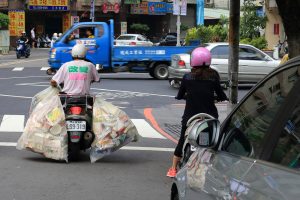 Instead of a single pick up day for trash, slow-moving trucks with classical music collect trash several times a week at a specific time. Accompanying the yellow trucks are open bed recycling trucks. Within a span of 5 minutes, people rush from their homes upon hearing the classical music and place their garbage in the truck according to categories. The method of disposal is based upon the type of garbage which includes general refuse, cooked food, raw food, recyclables, plastic, and paper.
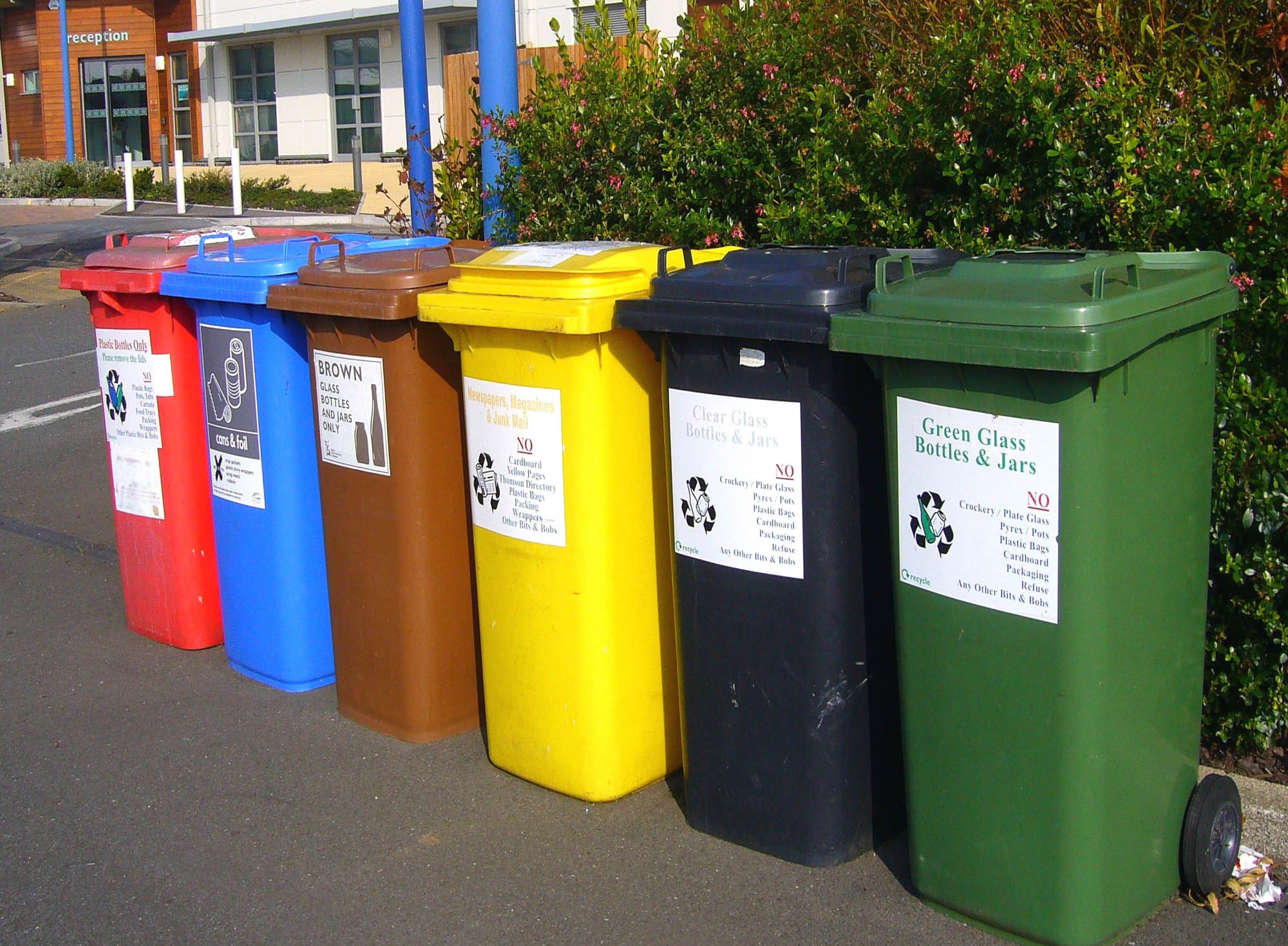
To help in sorting the garbage, individuals are required to buy a specially designed blue bag where they can throw in garbage separately.[/fusion_text][/fusion_builder_column][/fusion_builder_row][/fusion_builder_container][fusion_builder_container hundred_percent=”no” hundred_percent_height=”no” hundred_percent_height_scroll=”no” hundred_percent_height_center_content=”yes” equal_height_columns=”no” menu_anchor=”” hide_on_mobile=”small-visibility,medium-visibility,large-visibility” class=”” id=”” background_color=”” background_image=”” background_position=”center center” background_repeat=”no-repeat” fade=”no” background_parallax=”none” enable_mobile=”no” parallax_speed=”0.3″ video_mp4=”” video_webm=”” video_ogv=”” video_url=”” video_aspect_ratio=”16:9″ video_loop=”yes” video_mute=”yes” video_preview_image=”” border_size=”” border_color=”” border_style=”solid” margin_top=”” margin_bottom=”” padding_top=”45px” padding_right=”” padding_bottom=”” padding_left=””][fusion_builder_row][fusion_builder_column type=”1_1″ layout=”1_1″ spacing=”” center_content=”no” link=”” target=”_self” min_height=”” hide_on_mobile=”small-visibility,medium-visibility,large-visibility” class=”” id=”” background_color=”” background_image=”” background_position=”left top” background_repeat=”no-repeat” hover_type=”none” border_size=”0″ border_color=”” border_style=”solid” border_position=”all” padding_top=”” padding_right=”” padding_bottom=”” padding_left=”” dimension_margin=”” animation_type=”” animation_direction=”left” animation_speed=”0.3″ animation_offset=”” last=”no”][fusion_accordion type=”” boxed_mode=”” border_size=”1″ border_color=”” background_color=”” hover_color=”” divider_line=”” title_font_size=”” icon_size=”” icon_color=”” icon_boxed_mode=”” icon_box_color=”” icon_alignment=”” toggle_hover_accent_color=”” hide_on_mobile=”small-visibility,medium-visibility,large-visibility” class=”” id=””][fusion_toggle title=”How is the recycling system maintained?” open=”no”]Aside from classical music coming from the trash trucks, Taiwan has several checks that ensure the recycling system is effective in the long run.
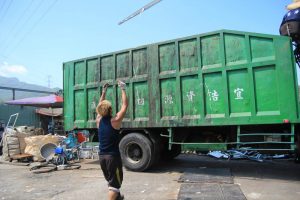 Several policies have been put in place which includes imposing fines on those who violate the laws of garbage disposal, or in the extreme case, public humiliation is used as punishment. It is mandatory for all to dispose of non-recyclable waste in the blue bags which are government certified. Contrary to this, one may have to pay a fine.
In other cases, video cameras are installed to catch violators. First-time violators may walk scot-free with only a warning but if they repeat the same mistake they are punished accordingly. If caught for the second time, the video footage is posted with the hidden face of the violator. This serves as the final warning whereby public humiliation may follow if they repeat.
This method of punishment is reliant on the Asian discipline and ethics which discourages individuals from violating national laws.[/fusion_toggle][fusion_toggle title=”How is the collected waste recycled and used?” open=”no”]With more than 4,000 pickup spots in the city of Taipei, and mobile apps that alert users whenever a trash truck is in the vicinity, the garbage collection is unimaginably easy and convenient for the locals. In addition to this, the trash collecting occurs for five nights per week. Depending on a household’s volume of waste, they use a pay-as-you-throw program when purchasing the government-approved blue bag. The sorting out of garbage is also vital to the recycling process. The yellow trash truck collects food waste and other recyclables while the open bed truck collects all non-recyclable items.
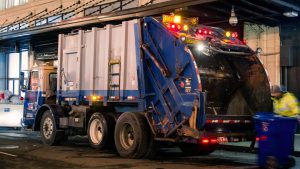 Most of the general refuse is incinerated while raw food waste is composted and eventually used as fertilizer by farmers. Cooked food waste is processed to feed the local black-haired pigs and other farm animals.
The city of Taipei has introduced smart collection recycling machines which provide convenience to the public. The use of technology in garbage disposal and collection has reduced the average waste disposed of per person to only 0.3-0.4 kg per person which is among the lowest around the world.[/fusion_toggle][fusion_toggle title=”Current environmental concerns in Taiwan” open=”no”]As the leading nation in garbage disposal and recycling, there are still environmental challenges that continue to affect the people of Taiwan. Prior to the revolutionary recycling system, Taiwan was still suffering from the effects of the rapid industrialization that took place in the 1980s. The environment was adversely affected during this period when industries had little or no concern at all for the environment.
 Current environmental problems in Taiwan include acid rain, increase in greenhouse gases and pollution of watercourses. Some of these problems apply on a global scale and not particular to Taiwan alone. The petrochemical and semiconductor industries of Taiwan are the major contributors to environmental pollution as the ‘dirty industries’ since they cause damage to the soil, land, and water. Industries owned by the government such as the steel industry in the city of Kaohsiung are among the worst offenders. They release solid and liquid wastes majorly because of the lack of a national system for industrial disposal.[/fusion_toggle][/fusion_accordion][/fusion_builder_column][/fusion_builder_row][/fusion_builder_container][fusion_builder_container hundred_percent=”no” hundred_percent_height=”no” hundred_percent_height_scroll=”no” hundred_percent_height_center_content=”yes” equal_height_columns=”no” menu_anchor=”” hide_on_mobile=”small-visibility,medium-visibility,large-visibility” class=”” id=”” background_color=”” background_image=”https://www.earthsquad.global/wp-content/uploads/2018/07/4-56.jpg” background_position=”center center” background_repeat=”no-repeat” fade=”no” background_parallax=”none” enable_mobile=”no” parallax_speed=”0.3″ video_mp4=”” video_webm=”” video_ogv=”” video_url=”” video_aspect_ratio=”16:9″ video_loop=”yes” video_mute=”yes” video_preview_image=”” border_size=”” border_color=”” border_style=”solid” margin_top=”25px” margin_bottom=”” padding_top=”80px” padding_right=”40px” padding_bottom=”40px” padding_left=”40px”][fusion_builder_row][fusion_builder_column type=”1_1″ layout=”1_1″ spacing=”” center_content=”no” link=”” target=”_self” min_height=”” hide_on_mobile=”small-visibility,medium-visibility,large-visibility” class=”” id=”” background_color=”rgba(255,255,255,0.94)” background_image=”” background_position=”left top” undefined=”” background_repeat=”no-repeat” hover_type=”none” border_size=”0″ border_color=”” border_style=”solid” border_position=”all” padding_top=”25px” padding_right=”25px” padding_bottom=”25px” padding_left=”25px” margin_top=”” margin_bottom=”” animation_type=”” animation_direction=”left” animation_speed=”0.3″ animation_offset=”” last=”no”][fusion_counters_circle animation_offset=”” hide_on_mobile=”small-visibility,medium-visibility,large-visibility” class=”” id=””][fusion_counter_circle value=”55″ filledcolor=”#fe717e” unfilledcolor=”#d1d1d1″ size=”150″ scales=”no” countdown=”no” speed=”1500″]55%[/fusion_counter_circle][/fusion_counters_circle][fusion_text columns=”” column_min_width=”” column_spacing=”” rule_style=”default” rule_size=”” rule_color=”” class=”” id=””]
Taiwan as an example for other nations
Well done to Taiwan for setting a high bar for other nations to follow when it comes to garbage recycling and disposal. From the verge of environmental collapse due to rapid industrialization, the country gave itself a lifeline by establishing strict laws and a recycling system that is effective. For this reason, Taiwan has the highest recycling rate of 55 percent which exceeds countries like Austria, Germany, and South Korea.
[/fusion_text][/fusion_builder_column][/fusion_builder_row][/fusion_builder_container][fusion_global id=”4038″]



Leave A Comment