
[fusion_builder_container hundred_percent=”no” hundred_percent_height=”no” hundred_percent_height_scroll=”no” hundred_percent_height_center_content=”yes” equal_height_columns=”no” menu_anchor=”” hide_on_mobile=”small-visibility,medium-visibility,large-visibility” class=”” id=”” background_color=”” background_image=”” background_position=”center center” background_repeat=”no-repeat” fade=”no” background_parallax=”none” enable_mobile=”no” parallax_speed=”0.3″ video_mp4=”” video_webm=”” video_ogv=”” video_url=”” video_aspect_ratio=”16:9″ video_loop=”yes” video_mute=”yes” video_preview_image=”” border_size=”” border_color=”” border_style=”solid” margin_top=”” margin_bottom=”” padding_top=”” padding_right=”” padding_bottom=”” padding_left=””][fusion_builder_row][fusion_builder_column type=”2_3″ layout=”2_3″ spacing=”” center_content=”no” link=”” target=”_self” min_height=”” hide_on_mobile=”small-visibility,medium-visibility,large-visibility” class=”” id=”” background_color=”” background_image=”” background_position=”left top” background_repeat=”no-repeat” hover_type=”none” border_size=”0″ border_color=”” border_style=”solid” border_position=”all” padding_top=”” padding_right=”” padding_bottom=”” padding_left=”” dimension_margin=”” animation_type=”” animation_direction=”left” animation_speed=”0.3″ animation_offset=”” last=”no”][fusion_text columns=”” column_min_width=”” column_spacing=”” rule_style=”default” rule_size=”” rule_color=”” class=”” id=””]Plastic pollution is a major threat to marine life. The problem has reached an alarming level over the past decades. Despite the recognition of the severity of the problem, the extent of plastic pollution has increased as reported by recent studies. Australia is under a severe attack of plastic pollution. This biodiversity-rich country is facing severe threats posed to its marine and avian wildlife as a result of an increase in plastic pollution. The water bodies and coastlines of Australia are especially affected in this regard. Here is a brief overview of the problem, the associated damages, and initiatives taken by Australian natives for the controlling of the problem:[/fusion_text][/fusion_builder_column][fusion_builder_column type=”1_3″ layout=”1_3″ spacing=”” center_content=”no” link=”” target=”_self” min_height=”” hide_on_mobile=”small-visibility,medium-visibility,large-visibility” class=”” id=”” background_color=”” background_image=”” background_position=”left top” background_repeat=”no-repeat” hover_type=”none” border_size=”0″ border_color=”” border_style=”solid” border_position=”all” padding_top=”” padding_right=”” padding_bottom=”” padding_left=”” dimension_margin=”” animation_type=”” animation_direction=”left” animation_speed=”0.3″ animation_offset=”” last=”no”][fusion_imageframe image_id=”3326″ max_width=”220px” style_type=”dropshadow” stylecolor=”” hover_type=”none” bordersize=”5″ bordercolor=”#ffffff” borderradius=”100%” align=”center” lightbox=”no” gallery_id=”” lightbox_image=”” alt=”” link=”” linktarget=”_self” hide_on_mobile=”small-visibility,medium-visibility,large-visibility” class=”” id=”” animation_type=”” animation_direction=”left” animation_speed=”0.3″ animation_offset=””]https://www.earthsquad.global/wp-content/uploads/2018/06/7-14.jpg[/fusion_imageframe][/fusion_builder_column][/fusion_builder_row][/fusion_builder_container][fusion_builder_container hundred_percent=”no” hundred_percent_height=”no” hundred_percent_height_scroll=”no” hundred_percent_height_center_content=”yes” equal_height_columns=”no” menu_anchor=”” hide_on_mobile=”small-visibility,medium-visibility,large-visibility” class=”” id=”” background_color=”” background_image=”https://www.earthsquad.global/wp-content/uploads/2018/06/53-2.jpg” background_position=”center center” background_repeat=”no-repeat” fade=”no” background_parallax=”none” enable_mobile=”no” parallax_speed=”0.3″ video_mp4=”” video_webm=”” video_ogv=”” video_url=”” video_aspect_ratio=”16:9″ video_loop=”yes” video_mute=”yes” video_preview_image=”” border_size=”” border_color=”” border_style=”solid” margin_top=”” margin_bottom=”” padding_top=”100px” padding_right=”40px” padding_bottom=”100px” padding_left=”40px”][fusion_builder_row][fusion_builder_column type=”1_1″ layout=”1_1″ spacing=”” center_content=”no” link=”” target=”_self” min_height=”” hide_on_mobile=”small-visibility,medium-visibility,large-visibility” class=”” id=”” background_color=”rgba(255,255,255,0.77)” background_image=”” background_position=”left top” undefined=”” background_repeat=”no-repeat” hover_type=”none” border_size=”0″ border_color=”” border_style=”solid” border_position=”all” padding_top=”25px” padding_right=”25px” padding_bottom=”25px” padding_left=”25px” margin_top=”” margin_bottom=”0px” animation_type=”” animation_direction=”left” animation_speed=”0.3″ animation_offset=”” last=”no”][fusion_text columns=”” column_min_width=”” column_spacing=”” rule_style=”default” rule_size=”” rule_color=”” class=”” id=””]
Pacific under Plastic attack!
Since the discovery of The Great Pacific Garbage Patch in the north gyre of Pacific Ocean, an increase in the size of this garbage patch has been observed over the past decades. Plastic constitutes a major portion of this great garbage patch and it is circulating in the Australian waters to a dangerous level. In recent reports, the Garbage patch in the Pacific Ocean was estimated to be larger than France in terms of its area. Apart from the discovery and gradual accumulation of plastic waste in Garbage patch of Pacific Ocean, plastic pollution struck areas are also reported in the east, south and west side of the Pacific.
[/fusion_text][/fusion_builder_column][/fusion_builder_row][/fusion_builder_container][fusion_builder_container hundred_percent=”no” hundred_percent_height=”no” hundred_percent_height_scroll=”no” hundred_percent_height_center_content=”yes” equal_height_columns=”no” menu_anchor=”” hide_on_mobile=”small-visibility,medium-visibility,large-visibility” class=”” id=”” background_color=”” background_image=”” background_position=”center center” background_repeat=”no-repeat” fade=”no” background_parallax=”none” enable_mobile=”no” parallax_speed=”0.3″ video_mp4=”” video_webm=”” video_ogv=”” video_url=”” video_aspect_ratio=”16:9″ video_loop=”yes” video_mute=”yes” video_preview_image=”” border_size=”” border_color=”” border_style=”solid” margin_top=”40px” margin_bottom=”” padding_top=”” padding_right=”” padding_bottom=”” padding_left=””][fusion_builder_row][fusion_builder_column type=”1_1″ layout=”1_1″ spacing=”” center_content=”no” link=”” target=”_self” min_height=”” hide_on_mobile=”small-visibility,medium-visibility,large-visibility” class=”” id=”” background_color=”” background_image=”” background_position=”left top” background_repeat=”no-repeat” hover_type=”none” border_size=”0″ border_color=”” border_style=”solid” border_position=”all” padding_top=”” padding_right=”” padding_bottom=”” padding_left=”” dimension_margin=”” animation_type=”” animation_direction=”left” animation_speed=”0.3″ animation_offset=”” last=”no”][fusion_text columns=”” column_min_width=”” column_spacing=”” rule_style=”default” rule_size=”” rule_color=”” class=”” id=””]
Australian waters and plastic pollution
As a result of Plastic pollution in the Pacific Ocean, the Australian waters have been greatly affected. The plastic levels in The Great Garbage Patch have been reported to be increased by 16 percent which amounts up to 250 discarded plastic pieces contributed by each person in this world. Straws, toys, plastic bottles, plastic bags and a number of other plastic items have been found to accumulate in this immense patch of Garbage. A study found out that out of all the Australian waters, the east coastlines are highly affected by plastic pollution. The problem is so huge that plastic isles have been observed in the Australian waters which solely consist of plastic, chemical, and other debris.
[/fusion_text][/fusion_builder_column][fusion_builder_column type=”1_2″ layout=”1_2″ spacing=”” center_content=”no” link=”” target=”_self” min_height=”” hide_on_mobile=”small-visibility,medium-visibility,large-visibility” class=”” id=”” background_color=”” background_image=”” background_position=”left top” background_repeat=”no-repeat” hover_type=”none” border_size=”0″ border_color=”” border_style=”solid” border_position=”all” padding_top=”” padding_right=”” padding_bottom=”” padding_left=”” dimension_margin=”” animation_type=”” animation_direction=”left” animation_speed=”0.3″ animation_offset=”” last=”no”][fusion_counters_circle animation_offset=”” hide_on_mobile=”small-visibility,medium-visibility,large-visibility” class=”” id=””][fusion_counter_circle value=”16″ filledcolor=”” unfilledcolor=”” size=”220″ scales=”no” countdown=”yes” speed=”1500″]16%[/fusion_counter_circle][/fusion_counters_circle][fusion_text columns=”” column_min_width=”” column_spacing=”” rule_style=”default” rule_size=”” rule_color=”” class=”” id=””]
Great Garbage Patch
[/fusion_text][/fusion_builder_column][fusion_builder_column type=”1_2″ layout=”1_2″ spacing=”” center_content=”no” link=”” target=”_self” min_height=”” hide_on_mobile=”small-visibility,medium-visibility,large-visibility” class=”” id=”” background_color=”” background_image=”” background_position=”left top” background_repeat=”no-repeat” hover_type=”none” border_size=”0″ border_color=”” border_style=”solid” border_position=”all” padding_top=”” padding_right=”” padding_bottom=”” padding_left=”” dimension_margin=”” animation_type=”” animation_direction=”left” animation_speed=”0.3″ animation_offset=”” last=”no”][fusion_counters_circle animation_offset=”” hide_on_mobile=”small-visibility,medium-visibility,large-visibility” class=”” id=””][fusion_counter_circle value=”25″ filledcolor=”” unfilledcolor=”” size=”220″ scales=”no” countdown=”yes” speed=”1500″]250[/fusion_counter_circle][/fusion_counters_circle][fusion_text columns=”” column_min_width=”” column_spacing=”” rule_style=”default” rule_size=”” rule_color=”” class=”” id=””]
Discarded plastic pieces
[/fusion_text][/fusion_builder_column][/fusion_builder_row][/fusion_builder_container][fusion_builder_container hundred_percent=”no” hundred_percent_height=”no” hundred_percent_height_scroll=”no” hundred_percent_height_center_content=”yes” equal_height_columns=”no” menu_anchor=”” hide_on_mobile=”small-visibility,medium-visibility,large-visibility” class=”” id=”” background_color=”” background_image=”https://www.earthsquad.global/wp-content/uploads/2018/06/46-3.jpg” background_position=”center center” background_repeat=”no-repeat” fade=”no” background_parallax=”none” enable_mobile=”no” parallax_speed=”0.3″ video_mp4=”” video_webm=”” video_ogv=”” video_url=”” video_aspect_ratio=”16:9″ video_loop=”yes” video_mute=”yes” video_preview_image=”” border_size=”” border_color=”” border_style=”solid” margin_top=”” margin_bottom=”” padding_top=”40px” padding_right=”40px” padding_bottom=”40px” padding_left=”40px”][fusion_builder_row][fusion_builder_column type=”1_1″ layout=”1_1″ spacing=”” center_content=”no” link=”” target=”_self” min_height=”” hide_on_mobile=”small-visibility,medium-visibility,large-visibility” class=”” id=”” background_color=”rgba(255,255,255,0.85)” background_image=”” background_position=”left top” undefined=”” background_repeat=”no-repeat” hover_type=”none” border_size=”0″ border_color=”” border_style=”solid” border_position=”all” padding_top=”25px” padding_right=”25px” padding_bottom=”25px” padding_left=”25px” margin_top=”” margin_bottom=”” animation_type=”” animation_direction=”left” animation_speed=”0.3″ animation_offset=”” last=”no”][fusion_text columns=”” column_min_width=”” column_spacing=”” rule_style=”default” rule_size=”” rule_color=”” class=”” id=””]
Silent killer
Plastic pollution poses greater harms to marine bodies than terrestrial ones. Plastic is harder to remove from water bodies is it is crushed into microplastic upon impact of sea waves. The continuous hitting of waves on the shores results in a nonstop deposition as well as carrying away of plastic away from and into the sea respectively. Since the water bodies are so large, it is impossible to completely eradicate plastic from the sea. The result is in the form of floating and submerged bits of plastic which are polluting the Australian waters and posing great dangers to the local wildlife.
[/fusion_text][fusion_tabs design=”classic” layout=”horizontal” justified=”yes” backgroundcolor=”” inactivecolor=”” bordercolor=”” icon=”” icon_position=”” icon_size=”” hide_on_mobile=”small-visibility,medium-visibility,large-visibility” class=”” id=””][fusion_tab title=”Marine life” icon=””][fusion_builder_row_inner][fusion_builder_column_inner spacing=”” center_content=”no” hover_type=”none” link=”” min_height=”” hide_on_mobile=”small-visibility,medium-visibility,large-visibility” class=”” id=”” background_color=”” background_image=”” background_position=”left top” background_repeat=”no-repeat” border_size=”0″ border_color=”” border_style=”solid” animation_type=”” animation_direction=”left” animation_speed=”0.3″ animation_offset=”” type=”3_5″][fusion_text]The microplastic and ghost nets make up over half of the total 80% plastic wait floating in Australian waters. Marine fish such as whales and other predators mistake these bits of plastic as eggs of smaller fish. The polythene bags hugely resemble jellyfish when submerged in water. Whales and other fish feed on these plastic bits perceiving the bits to be actual food. Eventually, the plastic gets stuck in their intestines, blocks their digestive system and causes their death. Several cases of marine corpses being washed away on Australian coastal lines have been reported- all died because of plastic which blocked their system.[/fusion_text][/fusion_builder_column_inner][fusion_builder_column_inner spacing=”” center_content=”no” hover_type=”none” link=”” min_height=”” hide_on_mobile=”small-visibility,medium-visibility,large-visibility” class=”” id=”” background_color=”” background_image=”” background_position=”left top” background_repeat=”no-repeat” border_size=”0″ border_color=”” border_style=”solid” animation_type=”” animation_direction=”left” animation_speed=”0.3″ animation_offset=”” type=”2_5″][fusion_text]
[/fusion_text][fusion_counters_circle animation_offset=”” hide_on_mobile=”small-visibility,medium-visibility,large-visibility” class=”” id=””][fusion_counter_circle value=”80″ filledcolor=”” unfilledcolor=”” size=”220″ scales=”no” countdown=”yes” speed=”1500″]80%[/fusion_counter_circle][/fusion_counters_circle] [/fusion_builder_column_inner][/fusion_builder_row_inner][/fusion_tab][fusion_tab title=”Avian wildlife” icon=””]Australian bird species are known all over the world. Unfortunately, the marine birds are subject to great threats because of plastic pollution in Australian waters. The main sources of food for marine birds are sea fish which they catch from the water surface. Birds can easily mistake the plastic waste for fish and die a slow death by digestive and respiratory system blockage. The fishnets and ghost nets can trap the birds- completely blocking their ability to fly. These birds can neither feed themselves nor fly to safer areas. A number of birds have died a slow death in Australia due to plastic pollution.[/fusion_tab][fusion_tab title=”Coastal species” icon=””]Amphibians, reptiles, insects and other coastal species are highly being affected by plastic pollution. Straws are frequently blocking the airways of turtles and other fish. The tin cans are getting stuck on crabs and other crustaceans. Corals can be seen growing on plastic bottles instead of their natural habitat. In short, plastic pollution has made Australian waters a complete mess.[/fusion_tab][/fusion_tabs][/fusion_builder_column][/fusion_builder_row][/fusion_builder_container][fusion_builder_container hundred_percent=”no” hundred_percent_height=”no” hundred_percent_height_scroll=”no” hundred_percent_height_center_content=”yes” equal_height_columns=”no” menu_anchor=”” hide_on_mobile=”small-visibility,medium-visibility,large-visibility” class=”” id=”” background_color=”” background_image=”” background_position=”center center” background_repeat=”no-repeat” fade=”no” background_parallax=”none” enable_mobile=”no” parallax_speed=”0.3″ video_mp4=”” video_webm=”” video_ogv=”” video_url=”” video_aspect_ratio=”16:9″ video_loop=”yes” video_mute=”yes” video_preview_image=”” border_size=”” border_color=”” border_style=”solid” margin_top=”40px” margin_bottom=”” padding_top=”” padding_right=”” padding_bottom=”” padding_left=””][fusion_builder_row][fusion_builder_column type=”1_1″ layout=”1_1″ spacing=”” center_content=”no” link=”” target=”_self” min_height=”” hide_on_mobile=”small-visibility,medium-visibility,large-visibility” class=”” id=”” background_color=”” background_image=”” background_position=”left top” background_repeat=”no-repeat” hover_type=”none” border_size=”0″ border_color=”” border_style=”solid” border_position=”all” padding_top=”” padding_right=”” padding_bottom=”” padding_left=”” dimension_margin=”” animation_type=”” animation_direction=”left” animation_speed=”0.3″ animation_offset=”” last=”no”][fusion_text columns=”” column_min_width=”” column_spacing=”” rule_style=”default” rule_size=”” rule_color=”” class=”” id=””]
Conservation initiatives take by Australia
[/fusion_text][fusion_accordion type=”” boxed_mode=”” border_size=”1″ border_color=”” background_color=”” hover_color=”” divider_line=”” icon_size=”” icon_color=”” icon_boxed_mode=”” icon_alignment=”” hide_on_mobile=”small-visibility,medium-visibility,large-visibility” class=”” id=””][fusion_toggle title=”Government strategies” open=”no”]
The Australian Government has greatly realized the severity of plastic pollution. The Australian states, excluding the NSW, have implemented or promised a ban on the usage of plastic bags. To replace these bags, green bags have been introduced which can be reused and recycled. The government has urged the public to reduce the use of chemicals, plastic bags, and bottles. Reviewing and implementation of conservation policies have led to the coral reef project and actions on regional levels.
[/fusion_toggle][fusion_toggle title=”Private sector initiatives” open=”no”]
A number of private companies offer monetary rewards in form of cash, gift cards and discount coupons upon the submission of recyclable material by public. Several marine conservation movements and organizations are also seen in action.
[/fusion_toggle][fusion_toggle title=”Individual roles” open=”no”]The public of Australia has also recognized the problem taken upon the responsibility of reforming themselves as a nation. People are gradually forgoing the use of plastic and plastic products.[/fusion_toggle][/fusion_accordion][/fusion_builder_column][/fusion_builder_row][/fusion_builder_container][fusion_builder_container hundred_percent=”no” hundred_percent_height=”no” hundred_percent_height_scroll=”no” hundred_percent_height_center_content=”yes” equal_height_columns=”no” menu_anchor=”” hide_on_mobile=”small-visibility,medium-visibility,large-visibility” class=”” id=”” background_color=”” background_image=”https://www.earthsquad.global/wp-content/uploads/2018/06/4-33.jpg” background_position=”center center” background_repeat=”no-repeat” fade=”no” background_parallax=”fixed” enable_mobile=”no” parallax_speed=”0.3″ video_mp4=”” video_webm=”” video_ogv=”” video_url=”” video_aspect_ratio=”16:9″ video_loop=”yes” video_mute=”yes” video_preview_image=”” border_size=”” border_color=”” border_style=”solid” margin_top=”35px” margin_bottom=”” padding_top=”100px” padding_right=”40px” padding_bottom=”100px” padding_left=”40px”][fusion_builder_row][fusion_builder_column type=”1_1″ layout=”1_1″ spacing=”” center_content=”no” link=”” target=”_self” min_height=”” hide_on_mobile=”small-visibility,medium-visibility,large-visibility” class=”” id=”” background_color=”rgba(255,255,255,0.77)” background_image=”” background_position=”left top” undefined=”” background_repeat=”no-repeat” hover_type=”none” border_size=”0″ border_color=”” border_style=”solid” border_position=”all” padding_top=”25px” padding_right=”25px” padding_bottom=”25px” padding_left=”25px” margin_top=”” margin_bottom=”0px” animation_type=”” animation_direction=”left” animation_speed=”0.3″ animation_offset=”” last=”no”][fusion_text columns=”” column_min_width=”” column_spacing=”” rule_style=”default” rule_size=”” rule_color=”” class=”” id=””]
Australian Recycling companies to the rescue!
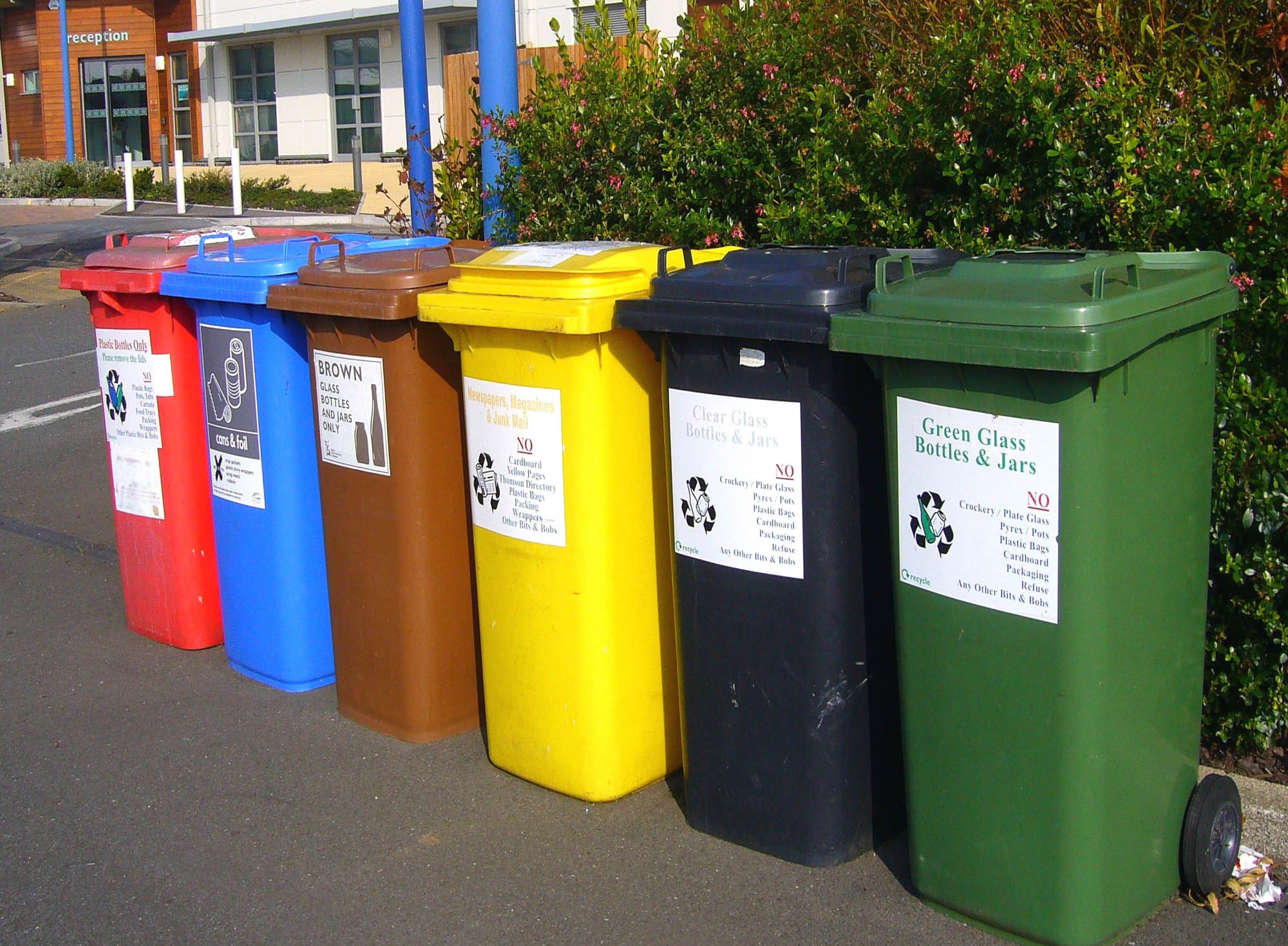
Apart from offering rewards, dozens of recycling companies are functional in Australia which is not only taking actions to prevent an increase in water pollution but also taking steps for conservation of affected wildlife. These companies offer community waste management opportunities and hold awareness campaigns to make people aware of the potential harms and their prevention.
[/fusion_text][fusion_fontawesome icon=”fa-trash fas” size=”52px” flip=”” rotate=”” spin=”no” alignment=”center” hide_on_mobile=”small-visibility,medium-visibility,large-visibility” class=”” id=”” margin_top=”” margin_right=”” margin_bottom=”” margin_left=”” circle=”yes” iconcolor=”” circlecolor=”#ff6f6f” circlebordercolor=”#333333″ animation_type=”” animation_direction=”down” animation_speed=”0.1″ animation_offset=”” /][fusion_separator style_type=”none” hide_on_mobile=”small-visibility,medium-visibility,large-visibility” class=”” id=”” sep_color=”” top_margin=”” bottom_margin=”15px” border_size=”0″ icon=”” icon_circle=”” icon_circle_color=”” width=”” alignment=”center” /][fusion_text columns=”” column_min_width=”” column_spacing=”” rule_style=”default” rule_size=”” rule_color=”” class=”” id=””]
National Waste Policy
All the leaders of Australia have mutually signed upon a National Waste Policy after familiarizing themselves with the rising concern of plastic pollution in water bodies. This policy is aimed at the proper waste collection, management, disposal and reduction of waste in all states. It is also aimed at promoting full responsibility for actions within the public and urges them to reduce the littering of marine bodies.
[/fusion_text][/fusion_builder_column][/fusion_builder_row][/fusion_builder_container][fusion_global id=”4038″]



Leave A Comment