Reciclabilidade de PET: uma bênção para o meio ambiente

/, PET, Plástico/Reciclabilidade de PET: uma bênção para o meio ambiente

[fusion_builder_container hundred_percent=”no” hundred_percent_height=”no” hundred_percent_height_scroll=”no” hundred_percent_height_center_content=”yes” equal_height_columns=”no” menu_anchor=”” hide_on_mobile=”small-visibility,medium-visibility,large-visibility” class=”” id=”” background_color=”” background_image=”” background_position=”center center” background_repeat=”no-repeat” fade=”no” background_parallax=”none” enable_mobile=”no” parallax_speed=”0.3″ video_mp4=”” video_webm=”” video_ogv=”” video_url=”” video_aspect_ratio=”16:9″ video_loop=”yes” video_mute=”yes” video_preview_image=”” border_size=”” border_color=”” border_style=”solid” margin_top=”” margin_bottom=”” padding_top=”” padding_right=”” padding_bottom=”” padding_left=””][fusion_builder_row][fusion_builder_column type=”1_1″ layout=”1_2″ spacing=”” center_content=”no” link=”” target=”_self” min_height=”” hide_on_mobile=”small-visibility,medium-visibility,large-visibility” class=”” id=”” background_color=”” background_image=”” background_position=”left top” background_repeat=”no-repeat” hover_type=”none” border_size=”0″ border_color=”” border_style=”solid” border_position=”all” animation_type=”” animation_direction=”left” animation_speed=”0.3″ animation_offset=”” last=”no”][fusion_text columns=”” column_min_width=”” column_spacing=”” rule_style=”default” rule_size=”” rule_color=”” class=”” id=””]
Car battery with green recycle sign.

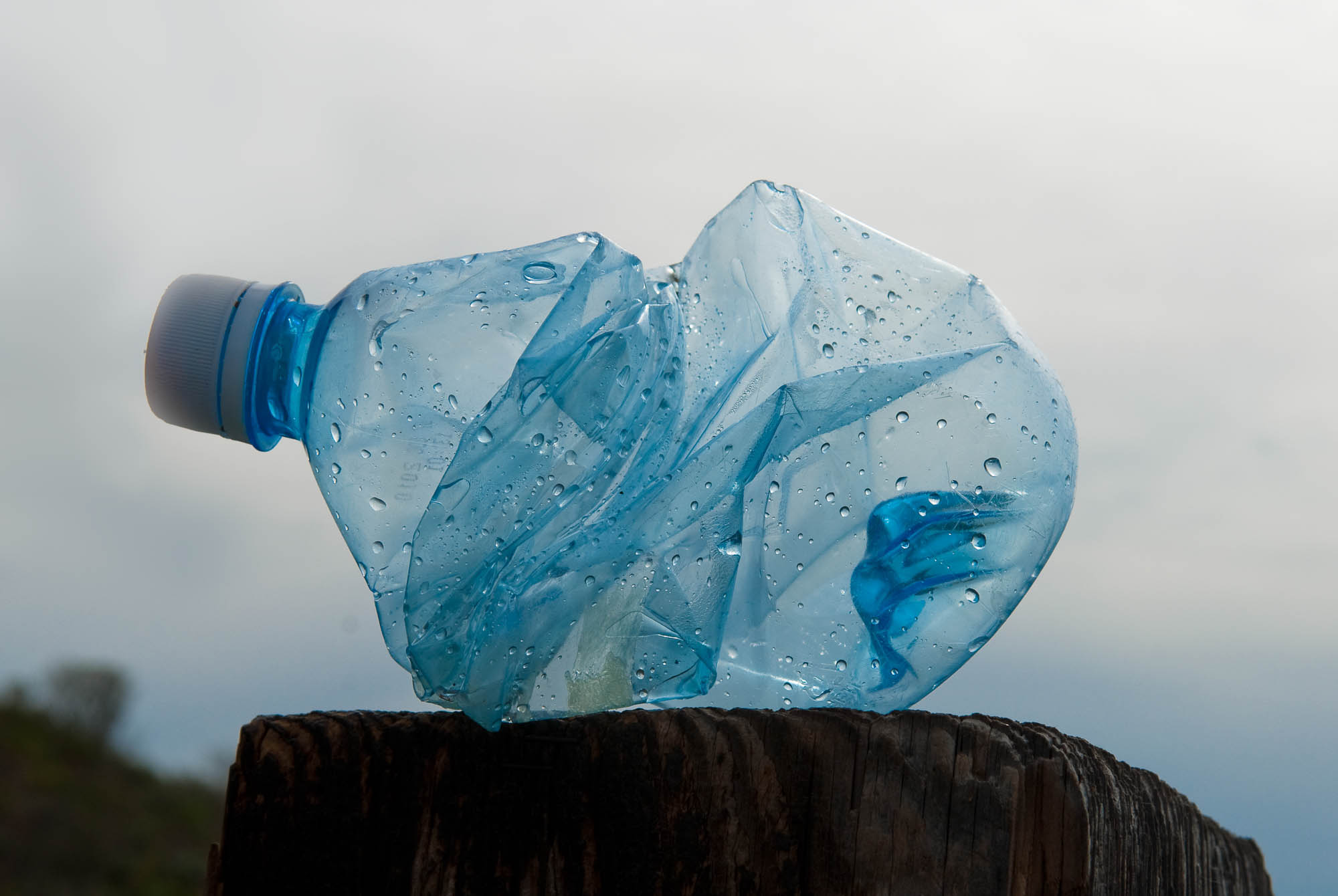
Plástico de tereftalato de polietileno (PET) é popularmente conhecido como plástico transparente. É usado para fabricar garrafas de água e refrigerante. Atualmente, setenta por cento de refrigerantes (bebidas carbonatadas, bebidas destiladas e dilatáveis, sucos de frutas e água engarrafada) estão sendo embalados em PET garrafas plásticas . O restante (30%) vem principalmente em garrafas de vidro, latas de metal e caixas.

A reciclabilidade do PET é a qualidade mais marcante. É 100% reciclável e é mundialmente conhecido como um material seguro, não tóxico, forte, leve e flexível.

Nos Estados Unidos, as empresas de reciclagem conseguem recuperar cerca de 1,3 milhões de libras. garrafas de uso único de plástico de garrafa de PET cada por. Eles os usam (garrafas recuperadas) para fins de reciclagem. Consequentemente, a garrafa PET tornou-se o produto mais reciclável na América.
Bateria de carro com sinal de reciclar verde.

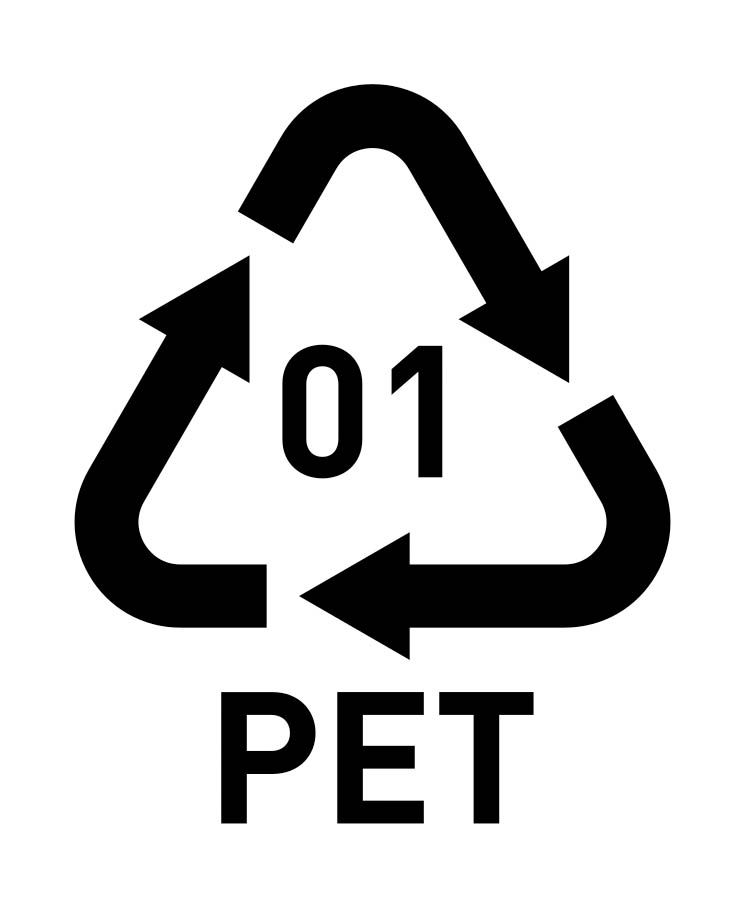
A PET pode ser identificada pelo número “1” no pequeno símbolo triangular que é moldado na parte inferior ou lateral do recipiente.

O PET pode ser recuperado e reciclado por tempo ilimitado, lavando e refundindo novamente ou quebrando quimicamente. Estes PETs são usados ​​para o novo produto.

Alguns PETs são incapazes de reciclar. Porque eles são tão anti-higiênicos que não podem ser purificados. Estes são queimados com segurança. Esses queimadores de PET são uma das principais fontes de energia. Eles são chamados de “Reciclagem Térmica”.

[/fusion_text][/fusion_builder_column][/fusion_builder_row][/fusion_builder_container][fusion_builder_container hundred_percent=”no” hundred_percent_height=”no” hundred_percent_height_scroll=”no” hundred_percent_height_center_content=”yes” equal_height_columns=”no” menu_anchor=”” hide_on_mobile=”small-visibility,medium-visibility,large-visibility” class=”” id=”” background_color=”” background_image=”” background_position=”center center” background_repeat=”no-repeat” fade=”no” background_parallax=”none” enable_mobile=”no” parallax_speed=”0.3″ video_mp4=”” video_webm=”” video_ogv=”” video_url=”” video_aspect_ratio=”16:9″ video_loop=”yes” video_mute=”yes” video_preview_image=”” border_size=”” border_color=”” border_style=”solid” margin_top=”” margin_bottom=”” padding_top=”” padding_right=”” padding_bottom=”” padding_left=””][fusion_builder_row][fusion_builder_column type=”1_1″ layout=”1_1″ spacing=”” center_content=”no” link=”” target=”_self” min_height=”” hide_on_mobile=”small-visibility,medium-visibility,large-visibility” class=”set_block” id=”” background_color=”” background_image=”” background_position=”left top” undefined=”” background_repeat=”no-repeat” hover_type=”none” border_size=”0″ border_color=”” border_style=”solid” border_position=”all” padding_top=”” padding_right=”” padding_bottom=”” padding_left=”” margin_top=”” margin_bottom=”” animation_type=”” animation_direction=”left” animation_speed=”0.3″ animation_offset=”” last=”no”][fusion_text columns=”” column_min_width=”” column_spacing=”” rule_style=”default” rule_size=”” rule_color=”” hide_on_mobile=”small-visibility,medium-visibility,large-visibility” class=”” id=””]

Aplicação de PET
robot with trashPara produzir garrafa e container, PET é usado como matéria-prima. Ele é usado para a produção de garrafas plásticas de água e refrigerante, embalagens de alimentos para bolos, frutas cortadas e saladas e embalagens de blister e garra para cosméticos, lâminas de barbear e brinquedos.

Ele também pode ser usado em recipientes para manteiga de amendoim, xampu e molhos de salada e para carpetes, roupas, sacos de dormir e muito,

PET é reciclado em uma nova cinta industrial, peças automotivas, materiais de construção, até mesmo o feltro para bolas de tênis e latas de bola de tênis.

Em suma, é aplicado para fabricar um grande número de recipientes utilizados para embalar produtos alimentares e bens de consumo. Portanto, é considerado o consumidor mais comum plástico .

[/fusion_text][/fusion_builder_column][fusion_builder_column type=”1_1″ layout=”1_1″ spacing=”” center_content=”no” link=”” target=”_self” min_height=”” hide_on_mobile=”small-visibility,medium-visibility,large-visibility” class=”set_block” id=”” background_color=”” background_image=”” background_position=”left top” undefined=”” background_repeat=”no-repeat” hover_type=”none” border_size=”0″ border_color=”” border_style=”solid” border_position=”all” padding_top=”” padding_right=”” padding_bottom=”” padding_left=”” margin_top=”” margin_bottom=”” animation_type=”” animation_direction=”left” animation_speed=”0.3″ animation_offset=”” last=”no”][fusion_text columns=”” column_min_width=”” column_spacing=”” rule_style=”default” rule_size=”” rule_color=”” hide_on_mobile=”small-visibility,medium-visibility,large-visibility” class=”” id=””]

Recolha de PET
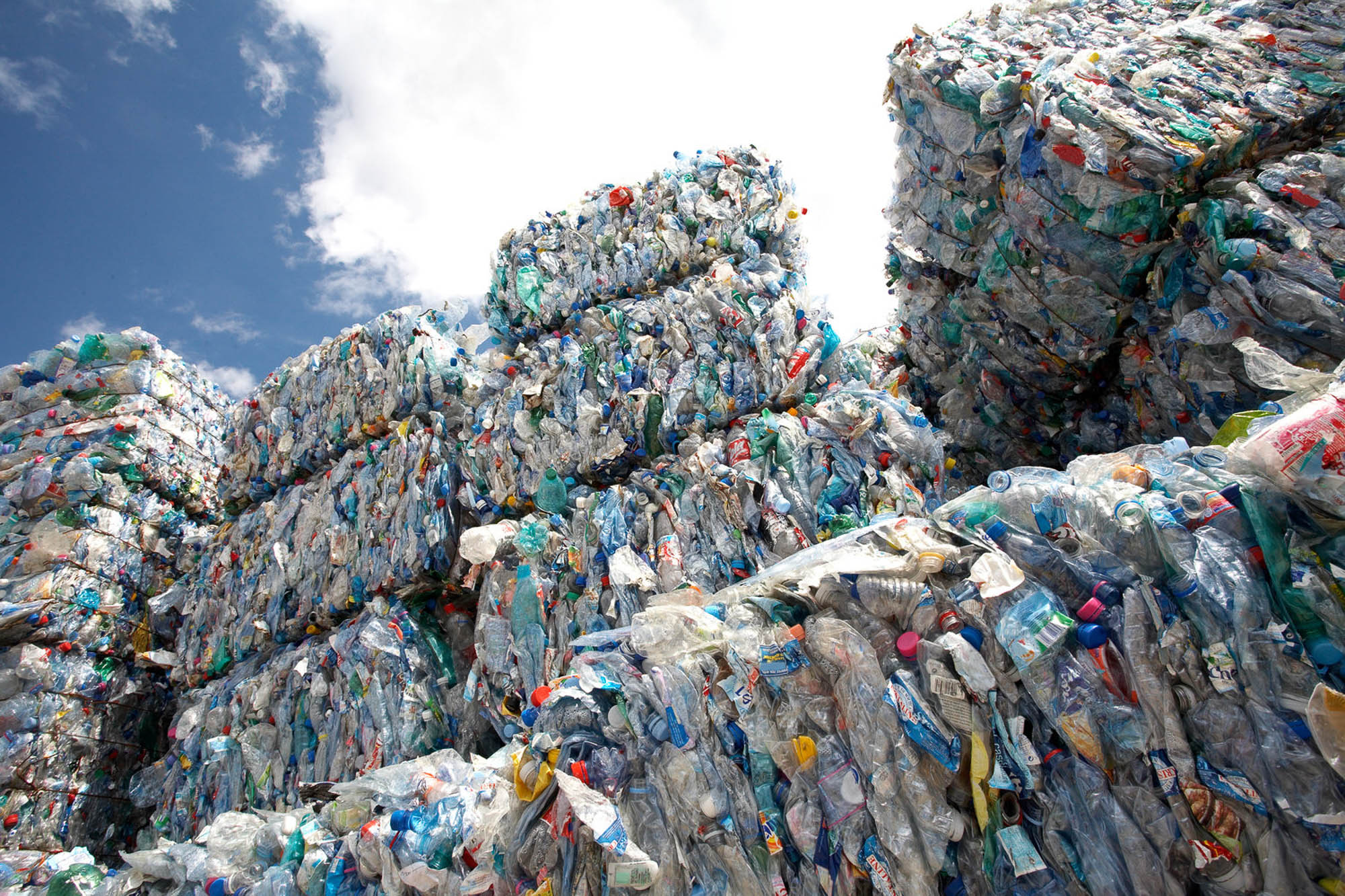
robot with trashÉ uma tarefa desafiadora coletar garrafas PET para reciclagem. Não há sistema coletor uniforme. Diferentes países e diferentes agências seguem diversos modelos de coleta. A parte mais desafiadora é criar consciência entre as pessoas. A autoridade em questão enfrenta uma situação crítica para organizar um sistema coletivo de resíduos domésticos.

Os consumidores descartam embalagens PET após o uso. Isso é chamado de “PET pós-consumidor” pelas indústrias de reciclagem.

Agências diferentes, incluindo o governo local, começam a coletar “PET pós-consumo”. Os PET são separados dos outros resíduos domésticos. Em alguns países, contêineres separados são fornecidos para manter o PET.

[/fusion_text][/fusion_builder_column][/fusion_builder_row][/fusion_builder_container][fusion_builder_container hundred_percent=”no” hundred_percent_height=”no” hundred_percent_height_scroll=”no” hundred_percent_height_center_content=”yes” equal_height_columns=”no” menu_anchor=”” hide_on_mobile=”small-visibility,medium-visibility,large-visibility” class=”” id=”” background_color=”” background_image=”” background_position=”center center” background_repeat=”no-repeat” fade=”no” background_parallax=”none” enable_mobile=”no” parallax_speed=”0.3″ video_mp4=”” video_webm=”” video_ogv=”” video_url=”” video_aspect_ratio=”16:9″ video_loop=”yes” video_mute=”yes” video_preview_image=”” border_size=”” border_color=”” border_style=”solid” margin_top=”” margin_bottom=”” padding_top=”” padding_right=”” padding_bottom=”” padding_left=””][fusion_builder_row][fusion_builder_column type=”1_1″ layout=”1_1″ spacing=”” center_content=”no” link=”” target=”_self” min_height=”” hide_on_mobile=”small-visibility,medium-visibility,large-visibility” class=”” id=”” background_color=”” background_image=”” background_position=”left top” background_repeat=”no-repeat” hover_type=”none” border_size=”0″ border_color=”” border_style=”solid” border_position=”all” padding_top=”” padding_right=”” padding_bottom=”” padding_left=”” margin_top=”” margin_bottom=”” animation_type=”” animation_direction=”left” animation_speed=”0.3″ animation_offset=”” last=”no”][fusion_text columns=”” column_min_width=”” column_spacing=”” rule_style=”default” rule_size=”” rule_color=”” class=”” id=””]

Como a coleta de PET pode ser aumentada?

[/fusion_text][/fusion_builder_column][/fusion_builder_row][/fusion_builder_container][fusion_builder_container hundred_percent=”no” hundred_percent_height=”no” hundred_percent_height_scroll=”no” hundred_percent_height_center_content=”yes” equal_height_columns=”no” menu_anchor=”” hide_on_mobile=”small-visibility,medium-visibility,large-visibility” class=”” id=”” background_color=”” background_image=”” background_position=”center center” background_repeat=”no-repeat” fade=”no” background_parallax=”none” enable_mobile=”no” parallax_speed=”0.3″ video_mp4=”” video_webm=”” video_ogv=”” video_url=”” video_aspect_ratio=”16:9″ video_loop=”yes” video_mute=”yes” video_preview_image=”” border_size=”” border_color=”” border_style=”solid” margin_top=”” margin_bottom=”” padding_top=”” padding_right=”” padding_bottom=”” padding_left=””][fusion_builder_row][fusion_builder_column type=”1_1″ layout=”1_1″ spacing=”” center_content=”no” link=”” target=”_self” min_height=”” hide_on_mobile=”small-visibility,medium-visibility,large-visibility” class=”” id=”” background_color=”” background_image=”” background_position=”left top” background_repeat=”no-repeat” hover_type=”none” border_size=”0″ border_color=”” border_style=”solid” border_position=”all” padding_top=”” padding_right=”” padding_bottom=”” padding_left=”” margin_top=”” margin_bottom=”” animation_type=”” animation_direction=”left” animation_speed=”0.3″ animation_offset=”” last=”no”][fusion_checklist icon=”fa-google-drive fab” iconcolor=”” circle=”” circlecolor=”” size=”” divider=”” divider_color=”” hide_on_mobile=”small-visibility,medium-visibility,large-visibility” class=”” id=””][fusion_li_item icon=””]

Devem ser feitas tentativas para aumentar continuamente a conscientização dos consumidores sobre a importância da coleta de garrafas PET.

[/fusion_li_item][fusion_li_item icon=””]

Todos os canais de comunicação direta, como o selo, anúncios, internet e eventos patrocinados, para disseminar mensagens educativas devem ser utilizados.

[/fusion_li_item][fusion_li_item icon=””]

As campanhas de associação pública e profissional que visam incentivar a coleta de garrafas devem ser reforçadas.

[/fusion_li_item][fusion_li_item icon=””]

As comunidades locais devem estar empenhadas em trabalhar continuamente para melhorar a capacidade de coleta, além das iniciativas do governo local e das associações profissionais

[/fusion_li_item][fusion_li_item icon=””]

São necessários esforços coordenados com as autoridades públicas para melhorar o atual esquema de coleta ou iniciar um novo programa.

[/fusion_li_item][/fusion_checklist][/fusion_builder_column][/fusion_builder_row][/fusion_builder_container][fusion_builder_container hundred_percent=”no” hundred_percent_height=”no” hundred_percent_height_scroll=”no” hundred_percent_height_center_content=”yes” equal_height_columns=”no” menu_anchor=”” hide_on_mobile=”small-visibility,medium-visibility,large-visibility” class=”” id=”” background_color=”” background_image=”https://www.earthsquad.global/wp-content/uploads/2018/04/petter-rudwall-493-unsplash.jpg” background_position=”center center” background_repeat=”no-repeat” fade=”no” background_parallax=”fixed” enable_mobile=”no” parallax_speed=”0.3″ video_mp4=”” video_webm=”” video_ogv=”” video_url=”” video_aspect_ratio=”16:9″ video_loop=”yes” video_mute=”yes” video_preview_image=”” border_size=”” border_color=”” border_style=”solid” margin_top=”30px” margin_bottom=”30px” padding_top=”70px” padding_right=”70px” padding_bottom=”70px” padding_left=”70px”][fusion_builder_row][fusion_builder_column type=”1_1″ layout=”1_1″ spacing=”” center_content=”no” link=”” target=”_self” min_height=”” hide_on_mobile=”small-visibility,medium-visibility,large-visibility” class=”” id=”” background_color=”rgba(232,215,213,0.88)” background_image=”” background_position=”left top” undefined=”” background_repeat=”no-repeat” hover_type=”none” border_size=”0″ border_color=”” border_style=”solid” border_position=”all” padding_top=”25px” padding_right=”25px” padding_bottom=”25px” padding_left=”25px” margin_top=”” margin_bottom=”” animation_type=”” animation_direction=”left” animation_speed=”0.3″ animation_offset=”” last=”no”][fusion_text columns=”” column_min_width=”” column_spacing=”” rule_style=”default” rule_size=”” rule_color=”” class=”” id=””]

Seleção de PET

Após a coleta dos PETs, estes são acumulados no centro autorizado ou entregues aos vendedores originais.

Eles levam o PET pós-consumo coletado para o centro de reciclagem. O centro de reciclagem é conhecido como instalações de recuperação de materiais (MRF).

Os funcionários da MRF começam a classificar e separar o PET de outros materiais, objetos (feitos de PVC, HDPE, polipropileno, etc.) como plásticos rígidos. Os PETs também estão separados desse plástico flexível que é usado produzindo sacos de polietileno de baixa densidade. Beba caixas, vidro etc -aquela são feitos de não PET são separados completamente.

Às vezes, a separação pode ser realizada com base nas frações de cor. O PET pós-consumidor é classificado em diferentes frações de cor: PET transparente ou incolor, PET colorido azul e verde eo restante em uma fração mista de cores.

Garrafas de bebidas plásticas são muitas vezes produzidos através de uma mistura de polímeros, tipicamente uma mistura de PET e PP ou PVC. Vários métodos são aplicados para a separação.

Para separar o PET de qualquer PP na garrafa, é utilizada a técnica de separação “sink-float”. O PET é mais denso que o PP, com densidades específicas de 1,43-1,45 g / cm3 e 0,93 a 0,95g / cm3, de forma que o PET afunda em um tanque de água. Pelo contrário, o PP irá flutuar. Desta forma, a separação pode ser feita.

Infelizmente, quando PET é misturado com PVC, pode ser muito difícil separar um do outro. Eles têm gravidade específica semelhante e também se parecem com o olho humano.

Como uma pequena quantidade de PVC em um lote de PET pode arruinar o derretimento, é obrigatório separar o PVC. Neste caso, as técnicas de Radiação de Infravermelho Próximo (NIR) podem ser usadas. Mas os plásticos de cores escuras absorvem a radiação; portanto, a distinção não pode ser feita.

[/fusion_text][/fusion_builder_column][/fusion_builder_row][/fusion_builder_container][fusion_builder_container hundred_percent=”no” hundred_percent_height=”no” hundred_percent_height_scroll=”no” hundred_percent_height_center_content=”yes” equal_height_columns=”no” menu_anchor=”” hide_on_mobile=”small-visibility,medium-visibility,large-visibility” class=”” id=”” background_color=”” background_image=”” background_position=”center center” background_repeat=”no-repeat” fade=”no” background_parallax=”none” enable_mobile=”no” parallax_speed=”0.3″ video_mp4=”” video_webm=”” video_ogv=”” video_url=”” video_aspect_ratio=”16:9″ video_loop=”yes” video_mute=”yes” video_preview_image=”” border_size=”” border_color=”” border_style=”solid” margin_top=”” margin_bottom=”” padding_top=”” padding_right=”” padding_bottom=”” padding_left=””][fusion_builder_row][fusion_builder_column type=”1_1″ layout=”1_1″ spacing=”” center_content=”no” link=”” target=”_self” min_height=”” hide_on_mobile=”small-visibility,medium-visibility,large-visibility” class=”” id=”” background_color=”” background_image=”” background_position=”left top” background_repeat=”no-repeat” hover_type=”none” border_size=”0″ border_color=”” border_style=”solid” border_position=”all” padding_top=”” padding_right=”” padding_bottom=”” padding_left=”” margin_top=”” margin_bottom=”” animation_type=”” animation_direction=”left” animation_speed=”0.3″ animation_offset=”” last=”no”][fusion_accordion type=”” boxed_mode=”” border_size=”1″ border_color=”” background_color=”” hover_color=”” divider_line=”” title_font_size=”” icon_size=”” icon_color=”” icon_boxed_mode=”” icon_box_color=”” icon_alignment=”” toggle_hover_accent_color=”” hide_on_mobile=”small-visibility,medium-visibility,large-visibility” class=”” id=””][fusion_toggle title=”Processo de Produção PET” open=”no”]

O polietileno tereftalato (PET) é um plástico de uso geral. É fabricado por policondensação de PTA com etilenoglicol (EG). Este material pertence a inúmeras propriedades maravilhosas, por exemplo, resistência ao calor e ao frio, transparência, qualidades elétricas, prova química e à prova de abrasão. Consequentemente, uma ampla variedade de aplicações nas fibras, garrafa PET e filmes são identificados.

[/fusion_toggle][fusion_toggle title=”Composição do PET” open=”no”]

O PET é um polímero termoplástico. Pode ser opaca e transparente, dependendo da composição exata do material.

O PET é produzido a partir de hidrocarbonetos de petróleo. É necessária uma reação entre etilenoglicol e ácido tereftálico.

Inicialmente, o PET é polimerizado para criar longas cadeias moleculares. É necessário produzir garrafas plásticas.

A polimerização é um procedimento complexo. Existem dois tipos de impurezas que são produzidas durante a polimerização. Estes são dietilenoglicol e acetaldeído.

Geralmente, o Dietilenoglicol geralmente não é produzido em quantidades suficientemente altas para afetar o PET, mas o acetaldeído pode ser produzido não apenas durante a polimerização, mas também durante o processo de fabricação da garrafa.

[/fusion_toggle][fusion_toggle title=”Processo de Fabrico de Garrafas PET” open=”no”]

Depois de fabricar o plástico, é hora de fabricar a garrafa. O processo de fabricação da garrafa é o seguinte.

O estiramento por sopro é o primeiro passo do processo de fabricação de garrafas. O PET é aquecido e colocado em um molde, onde assume a forma de um tubo longo e fino. O processo pelo qual o plástico é forçado a entrar no molde é chamado de moldagem por injeção.

O tubo de PET (chamado de parison) é então transferido para um segundo molde em forma de garrafa.

Uma haste de aço fino (chamada de mandril) é deslizada dentro do parison onde ela enche o parison com ar extremamente pressurizado, e a moldagem por sopro por estiramento é iniciada. Consequentemente, o parison é soprado e esticado no molde por causa do ar pressurizado, calor e pressão e, finalmente, assume uma forma de garrafa.

O molde precisa ser resfriado de forma relativamente rápida para que o componente recém-formado seja ajustado corretamente.

Existem dois tipos de métodos de resfriamento. Eles são diretos e indiretos. Eles podem efetivamente esfriar o molde e o plástico.

Método direto refere-se ao uso de ar pressurizado ou dióxido de carbono diretamente no molde e no plástico. Por outro lado, no método indireto, a água pode ser percorrida por canos ao redor do molde, o que esfria o molde e o plástico.

Quando a garrafa é resfriada e colocada, ela fica pronta para ser removida do molde.

Se um processo contínuo de moldagem for usado, as garrafas precisarão ser separadas aparando o plástico. Se um método de moldagem não contínua for usado, às vezes, o excesso de plástico pode penetrar no molde durante a fabricação e exigirá o recorte.

Como a garrafa é removida do molde e o excesso de plástico é removido, as garrafas estão prontas para o transporte.

[/fusion_toggle][fusion_toggle title=”Reciclagem de PET” open=”no”]

Geralmente, o PET é fácil de ser reciclado, uma vez que a cadeia polimérica se rompe a uma temperatura relativamente baixa. Isso permite que o PET seja reciclado vezes ilimitadas antes de se tornar inutilizável. Apenas a contaminação pode reduzir o número de ciclos de “circuito fechado” do PET.

[/fusion_toggle][/fusion_accordion][/fusion_builder_column][/fusion_builder_row][/fusion_builder_container][fusion_builder_container hundred_percent=”no” hundred_percent_height=”no” hundred_percent_height_scroll=”no” hundred_percent_height_center_content=”yes” equal_height_columns=”no” menu_anchor=”” hide_on_mobile=”small-visibility,medium-visibility,large-visibility” class=”” id=”” background_color=”” background_image=”” background_position=”center center” background_repeat=”no-repeat” fade=”no” background_parallax=”none” enable_mobile=”no” parallax_speed=”0.3″ video_mp4=”” video_webm=”” video_ogv=”” video_url=”” video_aspect_ratio=”16:9″ video_loop=”yes” video_mute=”yes” video_preview_image=”” border_size=”” border_color=”” border_style=”solid” margin_top=”” margin_bottom=”” padding_top=”” padding_right=”” padding_bottom=”” padding_left=””][fusion_builder_row][fusion_builder_column type=”1_1″ layout=”1_1″ spacing=”” center_content=”no” link=”” target=”_self” min_height=”” hide_on_mobile=”small-visibility,medium-visibility,large-visibility” class=”” id=”” background_color=”” background_image=”” background_position=”left top” background_repeat=”no-repeat” hover_type=”none” border_size=”0″ border_color=”” border_style=”solid” border_position=”all” padding_top=”” padding_right=”” padding_bottom=”” padding_left=”” margin_top=”” margin_bottom=”” animation_type=”” animation_direction=”left” animation_speed=”0.3″ animation_offset=”” last=”no”][fusion_text columns=”” column_min_width=”” column_spacing=”” rule_style=”default” rule_size=”” rule_color=”” class=”” id=””]

Etapas da reciclagem de PET

Embora toda a indústria de PET não use um processo uniforme de reciclagem do PET, as etapas gerais da reciclagem de PET são as seguintes.[/fusion_text][fusion_checklist icon=”fa-google-drive fab” iconcolor=”” circle=”” circlecolor=”” size=”” divider=”” divider_color=”” hide_on_mobile=”small-visibility,medium-visibility,large-visibility” class=”” id=””][fusion_li_item icon=””]

Inicialmente, as garrafas são separadas manualmente e os materiais indesejados são removidos. Como resultado, apenas garrafas são deixadas. Às vezes, as garrafas podem ser classificadas usando um sistema automatizado.

[/fusion_li_item][fusion_li_item icon=””]

Em seguida, as garrafas são limpas para remover qualquer líquido ou sujeira residual. Isso ajuda a evitar a contaminação.

[/fusion_li_item][fusion_li_item icon=””]

Depois disso, as garrafas são classificadas por técnicas de radiação infravermelha, para definir o tipo de polímero aqui apresentado.

[/fusion_li_item][fusion_li_item icon=””]

Quando as garrafas são classificadas por cor – tradicionalmente azul, natural, verde e mista – agrega valor adicional ao plástico.

[/fusion_li_item][fusion_li_item icon=””]

Em seguida, as garrafas são trituradas em flocos, que depois são lavadas novamente. Alternativamente, o passo de trituração é saltado e as garrafas são derretidas e reformadas em uma forma diferente.

[/fusion_li_item][fusion_li_item icon=””]

Finalmente, o plástico triturado é derretido para produzir granulados de plástico, ou pelotas.

[/fusion_li_item][/fusion_checklist][/fusion_builder_column][/fusion_builder_row][/fusion_builder_container][fusion_builder_container hundred_percent=”no” hundred_percent_height=”no” hundred_percent_height_scroll=”no” hundred_percent_height_center_content=”yes” equal_height_columns=”no” menu_anchor=”” hide_on_mobile=”small-visibility,medium-visibility,large-visibility” class=”” id=”” background_color=”” background_image=”” background_position=”center center” background_repeat=”no-repeat” fade=”no” background_parallax=”none” enable_mobile=”no” parallax_speed=”0.3″ video_mp4=”” video_webm=”” video_ogv=”” video_url=”” video_aspect_ratio=”16:9″ video_loop=”yes” video_mute=”yes” video_preview_image=”” border_size=”” border_color=”” border_style=”solid” margin_top=”” margin_bottom=”” padding_top=”” padding_right=”” padding_bottom=”” padding_left=””][fusion_builder_row][fusion_builder_column type=”1_1″ layout=”1_1″ spacing=”” center_content=”no” link=”” target=”_self” min_height=”” hide_on_mobile=”small-visibility,medium-visibility,large-visibility” class=”” id=”” background_color=”” background_image=”” background_position=”left top” background_repeat=”no-repeat” hover_type=”none” border_size=”0″ border_color=”” border_style=”solid” border_position=”all” animation_type=”” animation_direction=”left” animation_speed=”0.3″ animation_offset=”” last=”no”][fusion_text columns=”” column_min_width=”” column_spacing=”” rule_style=”default” rule_size=”” rule_color=”” class=”” id=””]

A garrafa PET é segura ou não?

Quando as garrafas de plástico são feitos de polietileno tereftalato (PET), são seguros e reutilizáveis. Eles geralmente têm um número de identificação de plástico (PIN) # 1. Os números de identificação de plástico reutilizáveis ​​ são # 2, # 4, # 5.
Existem sete números de identificação plásticos (PICs). Cada um deles contém informações sobre reutilização e reciclagem. Esses são

[/fusion_text][fusion_checklist icon=”fa-google-drive fab” iconcolor=”” circle=”” circlecolor=”” size=”” divider=”” divider_color=”” hide_on_mobile=”small-visibility,medium-visibility,large-visibility” class=”” id=””][fusion_li_item icon=””]

# 1 – PET (polietileno tereftalato)

[/fusion_li_item][fusion_li_item icon=””]

# 2 – HDPE (Polietileno de Alta Densidade)

[/fusion_li_item][fusion_li_item icon=””]

# 3 – PVC (policloreto de vinila)

[/fusion_li_item][fusion_li_item icon=””]

# 4 – LDPE (Polietileno de Baixa Densidade)

[/fusion_li_item][fusion_li_item icon=””]

# 5 – PP (polipropileno)

[/fusion_li_item][fusion_li_item icon=””]

# 6 – PS (poliestireno)

[/fusion_li_item][fusion_li_item icon=””]

# 7 = outros

[/fusion_li_item][/fusion_checklist][/fusion_builder_column][/fusion_builder_row][/fusion_builder_container][fusion_builder_container hundred_percent=”no” hundred_percent_height=”no” hundred_percent_height_scroll=”no” hundred_percent_height_center_content=”yes” equal_height_columns=”no” menu_anchor=”” hide_on_mobile=”small-visibility,medium-visibility,large-visibility” class=”” id=”” background_color=”” background_image=”” background_position=”center center” background_repeat=”no-repeat” fade=”no” background_parallax=”none” enable_mobile=”no” parallax_speed=”0.3″ video_mp4=”” video_webm=”” video_ogv=”” video_url=”” video_aspect_ratio=”16:9″ video_loop=”yes” video_mute=”yes” video_preview_image=”” border_size=”” border_color=”” border_style=”solid” margin_top=”” margin_bottom=”” padding_top=”” padding_right=”” padding_bottom=”” padding_left=””][fusion_builder_row][fusion_builder_column type=”1_1″ layout=”1_1″ spacing=”” center_content=”no” link=”” target=”_self” min_height=”” hide_on_mobile=”small-visibility,medium-visibility,large-visibility” class=”set_block” id=”” background_color=”” background_image=”” background_position=”left top” undefined=”” background_repeat=”no-repeat” hover_type=”none” border_size=”0″ border_color=”” border_style=”solid” border_position=”all” padding_top=”” padding_right=”” padding_bottom=”” padding_left=”” margin_top=”” margin_bottom=”” animation_type=”” animation_direction=”left” animation_speed=”0.3″ animation_offset=”” last=”no”][fusion_text columns=”” column_min_width=”” column_spacing=”” rule_style=”default” rule_size=”” rule_color=”” class=”” id=””]

Os benefícios ambientais da reciclagem de PET
robot with trashPET tornou-se uma substância extremamente útil e seu uso disparou nos últimos anos. Como o mercado de água engarrafada aumentou, as demandas de PET também aumentaram simultaneamente.

Na Grã-Bretanha, aproximadamente 15 milhões de plástico garrafas estão sendo usadas todos os dias.11% do lixo doméstico é plastic , e cerca de 40% disso são garrafas plásticas.

Para produzir um volume de uma garrafa PET, o consumo de energia é de cerca de 5,4 MJ / litro. É muito menos que vidro ou alumínio.
A reciclagem de PET ajuda a diminuir a dependência de petróleo e gás. Também reduz o desperdício de aterros e diminui as emissões de gases de efeito estufa na atmosfera.

Cerca de 4% do petróleo mundial é utilizado para fazer todos os <https://www.earthsquad.global/pt-pt/plastic-recycling-all-you-need-to-know plástico . No Reino Unido, 37% do plástico é usado para fazer embalagens. Dessas embalagens, apenas 1,2% das embalagens plásticas são usadas para fazer PET garrafas de bebidas plásticas .

A indústria de PET está constantemente procurando maneiras de reduzir o uso da quantidade de água. Ele usa uma pequena quantidade de água em seus processos de fabricação.[/fusion_text][/fusion_builder_column][fusion_builder_column type=”1_1″ layout=”1_1″ spacing=”” center_content=”no” link=”” target=”_self” min_height=”” hide_on_mobile=”small-visibility,medium-visibility,large-visibility” class=”set_block” id=”” background_color=”” background_image=”” background_position=”left top” undefined=”” background_repeat=”no-repeat” hover_type=”none” border_size=”0″ border_color=”” border_style=”solid” border_position=”all” padding_top=”” padding_right=”” padding_bottom=”” padding_left=”” margin_top=”” margin_bottom=”” animation_type=”” animation_direction=”left” animation_speed=”0.3″ animation_offset=”” last=”no”][fusion_text columns=”” column_min_width=”” column_spacing=”” rule_style=”default” rule_size=”” rule_color=”” class=”” id=””]

Conclusão
robot with trashOs blocos básicos de construção do PET são etilenoglicol e ácido tereftálico. Eles são combinados para formar pellets de PET. Mais claramente, quando as duas matérias-primas do PET são acumuladas sob altas temperaturas e baixa pressão de vácuo, longas cadeias do polímero são formadas.

Embora anteriormente, PET garrafas plásticas de água têm sido considerados seguros, pelo menos no que diz respeito à saúde humana, novas evidências sugerem que o PET, ou o tereftalato de polietileno, podem não ser tão seguros como o considerado.

PET é um dos plásticos mais utilizados em produtos de consumo. É usado para produzir a maioria das garrafas de água e pop e algumas embalagens. O plástico PET é complicado para descontaminar. Limpeza adequada requer arrancar substâncias químicas prejudiciais.

O plástico PET é reciclável. Cerca de 25% das garrafas PET nos EUA estão sendo recicladas hoje em dia. O plástico é triturado e então picado em pequenos flocos. Esses flocos são então reprocessados ​​para produzir novas garrafas PET ou transformadas em fibras de poliéster.

Esta fibra reciclada é usada para criar têxteis, como roupas de lã, tapetes, enchimento para travesseiros e coletes salva-vidas e produtos similares.

Na perspectiva ambiental, o PET é mais ecologicamente correto, pois há uma baixa quantidade de água e óleo usados ​​na produção de garrafas PET. Além disso, uma grande quantidade de aterros está sendo salva dessa maneira. Além disso, ajuda a conduzir um procedimento adequado de gerenciamento de resíduos. Como a gestão de resíduos é uma das questões candentes no planejamento urbano atual, a reciclagem do PET imputa o ser humano, os prefeitos da cidade e os comissários e outras autoridades envolvidas, até certo ponto, no gerenciamento de resíduos.

[/fusion_text][/fusion_builder_column][/fusion_builder_row][/fusion_builder_container][fusion_builder_container hundred_percent=”no” hundred_percent_height=”no” hundred_percent_height_scroll=”no” hundred_percent_height_center_content=”yes” equal_height_columns=”no” menu_anchor=”” hide_on_mobile=”small-visibility,medium-visibility,large-visibility” class=”” id=”” background_color=”” background_image=”” background_position=”center center” background_repeat=”no-repeat” fade=”no” background_parallax=”none” enable_mobile=”no” parallax_speed=”0.3″ video_mp4=”” video_webm=”” video_ogv=”” video_url=”” video_aspect_ratio=”16:9″ video_loop=”yes” video_mute=”yes” video_preview_image=”” border_size=”” border_color=”” border_style=”solid” margin_top=”” margin_bottom=”” padding_top=”” padding_right=”” padding_bottom=”” padding_left=””][fusion_builder_row][fusion_builder_column type=”1_1″ layout=”1_1″ spacing=”” center_content=”no” link=”” target=”_self” min_height=”” hide_on_mobile=”small-visibility,medium-visibility,large-visibility” class=”” id=”” background_color=”” background_image=”” background_position=”left top” background_repeat=”no-repeat” hover_type=”none” border_size=”0″ border_color=”” border_style=”solid” border_position=”all” padding_top=”” padding_right=”” padding_bottom=”” padding_left=”” margin_top=”” margin_bottom=”” animation_type=”” animation_direction=”left” animation_speed=”0.3″ animation_offset=”” last=”no”][fusion_text columns=”” column_min_width=”” column_spacing=”” rule_style=”default” rule_size=”” rule_color=”” class=”” id=””]

Referências

https://en.wikipedia.org/wiki/PET_bottle_recycling
https://en.wikipedia.org/wiki/Polyethylene_terephthalate
https://www.ecostarplastics.com/pet-101/pet/
http://www.bpf.co.uk/Sustainability/pet_plastic_bottles_facts_not_myths.aspx
http://www.petresin.org/recycling.asp[/fusion_text][/fusion_builder_column][/fusion_builder_row][/fusion_builder_container][fusion_builder_container hundred_percent=”no” hundred_percent_height=”no” hundred_percent_height_scroll=”no” hundred_percent_height_center_content=”yes” equal_height_columns=”no” menu_anchor=”” hide_on_mobile=”small-visibility,medium-visibility,large-visibility” class=”” id=”” background_color=”” background_image=”” background_position=”center center” background_repeat=”no-repeat” fade=”no” background_parallax=”none” enable_mobile=”no” parallax_speed=”0.3″ video_mp4=”” video_webm=”” video_ogv=”” video_url=”” video_aspect_ratio=”16:9″ video_loop=”yes” video_mute=”yes” video_preview_image=”” border_size=”” border_color=”” border_style=”solid” margin_top=”” margin_bottom=”” padding_top=”” padding_right=”” padding_bottom=”” padding_left=””][fusion_builder_row][fusion_builder_column type=”1_1″ layout=”1_1″ spacing=”” center_content=”no” link=”” target=”_self” min_height=”” hide_on_mobile=”small-visibility,medium-visibility,large-visibility” class=”” id=”” background_color=”” background_image=”” background_position=”left top” background_repeat=”no-repeat” hover_type=”none” border_size=”0″ border_color=”” border_style=”solid” border_position=”all” padding_top=”” padding_right=”” padding_bottom=”” padding_left=”” margin_top=”” margin_bottom=”” animation_type=”” animation_direction=”left” animation_speed=”0.3″ animation_offset=”” last=”no”][fusion_separator style_type=”single solid” hide_on_mobile=”small-visibility,medium-visibility,large-visibility” class=”” id=”” sep_color=”rgba(193,25,120,0.73)” top_margin=”5%” bottom_margin=”5%” border_size=”” icon=”” icon_circle=”” icon_circle_color=”” width=”25%” alignment=”center” /][/fusion_builder_column][fusion_builder_column type=”1_1″ layout=”1_1″ spacing=”” center_content=”no” link=”” target=”_self” min_height=”” hide_on_mobile=”small-visibility,medium-visibility,large-visibility” class=”” id=”” background_color=”” background_image=”” background_position=”left top” background_repeat=”no-repeat” hover_type=”none” border_size=”0″ border_color=”” border_style=”solid” border_position=”all” padding_top=”” padding_right=”” padding_bottom=”” padding_left=”” margin_top=”” margin_bottom=”” animation_type=”” animation_direction=”left” animation_speed=”0.3″ animation_offset=”” last=”no”][fusion_text columns=”” column_min_width=”” column_spacing=”” rule_style=”default” rule_size=”” rule_color=”” class=”” id=””]

Surf em …

[/fusion_text][/fusion_builder_column][fusion_builder_column type=”1_1″ layout=”1_1″ spacing=”” center_content=”no” link=”” target=”_self” min_height=”” hide_on_mobile=”small-visibility,medium-visibility,large-visibility” class=”” id=”” background_color=”” background_image=”” background_position=”left top” background_repeat=”no-repeat” hover_type=”none” border_size=”0″ border_color=”” border_style=”solid” border_position=”all” padding_top=”” padding_right=”” padding_bottom=”” padding_left=”” margin_top=”” margin_bottom=”” animation_type=”” animation_direction=”left” animation_speed=”0.3″ animation_offset=”” last=”no”][fusion_blog layout=”medium alternate” blog_grid_columns=”” blog_grid_column_spacing=”” blog_masonry_grid_ratio=”” blog_masonry_width_double=”” equal_heights=”no” number_posts=”6″ offset=”0″ pull_by=”category” cat_slug=”” exclude_cats=”” tag_slug=”” exclude_tags=”” orderby=”date” order=”DESC” thumbnail=”yes” title=”yes” title_link=”yes” excerpt=”” excerpt_length=”10″ strip_html=”yes” meta_all=”yes” meta_author=”yes” meta_categories=”yes” meta_comments=”no” meta_date=”no” meta_link=”yes” meta_tags=”no” scrolling=”pagination” grid_box_color=”” grid_element_color=”” grid_separator_style_type=”” grid_separator_color=”” padding_top=”” padding_right=”” padding_bottom=”” padding_left=”” hide_on_mobile=”small-visibility,medium-visibility,large-visibility” class=”” id=”” /][/fusion_builder_column][/fusion_builder_row][/fusion_builder_container][fusion_builder_container hundred_percent=”no” hundred_percent_height=”no” hundred_percent_height_scroll=”no” hundred_percent_height_center_content=”yes” equal_height_columns=”no” menu_anchor=”” hide_on_mobile=”small-visibility,medium-visibility,large-visibility” class=”” id=”” background_color=”” background_image=”” background_position=”center center” background_repeat=”no-repeat” fade=”no” background_parallax=”none” enable_mobile=”no” parallax_speed=”0.3″ video_mp4=”” video_webm=”” video_ogv=”” video_url=”” video_aspect_ratio=”16:9″ video_loop=”yes” video_mute=”yes” video_preview_image=”” border_size=”” border_color=”” border_style=”solid” margin_top=”” margin_bottom=”” padding_top=”” padding_right=”” padding_bottom=”” padding_left=””][fusion_builder_row][fusion_builder_column type=”1_1″ layout=”1_2″ spacing=”” center_content=”no” link=”” target=”_self” min_height=”” hide_on_mobile=”small-visibility,medium-visibility,large-visibility” class=”” id=”” background_color=”” background_image=”” background_position=”left top” background_repeat=”no-repeat” hover_type=”none” border_size=”0″ border_color=”” border_style=”solid” border_position=”all” animation_type=”” animation_direction=”left” animation_speed=”0.3″ animation_offset=”” last=”no”][fusion_text columns=”” column_min_width=”” column_spacing=”” rule_style=”default” rule_size=”” rule_color=”” class=”” id=””]Car battery with green recycle sign.

Polyethylene terephthalate (PET) plastic is popularly known as the clear plastic. It is used to manufacture water and soda bottle. At present, seventy percent soft drinks (carbonated drinks, still and dilatable drinks, fruit juices and bottled water) are being packaged in PET plastic bottles. The rest (30 percent) comes mainly in glass bottles, metal cans, and cartons.

PET’s recyclability is the most outstanding quality. It is 100% recyclable and it is globally known as a safe, non-poisonous, strong, lightweight and flexible material.

In the United States, the recycling companies are able to recover about 1.3 million pounds PET bottle each per. They use them (recovered bottles) for recycling purpose. Consequently, the PET bottle has become the most recyclable product in America.

Car battery with green recycle sign.

PET can be identified by the number “1” in the small triangular symbol that is molded into the bottom or side of the container.

PET can be recovered and recycled unlimited time thorough washing and re-melting or by chemically breaking down. These PETs are used for the new product.

Some PETs are unable to recycle. Because they are so unhygienic that cannot be purified. These are burned safely. Those burning PETs are one of the major sources of energy. They are called “Thermal Recycling’.

[/fusion_text][/fusion_builder_column][/fusion_builder_row][/fusion_builder_container][fusion_builder_container hundred_percent=”no” hundred_percent_height=”no” hundred_percent_height_scroll=”no” hundred_percent_height_center_content=”yes” equal_height_columns=”no” menu_anchor=”” hide_on_mobile=”small-visibility,medium-visibility,large-visibility” class=”” id=”” background_color=”” background_image=”” background_position=”center center” background_repeat=”no-repeat” fade=”no” background_parallax=”none” enable_mobile=”no” parallax_speed=”0.3″ video_mp4=”” video_webm=”” video_ogv=”” video_url=”” video_aspect_ratio=”16:9″ video_loop=”yes” video_mute=”yes” video_preview_image=”” border_size=”” border_color=”” border_style=”solid” margin_top=”” margin_bottom=”” padding_top=”” padding_right=”” padding_bottom=”” padding_left=””][fusion_builder_row][fusion_builder_column type=”1_1″ layout=”1_1″ spacing=”” center_content=”no” link=”” target=”_self” min_height=”” hide_on_mobile=”small-visibility,medium-visibility,large-visibility” class=”” id=”” background_color=”” background_image=”” background_position=”left top” background_repeat=”no-repeat” hover_type=”none” border_size=”0″ border_color=”” border_style=”solid” border_position=”all” padding_top=”” padding_right=”” padding_bottom=”” padding_left=”” margin_top=”” margin_bottom=”” animation_type=”” animation_direction=”left” animation_speed=”0.3″ animation_offset=”” last=”no”][fusion_text columns=”” column_min_width=”” column_spacing=”” rule_style=”default” rule_size=”” rule_color=”” class=”” id=””]

How PET collection can be increased?

[/fusion_text][/fusion_builder_column][/fusion_builder_row][/fusion_builder_container][fusion_builder_container hundred_percent=”no” hundred_percent_height=”no” hundred_percent_height_scroll=”no” hundred_percent_height_center_content=”yes” equal_height_columns=”no” menu_anchor=”” hide_on_mobile=”small-visibility,medium-visibility,large-visibility” class=”” id=”” background_color=”” background_image=”” background_position=”center center” background_repeat=”no-repeat” fade=”no” background_parallax=”none” enable_mobile=”no” parallax_speed=”0.3″ video_mp4=”” video_webm=”” video_ogv=”” video_url=”” video_aspect_ratio=”16:9″ video_loop=”yes” video_mute=”yes” video_preview_image=”” border_size=”” border_color=”” border_style=”solid” margin_top=”” margin_bottom=”” padding_top=”” padding_right=”” padding_bottom=”” padding_left=””][fusion_builder_row][fusion_builder_column type=”1_1″ layout=”1_1″ spacing=”” center_content=”no” link=”” target=”_self” min_height=”” hide_on_mobile=”small-visibility,medium-visibility,large-visibility” class=”” id=”” background_color=”” background_image=”” background_position=”left top” background_repeat=”no-repeat” hover_type=”none” border_size=”0″ border_color=”” border_style=”solid” border_position=”all” padding_top=”” padding_right=”” padding_bottom=”” padding_left=”” margin_top=”” margin_bottom=”” animation_type=”” animation_direction=”left” animation_speed=”0.3″ animation_offset=”” last=”no”][fusion_checklist icon=”fa-google-drive fab” iconcolor=”” circle=”” circlecolor=”” size=”” divider=”” divider_color=”” hide_on_mobile=”small-visibility,medium-visibility,large-visibility” class=”” id=””][fusion_li_item icon=””]Attempts must be taken to continuously raise consumer awareness on the importance of PET bottle collection.[/fusion_li_item][fusion_li_item icon=””]All direct communication channels such as the label, advertisements, internet and sponsored events, to disseminate educational messages must be utilized.[/fusion_li_item][fusion_li_item icon=””]The public and the professional association campaigns that aim to encourage bottle collection must be bolstered.[/fusion_li_item][fusion_li_item icon=””]Local Communities must be engaged in continuously working to improve collection capacity besides the local government and professional associations initiatives[/fusion_li_item][fusion_li_item icon=””]Coordinated efforts with public authorities are necessary to improve the current collection scheme or initiate a new program.[/fusion_li_item][/fusion_checklist][/fusion_builder_column][/fusion_builder_row][/fusion_builder_container][fusion_builder_container hundred_percent=”no” hundred_percent_height=”no” hundred_percent_height_scroll=”no” hundred_percent_height_center_content=”yes” equal_height_columns=”no” menu_anchor=”” hide_on_mobile=”small-visibility,medium-visibility,large-visibility” class=”” id=”” background_color=”” background_image=”https://www.earthsquad.global/wp-content/uploads/2018/04/petter-rudwall-493-unsplash.jpg” background_position=”center center” background_repeat=”no-repeat” fade=”no” background_parallax=”fixed” enable_mobile=”no” parallax_speed=”0.3″ video_mp4=”” video_webm=”” video_ogv=”” video_url=”” video_aspect_ratio=”16:9″ video_loop=”yes” video_mute=”yes” video_preview_image=”” border_size=”” border_color=”” border_style=”solid” margin_top=”30px” margin_bottom=”30px” padding_top=”70px” padding_right=”70px” padding_bottom=”70px” padding_left=”70px”][fusion_builder_row][fusion_builder_column type=”1_1″ layout=”1_1″ spacing=”” center_content=”no” link=”” target=”_self” min_height=”” hide_on_mobile=”small-visibility,medium-visibility,large-visibility” class=”” id=”” background_color=”rgba(232,215,213,0.88)” background_image=”” background_position=”left top” undefined=”” background_repeat=”no-repeat” hover_type=”none” border_size=”0″ border_color=”” border_style=”solid” border_position=”all” padding_top=”25px” padding_right=”25px” padding_bottom=”25px” padding_left=”25px” margin_top=”” margin_bottom=”” animation_type=”” animation_direction=”left” animation_speed=”0.3″ animation_offset=”” last=”no”][fusion_text columns=”” column_min_width=”” column_spacing=”” rule_style=”default” rule_size=”” rule_color=”” class=”” id=””]

Sorting of PET

After collecting the PETs, these are accumulated in authorized center or handed over to the original sellers.

They take the collected post-consumer PET to the recycling center. The recycling center is known as materials recovery facilities (MRF).

MRF employees start to sort and separate the PET from other materials, objects (made of PVC, HDPE, polypropylene etc like) rigid plastics. The PETs are also separated from that flexible plastic which is used producing low-density polyethylene bags. Drink cartons, glass etc -those are made of non PET -are separated completely.

Sometimes, separation may be conducted on the basis of color fractions. The post-consumer PET is sorted into different color fractions: transparent or uncolored PET, blue and green colored PET, and the remainder into a mixed colors fraction.

Plastic drinks bottles are often produced through a mixture of polymers, typically a mix of PET and PP or PVC. Numerous methods are applied for the separation.

To separate PET from any PP in the bottle, ‘sink-float’ separation technique is used. PET is denser than PP, with respective specific densities of 1.43-1.45 g/cm3 and .93-.95g/cm3, so PET will sink in a tank of water. On the contrary, PP will float. In this way, separation can be made.

Unfortunately, when PET is mixed with PVC, it can be very difficult to separate one from another. They have similar specific gravities and also look similar to the human eye.

Since a small amount of PVC in a batch of PET can ruin a melt, it is obligatory to separate the PVC. In this case, Near Infrared Radiation (NIR) techniques can be used. But darkly colored plastics absorb the radiation; therefore, the distinction cannot be made.[/fusion_text][/fusion_builder_column][/fusion_builder_row][/fusion_builder_container][fusion_builder_container hundred_percent=”no” hundred_percent_height=”no” hundred_percent_height_scroll=”no” hundred_percent_height_center_content=”yes” equal_height_columns=”no” menu_anchor=”” hide_on_mobile=”small-visibility,medium-visibility,large-visibility” class=”” id=”” background_color=”” background_image=”” background_position=”center center” background_repeat=”no-repeat” fade=”no” background_parallax=”none” enable_mobile=”no” parallax_speed=”0.3″ video_mp4=”” video_webm=”” video_ogv=”” video_url=”” video_aspect_ratio=”16:9″ video_loop=”yes” video_mute=”yes” video_preview_image=”” border_size=”” border_color=”” border_style=”solid” margin_top=”” margin_bottom=”” padding_top=”” padding_right=”” padding_bottom=”” padding_left=””][fusion_builder_row][fusion_builder_column type=”1_1″ layout=”1_1″ spacing=”” center_content=”no” link=”” target=”_self” min_height=”” hide_on_mobile=”small-visibility,medium-visibility,large-visibility” class=”” id=”” background_color=”” background_image=”” background_position=”left top” background_repeat=”no-repeat” hover_type=”none” border_size=”0″ border_color=”” border_style=”solid” border_position=”all” padding_top=”” padding_right=”” padding_bottom=”” padding_left=”” margin_top=”” margin_bottom=”” animation_type=”” animation_direction=”left” animation_speed=”0.3″ animation_offset=”” last=”no”][fusion_accordion type=”” boxed_mode=”” border_size=”1″ border_color=”” background_color=”” hover_color=”” divider_line=”” icon_size=”” icon_color=”” icon_boxed_mode=”” icon_alignment=”” hide_on_mobile=”small-visibility,medium-visibility,large-visibility” class=”” id=””][fusion_toggle title=”PET Production Process” open=”no”]Polyethylene terephthalate (PET) is a general-purpose plastic. It is manufactured by polycondensation of PTA with ethylene glycol (EG). This material belongs to numerous marvelous properties, for instance, resistance to heat and cold, transparency, electrical qualities, chemical proof and abrasion proof. Consequently, a wide variety of applications in the fibers, PET bottle and films are identified.[/fusion_toggle][fusion_toggle title=”Composition of PET” open=”no”]

PET is a thermoplastic polymer. It can be both opaque and transparent, depending on the exact material composition.

PET is produced from petroleum hydrocarbons. A reaction between ethylene glycol and terephthalic acid is required.

At first, the PET is polymerized to create long molecular chains. It is necessary to produce plastic bottles.

Polymerization is a complex procedure. There are two types of impurities are produced during polymerization. These are diethylene glycol and acetaldehyde.

Generally, Diethylene glycol is generally not produced in high-enough amounts to affect PET but acetaldehyde can be produced not only during polymerization but also during the bottle manufacturing process.

[/fusion_toggle][fusion_toggle title=”PET Bottle Manufacturing Process” open=”no”]After manufacturing the plastic, it is high time to manufacture bottle. The bottle manufacturing process is as follow.

Stretch blow molding is the first step of bottle manufacturing process. The PET is heated and placed in a mold, where it assumes the shape of a long thin tube. The process by which the plastic is forced into the mold is called injection molding.

The tube of PET (called a parison) is then transferred into a second, bottle-shaped mold.

A thin steel rod (called a mandrel) is slid inside the parison where it fills the parison with extremely pressurized air, and stretch blow molding starts. Consequently, the parison is blown and stretched into the mold because of the pressurized air, heat, and pressure, and finally, assumes a bottle shape.
Car battery with green recycle sign.The mold needs to be cooled relatively quickly so that the newly formed component is set properly.

There are two types of cooling methods. They are direct and indirect. They can effectively cool the mold and the plastic.

Direct method refers to using pressurized air or carbon dioxide directly on the mold and plastic. On the other hand, in the indirect method, water can be coursed through pipes surrounding the mold, which cools the mold and plastic.

When the bottle is cooled and set, it becomes ready to be removed from the mold.

If a continuous molding process is used, the bottles will need to be separated by trimming the plastic. If a non-continuous molding method is used, sometimes excess plastic can seep into the mold during manufacturing and will require trimming.

Since the bottle is removed from the mold and excess plastic is removed, the bottles are ready for transportation.[/fusion_toggle][fusion_toggle title=”PET Recycling” open=”no”]

Generally, PET is easy to be recycled since the polymer chain breaks down at a relatively low temperature. This allows PET to be recycled unlimited times before it becomes unusable. Only contamination can reduce the number of ‘closed loop’ cycles of the PET.

[/fusion_toggle][/fusion_accordion][/fusion_builder_column][/fusion_builder_row][/fusion_builder_container][fusion_builder_container hundred_percent=”no” hundred_percent_height=”no” hundred_percent_height_scroll=”no” hundred_percent_height_center_content=”yes” equal_height_columns=”no” menu_anchor=”” hide_on_mobile=”small-visibility,medium-visibility,large-visibility” class=”” id=”” background_color=”” background_image=”” background_position=”center center” background_repeat=”no-repeat” fade=”no” background_parallax=”none” enable_mobile=”no” parallax_speed=”0.3″ video_mp4=”” video_webm=”” video_ogv=”” video_url=”” video_aspect_ratio=”16:9″ video_loop=”yes” video_mute=”yes” video_preview_image=”” border_size=”” border_color=”” border_style=”solid” margin_top=”” margin_bottom=”” padding_top=”” padding_right=”” padding_bottom=”” padding_left=””][fusion_builder_row][fusion_builder_column type=”1_1″ layout=”1_1″ spacing=”” center_content=”no” link=”” target=”_self” min_height=”” hide_on_mobile=”small-visibility,medium-visibility,large-visibility” class=”” id=”” background_color=”” background_image=”” background_position=”left top” background_repeat=”no-repeat” hover_type=”none” border_size=”0″ border_color=”” border_style=”solid” border_position=”all” padding_top=”” padding_right=”” padding_bottom=”” padding_left=”” margin_top=”” margin_bottom=”” animation_type=”” animation_direction=”left” animation_speed=”0.3″ animation_offset=”” last=”no”][fusion_text columns=”” column_min_width=”” column_spacing=”” rule_style=”default” rule_size=”” rule_color=”” class=”” id=””]

Steps of PET Recycling

Although all PET industry does not use a uniform process of recycling the PET, the general steps of PET recycling are as follows.[/fusion_text][fusion_checklist icon=”fa-google-drive fab” iconcolor=”” circle=”” circlecolor=”” size=”” divider=”” divider_color=”” hide_on_mobile=”small-visibility,medium-visibility,large-visibility” class=”” id=””][fusion_li_item icon=””]At first, bottles are sorted by hand and unwanted materials are removed. As a result, only bottles are left. Sometimes, the bottles can be sorted using an automated system.[/fusion_li_item][fusion_li_item icon=””]Then the bottles are cleaned to remove any residual liquid or dirt. It helps to prevent contamination.[/fusion_li_item][fusion_li_item icon=””]After that the bottles are sorted infrared radiation techniques, to define the type of polymers presented here.[/fusion_li_item][fusion_li_item icon=””]When bottles are sorted by color- traditionally blue, natural, green and mixed, it adds additional value to the plastic.[/fusion_li_item][fusion_li_item icon=””]Next, the bottles are shredded into flakes which are then washed again. Alternatively, the shredding step is skipped and the bottles are melted and reformed into a different shape.[/fusion_li_item][fusion_li_item icon=””]Finally, the shredded plastic is melted to produce plastic granulates, or pellets.[/fusion_li_item][/fusion_checklist][/fusion_builder_column][/fusion_builder_row][/fusion_builder_container][fusion_builder_container hundred_percent=”no” hundred_percent_height=”no” hundred_percent_height_scroll=”no” hundred_percent_height_center_content=”yes” equal_height_columns=”no” menu_anchor=”” hide_on_mobile=”small-visibility,medium-visibility,large-visibility” class=”” id=”” background_color=”” background_image=”” background_position=”center center” background_repeat=”no-repeat” fade=”no” background_parallax=”none” enable_mobile=”no” parallax_speed=”0.3″ video_mp4=”” video_webm=”” video_ogv=”” video_url=”” video_aspect_ratio=”16:9″ video_loop=”yes” video_mute=”yes” video_preview_image=”” border_size=”” border_color=”” border_style=”solid” margin_top=”” margin_bottom=”” padding_top=”” padding_right=”” padding_bottom=”” padding_left=””][fusion_builder_row][fusion_builder_column type=”1_1″ layout=”1_1″ spacing=”” center_content=”no” link=”” target=”_self” min_height=”” hide_on_mobile=”small-visibility,medium-visibility,large-visibility” class=”” id=”” background_color=”” background_image=”” background_position=”left top” background_repeat=”no-repeat” hover_type=”none” border_size=”0″ border_color=”” border_style=”solid” border_position=”all” animation_type=”” animation_direction=”left” animation_speed=”0.3″ animation_offset=”” last=”no”][fusion_text columns=”” column_min_width=”” column_spacing=”” rule_style=”default” rule_size=”” rule_color=”” class=”” id=””]

PET Bottle is Use Safe or not?

When the plastic bottles are made from polyethylene terephthalate (PET), these are safe and reusable. They have usually a Plastic Identification Number (PIN) #1. The reusable plastic identification numbers are #2, #4, #5.
There are seven Plastic Identification Numbers (PICs). Each of them contains reusing and recycling information. These are[/fusion_text][fusion_checklist icon=”fa-google-drive fab” iconcolor=”” circle=”” circlecolor=”” size=”” divider=”” divider_color=”” hide_on_mobile=”small-visibility,medium-visibility,large-visibility” class=”” id=””][fusion_li_item icon=””]#1 – PET (Polyethylene Terephthalate)[/fusion_li_item][fusion_li_item icon=””]#2 – HDPE (High-Density Polyethylene)[/fusion_li_item][fusion_li_item icon=””]#3 – PVC (Polyvinyl Chloride)[/fusion_li_item][fusion_li_item icon=””]#4 – LDPE (Low-Density Polyethylene)[/fusion_li_item][fusion_li_item icon=””]#5 – PP (Polypropylene)[/fusion_li_item][fusion_li_item icon=””]#6 – PS (Polystyrene)[/fusion_li_item][fusion_li_item icon=””]#7=others[/fusion_li_item][/fusion_checklist][/fusion_builder_column][/fusion_builder_row][/fusion_builder_container][fusion_builder_container hundred_percent=”no” hundred_percent_height=”no” hundred_percent_height_scroll=”no” hundred_percent_height_center_content=”yes” equal_height_columns=”no” menu_anchor=”” hide_on_mobile=”small-visibility,medium-visibility,large-visibility” class=”” id=”” background_color=”” background_image=”” background_position=”center center” background_repeat=”no-repeat” fade=”no” background_parallax=”none” enable_mobile=”no” parallax_speed=”0.3″ video_mp4=”” video_webm=”” video_ogv=”” video_url=”” video_aspect_ratio=”16:9″ video_loop=”yes” video_mute=”yes” video_preview_image=”” border_size=”” border_color=”” border_style=”solid” margin_top=”” margin_bottom=”” padding_top=”” padding_right=”” padding_bottom=”” padding_left=””][fusion_builder_row][fusion_builder_column type=”1_1″ layout=”1_1″ spacing=”” center_content=”no” link=”” target=”_self” min_height=”” hide_on_mobile=”small-visibility,medium-visibility,large-visibility” class=”set_block” id=”” background_color=”” background_image=”” background_position=”left top” undefined=”” background_repeat=”no-repeat” hover_type=”none” border_size=”0″ border_color=”” border_style=”solid” border_position=”all” padding_top=”” padding_right=”” padding_bottom=”” padding_left=”” margin_top=”” margin_bottom=”” animation_type=”” animation_direction=”left” animation_speed=”0.3″ animation_offset=”” last=”no”][fusion_text columns=”” column_min_width=”” column_spacing=”” rule_style=”default” rule_size=”” rule_color=”” class=”” id=””]

The Environmental Benefits of Recycling PET

robot with trashPET has become an extremely useful substance and its use has skyrocketed in the last few years. Since the market for bottled water has increased, the demands of PET also increased simultaneously.

In Britain, approximately 15 million plastic bottles are being used every day.11% of household waste is plastic, and around 40% of this is plastic bottles.

To produce one volume of a PET bottle, the energy consumption is around 5.4 MJ/ liter. It is a much less than glass or aluminum.
Recycling of PET helps to decrease the dependence on oil and gas. It also reduces landfill waste and diminishes greenhouse gas emissions into the atmosphere.

Around 4% of world oil is utilized to make all plastic. In the UK, 37% of plastic is used to make packaging. Of this packaging, only 1.2% of plastic packaging is used to make PET plastic drinks bottles.

The PET industry is constantly looking for ways to reduce the use of the amount of water. It uses a small amount of water in its manufacturing processes.[/fusion_text][/fusion_builder_column][fusion_builder_column type=”1_1″ layout=”1_1″ spacing=”” center_content=”no” link=”” target=”_self” min_height=”” hide_on_mobile=”small-visibility,medium-visibility,large-visibility” class=”set_block” id=”” background_color=”” background_image=”” background_position=”left top” undefined=”” background_repeat=”no-repeat” hover_type=”none” border_size=”0″ border_color=”” border_style=”solid” border_position=”all” padding_top=”” padding_right=”” padding_bottom=”” padding_left=”” margin_top=”” margin_bottom=”” animation_type=”” animation_direction=”left” animation_speed=”0.3″ animation_offset=”” last=”no”][fusion_text columns=”” column_min_width=”” column_spacing=”” rule_style=”default” rule_size=”” rule_color=”” class=”” id=””]

Conclusion

robot with trashThe basic building blocks of PET are ethylene glycol and terephthalic acid. They are combined to form pellets of PET. More clearly, when the two raw materials of PET are accumulated under high temperatures and low vacuum pressure, long chains of the polymer are formed.

Although previously, PET plastic water bottles have been considered as safe, at least as far as human health is concerned, new evidence suggests that PET, or polyethylene terephthalate may not be so safe as considered.

PET is one of the most commonly used plastics in consumer products. It is used in producing most water and pop bottles, and some packaging. PET plastic is complicated to decontaminate. Proper cleaning requires rooting out detrimental chemicals.

PET plastic is recyclable. About 25% of PET bottles in the US are being recycled nowadays. The plastic is crushed and then shredded into small flakes. These flakes are then reprocessed to produce new PET bottles or spun into polyester fiber.

This recycled fiber is used to create textiles such as fleece garments, carpets, stuffing for pillows and life jackets, and similar products.

In the environmental perspective, PET is more eco-friendly as there is a low amount of water and oil used in producing PET bottle. Moreover, a large amount of landfill is being saved in this way. In addition to, it helps to conduct a proper waste management procedure. As waste management is one of the burning issues in today’s urban planning, PET’s recyclability imputes the human being, the city mayors and the commissioners and other concerned authorities for some extent in waste management.[/fusion_text][/fusion_builder_column][/fusion_builder_row][/fusion_builder_container][fusion_builder_container hundred_percent=”no” hundred_percent_height=”no” hundred_percent_height_scroll=”no” hundred_percent_height_center_content=”yes” equal_height_columns=”no” menu_anchor=”” hide_on_mobile=”small-visibility,medium-visibility,large-visibility” class=”” id=”” background_color=”” background_image=”” background_position=”center center” background_repeat=”no-repeat” fade=”no” background_parallax=”none” enable_mobile=”no” parallax_speed=”0.3″ video_mp4=”” video_webm=”” video_ogv=”” video_url=”” video_aspect_ratio=”16:9″ video_loop=”yes” video_mute=”yes” video_preview_image=”” border_size=”” border_color=”” border_style=”solid” margin_top=”” margin_bottom=”” padding_top=”” padding_right=”” padding_bottom=”” padding_left=””][fusion_builder_row][fusion_builder_column type=”1_1″ layout=”1_1″ spacing=”” center_content=”no” link=”” target=”_self” min_height=”” hide_on_mobile=”small-visibility,medium-visibility,large-visibility” class=”” id=”” background_color=”” background_image=”” background_position=”left top” background_repeat=”no-repeat” hover_type=”none” border_size=”0″ border_color=”” border_style=”solid” border_position=”all” padding_top=”” padding_right=”” padding_bottom=”” padding_left=”” margin_top=”” margin_bottom=”” animation_type=”” animation_direction=”left” animation_speed=”0.3″ animation_offset=”” last=”no”][fusion_text columns=”” column_min_width=”” column_spacing=”” rule_style=”default” rule_size=”” rule_color=”” class=”” id=””]

References

https://en.wikipedia.org/wiki/PET_bottle_recycling
https://en.wikipedia.org/wiki/Polyethylene_terephthalate
https://www.ecostarplastics.com/pet-101/pet/
http://www.bpf.co.uk/Sustainability/pet_plastic_bottles_facts_not_myths.aspx
http://www.petresin.org/recycling.asp

[/fusion_text][/fusion_builder_column][/fusion_builder_row][/fusion_builder_container][fusion_builder_container hundred_percent=”no” hundred_percent_height=”no” hundred_percent_height_scroll=”no” hundred_percent_height_center_content=”yes” equal_height_columns=”no” menu_anchor=”” hide_on_mobile=”small-visibility,medium-visibility,large-visibility” class=”” id=”” background_color=”” background_image=”” background_position=”center center” background_repeat=”no-repeat” fade=”no” background_parallax=”none” enable_mobile=”no” parallax_speed=”0.3″ video_mp4=”” video_webm=”” video_ogv=”” video_url=”” video_aspect_ratio=”16:9″ video_loop=”yes” video_mute=”yes” video_preview_image=”” border_size=”” border_color=”” border_style=”solid” margin_top=”” margin_bottom=”” padding_top=”” padding_right=”” padding_bottom=”” padding_left=””][fusion_builder_row][fusion_builder_column type=”1_1″ layout=”1_1″ spacing=”” center_content=”no” link=”” target=”_self” min_height=”” hide_on_mobile=”small-visibility,medium-visibility,large-visibility” class=”” id=”” background_color=”” background_image=”” background_position=”left top” background_repeat=”no-repeat” hover_type=”none” border_size=”0″ border_color=”” border_style=”solid” border_position=”all” padding_top=”” padding_right=”” padding_bottom=”” padding_left=”” margin_top=”” margin_bottom=”” animation_type=”” animation_direction=”left” animation_speed=”0.3″ animation_offset=”” last=”no”][fusion_separator style_type=”single solid” hide_on_mobile=”small-visibility,medium-visibility,large-visibility” class=”” id=”” sep_color=”rgba(193,25,120,0.73)” top_margin=”5%” bottom_margin=”5%” border_size=”” icon=”” icon_circle=”” icon_circle_color=”” width=”25%” alignment=”center” /][/fusion_builder_column][fusion_builder_column type=”1_1″ layout=”1_1″ spacing=”” center_content=”no” link=”” target=”_self” min_height=”” hide_on_mobile=”small-visibility,medium-visibility,large-visibility” class=”” id=”” background_color=”” background_image=”” background_position=”left top” background_repeat=”no-repeat” hover_type=”none” border_size=”0″ border_color=”” border_style=”solid” border_position=”all” padding_top=”” padding_right=”” padding_bottom=”” padding_left=”” margin_top=”” margin_bottom=”” animation_type=”” animation_direction=”left” animation_speed=”0.3″ animation_offset=”” last=”no”][fusion_text columns=”” column_min_width=”” column_spacing=”” rule_style=”default” rule_size=”” rule_color=”” class=”” id=””]

Surf on…

[/fusion_text][/fusion_builder_column][fusion_builder_column type=”1_1″ layout=”1_1″ spacing=”” center_content=”no” link=”” target=”_self” min_height=”” hide_on_mobile=”small-visibility,medium-visibility,large-visibility” class=”” id=”” background_color=”” background_image=”” background_position=”left top” background_repeat=”no-repeat” hover_type=”none” border_size=”0″ border_color=”” border_style=”solid” border_position=”all” padding_top=”” padding_right=”” padding_bottom=”” padding_left=”” margin_top=”” margin_bottom=”” animation_type=”” animation_direction=”left” animation_speed=”0.3″ animation_offset=”” last=”no”][fusion_blog layout=”medium alternate” blog_grid_columns=”” blog_grid_column_spacing=”” blog_masonry_grid_ratio=”” blog_masonry_width_double=”” equal_heights=”no” number_posts=”6″ offset=”0″ pull_by=”category” cat_slug=”” exclude_cats=”” tag_slug=”” exclude_tags=”” orderby=”date” order=”DESC” thumbnail=”yes” title=”yes” title_link=”yes” excerpt=”” excerpt_length=”10″ strip_html=”yes” meta_all=”yes” meta_author=”yes” meta_categories=”yes” meta_comments=”no” meta_date=”no” meta_link=”yes” meta_tags=”no” scrolling=”pagination” grid_box_color=”” grid_element_color=”” grid_separator_style_type=”” grid_separator_color=”” padding_top=”” padding_right=”” padding_bottom=”” padding_left=”” hide_on_mobile=”small-visibility,medium-visibility,large-visibility” class=”” id=”” /][/fusion_builder_column][/fusion_builder_row][/fusion_builder_container]

2018-10-15T11:48:57+00:00By |Categories: Material de reciclagem, PET, Plástico|0 Comments

About the Author:

Leave A Comment

[fusion_builder_container hundred_percent=”no” hundred_percent_height=”no” hundred_percent_height_scroll=”no” hundred_percent_height_center_content=”yes” equal_height_columns=”no” menu_anchor=”” hide_on_mobile=”small-visibility,medium-visibility,large-visibility” class=”” id=”” background_color=”” background_image=”” background_position=”center center” background_repeat=”no-repeat” fade=”no” background_parallax=”none” enable_mobile=”no” parallax_speed=”0.3″ video_mp4=”” video_webm=”” video_ogv=”” video_url=”” video_aspect_ratio=”16:9″ video_loop=”yes” video_mute=”yes” video_preview_image=”” border_size=”” border_color=”” border_style=”solid” margin_top=”” margin_bottom=”” padding_top=”” padding_right=”” padding_bottom=”” padding_left=””][fusion_builder_row][fusion_builder_column type=”1_1″ layout=”1_2″ spacing=”” center_content=”no” link=”” target=”_self” min_height=”” hide_on_mobile=”small-visibility,medium-visibility,large-visibility” class=”” id=”” background_color=”” background_image=”” background_position=”left top” background_repeat=”no-repeat” hover_type=”none” border_size=”0″ border_color=”” border_style=”solid” border_position=”all” animation_type=”” animation_direction=”left” animation_speed=”0.3″ animation_offset=”” last=”no”][fusion_text columns=”” column_min_width=”” column_spacing=”” rule_style=”default” rule_size=”” rule_color=”” class=”” id=””]Car battery with green recycle sign.

聚对苯二甲酸乙二醇酯(PET)塑料通常被称为透明塑料。它用于制造水和汽水瓶。目前,百分之七十的软饮料(碳酸饮料,静止和可膨胀的饮料,果汁和瓶装水)正在PET中包装塑料瓶。其余的(30%)主要是玻璃瓶,金属罐和纸箱。

PET的可回收性是最卓越的品质。它是100%可回收的,它在全球范围内被称为安全,无毒,坚固,轻质和柔韧的材料。

在美国,回收公司能够收回约130万英镑 PET 瓶 他们使用它们(回收的瓶子)进行回收。因此,PET瓶已成为美国最可回收的产品。

PET可以通过塑造在容器底部或侧面的小三角形符号中的数字“1”来识别。

PET可以回收和循环无限时间彻底清洗和重新熔化或通过化学分解。这些PET用于新产品。

某些PET无法回收。因为它们是如此不卫生,无法净化。这些都是安全燃烧的。那些燃烧的PET是主要的能量来源之一。它们被称为“热回收”.[/fusion_text][/fusion_builder_column][/fusion_builder_row][/fusion_builder_container][fusion_builder_container hundred_percent=”no” hundred_percent_height=”no” hundred_percent_height_scroll=”no” hundred_percent_height_center_content=”yes” equal_height_columns=”no” menu_anchor=”” hide_on_mobile=”small-visibility,medium-visibility,large-visibility” class=”” id=”” background_color=”” background_image=”” background_position=”center center” background_repeat=”no-repeat” fade=”no” background_parallax=”none” enable_mobile=”no” parallax_speed=”0.3″ video_mp4=”” video_webm=”” video_ogv=”” video_url=”” video_aspect_ratio=”16:9″ video_loop=”yes” video_mute=”yes” video_preview_image=”” border_size=”” border_color=”” border_style=”solid” margin_top=”” margin_bottom=”” padding_top=”” padding_right=”” padding_bottom=”” padding_left=””][fusion_builder_row][fusion_builder_column type=”1_1″ layout=”1_1″ spacing=”” center_content=”no” link=”” target=”_self” min_height=”” hide_on_mobile=”small-visibility,medium-visibility,large-visibility” class=”set_block” id=”” background_color=”” background_image=”” background_position=”left top” undefined=”” background_repeat=”no-repeat” hover_type=”none” border_size=”0″ border_color=”” border_style=”solid” border_position=”all” padding_top=”” padding_right=”” padding_bottom=”” padding_left=”” margin_top=”” margin_bottom=”” animation_type=”” animation_direction=”left” animation_speed=”0.3″ animation_offset=”” last=”no”][fusion_text columns=”” column_min_width=”” column_spacing=”” rule_style=”default” rule_size=”” rule_color=”” class=”” id=””]

PET的应用

robot with trash用于制作瓶子和容器,PET用作原料。它用于生产塑料水和汽水瓶,蛋糕食品包装,切水果和沙拉,以及化妆品,剃须刀和玩具的零售泡罩和翻盖包装。

它也可以用于花生酱,洗发水和沙拉酱以及地毯,衣服,睡袋等容器中,

PET被回收利用到新的工业捆扎带,汽车零件,建筑材料,甚至网球毡和网球罐中。

简而言之,它被用于制造大量用于包装食品和消费品的容器。因此,它被认为是最常见的消费者塑料

[/fusion_text][/fusion_builder_column][fusion_builder_column type=”1_1″ layout=”1_1″ spacing=”” center_content=”no” link=”” target=”_self” min_height=”” hide_on_mobile=”small-visibility,medium-visibility,large-visibility” class=”set_block” id=”” background_color=”” background_image=”” background_position=”left top” undefined=”” background_repeat=”no-repeat” hover_type=”none” border_size=”0″ border_color=”” border_style=”solid” border_position=”all” padding_top=”” padding_right=”” padding_bottom=”” padding_left=”” margin_top=”” margin_bottom=”” animation_type=”” animation_direction=”left” animation_speed=”0.3″ animation_offset=”” last=”no”][fusion_text columns=”” column_min_width=”” column_spacing=”” rule_style=”default” rule_size=”” rule_color=”” class=”” id=””]

PET的集合

robot with trash收集PET瓶进行回收利用是一项具有挑战性的任务。没有统一的收集系统。不同国家和不同机构遵循不同的收集模式。最具挑战性的部分是在人们中间建立意识。有关当局面临着组织家庭废物集体制度的危急情况。

消费者在使用后丢弃PET包装。这被回收行业称为“消费后PET”。

包括当地政府在内的不同机构开始收集“消费后PET”。 PET与其他家庭废物分开。在一些国家,提供单独的容器以保持PET。

[/fusion_text][/fusion_builder_column][/fusion_builder_row][/fusion_builder_container][fusion_builder_container hundred_percent=”no” hundred_percent_height=”no” hundred_percent_height_scroll=”no” hundred_percent_height_center_content=”yes” equal_height_columns=”no” menu_anchor=”” hide_on_mobile=”small-visibility,medium-visibility,large-visibility” class=”” id=”” background_color=”” background_image=”” background_position=”center center” background_repeat=”no-repeat” fade=”no” background_parallax=”none” enable_mobile=”no” parallax_speed=”0.3″ video_mp4=”” video_webm=”” video_ogv=”” video_url=”” video_aspect_ratio=”16:9″ video_loop=”yes” video_mute=”yes” video_preview_image=”” border_size=”” border_color=”” border_style=”solid” margin_top=”” margin_bottom=”” padding_top=”” padding_right=”” padding_bottom=”” padding_left=””][fusion_builder_row][fusion_builder_column type=”1_1″ layout=”1_1″ spacing=”” center_content=”no” link=”” target=”_self” min_height=”” hide_on_mobile=”small-visibility,medium-visibility,large-visibility” class=”” id=”” background_color=”” background_image=”” background_position=”left top” background_repeat=”no-repeat” hover_type=”none” border_size=”0″ border_color=”” border_style=”solid” border_position=”all” padding_top=”” padding_right=”” padding_bottom=”” padding_left=”” margin_top=”” margin_bottom=”” animation_type=”” animation_direction=”left” animation_speed=”0.3″ animation_offset=”” last=”no”][fusion_text columns=”” column_min_width=”” column_spacing=”” rule_style=”default” rule_size=”” rule_color=”” class=”” id=””]

如何增加PET收集?

[/fusion_text][/fusion_builder_column][/fusion_builder_row][/fusion_builder_container][fusion_builder_container hundred_percent=”no” hundred_percent_height=”no” hundred_percent_height_scroll=”no” hundred_percent_height_center_content=”yes” equal_height_columns=”no” menu_anchor=”” hide_on_mobile=”small-visibility,medium-visibility,large-visibility” class=”” id=”” background_color=”” background_image=”” background_position=”center center” background_repeat=”no-repeat” fade=”no” background_parallax=”none” enable_mobile=”no” parallax_speed=”0.3″ video_mp4=”” video_webm=”” video_ogv=”” video_url=”” video_aspect_ratio=”16:9″ video_loop=”yes” video_mute=”yes” video_preview_image=”” border_size=”” border_color=”” border_style=”solid” margin_top=”” margin_bottom=”” padding_top=”” padding_right=”” padding_bottom=”” padding_left=””][fusion_builder_row][fusion_builder_column type=”1_1″ layout=”1_1″ spacing=”” center_content=”no” link=”” target=”_self” min_height=”” hide_on_mobile=”small-visibility,medium-visibility,large-visibility” class=”” id=”” background_color=”” background_image=”” background_position=”left top” background_repeat=”no-repeat” hover_type=”none” border_size=”0″ border_color=”” border_style=”solid” border_position=”all” padding_top=”” padding_right=”” padding_bottom=”” padding_left=”” margin_top=”” margin_bottom=”” animation_type=”” animation_direction=”left” animation_speed=”0.3″ animation_offset=”” last=”no”][fusion_checklist icon=”fa-google-drive fab” iconcolor=”” circle=”” circlecolor=”” size=”” divider=”” divider_color=”” hide_on_mobile=”small-visibility,medium-visibility,large-visibility” class=”” id=””][fusion_li_item icon=””]

必须尝试不断提高消费者对PET瓶收集重要性的认识。

[/fusion_li_item][fusion_li_item icon=””]

必须利用所有直接沟通渠道,如标签,广告,互联网和赞助活动,传播教育信息。

[/fusion_li_item][fusion_li_item icon=””]

必须加强旨在鼓励收集瓶子的公众和专业协会活动。

[/fusion_li_item][fusion_li_item icon=””]

除当地政府和专业协会倡议外,当地社区必须不断努力提高收集能力

[/fusion_li_item][fusion_li_item icon=””]

必须与公共当局协调努力,以改进目前的收集计划或启动新计划。

[/fusion_li_item][/fusion_checklist][/fusion_builder_column][/fusion_builder_row][/fusion_builder_container][fusion_builder_container hundred_percent=”no” hundred_percent_height=”no” hundred_percent_height_scroll=”no” hundred_percent_height_center_content=”yes” equal_height_columns=”no” menu_anchor=”” hide_on_mobile=”small-visibility,medium-visibility,large-visibility” class=”” id=”” background_color=”” background_image=”https://www.earthsquad.global/wp-content/uploads/2018/04/petter-rudwall-493-unsplash.jpg” background_position=”center center” background_repeat=”no-repeat” fade=”no” background_parallax=”fixed” enable_mobile=”no” parallax_speed=”0.3″ video_mp4=”” video_webm=”” video_ogv=”” video_url=”” video_aspect_ratio=”16:9″ video_loop=”yes” video_mute=”yes” video_preview_image=”” border_size=”” border_color=”” border_style=”solid” margin_top=”30px” margin_bottom=”30px” padding_top=”70px” padding_right=”70px” padding_bottom=”70px” padding_left=”70px”][fusion_builder_row][fusion_builder_column type=”1_1″ layout=”1_1″ spacing=”” center_content=”no” link=”” target=”_self” min_height=”” hide_on_mobile=”small-visibility,medium-visibility,large-visibility” class=”” id=”” background_color=”rgba(232,215,213,0.88)” background_image=”” background_position=”left top” undefined=”” background_repeat=”no-repeat” hover_type=”none” border_size=”0″ border_color=”” border_style=”solid” border_position=”all” padding_top=”25px” padding_right=”25px” padding_bottom=”25px” padding_left=”25px” margin_top=”” margin_bottom=”” animation_type=”” animation_direction=”left” animation_speed=”0.3″ animation_offset=”” last=”no”][fusion_text columns=”” column_min_width=”” column_spacing=”” rule_style=”default” rule_size=”” rule_color=”” class=”” id=””]

PET的分类

收集PET后,这些PET在授权中心积累或移交给原始卖家。

他们将收集的消费后PET带到回收中心。回收中心被称为材料回收设施(MRF)。

MRF员工开始将PET与其他材料,物体(由PVC,HDPE,聚丙烯等制成)硬质塑料分类和分离。 PET也与柔性的塑料分开用于生产低密度聚乙烯袋。喝纸箱,玻璃等等由非PET制成 – 完全分开。

有时,可以基于颜色分数进行分离。消费后PET分为不同的颜色部分:透明或无色PET,蓝色和绿色PET,其余为混合色部分。

塑料饮料瓶通常通过聚合物的混合物生产,通常是PET和PP或PVC的混合物。许多方法适用于分离。

为了将PET与瓶中的任何PP分离,使用“下沉 – 浮法”分离技术。 PET比PP更致密,各自的比密度为1.43-1.45g / cm3和0.93-.95g / cm3,因此PET将沉入一罐水中。相反,PP将浮动。以这种方式,可以进行分离。

不幸的是,当PET与PVC混合时,很难将它们彼此分开。它们具有相似的特定重力,并且看起来与人眼相似。

由于一批PET中的少量PVC会破坏熔体,因此必须分离PVC。在这种情况下,可以使用近红外辐射(NIR)技术。但深色塑料会吸收辐射;因此,不能区分。

[/fusion_text][/fusion_builder_column][/fusion_builder_row][/fusion_builder_container][fusion_builder_container hundred_percent=”no” hundred_percent_height=”no” hundred_percent_height_scroll=”no” hundred_percent_height_center_content=”yes” equal_height_columns=”no” menu_anchor=”” hide_on_mobile=”small-visibility,medium-visibility,large-visibility” class=”” id=”” background_color=”” background_image=”” background_position=”center center” background_repeat=”no-repeat” fade=”no” background_parallax=”none” enable_mobile=”no” parallax_speed=”0.3″ video_mp4=”” video_webm=”” video_ogv=”” video_url=”” video_aspect_ratio=”16:9″ video_loop=”yes” video_mute=”yes” video_preview_image=”” border_size=”” border_color=”” border_style=”solid” margin_top=”” margin_bottom=”” padding_top=”” padding_right=”” padding_bottom=”” padding_left=””][fusion_builder_row][fusion_builder_column type=”1_1″ layout=”1_1″ spacing=”” center_content=”no” link=”” target=”_self” min_height=”” hide_on_mobile=”small-visibility,medium-visibility,large-visibility” class=”” id=”” background_color=”” background_image=”” background_position=”left top” background_repeat=”no-repeat” hover_type=”none” border_size=”0″ border_color=”” border_style=”solid” border_position=”all” padding_top=”” padding_right=”” padding_bottom=”” padding_left=”” margin_top=”” margin_bottom=”” animation_type=”” animation_direction=”left” animation_speed=”0.3″ animation_offset=”” last=”no”][fusion_accordion type=”” boxed_mode=”” border_size=”1″ border_color=”” background_color=”” hover_color=”” divider_line=”” title_font_size=”” icon_size=”” icon_color=”” icon_boxed_mode=”” icon_box_color=”” icon_alignment=”” toggle_hover_accent_color=”” hide_on_mobile=”small-visibility,medium-visibility,large-visibility” class=”” id=””][fusion_toggle title=”PET生产工艺” open=”no”]

聚对苯二甲酸乙二醇酯(PET)是通用塑料。它是通过PTA与乙二醇(EG)的缩聚制备的。这种材料属于许多奇妙的性质,例如,耐热和耐寒,透明度,电气质量,耐化学性和耐磨性。因此,确定了纤维,PET瓶和薄膜中的各种应用。

[/fusion_toggle][fusion_toggle title=”PET的成分” open=”no”]

PET是一种热塑性聚合物。它可以是不透明的和透明的,取决于确切的材料成分。

PET由石油烃制成。需要乙二醇和对苯二甲酸之间的反应。

首先,PET聚合以产生长分子链。有必要生产塑料瓶。

聚合是一个复杂的过程。在聚合过程中产生两种类型的杂质。它们是二甘醇和乙醛。

通常,二甘醇通常不以足够高的量生产以影响PET,但乙醛不仅可以在聚合过程中产生,而且可以在瓶子制造过程中产生。

[/fusion_toggle][fusion_toggle title=”PET瓶制造工艺” open=”no”]

制造塑料后,现在是制造瓶子的时候了。瓶子制造过程如下。

拉伸吹塑是瓶子制造过程的第一步。将PET加热并置于模具中,其呈现长细管的形状。将塑料压入模具的过程称为注射成型。

然后将PET管(称为型坯)转移到第二个瓶形模具中。

一根细钢棒(称为心轴)在型坯内滑动,在那里用极压空气填充型坯,并开始拉伸吹塑。因此,由于加压空气,热量和压力,型坯被吹制并拉伸到模具中,最后呈瓶形。

模具需要相对快速地冷却,以便适当地设定新形成的部件。

有两种类型的冷却方法。它们是直接的和间接的。它们可以有效地冷却模具和塑料。

直接法是指在模具和塑料上直接使用加压空气或二氧化碳。另一方面,在间接方法中,水可以通过模具周围的管道流动,从而冷却模具和塑料。

当瓶子冷却并凝固时,它就可以从模具中取出。

如果使用连续模塑工艺,则需要通过修剪塑料来分离瓶子。如果使用非连续成型方法,有时在制造过程中多余的塑料会渗入模具中并且需要修整。

由于瓶子从模具中取出并且多余的塑料被移除,因此瓶子准备运输。

[/fusion_toggle][fusion_toggle title=”PET回收” open=”no”]

通常,PET易于再循环,因为聚合物链在相对低的温度下分解。这使得PET在无法使用之前可以无限次地回收。只有污染才能减少PET的“闭环”循环次数。

[/fusion_toggle][/fusion_accordion][/fusion_builder_column][/fusion_builder_row][/fusion_builder_container][fusion_builder_container hundred_percent=”no” hundred_percent_height=”no” hundred_percent_height_scroll=”no” hundred_percent_height_center_content=”yes” equal_height_columns=”no” menu_anchor=”” hide_on_mobile=”small-visibility,medium-visibility,large-visibility” class=”” id=”” background_color=”” background_image=”” background_position=”center center” background_repeat=”no-repeat” fade=”no” background_parallax=”none” enable_mobile=”no” parallax_speed=”0.3″ video_mp4=”” video_webm=”” video_ogv=”” video_url=”” video_aspect_ratio=”16:9″ video_loop=”yes” video_mute=”yes” video_preview_image=”” border_size=”” border_color=”” border_style=”solid” margin_top=”” margin_bottom=”” padding_top=”” padding_right=”” padding_bottom=”” padding_left=””][fusion_builder_row][fusion_builder_column type=”1_1″ layout=”1_1″ spacing=”” center_content=”no” link=”” target=”_self” min_height=”” hide_on_mobile=”small-visibility,medium-visibility,large-visibility” class=”” id=”” background_color=”” background_image=”” background_position=”left top” background_repeat=”no-repeat” hover_type=”none” border_size=”0″ border_color=”” border_style=”solid” border_position=”all” padding_top=”” padding_right=”” padding_bottom=”” padding_left=”” margin_top=”” margin_bottom=”” animation_type=”” animation_direction=”left” animation_speed=”0.3″ animation_offset=”” last=”no”][fusion_text columns=”” column_min_width=”” column_spacing=”” rule_style=”default” rule_size=”” rule_color=”” class=”” id=””]

PET回收步骤

尽管所有PET工业都不使用均匀的PET再循环工艺,但PET再循环的一般步骤如下。[/fusion_text][fusion_checklist icon=”fa-google-drive fab” iconcolor=”” circle=”” circlecolor=”” size=”” divider=”” divider_color=”” hide_on_mobile=”small-visibility,medium-visibility,large-visibility” class=”” id=””][fusion_li_item icon=””]

首先,手工分拣瓶子并去除不需要的材料。结果,只留下了瓶子。有时,可以使用自动化系统对瓶子进行分类。

[/fusion_li_item][fusion_li_item icon=””]

然后清洁瓶子以除去任何残留的液体或污垢。它有助于防止污染。

[/fusion_li_item][fusion_li_item icon=””]

之后,瓶子被分类红外辐射技术,以确定这里提出的聚合物的类型。

[/fusion_li_item][fusion_li_item icon=””]

当瓶子按颜色分类时 – 传统上是蓝色,天然,绿色和混合,它为塑料增加了额外的价值。

[/fusion_li_item][fusion_li_item icon=””]

接下来,将瓶子切碎成薄片,然后再次洗涤。或者,跳过粉碎步骤并将瓶子熔化并重新形成不同的形状。

[/fusion_li_item][fusion_li_item icon=””]

最后,将切碎的塑料熔化以产生塑料颗粒或颗粒。

[/fusion_li_item][/fusion_checklist][/fusion_builder_column][/fusion_builder_row][/fusion_builder_container][fusion_builder_container hundred_percent=”no” hundred_percent_height=”no” hundred_percent_height_scroll=”no” hundred_percent_height_center_content=”yes” equal_height_columns=”no” menu_anchor=”” hide_on_mobile=”small-visibility,medium-visibility,large-visibility” class=”” id=”” background_color=”” background_image=”” background_position=”center center” background_repeat=”no-repeat” fade=”no” background_parallax=”none” enable_mobile=”no” parallax_speed=”0.3″ video_mp4=”” video_webm=”” video_ogv=”” video_url=”” video_aspect_ratio=”16:9″ video_loop=”yes” video_mute=”yes” video_preview_image=”” border_size=”” border_color=”” border_style=”solid” margin_top=”” margin_bottom=”” padding_top=”” padding_right=”” padding_bottom=”” padding_left=””][fusion_builder_row][fusion_builder_column type=”1_1″ layout=”1_1″ spacing=”” center_content=”no” link=”” target=”_self” min_height=”” hide_on_mobile=”small-visibility,medium-visibility,large-visibility” class=”” id=”” background_color=”” background_image=”” background_position=”left top” background_repeat=”no-repeat” hover_type=”none” border_size=”0″ border_color=”” border_style=”solid” border_position=”all” animation_type=”” animation_direction=”left” animation_speed=”0.3″ animation_offset=”” last=”no”][fusion_text columns=”” column_min_width=”” column_spacing=”” rule_style=”default” rule_size=”” rule_color=”” class=”” id=””]

PET瓶是否安全使用?

塑料时瓶子由聚对苯二甲酸乙二醇酯(PET)制成,安全且可重复使用。它们通常具有塑料识别号(PIN)#1。 可重复使用的塑料识别号码是#2,#4,#5。
有七个塑料识别号(PIC)。它们中的每一个都包含重用和回收信息。这些是

[/fusion_text][fusion_checklist icon=”fa-google-drive fab” iconcolor=”” circle=”” circlecolor=”” size=”” divider=”” divider_color=”” hide_on_mobile=”small-visibility,medium-visibility,large-visibility” class=”” id=””][fusion_li_item icon=””]

#1 – PET(聚对苯二甲酸乙二醇酯)

[/fusion_li_item][fusion_li_item icon=””]

#2 – HDPE(高密度聚乙烯)

[/fusion_li_item][fusion_li_item icon=””]

#3 – PVC(聚氯乙烯)

[/fusion_li_item][fusion_li_item icon=””]

#4 – LDPE(低密度聚乙烯)

[/fusion_li_item][fusion_li_item icon=””]

#5 – PP(聚丙烯)

[/fusion_li_item][fusion_li_item icon=””]

#6 – PS(聚苯乙烯)

[/fusion_li_item][fusion_li_item icon=””]

#7 =其他

[/fusion_li_item][/fusion_checklist][/fusion_builder_column][/fusion_builder_row][/fusion_builder_container][fusion_builder_container hundred_percent=”no” hundred_percent_height=”no” hundred_percent_height_scroll=”no” hundred_percent_height_center_content=”yes” equal_height_columns=”no” menu_anchor=”” hide_on_mobile=”small-visibility,medium-visibility,large-visibility” class=”” id=”” background_color=”” background_image=”” background_position=”center center” background_repeat=”no-repeat” fade=”no” background_parallax=”none” enable_mobile=”no” parallax_speed=”0.3″ video_mp4=”” video_webm=”” video_ogv=”” video_url=”” video_aspect_ratio=”16:9″ video_loop=”yes” video_mute=”yes” video_preview_image=”” border_size=”” border_color=”” border_style=”solid” margin_top=”” margin_bottom=”” padding_top=”” padding_right=”” padding_bottom=”” padding_left=””][fusion_builder_row][fusion_builder_column type=”1_1″ layout=”1_1″ spacing=”” center_content=”no” link=”” target=”_self” min_height=”” hide_on_mobile=”small-visibility,medium-visibility,large-visibility” class=”set_block” id=”” background_color=”” background_image=”” background_position=”left top” undefined=”” background_repeat=”no-repeat” hover_type=”none” border_size=”0″ border_color=”” border_style=”solid” border_position=”all” padding_top=”” padding_right=”” padding_bottom=”” padding_left=”” margin_top=”” margin_bottom=”” animation_type=”” animation_direction=”left” animation_speed=”0.3″ animation_offset=”” last=”no”][fusion_text columns=”” column_min_width=”” column_spacing=”” rule_style=”default” rule_size=”” rule_color=”” hide_on_mobile=”small-visibility,medium-visibility,large-visibility” class=”” id=””]

回收PET的环境效益

robot with trashPET已经成为一种非常有用的物质,它的使用在过去几年中飙升。由于瓶装水市场增加,PET的需求也同时增加。

在英国,大约有1500万人塑料瓶”.11%的家庭垃圾是 plastic ,其中约40%是塑料瓶。

为了生产一个体积的PET瓶,能耗约为5.4兆焦耳/升。它比玻璃或铝要少得多。
回收PET有助于减少对石油和天然气的依赖。它还减少了垃圾填埋场的浪费,减少了大气中的温室气体排放。

大约4%的世界石油用于制造所有石油塑料。在英国,37%的塑料用于制造包装。在这种包装中,只有1.2%的塑料包装用于制造PET 塑料饮料瓶

PET行业一直在寻找减少水量使用的方法。它在制造过程中使用少量的水。[/fusion_text][/fusion_builder_column][fusion_builder_column type=”1_1″ layout=”1_1″ spacing=”” center_content=”no” link=”” target=”_self” min_height=”” hide_on_mobile=”small-visibility,medium-visibility,large-visibility” class=”set_block” id=”” background_color=”” background_image=”” background_position=”left top” undefined=”” background_repeat=”no-repeat” hover_type=”none” border_size=”0″ border_color=”” border_style=”solid” border_position=”all” padding_top=”” padding_right=”” padding_bottom=”” padding_left=”” margin_top=”” margin_bottom=”” animation_type=”” animation_direction=”left” animation_speed=”0.3″ animation_offset=”” last=”no”][fusion_text columns=”” column_min_width=”” column_spacing=”” rule_style=”default” rule_size=”” rule_color=”” hide_on_mobile=”small-visibility,medium-visibility,large-visibility” class=”” id=””]

结论

robot with trashPET的基本构件是乙二醇和对苯二甲酸。它们结合形成PET颗粒。更清楚地,当PET的两种原料在高温和低真空压力下累积时,形成长链聚合物。

虽然以前,PET 塑料水瓶被认为是安全的,至少就人类健康而言,新证据表明PET或聚对苯二甲酸乙二醇酯可能不如所考虑的那么安全。

PET是消费品中最常用的塑料之一。它用于生产大多数水和流行的瓶子,以及一些包装。 PET塑料去污很复杂。适当的清洁需要根除有害的化学物质。

PET塑料可回收利用。目前,美国约有25%的PET瓶正在回收利用。 塑料被压碎,然后切成小片。然后将这些薄片再加工以生产新的PET瓶或纺成聚酯纤维。

这种再生纤维用于制造纺织品,如羊毛服装,地毯,枕头和救生衣填料,以及类似产品。

从环境角度来看,PET更加环保,因为生产PET瓶的水和油含量很低。此外,以这种方式节省了大量的垃圾填埋场。除此之外,它还有助于进行适当的废物管理程序。由于废物管理是当今城市规划中的一个亟待解决的问题,PET的可回收性在一定程度上影响了人类,城市市长以及委员和其他相关部门的废物管理。[/fusion_text][/fusion_builder_column][/fusion_builder_row][/fusion_builder_container][fusion_builder_container hundred_percent=”no” hundred_percent_height=”no” hundred_percent_height_scroll=”no” hundred_percent_height_center_content=”yes” equal_height_columns=”no” menu_anchor=”” hide_on_mobile=”small-visibility,medium-visibility,large-visibility” class=”” id=”” background_color=”” background_image=”” background_position=”center center” background_repeat=”no-repeat” fade=”no” background_parallax=”none” enable_mobile=”no” parallax_speed=”0.3″ video_mp4=”” video_webm=”” video_ogv=”” video_url=”” video_aspect_ratio=”16:9″ video_loop=”yes” video_mute=”yes” video_preview_image=”” border_size=”” border_color=”” border_style=”solid” margin_top=”” margin_bottom=”” padding_top=”” padding_right=”” padding_bottom=”” padding_left=””][fusion_builder_row][fusion_builder_column type=”1_1″ layout=”1_1″ spacing=”” center_content=”no” link=”” target=”_self” min_height=”” hide_on_mobile=”small-visibility,medium-visibility,large-visibility” class=”” id=”” background_color=”” background_image=”” background_position=”left top” background_repeat=”no-repeat” hover_type=”none” border_size=”0″ border_color=”” border_style=”solid” border_position=”all” padding_top=”” padding_right=”” padding_bottom=”” padding_left=”” margin_top=”” margin_bottom=”” animation_type=”” animation_direction=”left” animation_speed=”0.3″ animation_offset=”” last=”no”][fusion_text columns=”” column_min_width=”” column_spacing=”” rule_style=”default” rule_size=”” rule_color=”” class=”” id=””]

参考

https://en.wikipedia.org/wiki/PET_bottle_recycling
https://en.wikipedia.org/wiki/Polyethylene_terephthalate
https://www.ecostarplastics.com/pet-101/pet/
http://www.bpf.co.uk/Sustainability/pet_plastic_bottles_facts_not_myths.aspx
http://www.petresin.org/recycling.asp[/fusion_text][/fusion_builder_column][/fusion_builder_row][/fusion_builder_container][fusion_builder_container hundred_percent=”no” hundred_percent_height=”no” hundred_percent_height_scroll=”no” hundred_percent_height_center_content=”yes” equal_height_columns=”no” menu_anchor=”” hide_on_mobile=”small-visibility,medium-visibility,large-visibility” class=”” id=”” background_color=”” background_image=”” background_position=”center center” background_repeat=”no-repeat” fade=”no” background_parallax=”none” enable_mobile=”no” parallax_speed=”0.3″ video_mp4=”” video_webm=”” video_ogv=”” video_url=”” video_aspect_ratio=”16:9″ video_loop=”yes” video_mute=”yes” video_preview_image=”” border_size=”” border_color=”” border_style=”solid” margin_top=”” margin_bottom=”” padding_top=”” padding_right=”” padding_bottom=”” padding_left=””][fusion_builder_row][fusion_builder_column type=”1_1″ layout=”1_1″ spacing=”” center_content=”no” link=”” target=”_self” min_height=”” hide_on_mobile=”small-visibility,medium-visibility,large-visibility” class=”” id=”” background_color=”” background_image=”” background_position=”left top” background_repeat=”no-repeat” hover_type=”none” border_size=”0″ border_color=”” border_style=”solid” border_position=”all” padding_top=”” padding_right=”” padding_bottom=”” padding_left=”” margin_top=”” margin_bottom=”” animation_type=”” animation_direction=”left” animation_speed=”0.3″ animation_offset=”” last=”no”][fusion_separator style_type=”single solid” hide_on_mobile=”small-visibility,medium-visibility,large-visibility” class=”” id=”” sep_color=”rgba(193,25,120,0.73)” top_margin=”5%” bottom_margin=”5%” border_size=”” icon=”” icon_circle=”” icon_circle_color=”” width=”25%” alignment=”center” /][/fusion_builder_column][fusion_builder_column type=”1_1″ layout=”1_1″ spacing=”” center_content=”no” link=”” target=”_self” min_height=”” hide_on_mobile=”small-visibility,medium-visibility,large-visibility” class=”” id=”” background_color=”” background_image=”” background_position=”left top” background_repeat=”no-repeat” hover_type=”none” border_size=”0″ border_color=”” border_style=”solid” border_position=”all” padding_top=”” padding_right=”” padding_bottom=”” padding_left=”” margin_top=”” margin_bottom=”” animation_type=”” animation_direction=”left” animation_speed=”0.3″ animation_offset=”” last=”no”][fusion_text columns=”” column_min_width=”” column_spacing=”” rule_style=”default” rule_size=”” rule_color=”” class=”” id=””]

冲浪……

[/fusion_text][/fusion_builder_column][fusion_builder_column type=”1_1″ layout=”1_1″ spacing=”” center_content=”no” link=”” target=”_self” min_height=”” hide_on_mobile=”small-visibility,medium-visibility,large-visibility” class=”” id=”” background_color=”” background_image=”” background_position=”left top” background_repeat=”no-repeat” hover_type=”none” border_size=”0″ border_color=”” border_style=”solid” border_position=”all” padding_top=”” padding_right=”” padding_bottom=”” padding_left=”” margin_top=”” margin_bottom=”” animation_type=”” animation_direction=”left” animation_speed=”0.3″ animation_offset=”” last=”no”][fusion_blog layout=”medium alternate” blog_grid_columns=”” blog_grid_column_spacing=”” blog_masonry_grid_ratio=”” blog_masonry_width_double=”” equal_heights=”no” number_posts=”6″ offset=”0″ pull_by=”category” cat_slug=”” exclude_cats=”” tag_slug=”” exclude_tags=”” orderby=”date” order=”DESC” thumbnail=”yes” title=”yes” title_link=”yes” excerpt=”” excerpt_length=”10″ strip_html=”yes” meta_all=”yes” meta_author=”yes” meta_categories=”yes” meta_comments=”no” meta_date=”no” meta_link=”yes” meta_tags=”no” scrolling=”pagination” grid_box_color=”” grid_element_color=”” grid_separator_style_type=”” grid_separator_color=”” padding_top=”” padding_right=”” padding_bottom=”” padding_left=”” hide_on_mobile=”small-visibility,medium-visibility,large-visibility” class=”” id=”” /][/fusion_builder_column][/fusion_builder_row][/fusion_builder_container]

2018-10-06T13:30:17+00:00By |Categories: 回收材料, 塑料, 宠物|0 Comments

About the Author:

Leave A Comment

[fusion_builder_container hundred_percent=”no” hundred_percent_height=”no” hundred_percent_height_scroll=”no” hundred_percent_height_center_content=”yes” equal_height_columns=”no” menu_anchor=”” hide_on_mobile=”small-visibility,medium-visibility,large-visibility” class=”” id=”” background_color=”” background_image=”” background_position=”center center” background_repeat=”no-repeat” fade=”no” background_parallax=”none” enable_mobile=”no” parallax_speed=”0.3″ video_mp4=”” video_webm=”” video_ogv=”” video_url=”” video_aspect_ratio=”16:9″ video_loop=”yes” video_mute=”yes” video_preview_image=”” border_size=”” border_color=”” border_style=”solid” margin_top=”” margin_bottom=”” padding_top=”” padding_right=”” padding_bottom=”” padding_left=””][fusion_builder_row][fusion_builder_column type=”1_1″ layout=”1_2″ spacing=”” center_content=”no” link=”” target=”_self” min_height=”” hide_on_mobile=”small-visibility,medium-visibility,large-visibility” class=”” id=”” background_color=”” background_image=”” background_position=”left top” background_repeat=”no-repeat” hover_type=”none” border_size=”0″ border_color=”” border_style=”solid” border_position=”all” animation_type=”” animation_direction=”left” animation_speed=”0.3″ animation_offset=”” last=”no”][fusion_text columns=”” column_min_width=”” column_spacing=”” rule_style=”default” rule_size=”” rule_color=”” hide_on_mobile=”small-visibility,medium-visibility,large-visibility” class=”” id=””]

Autobatterie mit grünem Recycling Schild.

Polyethylenterephthalat (PET) -Kunststoff ist im Volksmund bekannt als der klare Kunststoff. Es wird verwendet, um Wasser- und Sodaflasche herzustellen. Gegenwärtig werden siebzig Prozent alkoholfreie Getränke (kohlensäurehaltige Getränke, stille und dilatierbare Getränke, Fruchtsäfte und Mineralwasser) in PET verpackt Plastikflaschen . Der Rest (30 Prozent) kommt hauptsächlich in Glasflaschen, Metalldosen und Kartons.

Die Recyclingfähigkeit von PET ist die herausragendste Qualität. Es ist zu 100% recycelbar und weltweit als sicheres, ungiftiges, starkes, leichtes und flexibles Material bekannt.

In den Vereinigten Staaten sind die Recyclingunternehmen in der Lage, rund 1,3 Millionen Pfund wiederzugewinnen PET-Flasche jeweils per. Sie benutzen sie (zurückgewonnene Flaschen) für Recyclingzwecke. Folglich ist die PET-Flasche das recyclingfähigste Produkt in Amerika geworden.

Autobatterie mit grünem Recycling-Zeichen.

PET kann durch die Zahl “1” in dem kleinen dreieckigen Symbol identifiziert werden, das am Boden oder an der Seite des Behälters angeformt ist.

PET lässt sich unbegrenzt lange durch gründliches Waschen und erneutes Schmelzen oder durch chemisches Zerkleinern zurückgewinnen und recyceln. Diese PETs werden für das neue Produkt verwendet.

Einige PETs können nicht recycelt werden. Weil sie so unhygienisch sind, dass sie nicht gereinigt werden können. Diese werden sicher verbrannt. Diese brennenden PETs sind eine der wichtigsten Energiequellen. Sie heißen “Thermisches Recycling”.

[/fusion_text][/fusion_builder_column][/fusion_builder_row][/fusion_builder_container][fusion_builder_container hundred_percent=”no” hundred_percent_height=”no” hundred_percent_height_scroll=”no” hundred_percent_height_center_content=”yes” equal_height_columns=”no” menu_anchor=”” hide_on_mobile=”small-visibility,medium-visibility,large-visibility” class=”” id=”” background_color=”” background_image=”” background_position=”center center” background_repeat=”no-repeat” fade=”no” background_parallax=”none” enable_mobile=”no” parallax_speed=”0.3″ video_mp4=”” video_webm=”” video_ogv=”” video_url=”” video_aspect_ratio=”16:9″ video_loop=”yes” video_mute=”yes” video_preview_image=”” border_size=”” border_color=”” border_style=”solid” margin_top=”” margin_bottom=”” padding_top=”” padding_right=”” padding_bottom=”” padding_left=””][fusion_builder_row][fusion_builder_column type=”1_1″ layout=”1_1″ spacing=”” center_content=”no” link=”” target=”_self” min_height=”” hide_on_mobile=”small-visibility,medium-visibility,large-visibility” class=”set_block” id=”” background_color=”” background_image=”” background_position=”left top” undefined=”” background_repeat=”no-repeat” hover_type=”none” border_size=”0″ border_color=”” border_style=”solid” border_position=”all” padding_top=”” padding_right=”” padding_bottom=”” padding_left=”” margin_top=”” margin_bottom=”” animation_type=”” animation_direction=”left” animation_speed=”0.3″ animation_offset=”” last=”no”][fusion_text columns=”” column_min_width=”” column_spacing=”” rule_style=”default” rule_size=”” rule_color=”” class=”” id=””]

Anwendung von PET

Roboter mit Müll Zum Produzieren Flasche und Behälter PET wird als Rohmaterial verwendet. Es wird für die Herstellung von Plastikwasser- und Sodaflaschen, Lebensmittelverpackungen für Kuchen, geschnittenes Obst und Salaten sowie als Retail-Blister- und Clamshell-Verpackungen für Kosmetika, Rasierapparate und Spielzeug verwendet.

Es kann auch in Behältern für Erdnussbutter, Shampoo und Salatdressings und für Teppiche, Kleidung, Schlafsäcke und vieles, verwendet werden,

PET wird in ein neues industrielles Umreifungsband, Autoteile, Baumaterialien, sogar Filz für Tennisbälle und Tennisballkanister recycelt.

Kurz gesagt, es wird angewendet, um eine große Anzahl von Behältern herzustellen, die zum Verpacken von Nahrungsmittelprodukten und Konsumgütern verwendet werden. Daher gilt es als der häufigste Verbraucher Kunststoff .

[/fusion_text][/fusion_builder_column][fusion_builder_column type=”1_1″ layout=”1_1″ spacing=”” center_content=”no” link=”” target=”_self” min_height=”” hide_on_mobile=”small-visibility,medium-visibility,large-visibility” class=”set_block” id=”” background_color=”” background_image=”” background_position=”left top” undefined=”” background_repeat=”no-repeat” hover_type=”none” border_size=”0″ border_color=”” border_style=”solid” border_position=”all” padding_top=”” padding_right=”” padding_bottom=”” padding_left=”” margin_top=”” margin_bottom=”” animation_type=”” animation_direction=”left” animation_speed=”0.3″ animation_offset=”” last=”no”][fusion_text columns=”” column_min_width=”” column_spacing=”” rule_style=”default” rule_size=”” rule_color=”” hide_on_mobile=”small-visibility,medium-visibility,large-visibility” class=”” id=””]

Sammlung von PET

robot con basura Es ist eine herausfordernde Aufgabe, PET-Flaschen für das Recycling zu sammeln. Es gibt kein einheitliches Sammelsystem. Verschiedene Länder und verschiedene Agenturen folgen diversen Sammlungsmodellen. Der schwierigste Teil ist es, Bewusstsein unter den Menschen zu schaffen. Die betreffende Behörde steht vor einer kritischen Situation, um ein kollektives System für Haushaltsabfälle zu organisieren.

Die Verbraucher verwerfen PET-Verpackungen nach dem Gebrauch. Dies wird von der Recyclingindustrie als “Post-Consumer-PET” bezeichnet.

Verschiedene Agenturen, einschließlich der lokalen Regierung, beginnen, “post-consumer PET” zu sammeln. Die PETs sind von anderen Haushaltsabfällen getrennt. In einigen Ländern sind separate Behälter zur Aufbewahrung von PET vorgesehen.

[/fusion_text][/fusion_builder_column][/fusion_builder_row][/fusion_builder_container][fusion_builder_container hundred_percent=”no” hundred_percent_height=”no” hundred_percent_height_scroll=”no” hundred_percent_height_center_content=”yes” equal_height_columns=”no” menu_anchor=”” hide_on_mobile=”small-visibility,medium-visibility,large-visibility” class=”” id=”” background_color=”” background_image=”” background_position=”center center” background_repeat=”no-repeat” fade=”no” background_parallax=”none” enable_mobile=”no” parallax_speed=”0.3″ video_mp4=”” video_webm=”” video_ogv=”” video_url=”” video_aspect_ratio=”16:9″ video_loop=”yes” video_mute=”yes” video_preview_image=”” border_size=”” border_color=”” border_style=”solid” margin_top=”” margin_bottom=”” padding_top=”” padding_right=”” padding_bottom=”” padding_left=””][fusion_builder_row][fusion_builder_column type=”1_1″ layout=”1_1″ spacing=”” center_content=”no” link=”” target=”_self” min_height=”” hide_on_mobile=”small-visibility,medium-visibility,large-visibility” class=”” id=”” background_color=”” background_image=”” background_position=”left top” background_repeat=”no-repeat” hover_type=”none” border_size=”0″ border_color=”” border_style=”solid” border_position=”all” padding_top=”” padding_right=”” padding_bottom=”” padding_left=”” margin_top=”” margin_bottom=”” animation_type=”” animation_direction=”left” animation_speed=”0.3″ animation_offset=”” last=”no”][fusion_text columns=”” column_min_width=”” column_spacing=”” rule_style=”default” rule_size=”” rule_color=”” class=”” id=””]

Wie kann die PET-Sammlung gesteigert werden?

[/fusion_text][/fusion_builder_column][/fusion_builder_row][/fusion_builder_container][fusion_builder_container hundred_percent=”no” hundred_percent_height=”no” hundred_percent_height_scroll=”no” hundred_percent_height_center_content=”yes” equal_height_columns=”no” menu_anchor=”” hide_on_mobile=”small-visibility,medium-visibility,large-visibility” class=”” id=”” background_color=”” background_image=”” background_position=”center center” background_repeat=”no-repeat” fade=”no” background_parallax=”none” enable_mobile=”no” parallax_speed=”0.3″ video_mp4=”” video_webm=”” video_ogv=”” video_url=”” video_aspect_ratio=”16:9″ video_loop=”yes” video_mute=”yes” video_preview_image=”” border_size=”” border_color=”” border_style=”solid” margin_top=”” margin_bottom=”” padding_top=”” padding_right=”” padding_bottom=”” padding_left=””][fusion_builder_row][fusion_builder_column type=”1_1″ layout=”1_1″ spacing=”” center_content=”no” link=”” target=”_self” min_height=”” hide_on_mobile=”small-visibility,medium-visibility,large-visibility” class=”” id=”” background_color=”” background_image=”” background_position=”left top” background_repeat=”no-repeat” hover_type=”none” border_size=”0″ border_color=”” border_style=”solid” border_position=”all” padding_top=”” padding_right=”” padding_bottom=”” padding_left=”” margin_top=”” margin_bottom=”” animation_type=”” animation_direction=”left” animation_speed=”0.3″ animation_offset=”” last=”no”][fusion_checklist icon=”fa-google-drive fab” iconcolor=”” circle=”” circlecolor=”” size=”” divider=”” divider_color=”” hide_on_mobile=”small-visibility,medium-visibility,large-visibility” class=”” id=””][fusion_li_item icon=””]

Es muss versucht werden, das Bewusstsein der Verbraucher für die Bedeutung der PET-Flaschensammlung kontinuierlich zu schärfen.

[/fusion_li_item][fusion_li_item icon=””]

Alle direkten Kommunikationskanäle wie das Label, Werbung, Internet und gesponserte Veranstaltungen, um Bildungsnachrichten zu verbreiten, müssen genutzt werden.

[/fusion_li_item][fusion_li_item icon=””]

Die Kampagnen der Öffentlichkeit und des Berufsverbandes, die die Flaschensammlung fördern sollen, müssen verstärkt werden.

[/fusion_li_item][fusion_li_item icon=””]

Die lokalen Gemeinschaften müssen kontinuierlich daran arbeiten, die Sammlungskapazitäten zu verbessern, und zwar neben den Initiativen der örtlichen Behörden und Berufsverbände

[/fusion_li_item][fusion_li_item icon=””]

Koordinierte Anstrengungen mit den Behörden sind notwendig, um das derzeitige Sammelsystem zu verbessern oder ein neues Programm zu initiieren.

[/fusion_li_item][/fusion_checklist][/fusion_builder_column][/fusion_builder_row][/fusion_builder_container][fusion_builder_container hundred_percent=”no” hundred_percent_height=”no” hundred_percent_height_scroll=”no” hundred_percent_height_center_content=”yes” equal_height_columns=”no” menu_anchor=”” hide_on_mobile=”small-visibility,medium-visibility,large-visibility” class=”” id=”” background_color=”” background_image=”https://www.earthsquad.global/wp-content/uploads/2018/04/petter-rudwall-493-unsplash.jpg” background_position=”center center” background_repeat=”no-repeat” fade=”no” background_parallax=”fixed” enable_mobile=”no” parallax_speed=”0.3″ video_mp4=”” video_webm=”” video_ogv=”” video_url=”” video_aspect_ratio=”16:9″ video_loop=”yes” video_mute=”yes” video_preview_image=”” border_size=”” border_color=”” border_style=”solid” margin_top=”30px” margin_bottom=”30px” padding_top=”70px” padding_right=”70px” padding_bottom=”70px” padding_left=”70px”][fusion_builder_row][fusion_builder_column type=”1_1″ layout=”1_1″ spacing=”” center_content=”no” link=”” target=”_self” min_height=”” hide_on_mobile=”small-visibility,medium-visibility,large-visibility” class=”” id=”” background_color=”rgba(232,215,213,0.88)” background_image=”” background_position=”left top” undefined=”” background_repeat=”no-repeat” hover_type=”none” border_size=”0″ border_color=”” border_style=”solid” border_position=”all” padding_top=”25px” padding_right=”25px” padding_bottom=”25px” padding_left=”25px” margin_top=”” margin_bottom=”” animation_type=”” animation_direction=”left” animation_speed=”0.3″ animation_offset=”” last=”no”][fusion_text columns=”” column_min_width=”” column_spacing=”” rule_style=”default” rule_size=”” rule_color=”” class=”” id=””]

Sortieren von PET

Nach dem Sammeln der PETs werden diese im autorisierten Zentrum gesammelt oder den ursprünglichen Verkäufern übergeben.

Sie bringen das gesammelte Post-Consumer-PET zum Recyclingzentrum. Das Recyclingzentrum ist als Materials Recovery Facilities (MRF) bekannt.

MRF-Mitarbeiter fangen an, das PET von anderen Materialien, Gegenständen (aus PVC, HDPE, Polypropylen usw.) starren Kunststoffen zu sortieren und zu trennen. Die PETs sind auch von diesem flexiblen Kunststoff getrennt , die zur Herstellung von Taschen aus Polyethylen niedriger Dichte verwendet wird. Getränkekartons, glass usw. -das bestehen aus nicht PET – sind vollständig getrennt.

Manchmal kann die Trennung auf der Grundlage von Farbanteilen durchgeführt werden. Das Post-Consumer-PET wird in verschiedene Farbfraktionen sortiert: transparentes oder ungefärbtes PET, blau und grün gefärbtes PET und der Rest in eine Mischfarbenfraktion.

Trinkflaschen aus Kunststoff werden oft durch eine Mischung von Polymeren hergestellt, typischerweise eine Mischung aus PET und PP oder PVC. Für die Trennung werden zahlreiche Methoden angewendet.

Um PET von jedem PP in der Flasche zu trennen, wird eine “Sink-Float” -Trenntechnik verwendet. PET ist dichter als PP mit entsprechenden spezifischen Dichten von 1,43-1,45 g / cm3 und 0,93-95 g / cm3, so dass PET in einem Wassertank absinkt. Im Gegenteil, PP wird schweben. Auf diese Weise kann eine Trennung vorgenommen werden.

Wenn PET mit PVC gemischt wird, kann es leider sehr schwierig sein, es voneinander zu trennen. Sie haben ähnliche spezifische Gewichte und sehen auch dem menschlichen Auge ähnlich.

Da eine kleine Menge PVC in einer PET-Charge eine Schmelze ruinieren kann, ist es zwingend erforderlich, das PVC zu trennen. In diesem Fall können Nahinfrarotstrahlungs (NIR) -Techniken verwendet werden. Aber dunkel gefärbte Kunststoffe absorbieren die Strahlung; daher kann die Unterscheidung nicht getroffen werden.[/fusion_text][/fusion_builder_column][/fusion_builder_row][/fusion_builder_container][fusion_builder_container hundred_percent=”no” hundred_percent_height=”no” hundred_percent_height_scroll=”no” hundred_percent_height_center_content=”yes” equal_height_columns=”no” menu_anchor=”” hide_on_mobile=”small-visibility,medium-visibility,large-visibility” class=”” id=”” background_color=”” background_image=”” background_position=”center center” background_repeat=”no-repeat” fade=”no” background_parallax=”none” enable_mobile=”no” parallax_speed=”0.3″ video_mp4=”” video_webm=”” video_ogv=”” video_url=”” video_aspect_ratio=”16:9″ video_loop=”yes” video_mute=”yes” video_preview_image=”” border_size=”” border_color=”” border_style=”solid” margin_top=”” margin_bottom=”” padding_top=”” padding_right=”” padding_bottom=”” padding_left=””][fusion_builder_row][fusion_builder_column type=”1_1″ layout=”1_1″ spacing=”” center_content=”no” link=”” target=”_self” min_height=”” hide_on_mobile=”small-visibility,medium-visibility,large-visibility” class=”” id=”” background_color=”” background_image=”” background_position=”left top” background_repeat=”no-repeat” hover_type=”none” border_size=”0″ border_color=”” border_style=”solid” border_position=”all” padding_top=”” padding_right=”” padding_bottom=”” padding_left=”” margin_top=”” margin_bottom=”” animation_type=”” animation_direction=”left” animation_speed=”0.3″ animation_offset=”” last=”no”][fusion_accordion type=”” boxed_mode=”” border_size=”1″ border_color=”” background_color=”” hover_color=”” divider_line=”” title_font_size=”” icon_size=”” icon_color=”” icon_boxed_mode=”” icon_box_color=”” icon_alignment=”” toggle_hover_accent_color=”” hide_on_mobile=”small-visibility,medium-visibility,large-visibility” class=”” id=””][fusion_toggle title=”PET-Produktionsprozess” open=”no”]

Polyethylenterephthalat (PET) ist ein Allzweck-Kunststoff. Es wird durch Polykondensation von PTA mit Ethylenglykol (EG) hergestellt. Dieses Material gehört zu zahlreichen wunderbaren Eigenschaften, zum Beispiel Beständigkeit gegen Hitze und Kälte, Transparenz, elektrische Eigenschaften, Chemikalienbeständigkeit und Abriebfestigkeit. Folglich werden eine Vielzahl von Anwendungen in den Fasern, der PET-Flasche und den Folien identifiziert.

[/fusion_toggle][fusion_toggle title=”Zusammensetzung von PET” open=”no”]

PET ist ein thermoplastisches Polymer. Je nach Materialzusammensetzung kann es opak und transparent sein.

PET wird aus Erdölkohlenwasserstoffen hergestellt. Eine Reaktion zwischen Ethylenglykol und Terephthalsäure ist erforderlich.

Zunächst wird das PET polymerisiert, um lange Molekülketten zu erzeugen. Es ist notwendig, Plastikflaschen zu produzieren.

Die Polymerisation ist ein komplexer Vorgang. Es gibt zwei Arten von Verunreinigungen, die während der Polymerisation erzeugt werden. Dies sind Diethylenglykol und Acetaldehyd.

Im allgemeinen wird Diethylenglycol im allgemeinen nicht in ausreichenden Mengen hergestellt, um PET zu beeinflussen, aber Acetaldehyd kann nicht nur während der Polymerisation, sondern auch während des Flaschenherstellungsverfahrens hergestellt werden.

[/fusion_toggle][fusion_toggle title=”PET-Flaschenherstellungsprozess” open=”no”]

Nach der Herstellung des Kunststoffs ist es höchste Zeit, die Flasche herzustellen. Der Flaschenherstellungsprozess ist wie folgt.

Streckblasformen ist der erste Schritt des Flaschenherstellungsprozesses. Das PET wird erhitzt und in eine Form gegeben, wo es die Form eines langen dünnen Rohres annimmt. Der Vorgang, bei dem der Kunststoff in die Form gedrückt wird, wird Spritzgießen genannt.

Die Tube aus PET (Vorformling genannt) wird dann in eine zweite, flaschenförmige Form überführt.

Ein dünner Stahlstab (Dorn genannt) wird in den Vorformling geschoben, wo er den Vorformling mit extrem unter Druck stehender Luft füllt und das Streckblasen beginnt. Folglich wird der Vorformling aufgrund der Druckluft, der Hitze und des Drucks in die Form geblasen und gestreckt und nimmt schließlich eine Flaschenform an.

Die Form muss relativ schnell abgekühlt werden, so dass die neu gebildete Komponente richtig eingestellt wird.

Es gibt zwei Arten von Kühlmethoden. Sie sind direkt und indirekt. Sie können die Form und den Kunststoff effektiv kühlen.

Die direkte Methode bezieht sich auf die Verwendung von Druckluft oder Kohlendioxid direkt auf der Form und Kunststoff. Andererseits kann bei der indirekten Methode Wasser durch Rohre geleitet werden, die die Form umgeben, wodurch die Form und der Kunststoff gekühlt werden.

Wenn die Flasche abgekühlt und ausgehärtet ist, kann sie aus der Form entnommen werden.

Wenn ein kontinuierlicher Formprozess verwendet wird, müssen die Flaschen durch Trimmen des Kunststoffs getrennt werden. Wenn ein nicht-kontinuierliches Formverfahren verwendet wird, kann manchmal überschüssiger Kunststoff in die Form während der Herstellung einsickern und erfordert ein Beschneiden.

Da die Flasche aus der Form genommen wird und überschüssiger Kunststoff entfernt wird, sind die Flaschen transportbereit.

[/fusion_toggle][fusion_toggle title=”PET-Recycling” open=”no”]

Im Allgemeinen ist PET leicht zu recyceln, da die Polymerkette bei einer relativ niedrigen Temperatur zerfällt. So kann PET unbegrenzt recycelt werden, bevor es unbrauchbar wird. Nur die Kontamination kann die Anzahl der “geschlossenen” Zyklen des PET verringern.

[/fusion_toggle][/fusion_accordion][/fusion_builder_column][/fusion_builder_row][/fusion_builder_container][fusion_builder_container hundred_percent=”no” hundred_percent_height=”no” hundred_percent_height_scroll=”no” hundred_percent_height_center_content=”yes” equal_height_columns=”no” menu_anchor=”” hide_on_mobile=”small-visibility,medium-visibility,large-visibility” class=”” id=”” background_color=”” background_image=”” background_position=”center center” background_repeat=”no-repeat” fade=”no” background_parallax=”none” enable_mobile=”no” parallax_speed=”0.3″ video_mp4=”” video_webm=”” video_ogv=”” video_url=”” video_aspect_ratio=”16:9″ video_loop=”yes” video_mute=”yes” video_preview_image=”” border_size=”” border_color=”” border_style=”solid” margin_top=”” margin_bottom=”” padding_top=”” padding_right=”” padding_bottom=”” padding_left=””][fusion_builder_row][fusion_builder_column type=”1_1″ layout=”1_1″ spacing=”” center_content=”no” link=”” target=”_self” min_height=”” hide_on_mobile=”small-visibility,medium-visibility,large-visibility” class=”” id=”” background_color=”” background_image=”” background_position=”left top” background_repeat=”no-repeat” hover_type=”none” border_size=”0″ border_color=”” border_style=”solid” border_position=”all” padding_top=”” padding_right=”” padding_bottom=”” padding_left=”” margin_top=”” margin_bottom=”” animation_type=”” animation_direction=”left” animation_speed=”0.3″ animation_offset=”” last=”no”][fusion_text columns=”” column_min_width=”” column_spacing=”” rule_style=”default” rule_size=”” rule_color=”” class=”” id=””]

Schritte des PET-Recycling

Obwohl in der gesamten PET-Industrie kein einheitliches Verfahren zur Wiederverwertung des PET angewendet wird, sind die allgemeinen Schritte des PET-Recyclings wie folgt.

[/fusion_text][fusion_checklist icon=”fa-google-drive fab” iconcolor=”” circle=”” circlecolor=”” size=”” divider=”” divider_color=”” hide_on_mobile=”small-visibility,medium-visibility,large-visibility” class=”” id=””][fusion_li_item icon=””]

Zuerst werden Flaschen von Hand sortiert und unerwünschte Materialien werden entfernt. Infolgedessen sind nur Flaschen übrig. Manchmal können die Flaschen mit einem automatisierten System sortiert werden.

[/fusion_li_item][fusion_li_item icon=””]

Dann werden die Flaschen gereinigt, um jegliche Restflüssigkeit oder Schmutz zu entfernen. Es hilft, Kontaminationen zu vermeiden.

[/fusion_li_item][fusion_li_item icon=””]

Danach werden die Flaschen nach Infrarot-Strahlungstechniken sortiert, um die Art der hier vorgestellten Polymere zu definieren.

[/fusion_li_item][fusion_li_item icon=””]

Wenn Flaschen nach Farben sortiert werden – traditionell blau, natürlich, grün und gemischt -, verleiht das dem Kunststoff zusätzlichen Wert.

[/fusion_li_item][fusion_li_item icon=””]

Als nächstes werden die Flaschen zu Flocken zerkleinert, die dann erneut gewaschen werden. Alternativ wird der Zerkleinerungsschritt übersprungen und die Flaschen werden geschmolzen und in eine andere Form umgeformt.

[/fusion_li_item][fusion_li_item icon=””]

Schließlich wird der geschredderte Kunststoff geschmolzen, um Kunststoffgranulate oder Pellets zu erzeugen.

[/fusion_li_item][/fusion_checklist][/fusion_builder_column][/fusion_builder_row][/fusion_builder_container][fusion_builder_container hundred_percent=”no” hundred_percent_height=”no” hundred_percent_height_scroll=”no” hundred_percent_height_center_content=”yes” equal_height_columns=”no” menu_anchor=”” hide_on_mobile=”small-visibility,medium-visibility,large-visibility” class=”” id=”” background_color=”” background_image=”” background_position=”center center” background_repeat=”no-repeat” fade=”no” background_parallax=”none” enable_mobile=”no” parallax_speed=”0.3″ video_mp4=”” video_webm=”” video_ogv=”” video_url=”” video_aspect_ratio=”16:9″ video_loop=”yes” video_mute=”yes” video_preview_image=”” border_size=”” border_color=”” border_style=”solid” margin_top=”” margin_bottom=”” padding_top=”” padding_right=”” padding_bottom=”” padding_left=””][fusion_builder_row][fusion_builder_column type=”1_1″ layout=”1_1″ spacing=”” center_content=”no” link=”” target=”_self” min_height=”” hide_on_mobile=”small-visibility,medium-visibility,large-visibility” class=”” id=”” background_color=”” background_image=”” background_position=”left top” background_repeat=”no-repeat” hover_type=”none” border_size=”0″ border_color=”” border_style=”solid” border_position=”all” animation_type=”” animation_direction=”left” animation_speed=”0.3″ animation_offset=”” last=”no”][fusion_text columns=”” column_min_width=”” column_spacing=”” rule_style=”default” rule_size=”” rule_color=”” class=”” id=””]

PET-Flasche ist sicher oder nicht?

Wenn die Plastikflaschen sind aus Polyethylenterephthalat (PET), diese sind sicher und wiederverwendbar. Sie haben normalerweise eine Plastikidentifikationsnummer (PIN) # 1. Die wiederverwendbaren Kunststoff Identifikationsnummern sind # 2, # 4, # 5.
Es gibt sieben Plastic Identification Numbers (PICs). Jeder von ihnen enthält Wiederverwendung und Recycling von Informationen. Diese sind

[/fusion_text][fusion_checklist icon=”fa-google-drive fab” iconcolor=”” circle=”” circlecolor=”” size=”” divider=”” divider_color=”” hide_on_mobile=”small-visibility,medium-visibility,large-visibility” class=”” id=””][fusion_li_item icon=””]

# 1 – PET (Polyethylenterephthalat)

[/fusion_li_item][fusion_li_item icon=””]

# 2 – HDPE (Polyethylen mit hoher Dichte)

[/fusion_li_item][fusion_li_item icon=””]

# 3 – PVC (Polyvinylchlorid)

[/fusion_li_item][fusion_li_item icon=””]

# 4 – LDPE (Polyethylen niedriger Dichte)

[/fusion_li_item][fusion_li_item icon=””]

# 5 – PP (Polypropylen)

[/fusion_li_item][fusion_li_item icon=””]

# 6 – PS (Polystyrol)

[/fusion_li_item][fusion_li_item icon=””]

# 7 = andere

[/fusion_li_item][/fusion_checklist][/fusion_builder_column][/fusion_builder_row][/fusion_builder_container][fusion_builder_container hundred_percent=”no” hundred_percent_height=”no” hundred_percent_height_scroll=”no” hundred_percent_height_center_content=”yes” equal_height_columns=”no” menu_anchor=”” hide_on_mobile=”small-visibility,medium-visibility,large-visibility” class=”” id=”” background_color=”” background_image=”” background_position=”center center” background_repeat=”no-repeat” fade=”no” background_parallax=”none” enable_mobile=”no” parallax_speed=”0.3″ video_mp4=”” video_webm=”” video_ogv=”” video_url=”” video_aspect_ratio=”16:9″ video_loop=”yes” video_mute=”yes” video_preview_image=”” border_size=”” border_color=”” border_style=”solid” margin_top=”” margin_bottom=”” padding_top=”” padding_right=”” padding_bottom=”” padding_left=””][fusion_builder_row][fusion_builder_column type=”1_1″ layout=”1_1″ spacing=”” center_content=”no” link=”” target=”_self” min_height=”” hide_on_mobile=”small-visibility,medium-visibility,large-visibility” class=”set_block” id=”” background_color=”” background_image=”” background_position=”left top” undefined=”” background_repeat=”no-repeat” hover_type=”none” border_size=”0″ border_color=”” border_style=”solid” border_position=”all” padding_top=”” padding_right=”” padding_bottom=”” padding_left=”” margin_top=”” margin_bottom=”” animation_type=”” animation_direction=”left” animation_speed=”0.3″ animation_offset=”” last=”no”][fusion_text columns=”” column_min_width=”” column_spacing=”” rule_style=”default” rule_size=”” rule_color=”” class=”” id=””]

Die ökologischen Vorteile von PET-Recycling

robot with trashPET hat sich zu einer äußerst nützlichen Substanz entwickelt, und seine Verwendung ist in den letzten Jahren sprunghaft angestiegen. Seit der Markt für Flaschenwasser gestiegen ist, sind auch die Anforderungen an PET gestiegen.

In Großbritannien etwa 15 Millionen plastic Flaschen werden täglich verbraucht. 11% der Haushaltsabfälle sind Kunststoff , und rund 40% davon sind Plastikflaschen.

Um ein Volumen einer PET-Flasche zu produzieren, beträgt der Energieverbrauch etwa 5,4 MJ / Liter. Es ist viel weniger als Glas oder Aluminium.
Recycling von PET hilft, die Abhängigkeit von Öl und Gas zu verringern. Es reduziert auch Deponiemüll und verringert die Treibhausgasemissionen in die Atmosphäre.

Rund 4% des Weltöls werden genutzt, um alle Plastik . In Großbritannien werden 37% des Kunststoffs für die Herstellung von Verpackungen verwendet. Von dieser Verpackung werden nur 1,2% der Kunststoffverpackungen für die Herstellung von PET verwendet Plastikgetränkeflaschen .

Die PET-Industrie sucht ständig nach Möglichkeiten, die Wassermenge zu reduzieren. Es verwendet eine kleine Menge Wasser in seinen Herstellungsprozessen.

[/fusion_text][/fusion_builder_column][fusion_builder_column type=”1_1″ layout=”1_1″ spacing=”” center_content=”no” link=”” target=”_self” min_height=”” hide_on_mobile=”small-visibility,medium-visibility,large-visibility” class=”set_block” id=”” background_color=”” background_image=”” background_position=”left top” undefined=”” background_repeat=”no-repeat” hover_type=”none” border_size=”0″ border_color=”” border_style=”solid” border_position=”all” padding_top=”” padding_right=”” padding_bottom=”” padding_left=”” margin_top=”” margin_bottom=”” animation_type=”” animation_direction=”left” animation_speed=”0.3″ animation_offset=”” last=”no”][fusion_text columns=”” column_min_width=”” column_spacing=”” rule_style=”default” rule_size=”” rule_color=”” class=”” id=””]

Fazit

robot with trashDie Grundbausteine ​​von PET sind Ethylenglykol und Terephthalsäure. Sie werden kombiniert, um Pellets aus PET zu bilden. Wenn die beiden PET-Rohmaterialien bei hohen Temperaturen und niedrigem Vakuumdruck angesammelt werden, werden deutlich längere Ketten des Polymers gebildet.

Obwohl früher, PET Plastikwasserflaschen wurden als sicher angesehen, zumindest was die menschliche Gesundheit anbelangt, neue Beweise deuten darauf hin, dass PET oder Polyethylenterephthalat möglicherweise nicht so sicher sind wie in Betracht gezogen.

PET ist einer der am häufigsten verwendeten Kunststoffe in Verbraucherprodukten. Es wird zur Herstellung der meisten Wasser- und Popflaschen und einiger Verpackungen verwendet. PET-Kunststoff ist aufwendig zu dekontaminieren. Für eine ordnungsgemäße Reinigung müssen schädliche Chemikalien entfernt werden.

PET-Kunststoff ist recycelbar. Etwa 25% der PET-Flaschen in den USA werden heutzutage recycelt. Der Kunststoff ist zerdrückt und dann zu kleinen Flocken zerfetzt. Diese Flocken werden dann aufbereitet, um neue PET-Flaschen herzustellen oder zu Polyesterfasern zu verspinnen.

Diese recycelte Faser wird verwendet, um Textilien wie Fleecestoffe, Teppiche, Kissen und Schwimmwesten und ähnliche Produkte herzustellen.

Aus ökologischer Sicht ist PET umweltfreundlicher, da bei der Herstellung von PET-Flaschen nur wenig Wasser und Öl benötigt wird. Außerdem wird auf diese Weise eine große Menge Deponie eingespart. Außerdem hilft es bei der Durchführung eines ordnungsgemäßen Abfallmanagementverfahrens. Da die Abfallwirtschaft eines der brennenden Themen in der heutigen Stadtplanung ist, schreibt die Recyclingfähigkeit von PET dem Menschen, den Bürgermeistern der Stadt und den Kommissaren und anderen betroffenen Behörden einen Teil der Abfallwirtschaft zu.

[/fusion_text][/fusion_builder_column][/fusion_builder_row][/fusion_builder_container][fusion_builder_container hundred_percent=”no” hundred_percent_height=”no” hundred_percent_height_scroll=”no” hundred_percent_height_center_content=”yes” equal_height_columns=”no” menu_anchor=”” hide_on_mobile=”small-visibility,medium-visibility,large-visibility” class=”” id=”” background_color=”” background_image=”” background_position=”center center” background_repeat=”no-repeat” fade=”no” background_parallax=”none” enable_mobile=”no” parallax_speed=”0.3″ video_mp4=”” video_webm=”” video_ogv=”” video_url=”” video_aspect_ratio=”16:9″ video_loop=”yes” video_mute=”yes” video_preview_image=”” border_size=”” border_color=”” border_style=”solid” margin_top=”” margin_bottom=”” padding_top=”” padding_right=”” padding_bottom=”” padding_left=””][fusion_builder_row][fusion_builder_column type=”1_1″ layout=”1_1″ spacing=”” center_content=”no” link=”” target=”_self” min_height=”” hide_on_mobile=”small-visibility,medium-visibility,large-visibility” class=”” id=”” background_color=”” background_image=”” background_position=”left top” background_repeat=”no-repeat” hover_type=”none” border_size=”0″ border_color=”” border_style=”solid” border_position=”all” padding_top=”” padding_right=”” padding_bottom=”” padding_left=”” margin_top=”” margin_bottom=”” animation_type=”” animation_direction=”left” animation_speed=”0.3″ animation_offset=”” last=”no”][fusion_text columns=”” column_min_width=”” column_spacing=”” rule_style=”default” rule_size=”” rule_color=”” class=”” id=””]

Verweise

https://en.wikipedia.org/wiki/PET_bottle_recycling
https://en.wikipedia.org/wiki/Polyethylene_terephthalate
https://www.ecostarplastics.com/pet-101/pet/
http://www.bpf.co.uk/Sustainability/pet_plastic_bottles_facts_not_myths.aspx
http://www.petresin.org/recycling.asp[/fusion_text][/fusion_builder_column][/fusion_builder_row][/fusion_builder_container][fusion_builder_container hundred_percent=”no” hundred_percent_height=”no” hundred_percent_height_scroll=”no” hundred_percent_height_center_content=”yes” equal_height_columns=”no” menu_anchor=”” hide_on_mobile=”small-visibility,medium-visibility,large-visibility” class=”” id=”” background_color=”” background_image=”” background_position=”center center” background_repeat=”no-repeat” fade=”no” background_parallax=”none” enable_mobile=”no” parallax_speed=”0.3″ video_mp4=”” video_webm=”” video_ogv=”” video_url=”” video_aspect_ratio=”16:9″ video_loop=”yes” video_mute=”yes” video_preview_image=”” border_size=”” border_color=”” border_style=”solid” margin_top=”” margin_bottom=”” padding_top=”” padding_right=”” padding_bottom=”” padding_left=””][fusion_builder_row][fusion_builder_column type=”1_1″ layout=”1_1″ spacing=”” center_content=”no” link=”” target=”_self” min_height=”” hide_on_mobile=”small-visibility,medium-visibility,large-visibility” class=”” id=”” background_color=”” background_image=”” background_position=”left top” background_repeat=”no-repeat” hover_type=”none” border_size=”0″ border_color=”” border_style=”solid” border_position=”all” padding_top=”” padding_right=”” padding_bottom=”” padding_left=”” margin_top=”” margin_bottom=”” animation_type=”” animation_direction=”left” animation_speed=”0.3″ animation_offset=”” last=”no”][fusion_separator style_type=”single solid” hide_on_mobile=”small-visibility,medium-visibility,large-visibility” class=”” id=”” sep_color=”rgba(193,25,120,0.73)” top_margin=”5%” bottom_margin=”5%” border_size=”” icon=”” icon_circle=”” icon_circle_color=”” width=”25%” alignment=”center” /][/fusion_builder_column][fusion_builder_column type=”1_1″ layout=”1_1″ spacing=”” center_content=”no” link=”” target=”_self” min_height=”” hide_on_mobile=”small-visibility,medium-visibility,large-visibility” class=”” id=”” background_color=”” background_image=”” background_position=”left top” background_repeat=”no-repeat” hover_type=”none” border_size=”0″ border_color=”” border_style=”solid” border_position=”all” padding_top=”” padding_right=”” padding_bottom=”” padding_left=”” margin_top=”” margin_bottom=”” animation_type=”” animation_direction=”left” animation_speed=”0.3″ animation_offset=”” last=”no”][fusion_text columns=”” column_min_width=”” column_spacing=”” rule_style=”default” rule_size=”” rule_color=”” class=”” id=””]

Surfen auf …

[/fusion_text][/fusion_builder_column][fusion_builder_column type=”1_1″ layout=”1_1″ spacing=”” center_content=”no” link=”” target=”_self” min_height=”” hide_on_mobile=”small-visibility,medium-visibility,large-visibility” class=”” id=”” background_color=”” background_image=”” background_position=”left top” background_repeat=”no-repeat” hover_type=”none” border_size=”0″ border_color=”” border_style=”solid” border_position=”all” padding_top=”” padding_right=”” padding_bottom=”” padding_left=”” margin_top=”” margin_bottom=”” animation_type=”” animation_direction=”left” animation_speed=”0.3″ animation_offset=”” last=”no”][fusion_blog layout=”medium alternate” blog_grid_columns=”” blog_grid_column_spacing=”” blog_masonry_grid_ratio=”” blog_masonry_width_double=”” equal_heights=”no” number_posts=”6″ offset=”0″ pull_by=”category” cat_slug=”” exclude_cats=”” tag_slug=”” exclude_tags=”” orderby=”date” order=”DESC” thumbnail=”yes” title=”yes” title_link=”yes” excerpt=”” excerpt_length=”10″ strip_html=”yes” meta_all=”yes” meta_author=”yes” meta_categories=”yes” meta_comments=”no” meta_date=”no” meta_link=”yes” meta_tags=”no” scrolling=”pagination” grid_box_color=”” grid_element_color=”” grid_separator_style_type=”” grid_separator_color=”” padding_top=”” padding_right=”” padding_bottom=”” padding_left=”” hide_on_mobile=”small-visibility,medium-visibility,large-visibility” class=”” id=”” /][/fusion_builder_column][/fusion_builder_row][/fusion_builder_container]
2018-10-06T13:46:42+00:00By |Categories: HAUSTIER, Kunststoff, Recycling-Material|0 Comments

About the Author:

Leave A Comment

[fusion_builder_container hundred_percent=”no” hundred_percent_height=”no” hundred_percent_height_scroll=”no” hundred_percent_height_center_content=”yes” equal_height_columns=”no” menu_anchor=”” hide_on_mobile=”small-visibility,medium-visibility,large-visibility” class=”” id=”” background_color=”” background_image=”” background_position=”center center” background_repeat=”no-repeat” fade=”no” background_parallax=”none” enable_mobile=”no” parallax_speed=”0.3″ video_mp4=”” video_webm=”” video_ogv=”” video_url=”” video_aspect_ratio=”16:9″ video_loop=”yes” video_mute=”yes” video_preview_image=”” border_size=”” border_color=”” border_style=”solid” margin_top=”” margin_bottom=”” padding_top=”” padding_right=”” padding_bottom=”” padding_left=””][fusion_builder_row][fusion_builder_column type=”1_1″ layout=”1_2″ spacing=”” center_content=”no” link=”” target=”_self” min_height=”” hide_on_mobile=”small-visibility,medium-visibility,large-visibility” class=”” id=”” background_color=”” background_image=”” background_position=”left top” background_repeat=”no-repeat” hover_type=”none” border_size=”0″ border_color=”” border_style=”solid” border_position=”all” animation_type=”” animation_direction=”left” animation_speed=”0.3″ animation_offset=”” last=”no”][fusion_text columns=”” column_min_width=”” column_spacing=”” rule_style=”default” rule_size=”” rule_color=”” hide_on_mobile=”small-visibility,medium-visibility,large-visibility” class=”” id=””]

Автомобильный аккумулятор с зеленой утилитой знак

Пластик из полиэтилентерефталата (ПЭТ) широко известен как прозрачный пластик. Он используется для производства воды и содовой бутылки. В настоящее время 70% безалкогольных напитков (газированные напитки, все еще и дилатационные напитки, фруктовые соки и вода в бутылках) упаковываются в ПЭТ Остальные (30 процентов) поступают главным образом в стеклянные бутылки, металлические банки и картонные коробки.

Рециклируемость PET является самым выдающимся качеством. Он полностью перерабатывается на 100% и всемирно известен как безопасный, неядовитый, сильный, легкий и гибкий материал.

В Соединенных Штатах компании по переработке могут восстановить около 1,3 миллиона фунтов ПЭТ-бутылка по каждому. Они используют их (извлеченные бутылки) для целей утилизации. Следовательно, ПЭТ-бутылка стала самым перерабатываемым продуктом в Америке.

«Автомобильная

ПЭТ можно идентифицировать по номеру «1» в маленьком треугольном символе, который формуется в нижней или боковой части контейнера.

ПЭТ можно восстановить и переработать неограниченное время для тщательной мойки и повторного таяния или путем химического разрушения. Эти ПЭТ используются для нового продукта.

Некоторые ПЭТ не могут перерабатываться. Потому что они настолько негигиеничны, что не могут быть очищены. Они сжигаются безопасно. Те, кто сжигают ПЭТ, являются одним из основных источников энергии. Они называются «Термическая переработка».

[/fusion_text][/fusion_builder_column][/fusion_builder_row][/fusion_builder_container][fusion_builder_container hundred_percent=”no” hundred_percent_height=”no” hundred_percent_height_scroll=”no” hundred_percent_height_center_content=”yes” equal_height_columns=”no” menu_anchor=”” hide_on_mobile=”small-visibility,medium-visibility,large-visibility” class=”” id=”” background_color=”” background_image=”” background_position=”center center” background_repeat=”no-repeat” fade=”no” background_parallax=”none” enable_mobile=”no” parallax_speed=”0.3″ video_mp4=”” video_webm=”” video_ogv=”” video_url=”” video_aspect_ratio=”16:9″ video_loop=”yes” video_mute=”yes” video_preview_image=”” border_size=”” border_color=”” border_style=”solid” margin_top=”” margin_bottom=”” padding_top=”” padding_right=”” padding_bottom=”” padding_left=””][fusion_builder_row][fusion_builder_column type=”1_1″ layout=”1_1″ spacing=”” center_content=”no” link=”” target=”_self” min_height=”” hide_on_mobile=”small-visibility,medium-visibility,large-visibility” class=”set_block” id=”” background_color=”” background_image=”” background_position=”left top” undefined=”” background_repeat=”no-repeat” hover_type=”none” border_size=”0″ border_color=”” border_style=”solid” border_position=”all” padding_top=”” padding_right=”” padding_bottom=”” padding_left=”” margin_top=”” margin_bottom=”” animation_type=”” animation_direction=”left” animation_speed=”0.3″ animation_offset=”” last=”no”][fusion_text columns=”” column_min_width=”” column_spacing=”” rule_style=”default” rule_size=”” rule_color=”” class=”” id=””]

Применение ПЭТ

робот с мусором Для производства бутылка и контейнер , ПЭТ используется в качестве сырья. Он используется для производства пластиковых бутылок для воды и соды, упаковки для пищевых продуктов для тортов, фруктов и салатов, а также для розничной упаковки блинов и раскладушек для косметики, бритв и игрушек.

Его также можно использовать в контейнерах для арахисового масла, шампуней и салатных соусов, а также для ковровых покрытий, одежды, спальных мешков и многое другое,

ПЭТ перерабатывается в новую промышленную обвязку, автомобильные детали, строительные материалы, даже войлок для теннисных мячей и теннисные мячи.

Короче говоря, он применяется для производства большого количества контейнеров, используемых для упаковки пищевых продуктов и потребительских товаров. Поэтому он считается наиболее распространенным потребителем пластик .[/fusion_text][/fusion_builder_column][fusion_builder_column type=”1_1″ layout=”1_1″ spacing=”” center_content=”no” link=”” target=”_self” min_height=”” hide_on_mobile=”small-visibility,medium-visibility,large-visibility” class=”set_block” id=”” background_color=”” background_image=”” background_position=”left top” undefined=”” background_repeat=”no-repeat” hover_type=”none” border_size=”0″ border_color=”” border_style=”solid” border_position=”all” padding_top=”” padding_right=”” padding_bottom=”” padding_left=”” margin_top=”” margin_bottom=”” animation_type=”” animation_direction=”left” animation_speed=”0.3″ animation_offset=”” last=”no”][fusion_text columns=”” column_min_width=”” column_spacing=”” rule_style=”default” rule_size=”” rule_color=”” class=”” id=””]

Коллекция ПЭТ

робот с мусором Задача – собрать ПЭТ-бутылки для переработки. Нет единой системы сбора. Различные страны и различные агентства следуют различным коллекционным моделям. Самой сложной задачей является осознание людей. Соответствующая власть сталкивается с критической ситуацией для организации коллективной системы для бытовых отходов.

Потребители отказываются от упаковки ПЭТ после использования. Это называется «пост-потребительский ПЭТ» отраслями переработки.

Различные агентства, в том числе местные органы власти, начинают собирать «пост-потребительский ПЭТ». ПЭТ отделены от других бытовых отходов. В некоторых странах для хранения ПЭТ предусмотрены отдельные контейнеры.

[/fusion_text][/fusion_builder_column][/fusion_builder_row][/fusion_builder_container][fusion_builder_container hundred_percent=”no” hundred_percent_height=”no” hundred_percent_height_scroll=”no” hundred_percent_height_center_content=”yes” equal_height_columns=”no” menu_anchor=”” hide_on_mobile=”small-visibility,medium-visibility,large-visibility” class=”” id=”” background_color=”” background_image=”” background_position=”center center” background_repeat=”no-repeat” fade=”no” background_parallax=”none” enable_mobile=”no” parallax_speed=”0.3″ video_mp4=”” video_webm=”” video_ogv=”” video_url=”” video_aspect_ratio=”16:9″ video_loop=”yes” video_mute=”yes” video_preview_image=”” border_size=”” border_color=”” border_style=”solid” margin_top=”” margin_bottom=”” padding_top=”” padding_right=”” padding_bottom=”” padding_left=””][fusion_builder_row][fusion_builder_column type=”1_1″ layout=”1_1″ spacing=”” center_content=”no” link=”” target=”_self” min_height=”” hide_on_mobile=”small-visibility,medium-visibility,large-visibility” class=”” id=”” background_color=”” background_image=”” background_position=”left top” background_repeat=”no-repeat” hover_type=”none” border_size=”0″ border_color=”” border_style=”solid” border_position=”all” padding_top=”” padding_right=”” padding_bottom=”” padding_left=”” margin_top=”” margin_bottom=”” animation_type=”” animation_direction=”left” animation_speed=”0.3″ animation_offset=”” last=”no”][fusion_text columns=”” column_min_width=”” column_spacing=”” rule_style=”default” rule_size=”” rule_color=”” class=”” id=””]

Как можно увеличить сбор ПЭТ?

[/fusion_text][/fusion_builder_column][/fusion_builder_row][/fusion_builder_container][fusion_builder_container hundred_percent=”no” hundred_percent_height=”no” hundred_percent_height_scroll=”no” hundred_percent_height_center_content=”yes” equal_height_columns=”no” menu_anchor=”” hide_on_mobile=”small-visibility,medium-visibility,large-visibility” class=”” id=”” background_color=”” background_image=”” background_position=”center center” background_repeat=”no-repeat” fade=”no” background_parallax=”none” enable_mobile=”no” parallax_speed=”0.3″ video_mp4=”” video_webm=”” video_ogv=”” video_url=”” video_aspect_ratio=”16:9″ video_loop=”yes” video_mute=”yes” video_preview_image=”” border_size=”” border_color=”” border_style=”solid” margin_top=”” margin_bottom=”” padding_top=”” padding_right=”” padding_bottom=”” padding_left=””][fusion_builder_row][fusion_builder_column type=”1_1″ layout=”1_1″ spacing=”” center_content=”no” link=”” target=”_self” min_height=”” hide_on_mobile=”small-visibility,medium-visibility,large-visibility” class=”” id=”” background_color=”” background_image=”” background_position=”left top” background_repeat=”no-repeat” hover_type=”none” border_size=”0″ border_color=”” border_style=”solid” border_position=”all” padding_top=”” padding_right=”” padding_bottom=”” padding_left=”” margin_top=”” margin_bottom=”” animation_type=”” animation_direction=”left” animation_speed=”0.3″ animation_offset=”” last=”no”][fusion_checklist icon=”fa-google-drive fab” iconcolor=”” circle=”” circlecolor=”” size=”” divider=”” divider_color=”” hide_on_mobile=”small-visibility,medium-visibility,large-visibility” class=”” id=””][fusion_li_item icon=””]

Необходимо предпринимать попытки постоянно повышать осведомленность потребителей о важности сбора ПЭТ-бутылок.

[/fusion_li_item][fusion_li_item icon=””]

Необходимо использовать все прямые каналы связи, такие как ярлык, рекламные объявления, интернет и спонсируемые мероприятия, для распространения образовательных сообщений.

[/fusion_li_item][fusion_li_item icon=””]

Следует укрепить общественные и профессиональные ассоциации, направленные на поощрение сбора бутылок.

[/fusion_li_item][fusion_li_item icon=””]

Местные общины должны постоянно работать над улучшением возможностей сбора, помимо инициатив местных органов власти и профессиональных ассоциаций

[/fusion_li_item][fusion_li_item icon=””]

Скоординированные усилия с государственными органами необходимы для улучшения существующей схемы сбора или инициирования новой программы.

[/fusion_li_item][/fusion_checklist][/fusion_builder_column][/fusion_builder_row][/fusion_builder_container][fusion_builder_container hundred_percent=”no” hundred_percent_height=”no” hundred_percent_height_scroll=”no” hundred_percent_height_center_content=”yes” equal_height_columns=”no” menu_anchor=”” hide_on_mobile=”small-visibility,medium-visibility,large-visibility” class=”” id=”” background_color=”” background_image=”https://www.earthsquad.global/wp-content/uploads/2018/04/petter-rudwall-493-unsplash.jpg” background_position=”center center” background_repeat=”no-repeat” fade=”no” background_parallax=”fixed” enable_mobile=”no” parallax_speed=”0.3″ video_mp4=”” video_webm=”” video_ogv=”” video_url=”” video_aspect_ratio=”16:9″ video_loop=”yes” video_mute=”yes” video_preview_image=”” border_size=”” border_color=”” border_style=”solid” margin_top=”30px” margin_bottom=”30px” padding_top=”70px” padding_right=”70px” padding_bottom=”70px” padding_left=”70px”][fusion_builder_row][fusion_builder_column type=”1_1″ layout=”1_1″ spacing=”” center_content=”no” link=”” target=”_self” min_height=”” hide_on_mobile=”small-visibility,medium-visibility,large-visibility” class=”” id=”” background_color=”rgba(232,215,213,0.88)” background_image=”” background_position=”left top” undefined=”” background_repeat=”no-repeat” hover_type=”none” border_size=”0″ border_color=”” border_style=”solid” border_position=”all” padding_top=”25px” padding_right=”25px” padding_bottom=”25px” padding_left=”25px” margin_top=”” margin_bottom=”” animation_type=”” animation_direction=”left” animation_speed=”0.3″ animation_offset=”” last=”no”][fusion_text columns=”” column_min_width=”” column_spacing=”” rule_style=”default” rule_size=”” rule_color=”” class=”” id=””]

Сортировка ПЭТ

После сбора ПЭТ они накапливаются в уполномоченном центре или передаются первоначальным продавцам.

Они берут собранный пост-потребитель ПЭТ в центр переработки. Центр утилизации известен как объекты для извлечения материалов (MRF).

Сотрудники MRF начинают сортировать и отделять ПЭТ от других материалов, предметов (из ПВХ, ПЭВП, полипропилена и т. П.) Жестких пластмасс. ПЭТ также отделены от этого гибкого пластика , который используется для производства полиэтиленовых мешков низкой плотности. Напитки, стекло и т. Д. – это изготовлены из не-ПЭТ-полностью разделены.

Иногда разделение может проводиться на основе цветовых фракций. ПЭТ-постпотребитель сортируется в разные цветовые фракции: прозрачный или неокрашенный ПЭТ, синий и зеленый цвет ПЭТ, а остаток – в смешанную фракцию цветов.

Пластиковые бутылки с напитками часто производятся через смесь полимеров, как правило, смесь ПЭТ и ПП или ПВХ. Для разделения применяются многочисленные методы.

Чтобы отделить ПЭТ от любого ПП в бутылке, используется техника разделения «поплавок». ПЭТ плотнее ПП с соответствующими удельными плотностями 1,43-1,45 г / см3 и 0,93 – 0,95 г / см3, поэтому ПЭТ будет погружаться в резервуар с водой. Напротив, ПП будет плавать. Таким образом можно сделать разделение.

К сожалению, когда ПЭТ смешивается с ПВХ, его очень сложно отделить друг от друга. Они имеют сходный удельный вес и также похожи на человеческий глаз.

Так как небольшое количество ПВХ в партии ПЭТ может разрушить расплав, необходимо отделить ПВХ. В этом случае можно использовать методы ближнего инфракрасного излучения (NIR). Но темноцветные пластмассы поглощают излучение; поэтому различие не может быть сделано.[/fusion_text][/fusion_builder_column][/fusion_builder_row][/fusion_builder_container][fusion_builder_container hundred_percent=”no” hundred_percent_height=”no” hundred_percent_height_scroll=”no” hundred_percent_height_center_content=”yes” equal_height_columns=”no” menu_anchor=”” hide_on_mobile=”small-visibility,medium-visibility,large-visibility” class=”” id=”” background_color=”” background_image=”” background_position=”center center” background_repeat=”no-repeat” fade=”no” background_parallax=”none” enable_mobile=”no” parallax_speed=”0.3″ video_mp4=”” video_webm=”” video_ogv=”” video_url=”” video_aspect_ratio=”16:9″ video_loop=”yes” video_mute=”yes” video_preview_image=”” border_size=”” border_color=”” border_style=”solid” margin_top=”” margin_bottom=”” padding_top=”” padding_right=”” padding_bottom=”” padding_left=””][fusion_builder_row][fusion_builder_column type=”1_1″ layout=”1_1″ spacing=”” center_content=”no” link=”” target=”_self” min_height=”” hide_on_mobile=”small-visibility,medium-visibility,large-visibility” class=”” id=”” background_color=”” background_image=”” background_position=”left top” background_repeat=”no-repeat” hover_type=”none” border_size=”0″ border_color=”” border_style=”solid” border_position=”all” padding_top=”” padding_right=”” padding_bottom=”” padding_left=”” margin_top=”” margin_bottom=”” animation_type=”” animation_direction=”left” animation_speed=”0.3″ animation_offset=”” last=”no”][fusion_accordion type=”” boxed_mode=”” border_size=”1″ border_color=”” background_color=”” hover_color=”” divider_line=”” title_font_size=”” icon_size=”” icon_color=”” icon_boxed_mode=”” icon_box_color=”” icon_alignment=”” toggle_hover_accent_color=”” hide_on_mobile=”small-visibility,medium-visibility,large-visibility” class=”” id=””][fusion_toggle title=”Процесс производства ПЭТ” open=”no”]

Полиэтилентерефталат (ПЭТ) представляет собой пластик общего назначения. Он производится путем поликонденсации PTA с этиленгликолем (EG). Этот материал относится к многочисленным чудесным свойствам, например, к сопротивлению теплу и холоду, прозрачности, электрическим качествам, химическому доказательству и стойкости к истиранию. Следовательно, идентифицируется широкий спектр применений в волокнах, ПЭТ-бутылке и пленках.

[/fusion_toggle][fusion_toggle title=”Состав ПЭТ” open=”no”]

ПЭТ – термопластичный полимер. Он может быть непрозрачным и прозрачным, в зависимости от точного состава материала.

ПЭТФ производится из нефтяных углеводородов. Требуется реакция между этиленгликолем и терефталевой кислотой.

Сначала ПЭТ полимеризуется для создания длинных молекулярных цепей. Необходимо производить пластиковые бутылки.

Полимеризация – сложная процедура. Во время полимеризации образуются два типа примесей. Это диэтиленгликоль и ацетальдегид.

Как правило, диэтиленгликоль обычно не продуцируется в достаточно высоких количествах для воздействия на ПЭТ, но ацетальдегид может быть получен не только во время полимеризации, но и во время процесса изготовления бутылки.

[/fusion_toggle][fusion_toggle title=”Процесс производства ПЭТ-бутылок” open=”no”]

После изготовления пластика пришло время изготовить бутылку. Процесс изготовления бутылок следующий.

Выдувное формование является первым этапом процесса производства бутылок. ПЭТ нагревают и помещают в форму, где он принимает форму длинной тонкой трубки. Процесс, посредством которого пластик вставляется в форму, называется литьевым формованием.

Затем пробирку из ПЭТ (называемую заготовкой) переносят во вторую форму бутылообразной формы.

Тонкий стальной стержень (называемый оправой) скользит внутри заготовки, где он заполняет заготовку чрезвычайно сжатым воздухом, и начинается раздувное формование раздувом. Следовательно, заготовка выдувается и растягивается в пресс-форму из-за сжатого воздуха, тепла и давления и, наконец, принимает форму бутылки.

Пресс-форму необходимо охлаждать относительно быстро, чтобы вновь сформированный компонент был установлен правильно.

Существует два типа способов охлаждения. Они прямые и косвенные. Они могут эффективно охлаждать пресс-форму и пластик.

Прямой метод относится к использованию сжатого воздуха или двуокиси углерода непосредственно на пресс-форме и пластике. С другой стороны, в косвенном методе вода может проходить через трубы, окружающие пресс-форму, что охлаждает форму и пластик.

Когда бутылка охлаждается и устанавливается, она становится готовой к удалению из формы.

Если используется непрерывный процесс формования, бутылки необходимо будет отделить, обрезая пластик. Если используется метод непрерывного формования, иногда избыточный пластик может просачиваться в форму во время изготовления и требует обрезки.

Поскольку бутылка удаляется из формы и удаляется лишний пластик, бутылки готовы к транспортировке.

[/fusion_toggle][fusion_toggle title=”Переработка ПЭТ” open=”no”]

Как правило, ПЭТ легко рециркулировать, поскольку полимерная цепь разрушается при относительно низкой температуре. Это позволяет ПЭТ перерабатывать неограниченное количество раз, прежде чем оно станет непригодным. Только загрязнение может уменьшить количество циклов «замкнутого цикла» ПЭТ.

[/fusion_toggle][/fusion_accordion][/fusion_builder_column][/fusion_builder_row][/fusion_builder_container][fusion_builder_container hundred_percent=”no” hundred_percent_height=”no” hundred_percent_height_scroll=”no” hundred_percent_height_center_content=”yes” equal_height_columns=”no” menu_anchor=”” hide_on_mobile=”small-visibility,medium-visibility,large-visibility” class=”” id=”” background_color=”” background_image=”” background_position=”center center” background_repeat=”no-repeat” fade=”no” background_parallax=”none” enable_mobile=”no” parallax_speed=”0.3″ video_mp4=”” video_webm=”” video_ogv=”” video_url=”” video_aspect_ratio=”16:9″ video_loop=”yes” video_mute=”yes” video_preview_image=”” border_size=”” border_color=”” border_style=”solid” margin_top=”” margin_bottom=”” padding_top=”” padding_right=”” padding_bottom=”” padding_left=””][fusion_builder_row][fusion_builder_column type=”1_1″ layout=”1_1″ spacing=”” center_content=”no” link=”” target=”_self” min_height=”” hide_on_mobile=”small-visibility,medium-visibility,large-visibility” class=”” id=”” background_color=”” background_image=”” background_position=”left top” background_repeat=”no-repeat” hover_type=”none” border_size=”0″ border_color=”” border_style=”solid” border_position=”all” padding_top=”” padding_right=”” padding_bottom=”” padding_left=”” margin_top=”” margin_bottom=”” animation_type=”” animation_direction=”left” animation_speed=”0.3″ animation_offset=”” last=”no”][fusion_text columns=”” column_min_width=”” column_spacing=”” rule_style=”default” rule_size=”” rule_color=”” class=”” id=””]

Этапы утилизации ПЭТ

Хотя вся индустрия ПЭТ не использует единый процесс утилизации ПЭТ, общие этапы утилизации ПЭТ следующие.[/fusion_text][fusion_checklist icon=”fa-google-drive fab” iconcolor=”” circle=”” circlecolor=”” size=”” divider=”” divider_color=”” hide_on_mobile=”small-visibility,medium-visibility,large-visibility” class=”” id=””][fusion_li_item icon=””]

Сначала бутылки сортируются вручную и удаляются нежелательные материалы. В результате остаются только бутылки. Иногда бутылки можно сортировать с использованием автоматизированной системы.

[/fusion_li_item][fusion_li_item icon=””]

Затем бутылки очищают для удаления остаточной жидкости или грязи. Это помогает предотвратить загрязнение.

[/fusion_li_item][fusion_li_item icon=””]

После этого бутылки сортируются методами инфракрасного излучения, чтобы определить тип представленных здесь полимеров.

[/fusion_li_item][fusion_li_item icon=””]

Когда бутылки сортируются по цвету – традиционно синему, натуральному, зеленому и смешанному, это добавляет дополнительную ценность пластику.

[/fusion_li_item][fusion_li_item icon=””]

Затем бутылки измельчаются в хлопья, которые затем снова промываются. Альтернативно, этап измельчения пропускают и бутылки расплавляют и превращают в другую форму.

[/fusion_li_item][fusion_li_item icon=””]

Наконец, измельченный пластик расплавляется с получением пластиковых гранул, или гранул.

[/fusion_li_item][/fusion_checklist][/fusion_builder_column][/fusion_builder_row][/fusion_builder_container][fusion_builder_container hundred_percent=”no” hundred_percent_height=”no” hundred_percent_height_scroll=”no” hundred_percent_height_center_content=”yes” equal_height_columns=”no” menu_anchor=”” hide_on_mobile=”small-visibility,medium-visibility,large-visibility” class=”” id=”” background_color=”” background_image=”” background_position=”center center” background_repeat=”no-repeat” fade=”no” background_parallax=”none” enable_mobile=”no” parallax_speed=”0.3″ video_mp4=”” video_webm=”” video_ogv=”” video_url=”” video_aspect_ratio=”16:9″ video_loop=”yes” video_mute=”yes” video_preview_image=”” border_size=”” border_color=”” border_style=”solid” margin_top=”” margin_bottom=”” padding_top=”” padding_right=”” padding_bottom=”” padding_left=””][fusion_builder_row][fusion_builder_column type=”1_1″ layout=”1_1″ spacing=”” center_content=”no” link=”” target=”_self” min_height=”” hide_on_mobile=”small-visibility,medium-visibility,large-visibility” class=”” id=”” background_color=”” background_image=”” background_position=”left top” background_repeat=”no-repeat” hover_type=”none” border_size=”0″ border_color=”” border_style=”solid” border_position=”all” animation_type=”” animation_direction=”left” animation_speed=”0.3″ animation_offset=”” last=”no”][fusion_text columns=”” column_min_width=”” column_spacing=”” rule_style=”default” rule_size=”” rule_color=”” class=”” id=””]

ПЭТ-бутылка используется безопасно или нет?

Когда пластиковые бутылки изготовлены из полиэтилентерефталата (ПЭТ), они являются безопасными и многоразовыми. У них обычно есть идентификационный номер (PIN-код) № 1. многоразовый пластик идентификационные номера – № 2, № 4, № 5.
Существует семь пластиковых идентификационных номеров (ПОС). Каждый из них содержит информацию о повторном использовании и повторном использовании. Эти

[/fusion_text][fusion_checklist icon=”fa-google-drive fab” iconcolor=”” circle=”” circlecolor=”” size=”” divider=”” divider_color=”” hide_on_mobile=”small-visibility,medium-visibility,large-visibility” class=”” id=””][fusion_li_item icon=””]

№ 1 – ПЭТ (полиэтилентерефталат)

[/fusion_li_item][fusion_li_item icon=””]

№ 2 – ПЭВП (полиэтилен высокой плотности)

[/fusion_li_item][fusion_li_item icon=””]

№ 3 – ПВХ (поливинилхлорид)

[/fusion_li_item][fusion_li_item icon=””]

№ 4 – ПЭНП (полиэтилен низкой плотности)

[/fusion_li_item][fusion_li_item icon=””]

№ 5 – ПП (полипропилен)

[/fusion_li_item][fusion_li_item icon=””]

№ 6 – ПС (полистирол)

[/fusion_li_item][fusion_li_item icon=””]

# 7 = другие

[/fusion_li_item][/fusion_checklist][/fusion_builder_column][/fusion_builder_row][/fusion_builder_container][fusion_builder_container hundred_percent=”no” hundred_percent_height=”no” hundred_percent_height_scroll=”no” hundred_percent_height_center_content=”yes” equal_height_columns=”no” menu_anchor=”” hide_on_mobile=”small-visibility,medium-visibility,large-visibility” class=”” id=”” background_color=”” background_image=”” background_position=”center center” background_repeat=”no-repeat” fade=”no” background_parallax=”none” enable_mobile=”no” parallax_speed=”0.3″ video_mp4=”” video_webm=”” video_ogv=”” video_url=”” video_aspect_ratio=”16:9″ video_loop=”yes” video_mute=”yes” video_preview_image=”” border_size=”” border_color=”” border_style=”solid” margin_top=”” margin_bottom=”” padding_top=”” padding_right=”” padding_bottom=”” padding_left=””][fusion_builder_row][fusion_builder_column type=”1_1″ layout=”1_1″ spacing=”” center_content=”no” link=”” target=”_self” min_height=”” hide_on_mobile=”small-visibility,medium-visibility,large-visibility” class=”set_block” id=”” background_color=”” background_image=”” background_position=”left top” undefined=”” background_repeat=”no-repeat” hover_type=”none” border_size=”0″ border_color=”” border_style=”solid” border_position=”all” padding_top=”” padding_right=”” padding_bottom=”” padding_left=”” margin_top=”” margin_bottom=”” animation_type=”” animation_direction=”left” animation_speed=”0.3″ animation_offset=”” last=”no”][fusion_text columns=”” column_min_width=”” column_spacing=”” rule_style=”default” rule_size=”” rule_color=”” class=”” id=””]

Экологические преимущества утилизации ПЭТ

robot with trashПЭТ стал чрезвычайно полезным веществом, и его использование резко возросло за последние несколько лет. Поскольку рынок бутилированной воды увеличился, требования ПЭТ также увеличились одновременно.

В Великобритании примерно 15 миллионов пластиковые бутылки https://www.earthsquad.global/ru/plastic-recycling-all-you-need-to-know/%20«target%20=одов пластик , и около 40% из них – пластиковые бутылки.

Для производства одного объема ПЭТ-бутылки потребление энергии составляет около 5,4 МДж / литр. Это намного меньше, чем стекло или алюминий.
Утилизация ПЭТ помогает снизить зависимость от нефти и газа. Он также сокращает отходы мусорных свалок и уменьшает выбросы парниковых газов в атмосферу.

Около 4% мировой нефти используется, чтобы сделать все пластик . В Великобритании 37% пластика используется для изготовления упаковки. Из этой упаковки только 1,2% пластиковой упаковки используется для создания ПЭТ бутылки с пластиковыми напитками .

ПЭТ-индустрия постоянно ищет способы уменьшить использование воды. Он использует небольшое количество воды в своих производственных процессах.

[/fusion_text][/fusion_builder_column][fusion_builder_column type=”1_1″ layout=”1_1″ spacing=”” center_content=”no” link=”” target=”_self” min_height=”” hide_on_mobile=”small-visibility,medium-visibility,large-visibility” class=”set_block” id=”” background_color=”” background_image=”” background_position=”left top” undefined=”” background_repeat=”no-repeat” hover_type=”none” border_size=”0″ border_color=”” border_style=”solid” border_position=”all” padding_top=”” padding_right=”” padding_bottom=”” padding_left=”” margin_top=”” margin_bottom=”” animation_type=”” animation_direction=”left” animation_speed=”0.3″ animation_offset=”” last=”no”][fusion_text columns=”” column_min_width=”” column_spacing=”” rule_style=”default” rule_size=”” rule_color=”” class=”” id=””]

Заключение

робот с мусором Основными строительными блоками ПЭТ являются этиленгликоль и терефталевая кислота. Они объединяются для образования гранул ПЭТ. Более четко, когда два сырья ПЭТ накапливаются при высоких температурах и давлении низкого вакуума, образуются длинные цепи полимера.

Хотя ранее, PET пластик бутылки с водой считаются безопасными, по крайней мере, в отношении здоровья человека, новые данные свидетельствуют о том, что ПЭТ или полиэтилентерефталат могут быть не столь безопасными, как считалось.

ПЭТ является одним из наиболее часто используемых пластмасс в потребительских продуктах. Он используется для производства большинства водных и поп-бутылок, а также для упаковки. ПЭТ-пластик осложняется дезактивацией. Надлежащая очистка требует искоренения вредных химических веществ.

ПЭТ-пластик можно перерабатывать. Около 25% ПЭТ-бутылок в США перерабатываются в настоящее время. пластик измельчается, а затем измельчается в мелкие хлопья. Затем эти хлопья перерабатывают для производства новых ПЭТ-бутылок или формования в полиэфирное волокно.

Это переработанное волокно используется для создания текстильных изделий, таких как флисовая одежда, ковры, начинки для подушек и спасательных жилетов и аналогичные изделия.

В экологическом плане ПЭТ более экологичен, поскольку в производстве ПЭТ-бутылки используется небольшое количество воды и масла. Кроме того, таким образом сохраняется большое количество свалок. В дополнение к этому, он помогает вести надлежащую процедуру управления отходами. Поскольку управление отходами является одной из актуальных проблем в сегодняшнем городском планировании, рециклируемость ПЭТ вменяет людей, мэров городов и комиссаров и другие соответствующие органы в некоторой степени в управление отходами.[/fusion_text][/fusion_builder_column][/fusion_builder_row][/fusion_builder_container][fusion_builder_container hundred_percent=”no” hundred_percent_height=”no” hundred_percent_height_scroll=”no” hundred_percent_height_center_content=”yes” equal_height_columns=”no” menu_anchor=”” hide_on_mobile=”small-visibility,medium-visibility,large-visibility” class=”” id=”” background_color=”” background_image=”” background_position=”center center” background_repeat=”no-repeat” fade=”no” background_parallax=”none” enable_mobile=”no” parallax_speed=”0.3″ video_mp4=”” video_webm=”” video_ogv=”” video_url=”” video_aspect_ratio=”16:9″ video_loop=”yes” video_mute=”yes” video_preview_image=”” border_size=”” border_color=”” border_style=”solid” margin_top=”” margin_bottom=”” padding_top=”” padding_right=”” padding_bottom=”” padding_left=””][fusion_builder_row][fusion_builder_column type=”1_1″ layout=”1_1″ spacing=”” center_content=”no” link=”” target=”_self” min_height=”” hide_on_mobile=”small-visibility,medium-visibility,large-visibility” class=”” id=”” background_color=”” background_image=”” background_position=”left top” background_repeat=”no-repeat” hover_type=”none” border_size=”0″ border_color=”” border_style=”solid” border_position=”all” padding_top=”” padding_right=”” padding_bottom=”” padding_left=”” margin_top=”” margin_bottom=”” animation_type=”” animation_direction=”left” animation_speed=”0.3″ animation_offset=”” last=”no”][fusion_text columns=”” column_min_width=”” column_spacing=”” rule_style=”default” rule_size=”” rule_color=”” class=”” id=””]

Рекомендации

https://en.wikipedia.org/wiki/PET_bottle_recycling
https://en.wikipedia.org/wiki/Polyethylene_terephthalate
https://www.ecostarplastics.com/pet-101/pet/
http://www.bpf.co.uk/Sustainability/pet_plastic_bottles_facts_not_myths.aspx
http://www.petresin.org/recycling.asp[/fusion_text][/fusion_builder_column][/fusion_builder_row][/fusion_builder_container][fusion_builder_container hundred_percent=”no” hundred_percent_height=”no” hundred_percent_height_scroll=”no” hundred_percent_height_center_content=”yes” equal_height_columns=”no” menu_anchor=”” hide_on_mobile=”small-visibility,medium-visibility,large-visibility” class=”” id=”” background_color=”” background_image=”” background_position=”center center” background_repeat=”no-repeat” fade=”no” background_parallax=”none” enable_mobile=”no” parallax_speed=”0.3″ video_mp4=”” video_webm=”” video_ogv=”” video_url=”” video_aspect_ratio=”16:9″ video_loop=”yes” video_mute=”yes” video_preview_image=”” border_size=”” border_color=”” border_style=”solid” margin_top=”” margin_bottom=”” padding_top=”” padding_right=”” padding_bottom=”” padding_left=””][fusion_builder_row][fusion_builder_column type=”1_1″ layout=”1_1″ spacing=”” center_content=”no” link=”” target=”_self” min_height=”” hide_on_mobile=”small-visibility,medium-visibility,large-visibility” class=”” id=”” background_color=”” background_image=”” background_position=”left top” background_repeat=”no-repeat” hover_type=”none” border_size=”0″ border_color=”” border_style=”solid” border_position=”all” padding_top=”” padding_right=”” padding_bottom=”” padding_left=”” margin_top=”” margin_bottom=”” animation_type=”” animation_direction=”left” animation_speed=”0.3″ animation_offset=”” last=”no”][fusion_separator style_type=”single solid” hide_on_mobile=”small-visibility,medium-visibility,large-visibility” class=”” id=”” sep_color=”rgba(193,25,120,0.73)” top_margin=”5%” bottom_margin=”5%” border_size=”” icon=”” icon_circle=”” icon_circle_color=”” width=”25%” alignment=”center” /][/fusion_builder_column][fusion_builder_column type=”1_1″ layout=”1_1″ spacing=”” center_content=”no” link=”” target=”_self” min_height=”” hide_on_mobile=”small-visibility,medium-visibility,large-visibility” class=”” id=”” background_color=”” background_image=”” background_position=”left top” background_repeat=”no-repeat” hover_type=”none” border_size=”0″ border_color=”” border_style=”solid” border_position=”all” padding_top=”” padding_right=”” padding_bottom=”” padding_left=”” margin_top=”” margin_bottom=”” animation_type=”” animation_direction=”left” animation_speed=”0.3″ animation_offset=”” last=”no”][fusion_text columns=”” column_min_width=”” column_spacing=”” rule_style=”default” rule_size=”” rule_color=”” class=”” id=””]

Посидеть на …

[/fusion_text][/fusion_builder_column][fusion_builder_column type=”1_1″ layout=”1_1″ spacing=”” center_content=”no” link=”” target=”_self” min_height=”” hide_on_mobile=”small-visibility,medium-visibility,large-visibility” class=”” id=”” background_color=”” background_image=”” background_position=”left top” background_repeat=”no-repeat” hover_type=”none” border_size=”0″ border_color=”” border_style=”solid” border_position=”all” padding_top=”” padding_right=”” padding_bottom=”” padding_left=”” margin_top=”” margin_bottom=”” animation_type=”” animation_direction=”left” animation_speed=”0.3″ animation_offset=”” last=”no”][fusion_blog layout=”medium alternate” blog_grid_columns=”” blog_grid_column_spacing=”” blog_masonry_grid_ratio=”” blog_masonry_width_double=”” equal_heights=”no” number_posts=”6″ offset=”0″ pull_by=”category” cat_slug=”” exclude_cats=”” tag_slug=”” exclude_tags=”” orderby=”date” order=”DESC” thumbnail=”yes” title=”yes” title_link=”yes” excerpt=”” excerpt_length=”10″ strip_html=”yes” meta_all=”yes” meta_author=”yes” meta_categories=”yes” meta_comments=”no” meta_date=”no” meta_link=”yes” meta_tags=”no” scrolling=”pagination” grid_box_color=”” grid_element_color=”” grid_separator_style_type=”” grid_separator_color=”” padding_top=”” padding_right=”” padding_bottom=”” padding_left=”” hide_on_mobile=”small-visibility,medium-visibility,large-visibility” class=”” id=”” /][/fusion_builder_column][/fusion_builder_row][/fusion_builder_container]
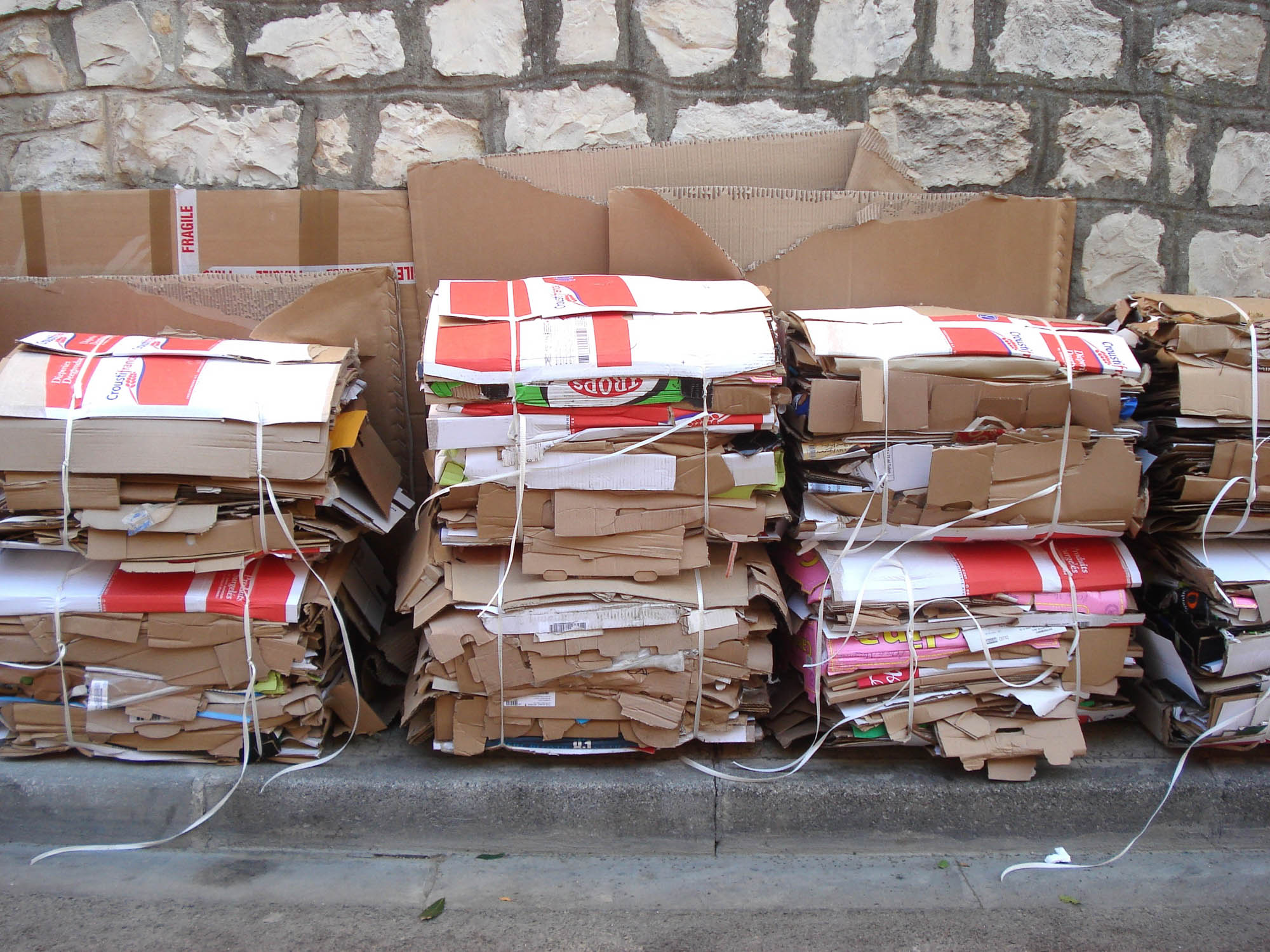
About the Author:

Leave A Comment

[fusion_builder_container hundred_percent=”no” hundred_percent_height=”no” hundred_percent_height_scroll=”no” hundred_percent_height_center_content=”yes” equal_height_columns=”no” menu_anchor=”” hide_on_mobile=”small-visibility,medium-visibility,large-visibility” class=”” id=”” background_color=”” background_image=”” background_position=”center center” background_repeat=”no-repeat” fade=”no” background_parallax=”none” enable_mobile=”no” parallax_speed=”0.3″ video_mp4=”” video_webm=”” video_ogv=”” video_url=”” video_aspect_ratio=”16:9″ video_loop=”yes” video_mute=”yes” video_preview_image=”” border_size=”” border_color=”” border_style=”solid” margin_top=”” margin_bottom=”” padding_top=”” padding_right=”” padding_bottom=”” padding_left=””][fusion_builder_row][fusion_builder_column type=”1_1″ layout=”1_2″ spacing=”” center_content=”no” link=”” target=”_self” min_height=”” hide_on_mobile=”small-visibility,medium-visibility,large-visibility” class=”” id=”” background_color=”” background_image=”” background_position=”left top” background_repeat=”no-repeat” hover_type=”none” border_size=”0″ border_color=”” border_style=”solid” border_position=”all” animation_type=”” animation_direction=”left” animation_speed=”0.3″ animation_offset=”” last=”no”][fusion_text columns=”” column_min_width=”” column_spacing=”” rule_style=”default” rule_size=”” rule_color=”” hide_on_mobile=”small-visibility,medium-visibility,large-visibility” class=”” id=””]

Batería de automóvil con reciclaje verde firmar.

El plástico de tereftalato de polietileno (PET) es popularmente conocido como el plástico transparente. Se usa para fabricar agua y refrescos. Actualmente, el setenta por ciento de refrescos (bebidas carbonatadas, bebidas quietas y dilatables, jugos de frutas y agua embotellada) se envasan en PET botellas de plástico . El resto (30 por ciento) viene principalmente en botellas de vidrio, latas de metal , y cartones.

La reciclabilidad de PET es la cualidad más sobresaliente. Es 100% reciclable y es mundialmente conocido como un material seguro, no venenoso, resistente, liviano y flexible.

En los Estados Unidos, las empresas de reciclaje pueden recuperar alrededor de 1,3 millones de libras botella de PET por persona. Los usan (botellas recuperadas) con fines de reciclaje. En consecuencia, la botella de PET se ha convertido en el producto más reciclable de América.

Batería de automóvil con letrero de reciclaje verde

PET puede identificarse con el número “1” en el pequeño símbolo triangular que está moldeado en la parte inferior o lateral del contenedor.

El PET puede recuperarse y reciclarse por tiempo ilimitado, lavarse y volverse a fundir por completo o descomponerse químicamente. Estas PET se utilizan para el nuevo producto.

Algunos PET no pueden reciclarse. Porque son tan antihigiénicos que no pueden ser purificados. Estos son quemados de manera segura. Aquellos queman PET son una de las principales fuentes de energía. Se llaman “Reciclaje térmico”.

[/fusion_text][/fusion_builder_column][/fusion_builder_row][/fusion_builder_container][fusion_builder_container hundred_percent=”no” hundred_percent_height=”no” hundred_percent_height_scroll=”no” hundred_percent_height_center_content=”yes” equal_height_columns=”no” menu_anchor=”” hide_on_mobile=”small-visibility,medium-visibility,large-visibility” class=”” id=”” background_color=”” background_image=”” background_position=”center center” background_repeat=”no-repeat” fade=”no” background_parallax=”none” enable_mobile=”no” parallax_speed=”0.3″ video_mp4=”” video_webm=”” video_ogv=”” video_url=”” video_aspect_ratio=”16:9″ video_loop=”yes” video_mute=”yes” video_preview_image=”” border_size=”” border_color=”” border_style=”solid” margin_top=”” margin_bottom=”” padding_top=”” padding_right=”” padding_bottom=”” padding_left=””][fusion_builder_row][fusion_builder_column type=”1_1″ layout=”1_1″ spacing=”” center_content=”no” link=”” target=”_self” min_height=”” hide_on_mobile=”small-visibility,medium-visibility,large-visibility” class=”set_block” id=”” background_color=”” background_image=”” background_position=”left top” undefined=”” background_repeat=”no-repeat” hover_type=”none” border_size=”0″ border_color=”” border_style=”solid” border_position=”all” padding_top=”” padding_right=”” padding_bottom=”” padding_left=”” margin_top=”” margin_bottom=”” animation_type=”” animation_direction=”left” animation_speed=”0.3″ animation_offset=”” last=”no”][fusion_text columns=”” column_min_width=”” column_spacing=”” rule_style=”default” rule_size=”” rule_color=”” class=”” id=””]

Aplicación de PET

robot con basura Para producir botella y contenedor , El PET se usa como materia prima. Se utiliza para producir botellas plásticas de agua y refrescos, envases de alimentos para pasteles, frutas cortadas y ensaladas, y como envases para blister y almejas para cosméticos, navajas y juguetes.

También se puede usar en recipientes para mantequilla de maní, champú y aderezos para ensaladas y para alfombras, ropa, sacos de dormir y mucho más.

El PET se recicla en un nuevo flejado industrial, piezas de automóviles, materiales de construcción, incluso el fieltro para pelotas de tenis y botes de pelotas de tenis.

En resumen, se aplica para fabricar una gran cantidad de contenedores utilizados para envasar productos alimenticios y bienes de consumo. Por lo tanto, se considera como el consumidor más común plástico .

[/fusion_text][/fusion_builder_column][fusion_builder_column type=”1_1″ layout=”1_1″ spacing=”” center_content=”no” link=”” target=”_self” min_height=”” hide_on_mobile=”small-visibility,medium-visibility,large-visibility” class=”set_block” id=”” background_color=”” background_image=”” background_position=”left top” undefined=”” background_repeat=”no-repeat” hover_type=”none” border_size=”0″ border_color=”” border_style=”solid” border_position=”all” padding_top=”” padding_right=”” padding_bottom=”” padding_left=”” margin_top=”” margin_bottom=”” animation_type=”” animation_direction=”left” animation_speed=”0.3″ animation_offset=”” last=”no”][fusion_text columns=”” column_min_width=”” column_spacing=”” rule_style=”default” rule_size=”” rule_color=”” class=”” id=””]

Recolección de PET

robot con basura Es una tarea desafiante recolectar botellas de PET para reciclar. No hay un sistema colector uniforme. Diferentes países y diferentes agencias siguen diversos modelos de recolección. La parte más desafiante es crear conciencia entre las personas. La autoridad afectada se enfrenta a una situación crítica para organizar un sistema colectivo de desechos domésticos.

Los consumidores desechan los envases de PET después del uso. Esto se llama “PET post-consumo” por las industrias de reciclaje.

Diferentes agencias, incluido el gobierno local, comienzan a recolectar “PET post-consumo”. Las PET se separan de otros desechos domésticos. En algunos países, se proporcionan contenedores separados para mantener el PET.[/fusion_text][/fusion_builder_column][/fusion_builder_row][/fusion_builder_container][fusion_builder_container hundred_percent=”no” hundred_percent_height=”no” hundred_percent_height_scroll=”no” hundred_percent_height_center_content=”yes” equal_height_columns=”no” menu_anchor=”” hide_on_mobile=”small-visibility,medium-visibility,large-visibility” class=”” id=”” background_color=”” background_image=”” background_position=”center center” background_repeat=”no-repeat” fade=”no” background_parallax=”none” enable_mobile=”no” parallax_speed=”0.3″ video_mp4=”” video_webm=”” video_ogv=”” video_url=”” video_aspect_ratio=”16:9″ video_loop=”yes” video_mute=”yes” video_preview_image=”” border_size=”” border_color=”” border_style=”solid” margin_top=”” margin_bottom=”” padding_top=”” padding_right=”” padding_bottom=”” padding_left=””][fusion_builder_row][fusion_builder_column type=”1_1″ layout=”1_1″ spacing=”” center_content=”no” link=”” target=”_self” min_height=”” hide_on_mobile=”small-visibility,medium-visibility,large-visibility” class=”” id=”” background_color=”” background_image=”” background_position=”left top” background_repeat=”no-repeat” hover_type=”none” border_size=”0″ border_color=”” border_style=”solid” border_position=”all” padding_top=”” padding_right=”” padding_bottom=”” padding_left=”” margin_top=”” margin_bottom=”” animation_type=”” animation_direction=”left” animation_speed=”0.3″ animation_offset=”” last=”no”][fusion_text columns=”” column_min_width=”” column_spacing=”” rule_style=”default” rule_size=”” rule_color=”” class=”” id=””]

¿Cómo se puede aumentar la recolección de PET?

[/fusion_text][/fusion_builder_column][/fusion_builder_row][/fusion_builder_container][fusion_builder_container hundred_percent=”no” hundred_percent_height=”no” hundred_percent_height_scroll=”no” hundred_percent_height_center_content=”yes” equal_height_columns=”no” menu_anchor=”” hide_on_mobile=”small-visibility,medium-visibility,large-visibility” class=”” id=”” background_color=”” background_image=”” background_position=”center center” background_repeat=”no-repeat” fade=”no” background_parallax=”none” enable_mobile=”no” parallax_speed=”0.3″ video_mp4=”” video_webm=”” video_ogv=”” video_url=”” video_aspect_ratio=”16:9″ video_loop=”yes” video_mute=”yes” video_preview_image=”” border_size=”” border_color=”” border_style=”solid” margin_top=”” margin_bottom=”” padding_top=”” padding_right=”” padding_bottom=”” padding_left=””][fusion_builder_row][fusion_builder_column type=”1_1″ layout=”1_1″ spacing=”” center_content=”no” link=”” target=”_self” min_height=”” hide_on_mobile=”small-visibility,medium-visibility,large-visibility” class=”” id=”” background_color=”” background_image=”” background_position=”left top” background_repeat=”no-repeat” hover_type=”none” border_size=”0″ border_color=”” border_style=”solid” border_position=”all” padding_top=”” padding_right=”” padding_bottom=”” padding_left=”” margin_top=”” margin_bottom=”” animation_type=”” animation_direction=”left” animation_speed=”0.3″ animation_offset=”” last=”no”][fusion_checklist icon=”fa-google-drive fab” iconcolor=”” circle=”” circlecolor=”” size=”” divider=”” divider_color=”” hide_on_mobile=”small-visibility,medium-visibility,large-visibility” class=”” id=””][fusion_li_item icon=””]

Se deben tomar medidas para aumentar continuamente la conciencia del consumidor sobre la importancia de la recolección de botellas de PET.

[/fusion_li_item][fusion_li_item icon=””]

Deben utilizarse todos los canales de comunicación directa, como la etiqueta, publicidad, Internet y eventos patrocinados, para difundir mensajes educativos.

[/fusion_li_item][fusion_li_item icon=””]

Las campañas de asociaciones públicas y profesionales que tienen como objetivo fomentar la recolección de botellas deben reforzarse.

[/fusion_li_item][fusion_li_item icon=””]

Las comunidades locales deben comprometerse a trabajar continuamente para mejorar la capacidad de recolección, además de las iniciativas del gobierno local y las asociaciones profesionales

[/fusion_li_item][fusion_li_item icon=””]

Se necesitan esfuerzos coordinados con las autoridades públicas para mejorar el esquema de cobro actual o iniciar un nuevo programa.

[/fusion_li_item][/fusion_checklist][/fusion_builder_column][/fusion_builder_row][/fusion_builder_container][fusion_builder_container hundred_percent=”no” hundred_percent_height=”no” hundred_percent_height_scroll=”no” hundred_percent_height_center_content=”yes” equal_height_columns=”no” menu_anchor=”” hide_on_mobile=”small-visibility,medium-visibility,large-visibility” class=”” id=”” background_color=”” background_image=”https://www.earthsquad.global/wp-content/uploads/2018/04/petter-rudwall-493-unsplash.jpg” background_position=”center center” background_repeat=”no-repeat” fade=”no” background_parallax=”fixed” enable_mobile=”no” parallax_speed=”0.3″ video_mp4=”” video_webm=”” video_ogv=”” video_url=”” video_aspect_ratio=”16:9″ video_loop=”yes” video_mute=”yes” video_preview_image=”” border_size=”” border_color=”” border_style=”solid” margin_top=”30px” margin_bottom=”30px” padding_top=”70px” padding_right=”70px” padding_bottom=”70px” padding_left=”70px”][fusion_builder_row][fusion_builder_column type=”1_1″ layout=”1_1″ spacing=”” center_content=”no” link=”” target=”_self” min_height=”” hide_on_mobile=”small-visibility,medium-visibility,large-visibility” class=”” id=”” background_color=”rgba(232,215,213,0.88)” background_image=”” background_position=”left top” undefined=”” background_repeat=”no-repeat” hover_type=”none” border_size=”0″ border_color=”” border_style=”solid” border_position=”all” padding_top=”25px” padding_right=”25px” padding_bottom=”25px” padding_left=”25px” margin_top=”” margin_bottom=”” animation_type=”” animation_direction=”left” animation_speed=”0.3″ animation_offset=”” last=”no”][fusion_text columns=”” column_min_width=”” column_spacing=”” rule_style=”default” rule_size=”” rule_color=”” class=”” id=””]

Clasificación de PET

Después de recolectar los PET, estos se acumulan en un centro autorizado o se entregan a los vendedores originales.

Llevan el PET postconsumo recolectado al centro de reciclaje. El centro de reciclaje se conoce como instalaciones de recuperación de materiales (MRF).

Los empleados de MRF comienzan a ordenar y separar el PET de otros materiales, objetos (hechos de PVC, HDPE, polipropileno, etc.) plásticos rígidos. Las PET también están separadas de ese plástico flexible que se usa para producir bolsas de polietileno de baja densidad. Beber cajas de cartón, glass etc. -thethose están hechos de PET no están separados por completo.

A veces, la separación se puede realizar sobre la base de fracciones de color. El PET post-consumo se clasifica en diferentes fracciones de color: PET transparente o no coloreado, PET azul y verde y el resto en una fracción de colores mezclados.

Botellas de bebidas de plástico a menudo se producen a través de una mezcla de polímeros, típicamente una mezcla de PET y PP o PVC. Numerosos métodos se aplican para la separación.

Para separar el PET de cualquier PP en la botella, se utiliza la técnica de separación “flotación-hundimiento”. El PET es más denso que el PP, con densidades específicas respectivas de 1.43-1.45 g / cm3 y .93-.95g / cm3, por lo que el PET se hundirá en un tanque de agua. Por el contrario, PP flotará. De esta manera, se puede hacer la separación.

Desafortunadamente, cuando el PET se mezcla con PVC, puede ser muy difícil separar uno de otro. Tienen gravedades específicas similares y también se parecen al ojo humano.

Dado que una pequeña cantidad de PVC en un lote de PET puede arruinar una fusión, es obligatorio separar el PVC. En este caso, se pueden usar técnicas de radiación infrarroja cercana (NIR). Pero los plásticos de color oscuro absorben la radiación; por lo tanto, la distinción no puede hacerse.

[/fusion_text][/fusion_builder_column][/fusion_builder_row][/fusion_builder_container][fusion_builder_container hundred_percent=”no” hundred_percent_height=”no” hundred_percent_height_scroll=”no” hundred_percent_height_center_content=”yes” equal_height_columns=”no” menu_anchor=”” hide_on_mobile=”small-visibility,medium-visibility,large-visibility” class=”” id=”” background_color=”” background_image=”” background_position=”center center” background_repeat=”no-repeat” fade=”no” background_parallax=”none” enable_mobile=”no” parallax_speed=”0.3″ video_mp4=”” video_webm=”” video_ogv=”” video_url=”” video_aspect_ratio=”16:9″ video_loop=”yes” video_mute=”yes” video_preview_image=”” border_size=”” border_color=”” border_style=”solid” margin_top=”” margin_bottom=”” padding_top=”” padding_right=”” padding_bottom=”” padding_left=””][fusion_builder_row][fusion_builder_column type=”1_1″ layout=”1_1″ spacing=”” center_content=”no” link=”” target=”_self” min_height=”” hide_on_mobile=”small-visibility,medium-visibility,large-visibility” class=”” id=”” background_color=”” background_image=”” background_position=”left top” background_repeat=”no-repeat” hover_type=”none” border_size=”0″ border_color=”” border_style=”solid” border_position=”all” padding_top=”” padding_right=”” padding_bottom=”” padding_left=”” margin_top=”” margin_bottom=”” animation_type=”” animation_direction=”left” animation_speed=”0.3″ animation_offset=”” last=”no”][fusion_accordion type=”” boxed_mode=”” border_size=”1″ border_color=”” background_color=”” hover_color=”” divider_line=”” title_font_size=”” icon_size=”” icon_color=”” icon_boxed_mode=”” icon_box_color=”” icon_alignment=”” toggle_hover_accent_color=”” hide_on_mobile=”small-visibility,medium-visibility,large-visibility” class=”” id=””][fusion_toggle title=”Proceso de producción de PET” open=”no”]

El tereftalato de polietileno (PET) es un plástico de uso general. Se fabrica mediante policondensación de PTA con etilenglicol (EG). Este material pertenece a numerosas propiedades maravillosas, por ejemplo, resistencia al calor y al frío, transparencia, cualidades eléctricas, prueba química y prueba de abrasión. En consecuencia, se identifica una amplia variedad de aplicaciones en las fibras, botellas de PET y películas.

[/fusion_toggle][fusion_toggle title=”Composición de PET” open=”no”]

El PET es un polímero termoplástico. Puede ser tanto opaco como transparente, dependiendo de la composición exacta del material.

El PET se produce a partir de hidrocarburos de petróleo. Se requiere una reacción entre etilenglicol y ácido tereftálico.

Al principio, el PET se polimeriza para crear largas cadenas moleculares. Es necesario producir botellas de plástico.

La polimerización es un procedimiento complejo. Hay dos tipos de impurezas que se producen durante la polimerización. Estos son dietilenglicol y acetaldehído.

Generalmente, el dietilenglicol generalmente no se produce en cantidades lo suficientemente altas como para afectar al PET, pero el acetaldehído se puede producir no solo durante la polimerización sino también durante el proceso de fabricación de la botella.

[/fusion_toggle][fusion_toggle title=”Proceso de fabricación de botellas de PET” open=”no”]

Después de fabricar el plástico, es hora de fabricar una botella. El proceso de fabricación de la botella es el siguiente.

El moldeado por estiramiento es el primer paso del proceso de fabricación de botellas. El PET se calienta y se coloca en un molde, donde asume la forma de un tubo largo y delgado. El proceso por el cual el plástico se fuerza en el molde se llama moldeado por inyección.

El tubo de PET (llamado parisón) se transfiere luego a un segundo molde con forma de botella.

Una barra delgada de acero (llamada mandril) se desliza dentro del parisón donde llena el parisón con aire extremadamente presurizado y se inicia el estiramiento del moldeo por soplado. En consecuencia, el parisón se sopla y se estira en el molde debido al aire presurizado, el calor y la presión, y finalmente, adopta la forma de una botella.

El molde necesita enfriarse relativamente rápido para que el componente recién formado se ajuste correctamente.

Hay dos tipos de métodos de enfriamiento. Ellos son directos e indirectos. Pueden enfriar eficazmente el molde y el plástico.

El método directo se refiere al uso de aire presurizado o dióxido de carbono directamente sobre el molde y el plástico. Por otro lado, en el método indirecto, el agua puede correr a través de tuberías que rodean el molde, lo que enfría el molde y el plástico.

Cuando la botella se enfría y se coloca, está lista para ser removida del molde.

Si se utiliza un proceso de moldeo continuo, las botellas deberán separarse recortando el plástico. Si se utiliza un método de moldeo no continuo, a veces el exceso de plástico puede filtrarse en el molde durante la fabricación y requerirá un recorte.

Como la botella se saca del molde y se retira el exceso de plástico, las botellas están listas para su transporte.

[/fusion_toggle][fusion_toggle title=”Reciclaje PET” open=”no”]

Generalmente, el PET es fácil de reciclar ya que la cadena del polímero se descompone a una temperatura relativamente baja. Esto permite que el PET sea reciclado un número ilimitado de veces antes de que se vuelva inutilizable. Solo la contaminación puede reducir el número de ciclos de ‘ciclo cerrado’ del PET.

[/fusion_toggle][/fusion_accordion][/fusion_builder_column][/fusion_builder_row][/fusion_builder_container][fusion_builder_container hundred_percent=”no” hundred_percent_height=”no” hundred_percent_height_scroll=”no” hundred_percent_height_center_content=”yes” equal_height_columns=”no” menu_anchor=”” hide_on_mobile=”small-visibility,medium-visibility,large-visibility” class=”” id=”” background_color=”” background_image=”” background_position=”center center” background_repeat=”no-repeat” fade=”no” background_parallax=”none” enable_mobile=”no” parallax_speed=”0.3″ video_mp4=”” video_webm=”” video_ogv=”” video_url=”” video_aspect_ratio=”16:9″ video_loop=”yes” video_mute=”yes” video_preview_image=”” border_size=”” border_color=”” border_style=”solid” margin_top=”” margin_bottom=”” padding_top=”” padding_right=”” padding_bottom=”” padding_left=””][fusion_builder_row][fusion_builder_column type=”1_1″ layout=”1_1″ spacing=”” center_content=”no” link=”” target=”_self” min_height=”” hide_on_mobile=”small-visibility,medium-visibility,large-visibility” class=”” id=”” background_color=”” background_image=”” background_position=”left top” background_repeat=”no-repeat” hover_type=”none” border_size=”0″ border_color=”” border_style=”solid” border_position=”all” padding_top=”” padding_right=”” padding_bottom=”” padding_left=”” margin_top=”” margin_bottom=”” animation_type=”” animation_direction=”left” animation_speed=”0.3″ animation_offset=”” last=”no”][fusion_text columns=”” column_min_width=”” column_spacing=”” rule_style=”default” rule_size=”” rule_color=”” class=”” id=””]

Pasos del reciclaje de PET

Aunque toda la industria de PET no utiliza un proceso uniforme de reciclaje del PET, los pasos generales del reciclaje de PET son los siguientes.

[/fusion_text][fusion_checklist icon=”fa-google-drive fab” iconcolor=”” circle=”” circlecolor=”” size=”” divider=”” divider_color=”” hide_on_mobile=”small-visibility,medium-visibility,large-visibility” class=”” id=””][fusion_li_item icon=””]

Al principio, las botellas se clasifican a mano y se eliminan los materiales no deseados. Como resultado, solo quedan botellas. A veces, las botellas se pueden clasificar usando un sistema automatizado.

[/fusion_li_item][fusion_li_item icon=””]

Luego las botellas se limpian para eliminar cualquier líquido residual o suciedad. Ayuda a prevenir la contaminación.

[/fusion_li_item][fusion_li_item icon=””]

Después de eso, las botellas se clasifican por técnicas de radiación infrarroja, para definir el tipo de polímeros presentados aquí.

[/fusion_li_item][fusion_li_item icon=””]

Cuando las botellas se clasifican por color, tradicionalmente azul, natural, verde y mixto, agrega un valor adicional al plástico.

[/fusion_li_item][fusion_li_item icon=””]

A continuación, las botellas se trituran en escamas que luego se lavan otra vez. Alternativamente, la etapa de trituración se omite y las botellas se funden y se reforman en una forma diferente.

[/fusion_li_item][fusion_li_item icon=””]

Finalmente, el plástico triturado se funde para producir granulados plásticos o gránulos.

[/fusion_li_item][/fusion_checklist][/fusion_builder_column][/fusion_builder_row][/fusion_builder_container][fusion_builder_container hundred_percent=”no” hundred_percent_height=”no” hundred_percent_height_scroll=”no” hundred_percent_height_center_content=”yes” equal_height_columns=”no” menu_anchor=”” hide_on_mobile=”small-visibility,medium-visibility,large-visibility” class=”” id=”” background_color=”” background_image=”” background_position=”center center” background_repeat=”no-repeat” fade=”no” background_parallax=”none” enable_mobile=”no” parallax_speed=”0.3″ video_mp4=”” video_webm=”” video_ogv=”” video_url=”” video_aspect_ratio=”16:9″ video_loop=”yes” video_mute=”yes” video_preview_image=”” border_size=”” border_color=”” border_style=”solid” margin_top=”” margin_bottom=”” padding_top=”” padding_right=”” padding_bottom=”” padding_left=””][fusion_builder_row][fusion_builder_column type=”1_1″ layout=”1_1″ spacing=”” center_content=”no” link=”” target=”_self” min_height=”” hide_on_mobile=”small-visibility,medium-visibility,large-visibility” class=”” id=”” background_color=”” background_image=”” background_position=”left top” background_repeat=”no-repeat” hover_type=”none” border_size=”0″ border_color=”” border_style=”solid” border_position=”all” animation_type=”” animation_direction=”left” animation_speed=”0.3″ animation_offset=”” last=”no”][fusion_text columns=”” column_min_width=”” column_spacing=”” rule_style=”default” rule_size=”” rule_color=”” class=”” id=””]

¿La botella PET es segura o no?

Cuando las botellas de plástico están hechos de tereftalato de polietileno (PET), estos son seguros y reutilizables. Por lo general, tienen un número de identificación de plástico (PIN) n. ° 1. El plástico reutilizable los números de identificación son # 2, # 4, # 5.
Hay siete números de identificación plástica (PIC). Cada uno de ellos contiene información de reutilización y reciclaje. Estos son

[/fusion_text][fusion_checklist icon=”fa-google-drive fab” iconcolor=”” circle=”” circlecolor=”” size=”” divider=”” divider_color=”” hide_on_mobile=”small-visibility,medium-visibility,large-visibility” class=”” id=””][fusion_li_item icon=””]

# 1 – PET (tereftalato de polietileno)

[/fusion_li_item][fusion_li_item icon=””]

# 2 – HDPE (Polietileno de Alta Densidad)

[/fusion_li_item][fusion_li_item icon=””]

# 3 – PVC (cloruro de polivinilo)

[/fusion_li_item][fusion_li_item icon=””]

# 4 – LDPE (polietileno de baja densidad)

[/fusion_li_item][fusion_li_item icon=””]

# 5 – PP (polipropileno)

[/fusion_li_item][fusion_li_item icon=””]

# 6 – PS (poliestireno)

[/fusion_li_item][fusion_li_item icon=””]

# 7 = otros

[/fusion_li_item][/fusion_checklist][/fusion_builder_column][/fusion_builder_row][/fusion_builder_container][fusion_builder_container hundred_percent=”no” hundred_percent_height=”no” hundred_percent_height_scroll=”no” hundred_percent_height_center_content=”yes” equal_height_columns=”no” menu_anchor=”” hide_on_mobile=”small-visibility,medium-visibility,large-visibility” class=”” id=”” background_color=”” background_image=”” background_position=”center center” background_repeat=”no-repeat” fade=”no” background_parallax=”none” enable_mobile=”no” parallax_speed=”0.3″ video_mp4=”” video_webm=”” video_ogv=”” video_url=”” video_aspect_ratio=”16:9″ video_loop=”yes” video_mute=”yes” video_preview_image=”” border_size=”” border_color=”” border_style=”solid” margin_top=”” margin_bottom=”” padding_top=”” padding_right=”” padding_bottom=”” padding_left=””][fusion_builder_row][fusion_builder_column type=”1_1″ layout=”1_1″ spacing=”” center_content=”no” link=”” target=”_self” min_height=”” hide_on_mobile=”small-visibility,medium-visibility,large-visibility” class=”set_block” id=”” background_color=”” background_image=”” background_position=”left top” undefined=”” background_repeat=”no-repeat” hover_type=”none” border_size=”0″ border_color=”” border_style=”solid” border_position=”all” padding_top=”” padding_right=”” padding_bottom=”” padding_left=”” margin_top=”” margin_bottom=”” animation_type=”” animation_direction=”left” animation_speed=”0.3″ animation_offset=”” last=”no”][fusion_text columns=”” column_min_width=”” column_spacing=”” rule_style=”default” rule_size=”” rule_color=”” class=”” id=””]

Los beneficios ambientales de reciclar PET

robot with trashEl PET se ha convertido en una sustancia extremadamente útil y su uso se ha disparado en los últimos años. Dado que el mercado de agua embotellada se ha incrementado, las demandas de PET también aumentaron simultáneamente.

En Gran Bretaña, aproximadamente 15 millones botellas de plástico se utilizan todos los días. 11% de los residuos domésticos es plastic , y alrededor del 40% de esto son botellas de plástico.

Para producir un volumen de una botella de PET, el consumo de energía es de alrededor de 5,4 MJ / litro. Es mucho menos que vidrio o aluminio.
El reciclaje de PET ayuda a disminuir la dependencia del petróleo y el gas. También reduce el desperdicio de vertederos y disminuye las emisiones de gases de efecto invernadero a la atmósfera.

Alrededor del 4% del petróleo mundial se utiliza para hacer que todos plástico . En el Reino Unido, el 37% del plástico se utiliza para hacer el embalaje. De este paquete, solo el 1.2% de los envases de plástico se utiliza para fabricar PET botellas de plástico para bebidas .

La industria del PET busca constantemente maneras de reducir el uso de la cantidad de agua. Utiliza una pequeña cantidad de agua en sus procesos de fabricación.

[/fusion_text][/fusion_builder_column][fusion_builder_column type=”1_1″ layout=”1_1″ spacing=”” center_content=”no” link=”” target=”_self” min_height=”” hide_on_mobile=”small-visibility,medium-visibility,large-visibility” class=”set_block” id=”” background_color=”” background_image=”” background_position=”left top” undefined=”” background_repeat=”no-repeat” hover_type=”none” border_size=”0″ border_color=”” border_style=”solid” border_position=”all” padding_top=”” padding_right=”” padding_bottom=”” padding_left=”” margin_top=”” margin_bottom=”” animation_type=”” animation_direction=”left” animation_speed=”0.3″ animation_offset=”” last=”no”][fusion_text columns=”” column_min_width=”” column_spacing=”” rule_style=”default” rule_size=”” rule_color=”” class=”” id=””]

Conclusión

robot with trashLos componentes básicos del PET son etilenglicol y ácido tereftálico. Se combinan para formar gránulos de PET. Más claramente, cuando las dos materias primas de PET se acumulan a altas temperaturas y baja presión de vacío, se forman largas cadenas del polímero.

Aunque anteriormente, PET plástico las botellas de agua han sido consideradas seguras, al menos en lo que respecta a la salud humana, nueva evidencia sugiere que la PET, o tereftalato de polietileno, puede no ser tan segura como se considera.

El PET es uno de los plásticos más utilizados en los productos de consumo. Se usa para producir la mayoría de las botellas de agua y pop, y algunos envases. El plástico PET es complicado de descontaminar. La limpieza adecuada requiere eliminar los químicos perjudiciales.

El plástico PET es reciclable. Alrededor del 25% de las botellas de PET en los Estados Unidos se reciclan hoy en día. El plástico es aplastado y luego triturado en pequeños copos. Estos copos se reprocesan para producir nuevas botellas de PET o se hilan en fibra de poliéster.

Esta fibra reciclada se utiliza para crear textiles como prendas de lana, alfombras, relleno para almohadas y chalecos salvavidas, y productos similares.

Desde el punto de vista medioambiental, el PET es más respetuoso con el medio ambiente ya que hay una baja cantidad de agua y aceite utilizado en la producción de botellas de PET. Además, se está ahorrando una gran cantidad de vertederos de esta manera. Además, ayuda a llevar a cabo un procedimiento adecuado de gestión de residuos. Como el manejo de desechos es uno de los temas candentes en la planificación urbana actual, la capacidad de reciclaje de PET imputa al ser humano, a los alcaldes de la ciudad y a los comisionados y otras autoridades interesadas, en cierta medida, en la gestión de desechos.

[/fusion_text][/fusion_builder_column][/fusion_builder_row][/fusion_builder_container][fusion_builder_container hundred_percent=”no” hundred_percent_height=”no” hundred_percent_height_scroll=”no” hundred_percent_height_center_content=”yes” equal_height_columns=”no” menu_anchor=”” hide_on_mobile=”small-visibility,medium-visibility,large-visibility” class=”” id=”” background_color=”” background_image=”” background_position=”center center” background_repeat=”no-repeat” fade=”no” background_parallax=”none” enable_mobile=”no” parallax_speed=”0.3″ video_mp4=”” video_webm=”” video_ogv=”” video_url=”” video_aspect_ratio=”16:9″ video_loop=”yes” video_mute=”yes” video_preview_image=”” border_size=”” border_color=”” border_style=”solid” margin_top=”” margin_bottom=”” padding_top=”” padding_right=”” padding_bottom=”” padding_left=””][fusion_builder_row][fusion_builder_column type=”1_1″ layout=”1_1″ spacing=”” center_content=”no” link=”” target=”_self” min_height=”” hide_on_mobile=”small-visibility,medium-visibility,large-visibility” class=”” id=”” background_color=”” background_image=”” background_position=”left top” background_repeat=”no-repeat” hover_type=”none” border_size=”0″ border_color=”” border_style=”solid” border_position=”all” padding_top=”” padding_right=”” padding_bottom=”” padding_left=”” margin_top=”” margin_bottom=”” animation_type=”” animation_direction=”left” animation_speed=”0.3″ animation_offset=”” last=”no”][fusion_text columns=”” column_min_width=”” column_spacing=”” rule_style=”default” rule_size=”” rule_color=”” class=”” id=””]

Referencias

https://en.wikipedia.org/wiki/PET_bottle_recycling
https://en.wikipedia.org/wiki/Polyethylene_terephthalate
https://www.ecostarplastics.com/pet-101/pet/
http://www.bpf.co.uk/Sustainability/pet_plastic_bottles_facts_not_myths.aspx
http://www.petresin.org/recycling.asp[/fusion_text][/fusion_builder_column][/fusion_builder_row][/fusion_builder_container][fusion_builder_container hundred_percent=”no” hundred_percent_height=”no” hundred_percent_height_scroll=”no” hundred_percent_height_center_content=”yes” equal_height_columns=”no” menu_anchor=”” hide_on_mobile=”small-visibility,medium-visibility,large-visibility” class=”” id=”” background_color=”” background_image=”” background_position=”center center” background_repeat=”no-repeat” fade=”no” background_parallax=”none” enable_mobile=”no” parallax_speed=”0.3″ video_mp4=”” video_webm=”” video_ogv=”” video_url=”” video_aspect_ratio=”16:9″ video_loop=”yes” video_mute=”yes” video_preview_image=”” border_size=”” border_color=”” border_style=”solid” margin_top=”” margin_bottom=”” padding_top=”” padding_right=”” padding_bottom=”” padding_left=””][fusion_builder_row][fusion_builder_column type=”1_1″ layout=”1_1″ spacing=”” center_content=”no” link=”” target=”_self” min_height=”” hide_on_mobile=”small-visibility,medium-visibility,large-visibility” class=”” id=”” background_color=”” background_image=”” background_position=”left top” background_repeat=”no-repeat” hover_type=”none” border_size=”0″ border_color=”” border_style=”solid” border_position=”all” padding_top=”” padding_right=”” padding_bottom=”” padding_left=”” margin_top=”” margin_bottom=”” animation_type=”” animation_direction=”left” animation_speed=”0.3″ animation_offset=”” last=”no”][fusion_separator style_type=”single solid” hide_on_mobile=”small-visibility,medium-visibility,large-visibility” class=”” id=”” sep_color=”rgba(193,25,120,0.73)” top_margin=”5%” bottom_margin=”5%” border_size=”” icon=”” icon_circle=”” icon_circle_color=”” width=”25%” alignment=”center” /][/fusion_builder_column][fusion_builder_column type=”1_1″ layout=”1_1″ spacing=”” center_content=”no” link=”” target=”_self” min_height=”” hide_on_mobile=”small-visibility,medium-visibility,large-visibility” class=”” id=”” background_color=”” background_image=”” background_position=”left top” background_repeat=”no-repeat” hover_type=”none” border_size=”0″ border_color=”” border_style=”solid” border_position=”all” padding_top=”” padding_right=”” padding_bottom=”” padding_left=”” margin_top=”” margin_bottom=”” animation_type=”” animation_direction=”left” animation_speed=”0.3″ animation_offset=”” last=”no”][fusion_text columns=”” column_min_width=”” column_spacing=”” rule_style=”default” rule_size=”” rule_color=”” class=”” id=””]

Navegar en…

[/fusion_text][/fusion_builder_column][fusion_builder_column type=”1_1″ layout=”1_1″ spacing=”” center_content=”no” link=”” target=”_self” min_height=”” hide_on_mobile=”small-visibility,medium-visibility,large-visibility” class=”” id=”” background_color=”” background_image=”” background_position=”left top” background_repeat=”no-repeat” hover_type=”none” border_size=”0″ border_color=”” border_style=”solid” border_position=”all” padding_top=”” padding_right=”” padding_bottom=”” padding_left=”” margin_top=”” margin_bottom=”” animation_type=”” animation_direction=”left” animation_speed=”0.3″ animation_offset=”” last=”no”][fusion_blog layout=”medium alternate” blog_grid_columns=”” blog_grid_column_spacing=”” blog_masonry_grid_ratio=”” blog_masonry_width_double=”” equal_heights=”no” number_posts=”6″ offset=”0″ pull_by=”category” cat_slug=”” exclude_cats=”” tag_slug=”” exclude_tags=”” orderby=”date” order=”DESC” thumbnail=”yes” title=”yes” title_link=”yes” excerpt=”” excerpt_length=”10″ strip_html=”yes” meta_all=”yes” meta_author=”yes” meta_categories=”yes” meta_comments=”no” meta_date=”no” meta_link=”yes” meta_tags=”no” scrolling=”pagination” grid_box_color=”” grid_element_color=”” grid_separator_style_type=”” grid_separator_color=”” padding_top=”” padding_right=”” padding_bottom=”” padding_left=”” hide_on_mobile=”small-visibility,medium-visibility,large-visibility” class=”” id=”” /][/fusion_builder_column][/fusion_builder_row][/fusion_builder_container]
2018-10-15T08:39:55+00:00By |Categories: El plastico, MASCOTA, Reciclaje de material|0 Comments

About the Author:

Leave A Comment

[fusion_builder_container hundred_percent=”no” hundred_percent_height=”no” hundred_percent_height_scroll=”no” hundred_percent_height_center_content=”yes” equal_height_columns=”no” menu_anchor=”” hide_on_mobile=”small-visibility,medium-visibility,large-visibility” class=”” id=”” background_color=”” background_image=”” background_position=”center center” background_repeat=”no-repeat” fade=”no” background_parallax=”none” enable_mobile=”no” parallax_speed=”0.3″ video_mp4=”” video_webm=”” video_ogv=”” video_url=”” video_aspect_ratio=”16:9″ video_loop=”yes” video_mute=”yes” video_preview_image=”” border_size=”” border_color=”” border_style=”solid” margin_top=”” margin_bottom=”” padding_top=”” padding_right=”” padding_bottom=”” padding_left=””][fusion_builder_row][fusion_builder_column type=”1_1″ layout=”1_2″ spacing=”” center_content=”no” link=”” target=”_self” min_height=”” hide_on_mobile=”small-visibility,medium-visibility,large-visibility” class=”” id=”” background_color=”” background_image=”” background_position=”left top” background_repeat=”no-repeat” hover_type=”none” border_size=”0″ border_color=”” border_style=”solid” border_position=”all” animation_type=”” animation_direction=”left” animation_speed=”0.3″ animation_offset=”” last=”no”][fusion_text columns=”” column_min_width=”” column_spacing=”” rule_style=”default” rule_size=”” rule_color=”” class=”” id=””]Car battery with green recycle sign.

Polyethylene terephthalate (PET) plastic is popularly known as the clear plastic. It is used to manufacture water and soda bottle. At present, seventy percent soft drinks (carbonated drinks, still and dilatable drinks, fruit juices and bottled water) are being packaged in PET plastic bottles. The rest (30 percent) comes mainly in glass bottles, metal cans, and cartons.

PET’s recyclability is the most outstanding quality. It is 100% recyclable and it is globally known as a safe, non-poisonous, strong, lightweight and flexible material.

In the United States, the recycling companies are able to recover about 1.3 million pounds PET bottle each per. They use them (recovered bottles) for recycling purpose. Consequently, the PET bottle has become the most recyclable product in America.

Car battery with green recycle sign.

PET can be identified by the number “1” in the small triangular symbol that is molded into the bottom or side of the container.

PET can be recovered and recycled unlimited time thorough washing and re-melting or by chemically breaking down. These PETs are used for the new product.

Some PETs are unable to recycle. Because they are so unhygienic that cannot be purified. These are burned safely. Those burning PETs are one of the major sources of energy. They are called “Thermal Recycling’.

[/fusion_text][/fusion_builder_column][/fusion_builder_row][/fusion_builder_container][fusion_builder_container hundred_percent=”no” hundred_percent_height=”no” hundred_percent_height_scroll=”no” hundred_percent_height_center_content=”yes” equal_height_columns=”no” menu_anchor=”” hide_on_mobile=”small-visibility,medium-visibility,large-visibility” class=”” id=”” background_color=”” background_image=”” background_position=”center center” background_repeat=”no-repeat” fade=”no” background_parallax=”none” enable_mobile=”no” parallax_speed=”0.3″ video_mp4=”” video_webm=”” video_ogv=”” video_url=”” video_aspect_ratio=”16:9″ video_loop=”yes” video_mute=”yes” video_preview_image=”” border_size=”” border_color=”” border_style=”solid” margin_top=”” margin_bottom=”” padding_top=”” padding_right=”” padding_bottom=”” padding_left=””][fusion_builder_row][fusion_builder_column type=”1_1″ layout=”1_1″ spacing=”” center_content=”no” link=”” target=”_self” min_height=”” hide_on_mobile=”small-visibility,medium-visibility,large-visibility” class=”set_block” id=”” background_color=”” background_image=”” background_position=”left top” undefined=”” background_repeat=”no-repeat” hover_type=”none” border_size=”0″ border_color=”” border_style=”solid” border_position=”all” padding_top=”” padding_right=”” padding_bottom=”” padding_left=”” margin_top=”” margin_bottom=”” animation_type=”” animation_direction=”left” animation_speed=”0.3″ animation_offset=”” last=”no”][fusion_text columns=”” column_min_width=”” column_spacing=”” rule_style=”default” rule_size=”” rule_color=”” class=”” id=””]

Application of PET

robot with trashFor producing bottle and container, PET is used as raw material. It is used for producing plastic water and soda bottles, food packaging for cakes, cut fruit, and salads and as retail blister and clamshell packaging for cosmetics, razors, and toys.

It can also be used in containers for peanut butter, shampoo, and salad dressings and for carpeting, clothing, sleeping bags and much,

PET is recycled into a new industrial strapping, automotive parts, construction materials, even the felt for tennis balls, and tennis ball canisters.

In short, it is applied to manufacture a large number of containers used for packaging food product and consumer goods. Therefore, it is considered as the most common consumer plastic.[/fusion_text][/fusion_builder_column][fusion_builder_column type=”1_1″ layout=”1_1″ spacing=”” center_content=”no” link=”” target=”_self” min_height=”” hide_on_mobile=”small-visibility,medium-visibility,large-visibility” class=”set_block” id=”” background_color=”” background_image=”” background_position=”left top” undefined=”” background_repeat=”no-repeat” hover_type=”none” border_size=”0″ border_color=”” border_style=”solid” border_position=”all” padding_top=”” padding_right=”” padding_bottom=”” padding_left=”” margin_top=”” margin_bottom=”” animation_type=”” animation_direction=”left” animation_speed=”0.3″ animation_offset=”” last=”no”][fusion_text columns=”” column_min_width=”” column_spacing=”” rule_style=”default” rule_size=”” rule_color=”” class=”” id=””]

Collection of PET

robot with trashIt is a challenging task to collect PET bottles for recycling. There is no uniform collecting system. Different countries and different agencies follow diverse collecting models. The most challenging part is to create awareness among the people. The concerned authority faces critical situation to organize a collective system for household wastes.

The consumers discard PET packaging after the use. This is called “post-consumer PET” by the recycling industries.

Different agencies including local government start to collect “post-consumer PET”. The PETs are separated from other household wastes. In some countries, separate containers are provided to keep PET.[/fusion_text][/fusion_builder_column][/fusion_builder_row][/fusion_builder_container][fusion_builder_container hundred_percent=”no” hundred_percent_height=”no” hundred_percent_height_scroll=”no” hundred_percent_height_center_content=”yes” equal_height_columns=”no” menu_anchor=”” hide_on_mobile=”small-visibility,medium-visibility,large-visibility” class=”” id=”” background_color=”” background_image=”” background_position=”center center” background_repeat=”no-repeat” fade=”no” background_parallax=”none” enable_mobile=”no” parallax_speed=”0.3″ video_mp4=”” video_webm=”” video_ogv=”” video_url=”” video_aspect_ratio=”16:9″ video_loop=”yes” video_mute=”yes” video_preview_image=”” border_size=”” border_color=”” border_style=”solid” margin_top=”” margin_bottom=”” padding_top=”” padding_right=”” padding_bottom=”” padding_left=””][fusion_builder_row][fusion_builder_column type=”1_1″ layout=”1_1″ spacing=”” center_content=”no” link=”” target=”_self” min_height=”” hide_on_mobile=”small-visibility,medium-visibility,large-visibility” class=”” id=”” background_color=”” background_image=”” background_position=”left top” background_repeat=”no-repeat” hover_type=”none” border_size=”0″ border_color=”” border_style=”solid” border_position=”all” padding_top=”” padding_right=”” padding_bottom=”” padding_left=”” margin_top=”” margin_bottom=”” animation_type=”” animation_direction=”left” animation_speed=”0.3″ animation_offset=”” last=”no”][fusion_text columns=”” column_min_width=”” column_spacing=”” rule_style=”default” rule_size=”” rule_color=”” class=”” id=””]

How PET collection can be increased?

[/fusion_text][/fusion_builder_column][/fusion_builder_row][/fusion_builder_container][fusion_builder_container hundred_percent=”no” hundred_percent_height=”no” hundred_percent_height_scroll=”no” hundred_percent_height_center_content=”yes” equal_height_columns=”no” menu_anchor=”” hide_on_mobile=”small-visibility,medium-visibility,large-visibility” class=”” id=”” background_color=”” background_image=”” background_position=”center center” background_repeat=”no-repeat” fade=”no” background_parallax=”none” enable_mobile=”no” parallax_speed=”0.3″ video_mp4=”” video_webm=”” video_ogv=”” video_url=”” video_aspect_ratio=”16:9″ video_loop=”yes” video_mute=”yes” video_preview_image=”” border_size=”” border_color=”” border_style=”solid” margin_top=”” margin_bottom=”” padding_top=”” padding_right=”” padding_bottom=”” padding_left=””][fusion_builder_row][fusion_builder_column type=”1_1″ layout=”1_1″ spacing=”” center_content=”no” link=”” target=”_self” min_height=”” hide_on_mobile=”small-visibility,medium-visibility,large-visibility” class=”” id=”” background_color=”” background_image=”” background_position=”left top” background_repeat=”no-repeat” hover_type=”none” border_size=”0″ border_color=”” border_style=”solid” border_position=”all” padding_top=”” padding_right=”” padding_bottom=”” padding_left=”” margin_top=”” margin_bottom=”” animation_type=”” animation_direction=”left” animation_speed=”0.3″ animation_offset=”” last=”no”][fusion_checklist icon=”fa-google-drive fab” iconcolor=”” circle=”” circlecolor=”” size=”” divider=”” divider_color=”” hide_on_mobile=”small-visibility,medium-visibility,large-visibility” class=”” id=””][fusion_li_item icon=””]Attempts must be taken to continuously raise consumer awareness on the importance of PET bottle collection.[/fusion_li_item][fusion_li_item icon=””]All direct communication channels such as the label, advertisements, internet and sponsored events, to disseminate educational messages must be utilized.[/fusion_li_item][fusion_li_item icon=””]The public and the professional association campaigns that aim to encourage bottle collection must be bolstered.[/fusion_li_item][fusion_li_item icon=””]Local Communities must be engaged in continuously working to improve collection capacity besides the local government and professional associations initiatives[/fusion_li_item][fusion_li_item icon=””]Coordinated efforts with public authorities are necessary to improve the current collection scheme or initiate a new program.[/fusion_li_item][/fusion_checklist][/fusion_builder_column][/fusion_builder_row][/fusion_builder_container][fusion_builder_container hundred_percent=”no” hundred_percent_height=”no” hundred_percent_height_scroll=”no” hundred_percent_height_center_content=”yes” equal_height_columns=”no” menu_anchor=”” hide_on_mobile=”small-visibility,medium-visibility,large-visibility” class=”” id=”” background_color=”” background_image=”https://www.earthsquad.global/wp-content/uploads/2018/04/petter-rudwall-493-unsplash.jpg” background_position=”center center” background_repeat=”no-repeat” fade=”no” background_parallax=”fixed” enable_mobile=”no” parallax_speed=”0.3″ video_mp4=”” video_webm=”” video_ogv=”” video_url=”” video_aspect_ratio=”16:9″ video_loop=”yes” video_mute=”yes” video_preview_image=”” border_size=”” border_color=”” border_style=”solid” margin_top=”30px” margin_bottom=”30px” padding_top=”70px” padding_right=”70px” padding_bottom=”70px” padding_left=”70px”][fusion_builder_row][fusion_builder_column type=”1_1″ layout=”1_1″ spacing=”” center_content=”no” link=”” target=”_self” min_height=”” hide_on_mobile=”small-visibility,medium-visibility,large-visibility” class=”” id=”” background_color=”rgba(232,215,213,0.88)” background_image=”” background_position=”left top” undefined=”” background_repeat=”no-repeat” hover_type=”none” border_size=”0″ border_color=”” border_style=”solid” border_position=”all” padding_top=”25px” padding_right=”25px” padding_bottom=”25px” padding_left=”25px” margin_top=”” margin_bottom=”” animation_type=”” animation_direction=”left” animation_speed=”0.3″ animation_offset=”” last=”no”][fusion_text columns=”” column_min_width=”” column_spacing=”” rule_style=”default” rule_size=”” rule_color=”” class=”” id=””]

Sorting of PET

After collecting the PETs, these are accumulated in authorized center or handed over to the original sellers.

They take the collected post-consumer PET to the recycling center. The recycling center is known as materials recovery facilities (MRF).

MRF employees start to sort and separate the PET from other materials, objects (made of PVC, HDPE, polypropylene etc like) rigid plastics. The PETs are also separated from that flexible plastic which is used producing low-density polyethylene bags. Drink cartons, glass etc -those are made of non PET -are separated completely.

Sometimes, separation may be conducted on the basis of color fractions. The post-consumer PET is sorted into different color fractions: transparent or uncolored PET, blue and green colored PET, and the remainder into a mixed colors fraction.

Plastic drinks bottles are often produced through a mixture of polymers, typically a mix of PET and PP or PVC. Numerous methods are applied for the separation.

To separate PET from any PP in the bottle, ‘sink-float’ separation technique is used. PET is denser than PP, with respective specific densities of 1.43-1.45 g/cm3 and .93-.95g/cm3, so PET will sink in a tank of water. On the contrary, PP will float. In this way, separation can be made.

Unfortunately, when PET is mixed with PVC, it can be very difficult to separate one from another. They have similar specific gravities and also look similar to the human eye.

Since a small amount of PVC in a batch of PET can ruin a melt, it is obligatory to separate the PVC. In this case, Near Infrared Radiation (NIR) techniques can be used. But darkly colored plastics absorb the radiation; therefore, the distinction cannot be made.[/fusion_text][/fusion_builder_column][/fusion_builder_row][/fusion_builder_container][fusion_builder_container hundred_percent=”no” hundred_percent_height=”no” hundred_percent_height_scroll=”no” hundred_percent_height_center_content=”yes” equal_height_columns=”no” menu_anchor=”” hide_on_mobile=”small-visibility,medium-visibility,large-visibility” class=”” id=”” background_color=”” background_image=”” background_position=”center center” background_repeat=”no-repeat” fade=”no” background_parallax=”none” enable_mobile=”no” parallax_speed=”0.3″ video_mp4=”” video_webm=”” video_ogv=”” video_url=”” video_aspect_ratio=”16:9″ video_loop=”yes” video_mute=”yes” video_preview_image=”” border_size=”” border_color=”” border_style=”solid” margin_top=”” margin_bottom=”” padding_top=”” padding_right=”” padding_bottom=”” padding_left=””][fusion_builder_row][fusion_builder_column type=”1_1″ layout=”1_1″ spacing=”” center_content=”no” link=”” target=”_self” min_height=”” hide_on_mobile=”small-visibility,medium-visibility,large-visibility” class=”” id=”” background_color=”” background_image=”” background_position=”left top” background_repeat=”no-repeat” hover_type=”none” border_size=”0″ border_color=”” border_style=”solid” border_position=”all” padding_top=”” padding_right=”” padding_bottom=”” padding_left=”” margin_top=”” margin_bottom=”” animation_type=”” animation_direction=”left” animation_speed=”0.3″ animation_offset=”” last=”no”][fusion_accordion type=”” boxed_mode=”” border_size=”1″ border_color=”” background_color=”” hover_color=”” divider_line=”” icon_size=”” icon_color=”” icon_boxed_mode=”” icon_alignment=”” hide_on_mobile=”small-visibility,medium-visibility,large-visibility” class=”” id=””][fusion_toggle title=”PET Production Process” open=”no”]Polyethylene terephthalate (PET) is a general-purpose plastic. It is manufactured by polycondensation of PTA with ethylene glycol (EG). This material belongs to numerous marvelous properties, for instance, resistance to heat and cold, transparency, electrical qualities, chemical proof and abrasion proof. Consequently, a wide variety of applications in the fibers, PET bottle and films are identified.[/fusion_toggle][fusion_toggle title=”Composition of PET” open=”no”]

PET is a thermoplastic polymer. It can be both opaque and transparent, depending on the exact material composition.

PET is produced from petroleum hydrocarbons. A reaction between ethylene glycol and terephthalic acid is required.

At first, the PET is polymerized to create long molecular chains. It is necessary to produce plastic bottles.

Polymerization is a complex procedure. There are two types of impurities are produced during polymerization. These are diethylene glycol and acetaldehyde.

Generally, Diethylene glycol is generally not produced in high-enough amounts to affect PET but acetaldehyde can be produced not only during polymerization but also during the bottle manufacturing process.

[/fusion_toggle][fusion_toggle title=”PET Bottle Manufacturing Process” open=”no”]After manufacturing the plastic, it is high time to manufacture bottle. The bottle manufacturing process is as follow.

Stretch blow molding is the first step of bottle manufacturing process. The PET is heated and placed in a mold, where it assumes the shape of a long thin tube. The process by which the plastic is forced into the mold is called injection molding.

The tube of PET (called a parison) is then transferred into a second, bottle-shaped mold.

A thin steel rod (called a mandrel) is slid inside the parison where it fills the parison with extremely pressurized air, and stretch blow molding starts. Consequently, the parison is blown and stretched into the mold because of the pressurized air, heat, and pressure, and finally, assumes a bottle shape.

Car battery with green recycle sign.The mold needs to be cooled relatively quickly so that the newly formed component is set properly.

There are two types of cooling methods. They are direct and indirect. They can effectively cool the mold and the plastic.

Direct method refers to using pressurized air or carbon dioxide directly on the mold and plastic. On the other hand, in the indirect method, water can be coursed through pipes surrounding the mold, which cools the mold and plastic.

When the bottle is cooled and set, it becomes ready to be removed from the mold.

If a continuous molding process is used, the bottles will need to be separated by trimming the plastic. If a non-continuous molding method is used, sometimes excess plastic can seep into the mold during manufacturing and will require trimming.

Since the bottle is removed from the mold and excess plastic is removed, the bottles are ready for transportation.[/fusion_toggle][fusion_toggle title=”PET Recycling” open=”no”]

Generally, PET is easy to be recycled since the polymer chain breaks down at a relatively low temperature. This allows PET to be recycled unlimited times before it becomes unusable. Only contamination can reduce the number of ‘closed loop’ cycles of the PET.

[/fusion_toggle][/fusion_accordion][/fusion_builder_column][/fusion_builder_row][/fusion_builder_container][fusion_builder_container hundred_percent=”no” hundred_percent_height=”no” hundred_percent_height_scroll=”no” hundred_percent_height_center_content=”yes” equal_height_columns=”no” menu_anchor=”” hide_on_mobile=”small-visibility,medium-visibility,large-visibility” class=”” id=”” background_color=”” background_image=”” background_position=”center center” background_repeat=”no-repeat” fade=”no” background_parallax=”none” enable_mobile=”no” parallax_speed=”0.3″ video_mp4=”” video_webm=”” video_ogv=”” video_url=”” video_aspect_ratio=”16:9″ video_loop=”yes” video_mute=”yes” video_preview_image=”” border_size=”” border_color=”” border_style=”solid” margin_top=”” margin_bottom=”” padding_top=”” padding_right=”” padding_bottom=”” padding_left=””][fusion_builder_row][fusion_builder_column type=”1_1″ layout=”1_1″ spacing=”” center_content=”no” link=”” target=”_self” min_height=”” hide_on_mobile=”small-visibility,medium-visibility,large-visibility” class=”” id=”” background_color=”” background_image=”” background_position=”left top” background_repeat=”no-repeat” hover_type=”none” border_size=”0″ border_color=”” border_style=”solid” border_position=”all” padding_top=”” padding_right=”” padding_bottom=”” padding_left=”” margin_top=”” margin_bottom=”” animation_type=”” animation_direction=”left” animation_speed=”0.3″ animation_offset=”” last=”no”][fusion_text columns=”” column_min_width=”” column_spacing=”” rule_style=”default” rule_size=”” rule_color=”” class=”” id=””]

Steps of PET Recycling

Although all PET industry does not use a uniform process of recycling the PET, the general steps of PET recycling are as follows.[/fusion_text][fusion_checklist icon=”fa-google-drive fab” iconcolor=”” circle=”” circlecolor=”” size=”” divider=”” divider_color=”” hide_on_mobile=”small-visibility,medium-visibility,large-visibility” class=”” id=””][fusion_li_item icon=””]At first, bottles are sorted by hand and unwanted materials are removed. As a result, only bottles are left. Sometimes, the bottles can be sorted using an automated system.[/fusion_li_item][fusion_li_item icon=””]Then the bottles are cleaned to remove any residual liquid or dirt. It helps to prevent contamination.[/fusion_li_item][fusion_li_item icon=””]After that the bottles are sorted infrared radiation techniques, to define the type of polymers presented here.[/fusion_li_item][fusion_li_item icon=””]When bottles are sorted by color- traditionally blue, natural, green and mixed, it adds additional value to the plastic.[/fusion_li_item][fusion_li_item icon=””]Next, the bottles are shredded into flakes which are then washed again. Alternatively, the shredding step is skipped and the bottles are melted and reformed into a different shape.[/fusion_li_item][fusion_li_item icon=””]Finally, the shredded plastic is melted to produce plastic granulates, or pellets.[/fusion_li_item][/fusion_checklist][/fusion_builder_column][/fusion_builder_row][/fusion_builder_container][fusion_builder_container hundred_percent=”no” hundred_percent_height=”no” hundred_percent_height_scroll=”no” hundred_percent_height_center_content=”yes” equal_height_columns=”no” menu_anchor=”” hide_on_mobile=”small-visibility,medium-visibility,large-visibility” class=”” id=”” background_color=”” background_image=”” background_position=”center center” background_repeat=”no-repeat” fade=”no” background_parallax=”none” enable_mobile=”no” parallax_speed=”0.3″ video_mp4=”” video_webm=”” video_ogv=”” video_url=”” video_aspect_ratio=”16:9″ video_loop=”yes” video_mute=”yes” video_preview_image=”” border_size=”” border_color=”” border_style=”solid” margin_top=”” margin_bottom=”” padding_top=”” padding_right=”” padding_bottom=”” padding_left=””][fusion_builder_row][fusion_builder_column type=”1_1″ layout=”1_1″ spacing=”” center_content=”no” link=”” target=”_self” min_height=”” hide_on_mobile=”small-visibility,medium-visibility,large-visibility” class=”” id=”” background_color=”” background_image=”” background_position=”left top” background_repeat=”no-repeat” hover_type=”none” border_size=”0″ border_color=”” border_style=”solid” border_position=”all” animation_type=”” animation_direction=”left” animation_speed=”0.3″ animation_offset=”” last=”no”][fusion_text columns=”” column_min_width=”” column_spacing=”” rule_style=”default” rule_size=”” rule_color=”” class=”” id=””]

PET Bottle is Use Safe or not?

When the plastic bottles are made from polyethylene terephthalate (PET), these are safe and reusable. They have usually a Plastic Identification Number (PIN) #1. The reusable plastic identification numbers are #2, #4, #5.
There are seven Plastic Identification Numbers (PICs). Each of them contains reusing and recycling information. These are[/fusion_text][fusion_checklist icon=”fa-google-drive fab” iconcolor=”” circle=”” circlecolor=”” size=”” divider=”” divider_color=”” hide_on_mobile=”small-visibility,medium-visibility,large-visibility” class=”” id=””][fusion_li_item icon=””]#1 – PET (Polyethylene Terephthalate)[/fusion_li_item][fusion_li_item icon=””]#2 – HDPE (High-Density Polyethylene)[/fusion_li_item][fusion_li_item icon=””]#3 – PVC (Polyvinyl Chloride)[/fusion_li_item][fusion_li_item icon=””]#4 – LDPE (Low-Density Polyethylene)[/fusion_li_item][fusion_li_item icon=””]#5 – PP (Polypropylene)[/fusion_li_item][fusion_li_item icon=””]#6 – PS (Polystyrene)[/fusion_li_item][fusion_li_item icon=””]#7=others[/fusion_li_item][/fusion_checklist][/fusion_builder_column][/fusion_builder_row][/fusion_builder_container][fusion_builder_container hundred_percent=”no” hundred_percent_height=”no” hundred_percent_height_scroll=”no” hundred_percent_height_center_content=”yes” equal_height_columns=”no” menu_anchor=”” hide_on_mobile=”small-visibility,medium-visibility,large-visibility” class=”” id=”” background_color=”” background_image=”” background_position=”center center” background_repeat=”no-repeat” fade=”no” background_parallax=”none” enable_mobile=”no” parallax_speed=”0.3″ video_mp4=”” video_webm=”” video_ogv=”” video_url=”” video_aspect_ratio=”16:9″ video_loop=”yes” video_mute=”yes” video_preview_image=”” border_size=”” border_color=”” border_style=”solid” margin_top=”” margin_bottom=”” padding_top=”” padding_right=”” padding_bottom=”” padding_left=””][fusion_builder_row][fusion_builder_column type=”1_1″ layout=”1_1″ spacing=”” center_content=”no” link=”” target=”_self” min_height=”” hide_on_mobile=”small-visibility,medium-visibility,large-visibility” class=”set_block” id=”” background_color=”” background_image=”” background_position=”left top” undefined=”” background_repeat=”no-repeat” hover_type=”none” border_size=”0″ border_color=”” border_style=”solid” border_position=”all” padding_top=”” padding_right=”” padding_bottom=”” padding_left=”” margin_top=”” margin_bottom=”” animation_type=”” animation_direction=”left” animation_speed=”0.3″ animation_offset=”” last=”no”][fusion_text columns=”” column_min_width=”” column_spacing=”” rule_style=”default” rule_size=”” rule_color=”” class=”” id=””]

The Environmental Benefits of Recycling PET

robot with trashPET has become an extremely useful substance and its use has skyrocketed in the last few years. Since the market for bottled water has increased, the demands of PET also increased simultaneously.

In Britain, approximately 15 million plastic bottles are being used every day.11% of household waste is plastic, and around 40% of this is plastic bottles.

To produce one volume of a PET bottle, the energy consumption is around 5.4 MJ/ liter. It is a much less than glass or aluminum.
Recycling of PET helps to decrease the dependence on oil and gas. It also reduces landfill waste and diminishes greenhouse gas emissions into the atmosphere.

Around 4% of world oil is utilized to make all plastic. In the UK, 37% of plastic is used to make packaging. Of this packaging, only 1.2% of plastic packaging is used to make PET plastic drinks bottles.

The PET industry is constantly looking for ways to reduce the use of the amount of water. It uses a small amount of water in its manufacturing processes.[/fusion_text][/fusion_builder_column][fusion_builder_column type=”1_1″ layout=”1_1″ spacing=”” center_content=”no” link=”” target=”_self” min_height=”” hide_on_mobile=”small-visibility,medium-visibility,large-visibility” class=”set_block” id=”” background_color=”” background_image=”” background_position=”left top” undefined=”” background_repeat=”no-repeat” hover_type=”none” border_size=”0″ border_color=”” border_style=”solid” border_position=”all” padding_top=”” padding_right=”” padding_bottom=”” padding_left=”” margin_top=”” margin_bottom=”” animation_type=”” animation_direction=”left” animation_speed=”0.3″ animation_offset=”” last=”no”][fusion_text columns=”” column_min_width=”” column_spacing=”” rule_style=”default” rule_size=”” rule_color=”” class=”” id=””]

Conclusion

robot with trashThe basic building blocks of PET are ethylene glycol and terephthalic acid. They are combined to form pellets of PET. More clearly, when the two raw materials of PET are accumulated under high temperatures and low vacuum pressure, long chains of the polymer are formed.

Although previously, PET plastic water bottles have been considered as safe, at least as far as human health is concerned, new evidence suggests that PET, or polyethylene terephthalate may not be so safe as considered.

PET is one of the most commonly used plastics in consumer products. It is used in producing most water and pop bottles, and some packaging. PET plastic is complicated to decontaminate. Proper cleaning requires rooting out detrimental chemicals.

PET plastic is recyclable. About 25% of PET bottles in the US are being recycled nowadays. The plastic is crushed and then shredded into small flakes. These flakes are then reprocessed to produce new PET bottles or spun into polyester fiber.

This recycled fiber is used to create textiles such as fleece garments, carpets, stuffing for pillows and life jackets, and similar products.

In the environmental perspective, PET is more eco-friendly as there is a low amount of water and oil used in producing PET bottle. Moreover, a large amount of landfill is being saved in this way. In addition to, it helps to conduct a proper waste management procedure. As waste management is one of the burning issues in today’s urban planning, PET’s recyclability imputes the human being, the city mayors and the commissioners and other concerned authorities for some extent in waste management.[/fusion_text][/fusion_builder_column][/fusion_builder_row][/fusion_builder_container][fusion_builder_container hundred_percent=”no” hundred_percent_height=”no” hundred_percent_height_scroll=”no” hundred_percent_height_center_content=”yes” equal_height_columns=”no” menu_anchor=”” hide_on_mobile=”small-visibility,medium-visibility,large-visibility” class=”” id=”” background_color=”” background_image=”” background_position=”center center” background_repeat=”no-repeat” fade=”no” background_parallax=”none” enable_mobile=”no” parallax_speed=”0.3″ video_mp4=”” video_webm=”” video_ogv=”” video_url=”” video_aspect_ratio=”16:9″ video_loop=”yes” video_mute=”yes” video_preview_image=”” border_size=”” border_color=”” border_style=”solid” margin_top=”” margin_bottom=”” padding_top=”” padding_right=”” padding_bottom=”” padding_left=””][fusion_builder_row][fusion_builder_column type=”1_1″ layout=”1_1″ spacing=”” center_content=”no” link=”” target=”_self” min_height=”” hide_on_mobile=”small-visibility,medium-visibility,large-visibility” class=”” id=”” background_color=”” background_image=”” background_position=”left top” background_repeat=”no-repeat” hover_type=”none” border_size=”0″ border_color=”” border_style=”solid” border_position=”all” padding_top=”” padding_right=”” padding_bottom=”” padding_left=”” margin_top=”” margin_bottom=”” animation_type=”” animation_direction=”left” animation_speed=”0.3″ animation_offset=”” last=”no”][fusion_text columns=”” column_min_width=”” column_spacing=”” rule_style=”default” rule_size=”” rule_color=”” class=”” id=””]

References

https://en.wikipedia.org/wiki/PET_bottle_recycling
https://en.wikipedia.org/wiki/Polyethylene_terephthalate
https://www.ecostarplastics.com/pet-101/pet/
http://www.bpf.co.uk/Sustainability/pet_plastic_bottles_facts_not_myths.aspx
http://www.petresin.org/recycling.asp

[/fusion_text][/fusion_builder_column][/fusion_builder_row][/fusion_builder_container][fusion_builder_container hundred_percent=”no” hundred_percent_height=”no” hundred_percent_height_scroll=”no” hundred_percent_height_center_content=”yes” equal_height_columns=”no” menu_anchor=”” hide_on_mobile=”small-visibility,medium-visibility,large-visibility” class=”” id=”” background_color=”” background_image=”” background_position=”center center” background_repeat=”no-repeat” fade=”no” background_parallax=”none” enable_mobile=”no” parallax_speed=”0.3″ video_mp4=”” video_webm=”” video_ogv=”” video_url=”” video_aspect_ratio=”16:9″ video_loop=”yes” video_mute=”yes” video_preview_image=”” border_size=”” border_color=”” border_style=”solid” margin_top=”” margin_bottom=”” padding_top=”” padding_right=”” padding_bottom=”” padding_left=””][fusion_builder_row][fusion_builder_column type=”1_1″ layout=”1_1″ spacing=”” center_content=”no” link=”” target=”_self” min_height=”” hide_on_mobile=”small-visibility,medium-visibility,large-visibility” class=”” id=”” background_color=”” background_image=”” background_position=”left top” background_repeat=”no-repeat” hover_type=”none” border_size=”0″ border_color=”” border_style=”solid” border_position=”all” padding_top=”” padding_right=”” padding_bottom=”” padding_left=”” margin_top=”” margin_bottom=”” animation_type=”” animation_direction=”left” animation_speed=”0.3″ animation_offset=”” last=”no”][fusion_separator style_type=”single solid” hide_on_mobile=”small-visibility,medium-visibility,large-visibility” class=”” id=”” sep_color=”rgba(193,25,120,0.73)” top_margin=”5%” bottom_margin=”5%” border_size=”” icon=”” icon_circle=”” icon_circle_color=”” width=”25%” alignment=”center” /][/fusion_builder_column][fusion_builder_column type=”1_1″ layout=”1_1″ spacing=”” center_content=”no” link=”” target=”_self” min_height=”” hide_on_mobile=”small-visibility,medium-visibility,large-visibility” class=”” id=”” background_color=”” background_image=”” background_position=”left top” background_repeat=”no-repeat” hover_type=”none” border_size=”0″ border_color=”” border_style=”solid” border_position=”all” padding_top=”” padding_right=”” padding_bottom=”” padding_left=”” margin_top=”” margin_bottom=”” animation_type=”” animation_direction=”left” animation_speed=”0.3″ animation_offset=”” last=”no”][fusion_text columns=”” column_min_width=”” column_spacing=”” rule_style=”default” rule_size=”” rule_color=”” class=”” id=””]

Surf on…

[/fusion_text][/fusion_builder_column][fusion_builder_column type=”1_1″ layout=”1_1″ spacing=”” center_content=”no” link=”” target=”_self” min_height=”” hide_on_mobile=”small-visibility,medium-visibility,large-visibility” class=”” id=”” background_color=”” background_image=”” background_position=”left top” background_repeat=”no-repeat” hover_type=”none” border_size=”0″ border_color=”” border_style=”solid” border_position=”all” padding_top=”” padding_right=”” padding_bottom=”” padding_left=”” margin_top=”” margin_bottom=”” animation_type=”” animation_direction=”left” animation_speed=”0.3″ animation_offset=”” last=”no”][fusion_blog layout=”medium alternate” blog_grid_columns=”” blog_grid_column_spacing=”” blog_masonry_grid_ratio=”” blog_masonry_width_double=”” equal_heights=”no” number_posts=”6″ offset=”0″ pull_by=”category” cat_slug=”” exclude_cats=”” tag_slug=”” exclude_tags=”” orderby=”date” order=”DESC” thumbnail=”yes” title=”yes” title_link=”yes” excerpt=”” excerpt_length=”10″ strip_html=”yes” meta_all=”yes” meta_author=”yes” meta_categories=”yes” meta_comments=”no” meta_date=”no” meta_link=”yes” meta_tags=”no” scrolling=”pagination” grid_box_color=”” grid_element_color=”” grid_separator_style_type=”” grid_separator_color=”” padding_top=”” padding_right=”” padding_bottom=”” padding_left=”” hide_on_mobile=”small-visibility,medium-visibility,large-visibility” class=”” id=”” /][/fusion_builder_column][/fusion_builder_row][/fusion_builder_container]
2018-10-10T06:09:06+00:00By |Categories: PET, Plastic, Recycling Material|0 Comments

About the Author:

Leave A Comment