
[fusion_builder_container hundred_percent=”no” hundred_percent_height=”no” hundred_percent_height_scroll=”no” hundred_percent_height_center_content=”yes” equal_height_columns=”no” menu_anchor=”” hide_on_mobile=”small-visibility,medium-visibility,large-visibility” class=”” id=”” background_color=”” background_image=”” background_position=”center center” background_repeat=”no-repeat” fade=”no” background_parallax=”none” enable_mobile=”no” parallax_speed=”0.3″ video_mp4=”” video_webm=”” video_ogv=”” video_url=”” video_aspect_ratio=”16:9″ video_loop=”yes” video_mute=”yes” video_preview_image=”” border_size=”” border_color=”” border_style=”solid” margin_top=”” margin_bottom=”” padding_top=”” padding_right=”” padding_bottom=”” padding_left=””][fusion_builder_row][fusion_builder_column type=”1_1″ layout=”1_2″ spacing=”” center_content=”no” link=”” target=”_self” min_height=”” hide_on_mobile=”small-visibility,medium-visibility,large-visibility” class=”” id=”” background_color=”” background_image=”” background_position=”left top” background_repeat=”no-repeat” hover_type=”none” border_size=”0″ border_color=”” border_style=”solid” border_position=”all” animation_type=”” animation_direction=”left” animation_speed=”0.3″ animation_offset=”” last=”no”][fusion_text columns=”” column_min_width=”” column_spacing=”” rule_style=”default” rule_size=”” rule_color=”” class=”” id=””]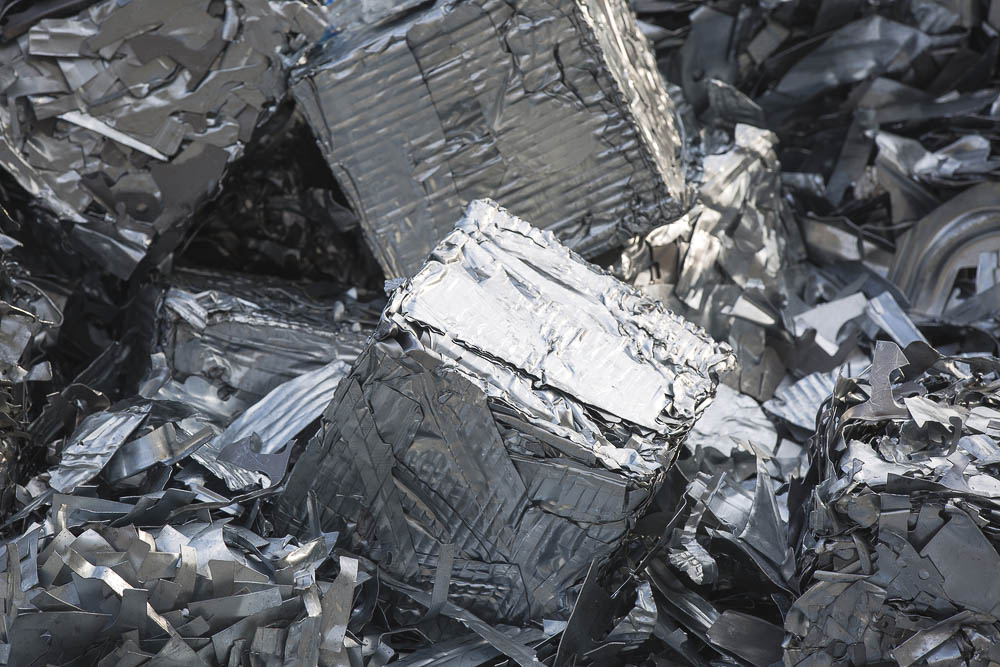 Metals are highly recyclable. A certain report shows that a large percentage of used metallic materials are recycled effectively. Scrap metals are collected and are then converted to new metal materials of similar or equal quality. This is normally done through a process known as metallurgical processes. The metallurgical process involves typically refining and remelting metals.
Metal inputs used in metal reproduction are majorly sourced through the most cost-effective course. It can either be done from the recycling of recovered metal resources or primary ores. Its source does not determine material properties of a metal. A scrap metal that is well sorted and cleaned can command a higher market price due to the ease of its continuous processing through recycling.
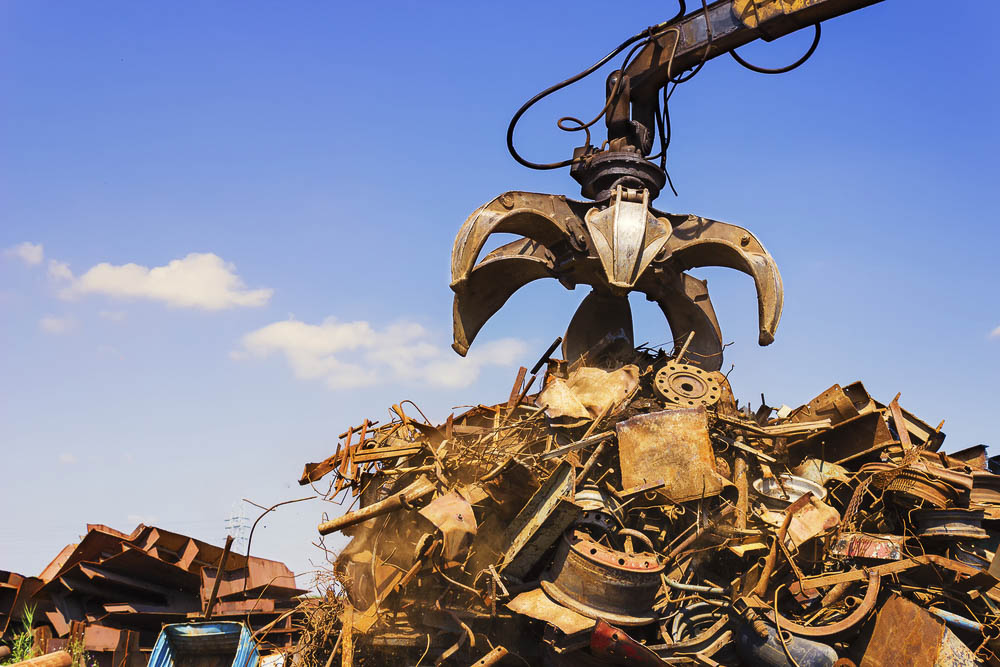 The final monetary value of any metal is majorly determined by its recycled content and its utility for applications. It can either be low or high depending on several other aspects the main one being the availability of a secondary material at that time of manufacture.
Scrap metals collected for recycling doesn’t have to be treated or managed as a waste. It is a valuable supply which is being converted into value-added commodities. Recycled metal actually plays a preeminent role and save the time and cost of mining new metal. Below are a few points and facts you need to learn as you get into recycling process of any metal.[/fusion_text][fusion_checklist icon=”fa-google-drive fab” iconcolor=”” circle=”” circlecolor=”” size=”” divider=”” divider_color=”” hide_on_mobile=”small-visibility,medium-visibility,large-visibility” class=”” id=””][fusion_li_item icon=””]Recycled metal is readily available in the market. The availability of feedstock material has brought the metal recycling processes to more significant levels.[/fusion_li_item][fusion_li_item icon=””]Recycling metals have economic, environment and social value. Consequently, and for the longest time now, minerals that are recycled widely and at high rates are those from end-of-life products.[/fusion_li_item][fusion_li_item icon=””]
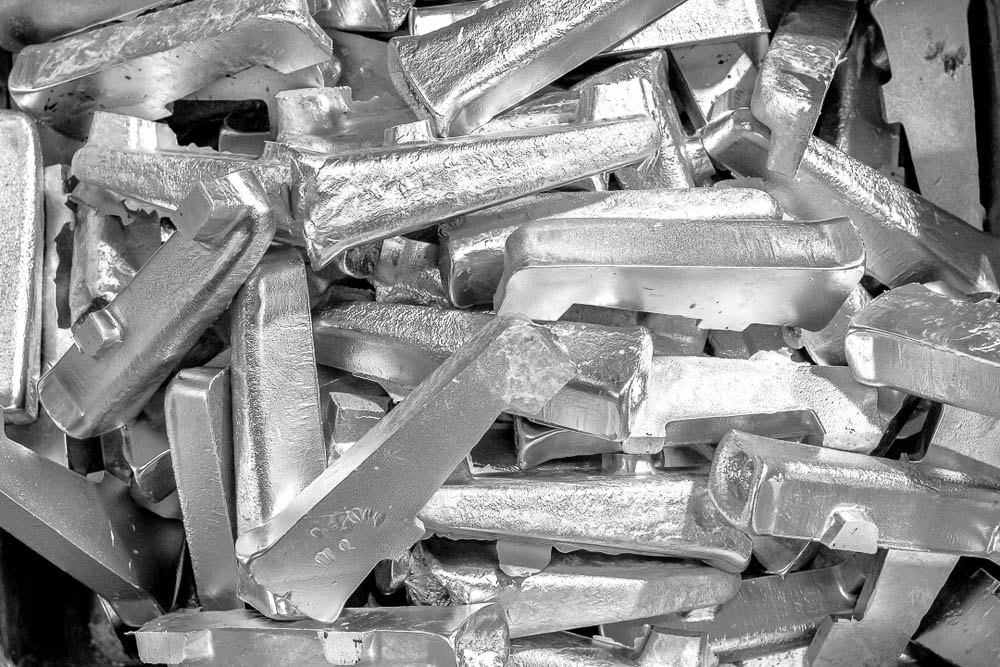 The grade of the material is determined by compliance to established specifications.
[/fusion_li_item][fusion_li_item icon=””]Metals are exemplified by metallic bonding that offers distinct structures and properties. Melting does not affect this type of bonding in any way. For that reason, metals are and can be recycled over and over again.[/fusion_li_item][fusion_li_item icon=””]It might not be possible to recover metal 100% since it is sometimes lost during product use. This can be done through wear or corrosion. At the same time, some material may not be recovered[/fusion_li_item][fusion_li_item icon=””]There is a big challenge of obtaining enough metal for recycling to meet the present demand since its demand is growing by the day. Another factor that brings the problem of availability of scrap metal is the fact that metals take long to wear out. For that reason, primary metals are produced to bridge this gap.[/fusion_li_item][/fusion_checklist][/fusion_builder_column][/fusion_builder_row][/fusion_builder_container][fusion_builder_container hundred_percent=”no” hundred_percent_height=”no” hundred_percent_height_scroll=”no” hundred_percent_height_center_content=”yes” equal_height_columns=”no” menu_anchor=”” hide_on_mobile=”small-visibility,medium-visibility,large-visibility” class=”” id=”” background_color=”” background_image=”” background_position=”center center” background_repeat=”no-repeat” fade=”no” background_parallax=”none” enable_mobile=”no” parallax_speed=”0.3″ video_mp4=”” video_webm=”” video_ogv=”” video_url=”” video_aspect_ratio=”16:9″ video_loop=”yes” video_mute=”yes” video_preview_image=”” border_size=”” border_color=”” border_style=”solid” margin_top=”” margin_bottom=”” padding_top=”” padding_right=”” padding_bottom=”” padding_left=””][fusion_builder_row][fusion_builder_column type=”1_1″ layout=”1_1″ spacing=”” center_content=”no” link=”” target=”_self” min_height=”” hide_on_mobile=”small-visibility,medium-visibility,large-visibility” class=”” id=”” background_color=”” background_image=”” background_position=”left top” background_repeat=”no-repeat” hover_type=”none” border_size=”0″ border_color=”” border_style=”solid” border_position=”all” padding_top=”” padding_right=”” padding_bottom=”” padding_left=”” dimension_margin=”” animation_type=”” animation_direction=”left” animation_speed=”0.3″ animation_offset=”” last=”no”][fusion_text columns=”” column_min_width=”” column_spacing=”” rule_style=”default” rule_size=”” rule_color=”” class=”” id=””]
Types of metals recycled
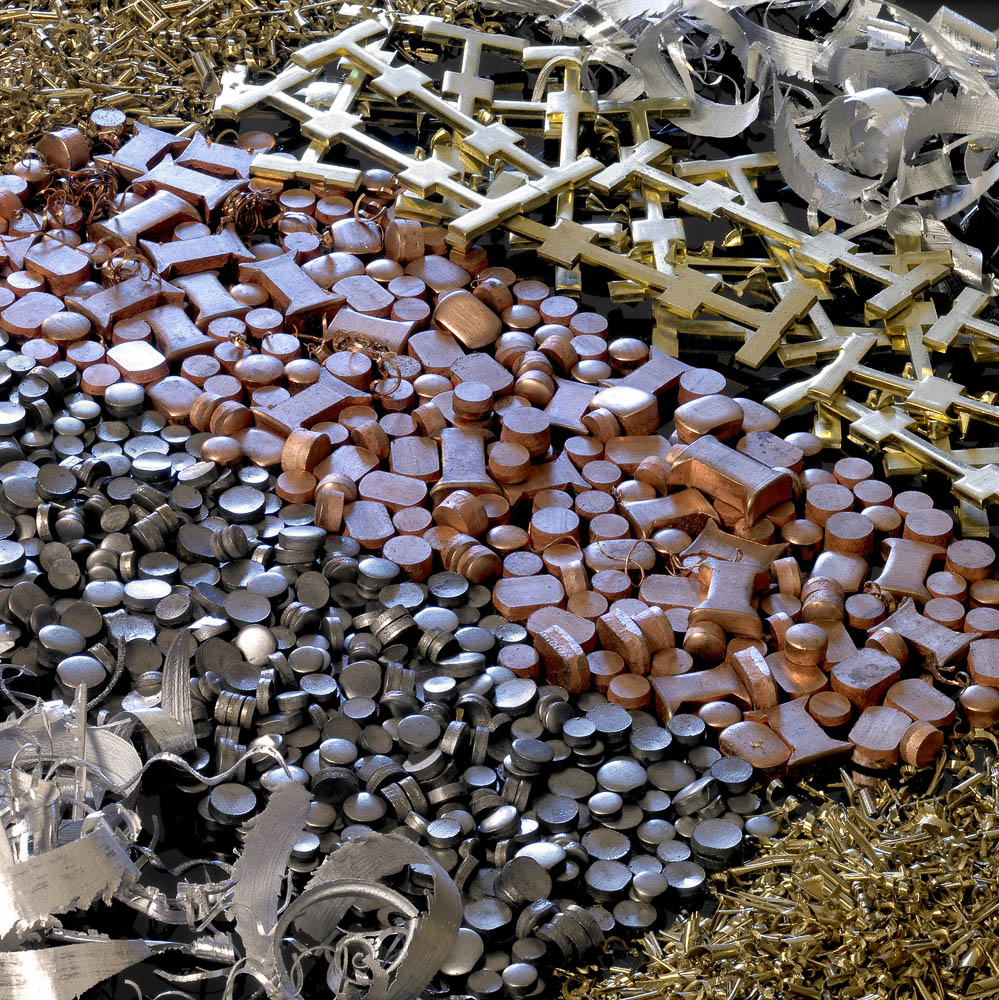 Metals can be classified in two groups which are: ferrous, or non-ferrous.
Ferrous metals are a combination of carbon with iron. Some common ferrous metals are carbon steel, wrought iron, alloy steel and cast iron. On the other hand examples of non-ferrous metals include copper, aluminum, lead, tin, and zinc. Precious metals are non-ferrous. The most common precious metals are silver, gold, platinum, palladium, and iridium.[/fusion_text][/fusion_builder_column][/fusion_builder_row][/fusion_builder_container][fusion_builder_container hundred_percent=”no” hundred_percent_height=”no” hundred_percent_height_scroll=”no” hundred_percent_height_center_content=”yes” equal_height_columns=”no” menu_anchor=”” hide_on_mobile=”small-visibility,medium-visibility,large-visibility” class=”” id=”” background_color=”” background_image=”” background_position=”center center” background_repeat=”no-repeat” fade=”no” background_parallax=”none” enable_mobile=”no” parallax_speed=”0.3″ video_mp4=”” video_webm=”” video_ogv=”” video_url=”” video_aspect_ratio=”16:9″ video_loop=”yes” video_mute=”yes” video_preview_image=”” border_size=”” border_color=”” border_style=”solid” margin_top=”” margin_bottom=”” padding_top=”” padding_right=”” padding_bottom=”” padding_left=””][fusion_builder_row][fusion_builder_column type=”1_1″ layout=”1_1″ spacing=”” center_content=”no” link=”” target=”_self” min_height=”” hide_on_mobile=”small-visibility,medium-visibility,large-visibility” class=”” id=”” background_color=”” background_image=”” background_position=”left top” background_repeat=”no-repeat” hover_type=”none” border_size=”0″ border_color=”” border_style=”solid” border_position=”all” padding_top=”” padding_right=”” padding_bottom=”” padding_left=”” dimension_margin=”” animation_type=”” animation_direction=”left” animation_speed=”0.3″ animation_offset=”” last=”no”][fusion_text columns=”” column_min_width=”” column_spacing=”” rule_style=”default” rule_size=”” rule_color=”” class=”” id=””]
The metal recycling process
There are a few stages involved in metal processing. These stages are:[/fusion_text][fusion_accordion type=”” boxed_mode=”” border_size=”1″ border_color=”” background_color=”” hover_color=”” divider_line=”” title_font_size=”” icon_size=”” icon_color=”” icon_boxed_mode=”” icon_box_color=”” icon_alignment=”” toggle_hover_accent_color=”” hide_on_mobile=”small-visibility,medium-visibility,large-visibility” class=”” id=””][fusion_toggle title=”Collection” open=”no”]Collection: 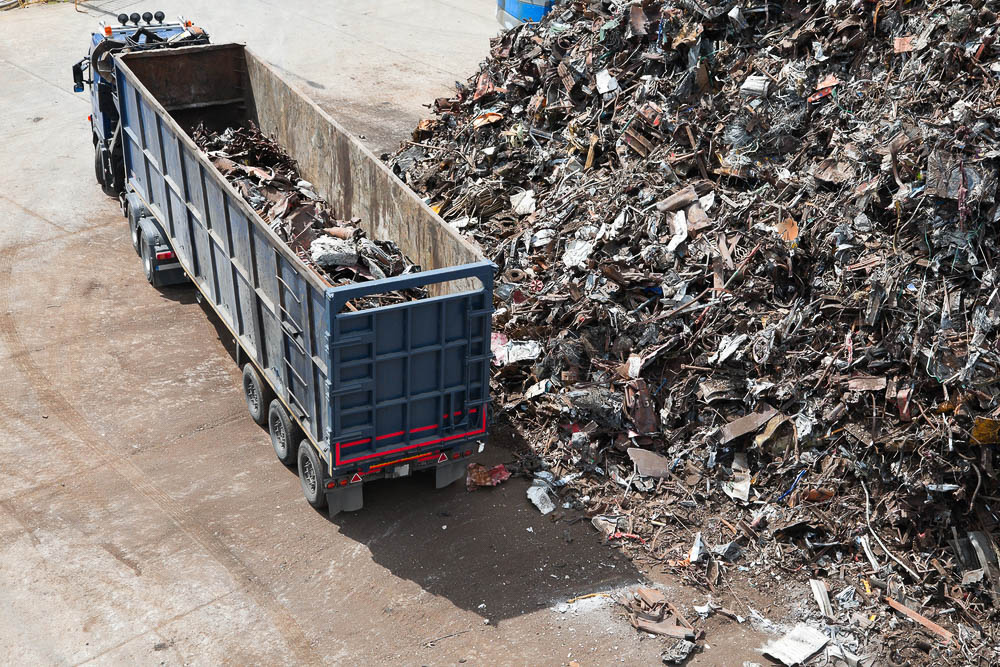 The collection processes for metals are a bit different with other materials due to its higher scrap value. For that reason, it has a high likelihood of being sold to scrap metal dealers than sent to the landfill. Much of scrap ferrous metals traded in the U.S. and a number of other countries is from scrap vehicles. There are, however, other different sources of metal depending on your area of residence. In places where there is a railroad nearby, that can be one source. On the other hand, for those living close to the sea, ship wreaks are also a source of metal as well as farm equipment among others. Prompt scrap, which is as a result of the product manufacturing process, accounts for almost half of ferrous scrap supply.[/fusion_toggle][fusion_toggle title=”Sorting” open=”no”]
Sorting: 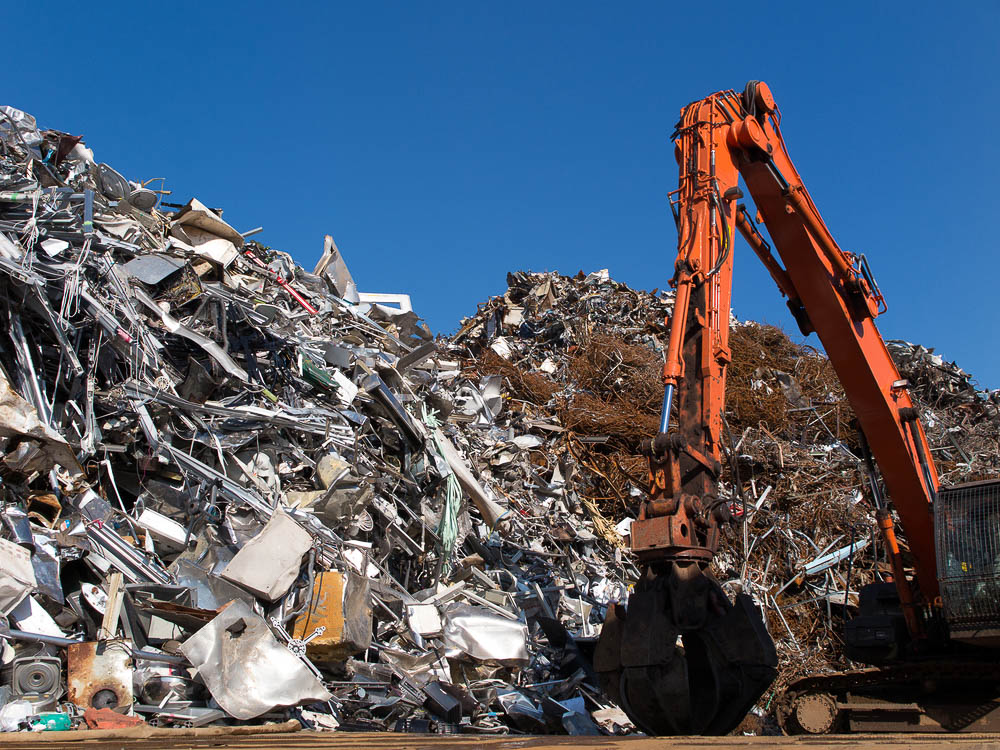 This is the stage where metals are separated from other wastes and scrap metals that cannot be recycled or are completely corroded. In high scale recycling operations, the personnel in-charge uses either sensors or magnets typically. However, in entrepreneurial or low-scale recycling levels magnets are used. If they cannot afford a magnet depending on the size of the firm, they can as well observe the color and weigh the metal to differentiate them.
It is, however, imperative to be familiar with the metals and have a unique way of telling the difference if you decide to use the observation method. Several characteristics stand out in every metal like the light weight and shiny, silver color of aluminum.
[/fusion_toggle][fusion_toggle title=”Processing” open=”no”]Processing: 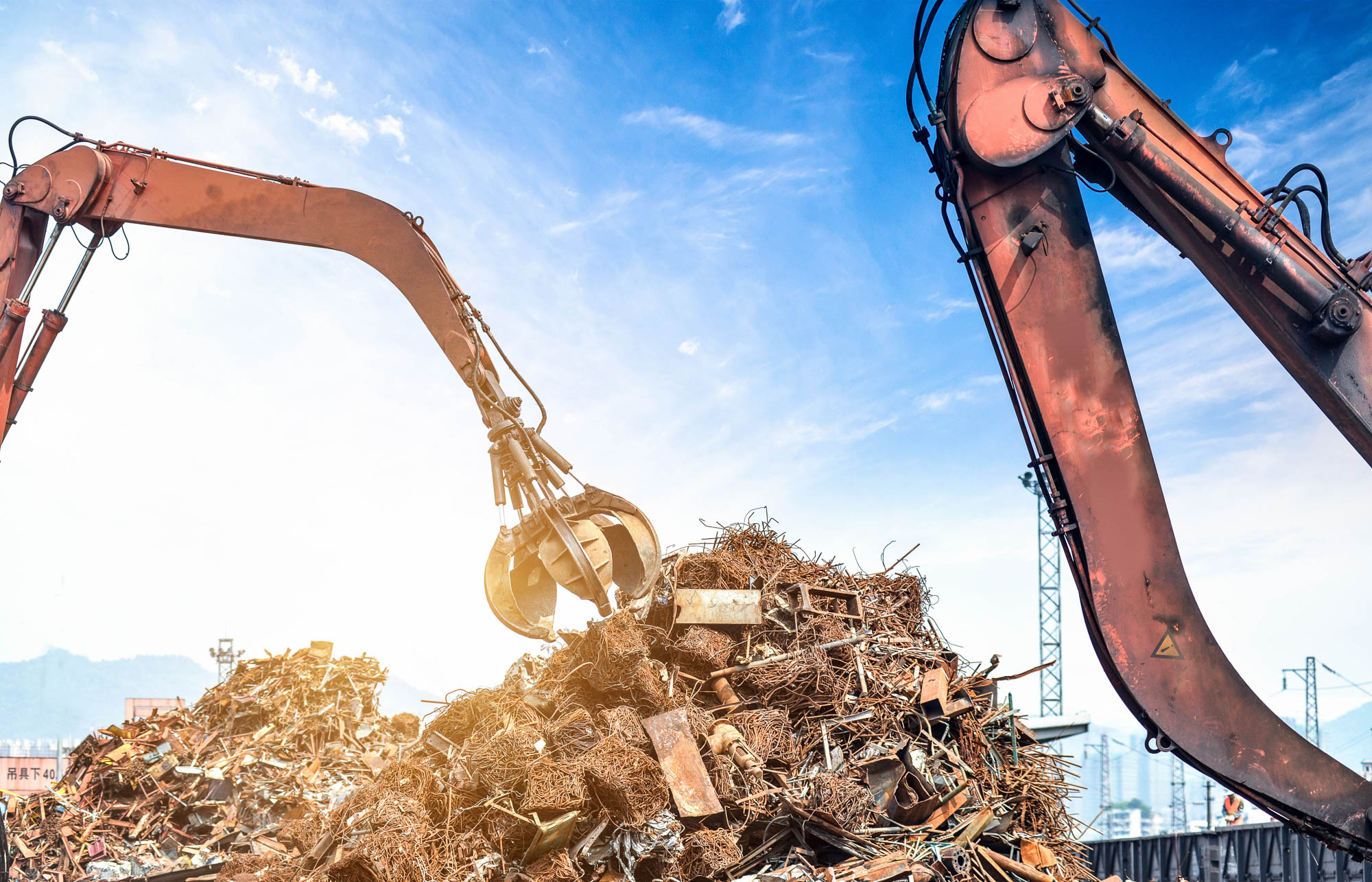 Metals are shredded to allow further processing. Shredding is done to upgrade the melting process since small shredded metals’ surface area is large than its volume ratio. As a result, these metals can be melted using relatively less energy. Typically, aluminum is melted to convert it into small sheets while steel is turned into steel blocks.[/fusion_toggle][fusion_toggle title=”Melting” open=”no”]Melting:
 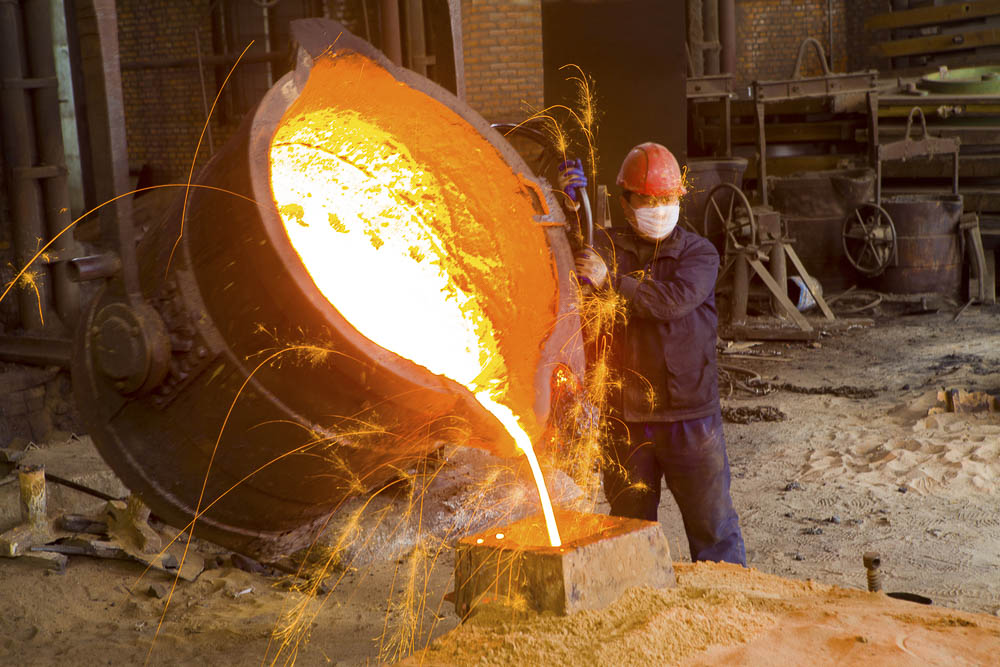 A large furnace is needed to melt Scrap metal. Each metal is put into a specific furnace that has been specially designed to melt that metal. This step uses a considerable amount of energy. It is, however, essential to understanding that recycling any type of metal requires less energy compared to making metal from the virgin raw material.
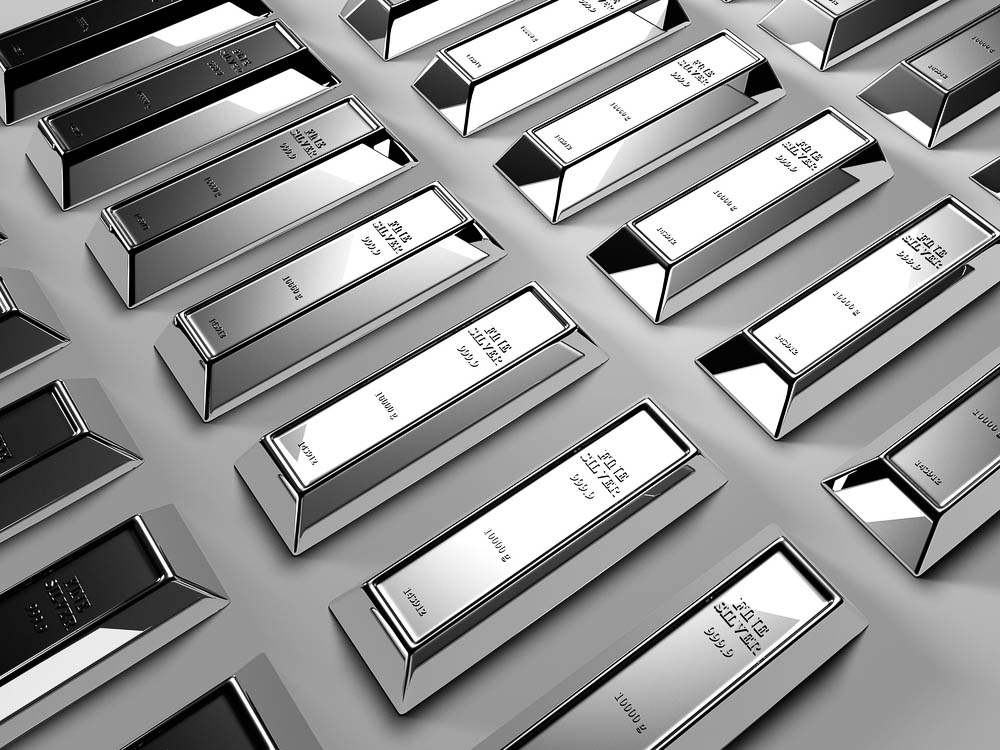
The amount of time taken when melting metal can either be a few minutes to a few hours. This is basically determined by the degree of heat, the size of the furnace as well as the volume of the metal to be melted.[/fusion_toggle][fusion_toggle title=”Purification” open=”no”]Purification: Purification is equally important as any other process. This is because it ensures the product is free of any contaminants as well as giving it high quality. Electrolysis is among the most common purification methods used in many firms.[/fusion_toggle][fusion_toggle title=”Solidifying” open=”no”]Solidifying: 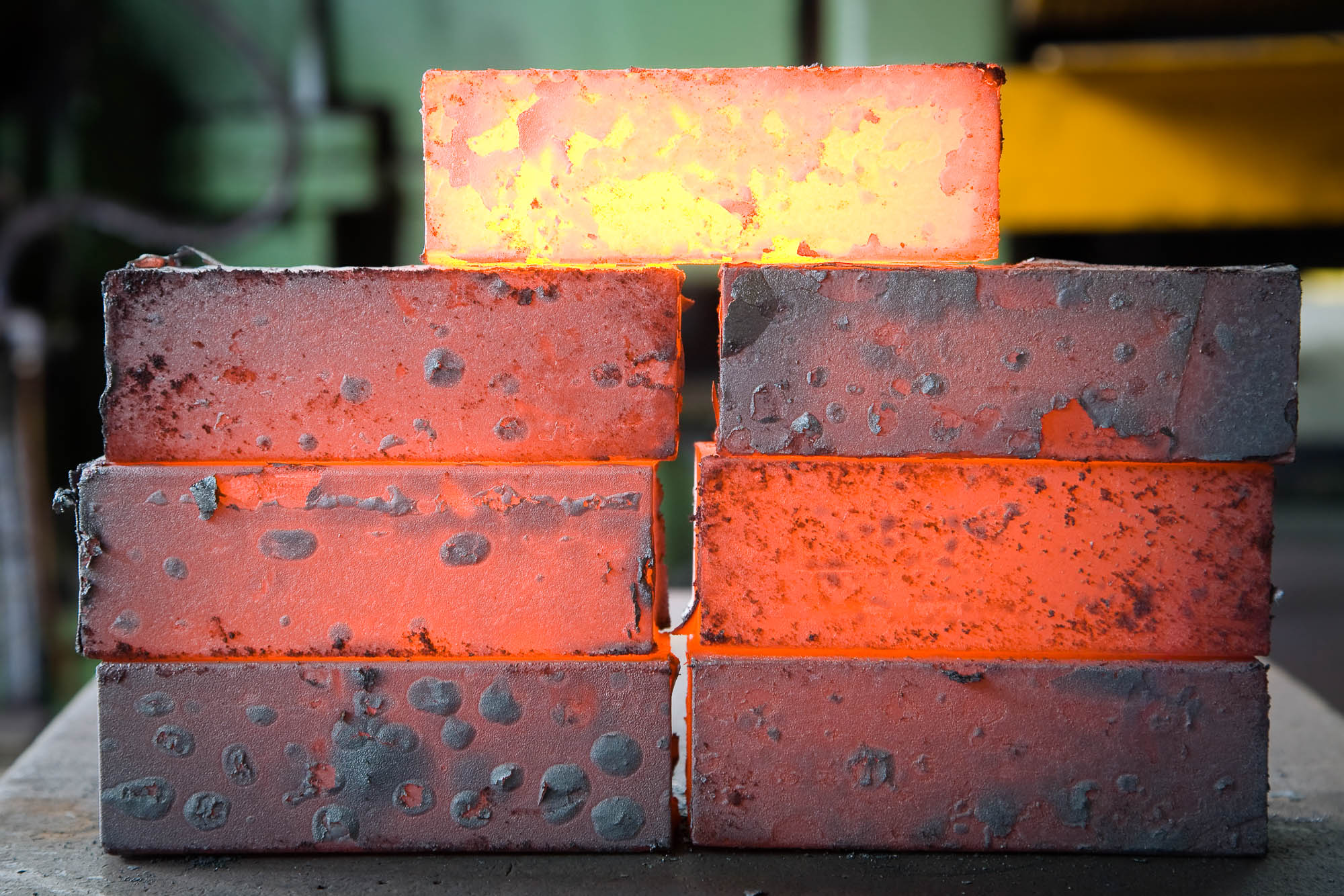 This usually is almost the last stage in the recycling process. The melted metals are normally carried by a conveyor belt for cooling and thickening process. In this stage, the dissolved metals are formed into particular shapes such as metal bars that can easily be used in the production of different metal products.
Transportation of the Metal Bars: Once the metals have been cooled and solidified, they can be sold to distributors since they are ready to use. They are transported to different manufacturing companies which use them as raw material in the production of new products.
The metal products made are then sold to the consumer who uses it until they lose their value. The same metals are sold as scrap metals, and the recycling process starts again.[/fusion_toggle][/fusion_accordion][/fusion_builder_column][/fusion_builder_row][/fusion_builder_container][fusion_builder_container hundred_percent=”no” hundred_percent_height=”no” hundred_percent_height_scroll=”no” hundred_percent_height_center_content=”yes” equal_height_columns=”no” menu_anchor=”” hide_on_mobile=”small-visibility,medium-visibility,large-visibility” class=”” id=”” background_color=”” background_image=”” background_position=”center center” background_repeat=”no-repeat” fade=”no” background_parallax=”none” enable_mobile=”no” parallax_speed=”0.3″ video_mp4=”” video_webm=”” video_ogv=”” video_url=”” video_aspect_ratio=”16:9″ video_loop=”yes” video_mute=”yes” video_preview_image=”” border_size=”” border_color=”” border_style=”solid” margin_top=”” margin_bottom=”” padding_top=”” padding_right=”” padding_bottom=”” padding_left=””][fusion_builder_row][fusion_builder_column type=”1_1″ layout=”1_1″ spacing=”” center_content=”no” link=”” target=”_self” min_height=”” hide_on_mobile=”small-visibility,medium-visibility,large-visibility” class=”” id=”” background_color=”” background_image=”” background_position=”left top” background_repeat=”no-repeat” hover_type=”none” border_size=”0″ border_color=”” border_style=”solid” border_position=”all” padding_top=”” padding_right=”” padding_bottom=”” padding_left=”” dimension_margin=”” animation_type=”” animation_direction=”left” animation_speed=”0.3″ animation_offset=”” last=”no”][fusion_text columns=”” column_min_width=”” column_spacing=”” rule_style=”default” rule_size=”” rule_color=”” class=”” id=””]
Metal recycling process
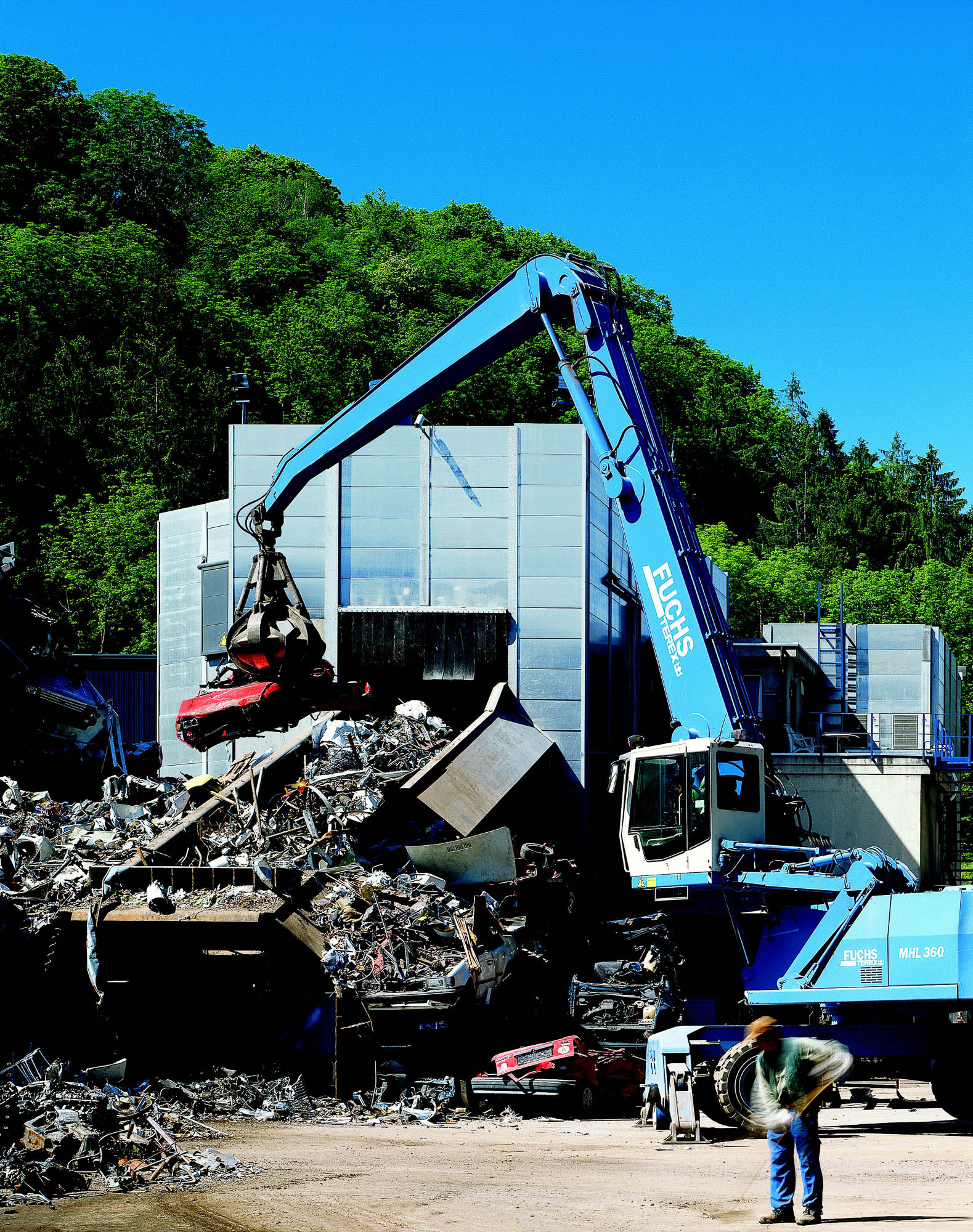 The metal recycling process has been around or is well known to the young generation of between 20 to 30 yrs of age in different parts of the world. This is the first generation to have grown up with recycling process as a common thing in life. All the other kind of waste be it discarded paper, cans, bottles there is a designated place where they go.
The situation with products that have been used for several years before being discarded is not well established. These products include; computers, refrigerators, and automobile among many others. Their recycling procedures have been sporadic and diverse. At the same time, there have been very little information of the obsolete equipment used by individuals but owned by organizations and corporations such pieces of equipment include; aircraft engines, medical imaging machines, and the like.
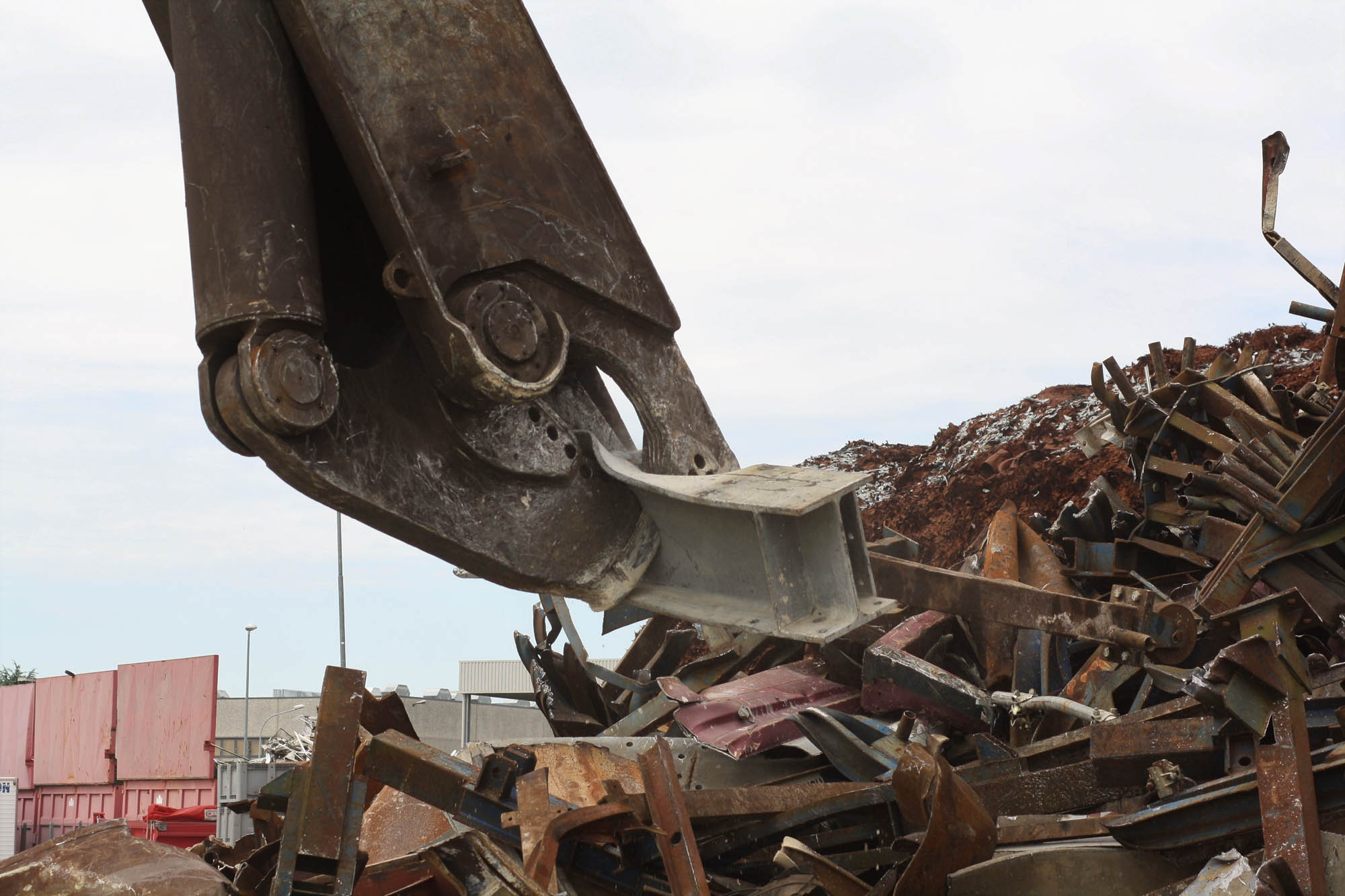 There is a considerable complication when recycling products in the “owned somebody else” or “occasionally discarded” categories, but with the right procedures followed, it can be done successfully. Today, almost every stable component in the episodic table is used in a way of taking advantage of its exclusive physical and chemical properties. This has been of great advantage since many products are more reliable and functional than they were before. On the other hand, although not intentional, this has now made recycling more complicated and challenging.
There have been several reviews of metal recycling done in recent years. They discuss major issues surrounding the recycling technologies, like economic limitations, and different enhancement methods. This has not, however, been able to answer all the open questions which include: How much is going on in the recycling field? What are the trends in the world? What are its limits? Which is the best and most economical material?[/fusion_text][/fusion_builder_column][/fusion_builder_row][/fusion_builder_container][fusion_builder_container hundred_percent=”no” hundred_percent_height=”no” hundred_percent_height_scroll=”no” hundred_percent_height_center_content=”yes” equal_height_columns=”no” menu_anchor=”” hide_on_mobile=”small-visibility,medium-visibility,large-visibility” class=”” id=”” background_color=”” background_image=”” background_position=”center center” background_repeat=”no-repeat” fade=”no” background_parallax=”none” enable_mobile=”no” parallax_speed=”0.3″ video_mp4=”” video_webm=”” video_ogv=”” video_url=”” video_aspect_ratio=”16:9″ video_loop=”yes” video_mute=”yes” video_preview_image=”” border_size=”” border_color=”” border_style=”solid” margin_top=”” margin_bottom=”” padding_top=”” padding_right=”” padding_bottom=”” padding_left=””][fusion_builder_row][fusion_builder_column type=”1_1″ layout=”1_1″ spacing=”” center_content=”no” link=”” target=”_self” min_height=”” hide_on_mobile=”small-visibility,medium-visibility,large-visibility” class=”” id=”” background_color=”” background_image=”” background_position=”left top” background_repeat=”no-repeat” hover_type=”none” border_size=”0″ border_color=”” border_style=”solid” border_position=”all” animation_type=”” animation_direction=”left” animation_speed=”0.3″ animation_offset=”” last=”no”][fusion_text columns=”” column_min_width=”” column_spacing=”” rule_style=”default” rule_size=”” rule_color=”” class=”” id=””]
Comparison of Model Recycling Approaches
There are two major approaches used for evaluating the benefits of recycling process which are: the “end-of-life” approach and the “recycled content” recycling approach. The two have different perspectives and purposes.[/fusion_text][fusion_accordion type=”” boxed_mode=”” border_size=”1″ border_color=”” background_color=”” hover_color=”” divider_line=”” title_font_size=”” icon_size=”” icon_color=”” icon_boxed_mode=”” icon_box_color=”” icon_alignment=”” toggle_hover_accent_color=”” hide_on_mobile=”small-visibility,medium-visibility,large-visibility” class=”” id=””][fusion_toggle title=”Recycled content approach” open=”no”]
Recycled content approach:
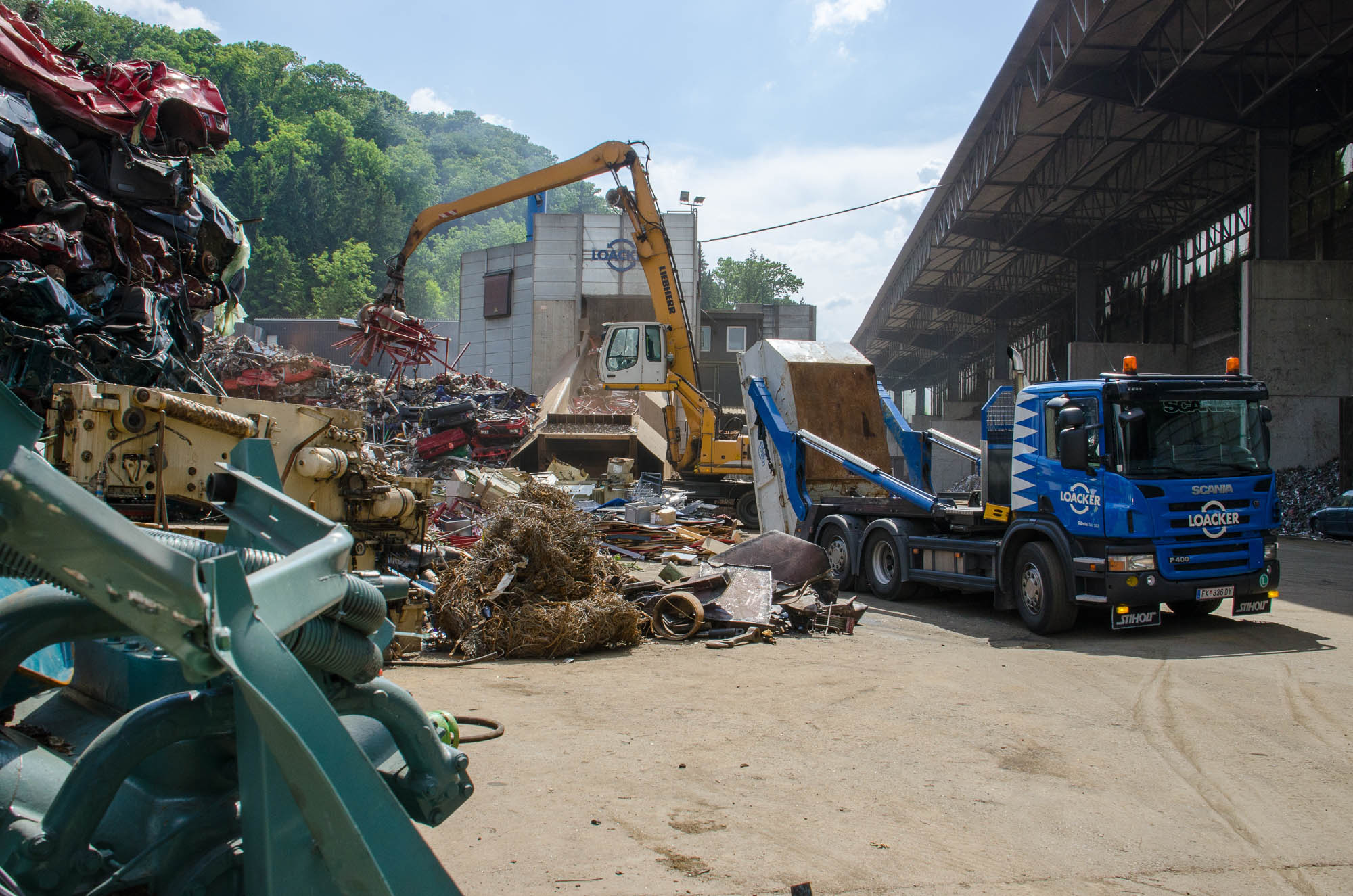 The recycled content approach majors on a metric that digs deep to identify where material feedstock was sourced, and at the same time provide a quantification of waste diversion. This approach concentrates more on a waste management outlook, and their general aim is promoting a market for recycled equipment that is otherwise uneconomic, limited, or immature.
The recycled content approach if well managed will be of great use for different equipment that would otherwise have been landfilled or incinerated. These waste management treatment processes might result in higher and broader environmental impacts than the recycled materials, which can as well be diverted to reuse and recycling. Importantly, this does not dominant on recycling of metals as metal recycling is reasonably priced and the market of recycled metal is mature.
Unfortunately, application of this approach may create environmental inefficiencies and market distortions. If a designer indicates high recycled materials in a well-meaning effort of reducing environmental impacts, it may fuel the market to direct used feedstock towards designated goods and away from invention where recycling is most cost-effective. Market stimulation is ineffective for metals in places where the supply of recycled feedstocks is limited; this may result in unnecessary transportation and inefficient processing.
[/fusion_toggle][fusion_toggle title=”End-of-life recycling approach” open=”no”]
End-of-life recycling approach:
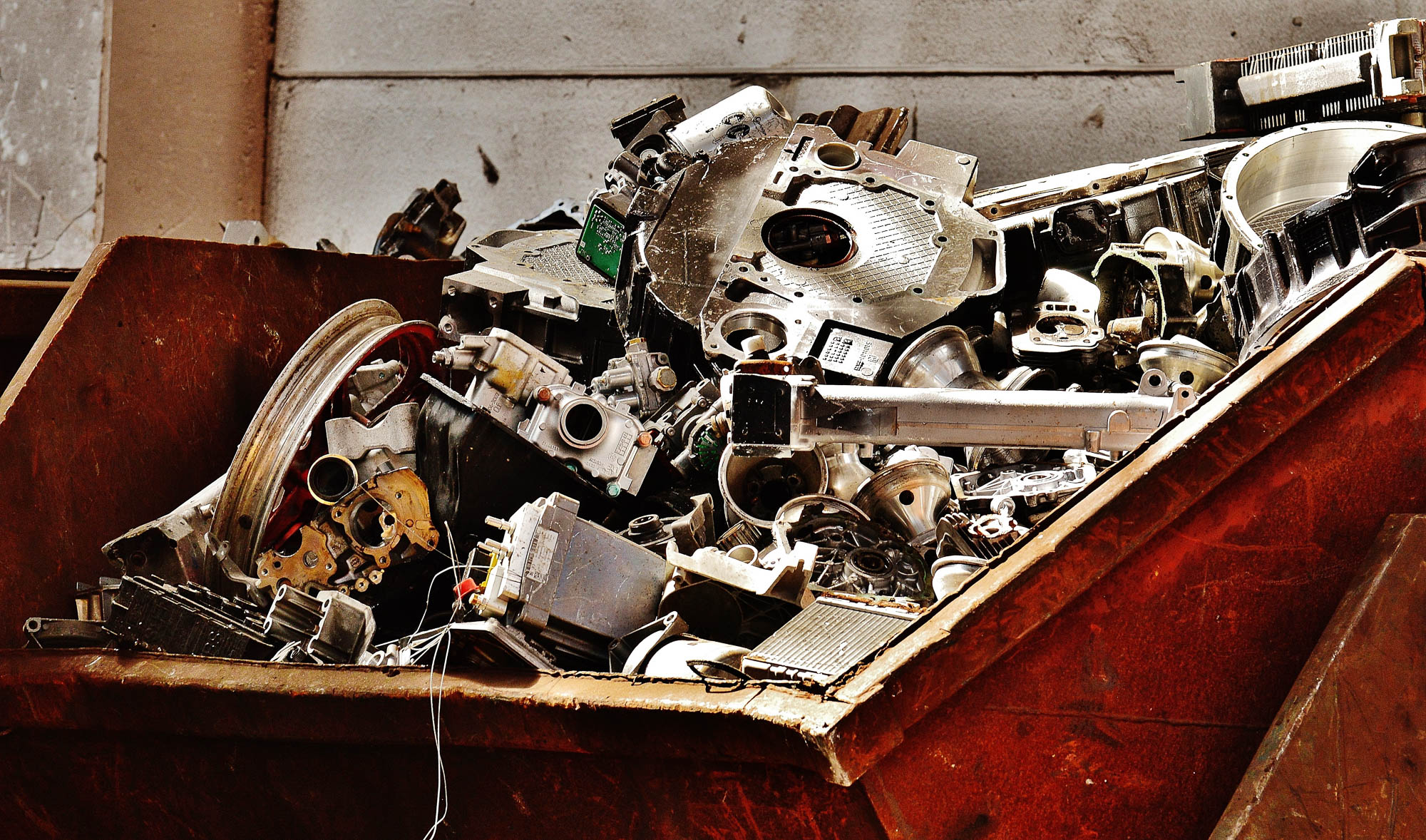 The end-of-life recycling approach majors on material stewardship perspective and a product life cycle. It considers the outcome of products after their term of use is done and there is a resultant flow of material output.
The environmental effects of the product in question are considered including its end-of-life management, hence giving this approach a characterized product system. Possible changes of improving the production system can also be considered. The specific origin of the material whether recycled or primary is not relevant since it is the network management of content that any material that has not been recycled needs to be substituted by primary material feedstock.
A designer who uses the end-of-life recycling approach puts their focus on material recyclability and optimizing product recovery. The decision-maker will mitigate the loss of the material after product use if he/she facilitates greater end-of-life recycling. This approach will also assess the end result at the end-of-life of the product based on supports decisions and established technical practices, for an efficient market. This approach allows design for recycling.
[/fusion_toggle][/fusion_accordion][/fusion_builder_column][/fusion_builder_row][/fusion_builder_container][fusion_builder_container hundred_percent=”no” hundred_percent_height=”no” hundred_percent_height_scroll=”no” hundred_percent_height_center_content=”yes” equal_height_columns=”no” menu_anchor=”” hide_on_mobile=”small-visibility,medium-visibility,large-visibility” class=”” id=”” background_color=”” background_image=”” background_position=”center center” background_repeat=”no-repeat” fade=”no” background_parallax=”none” enable_mobile=”no” parallax_speed=”0.3″ video_mp4=”” video_webm=”” video_ogv=”” video_url=”” video_aspect_ratio=”16:9″ video_loop=”yes” video_mute=”yes” video_preview_image=”” border_size=”” border_color=”” border_style=”solid” margin_top=”” margin_bottom=”” padding_top=”” padding_right=”” padding_bottom=”” padding_left=””][fusion_builder_row][fusion_builder_column type=”1_1″ layout=”1_1″ spacing=”” center_content=”no” link=”” target=”_self” min_height=”” hide_on_mobile=”small-visibility,medium-visibility,large-visibility” class=”” id=”” background_color=”” background_image=”” background_position=”left top” background_repeat=”no-repeat” hover_type=”none” border_size=”0″ border_color=”” border_style=”solid” border_position=”all” animation_type=”” animation_direction=”left” animation_speed=”0.3″ animation_offset=”” last=”no”][fusion_text columns=”” column_min_width=”” column_spacing=”” rule_style=”default” rule_size=”” rule_color=”” class=”” id=””]
Conclusion
For purposes of decision-making, environmental modeling, and policy discussions involving metal recycling, the metals industry has actively supported the end-of-life recycling approach for many years over the recycled content approach.
 The main reason as to why the recycled content approach has not been supported extensively is the fact they major their judgment of any product according to its source and history which might actually have no effect on the actual environmental performance of the product. The recycled content metric does not do much in guiding the decision-makers wishing to manage metals as well as metal-containing products better. At the same time, the pursuit of the recycled product may, in essence, generate market distortions which might result in economic and environmental inefficiencies.
The end-of-life recycling approach pushes policy-makers, manufacturers, and other decision-makers to assess real performance and develop the management and design of products, which include their disposal and recycling. This forward-looking perspective maintains sustainable development. By supporting resolutions where high amounts of different types of metal are availed for the future-use by recycling, the approach also assists society to meet “their present needs without compromising the capacity of their future generations to take care of their own needs.”[/fusion_text][/fusion_builder_column][/fusion_builder_row][/fusion_builder_container][fusion_builder_container hundred_percent=”no” hundred_percent_height=”no” hundred_percent_height_scroll=”no” hundred_percent_height_center_content=”yes” equal_height_columns=”no” menu_anchor=”” hide_on_mobile=”small-visibility,medium-visibility,large-visibility” class=”” id=”” background_color=”” background_image=”” background_position=”center center” background_repeat=”no-repeat” fade=”no” background_parallax=”none” enable_mobile=”no” parallax_speed=”0.3″ video_mp4=”” video_webm=”” video_ogv=”” video_url=”” video_aspect_ratio=”16:9″ video_loop=”yes” video_mute=”yes” video_preview_image=”” border_size=”” border_color=”” border_style=”solid” margin_top=”” margin_bottom=”” padding_top=”” padding_right=”” padding_bottom=”” padding_left=””][fusion_builder_row][fusion_builder_column type=”1_1″ layout=”1_1″ spacing=”” center_content=”no” link=”” target=”_self” min_height=”” hide_on_mobile=”small-visibility,medium-visibility,large-visibility” class=”” id=”” background_color=”” background_image=”” background_position=”left top” background_repeat=”no-repeat” hover_type=”none” border_size=”0″ border_color=”” border_style=”solid” border_position=”all” padding_top=”” padding_right=”” padding_bottom=”” padding_left=”” dimension_margin=”” animation_type=”” animation_direction=”left” animation_speed=”0.3″ animation_offset=”” last=”no”][fusion_separator style_type=”single solid” hide_on_mobile=”small-visibility,medium-visibility,large-visibility” class=”” id=”” sep_color=”rgba(193,25,120,0.73)” top_margin=”5%” bottom_margin=”5%” border_size=”” icon=”” icon_circle=”” icon_circle_color=”” width=”25%” alignment=”center” /][/fusion_builder_column][fusion_builder_column type=”1_1″ layout=”1_1″ spacing=”” center_content=”no” link=”” target=”_self” min_height=”” hide_on_mobile=”small-visibility,medium-visibility,large-visibility” class=”” id=”” background_color=”” background_image=”” background_position=”left top” background_repeat=”no-repeat” hover_type=”none” border_size=”0″ border_color=”” border_style=”solid” border_position=”all” padding_top=”” padding_right=”” padding_bottom=”” padding_left=”” dimension_margin=”” animation_type=”” animation_direction=”left” animation_speed=”0.3″ animation_offset=”” last=”no”][fusion_text columns=”” column_min_width=”” column_spacing=”” rule_style=”default” rule_size=”” rule_color=”” class=”” id=””]
Surf on…
[/fusion_text][/fusion_builder_column][fusion_builder_column type=”1_1″ layout=”1_1″ spacing=”” center_content=”no” link=”” target=”_self” min_height=”” hide_on_mobile=”small-visibility,medium-visibility,large-visibility” class=”” id=”” background_color=”” background_image=”” background_position=”left top” background_repeat=”no-repeat” hover_type=”none” border_size=”0″ border_color=”” border_style=”solid” border_position=”all” padding_top=”” padding_right=”” padding_bottom=”” padding_left=”” dimension_margin=”” animation_type=”” animation_direction=”left” animation_speed=”0.3″ animation_offset=”” last=”no”][fusion_blog layout=”medium alternate” blog_grid_columns=”” blog_grid_column_spacing=”” blog_masonry_grid_ratio=”” blog_masonry_width_double=”” equal_heights=”no” number_posts=”6″ offset=”0″ pull_by=”category” cat_slug=”” exclude_cats=”” tag_slug=”” exclude_tags=”” orderby=”date” order=”DESC” thumbnail=”yes” title=”yes” title_link=”yes” excerpt=”” excerpt_length=”10″ strip_html=”yes” meta_all=”yes” meta_author=”yes” meta_categories=”yes” meta_comments=”no” meta_date=”no” meta_link=”yes” meta_tags=”no” scrolling=”pagination” grid_box_color=”” grid_element_color=”” grid_separator_style_type=”” grid_separator_color=”” padding_top=”” padding_right=”” padding_bottom=”” padding_left=”” hide_on_mobile=”small-visibility,medium-visibility,large-visibility” class=”” id=”” /][/fusion_builder_column][/fusion_builder_row][/fusion_builder_container]


Leave A Comment