
Uma breve introdução sobre aterros sanitários

//Uma breve introdução sobre aterros sanitários

[fusion_builder_container hundred_percent=”no” hundred_percent_height=”no” hundred_percent_height_scroll=”no” hundred_percent_height_center_content=”yes” equal_height_columns=”no” menu_anchor=”” hide_on_mobile=”small-visibility,medium-visibility,large-visibility” class=”” id=”” background_color=”” background_image=”” background_position=”center center” background_repeat=”no-repeat” fade=”no” background_parallax=”none” enable_mobile=”no” parallax_speed=”0.3″ video_mp4=”” video_webm=”” video_ogv=”” video_url=”” video_aspect_ratio=”16:9″ video_loop=”yes” video_mute=”yes” video_preview_image=”” border_size=”” border_color=”” border_style=”solid” margin_top=”” margin_bottom=”” padding_top=”” padding_right=”” padding_bottom=”” padding_left=””][fusion_builder_row][fusion_builder_column type=”1_2″ layout=”1_2″ spacing=”” center_content=”no” link=”” target=”_self” min_height=”” hide_on_mobile=”small-visibility,medium-visibility,large-visibility” class=”” id=”” background_color=”” background_image=”” background_position=”left top” background_repeat=”no-repeat” hover_type=”none” border_size=”0″ border_color=”” border_style=”solid” border_position=”all” padding_top=”” padding_right=”” padding_bottom=”” padding_left=”” margin_top=”” margin_bottom=”” animation_type=”” animation_direction=”left” animation_speed=”0.3″ animation_offset=”” last=”no”][fusion_imageframe image_id=”2313″ max_width=”” style_type=”none” stylecolor=”” hover_type=”none” bordersize=”” bordercolor=”” borderradius=”” align=”none” lightbox=”no” gallery_id=”” lightbox_image=”” alt=”” link=”” linktarget=”_self” hide_on_mobile=”small-visibility,medium-visibility,large-visibility” class=”” id=”” animation_type=”” animation_direction=”left” animation_speed=”0.3″ animation_offset=””]https://www.earthsquad.global/wp-content/uploads/2018/05/media_dot_gov-reuse-120821-f-bp133-050.jpg[/fusion_imageframe][/fusion_builder_column][fusion_builder_column type=”1_2″ layout=”1_2″ spacing=”” center_content=”no” link=”” target=”_self” min_height=”” hide_on_mobile=”small-visibility,medium-visibility,large-visibility” class=”” id=”” background_color=”” background_image=”” background_position=”left top” background_repeat=”no-repeat” hover_type=”none” border_size=”0″ border_color=”” border_style=”solid” border_position=”all” animation_type=”” animation_direction=”left” animation_speed=”0.3″ animation_offset=”” last=”no”][fusion_text columns=”” column_min_width=”” column_spacing=”” rule_style=”default” rule_size=”” rule_color=”” class=”” id=””]

Há centenas de coisas que jogamos em nossas lixeiras. Um enorme caminhão de um empresa local de gestão de resíduos aparece diariamente e transporta esse lixo para algum lugar misterioso. Você já se perguntou para onde essa pilha de lixo vai? Nós os queimamos? Como podemos realmente eliminar os resíduos? Pode ser reciclado ou feito para usar?

Se você tem essas questões em mente, este é o lugar certo para se estar. Neste artigo, falaremos sobre o aterro, seus usos, como ele difere da reciclagem e de muitas outras coisas legais. Então, sem mais delongas, vamos ao que interessa …

[/fusion_text][/fusion_builder_column][/fusion_builder_row][/fusion_builder_container][fusion_builder_container hundred_percent=”no” hundred_percent_height=”no” hundred_percent_height_scroll=”no” hundred_percent_height_center_content=”yes” equal_height_columns=”no” menu_anchor=”” hide_on_mobile=”small-visibility,medium-visibility,large-visibility” class=”” id=”” background_color=”” background_image=”https://www.earthsquad.global/wp-content/uploads/2018/05/29-2-1.jpg” background_position=”center center” background_repeat=”no-repeat” fade=”no” background_parallax=”fixed” enable_mobile=”no” parallax_speed=”0.3″ video_mp4=”” video_webm=”” video_ogv=”” video_url=”” video_aspect_ratio=”16:9″ video_loop=”yes” video_mute=”yes” video_preview_image=”” border_size=”” border_color=”” border_style=”solid” margin_top=”30px” margin_bottom=”30px” padding_top=”70px” padding_right=”70px” padding_bottom=”70px” padding_left=”70px”][fusion_builder_row][fusion_builder_column type=”1_1″ layout=”1_1″ spacing=”” center_content=”no” link=”” target=”_self” min_height=”” hide_on_mobile=”small-visibility,medium-visibility,large-visibility” class=”” id=”” background_color=”rgba(232,215,213,0.88)” background_image=”” background_position=”left top” undefined=”” background_repeat=”no-repeat” hover_type=”none” border_size=”0″ border_color=”” border_style=”solid” border_position=”all” padding_top=”25px” padding_right=”25px” padding_bottom=”25px” padding_left=”25px” margin_top=”” margin_bottom=”” animation_type=”” animation_direction=”left” animation_speed=”0.3″ animation_offset=”” last=”no”][fusion_text columns=”” column_min_width=”” column_spacing=”” rule_style=”default” rule_size=”” rule_color=”” class=”” id=””]

Aterro definido:

Vamos começar com a definição de aterro

Dicionário de negócios define aterro como,

“Ambientalmente aceitável eliminação de resíduos no solo. Os aterros sanitários são os locais onde os resíduos não perigosos são espalhados em camadas, compactados e cobertos com a Terra no final de cada dia de trabalho. Os aterros protegidos são aqueles em que os resíduos perigosos são eliminados por enterros, em buracos ou trincheiras no solo, revestidos com impermeabilização.plástico para evitar fugas ou lixiviação de substâncias perigosas no solo ou no abastecimento de água ”

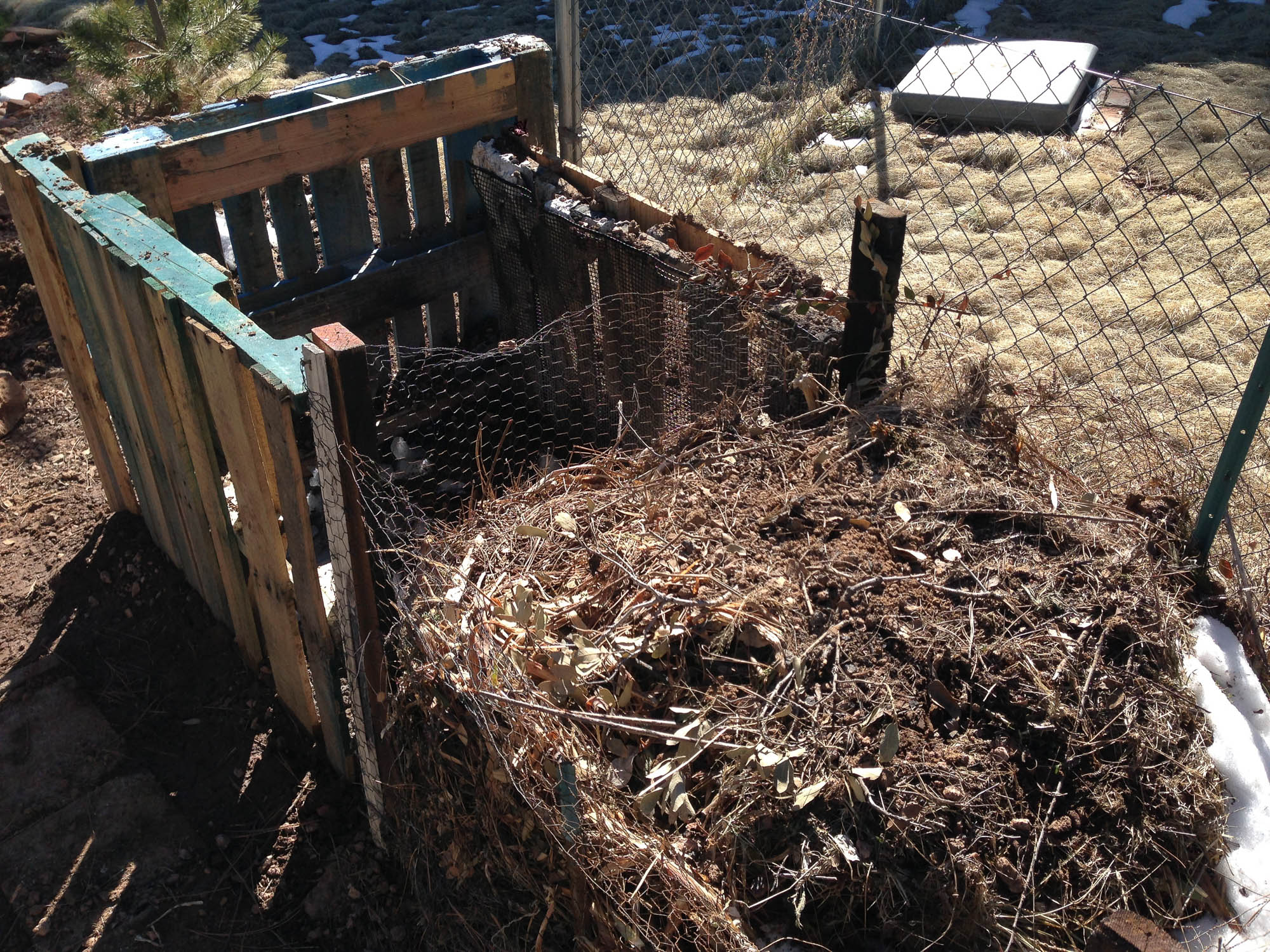
O objetivo principal de qualquer aterro sanitário é descartar o desperdiçar de tal maneira que não contamine a água subterrânea, seja mantido seco e não polua o ar. Ao contrário de uma pilha de compostagem, o lixo em aterros não é armazenado para decomposição.

Um aterro sanitário também é diferente de um aterro onde um enorme buraco no solo é usado para despejar o lixo. Não é construído cientificamente e é apenas um grande buraco. Como o lixo começa a se acumular em lixões, ele afeta o meio ambiente e se torna um esconderijo favorito para vários animais como ratos, ratos e pássaros.

[/fusion_text][/fusion_builder_column][/fusion_builder_row][/fusion_builder_container][fusion_builder_container hundred_percent=”no” hundred_percent_height=”no” hundred_percent_height_scroll=”no” hundred_percent_height_center_content=”yes” equal_height_columns=”no” menu_anchor=”” hide_on_mobile=”small-visibility,medium-visibility,large-visibility” class=”” id=”” background_color=”” background_image=”” background_position=”center center” background_repeat=”no-repeat” fade=”no” background_parallax=”none” enable_mobile=”no” parallax_speed=”0.3″ video_mp4=”” video_webm=”” video_ogv=”” video_url=”” video_aspect_ratio=”16:9″ video_loop=”yes” video_mute=”yes” video_preview_image=”” border_size=”” border_color=”” border_style=”solid” margin_top=”” margin_bottom=”” padding_top=”” padding_right=”” padding_bottom=”” padding_left=”” admin_toggled=”no”][fusion_builder_row][fusion_builder_column type=”1_1″ layout=”1_1″ spacing=”” center_content=”no” link=”” target=”_self” min_height=”” hide_on_mobile=”small-visibility,medium-visibility,large-visibility” class=”” id=”” background_color=”” background_image=”” background_position=”left top” background_repeat=”no-repeat” hover_type=”none” border_size=”0″ border_color=”” border_style=”solid” border_position=”all” padding_top=”” padding_right=”” padding_bottom=”” padding_left=”” margin_top=”” margin_bottom=”” animation_type=”” animation_direction=”left” animation_speed=”0.3″ animation_offset=”” last=”no”][fusion_text columns=”” column_min_width=”” column_spacing=”” rule_style=”default” rule_size=”” rule_color=”” class=”” id=””]

Como os aterros são criados?

Os aterros modernos são criados seguindo as 6 principais etapas de construção.[/fusion_text][fusion_imageframe image_id=”2349″ max_width=”” style_type=”none” stylecolor=”” hover_type=”none” bordersize=”” bordercolor=”” borderradius=”” align=”none” lightbox=”no” gallery_id=”” lightbox_image=”” alt=”” link=”” linktarget=”_self” hide_on_mobile=”small-visibility,medium-visibility,large-visibility” class=”” id=”” animation_type=”” animation_direction=”left” animation_speed=”0.3″ animation_offset=””]https://www.earthsquad.global/wp-content/uploads/2018/05/freelancer-landfill-schematics_smaller.jpg[/fusion_imageframe][fusion_separator style_type=”none” hide_on_mobile=”small-visibility,medium-visibility,large-visibility” class=”” id=”” sep_color=”” top_margin=”20px” bottom_margin=”” border_size=”” icon=”” icon_circle=”” icon_circle_color=”” width=”” alignment=”center” /][fusion_accordion type=”” boxed_mode=”” border_size=”1″ border_color=”” background_color=”” hover_color=”” divider_line=”” title_font_size=”” icon_size=”” icon_color=”” icon_boxed_mode=”” icon_box_color=”” icon_alignment=”” toggle_hover_accent_color=”” hide_on_mobile=”small-visibility,medium-visibility,large-visibility” class=”” id=””][fusion_toggle title=”Sistema de revestimento inferior” open=”no”] Sistema de revestimento inferior: Como é evidente a partir do nome, esta é a parte mais inferior de um aterro. O propósito de construir um sistema de revestimento inferior é separar o lixo da contaminação da água subterrânea.[/fusion_toggle][fusion_toggle title=”Células” open=”no”] Células: Este é o corpo principal do aterro que costumava armazenar o lixo. Na maioria dos aterros modernos, essa é uma área de vários andares. Puente Hills, um dos maiores aterros ativos nos EUA tem células em centenas de acres.[/fusion_toggle][fusion_toggle title=”Sistema de drenagem” open=”no”]

Sistema de drenagem: A água da chuva pode causar sérios problemas para um aterro se não for adequadamente planejada. O sistema de drenagem evitará que a água da chuva e outros derramamentos entrem no aterro.

[/fusion_toggle][fusion_toggle title=”Sistema de coleta de chorume” open=”no”] Sistema de coleta de chorume: Alguma água contaminada também é liberada pelo próprio lixo. É chamado de lixiviado e o sistema de coleta usado para separá-lo do lixo é chamado de sistema de coleta de chorume.[/fusion_toggle][fusion_toggle title=”Sistema de coleta de metano” open=”no”] Sistema de coleta de metano: Este sistema é responsável por coletar o gás metano formado durante a decomposição dos resíduos.[/fusion_toggle][fusion_toggle title=”Boné” open=”no”] Boné: Por último, mas não menos importante, o aterro é fechado corretamente. Isso é conhecido como cobertura ou cobertura.[/fusion_toggle][/fusion_accordion][/fusion_builder_column][/fusion_builder_row][/fusion_builder_container][fusion_builder_container hundred_percent=”no” hundred_percent_height=”no” hundred_percent_height_scroll=”no” hundred_percent_height_center_content=”yes” equal_height_columns=”no” menu_anchor=”” hide_on_mobile=”small-visibility,medium-visibility,large-visibility” class=”” id=”” background_color=”” background_image=”” background_position=”center center” background_repeat=”no-repeat” fade=”no” background_parallax=”none” enable_mobile=”no” parallax_speed=”0.3″ video_mp4=”” video_webm=”” video_ogv=”” video_url=”” video_aspect_ratio=”16:9″ video_loop=”yes” video_mute=”yes” video_preview_image=”” border_size=”” border_color=”” border_style=”solid” margin_top=”” margin_bottom=”” padding_top=”” padding_right=”” padding_bottom=”” padding_left=””][fusion_builder_row][fusion_builder_column type=”1_1″ layout=”1_1″ spacing=”” center_content=”no” link=”” target=”_self” min_height=”” hide_on_mobile=”small-visibility,medium-visibility,large-visibility” class=”” id=”” background_color=”” background_image=”” background_position=”left top” background_repeat=”no-repeat” hover_type=”none” border_size=”0″ border_color=”” border_style=”solid” border_position=”all” padding_top=”” padding_right=”” padding_bottom=”” padding_left=”” margin_top=”” margin_bottom=”” animation_type=”” animation_direction=”left” animation_speed=”0.3″ animation_offset=”” last=”no”][fusion_text columns=”” column_min_width=”” column_spacing=”” rule_style=”default” rule_size=”” rule_color=”” class=”” id=””]

Tipos de aterros

Os aterros são de três tipos principais …[/fusion_text][fusion_accordion type=”” boxed_mode=”” border_size=”1″ border_color=”” background_color=”” hover_color=”” divider_line=”” title_font_size=”” icon_size=”” icon_color=”” icon_boxed_mode=”” icon_box_color=”” icon_alignment=”” toggle_hover_accent_color=”” hide_on_mobile=”small-visibility,medium-visibility,large-visibility” class=”” id=””][fusion_toggle title=”Aterro de RSU” open=”no”] Aterro de RSU: MSW ou Aterro de Resíduos Sólidos Municipais são projetados e monitorados pelo estado. O RSU é usado para descartar resíduos de colônias residenciais, hotéis, etc. Os resíduos podem conter resíduos perigosos ou não perigosos. Resíduos de aterros municipais seguem diretrizes e regras rígidas do governo.[/fusion_toggle][fusion_toggle title=”Aterro C & amp; D” open=”no”]

Aterro C & D: aterro C & D (ou aterro de construção e demolição) refere-se a aterros que lidam especialmente com detritos criados durante a construção / reforma ou demolição de edifícios e outras arquiteturas.

Detritos típicos da C & D podem incluir asfalto, concreto, madeira, vidro, papel, materiais para telhados e outros entulhos. Resíduos de C & D são geralmente não perigosos por natureza, mas ainda são regidos por leis locais rígidas.

[/fusion_toggle][fusion_toggle title=”Aterros inertes” open=”no”]

Aterros inertes: Os aterros inertes geralmente lidam com os resíduos da terra, como folhas, membros e cotos. Outras substâncias semelhantes à Terra, como asfalto curado, pedras, tijolos, aparas de jardim, etc, também são despejadas em aterros sanitários inertes.

[/fusion_toggle][/fusion_accordion][/fusion_builder_column][fusion_builder_column type=”1_1″ layout=”1_1″ spacing=”” center_content=”no” link=”” target=”_self” min_height=”” hide_on_mobile=”small-visibility,medium-visibility,large-visibility” class=”set_block” id=”” background_color=”” background_image=”” background_position=”left top” undefined=”” background_repeat=”no-repeat” hover_type=”none” border_size=”0″ border_color=”” border_style=”solid” border_position=”all” padding_top=”” padding_right=”” padding_bottom=”” padding_left=”” margin_top=”” margin_bottom=”” animation_type=”” animation_direction=”left” animation_speed=”0.3″ animation_offset=”” last=”no”][fusion_text columns=”” column_min_width=”” column_spacing=”” rule_style=”default” rule_size=”” rule_color=”” class=”” id=””]

Custo da construção de um aterro
Car battery with green recycle sign.Quando se trata de construir um aterro, não existe uma abordagem “tamanho único”. O tamanho do aterro, os contratados envolvidos, o preço das matérias-primas, o período de tempo em que o aterro deverá ser concluído, etc, podem desempenhar um papel importante no custo final.

Para manter isso em mente e dar aos nossos leitores uma idéia dos números envolvidos, consideramos o custo de dois aterros sanitários – um na Europa e outro na Ásia.

O aterro de Xinfeng na China é um dos maiores do mundo . Começou a funcionar em 2003 e tem uma vida útil de 20 anos. Incríveis 0 milhões foram gastos para construir este site de 227 acres.

Outro aterro na Europa foi construído a um custo de 24 milhões de euros.

Confira este post para saber mais sobre alguns dos maiores aterros e resíduos sites no mundo .

[/fusion_text][/fusion_builder_column][fusion_builder_column type=”1_1″ layout=”1_1″ spacing=”” center_content=”no” link=”” target=”_self” min_height=”” hide_on_mobile=”small-visibility,medium-visibility,large-visibility” class=”set_block” id=”” background_color=”” background_image=”” background_position=”left top” undefined=”” background_repeat=”no-repeat” hover_type=”none” border_size=”0″ border_color=”” border_style=”solid” border_position=”all” padding_top=”” padding_right=”” padding_bottom=”” padding_left=”” margin_top=”” margin_bottom=”” animation_type=”” animation_direction=”left” animation_speed=”0.3″ animation_offset=”” last=”no”][fusion_text columns=”” column_min_width=”” column_spacing=”” rule_style=”default” rule_size=”” rule_color=”” class=”” id=””]

O que acontece quando o aterro está cheio?
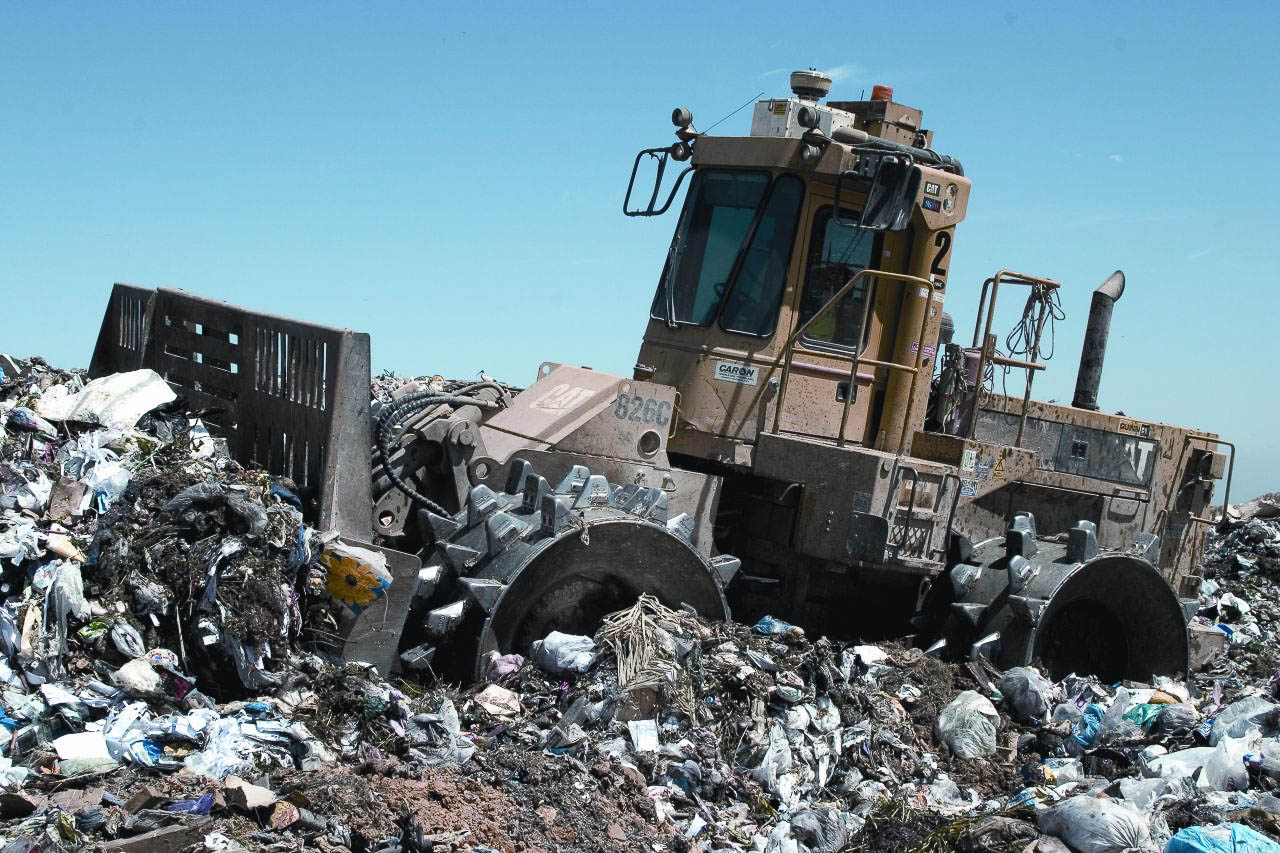
Car battery with green recycle sign.Aterros são ótimos, mas eles não são infinitos. Eles são construídos para conter uma certa quantidade de lixo (geralmente milhões de toneladas de lixo) e, depois disso, tornam-se inoperantes. É aqui que as autoridades entram para jogar. Para lidar com um aterro já cheio, eles têm algumas opções disponíveis.

É, de fato, possível prolongar a vida de um aterro existente. Isso, é claro, requer planejamento, algum orçamento extra e engenharia adequada. Ao redesenhar o declive de um aterro, ele pode realmente ficar maior. Isso acrescenta mais anos à sua vida útil e à capacidade de engolir mais lixo. Os aterros são geralmente construídos longe das áreas residenciais. Isso permite que os proprietários ou autoridades criem outro aterro adjacente ao existente.

Outra opção (menos famosa) é a incineração. É um processo de queimar o lixo para se livrar dele. Também tem muitos efeitos nocivos no meio ambiente.

Essa é uma bela ficção científica. É chamado de tecnologia de plasma, que é comparativamente uma nova tendência na cidade. Através da tecnologia de plasma, o lixo é aquecido a uma temperatura extremamente alta. Deixando para trás um gás, que pode ser usado para geração de energia e uma substância semelhante a lava, que quando esfria pode ser usada como material de construção. Parece fácil, não? A única desvantagem da tecnologia de plasma (e grande) é que ela é extremamente cara.

Uma vez que um aterro serviu sua vida útil, a terra em que está situado também pode ser usada para outros fins. Isso, no entanto, é um processo lento. Lixo em um aterro que foi bem compactado pode levar até 25 anos para se instalar. No entanto, 90% do lixo será liquidado dentro de 5 anos. Uma vez que o lixo seja resolvido, a terra pode ser usada para outros fins.

[/fusion_text][/fusion_builder_column][/fusion_builder_row][/fusion_builder_container][fusion_builder_container hundred_percent=”no” hundred_percent_height=”no” hundred_percent_height_scroll=”no” hundred_percent_height_center_content=”yes” equal_height_columns=”no” menu_anchor=”” hide_on_mobile=”small-visibility,medium-visibility,large-visibility” class=”” id=”” background_color=”” background_image=”” background_position=”center center” background_repeat=”no-repeat” fade=”no” background_parallax=”none” enable_mobile=”no” parallax_speed=”0.3″ video_mp4=”” video_webm=”” video_ogv=”” video_url=”” video_aspect_ratio=”16:9″ video_loop=”yes” video_mute=”yes” video_preview_image=”” border_size=”” border_color=”” border_style=”solid” margin_top=”” margin_bottom=”” padding_top=”” padding_right=”” padding_bottom=”” padding_left=””][fusion_builder_row][fusion_builder_column type=”1_1″ layout=”1_1″ spacing=”” center_content=”no” link=”” target=”_self” min_height=”” hide_on_mobile=”small-visibility,medium-visibility,large-visibility” class=”” id=”” background_color=”” background_image=”” background_position=”left top” background_repeat=”no-repeat” hover_type=”none” border_size=”0″ border_color=”” border_style=”solid” border_position=”all” padding_top=”” padding_right=”” padding_bottom=”” padding_left=”” margin_top=”” margin_bottom=”” animation_type=”” animation_direction=”left” animation_speed=”0.3″ animation_offset=”” last=”no”][fusion_text columns=”” column_min_width=”” column_spacing=”” rule_style=”default” rule_size=”” rule_color=”” class=”” id=””]

Reciclagem ou aterro?

Tem que escolher um? Estamos com medo de que não possamos. A quantidade de lixo que os humanos estão produzindo é enorme. Segundo um estudo, em 2013 os americanos produziram cerca de 254 milhões de toneladas de lixo. Um americano médio produz cerca de 4,4 quilos de lixo por dia. Esses números são enormes e precisamos de uma combinação de técnicas de gestão de resíduos aqui – pense nos Vingadores!

Nem a reciclagem, nem o aterro só podem ser nosso salvador. Esta é a razão pela qual decidimos olhar para eles de forma diferente e o que eles podem fazer, em vez de criar uma comparação.

[/fusion_text][fusion_checklist icon=”fa-google-drive fab” iconcolor=”” circle=”” circlecolor=”” size=”” divider=”” divider_color=”” hide_on_mobile=”small-visibility,medium-visibility,large-visibility” class=”” id=””][fusion_li_item icon=””]

Reciclando:
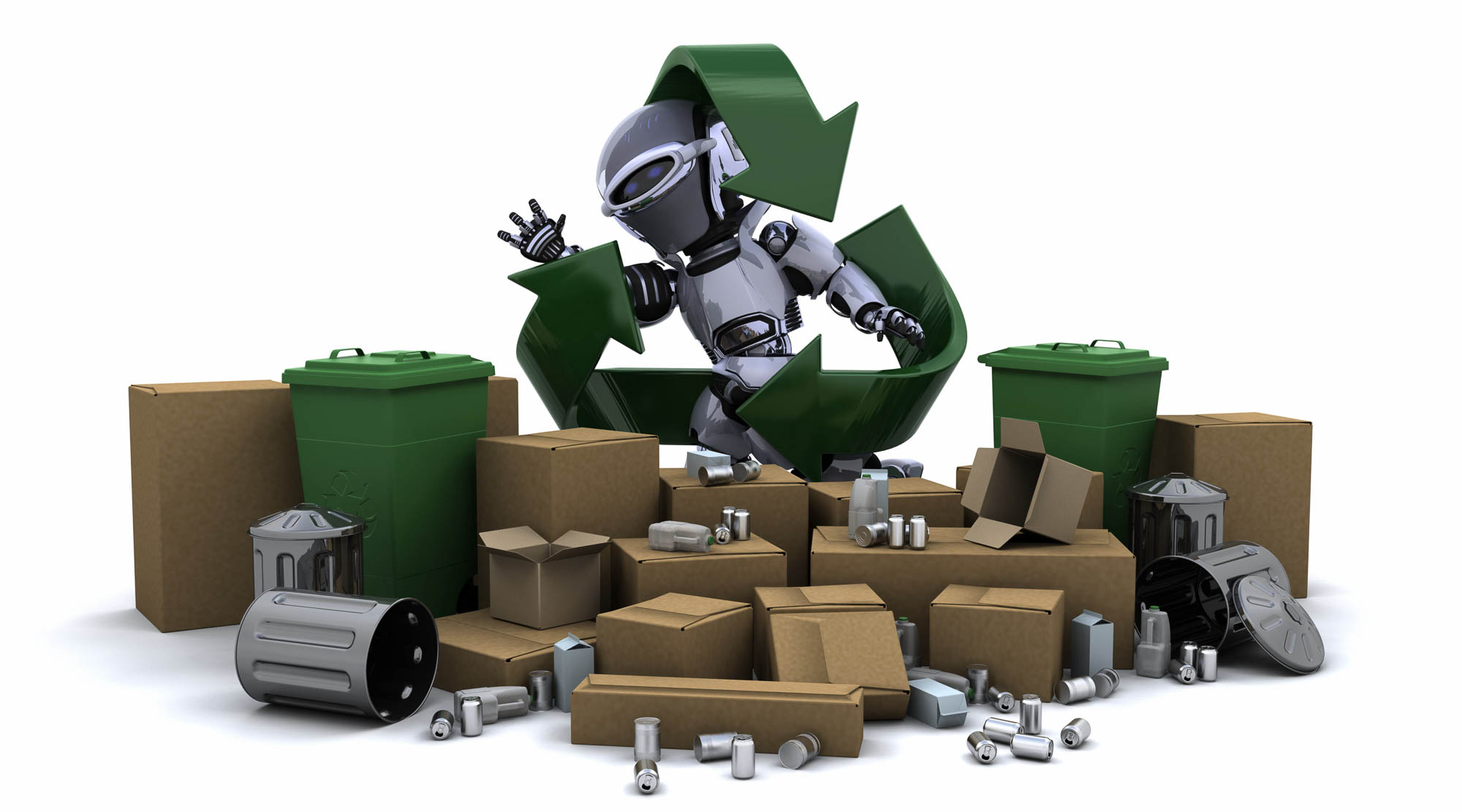
Car battery with green recycle sign.A reciclagem é uma das formas mais comuns quando se trata de gerenciamento de lixo. A melhor coisa sobre nossa capacidade de reciclar o lixo é o fato de que ele cresceu melhor com mais lixo que estamos produzindo. Costumamos reciclar apenas 10% dos resíduos sólidos em 1980. Esse número subiu para 34% (segundo estimativa de 2009). Compostagem, que é a maneira da própria natureza de reciclar lixo também contribui para manter os aterros em um pouco de descanso. Em 2009, a compostagem manteve 21 milhões de toneladas de lixo na baía.

Existe mais nisso. Reciclagem e compostagem impediram que 178 milhões de toneladas de dióxido de carbono entrassem na atmosfera. Isso equivale a tirar 33 milhões de carros das ruas em um ano.

A reciclagem também gera receita, adiciona mais empregos ao sistema, economiza energia e recursos gastos na fabricação e reduz as emissões nocivas.

Tiremos o chapéu para reciclagem e compostagem!

[/fusion_li_item][fusion_li_item icon=””]

Aterro:
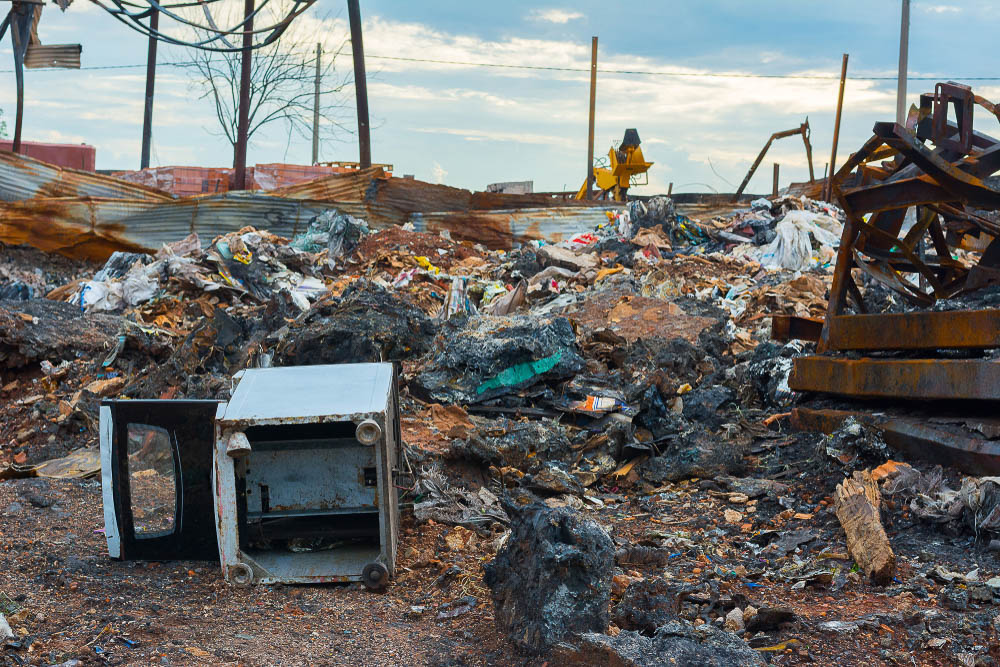
Car battery with green recycle sign.À medida que a reciclagem se torna mais eficiente, diminui o ônus sobre os aterros sanitários. De 1980 a 2009, vimos um declínio de 34% nos resíduos sendo despejados em aterros sanitários. Você vê como é útil tanto para reciclagem e aterros para trabalhar em tendão?

Todos os aterros são rigorosamente regulamentados – não podem ser colocados perto de zonas húmidas, planícies de alimentos ou quaisquer áreas residenciais. Um aterro bem construído é cuidadosamente projetado tendo em vista a contaminação é mente. Tem muitas camadas (discutidas acima), cada uma responsável por uma coisa diferente. Além disso, os cientistas coletam regularmente amostras de água das áreas vizinhas para verificar a contaminação. Qualquer anormalidade nos resultados do teste pode indicar um vazamento no aterro mais próximo.

Um aterro também é verificado regularmente para contaminação atmosférica. O lixo preso dentro dele produz gás metano, que é 20 vezes mais prejudicial do que o dióxido de carbono. Qualquer aterro moderno, no entanto, irá utilizá-lo para produzir fábricas de energia e energia, veículos e residências.

[/fusion_li_item][/fusion_checklist][/fusion_builder_column][/fusion_builder_row][/fusion_builder_container][fusion_builder_container hundred_percent=”no” hundred_percent_height=”no” hundred_percent_height_scroll=”no” hundred_percent_height_center_content=”yes” equal_height_columns=”no” menu_anchor=”” hide_on_mobile=”small-visibility,medium-visibility,large-visibility” class=”” id=”” background_color=”” background_image=”” background_position=”center center” background_repeat=”no-repeat” fade=”no” background_parallax=”none” enable_mobile=”no” parallax_speed=”0.3″ video_mp4=”” video_webm=”” video_ogv=”” video_url=”” video_aspect_ratio=”16:9″ video_loop=”yes” video_mute=”yes” video_preview_image=”” border_size=”” border_color=”” border_style=”solid” margin_top=”” margin_bottom=”” padding_top=”” padding_right=”” padding_bottom=”” padding_left=””][fusion_builder_row][fusion_builder_column type=”1_1″ layout=”1_1″ spacing=”” center_content=”no” link=”” target=”_self” min_height=”” hide_on_mobile=”small-visibility,medium-visibility,large-visibility” class=”” id=”” background_color=”” background_image=”” background_position=”left top” background_repeat=”no-repeat” hover_type=”none” border_size=”0″ border_color=”” border_style=”solid” border_position=”all” padding_top=”” padding_right=”” padding_bottom=”” padding_left=”” margin_top=”” margin_bottom=”” animation_type=”” animation_direction=”left” animation_speed=”0.3″ animation_offset=”” last=”no”][fusion_separator style_type=”single solid” hide_on_mobile=”small-visibility,medium-visibility,large-visibility” class=”” id=”” sep_color=”rgba(193,25,120,0.73)” top_margin=”5%” bottom_margin=”5%” border_size=”” icon=”” icon_circle=”” icon_circle_color=”” width=”25%” alignment=”center” /][/fusion_builder_column][fusion_builder_column type=”1_1″ layout=”1_1″ spacing=”” center_content=”no” link=”” target=”_self” min_height=”” hide_on_mobile=”small-visibility,medium-visibility,large-visibility” class=”” id=”” background_color=”” background_image=”” background_position=”left top” background_repeat=”no-repeat” hover_type=”none” border_size=”0″ border_color=”” border_style=”solid” border_position=”all” padding_top=”” padding_right=”” padding_bottom=”” padding_left=”” margin_top=”” margin_bottom=”” animation_type=”” animation_direction=”left” animation_speed=”0.3″ animation_offset=”” last=”no”][fusion_text columns=”” column_min_width=”” column_spacing=”” rule_style=”default” rule_size=”” rule_color=”” class=”” id=””]

Surf em …

[/fusion_text][/fusion_builder_column][fusion_builder_column type=”1_1″ layout=”1_1″ spacing=”” center_content=”no” link=”” target=”_self” min_height=”” hide_on_mobile=”small-visibility,medium-visibility,large-visibility” class=”” id=”” background_color=”” background_image=”” background_position=”left top” background_repeat=”no-repeat” hover_type=”none” border_size=”0″ border_color=”” border_style=”solid” border_position=”all” padding_top=”” padding_right=”” padding_bottom=”” padding_left=”” margin_top=”” margin_bottom=”” animation_type=”” animation_direction=”left” animation_speed=”0.3″ animation_offset=”” last=”no”][fusion_blog layout=”medium alternate” blog_grid_columns=”” blog_grid_column_spacing=”” blog_masonry_grid_ratio=”” blog_masonry_width_double=”” equal_heights=”no” number_posts=”6″ offset=”0″ pull_by=”category” cat_slug=”” exclude_cats=”” tag_slug=”” exclude_tags=”” orderby=”date” order=”DESC” thumbnail=”yes” title=”yes” title_link=”yes” excerpt=”” excerpt_length=”10″ strip_html=”yes” meta_all=”yes” meta_author=”yes” meta_categories=”yes” meta_comments=”no” meta_date=”no” meta_link=”yes” meta_tags=”no” scrolling=”pagination” grid_box_color=”” grid_element_color=”” grid_separator_style_type=”” grid_separator_color=”” padding_top=”” padding_right=”” padding_bottom=”” padding_left=”” hide_on_mobile=”small-visibility,medium-visibility,large-visibility” class=”” id=”” /][/fusion_builder_column][/fusion_builder_row][/fusion_builder_container]

2018-10-09T19:16:55+00:00By |Categories: Processo de Reciclagem|0 Comments

About the Author:

Leave A Comment

[fusion_builder_container hundred_percent=”no” hundred_percent_height=”no” hundred_percent_height_scroll=”no” hundred_percent_height_center_content=”yes” equal_height_columns=”no” menu_anchor=”” hide_on_mobile=”small-visibility,medium-visibility,large-visibility” class=”” id=”” background_color=”” background_image=”” background_position=”center center” background_repeat=”no-repeat” fade=”no” background_parallax=”none” enable_mobile=”no” parallax_speed=”0.3″ video_mp4=”” video_webm=”” video_ogv=”” video_url=”” video_aspect_ratio=”16:9″ video_loop=”yes” video_mute=”yes” video_preview_image=”” border_size=”” border_color=”” border_style=”solid” margin_top=”” margin_bottom=”” padding_top=”” padding_right=”” padding_bottom=”” padding_left=””][fusion_builder_row][fusion_builder_column type=”1_2″ layout=”1_2″ spacing=”” center_content=”no” link=”” target=”_self” min_height=”” hide_on_mobile=”small-visibility,medium-visibility,large-visibility” class=”” id=”” background_color=”” background_image=”” background_position=”left top” background_repeat=”no-repeat” hover_type=”none” border_size=”0″ border_color=”” border_style=”solid” border_position=”all” padding_top=”” padding_right=”” padding_bottom=”” padding_left=”” margin_top=”” margin_bottom=”” animation_type=”” animation_direction=”left” animation_speed=”0.3″ animation_offset=”” last=”no”][fusion_imageframe image_id=”2313″ max_width=”” style_type=”none” stylecolor=”” hover_type=”none” bordersize=”” bordercolor=”” borderradius=”” align=”none” lightbox=”no” gallery_id=”” lightbox_image=”” alt=”” link=”” linktarget=”_self” hide_on_mobile=”small-visibility,medium-visibility,large-visibility” class=”” id=”” animation_type=”” animation_direction=”left” animation_speed=”0.3″ animation_offset=””]https://www.earthsquad.global/wp-content/uploads/2018/05/media_dot_gov-reuse-120821-f-bp133-050.jpg[/fusion_imageframe][/fusion_builder_column][fusion_builder_column type=”1_2″ layout=”1_2″ spacing=”” center_content=”no” link=”” target=”_self” min_height=”” hide_on_mobile=”small-visibility,medium-visibility,large-visibility” class=”” id=”” background_color=”” background_image=”” background_position=”left top” background_repeat=”no-repeat” hover_type=”none” border_size=”0″ border_color=”” border_style=”solid” border_position=”all” animation_type=”” animation_direction=”left” animation_speed=”0.3″ animation_offset=”” last=”no”][fusion_text columns=”” column_min_width=”” column_spacing=”” rule_style=”default” rule_size=”” rule_color=”” class=”” id=””]

我们的废物箱中有数百种东西被丢弃。来自当地废物的巨型卡车管理公司每天出现,并将浪费运送到某个神秘的地方。有没有想过那堆废物会去哪里?我们烧它们吗?我们如何实际处理废物?可以回收利用还是可以使用?

如果您有这样的问题,这是正确的地方。在这篇文章中,我们将告诉您垃圾填埋场,垃圾填埋场的用途,它与回收利用的区别以及许多其他很酷的东西。所以,没有任何进一步的麻烦,让我们开始做生意……

[/fusion_text][/fusion_builder_column][/fusion_builder_row][/fusion_builder_container][fusion_builder_container hundred_percent=”no” hundred_percent_height=”no” hundred_percent_height_scroll=”no” hundred_percent_height_center_content=”yes” equal_height_columns=”no” menu_anchor=”” hide_on_mobile=”small-visibility,medium-visibility,large-visibility” class=”” id=”” background_color=”” background_image=”https://www.earthsquad.global/wp-content/uploads/2018/05/29-2-1.jpg” background_position=”center center” background_repeat=”no-repeat” fade=”no” background_parallax=”fixed” enable_mobile=”no” parallax_speed=”0.3″ video_mp4=”” video_webm=”” video_ogv=”” video_url=”” video_aspect_ratio=”16:9″ video_loop=”yes” video_mute=”yes” video_preview_image=”” border_size=”” border_color=”” border_style=”solid” margin_top=”30px” margin_bottom=”30px” padding_top=”70px” padding_right=”70px” padding_bottom=”70px” padding_left=”70px”][fusion_builder_row][fusion_builder_column type=”1_1″ layout=”1_1″ spacing=”” center_content=”no” link=”” target=”_self” min_height=”” hide_on_mobile=”small-visibility,medium-visibility,large-visibility” class=”” id=”” background_color=”rgba(232,215,213,0.88)” background_image=”” background_position=”left top” undefined=”” background_repeat=”no-repeat” hover_type=”none” border_size=”0″ border_color=”” border_style=”solid” border_position=”all” padding_top=”25px” padding_right=”25px” padding_bottom=”25px” padding_left=”25px” margin_top=”” margin_bottom=”” animation_type=”” animation_direction=”left” animation_speed=”0.3″ animation_offset=”” last=”no”][fusion_text columns=”” column_min_width=”” column_spacing=”” rule_style=”default” rule_size=”” rule_color=”” hide_on_mobile=”small-visibility,medium-visibility,large-visibility” class=”” id=””]

垃圾填埋场定义:

让我们从垃圾填埋的定义开始

商业词典将垃圾填埋场定义为,

“环境可接受的处置在地面上的废物。卫生填埋场是指非危险废物在每个工作日结束时分层铺展,压实和覆盖地球的地方。安全的垃圾填埋场是那些通过埋葬处理危险废物的地方,在地面上的洞或沟中衬有不透水的垃圾填埋场塑料薄膜,以防止土壤或供水中的危险物质泄漏或浸出”

任何垃圾填埋场的主要目的是处置废物的方式是它不会污染地下水,保持干燥并且不会污染空气。与堆肥堆不同,垃圾填埋场中的垃圾不会被存储用于分解。

垃圾填埋场也不同于垃圾场,地下有一个巨大的洞用来倾倒垃圾。它不是科学建造的,只是一个大洞。当垃圾开始堆积在堆积物中时,它会影响环境,成为各种动物(如老鼠,老鼠和鸟类)最喜欢的藏身之所。

[/fusion_text][/fusion_builder_column][/fusion_builder_row][/fusion_builder_container][fusion_builder_container hundred_percent=”no” hundred_percent_height=”no” hundred_percent_height_scroll=”no” hundred_percent_height_center_content=”yes” equal_height_columns=”no” menu_anchor=”” hide_on_mobile=”small-visibility,medium-visibility,large-visibility” class=”” id=”” background_color=”” background_image=”” background_position=”center center” background_repeat=”no-repeat” fade=”no” background_parallax=”none” enable_mobile=”no” parallax_speed=”0.3″ video_mp4=”” video_webm=”” video_ogv=”” video_url=”” video_aspect_ratio=”16:9″ video_loop=”yes” video_mute=”yes” video_preview_image=”” border_size=”” border_color=”” border_style=”solid” margin_top=”” margin_bottom=”” padding_top=”” padding_right=”” padding_bottom=”” padding_left=”” admin_toggled=”no”][fusion_builder_row][fusion_builder_column type=”1_1″ layout=”1_1″ spacing=”” center_content=”no” link=”” target=”_self” min_height=”” hide_on_mobile=”small-visibility,medium-visibility,large-visibility” class=”” id=”” background_color=”” background_image=”” background_position=”left top” background_repeat=”no-repeat” hover_type=”none” border_size=”0″ border_color=”” border_style=”solid” border_position=”all” padding_top=”” padding_right=”” padding_bottom=”” padding_left=”” margin_top=”” margin_bottom=”” animation_type=”” animation_direction=”left” animation_speed=”0.3″ animation_offset=”” last=”no”][fusion_text columns=”” column_min_width=”” column_spacing=”” rule_style=”default” rule_size=”” rule_color=”” class=”” id=””]

垃圾填埋场是如何建造的?

现代垃圾填埋场是在6个主要建筑步骤之后建造的。[/fusion_text][fusion_imageframe image_id=”2349″ max_width=”” style_type=”none” stylecolor=”” hover_type=”none” bordersize=”” bordercolor=”” borderradius=”” align=”none” lightbox=”no” gallery_id=”” lightbox_image=”” alt=”” link=”” linktarget=”_self” hide_on_mobile=”small-visibility,medium-visibility,large-visibility” class=”” id=”” animation_type=”” animation_direction=”left” animation_speed=”0.3″ animation_offset=””]https://www.earthsquad.global/wp-content/uploads/2018/05/freelancer-landfill-schematics_smaller.jpg[/fusion_imageframe][fusion_separator style_type=”none” hide_on_mobile=”small-visibility,medium-visibility,large-visibility” class=”” id=”” sep_color=”” top_margin=”20px” bottom_margin=”” border_size=”” icon=”” icon_circle=”” icon_circle_color=”” width=”” alignment=”center” /][fusion_accordion type=”” boxed_mode=”” border_size=”1″ border_color=”” background_color=”” hover_color=”” divider_line=”” title_font_size=”” icon_size=”” icon_color=”” icon_boxed_mode=”” icon_box_color=”” icon_alignment=”” toggle_hover_accent_color=”” hide_on_mobile=”small-visibility,medium-visibility,large-visibility” class=”” id=””][fusion_toggle title=”底衬系统” open=”no”]

底部衬垫系统:从名称可以看出,这是垃圾填埋场的最底部。建造底部衬管系统的目的是分离垃圾以污染地下水。

[/fusion_toggle][fusion_toggle title=”细胞” open=”no”]

细胞:这是垃圾填埋场的主体,用于存放垃圾。在大多数现代化的垃圾填埋场中,这是一个多层的区域。 Puente Hills是美国最大的活跃垃圾填埋场之一,拥有数百英亩的土地。

[/fusion_toggle][fusion_toggle title=”排水系统” open=”no”]

排水系统:如果没有妥善规划,雨水会对垃圾填埋场造成严重问题。排水系统将防止雨水和其他溢出物进入垃圾填埋场。

[/fusion_toggle][fusion_toggle title=”渗滤液收集系统” open=”no”]

渗滤液收集系统:一些污染的水也会通过废物本身泄漏。它被称为渗滤液,用于将其与垃圾分离的收集系统被称为渗滤液收集系统。

[/fusion_toggle][fusion_toggle title=”甲烷收集系统” open=”no”]

甲烷收集系统:该系统负责收集废物分解过程中形成的甲烷气体。

[/fusion_toggle][fusion_toggle title=”帽” open=”no”]

上限:最后但并非最不重要的是,垃圾填埋场已正确关闭。这被称为封盖或覆盖。

[/fusion_toggle][/fusion_accordion][/fusion_builder_column][/fusion_builder_row][/fusion_builder_container][fusion_builder_container hundred_percent=”no” hundred_percent_height=”no” hundred_percent_height_scroll=”no” hundred_percent_height_center_content=”yes” equal_height_columns=”no” menu_anchor=”” hide_on_mobile=”small-visibility,medium-visibility,large-visibility” class=”” id=”” background_color=”” background_image=”” background_position=”center center” background_repeat=”no-repeat” fade=”no” background_parallax=”none” enable_mobile=”no” parallax_speed=”0.3″ video_mp4=”” video_webm=”” video_ogv=”” video_url=”” video_aspect_ratio=”16:9″ video_loop=”yes” video_mute=”yes” video_preview_image=”” border_size=”” border_color=”” border_style=”solid” margin_top=”” margin_bottom=”” padding_top=”” padding_right=”” padding_bottom=”” padding_left=””][fusion_builder_row][fusion_builder_column type=”1_1″ layout=”1_1″ spacing=”” center_content=”no” link=”” target=”_self” min_height=”” hide_on_mobile=”small-visibility,medium-visibility,large-visibility” class=”” id=”” background_color=”” background_image=”” background_position=”left top” background_repeat=”no-repeat” hover_type=”none” border_size=”0″ border_color=”” border_style=”solid” border_position=”all” padding_top=”” padding_right=”” padding_bottom=”” padding_left=”” margin_top=”” margin_bottom=”” animation_type=”” animation_direction=”left” animation_speed=”0.3″ animation_offset=”” last=”no”][fusion_text columns=”” column_min_width=”” column_spacing=”” rule_style=”default” rule_size=”” rule_color=”” class=”” id=””]

垃圾填埋场的类型

垃圾填埋场有三种主要类型……[/fusion_text][fusion_accordion type=”” boxed_mode=”” border_size=”1″ border_color=”” background_color=”” hover_color=”” divider_line=”” title_font_size=”” icon_size=”” icon_color=”” icon_boxed_mode=”” icon_box_color=”” icon_alignment=”” toggle_hover_accent_color=”” hide_on_mobile=”small-visibility,medium-visibility,large-visibility” class=”” id=””][fusion_toggle title=”MSW垃圾填埋场” open=”no”]

MSW垃圾填埋场:MSW或城市固体垃圾填埋场由州政府设计和监控。 MSW用于处理住宅区,酒店等的废物。废物可能含有有害或无害的废物。市政垃圾填埋场废物遵循政府严格的指导方针和规则。

[/fusion_toggle][fusion_toggle title=”C&D垃圾填埋场” open=”no”]

C&D垃圾填埋场:C&D垃圾填埋场(或建筑和拆除垃圾填埋场)是指特别处理建筑/翻新或拆除建筑物和其他建筑物时产生的碎片的垃圾填埋场。

C&D的典型碎片可能包括沥青,混凝土,木材,玻璃,纸张,屋顶材料和其他碎石。 C&D产生的废物通常是无害的,但仍受严格的当地法律管辖。

[/fusion_toggle][fusion_toggle title=”惰性垃圾填埋场” open=”no”]

惰性垃圾填埋场:惰性垃圾填埋场通常处理来自地球的废物,如树叶,四肢和树桩。其他类似地球的物质,如固化沥青,岩石,砖块,庭院装饰等,也倾倒在惰性垃圾填埋场中。

[/fusion_toggle][/fusion_accordion][/fusion_builder_column][fusion_builder_column type=”1_1″ layout=”1_1″ spacing=”” center_content=”no” link=”” target=”_self” min_height=”” hide_on_mobile=”small-visibility,medium-visibility,large-visibility” class=”set_block” id=”” background_color=”” background_image=”” background_position=”left top” undefined=”” background_repeat=”no-repeat” hover_type=”none” border_size=”0″ border_color=”” border_style=”solid” border_position=”all” padding_top=”” padding_right=”” padding_bottom=”” padding_left=”” margin_top=”” margin_bottom=”” animation_type=”” animation_direction=”left” animation_speed=”0.3″ animation_offset=”” last=”no”][fusion_text columns=”” column_min_width=”” column_spacing=”” rule_style=”default” rule_size=”” rule_color=”” hide_on_mobile=”small-visibility,medium-visibility,large-visibility” class=”” id=””]

建造垃圾填埋场的成本

Car battery with green recycle sign.在建造垃圾填埋场时,没有“一个尺寸,适合所有方法”。填埋场的大小,所涉及的承包商,原材料的价格,预计填埋场的完工时间等都可以在最终成本中发挥重要作用。

为了牢记这一点,并让我们的读者了解所涉及的数字,我们考虑了两个垃圾填埋场的成本 – 一个在欧洲,另一个在亚洲。

中国新丰垃圾填埋场是世界中最大的垃圾填埋场之一>。它于2003年开始运作,使用寿命为20年。花费1亿美元用于建造这个227英亩的土地。

欧洲的另一个垃圾填埋场建造成本为2400万欧元。

查看这篇文章,了解更多关于一些最大的垃圾填埋场的信息,并中的废弃网站世界的。[/fusion_text][/fusion_builder_column][fusion_builder_column type=”1_1″ layout=”1_1″ spacing=”” center_content=”no” link=”” target=”_self” min_height=”” hide_on_mobile=”small-visibility,medium-visibility,large-visibility” class=”set_block” id=”” background_color=”” background_image=”” background_position=”left top” undefined=”” background_repeat=”no-repeat” hover_type=”none” border_size=”0″ border_color=”” border_style=”solid” border_position=”all” padding_top=”” padding_right=”” padding_bottom=”” padding_left=”” margin_top=”” margin_bottom=”” animation_type=”” animation_direction=”left” animation_speed=”0.3″ animation_offset=”” last=”no”][fusion_text columns=”” column_min_width=”” column_spacing=”” rule_style=”default” rule_size=”” rule_color=”” hide_on_mobile=”small-visibility,medium-visibility,large-visibility” class=”” id=””]

垃圾填埋场满员会发生什么?

Car battery with green recycle sign.垃圾填埋场很棒,但它们不是无限的。它们的建造是为了容纳一定数量的垃圾(通常是数百万吨垃圾),之后它们就会失效。这是当局进场的地方。为了处理已经填满的垃圾填埋场,他们有一些选择。

事实上,可以延长现有垃圾填埋场的寿命。当然,这需要计划,一些额外的预算和适当的工程。通过重新设计垃圾填埋场的斜坡,它实际上可以做得更大。这增加了其使用寿命和吸收更多垃圾的能力。垃圾填埋场通常建在远离居民区的地方。这允许业主或当局在现有垃圾填埋场附近创建另一个垃圾填埋场。

另一个(但最不着名的)选择是焚烧。这是一个烧垃圾去除它的过程。它还对环境有很多有害影响。

这个是非常科幻的。它被称为等离子技术,这是一个相对较新的城市趋势。通过等离子技术,废物被加热到极高的温度。留下可用于发电的气体和熔岩状物质,其在冷却时可用作建筑材料。听起来很简单,不是吗?等离子技术(以及一个大技术)的唯一缺点是成本极高。

一旦垃圾填埋场达到其使用寿命,其所在的土地也可用于其他目的。然而,这是一个缓慢的过程。垃圾填埋场中的垃圾填埋场可能需要长达25年才能完成。但是,90%的垃圾将在5年内解决。垃圾堆放后,土地可用于其他目的。

[/fusion_text][/fusion_builder_column][/fusion_builder_row][/fusion_builder_container][fusion_builder_container hundred_percent=”no” hundred_percent_height=”no” hundred_percent_height_scroll=”no” hundred_percent_height_center_content=”yes” equal_height_columns=”no” menu_anchor=”” hide_on_mobile=”small-visibility,medium-visibility,large-visibility” class=”” id=”” background_color=”” background_image=”” background_position=”center center” background_repeat=”no-repeat” fade=”no” background_parallax=”none” enable_mobile=”no” parallax_speed=”0.3″ video_mp4=”” video_webm=”” video_ogv=”” video_url=”” video_aspect_ratio=”16:9″ video_loop=”yes” video_mute=”yes” video_preview_image=”” border_size=”” border_color=”” border_style=”solid” margin_top=”” margin_bottom=”” padding_top=”” padding_right=”” padding_bottom=”” padding_left=””][fusion_builder_row][fusion_builder_column type=”1_1″ layout=”1_1″ spacing=”” center_content=”no” link=”” target=”_self” min_height=”” hide_on_mobile=”small-visibility,medium-visibility,large-visibility” class=”” id=”” background_color=”” background_image=”” background_position=”left top” background_repeat=”no-repeat” hover_type=”none” border_size=”0″ border_color=”” border_style=”solid” border_position=”all” padding_top=”” padding_right=”” padding_bottom=”” padding_left=”” margin_top=”” margin_bottom=”” animation_type=”” animation_direction=”left” animation_speed=”0.3″ animation_offset=”” last=”no”][fusion_text columns=”” column_min_width=”” column_spacing=”” rule_style=”default” rule_size=”” rule_color=”” class=”” id=””]

回收或垃圾填埋场?

必须选择一个?我们担心我们做不到。人类生产的垃圾量巨大。根据一项研究,2013年美国人生产了约2.54亿吨垃圾。一般美国人每天产生大约4.4磅的垃圾。这些数字很大,我们需要

回收利用,而不是垃圾填埋场都不能成为我们的救星。这就是为什么我们决定以不同的方式看待它们以及它们可以做什么而不是创建比较。

[/fusion_text][fusion_checklist icon=”fa-google-drive fab” iconcolor=”” circle=”” circlecolor=”” size=”” divider=”” divider_color=”” hide_on_mobile=”small-visibility,medium-visibility,large-visibility” class=”” id=””][fusion_li_item icon=””]

回收:

Car battery with green recycle sign.回收是垃圾管理最常见的方式之一。关于我们能力的最好的事情 回收废物是因为我们生产的垃圾越多越好。我们过去常常在1980年回收10%的固体废物。这个数字已经上升到34%(根据2009年的估计)。堆肥,这是大自然回收垃圾的方式,也有助于保持垃圾填埋场的一点点休息。 2009年,堆肥处理了2100万吨垃圾。

还有更多。回收和堆肥阻止了1.78亿公吨的二氧化碳进入大气层。这相当于一年内减少了3300万辆汽车。

回收利用还可以产生收入,在系统中增加更多就业机会,节约用于制造的能源和资源,减少有害排放。

回收再利用和堆肥![/fusion_li_item][fusion_li_item icon=””]

垃圾填埋场:

Car battery with green recycle sign.随着回收利用效率的提高,它可以降低垃圾填埋场的负担。从1980年到2009年,我们看到垃圾填埋场的垃圾减少了34%。您认为回收和垃圾填埋场在肌腱中工作有多大用处?

所有垃圾填埋场都受到严格监管 – 不能放置在湿地,食物平原或任何住宅区附近。精心设计的垃圾填埋场经过精心设计,可以防止污染。它有很多层(如上所述),每个层都负责不同的事情。除此之外,科学家们定期从邻近地区采集水样以检查污染情况。测试结果中的任何异常都可能表明最近的垃圾填埋场发生泄漏。

垃圾填埋场也会定期检查大气污染情况。被困在里面的垃圾产生的甲烷气体比二氧化碳的危害性高20倍。然而,任何现代化的垃圾填埋场都将利用它来生产能源和电力工厂,车辆和家庭。

[/fusion_li_item][/fusion_checklist][/fusion_builder_column][/fusion_builder_row][/fusion_builder_container][fusion_builder_container hundred_percent=”no” hundred_percent_height=”no” hundred_percent_height_scroll=”no” hundred_percent_height_center_content=”yes” equal_height_columns=”no” menu_anchor=”” hide_on_mobile=”small-visibility,medium-visibility,large-visibility” class=”” id=”” background_color=”” background_image=”” background_position=”center center” background_repeat=”no-repeat” fade=”no” background_parallax=”none” enable_mobile=”no” parallax_speed=”0.3″ video_mp4=”” video_webm=”” video_ogv=”” video_url=”” video_aspect_ratio=”16:9″ video_loop=”yes” video_mute=”yes” video_preview_image=”” border_size=”” border_color=”” border_style=”solid” margin_top=”” margin_bottom=”” padding_top=”” padding_right=”” padding_bottom=”” padding_left=””][fusion_builder_row][fusion_builder_column type=”1_1″ layout=”1_1″ spacing=”” center_content=”no” link=”” target=”_self” min_height=”” hide_on_mobile=”small-visibility,medium-visibility,large-visibility” class=”” id=”” background_color=”” background_image=”” background_position=”left top” background_repeat=”no-repeat” hover_type=”none” border_size=”0″ border_color=”” border_style=”solid” border_position=”all” padding_top=”” padding_right=”” padding_bottom=”” padding_left=”” margin_top=”” margin_bottom=”” animation_type=”” animation_direction=”left” animation_speed=”0.3″ animation_offset=”” last=”no”][fusion_separator style_type=”single solid” hide_on_mobile=”small-visibility,medium-visibility,large-visibility” class=”” id=”” sep_color=”rgba(193,25,120,0.73)” top_margin=”5%” bottom_margin=”5%” border_size=”” icon=”” icon_circle=”” icon_circle_color=”” width=”25%” alignment=”center” /][/fusion_builder_column][fusion_builder_column type=”1_1″ layout=”1_1″ spacing=”” center_content=”no” link=”” target=”_self” min_height=”” hide_on_mobile=”small-visibility,medium-visibility,large-visibility” class=”” id=”” background_color=”” background_image=”” background_position=”left top” background_repeat=”no-repeat” hover_type=”none” border_size=”0″ border_color=”” border_style=”solid” border_position=”all” padding_top=”” padding_right=”” padding_bottom=”” padding_left=”” margin_top=”” margin_bottom=”” animation_type=”” animation_direction=”left” animation_speed=”0.3″ animation_offset=”” last=”no”][fusion_text columns=”” column_min_width=”” column_spacing=”” rule_style=”default” rule_size=”” rule_color=”” class=”” id=””]

冲浪……

[/fusion_text][/fusion_builder_column][fusion_builder_column type=”1_1″ layout=”1_1″ spacing=”” center_content=”no” link=”” target=”_self” min_height=”” hide_on_mobile=”small-visibility,medium-visibility,large-visibility” class=”” id=”” background_color=”” background_image=”” background_position=”left top” background_repeat=”no-repeat” hover_type=”none” border_size=”0″ border_color=”” border_style=”solid” border_position=”all” padding_top=”” padding_right=”” padding_bottom=”” padding_left=”” margin_top=”” margin_bottom=”” animation_type=”” animation_direction=”left” animation_speed=”0.3″ animation_offset=”” last=”no”][fusion_blog layout=”medium alternate” blog_grid_columns=”” blog_grid_column_spacing=”” blog_masonry_grid_ratio=”” blog_masonry_width_double=”” equal_heights=”no” number_posts=”6″ offset=”0″ pull_by=”category” cat_slug=”” exclude_cats=”” tag_slug=”” exclude_tags=”” orderby=”date” order=”DESC” thumbnail=”yes” title=”yes” title_link=”yes” excerpt=”” excerpt_length=”10″ strip_html=”yes” meta_all=”yes” meta_author=”yes” meta_categories=”yes” meta_comments=”no” meta_date=”no” meta_link=”yes” meta_tags=”no” scrolling=”pagination” grid_box_color=”” grid_element_color=”” grid_separator_style_type=”” grid_separator_color=”” padding_top=”” padding_right=”” padding_bottom=”” padding_left=”” hide_on_mobile=”small-visibility,medium-visibility,large-visibility” class=”” id=”” /][/fusion_builder_column][/fusion_builder_row][/fusion_builder_container]
2018-10-06T20:06:58+00:00By |Categories: 回收過程|0 Comments

About the Author:

Leave A Comment

[fusion_builder_container hundred_percent=”no” hundred_percent_height=”no” hundred_percent_height_scroll=”no” hundred_percent_height_center_content=”yes” equal_height_columns=”no” menu_anchor=”” hide_on_mobile=”small-visibility,medium-visibility,large-visibility” class=”” id=”” background_color=”” background_image=”” background_position=”center center” background_repeat=”no-repeat” fade=”no” background_parallax=”none” enable_mobile=”no” parallax_speed=”0.3″ video_mp4=”” video_webm=”” video_ogv=”” video_url=”” video_aspect_ratio=”16:9″ video_loop=”yes” video_mute=”yes” video_preview_image=”” border_size=”” border_color=”” border_style=”solid” margin_top=”” margin_bottom=”” padding_top=”” padding_right=”” padding_bottom=”” padding_left=””][fusion_builder_row][fusion_builder_column type=”1_2″ layout=”1_2″ spacing=”” center_content=”no” link=”” target=”_self” min_height=”” hide_on_mobile=”small-visibility,medium-visibility,large-visibility” class=”” id=”” background_color=”” background_image=”” background_position=”left top” background_repeat=”no-repeat” hover_type=”none” border_size=”0″ border_color=”” border_style=”solid” border_position=”all” padding_top=”” padding_right=”” padding_bottom=”” padding_left=”” margin_top=”” margin_bottom=”” animation_type=”” animation_direction=”left” animation_speed=”0.3″ animation_offset=”” last=”no”][fusion_imageframe image_id=”2313″ max_width=”” style_type=”none” stylecolor=”” hover_type=”none” bordersize=”” bordercolor=”” borderradius=”” align=”none” lightbox=”no” gallery_id=”” lightbox_image=”” alt=”” link=”” linktarget=”_self” hide_on_mobile=”small-visibility,medium-visibility,large-visibility” class=”” id=”” animation_type=”” animation_direction=”left” animation_speed=”0.3″ animation_offset=””]https://www.earthsquad.global/wp-content/uploads/2018/05/media_dot_gov-reuse-120821-f-bp133-050.jpg[/fusion_imageframe][/fusion_builder_column][fusion_builder_column type=”1_2″ layout=”1_2″ spacing=”” center_content=”no” link=”” target=”_self” min_height=”” hide_on_mobile=”small-visibility,medium-visibility,large-visibility” class=”” id=”” background_color=”” background_image=”” background_position=”left top” background_repeat=”no-repeat” hover_type=”none” border_size=”0″ border_color=”” border_style=”solid” border_position=”all” animation_type=”” animation_direction=”left” animation_speed=”0.3″ animation_offset=”” last=”no”][fusion_text columns=”” column_min_width=”” column_spacing=”” rule_style=”default” rule_size=”” rule_color=”” class=”” id=””]

Es gibt Hunderte von Dingen, die wir in unseren Müllcontainern wegwerfen. Ein riesiger Lastwagen von einem lokalen Müll Management Unternehmen taucht täglich auf und transportiert diese Verschwendung an einen mysteriösen Ort. Überhaupt sich wundern, wohin dieser Haufen Müll geht? Verbrennen wir sie? Wie entsorgen wir den Abfall? Kann es recycelt oder verwendet werden?

Wenn Sie solche Fragen haben, ist dies der richtige Ort für Sie. In dieser Zusammenfassung erzählen wir Ihnen von der Mülldeponie, ihrer Verwendung, wie sie sich vom Recycling unterscheidet und so vielen anderen coolen Dingen. Also, ohne weiteres, lassen Sie uns zur Sache kommen …

[/fusion_text][/fusion_builder_column][/fusion_builder_row][/fusion_builder_container][fusion_builder_container hundred_percent=”no” hundred_percent_height=”no” hundred_percent_height_scroll=”no” hundred_percent_height_center_content=”yes” equal_height_columns=”no” menu_anchor=”” hide_on_mobile=”small-visibility,medium-visibility,large-visibility” class=”” id=”” background_color=”” background_image=”https://www.earthsquad.global/wp-content/uploads/2018/05/29-2-1.jpg” background_position=”center center” background_repeat=”no-repeat” fade=”no” background_parallax=”fixed” enable_mobile=”no” parallax_speed=”0.3″ video_mp4=”” video_webm=”” video_ogv=”” video_url=”” video_aspect_ratio=”16:9″ video_loop=”yes” video_mute=”yes” video_preview_image=”” border_size=”” border_color=”” border_style=”solid” margin_top=”30px” margin_bottom=”30px” padding_top=”70px” padding_right=”70px” padding_bottom=”70px” padding_left=”70px”][fusion_builder_row][fusion_builder_column type=”1_1″ layout=”1_1″ spacing=”” center_content=”no” link=”” target=”_self” min_height=”” hide_on_mobile=”small-visibility,medium-visibility,large-visibility” class=”” id=”” background_color=”rgba(232,215,213,0.88)” background_image=”” background_position=”left top” undefined=”” background_repeat=”no-repeat” hover_type=”none” border_size=”0″ border_color=”” border_style=”solid” border_position=”all” padding_top=”25px” padding_right=”25px” padding_bottom=”25px” padding_left=”25px” margin_top=”” margin_bottom=”” animation_type=”” animation_direction=”left” animation_speed=”0.3″ animation_offset=”” last=”no”][fusion_text columns=”” column_min_width=”” column_spacing=”” rule_style=”default” rule_size=”” rule_color=”” class=”” id=””]

Definierte Mülldeponie:

Beginnen wir mit der Definition der Deponie

Business-Wörterbuch definiert Deponie als,

“Umweltfreundlich Entsorgung von Abfall auf dem Boden. Sanitäre Abfalldeponien sind, wo nicht gefährliche Abfälle am Ende eines jeden Arbeitstages in Schichten verteilt, verdichtet und mit der Erde bedeckt werden. Gesicherte Deponien sind solche, in denen gefährliche Abfälle durch Bestattung, Löcher oder Gräben im Boden entsorgt werden, die mit undurchdringlichem Wasser bedeckt sind. Kunststofffolie zum Verhindern des Auslaufens oder Auswaschens gefährlicher Stoffe in der Boden – oder Wasserversorgung”

Der Hauptzweck einer Deponie besteht darin, über die Abfall so, dass das unterirdische Wasser nicht kontaminiert wird, trocken gehalten wird und die Luft nicht verschmutzt wird. Im Gegensatz zu einem Komposthaufen wird Müll auf Deponien nicht zur Zersetzung gelagert.

Eine Mülldeponie unterscheidet sich auch von einer Müllhalde, wo ein riesiges Loch in den Boden zum Abladen von Müll verwendet wird. Es ist nicht wissenschaftlich gebaut und es ist nur ein großes Loch. Wenn sich der Müll in Müllhalden anhäuft, beeinflusst er die Umwelt und wird zu einem bevorzugten Versteck für verschiedene Tiere wie Mäuse, Ratten und Vögel.

[/fusion_text][/fusion_builder_column][/fusion_builder_row][/fusion_builder_container][fusion_builder_container hundred_percent=”no” hundred_percent_height=”no” hundred_percent_height_scroll=”no” hundred_percent_height_center_content=”yes” equal_height_columns=”no” menu_anchor=”” hide_on_mobile=”small-visibility,medium-visibility,large-visibility” class=”” id=”” background_color=”” background_image=”” background_position=”center center” background_repeat=”no-repeat” fade=”no” background_parallax=”none” enable_mobile=”no” parallax_speed=”0.3″ video_mp4=”” video_webm=”” video_ogv=”” video_url=”” video_aspect_ratio=”16:9″ video_loop=”yes” video_mute=”yes” video_preview_image=”” border_size=”” border_color=”” border_style=”solid” margin_top=”” margin_bottom=”” padding_top=”” padding_right=”” padding_bottom=”” padding_left=”” admin_toggled=”no”][fusion_builder_row][fusion_builder_column type=”1_1″ layout=”1_1″ spacing=”” center_content=”no” link=”” target=”_self” min_height=”” hide_on_mobile=”small-visibility,medium-visibility,large-visibility” class=”” id=”” background_color=”” background_image=”” background_position=”left top” background_repeat=”no-repeat” hover_type=”none” border_size=”0″ border_color=”” border_style=”solid” border_position=”all” padding_top=”” padding_right=”” padding_bottom=”” padding_left=”” margin_top=”” margin_bottom=”” animation_type=”” animation_direction=”left” animation_speed=”0.3″ animation_offset=”” last=”no”][fusion_text columns=”” column_min_width=”” column_spacing=”” rule_style=”default” rule_size=”” rule_color=”” class=”” id=””]

Wie werden Deponien erstellt?

Moderne Mülldeponien werden nach den 6 Hauptstufen des Baus erstellt.[/fusion_text][fusion_imageframe image_id=”2349″ max_width=”” style_type=”none” stylecolor=”” hover_type=”none” bordersize=”” bordercolor=”” borderradius=”” align=”none” lightbox=”no” gallery_id=”” lightbox_image=”” alt=”” link=”” linktarget=”_self” hide_on_mobile=”small-visibility,medium-visibility,large-visibility” class=”” id=”” animation_type=”” animation_direction=”left” animation_speed=”0.3″ animation_offset=””]https://www.earthsquad.global/wp-content/uploads/2018/05/freelancer-landfill-schematics_smaller.jpg[/fusion_imageframe][fusion_separator style_type=”none” hide_on_mobile=”small-visibility,medium-visibility,large-visibility” class=”” id=”” sep_color=”” top_margin=”20px” bottom_margin=”” border_size=”” icon=”” icon_circle=”” icon_circle_color=”” width=”” alignment=”center” /][fusion_accordion type=”” boxed_mode=”” border_size=”1″ border_color=”” background_color=”” hover_color=”” divider_line=”” title_font_size=”” icon_size=”” icon_color=”” icon_boxed_mode=”” icon_box_color=”” icon_alignment=”” toggle_hover_accent_color=”” hide_on_mobile=”small-visibility,medium-visibility,large-visibility” class=”” id=””][fusion_toggle title=”Unterseite Liner System” open=”no”]

Bottom-Liner-System: Wie aus dem Namen hervorgeht, ist dies der unterste Teil einer Deponie. Der Zweck des Aufbaus des Bodenabdichtungssystems besteht darin, Müll von der Verunreinigung des unterirdischen Wassers zu trennen.

[/fusion_toggle][fusion_toggle title=”Zellen” open=”no”]

Zellen: Dies ist der Hauptteil der Mülldeponie, auf der Müll gelagert wurde. In den meisten modernen Deponien ist dies ein vielstöckiges Gebiet. Puente Hills, eine der größten aktiven Deponien in den USA, hat Zellen auf Hunderten von Acres.

[/fusion_toggle][fusion_toggle title=”Entwässerungssystem” open=”no”]

Entwässerungssystem: Regenwasser kann zu ernsthaften Problemen für eine Deponie führen, wenn es nicht ordnungsgemäß geplant ist. Das Entwässerungssystem verhindert, dass Regenwasser und andere verschüttete Flüssigkeiten in die Deponie gelangen.

[/fusion_toggle][fusion_toggle title=”Sickerwasser-Sammelsystem” open=”no”]

Sickerwasser-Sammelsystem: Durch den Abfall selbst entweicht auch etwas verunreinigtes Wasser. Es wird Sickerwasser genannt und das Sammelsystem, das verwendet wird, um es von dem Müll zu trennen, wird als Sickerwassersammelsystem bezeichnet.

[/fusion_toggle][fusion_toggle title=”Methan-Sammelsystem” open=”no”]

Methan-Sammelsystem: Dieses System ist verantwortlich für die Sammlung des Methangases, das beim Abbau von Abfällen entsteht.

[/fusion_toggle][fusion_toggle title=”Deckel” open=”no”]

Cap: Last but not least ist die Deponie ordnungsgemäß geschlossen. Dies wird als Verkappen oder Bedecken bezeichnet.

[/fusion_toggle][/fusion_accordion][/fusion_builder_column][/fusion_builder_row][/fusion_builder_container][fusion_builder_container hundred_percent=”no” hundred_percent_height=”no” hundred_percent_height_scroll=”no” hundred_percent_height_center_content=”yes” equal_height_columns=”no” menu_anchor=”” hide_on_mobile=”small-visibility,medium-visibility,large-visibility” class=”” id=”” background_color=”” background_image=”” background_position=”center center” background_repeat=”no-repeat” fade=”no” background_parallax=”none” enable_mobile=”no” parallax_speed=”0.3″ video_mp4=”” video_webm=”” video_ogv=”” video_url=”” video_aspect_ratio=”16:9″ video_loop=”yes” video_mute=”yes” video_preview_image=”” border_size=”” border_color=”” border_style=”solid” margin_top=”” margin_bottom=”” padding_top=”” padding_right=”” padding_bottom=”” padding_left=””][fusion_builder_row][fusion_builder_column type=”1_1″ layout=”1_1″ spacing=”” center_content=”no” link=”” target=”_self” min_height=”” hide_on_mobile=”small-visibility,medium-visibility,large-visibility” class=”” id=”” background_color=”” background_image=”” background_position=”left top” background_repeat=”no-repeat” hover_type=”none” border_size=”0″ border_color=”” border_style=”solid” border_position=”all” padding_top=”” padding_right=”” padding_bottom=”” padding_left=”” margin_top=”” margin_bottom=”” animation_type=”” animation_direction=”left” animation_speed=”0.3″ animation_offset=”” last=”no”][fusion_text columns=”” column_min_width=”” column_spacing=”” rule_style=”default” rule_size=”” rule_color=”” class=”” id=””]

Arten von Deponien

Deponien sind von drei Haupttypen …[/fusion_text][fusion_accordion type=”” boxed_mode=”” border_size=”1″ border_color=”” background_color=”” hover_color=”” divider_line=”” title_font_size=”” icon_size=”” icon_color=”” icon_boxed_mode=”” icon_box_color=”” icon_alignment=”” toggle_hover_accent_color=”” hide_on_mobile=”small-visibility,medium-visibility,large-visibility” class=”” id=””][fusion_toggle title=”Mülldeponie” open=”no”]

MSW Deponie: Siedlungsabfälle oder Siedlungsabfalldeponien werden vom Staat geplant und überwacht. Siedlungsabfälle werden zur Beseitigung von Abfällen aus Wohnkolonien, Hotels usw. verwendet. Die Abfälle können sowohl gefährliche als auch nicht gefährliche Abfälle enthalten. Kommunaler Deponieabfall folgt strengen Richtlinien und Regeln der Regierung.

[/fusion_toggle][fusion_toggle title=”C & D Mülldeponie” open=”no”]

C & D-Deponie: C & D-Deponie (oder Bau- und Abbruchdeponie) bezieht sich auf Deponien, die sich insbesondere mit Trümmern befassen, die während des Baus / der Renovierung oder dem Abriss von Gebäuden und anderer Architektur entstehen.

Typische Rückstände von C & D können Asphalt, Beton, Holz, Glas, Papier, Dachbaustoffe und andere Trümmer enthalten. Abfälle von C & D sind in der Regel nicht gefährlich, unterliegen jedoch strengen lokalen Gesetzen.

[/fusion_toggle][fusion_toggle title=”Inerte Deponien” open=”no”]

Inerte Deponien: Inerte Deponien behandeln normalerweise Abfälle aus der Erde wie Blätter, Äste und Stümpfe. Andere erdähnliche Substanzen wie ausgehärteter Asphalt, Steine, Ziegelsteine, Gartenabfälle usw. werden ebenfalls auf inerten Deponien abgelagert.

[/fusion_toggle][/fusion_accordion][/fusion_builder_column][fusion_builder_column type=”1_1″ layout=”1_1″ spacing=”” center_content=”no” link=”” target=”_self” min_height=”” hide_on_mobile=”small-visibility,medium-visibility,large-visibility” class=”set_block” id=”” background_color=”” background_image=”” background_position=”left top” undefined=”” background_repeat=”no-repeat” hover_type=”none” border_size=”0″ border_color=”” border_style=”solid” border_position=”all” padding_top=”” padding_right=”” padding_bottom=”” padding_left=”” margin_top=”” margin_bottom=”” animation_type=”” animation_direction=”left” animation_speed=”0.3″ animation_offset=”” last=”no”][fusion_text columns=”” column_min_width=”” column_spacing=”” rule_style=”default” rule_size=”” rule_color=”” class=”” id=””]

Kosten für den Bau einer Deponie

Autobatterie mit grünem Recycling-Zeichen. Wenn es um den Bau einer Mülldeponie geht, gibt es keine “one size, fits all approach”. Die Größe der Deponie, die beteiligten Bauunternehmen, der Preis der Rohstoffe, der Zeitrahmen, in dem die Deponie voraussichtlich fertiggestellt wird usw. können eine wichtige Rolle bei den Endkosten spielen.

Um dies zu berücksichtigen und unseren Lesern eine Vorstellung von den Zahlen zu geben, haben wir die Kosten für zwei Deponien – eine in Europa und die andere in Asien – betrachtet.

Die Deponie Xinfeng in China ist eine der größten in der Welt . Es wurde 2003 in Betrieb genommen und hat eine Nutzungsdauer von 20 Jahren. Für den Bau dieses 227 Hektar großen Geländes wurden atemberaubende 100 Millionen Dollar ausgegeben.

Eine weitere Deponie in Europa wurde zu einem Preis von 24 Millionen Euro gebaut.

Sehen Sie sich diesen Post an, um mehr über einige der größten Deponien und Abfall Standorte in der Welt .[/fusion_text][/fusion_builder_column][fusion_builder_column type=”1_1″ layout=”1_1″ spacing=”” center_content=”no” link=”” target=”_self” min_height=”” hide_on_mobile=”small-visibility,medium-visibility,large-visibility” class=”set_block” id=”” background_color=”” background_image=”” background_position=”left top” undefined=”” background_repeat=”no-repeat” hover_type=”none” border_size=”0″ border_color=”” border_style=”solid” border_position=”all” padding_top=”” padding_right=”” padding_bottom=”” padding_left=”” margin_top=”” margin_bottom=”” animation_type=”” animation_direction=”left” animation_speed=”0.3″ animation_offset=”” last=”no”][fusion_text columns=”” column_min_width=”” column_spacing=”” rule_style=”default” rule_size=”” rule_color=”” class=”” id=””]

Was passiert, wenn die Deponie voll ist?

Autobatterie mit grünes Recycling-Zeichen. Deponien sind großartig, aber sie sind nicht unendlich. Sie sind so gebaut, dass sie eine bestimmte Menge Müll (normalerweise Millionen von Tonnen Müll) enthalten und danach unbrauchbar werden. Hier kommen die Behörden ins Spiel. Um mit einer bereits gefüllten Deponie fertig zu werden, haben sie ein paar Optionen zur Verfügung.

Es ist tatsächlich möglich, die Lebensdauer einer bestehenden Deponie zu verlängern. Dies erfordert natürlich eine Planung, ein gewisses zusätzliches Budget und eine angemessene technische Planung. Durch die Neugestaltung der Steigung einer Deponie kann diese tatsächlich vergrößert werden. Dies verlängert die Nutzungsdauer und die Fähigkeit, mehr Müll zu verschlingen. Deponien werden in der Regel außerhalb der Wohngebiete gebaut. Dies ermöglicht es den Eigentümern oder Behörden, neben dem bestehenden eine weitere Deponie anzulegen.

Eine andere (aber am wenigsten bekannte) Option ist die Verbrennung. Es ist ein Prozess, den Müll zu verbrennen, um ihn loszuwerden. Es hat auch viele schädliche Auswirkungen auf die Umwelt.

Dieser ist ziemlich Science-Fiction. Es heißt Plasmatechnologie, die in der Stadt ein neuer Trend ist. Durch plasma tech, waste wird auf eine extrem hohe Temperatur erhitzt. Zurücklassen eines Gases, das zur Stromerzeugung genutzt werden kann und eine lavaförmige Substanz, die beim Abkühlen als Baumaterial verwendet werden kann. Klingt einfach, nein? Der einzige Nachteil der Plasma-Technologie (und einer großen) ist, dass es extrem teuer ist.

Sobald eine Deponie ihre Nutzungsdauer erreicht hat, kann das Land, auf dem sie sich befindet, auch für andere Zwecke genutzt werden. Dies ist jedoch ein langsamer Prozess. Müll auf einer gut verdichteten Deponie kann bis zu 25 Jahre dauern. 90% des Mülls werden sich jedoch innerhalb von 5 Jahren absetzen. Sobald der Müll beseitigt ist, kann das Land für andere Zwecke verwendet werden.

[/fusion_text][/fusion_builder_column][/fusion_builder_row][/fusion_builder_container][fusion_builder_container hundred_percent=”no” hundred_percent_height=”no” hundred_percent_height_scroll=”no” hundred_percent_height_center_content=”yes” equal_height_columns=”no” menu_anchor=”” hide_on_mobile=”small-visibility,medium-visibility,large-visibility” class=”” id=”” background_color=”” background_image=”” background_position=”center center” background_repeat=”no-repeat” fade=”no” background_parallax=”none” enable_mobile=”no” parallax_speed=”0.3″ video_mp4=”” video_webm=”” video_ogv=”” video_url=”” video_aspect_ratio=”16:9″ video_loop=”yes” video_mute=”yes” video_preview_image=”” border_size=”” border_color=”” border_style=”solid” margin_top=”” margin_bottom=”” padding_top=”” padding_right=”” padding_bottom=”” padding_left=””][fusion_builder_row][fusion_builder_column type=”1_1″ layout=”1_1″ spacing=”” center_content=”no” link=”” target=”_self” min_height=”” hide_on_mobile=”small-visibility,medium-visibility,large-visibility” class=”” id=”” background_color=”” background_image=”” background_position=”left top” background_repeat=”no-repeat” hover_type=”none” border_size=”0″ border_color=”” border_style=”solid” border_position=”all” padding_top=”” padding_right=”” padding_bottom=”” padding_left=”” margin_top=”” margin_bottom=”” animation_type=”” animation_direction=”left” animation_speed=”0.3″ animation_offset=”” last=”no”][fusion_text columns=”” column_min_width=”” column_spacing=”” rule_style=”default” rule_size=”” rule_color=”” class=”” id=””]

Recycling oder Deponierung?

Muss man einen wählen? Wir haben Angst, wir können nicht. Die Menge an Müll, die Menschen produzieren, ist riesig. Laut einer Studie produzierten Amerikaner im Jahr 2013 rund 254 Millionen Tonnen Müll. Ein durchschnittlicher Amerikaner produziert etwa 4,4 Pfund Müll pro Tag. Diese Zahlen sind riesig und wir brauchen eine Kombination von Abfallmanagement Techniken hier – denken Sie an die Avengers!

Weder Recycling noch Deponierung kann unser Retter sein. Aus diesem Grund haben wir uns entschieden, sie anders zu betrachten und was sie tun können, als einen Vergleich zu erstellen.

[/fusion_text][fusion_checklist icon=”fa-google-drive fab” iconcolor=”” circle=”” circlecolor=”” size=”” divider=”” divider_color=”” hide_on_mobile=”small-visibility,medium-visibility,large-visibility” class=”” id=””][fusion_li_item icon=””]

Recycling:

Car battery with green recycle sign.Recycling ist eine der häufigsten Methoden, wenn es um das Abfallmanagement geht. Das Beste an unserer Fähigkeit, Recycling-Abfall ist die Tatsache, dass es mit mehr Müll, den wir produzieren, besser geworden ist. Wir haben im Jahr 1980 nur 10% des festen Abfalls recycelt. Diese Zahl ist nach Schätzungen von 2009 auf 34% gestiegen. Auch die Kompostierung, also der natürliche Weg der Natur zum Recycling von Müll, trägt dazu bei, dass sich die Deponien ein wenig erholen. Im Jahr 2009 hielt die Kompostierung 21 Millionen Tonnen Müll in Schach.

Da ist mehr dran. Recycling und Kompostierung verhinderten, dass 178 Millionen Tonnen Kohlendioxid in die Atmosphäre gelangen. Dies entspricht dem Abheben von 33 Millionen Autos in einem Jahr von der Straße.

Recycling erzeugt auch Einnahmen, fügt mehr Arbeitsplätze in das System ein, spart Energie und Ressourcen für die Herstellung und reduziert schädliche Emissionen.

Hut ab vor Recycling und Kompostierung!

[/fusion_li_item][fusion_li_item icon=””]

Deponie:

Car battery with green recycle sign.Da das Recycling effizienter wird, verringert es die Belastung von Deponien. Zwischen 1980 und 2009 haben wir einen Abfall von 34% bei der Deponierung von Abfällen festgestellt. Sie sehen, wie nützlich es für Recycling und Deponien ist, in Sehnen zu arbeiten?

Alle Deponien sind streng reguliert – sie können nicht in der Nähe von Feuchtgebieten, Lebensmittelebenen oder anderen Wohngebieten platziert werden. Eine gut gebaute Mülldeponie ist sorgfältig geplant, um die Kontamination im Auge zu behalten. Es hat viele Schichten (oben diskutiert), die jeweils für eine andere Sache verantwortlich sind. Darüber hinaus entnehmen die Wissenschaftler regelmäßig Wasserproben aus den benachbarten Gebieten, um sie auf Verunreinigungen zu prüfen. Jede Abweichung von den Testergebnissen kann auf ein Leck in der nächstgelegenen Deponie hinweisen.

Eine Deponie wird regelmäßig auf atmosphärische Verunreinigungen überprüft. Der darin eingeschlossene Müll produziert Methangas, das 20 Mal schädlicher ist als Kohlendioxid. Jede moderne Mülldeponie wird es jedoch nutzen, um Fabriken, Fahrzeuge und Häuser für Energie und Strom zu produzieren.

[/fusion_li_item][/fusion_checklist][/fusion_builder_column][/fusion_builder_row][/fusion_builder_container][fusion_builder_container hundred_percent=”no” hundred_percent_height=”no” hundred_percent_height_scroll=”no” hundred_percent_height_center_content=”yes” equal_height_columns=”no” menu_anchor=”” hide_on_mobile=”small-visibility,medium-visibility,large-visibility” class=”” id=”” background_color=”” background_image=”” background_position=”center center” background_repeat=”no-repeat” fade=”no” background_parallax=”none” enable_mobile=”no” parallax_speed=”0.3″ video_mp4=”” video_webm=”” video_ogv=”” video_url=”” video_aspect_ratio=”16:9″ video_loop=”yes” video_mute=”yes” video_preview_image=”” border_size=”” border_color=”” border_style=”solid” margin_top=”” margin_bottom=”” padding_top=”” padding_right=”” padding_bottom=”” padding_left=””][fusion_builder_row][fusion_builder_column type=”1_1″ layout=”1_1″ spacing=”” center_content=”no” link=”” target=”_self” min_height=”” hide_on_mobile=”small-visibility,medium-visibility,large-visibility” class=”” id=”” background_color=”” background_image=”” background_position=”left top” background_repeat=”no-repeat” hover_type=”none” border_size=”0″ border_color=”” border_style=”solid” border_position=”all” padding_top=”” padding_right=”” padding_bottom=”” padding_left=”” margin_top=”” margin_bottom=”” animation_type=”” animation_direction=”left” animation_speed=”0.3″ animation_offset=”” last=”no”][fusion_separator style_type=”single solid” hide_on_mobile=”small-visibility,medium-visibility,large-visibility” class=”” id=”” sep_color=”rgba(193,25,120,0.73)” top_margin=”5%” bottom_margin=”5%” border_size=”” icon=”” icon_circle=”” icon_circle_color=”” width=”25%” alignment=”center” /][/fusion_builder_column][fusion_builder_column type=”1_1″ layout=”1_1″ spacing=”” center_content=”no” link=”” target=”_self” min_height=”” hide_on_mobile=”small-visibility,medium-visibility,large-visibility” class=”” id=”” background_color=”” background_image=”” background_position=”left top” background_repeat=”no-repeat” hover_type=”none” border_size=”0″ border_color=”” border_style=”solid” border_position=”all” padding_top=”” padding_right=”” padding_bottom=”” padding_left=”” margin_top=”” margin_bottom=”” animation_type=”” animation_direction=”left” animation_speed=”0.3″ animation_offset=”” last=”no”][fusion_text columns=”” column_min_width=”” column_spacing=”” rule_style=”default” rule_size=”” rule_color=”” class=”” id=””]

Surfen auf …

[/fusion_text][/fusion_builder_column][fusion_builder_column type=”1_1″ layout=”1_1″ spacing=”” center_content=”no” link=”” target=”_self” min_height=”” hide_on_mobile=”small-visibility,medium-visibility,large-visibility” class=”” id=”” background_color=”” background_image=”” background_position=”left top” background_repeat=”no-repeat” hover_type=”none” border_size=”0″ border_color=”” border_style=”solid” border_position=”all” padding_top=”” padding_right=”” padding_bottom=”” padding_left=”” margin_top=”” margin_bottom=”” animation_type=”” animation_direction=”left” animation_speed=”0.3″ animation_offset=”” last=”no”][fusion_blog layout=”medium alternate” blog_grid_columns=”” blog_grid_column_spacing=”” blog_masonry_grid_ratio=”” blog_masonry_width_double=”” equal_heights=”no” number_posts=”6″ offset=”0″ pull_by=”category” cat_slug=”” exclude_cats=”” tag_slug=”” exclude_tags=”” orderby=”date” order=”DESC” thumbnail=”yes” title=”yes” title_link=”yes” excerpt=”” excerpt_length=”10″ strip_html=”yes” meta_all=”yes” meta_author=”yes” meta_categories=”yes” meta_comments=”no” meta_date=”no” meta_link=”yes” meta_tags=”no” scrolling=”pagination” grid_box_color=”” grid_element_color=”” grid_separator_style_type=”” grid_separator_color=”” padding_top=”” padding_right=”” padding_bottom=”” padding_left=”” hide_on_mobile=”small-visibility,medium-visibility,large-visibility” class=”” id=”” /][/fusion_builder_column][/fusion_builder_row][/fusion_builder_container]
2018-10-06T20:41:12+00:00By |Categories: Recycling Prozess|0 Comments

About the Author:

Leave A Comment

[fusion_builder_container hundred_percent=”no” hundred_percent_height=”no” hundred_percent_height_scroll=”no” hundred_percent_height_center_content=”yes” equal_height_columns=”no” menu_anchor=”” hide_on_mobile=”small-visibility,medium-visibility,large-visibility” class=”” id=”” background_color=”” background_image=”” background_position=”center center” background_repeat=”no-repeat” fade=”no” background_parallax=”none” enable_mobile=”no” parallax_speed=”0.3″ video_mp4=”” video_webm=”” video_ogv=”” video_url=”” video_aspect_ratio=”16:9″ video_loop=”yes” video_mute=”yes” video_preview_image=”” border_size=”” border_color=”” border_style=”solid” margin_top=”” margin_bottom=”” padding_top=”” padding_right=”” padding_bottom=”” padding_left=””][fusion_builder_row][fusion_builder_column type=”1_2″ layout=”1_2″ spacing=”” center_content=”no” link=”” target=”_self” min_height=”” hide_on_mobile=”small-visibility,medium-visibility,large-visibility” class=”” id=”” background_color=”” background_image=”” background_position=”left top” background_repeat=”no-repeat” hover_type=”none” border_size=”0″ border_color=”” border_style=”solid” border_position=”all” padding_top=”” padding_right=”” padding_bottom=”” padding_left=”” margin_top=”” margin_bottom=”” animation_type=”” animation_direction=”left” animation_speed=”0.3″ animation_offset=”” last=”no”][fusion_imageframe image_id=”2313″ max_width=”” style_type=”none” stylecolor=”” hover_type=”none” bordersize=”” bordercolor=”” borderradius=”” align=”none” lightbox=”no” gallery_id=”” lightbox_image=”” alt=”” link=”” linktarget=”_self” hide_on_mobile=”small-visibility,medium-visibility,large-visibility” class=”” id=”” animation_type=”” animation_direction=”left” animation_speed=”0.3″ animation_offset=””]https://www.earthsquad.global/wp-content/uploads/2018/05/media_dot_gov-reuse-120821-f-bp133-050.jpg[/fusion_imageframe][/fusion_builder_column][fusion_builder_column type=”1_2″ layout=”1_2″ spacing=”” center_content=”no” link=”” target=”_self” min_height=”” hide_on_mobile=”small-visibility,medium-visibility,large-visibility” class=”” id=”” background_color=”” background_image=”” background_position=”left top” background_repeat=”no-repeat” hover_type=”none” border_size=”0″ border_color=”” border_style=”solid” border_position=”all” animation_type=”” animation_direction=”left” animation_speed=”0.3″ animation_offset=”” last=”no”][fusion_text columns=”” column_min_width=”” column_spacing=”” rule_style=”default” rule_size=”” rule_color=”” hide_on_mobile=”small-visibility,medium-visibility,large-visibility” class=”” id=””]

Есть сотни вещей, которые мы выбрасываем в наших мусорных контейнерах. Ежедневно появляется огромный грузовик из местной мусороперерабатывающей компании и транспортирует, что тратит в какой-то момент таинственный. Вы когда-нибудь задумывались, куда идет эта куча отходов? Мы сжигаем их? Как мы фактически избавляемся от отходов? Можно ли его перерабатывать или использовать?

Если у вас есть такие вопросы, это подходящее место. В этой рецензии мы расскажем вам о свалке, ее использовании, о том, как она отличается от переработки и многих других интересных вещей. Итак, без лишнего шума, давайте приступим к делу …

[/fusion_text][/fusion_builder_column][/fusion_builder_row][/fusion_builder_container][fusion_builder_container hundred_percent=”no” hundred_percent_height=”no” hundred_percent_height_scroll=”no” hundred_percent_height_center_content=”yes” equal_height_columns=”no” menu_anchor=”” hide_on_mobile=”small-visibility,medium-visibility,large-visibility” class=”” id=”” background_color=”” background_image=”https://www.earthsquad.global/wp-content/uploads/2018/05/29-2-1.jpg” background_position=”center center” background_repeat=”no-repeat” fade=”no” background_parallax=”fixed” enable_mobile=”no” parallax_speed=”0.3″ video_mp4=”” video_webm=”” video_ogv=”” video_url=”” video_aspect_ratio=”16:9″ video_loop=”yes” video_mute=”yes” video_preview_image=”” border_size=”” border_color=”” border_style=”solid” margin_top=”30px” margin_bottom=”30px” padding_top=”70px” padding_right=”70px” padding_bottom=”70px” padding_left=”70px”][fusion_builder_row][fusion_builder_column type=”1_1″ layout=”1_1″ spacing=”” center_content=”no” link=”” target=”_self” min_height=”” hide_on_mobile=”small-visibility,medium-visibility,large-visibility” class=”” id=”” background_color=”rgba(232,215,213,0.88)” background_image=”” background_position=”left top” undefined=”” background_repeat=”no-repeat” hover_type=”none” border_size=”0″ border_color=”” border_style=”solid” border_position=”all” padding_top=”25px” padding_right=”25px” padding_bottom=”25px” padding_left=”25px” margin_top=”” margin_bottom=”” animation_type=”” animation_direction=”left” animation_speed=”0.3″ animation_offset=”” last=”no”][fusion_text columns=”” column_min_width=”” column_spacing=”” rule_style=”default” rule_size=”” rule_color=”” class=”” id=””]

Срочный заказ:

Начнем с определения полигона

Деловой словарь определяет полигон,

“Экологически приемлемый удаление отходов на местах. Санитарные полигоны – это место, где неопасные отходы распространяются в слоях, уплотняются и покрываются Землей в конце каждого рабочего дня. Охраняемые полигоны – это те, где опасные отходы удаляются путем захоронения, в отверстиях или траншеях в грунте, выложенном непроницаемым пластик для предотвращения утечки или выщелачивания опасных веществ в почве или водоснабжении”

Основная цель любого полигона – избавиться от отходы таким образом, чтобы он не загрязнял подземные воды, оставался сухим и не загрязнял воздух. В отличие от кучи компоста, мусор на свалках не хранится для разложения.

Свалка также отличается от свалки, где огромная дыра в земле используется для сброса мусора. Он не построен научно, и это всего лишь одна большая дыра. Поскольку мусор начинает накапливаться в свалках, он влияет на окружающую среду и становится излюбленным укрытием для различных животных, таких как мыши, крысы и птицы.[/fusion_text][/fusion_builder_column][/fusion_builder_row][/fusion_builder_container][fusion_builder_container hundred_percent=”no” hundred_percent_height=”no” hundred_percent_height_scroll=”no” hundred_percent_height_center_content=”yes” equal_height_columns=”no” menu_anchor=”” hide_on_mobile=”small-visibility,medium-visibility,large-visibility” class=”” id=”” background_color=”” background_image=”” background_position=”center center” background_repeat=”no-repeat” fade=”no” background_parallax=”none” enable_mobile=”no” parallax_speed=”0.3″ video_mp4=”” video_webm=”” video_ogv=”” video_url=”” video_aspect_ratio=”16:9″ video_loop=”yes” video_mute=”yes” video_preview_image=”” border_size=”” border_color=”” border_style=”solid” margin_top=”” margin_bottom=”” padding_top=”” padding_right=”” padding_bottom=”” padding_left=”” admin_toggled=”no”][fusion_builder_row][fusion_builder_column type=”1_1″ layout=”1_1″ spacing=”” center_content=”no” link=”” target=”_self” min_height=”” hide_on_mobile=”small-visibility,medium-visibility,large-visibility” class=”” id=”” background_color=”” background_image=”” background_position=”left top” background_repeat=”no-repeat” hover_type=”none” border_size=”0″ border_color=”” border_style=”solid” border_position=”all” padding_top=”” padding_right=”” padding_bottom=”” padding_left=”” margin_top=”” margin_bottom=”” animation_type=”” animation_direction=”left” animation_speed=”0.3″ animation_offset=”” last=”no”][fusion_text columns=”” column_min_width=”” column_spacing=”” rule_style=”default” rule_size=”” rule_color=”” hide_on_mobile=”small-visibility,medium-visibility,large-visibility” class=”” id=””]

Как создаются земельные участки?

Современные полигоны создаются после 6 основных этапов строительства.

[/fusion_text][fusion_imageframe image_id=”2349″ max_width=”” style_type=”none” blur=”” stylecolor=”” hover_type=”none” bordersize=”” bordercolor=”” borderradius=”” align=”none” lightbox=”no” gallery_id=”” lightbox_image=”” alt=”” link=”” linktarget=”_self” hide_on_mobile=”small-visibility,medium-visibility,large-visibility” class=”” id=”” animation_type=”” animation_direction=”left” animation_speed=”0.3″ animation_offset=””]https://www.earthsquad.global/wp-content/uploads/2018/05/freelancer-landfill-schematics_smaller.jpg[/fusion_imageframe][fusion_separator style_type=”none” hide_on_mobile=”small-visibility,medium-visibility,large-visibility” class=”” id=”” sep_color=”” top_margin=”20px” bottom_margin=”” border_size=”” icon=”” icon_circle=”” icon_circle_color=”” width=”” alignment=”center” /][fusion_accordion type=”” boxed_mode=”” border_size=”1″ border_color=”” background_color=”” hover_color=”” divider_line=”” title_font_size=”” icon_size=”” icon_color=”” icon_boxed_mode=”” icon_box_color=”” icon_alignment=”” toggle_hover_accent_color=”” hide_on_mobile=”small-visibility,medium-visibility,large-visibility” class=”” id=””][fusion_toggle title=”Нижняя подкладка” open=”no”]

Система нижнего лайнера: как видно из названия, это самая большая часть полигона. Цель создания системы нижнего лайнера – отделить мусор от загрязнения подземных вод.

[/fusion_toggle][fusion_toggle title=”ячейки” open=”no”]

Ячейки: это основной корпус полигона, который использовался для хранения мусора. На большинстве современных полигонов это многоэтажная территория. Puente Hills, один из крупнейших активных полигонов в США, имеет ячейки на сотнях акров.

[/fusion_toggle][fusion_toggle title=”Дренажная система” open=”no”]

Дренажная система: Дождевая вода может вызвать некоторые серьезные проблемы с полигоном, если их не планировать должным образом. Дренажная система предотвратит попадание дождевой воды и других разливов на полигон.

[/fusion_toggle][fusion_toggle title=”Система сбора выщелачивания” open=”no”]

Система сбора выщелачивания: некоторые загрязненные воды также просачиваются через сами отходы. Он называется выщелачиванием, а система сбора, используемая для отделения его от мусора, называется системой сбора фильтрата.

[/fusion_toggle][fusion_toggle title=”Система сбора метана” open=”no”]

Система сбора метана: эта система отвечает за сбор метанового газа, образующегося при разложении отходов.

[/fusion_toggle][fusion_toggle title=”Кепка” open=”no”]

Колпачок: последнее, но не менее важное, свалка закрыта должным образом. Это называется укупоркой или покрытием.

[/fusion_toggle][/fusion_accordion][/fusion_builder_column][/fusion_builder_row][/fusion_builder_container][fusion_builder_container hundred_percent=”no” hundred_percent_height=”no” hundred_percent_height_scroll=”no” hundred_percent_height_center_content=”yes” equal_height_columns=”no” menu_anchor=”” hide_on_mobile=”small-visibility,medium-visibility,large-visibility” class=”” id=”” background_color=”” background_image=”” background_position=”center center” background_repeat=”no-repeat” fade=”no” background_parallax=”none” enable_mobile=”no” parallax_speed=”0.3″ video_mp4=”” video_webm=”” video_ogv=”” video_url=”” video_aspect_ratio=”16:9″ video_loop=”yes” video_mute=”yes” video_preview_image=”” border_size=”” border_color=”” border_style=”solid” margin_top=”” margin_bottom=”” padding_top=”” padding_right=”” padding_bottom=”” padding_left=””][fusion_builder_row][fusion_builder_column type=”1_1″ layout=”1_1″ spacing=”” center_content=”no” link=”” target=”_self” min_height=”” hide_on_mobile=”small-visibility,medium-visibility,large-visibility” class=”” id=”” background_color=”” background_image=”” background_position=”left top” background_repeat=”no-repeat” hover_type=”none” border_size=”0″ border_color=”” border_style=”solid” border_position=”all” padding_top=”” padding_right=”” padding_bottom=”” padding_left=”” margin_top=”” margin_bottom=”” animation_type=”” animation_direction=”left” animation_speed=”0.3″ animation_offset=”” last=”no”][fusion_text columns=”” column_min_width=”” column_spacing=”” rule_style=”default” rule_size=”” rule_color=”” class=”” id=””]

Типы свалок

Полигоны имеют три основных типа …[/fusion_text][fusion_accordion type=”” boxed_mode=”” border_size=”1″ border_color=”” background_color=”” hover_color=”” divider_line=”” title_font_size=”” icon_size=”” icon_color=”” icon_boxed_mode=”” icon_box_color=”” icon_alignment=”” toggle_hover_accent_color=”” hide_on_mobile=”small-visibility,medium-visibility,large-visibility” class=”” id=””][fusion_toggle title=”Свалка MSW” open=”no”]

Свалка ТБО: ТБО или муниципальные полигоны для твердых отходов разрабатываются и контролируются государством. ТБО используется для утилизации отходов из колоний, гостиниц и т. Д. Отходы могут содержать как опасные, так и неопасные отходы. Муниципальные мусорные свалки следуют строгим правилам и правилам правительства.

[/fusion_toggle][fusion_toggle title=”C & D Полигон” open=”no”]

Свалка C & D: полигон C & D (или свалки для строительства и сноса) относится к свалки, которые особенно относятся к мусору, создаваемому во время строительства / реконструкции или сноса зданий и другой архитектуры.

Типичный мусор из C & D может включать асфальт, бетон, дерево, стекло, бумагу, кровельные материалы и другие щебень. Отходы от C & D обычно носят неопасный характер, но по-прежнему регулируются строгими местными законами.

[/fusion_toggle][fusion_toggle title=”Инертные полигоны” open=”no”]

Инертные полигоны: Инертные полигоны обычно имеют дело с отходами с земли, такими как листья, конечности и пни. Другие похожие на Землю вещества, такие как излеченный асфальт, камни, кирпичи, отделка ярд и т. Д., Также сбрасываются на инертные свалки.

[/fusion_toggle][/fusion_accordion][/fusion_builder_column][fusion_builder_column type=”1_1″ layout=”1_1″ spacing=”” center_content=”no” link=”” target=”_self” min_height=”” hide_on_mobile=”small-visibility,medium-visibility,large-visibility” class=”set_block” id=”” background_color=”” background_image=”” background_position=”left top” undefined=”” background_repeat=”no-repeat” hover_type=”none” border_size=”0″ border_color=”” border_style=”solid” border_position=”all” padding_top=”” padding_right=”” padding_bottom=”” padding_left=”” margin_top=”” margin_bottom=”” animation_type=”” animation_direction=”left” animation_speed=”0.3″ animation_offset=”” last=”no”][fusion_text columns=”” column_min_width=”” column_spacing=”” rule_style=”default” rule_size=”” rule_color=”” class=”” id=””]

Стоимость строительства полигона

Автомобильная батарея с зеленым знаком рециркуляции Когда дело доходит до строительства полигона, нет «одного размера, подходит для любого подхода». Предполагается, что размер свалки, вовлеченных подрядчиков, цены на сырье, сроки, в течение которых свалки будут завершены, и т. Д., Могут сыграть важную роль в конечной стоимости.

Чтобы помнить об этом, и дать нашим читателям некоторое представление о вовлеченных фигурах, мы рассмотрели стоимость двух полигонов – один в Европе, а другой в Азии.

Свалка Xinfeng в Китае является одной из крупнейших в мире . Он начал свою деятельность в 2003 году и имеет полезный срок службы 20 лет. Ошеломляющие 100 миллионов долларов были потрачены на строительство этого участка площадью 227 акров.

Еще один полигон в Европе был построен по цене 24 миллиона евро.

Проверьте этот пост, чтобы узнать больше о некоторых из самых крупных полигонов и отходы в мир .

[/fusion_text][/fusion_builder_column][fusion_builder_column type=”1_1″ layout=”1_1″ spacing=”” center_content=”no” link=”” target=”_self” min_height=”” hide_on_mobile=”small-visibility,medium-visibility,large-visibility” class=”set_block” id=”” background_color=”” background_image=”” background_position=”left top” undefined=”” background_repeat=”no-repeat” hover_type=”none” border_size=”0″ border_color=”” border_style=”solid” border_position=”all” padding_top=”” padding_right=”” padding_bottom=”” padding_left=”” margin_top=”” margin_bottom=”” animation_type=”” animation_direction=”left” animation_speed=”0.3″ animation_offset=”” last=”no”][fusion_text columns=”” column_min_width=”” column_spacing=”” rule_style=”default” rule_size=”” rule_color=”” hide_on_mobile=”small-visibility,medium-visibility,large-visibility” class=”” id=””]

Что происходит, когда полигон заполнен?

Автомобильная батарея с зеленый знак рециркуляции Полигоны большие, но они не бесконечны. Они построены для хранения определенного количества мусора (обычно миллионы тонн мусора), и после этого они становятся неработоспособными. Здесь играют власти. Чтобы иметь дело с уже заполненным полигоном, у них есть несколько вариантов.

Фактически, можно продлить срок службы существующего полигона. Это, конечно, требует планирования, дополнительного бюджета и правильной инженерии. Перепроектируя наклон полигона, его можно фактически увеличить. Это добавляет больше лет к его полезной жизни и способности поглощать больше мусора. Полигоны обычно выстраиваются из жилых районов. Это позволяет владельцам или властям создавать другую свалку, прилегающую к существующему.

Другой (но наименее известный) вариант – сжигание. Это процесс сжигания мусора, чтобы избавиться от него. Он также оказывает много вредного воздействия на окружающую среду.

Это довольно научная фантастика. Это называется плазменной технологией, которая сравнительно новая тенденция в городе. Через технологию плазмы отходы нагревается до чрезвычайно высокой температуры. Оставляя за собой газ, который можно использовать для выработки электроэнергии и лавоподобного вещества, которое при охлаждении может использоваться в качестве строительного материала. Звучит просто, нет? Единственный недостаток технологии плазмы (и большой) заключается в том, что это чрезвычайно дорого.

Как только полигон отработал свою полезную жизнь, земля, на которой она расположена, также может использоваться для других целей. Это, однако, медленный процесс. Мусор на свалке, который был хорошо уплотнен, может занять до 25 лет. Тем не менее, 90% мусора будет оседать в течение 5 лет. Как только мусор уладится, земля может использоваться для других целей.[/fusion_text][/fusion_builder_column][/fusion_builder_row][/fusion_builder_container][fusion_builder_container hundred_percent=”no” hundred_percent_height=”no” hundred_percent_height_scroll=”no” hundred_percent_height_center_content=”yes” equal_height_columns=”no” menu_anchor=”” hide_on_mobile=”small-visibility,medium-visibility,large-visibility” class=”” id=”” background_color=”” background_image=”” background_position=”center center” background_repeat=”no-repeat” fade=”no” background_parallax=”none” enable_mobile=”no” parallax_speed=”0.3″ video_mp4=”” video_webm=”” video_ogv=”” video_url=”” video_aspect_ratio=”16:9″ video_loop=”yes” video_mute=”yes” video_preview_image=”” border_size=”” border_color=”” border_style=”solid” margin_top=”” margin_bottom=”” padding_top=”” padding_right=”” padding_bottom=”” padding_left=””][fusion_builder_row][fusion_builder_column type=”1_1″ layout=”1_1″ spacing=”” center_content=”no” link=”” target=”_self” min_height=”” hide_on_mobile=”small-visibility,medium-visibility,large-visibility” class=”” id=”” background_color=”” background_image=”” background_position=”left top” background_repeat=”no-repeat” hover_type=”none” border_size=”0″ border_color=”” border_style=”solid” border_position=”all” padding_top=”” padding_right=”” padding_bottom=”” padding_left=”” margin_top=”” margin_bottom=”” animation_type=”” animation_direction=”left” animation_speed=”0.3″ animation_offset=”” last=”no”][fusion_text columns=”” column_min_width=”” column_spacing=”” rule_style=”default” rule_size=”” rule_color=”” class=”” id=””]

Утилизация или свалка?

Должны выбрать один? Мы боимся, что не можем. Количество мусора, которое производят люди, огромно. Согласно исследованию, в 2013 году американцы произвели около 254 миллионов тонн мусора. Средний американец производит около 4,4 фунтов мусора в день. Эти цифры огромны, и нам нужна комбинация методы утилизации отходов – подумайте о Мстителях!

Ни переработка, ни свалка не могут быть только нашим спасителем. Именно по этой причине мы решили смотреть на них по-другому и что они могут делать, а не создавать сравнение.[/fusion_text][fusion_checklist icon=”fa-google-drive fab” iconcolor=”” circle=”” circlecolor=”” size=”” divider=”” divider_color=”” hide_on_mobile=”small-visibility,medium-visibility,large-visibility” class=”” id=””][fusion_li_item icon=””]

Переработка:

Car battery with green recycle sign. Переработка является одним из наиболее распространенных способов, когда дело касается управления мусором. Самое лучшее в нашей способности рециркулировать отходы является тот факт, что он стал лучше с большим количеством мусора, который мы производим. В 1980 году мы использовали только 10% твердых отходов. Эта цифра увеличилась до 34% (согласно оценке 2009 года). Компостирование, которое является собственным способом утилизации мусора, также способствует сохранению захоронений на небольшом отдыхе. В 2009 году компостирование хранили 21 миллион тонн мусора.

Это еще не все. Переработка и компостирование не позволили войти в атмосферу 178 миллионов метрических тонн углекислого газа. Это эквивалентно взлету 33 миллиона автомобилей с дороги в течение одного года.

Утилизация также приводит к получению доходов, добавлению новых рабочих мест в систему, экономии энергии и ресурсов, затрачиваемых на производство, и снижению вредных выбросов.

Шляпы для переработки и компостирования!

[/fusion_li_item][fusion_li_item icon=””]

Полигон:

Car battery with green recycle sign.По мере того, как рециркуляция становится более эффективной, она снижает нагрузку на свалки. С 1980 по 2009 год мы увидели снижение на 34% отходов, сбрасываемых на свалках. Вы видите, насколько полезно использовать как сушки, так и мусорные свалки?

Все свалки строго регламентированы – их нельзя разместить вблизи водно-болотных угодий, продовольственных равнин или любых жилых районов. Хорошо построенный полигон тщательно разработан, учитывая, что загрязнение – это ум. Он имеет много слоев (обсуждается выше), каждый из которых несет ответственность за другое. Помимо этого, ученые регулярно берут образцы воды из соседних районов, чтобы проверить загрязнение. Любая ненормальность результатов испытаний может указывать на утечку на ближайшем полигоне.

Полигон также регулярно проверяется на предмет загрязнения атмосферы. Мусор, попавший в него, производит метановый газ, который в 20 раз вреднее углекислого газа. Однако любой современный полигон будет использовать его для производства энергетических и энергетических фабрик, транспортных средств и домов.

[/fusion_li_item][/fusion_checklist][/fusion_builder_column][/fusion_builder_row][/fusion_builder_container][fusion_builder_container hundred_percent=”no” hundred_percent_height=”no” hundred_percent_height_scroll=”no” hundred_percent_height_center_content=”yes” equal_height_columns=”no” menu_anchor=”” hide_on_mobile=”small-visibility,medium-visibility,large-visibility” class=”” id=”” background_color=”” background_image=”” background_position=”center center” background_repeat=”no-repeat” fade=”no” background_parallax=”none” enable_mobile=”no” parallax_speed=”0.3″ video_mp4=”” video_webm=”” video_ogv=”” video_url=”” video_aspect_ratio=”16:9″ video_loop=”yes” video_mute=”yes” video_preview_image=”” border_size=”” border_color=”” border_style=”solid” margin_top=”” margin_bottom=”” padding_top=”” padding_right=”” padding_bottom=”” padding_left=””][fusion_builder_row][fusion_builder_column type=”1_1″ layout=”1_1″ spacing=”” center_content=”no” link=”” target=”_self” min_height=”” hide_on_mobile=”small-visibility,medium-visibility,large-visibility” class=”” id=”” background_color=”” background_image=”” background_position=”left top” background_repeat=”no-repeat” hover_type=”none” border_size=”0″ border_color=”” border_style=”solid” border_position=”all” padding_top=”” padding_right=”” padding_bottom=”” padding_left=”” margin_top=”” margin_bottom=”” animation_type=”” animation_direction=”left” animation_speed=”0.3″ animation_offset=”” last=”no”][fusion_separator style_type=”single solid” hide_on_mobile=”small-visibility,medium-visibility,large-visibility” class=”” id=”” sep_color=”rgba(193,25,120,0.73)” top_margin=”5%” bottom_margin=”5%” border_size=”” icon=”” icon_circle=”” icon_circle_color=”” width=”25%” alignment=”center” /][/fusion_builder_column][fusion_builder_column type=”1_1″ layout=”1_1″ spacing=”” center_content=”no” link=”” target=”_self” min_height=”” hide_on_mobile=”small-visibility,medium-visibility,large-visibility” class=”” id=”” background_color=”” background_image=”” background_position=”left top” background_repeat=”no-repeat” hover_type=”none” border_size=”0″ border_color=”” border_style=”solid” border_position=”all” padding_top=”” padding_right=”” padding_bottom=”” padding_left=”” margin_top=”” margin_bottom=”” animation_type=”” animation_direction=”left” animation_speed=”0.3″ animation_offset=”” last=”no”][fusion_text columns=”” column_min_width=”” column_spacing=”” rule_style=”default” rule_size=”” rule_color=”” class=”” id=””]

Посидеть на …

[/fusion_text][/fusion_builder_column][fusion_builder_column type=”1_1″ layout=”1_1″ spacing=”” center_content=”no” link=”” target=”_self” min_height=”” hide_on_mobile=”small-visibility,medium-visibility,large-visibility” class=”” id=”” background_color=”” background_image=”” background_position=”left top” background_repeat=”no-repeat” hover_type=”none” border_size=”0″ border_color=”” border_style=”solid” border_position=”all” padding_top=”” padding_right=”” padding_bottom=”” padding_left=”” margin_top=”” margin_bottom=”” animation_type=”” animation_direction=”left” animation_speed=”0.3″ animation_offset=”” last=”no”][fusion_blog layout=”medium alternate” blog_grid_columns=”” blog_grid_column_spacing=”” blog_masonry_grid_ratio=”” blog_masonry_width_double=”” equal_heights=”no” number_posts=”6″ offset=”0″ pull_by=”category” cat_slug=”” exclude_cats=”” tag_slug=”” exclude_tags=”” orderby=”date” order=”DESC” thumbnail=”yes” title=”yes” title_link=”yes” excerpt=”” excerpt_length=”10″ strip_html=”yes” meta_all=”yes” meta_author=”yes” meta_categories=”yes” meta_comments=”no” meta_date=”no” meta_link=”yes” meta_tags=”no” scrolling=”pagination” grid_box_color=”” grid_element_color=”” grid_separator_style_type=”” grid_separator_color=”” padding_top=”” padding_right=”” padding_bottom=”” padding_left=”” hide_on_mobile=”small-visibility,medium-visibility,large-visibility” class=”” id=”” /][/fusion_builder_column][/fusion_builder_row][/fusion_builder_container]
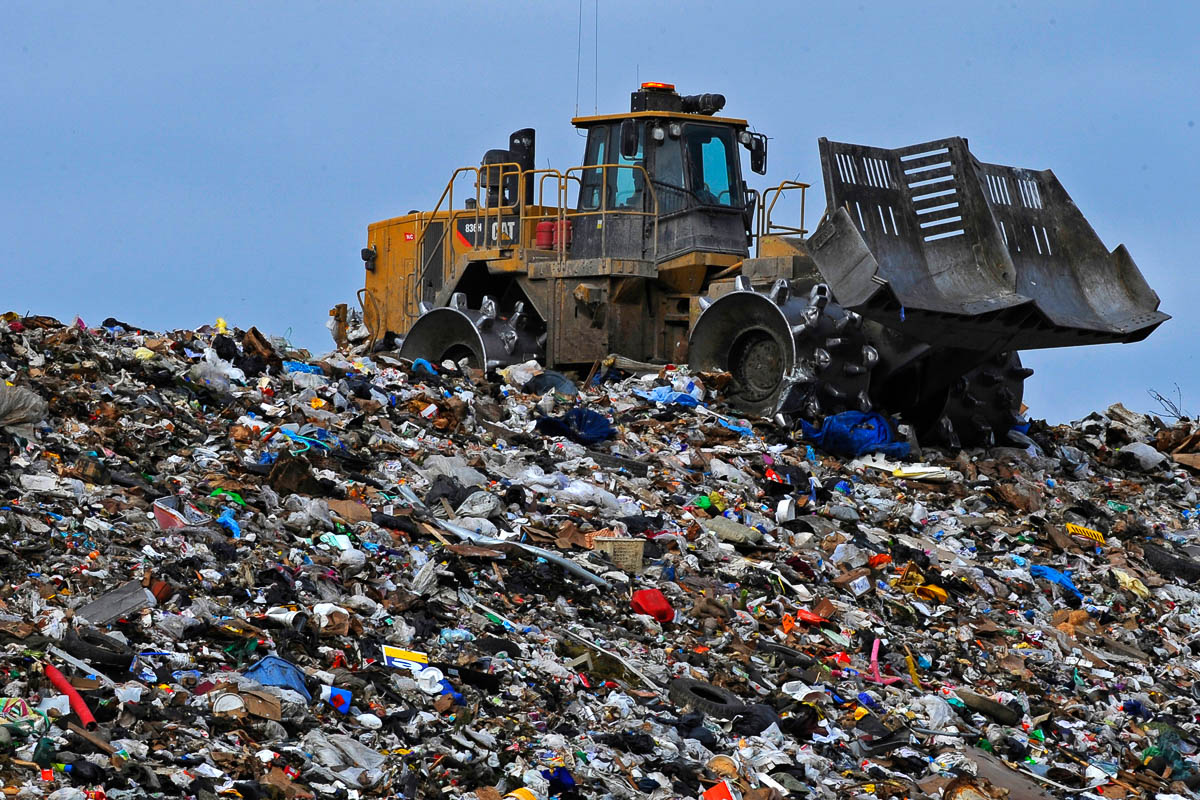
2018-10-09T19:12:55+00:00By |Categories: Процесс переработки|0 Comments

About the Author:

Leave A Comment

[fusion_builder_container hundred_percent=”no” hundred_percent_height=”no” hundred_percent_height_scroll=”no” hundred_percent_height_center_content=”yes” equal_height_columns=”no” menu_anchor=”” hide_on_mobile=”small-visibility,medium-visibility,large-visibility” class=”” id=”” background_color=”” background_image=”” background_position=”center center” background_repeat=”no-repeat” fade=”no” background_parallax=”none” enable_mobile=”no” parallax_speed=”0.3″ video_mp4=”” video_webm=”” video_ogv=”” video_url=”” video_aspect_ratio=”16:9″ video_loop=”yes” video_mute=”yes” video_preview_image=”” border_size=”” border_color=”” border_style=”solid” margin_top=”” margin_bottom=”” padding_top=”” padding_right=”” padding_bottom=”” padding_left=””][fusion_builder_row][fusion_builder_column type=”1_2″ layout=”1_2″ spacing=”” center_content=”no” link=”” target=”_self” min_height=”” hide_on_mobile=”small-visibility,medium-visibility,large-visibility” class=”” id=”” background_color=”” background_image=”” background_position=”left top” background_repeat=”no-repeat” hover_type=”none” border_size=”0″ border_color=”” border_style=”solid” border_position=”all” padding_top=”” padding_right=”” padding_bottom=”” padding_left=”” margin_top=”” margin_bottom=”” animation_type=”” animation_direction=”left” animation_speed=”0.3″ animation_offset=”” last=”no”][fusion_imageframe image_id=”2313″ max_width=”” style_type=”none” stylecolor=”” hover_type=”none” bordersize=”” bordercolor=”” borderradius=”” align=”none” lightbox=”no” gallery_id=”” lightbox_image=”” alt=”” link=”” linktarget=”_self” hide_on_mobile=”small-visibility,medium-visibility,large-visibility” class=”” id=”” animation_type=”” animation_direction=”left” animation_speed=”0.3″ animation_offset=””]https://www.earthsquad.global/wp-content/uploads/2018/05/media_dot_gov-reuse-120821-f-bp133-050.jpg[/fusion_imageframe][/fusion_builder_column][fusion_builder_column type=”1_2″ layout=”1_2″ spacing=”” center_content=”no” link=”” target=”_self” min_height=”” hide_on_mobile=”small-visibility,medium-visibility,large-visibility” class=”” id=”” background_color=”” background_image=”” background_position=”left top” background_repeat=”no-repeat” hover_type=”none” border_size=”0″ border_color=”” border_style=”solid” border_position=”all” animation_type=”” animation_direction=”left” animation_speed=”0.3″ animation_offset=”” last=”no”][fusion_text columns=”” column_min_width=”” column_spacing=”” rule_style=”default” rule_size=”” rule_color=”” class=”” id=””]

Hay cientos de cosas que tiramos en nuestros contenedores de basura. Un camión enorme de una basura local la empresa de administración aparece a diario y transporta ese desperdicio a un lugar misterioso. ¿Alguna vez se preguntó a dónde va ese montón de basura? ¿Los quemamos? ¿Cómo podemos deshacernos de los residuos? ¿Puede ser reciclado o hecho para usar?

Si tiene esas preguntas en mente, este es el lugar correcto para estar. En este relato, le diremos sobre el vertedero, sus usos, cómo difiere del reciclaje y tantas otras cosas interesantes. Entonces, sin más preámbulos, vayamos al grano …

[/fusion_text][/fusion_builder_column][/fusion_builder_row][/fusion_builder_container][fusion_builder_container hundred_percent=”no” hundred_percent_height=”no” hundred_percent_height_scroll=”no” hundred_percent_height_center_content=”yes” equal_height_columns=”no” menu_anchor=”” hide_on_mobile=”small-visibility,medium-visibility,large-visibility” class=”” id=”” background_color=”” background_image=”https://www.earthsquad.global/wp-content/uploads/2018/05/29-2-1.jpg” background_position=”center center” background_repeat=”no-repeat” fade=”no” background_parallax=”fixed” enable_mobile=”no” parallax_speed=”0.3″ video_mp4=”” video_webm=”” video_ogv=”” video_url=”” video_aspect_ratio=”16:9″ video_loop=”yes” video_mute=”yes” video_preview_image=”” border_size=”” border_color=”” border_style=”solid” margin_top=”30px” margin_bottom=”30px” padding_top=”70px” padding_right=”70px” padding_bottom=”70px” padding_left=”70px”][fusion_builder_row][fusion_builder_column type=”1_1″ layout=”1_1″ spacing=”” center_content=”no” link=”” target=”_self” min_height=”” hide_on_mobile=”small-visibility,medium-visibility,large-visibility” class=”” id=”” background_color=”rgba(232,215,213,0.88)” background_image=”” background_position=”left top” undefined=”” background_repeat=”no-repeat” hover_type=”none” border_size=”0″ border_color=”” border_style=”solid” border_position=”all” padding_top=”25px” padding_right=”25px” padding_bottom=”25px” padding_left=”25px” margin_top=”” margin_bottom=”” animation_type=”” animation_direction=”left” animation_speed=”0.3″ animation_offset=”” last=”no”][fusion_text columns=”” column_min_width=”” column_spacing=”” rule_style=”default” rule_size=”” rule_color=”” hide_on_mobile=”small-visibility,medium-visibility,large-visibility” class=”” id=””]

Vertedero definido:

Comencemos con la definición de vertedero

El diccionario de negocios define el relleno como,

“Ambientalmente aceptable eliminación de desperdicio en el suelo. Los vertederos sanitarios son donde los desechos no peligrosos se extienden en capas, se compactan y se cubren con tierra al final de cada jornada laboral. Los vertederos asegurados son aquellos en los que los residuos peligrosos se eliminan mediante enterramiento, en hoyos o zanjas en el suelo con impermeabilización plástico laminado para evitar fugas o filtraciones de sustancias peligrosas en el suelo o en el suministro de agua”

El objetivo principal de cualquier vertedero es eliminar el waste de forma tal que no contamine el agua subterránea, se mantenga seca y no contamine el aire. A diferencia de una pila de compost, la basura en los vertederos no se almacena para la descomposición.

Un vertedero también es diferente de un vertedero donde se usa un gran hoyo en el suelo para tirar basura. No está construido científicamente y es solo un gran agujero. A medida que la basura comienza a acumularse en vertederos, afecta el medio ambiente y se convierte en un escondite favorito para varios animales como ratones, ratas y pájaros.

[/fusion_text][/fusion_builder_column][/fusion_builder_row][/fusion_builder_container][fusion_builder_container hundred_percent=”no” hundred_percent_height=”no” hundred_percent_height_scroll=”no” hundred_percent_height_center_content=”yes” equal_height_columns=”no” menu_anchor=”” hide_on_mobile=”small-visibility,medium-visibility,large-visibility” class=”” id=”” background_color=”” background_image=”” background_position=”center center” background_repeat=”no-repeat” fade=”no” background_parallax=”none” enable_mobile=”no” parallax_speed=”0.3″ video_mp4=”” video_webm=”” video_ogv=”” video_url=”” video_aspect_ratio=”16:9″ video_loop=”yes” video_mute=”yes” video_preview_image=”” border_size=”” border_color=”” border_style=”solid” margin_top=”” margin_bottom=”” padding_top=”” padding_right=”” padding_bottom=”” padding_left=”” admin_toggled=”no”][fusion_builder_row][fusion_builder_column type=”1_1″ layout=”1_1″ spacing=”” center_content=”no” link=”” target=”_self” min_height=”” hide_on_mobile=”small-visibility,medium-visibility,large-visibility” class=”” id=”” background_color=”” background_image=”” background_position=”left top” background_repeat=”no-repeat” hover_type=”none” border_size=”0″ border_color=”” border_style=”solid” border_position=”all” padding_top=”” padding_right=”” padding_bottom=”” padding_left=”” margin_top=”” margin_bottom=”” animation_type=”” animation_direction=”left” animation_speed=”0.3″ animation_offset=”” last=”no”][fusion_text columns=”” column_min_width=”” column_spacing=”” rule_style=”default” rule_size=”” rule_color=”” class=”” id=””]

¿Cómo se crean los vertederos?

Los vertederos modernos se crean siguiendo los 6 pasos principales de la construcción.[/fusion_text][fusion_imageframe image_id=”2349″ max_width=”” style_type=”none” stylecolor=”” hover_type=”none” bordersize=”” bordercolor=”” borderradius=”” align=”none” lightbox=”no” gallery_id=”” lightbox_image=”” alt=”” link=”” linktarget=”_self” hide_on_mobile=”small-visibility,medium-visibility,large-visibility” class=”” id=”” animation_type=”” animation_direction=”left” animation_speed=”0.3″ animation_offset=””]https://www.earthsquad.global/wp-content/uploads/2018/05/freelancer-landfill-schematics_smaller.jpg[/fusion_imageframe][fusion_separator style_type=”none” hide_on_mobile=”small-visibility,medium-visibility,large-visibility” class=”” id=”” sep_color=”” top_margin=”20px” bottom_margin=”” border_size=”” icon=”” icon_circle=”” icon_circle_color=”” width=”” alignment=”center” /][fusion_accordion type=”” boxed_mode=”” border_size=”1″ border_color=”” background_color=”” hover_color=”” divider_line=”” title_font_size=”” icon_size=”” icon_color=”” icon_boxed_mode=”” icon_box_color=”” icon_alignment=”” toggle_hover_accent_color=”” hide_on_mobile=”small-visibility,medium-visibility,large-visibility” class=”” id=””][fusion_toggle title=”Sistema de forro inferior” open=”no”]

Sistema de revestimiento inferior: como se desprende del nombre, esta es la parte más inferior de un relleno sanitario. El propósito de construir un sistema de revestimiento inferior es separar la basura de la contaminación del agua subterránea.

[/fusion_toggle][fusion_toggle title=”Células” open=”no”]

Celdas: Este es el cuerpo principal del relleno sanitario que se utiliza para almacenar basura. En los vertederos más modernos, esta es un área de varios pisos. Puente Hills, uno de los vertederos activos más grandes de los EE. UU. Tiene celdas en cientos de acres.

[/fusion_toggle][fusion_toggle title=”Sistema de drenaje” open=”no”]

Sistema de drenaje: el agua de lluvia puede causar algunos problemas serios para un relleno sanitario si no se planifica adecuadamente. El sistema de drenaje evitará que el agua de lluvia y otros derrames entren al relleno sanitario.

[/fusion_toggle][fusion_toggle title=”Sistema de recogida de lixiviados.” open=”no”]

Sistema de recolección de lixiviados: también se filtra un poco de agua contaminada a través de los residuos. Se llama lixiviado y el sistema de recolección utilizado para separarlo de la basura se conoce como sistema de recolección de lixiviados.

[/fusion_toggle][fusion_toggle title=”Sistema de recogida de metano.” open=”no”]

Sistema de recolección de metano: este sistema es responsable de recolectar el gas metano formado durante la descomposición de los desechos.

[/fusion_toggle][fusion_toggle title=”Gorra” open=”no”]

Cap: Por último, pero no menos importante, el relleno sanitario está cerrado correctamente. Esto se conoce como tapar o cubrir.

[/fusion_toggle][/fusion_accordion][/fusion_builder_column][/fusion_builder_row][/fusion_builder_container][fusion_builder_container hundred_percent=”no” hundred_percent_height=”no” hundred_percent_height_scroll=”no” hundred_percent_height_center_content=”yes” equal_height_columns=”no” menu_anchor=”” hide_on_mobile=”small-visibility,medium-visibility,large-visibility” class=”” id=”” background_color=”” background_image=”” background_position=”center center” background_repeat=”no-repeat” fade=”no” background_parallax=”none” enable_mobile=”no” parallax_speed=”0.3″ video_mp4=”” video_webm=”” video_ogv=”” video_url=”” video_aspect_ratio=”16:9″ video_loop=”yes” video_mute=”yes” video_preview_image=”” border_size=”” border_color=”” border_style=”solid” margin_top=”” margin_bottom=”” padding_top=”” padding_right=”” padding_bottom=”” padding_left=””][fusion_builder_row][fusion_builder_column type=”1_1″ layout=”1_1″ spacing=”” center_content=”no” link=”” target=”_self” min_height=”” hide_on_mobile=”small-visibility,medium-visibility,large-visibility” class=”” id=”” background_color=”” background_image=”” background_position=”left top” background_repeat=”no-repeat” hover_type=”none” border_size=”0″ border_color=”” border_style=”solid” border_position=”all” padding_top=”” padding_right=”” padding_bottom=”” padding_left=”” margin_top=”” margin_bottom=”” animation_type=”” animation_direction=”left” animation_speed=”0.3″ animation_offset=”” last=”no”][fusion_text columns=”” column_min_width=”” column_spacing=”” rule_style=”default” rule_size=”” rule_color=”” hide_on_mobile=”small-visibility,medium-visibility,large-visibility” class=”” id=””]

Tipos de vertederos

Los vertederos son de tres tipos principales …[/fusion_text][fusion_accordion type=”” boxed_mode=”” border_size=”1″ border_color=”” background_color=”” hover_color=”” divider_line=”” title_font_size=”” icon_size=”” icon_color=”” icon_boxed_mode=”” icon_box_color=”” icon_alignment=”” toggle_hover_accent_color=”” hide_on_mobile=”small-visibility,medium-visibility,large-visibility” class=”” id=””][fusion_toggle title=”Relleno sanitario” open=”no”]

Vertedero de MSW: MSW o el relleno sanitario municipal de desechos sólidos están diseñados y monitoreados por el estado. Los MSW se utilizan para eliminar residuos de colonias residenciales, hoteles, etc. Los residuos pueden contener residuos peligrosos o no peligrosos. Los residuos de vertederos municipales siguen pautas y normas estrictas del gobierno.

[/fusion_toggle][fusion_toggle title=”C&D Vertedero” open=”no”]

Vertedero de C&D: vertedero de C&D (o vertedero de construcción y demolición) se refiere a los vertederos que tratan particularmente de los escombros creados durante la construcción / renovación o demolición de edificios y otra arquitectura.

Los residuos típicos de C&D pueden incluir asfalto, concreto, madera, vidrio, papel, materiales para techos y otros escombros. Los residuos de C&D generalmente no son peligrosos por naturaleza, pero aún se rigen por las estrictas leyes locales.

[/fusion_toggle][fusion_toggle title=”Vertederos inertes” open=”no”]

Vertederos inertes: los vertederos inertes generalmente tratan desechos de la tierra como hojas, extremidades y tocones. Otras sustancias similares a la Tierra, como el asfalto curado, rocas, ladrillos, recortes de jardín, etc. también se tiran en vertederos inertes.

[/fusion_toggle][/fusion_accordion][/fusion_builder_column][fusion_builder_column type=”1_1″ layout=”1_1″ spacing=”” center_content=”no” link=”” target=”_self” min_height=”” hide_on_mobile=”small-visibility,medium-visibility,large-visibility” class=”set_block” id=”” background_color=”” background_image=”” background_position=”left top” undefined=”” background_repeat=”no-repeat” hover_type=”none” border_size=”0″ border_color=”” border_style=”solid” border_position=”all” padding_top=”” padding_right=”” padding_bottom=”” padding_left=”” margin_top=”” margin_bottom=”” animation_type=”” animation_direction=”left” animation_speed=”0.3″ animation_offset=”” last=”no”][fusion_text columns=”” column_min_width=”” column_spacing=”” rule_style=”default” rule_size=”” rule_color=”” hide_on_mobile=”small-visibility,medium-visibility,large-visibility” class=”” id=””]

Costo de construir un vertedero

Batería de automóvil con letrero de reciclaje verde Cuando se trata de construir un vertedero, no existe un “enfoque de talla única para todos”. El tamaño del vertedero, los contratistas involucrados, el precio de las materias primas, el período de tiempo en el que se espera que el vertedero se complete, etc., pueden jugar un papel importante en el costo final.

Para tener esto en cuenta, y dar a nuestros lectores una idea de las cifras involucradas, hemos considerado el costo de dos vertederos, uno en Europa y el otro en Asia.

El vertedero de Xinfeng en China es uno de los más grandes del mundo world . Comenzó a operar en 2003 y tiene una vida útil de 20 años. Se gastaron asombrosamente $ 100 millones para construir este sitio de 227 acres.

Otro vertedero en Europa se construyó a un costo de 24 millones de euros.

Consulte esta publicación para saber más sobre algunos de los vertederos más grandes y waste en mundo .

[/fusion_text][/fusion_builder_column][fusion_builder_column type=”1_1″ layout=”1_1″ spacing=”” center_content=”no” link=”” target=”_self” min_height=”” hide_on_mobile=”small-visibility,medium-visibility,large-visibility” class=”set_block” id=”” background_color=”” background_image=”” background_position=”left top” undefined=”” background_repeat=”no-repeat” hover_type=”none” border_size=”0″ border_color=”” border_style=”solid” border_position=”all” padding_top=”” padding_right=”” padding_bottom=”” padding_left=”” margin_top=”” margin_bottom=”” animation_type=”” animation_direction=”left” animation_speed=”0.3″ animation_offset=”” last=”no”][fusion_text columns=”” column_min_width=”” column_spacing=”” rule_style=”default” rule_size=”” rule_color=”” class=”” id=””]

¿Qué sucede cuando el vertedero está lleno?

Batería de automóvil con signo de reciclaje verde Los vertederos son geniales pero no infinitos. Están diseñados para contener cierta cantidad de basura (generalmente millones de toneladas de basura) y luego dejan de funcionar. Aquí es donde entran las autoridades para jugar. Para lidiar con un relleno sanitario ya lleno, tienen algunas opciones disponibles.

De hecho, es posible prolongar la vida de un vertedero existente. Esto, por supuesto, requiere planificación, algún presupuesto adicional e ingeniería adecuada. Al rediseñar la pendiente de un vertedero, en realidad se puede hacer más grande. Esto agrega más años a su vida útil y la capacidad de absorber más basura. Los vertederos generalmente se construyen lejos de las áreas residenciales. Esto permite a los propietarios o autoridades crear otro vertedero adyacente al existente.

Otra opción (pero menos famosa) es la incineración. Es un proceso de quemar la basura para deshacerse de ella. También tiene muchos efectos nocivos en el medio ambiente.

Este es bastante ciencia ficción. Se llama tecnología de plasma, que es comparativamente una nueva tendencia en la ciudad. A través de la tecnología de plasma, la waste se calienta a una temperatura extremadamente alta. Dejando detrás un gas, que puede usarse para la generación de energía y una sustancia parecida a la lava, que cuando se enfría puede usarse como material de construcción. Suena fácil, ¿no? El único inconveniente de la tecnología de plasma (y una gran) es que es extremadamente costoso.

Una vez que un vertedero ha cumplido su vida útil, el terreno en el que se encuentra también se puede utilizar para otros fines. Esto, sin embargo, es un proceso lento. La basura en un vertedero que ha sido bien compactado puede demorar hasta 25 años en instalarse. Sin embargo, el 90% de la basura se establecerá en 5 años. Una vez que la basura se asienta, la tierra puede ser utilizada para otros fines.

[/fusion_text][/fusion_builder_column][/fusion_builder_row][/fusion_builder_container][fusion_builder_container hundred_percent=”no” hundred_percent_height=”no” hundred_percent_height_scroll=”no” hundred_percent_height_center_content=”yes” equal_height_columns=”no” menu_anchor=”” hide_on_mobile=”small-visibility,medium-visibility,large-visibility” class=”” id=”” background_color=”” background_image=”” background_position=”center center” background_repeat=”no-repeat” fade=”no” background_parallax=”none” enable_mobile=”no” parallax_speed=”0.3″ video_mp4=”” video_webm=”” video_ogv=”” video_url=”” video_aspect_ratio=”16:9″ video_loop=”yes” video_mute=”yes” video_preview_image=”” border_size=”” border_color=”” border_style=”solid” margin_top=”” margin_bottom=”” padding_top=”” padding_right=”” padding_bottom=”” padding_left=””][fusion_builder_row][fusion_builder_column type=”1_1″ layout=”1_1″ spacing=”” center_content=”no” link=”” target=”_self” min_height=”” hide_on_mobile=”small-visibility,medium-visibility,large-visibility” class=”” id=”” background_color=”” background_image=”” background_position=”left top” background_repeat=”no-repeat” hover_type=”none” border_size=”0″ border_color=”” border_style=”solid” border_position=”all” padding_top=”” padding_right=”” padding_bottom=”” padding_left=”” margin_top=”” margin_bottom=”” animation_type=”” animation_direction=”left” animation_speed=”0.3″ animation_offset=”” last=”no”][fusion_text columns=”” column_min_width=”” column_spacing=”” rule_style=”default” rule_size=”” rule_color=”” class=”” id=””]

¿Reciclaje o vertedero?

¿Tienes que elegir uno? Tememos que no podamos. La cantidad de basura que los humanos están produciendo es enorme. Según un estudio, en 2013 los estadounidenses produjeron alrededor de 254 millones de toneladas de basura. Un estadounidense promedio produce alrededor de 4.4 libras de basura por día. Estos números son enormes y necesitamos una combinación de gestión de desechos técnicas aquí – ¡piense en los Vengadores!

Ni el reciclaje, ni el vertedero pueden ser nuestros salvadores solos. Esta es la razón por la cual hemos decidido verlos de manera diferente y lo que pueden hacer en lugar de crear una comparación.

[/fusion_text][fusion_checklist icon=”fa-google-drive fab” iconcolor=”” circle=”” circlecolor=”” size=”” divider=”” divider_color=”” hide_on_mobile=”small-visibility,medium-visibility,large-visibility” class=”” id=””][fusion_li_item icon=””]

Reciclaje:

Car battery with green recycle sign.El reciclaje es una de las formas más comunes cuando se trata de la gestión de basura. Lo mejor de nuestra capacidad para el reciclaje de residuos es el hecho de que ha crecido mejor con más basura que estamos produciendo. Solíamos reciclar solo el 10% de los residuos sólidos en 1980. Esta cifra ha aumentado hasta el 34% (según las estimaciones de 2009). El compostaje, que es la forma propia de la naturaleza de reciclar la basura, también contribuye a mantener los vertederos en un pequeño descanso. En 2009, el compostaje mantuvo a raya a 21 millones de toneladas de basura.

Hay algo mas. El reciclaje y el compostaje impidieron que 178 millones de toneladas métricas de dióxido de carbono ingresaran a la atmósfera. Esto es equivalente a sacar 33 millones de autos de la carretera en un año.

El reciclaje también genera ingresos, agrega más empleos en el sistema, conserva la energía y los recursos gastados en la fabricación y reduce las emisiones nocivas.

Felicitaciones al reciclaje y al compostaje!

[/fusion_li_item][fusion_li_item icon=””]

Vertedero:

Car battery with green recycle sign.A medida que el reciclaje se vuelve más eficiente, disminuye la carga de los vertederos. Desde 1980 hasta 2009, vimos una disminución del 34% en los residuos que se tiran en los vertederos. ¿Ves lo útil que es tanto para el reciclaje como para los vertederos para trabajar en el tendón?

Todos los rellenos sanitarios están estrictamente regulados, no pueden colocarse cerca de humedales, llanuras de alimentos o áreas residenciales. Un vertedero bien construido está cuidadosamente diseñado teniendo en cuenta que la contaminación es importante. Tiene muchas capas (discutidas anteriormente), cada una responsable de una cosa diferente. Aparte de eso, los científicos toman regularmente muestras de agua de las áreas vecinas para verificar la contaminación. Cualquier anormalidad en los resultados de la prueba puede apuntar hacia una fuga en el relleno más cercano.

Un vertedero también se revisa regularmente para detectar la contaminación atmosférica. La basura atrapada en su interior produce gas metano, que es 20 veces más dañino que el dióxido de carbono. Sin embargo, cualquier relleno sanitario moderno lo utilizará para producir fábricas de energía y energía, vehículos y hogares.

[/fusion_li_item][/fusion_checklist][/fusion_builder_column][/fusion_builder_row][/fusion_builder_container][fusion_builder_container hundred_percent=”no” hundred_percent_height=”no” hundred_percent_height_scroll=”no” hundred_percent_height_center_content=”yes” equal_height_columns=”no” menu_anchor=”” hide_on_mobile=”small-visibility,medium-visibility,large-visibility” class=”” id=”” background_color=”” background_image=”” background_position=”center center” background_repeat=”no-repeat” fade=”no” background_parallax=”none” enable_mobile=”no” parallax_speed=”0.3″ video_mp4=”” video_webm=”” video_ogv=”” video_url=”” video_aspect_ratio=”16:9″ video_loop=”yes” video_mute=”yes” video_preview_image=”” border_size=”” border_color=”” border_style=”solid” margin_top=”” margin_bottom=”” padding_top=”” padding_right=”” padding_bottom=”” padding_left=””][fusion_builder_row][fusion_builder_column type=”1_1″ layout=”1_1″ spacing=”” center_content=”no” link=”” target=”_self” min_height=”” hide_on_mobile=”small-visibility,medium-visibility,large-visibility” class=”” id=”” background_color=”” background_image=”” background_position=”left top” background_repeat=”no-repeat” hover_type=”none” border_size=”0″ border_color=”” border_style=”solid” border_position=”all” padding_top=”” padding_right=”” padding_bottom=”” padding_left=”” margin_top=”” margin_bottom=”” animation_type=”” animation_direction=”left” animation_speed=”0.3″ animation_offset=”” last=”no”][fusion_separator style_type=”single solid” hide_on_mobile=”small-visibility,medium-visibility,large-visibility” class=”” id=”” sep_color=”rgba(193,25,120,0.73)” top_margin=”5%” bottom_margin=”5%” border_size=”” icon=”” icon_circle=”” icon_circle_color=”” width=”25%” alignment=”center” /][/fusion_builder_column][fusion_builder_column type=”1_1″ layout=”1_1″ spacing=”” center_content=”no” link=”” target=”_self” min_height=”” hide_on_mobile=”small-visibility,medium-visibility,large-visibility” class=”” id=”” background_color=”” background_image=”” background_position=”left top” background_repeat=”no-repeat” hover_type=”none” border_size=”0″ border_color=”” border_style=”solid” border_position=”all” padding_top=”” padding_right=”” padding_bottom=”” padding_left=”” margin_top=”” margin_bottom=”” animation_type=”” animation_direction=”left” animation_speed=”0.3″ animation_offset=”” last=”no”][fusion_text columns=”” column_min_width=”” column_spacing=”” rule_style=”default” rule_size=”” rule_color=”” class=”” id=””]

Navegar en…

[/fusion_text][/fusion_builder_column][fusion_builder_column type=”1_1″ layout=”1_1″ spacing=”” center_content=”no” link=”” target=”_self” min_height=”” hide_on_mobile=”small-visibility,medium-visibility,large-visibility” class=”” id=”” background_color=”” background_image=”” background_position=”left top” background_repeat=”no-repeat” hover_type=”none” border_size=”0″ border_color=”” border_style=”solid” border_position=”all” padding_top=”” padding_right=”” padding_bottom=”” padding_left=”” margin_top=”” margin_bottom=”” animation_type=”” animation_direction=”left” animation_speed=”0.3″ animation_offset=”” last=”no”][fusion_blog layout=”medium alternate” blog_grid_columns=”” blog_grid_column_spacing=”” blog_masonry_grid_ratio=”” blog_masonry_width_double=”” equal_heights=”no” number_posts=”6″ offset=”0″ pull_by=”category” cat_slug=”” exclude_cats=”” tag_slug=”” exclude_tags=”” orderby=”date” order=”DESC” thumbnail=”yes” title=”yes” title_link=”yes” excerpt=”” excerpt_length=”10″ strip_html=”yes” meta_all=”yes” meta_author=”yes” meta_categories=”yes” meta_comments=”no” meta_date=”no” meta_link=”yes” meta_tags=”no” scrolling=”pagination” grid_box_color=”” grid_element_color=”” grid_separator_style_type=”” grid_separator_color=”” padding_top=”” padding_right=”” padding_bottom=”” padding_left=”” hide_on_mobile=”small-visibility,medium-visibility,large-visibility” class=”” id=”” /][/fusion_builder_column][/fusion_builder_row][/fusion_builder_container]
2018-10-06T20:28:39+00:00By |Categories: Reciclaje Proceso|0 Comments

About the Author:

Leave A Comment

[fusion_builder_container hundred_percent=”no” hundred_percent_height=”no” hundred_percent_height_scroll=”no” hundred_percent_height_center_content=”yes” equal_height_columns=”no” menu_anchor=”” hide_on_mobile=”small-visibility,medium-visibility,large-visibility” class=”” id=”” background_color=”” background_image=”” background_position=”center center” background_repeat=”no-repeat” fade=”no” background_parallax=”none” enable_mobile=”no” parallax_speed=”0.3″ video_mp4=”” video_webm=”” video_ogv=”” video_url=”” video_aspect_ratio=”16:9″ video_loop=”yes” video_mute=”yes” video_preview_image=”” border_size=”” border_color=”” border_style=”solid” margin_top=”” margin_bottom=”” padding_top=”” padding_right=”” padding_bottom=”” padding_left=””][fusion_builder_row][fusion_builder_column type=”1_2″ layout=”1_2″ spacing=”” center_content=”no” link=”” target=”_self” min_height=”” hide_on_mobile=”small-visibility,medium-visibility,large-visibility” class=”” id=”” background_color=”” background_image=”” background_position=”left top” background_repeat=”no-repeat” hover_type=”none” border_size=”0″ border_color=”” border_style=”solid” border_position=”all” padding_top=”” padding_right=”” padding_bottom=”” padding_left=”” dimension_margin=”” animation_type=”” animation_direction=”left” animation_speed=”0.3″ animation_offset=”” last=”no”][fusion_imageframe image_id=”2313″ max_width=”” style_type=”none” stylecolor=”” hover_type=”none” bordersize=”” bordercolor=”” borderradius=”” align=”none” lightbox=”no” gallery_id=”” lightbox_image=”” alt=”” link=”” linktarget=”_self” hide_on_mobile=”small-visibility,medium-visibility,large-visibility” class=”” id=”” animation_type=”” animation_direction=”left” animation_speed=”0.3″ animation_offset=””]https://www.earthsquad.global/wp-content/uploads/2018/05/media_dot_gov-reuse-120821-f-bp133-050.jpg[/fusion_imageframe][/fusion_builder_column][fusion_builder_column type=”1_2″ layout=”1_2″ spacing=”” center_content=”no” link=”” target=”_self” min_height=”” hide_on_mobile=”small-visibility,medium-visibility,large-visibility” class=”” id=”” background_color=”” background_image=”” background_position=”left top” background_repeat=”no-repeat” hover_type=”none” border_size=”0″ border_color=”” border_style=”solid” border_position=”all” animation_type=”” animation_direction=”left” animation_speed=”0.3″ animation_offset=”” last=”no”][fusion_text columns=”” column_min_width=”” column_spacing=”” rule_style=”default” rule_size=”” rule_color=”” class=”” id=””]There are hundreds of things that we throw out in our waste bins. A huge truck from a local waste management company shows up daily and transports that waste to someplace mysterious. Ever wonder where does that pile of waste go to? Do we burn them? How do we actually dispose of the waste? Can it be recycled or made to use?

If you have such questions in mind, this is the right place to be at. In this write-up, we will tell you about the landfill, its uses, how it differs from recycling and so many other cool things. So, without any further ado, let’s get down to business…[/fusion_text][/fusion_builder_column][/fusion_builder_row][/fusion_builder_container][fusion_builder_container hundred_percent=”no” hundred_percent_height=”no” hundred_percent_height_scroll=”no” hundred_percent_height_center_content=”yes” equal_height_columns=”no” menu_anchor=”” hide_on_mobile=”small-visibility,medium-visibility,large-visibility” class=”” id=”” background_color=”” background_image=”https://www.earthsquad.global/wp-content/uploads/2018/05/29-2-1.jpg” background_position=”center center” background_repeat=”no-repeat” fade=”no” background_parallax=”fixed” enable_mobile=”no” parallax_speed=”0.3″ video_mp4=”” video_webm=”” video_ogv=”” video_url=”” video_aspect_ratio=”16:9″ video_loop=”yes” video_mute=”yes” video_preview_image=”” border_size=”” border_color=”” border_style=”solid” margin_top=”30px” margin_bottom=”30px” padding_top=”70px” padding_right=”70px” padding_bottom=”70px” padding_left=”70px”][fusion_builder_row][fusion_builder_column type=”1_1″ layout=”1_1″ spacing=”” center_content=”no” link=”” target=”_self” min_height=”” hide_on_mobile=”small-visibility,medium-visibility,large-visibility” class=”” id=”” background_color=”rgba(232,215,213,0.88)” background_image=”” background_position=”left top” undefined=”” background_repeat=”no-repeat” hover_type=”none” border_size=”0″ border_color=”” border_style=”solid” border_position=”all” padding_top=”25px” padding_right=”25px” padding_bottom=”25px” padding_left=”25px” margin_top=”” margin_bottom=”” animation_type=”” animation_direction=”left” animation_speed=”0.3″ animation_offset=”” last=”no”][fusion_text columns=”” column_min_width=”” column_spacing=”” rule_style=”default” rule_size=”” rule_color=”” class=”” id=””]

Landfill Defined:

Let’s start with the definition of landfill

Business dictionary defines landfill as,

“Environmentally acceptable disposal of waste on the ground. Sanitary landfills are where non-hazardous waste is spread in layers, compacted and covered with Earth at the end of each working day. Secured landfills are those where hazardous waste is disposed by burial, in holes or trenches in the ground lined with impervious plastic sheeting to prevent leakage or leaching of dangerous substances in soil or water supply”

The main purpose of any landfill is to dispose of the waste in such a way that it doesn’t contaminate the underground water, is kept dry and doesn’t pollute the air. Unlike a compost pile, trash in landfills is not stored for decomposition.

A landfill is also different from a dump where a huge hole in the ground is used to dump trash. It is not built scientifically and it is just one big hole. As the trash begins to pile up in dumps, it affects the environment and becomes a favorite hideout for various animals like mice, rats, and birds.[/fusion_text][/fusion_builder_column][/fusion_builder_row][/fusion_builder_container][fusion_builder_container hundred_percent=”no” hundred_percent_height=”no” hundred_percent_height_scroll=”no” hundred_percent_height_center_content=”yes” equal_height_columns=”no” menu_anchor=”” hide_on_mobile=”small-visibility,medium-visibility,large-visibility” class=”” id=”” background_color=”” background_image=”” background_position=”center center” background_repeat=”no-repeat” fade=”no” background_parallax=”none” enable_mobile=”no” parallax_speed=”0.3″ video_mp4=”” video_webm=”” video_ogv=”” video_url=”” video_aspect_ratio=”16:9″ video_loop=”yes” video_mute=”yes” video_preview_image=”” border_size=”” border_color=”” border_style=”solid” margin_top=”” margin_bottom=”” padding_top=”” padding_right=”” padding_bottom=”” padding_left=”” admin_toggled=”no”][fusion_builder_row][fusion_builder_column type=”1_1″ layout=”1_1″ spacing=”” center_content=”no” link=”” target=”_self” min_height=”” hide_on_mobile=”small-visibility,medium-visibility,large-visibility” class=”” id=”” background_color=”” background_image=”” background_position=”left top” background_repeat=”no-repeat” hover_type=”none” border_size=”0″ border_color=”” border_style=”solid” border_position=”all” padding_top=”” padding_right=”” padding_bottom=”” padding_left=”” dimension_margin=”” animation_type=”” animation_direction=”left” animation_speed=”0.3″ animation_offset=”” last=”no”][fusion_text columns=”” column_min_width=”” column_spacing=”” rule_style=”default” rule_size=”” rule_color=”” class=”” id=””]

How Are Landfills Created?

Modern landfills are created following the 6 mains steps of construction.[/fusion_text][fusion_imageframe image_id=”2349″ max_width=”” style_type=”none” stylecolor=”” hover_type=”none” bordersize=”” bordercolor=”” borderradius=”” align=”none” lightbox=”no” gallery_id=”” lightbox_image=”” alt=”” link=”” linktarget=”_self” hide_on_mobile=”small-visibility,medium-visibility,large-visibility” class=”” id=”” animation_type=”” animation_direction=”left” animation_speed=”0.3″ animation_offset=””]https://www.earthsquad.global/wp-content/uploads/2018/05/freelancer-landfill-schematics_smaller.jpg[/fusion_imageframe][fusion_separator style_type=”none” hide_on_mobile=”small-visibility,medium-visibility,large-visibility” class=”” id=”” sep_color=”” top_margin=”20px” bottom_margin=”” border_size=”” icon=”” icon_circle=”” icon_circle_color=”” width=”” alignment=”center” /][fusion_accordion type=”” boxed_mode=”” border_size=”1″ border_color=”” background_color=”” hover_color=”” divider_line=”” icon_size=”” icon_color=”” icon_boxed_mode=”” icon_alignment=”” hide_on_mobile=”small-visibility,medium-visibility,large-visibility” class=”” id=””][fusion_toggle title=”Bottom liner system” open=”no”]Bottom liner system: As evident from the name, this is the bottom-most part of a landfill. The purpose of building bottom liner system is to separate trash from contaminating the underground water.[/fusion_toggle][fusion_toggle title=”Cells” open=”no”]Cells: This is the main body of the landfill which used to store trash. In most modern landfills this is a multi-story area. Puente Hills, one of the largest active landfills in the USA has cells on hundreds of acres.[/fusion_toggle][fusion_toggle title=”Drainage system” open=”no”]Drainage system: Rainwater can cause some serious problems for a landfill if not properly planned for. The drainage system will prevent the rainwater and other spills from entering the landfill.[/fusion_toggle][fusion_toggle title=”Leachate collection system” open=”no”]Leachate collection system: Some contaminated water is also leaked through the waste itself. It is called leachate and the collection system used to separate it from the trash is referred to as leachate collection system.[/fusion_toggle][fusion_toggle title=”Methane collection system” open=”no”]Methane collection system: This system is responsible for collecting the methane gas formed during the breakdown of waste.[/fusion_toggle][fusion_toggle title=”Cap” open=”no”]Cap: Last but not the least, the landfill is closed properly. This is known as capping or covering.[/fusion_toggle][/fusion_accordion][/fusion_builder_column][/fusion_builder_row][/fusion_builder_container][fusion_builder_container hundred_percent=”no” hundred_percent_height=”no” hundred_percent_height_scroll=”no” hundred_percent_height_center_content=”yes” equal_height_columns=”no” menu_anchor=”” hide_on_mobile=”small-visibility,medium-visibility,large-visibility” class=”” id=”” background_color=”” background_image=”” background_position=”center center” background_repeat=”no-repeat” fade=”no” background_parallax=”none” enable_mobile=”no” parallax_speed=”0.3″ video_mp4=”” video_webm=”” video_ogv=”” video_url=”” video_aspect_ratio=”16:9″ video_loop=”yes” video_mute=”yes” video_preview_image=”” border_size=”” border_color=”” border_style=”solid” margin_top=”” margin_bottom=”” padding_top=”” padding_right=”” padding_bottom=”” padding_left=””][fusion_builder_row][fusion_builder_column type=”1_1″ layout=”1_1″ spacing=”” center_content=”no” link=”” target=”_self” min_height=”” hide_on_mobile=”small-visibility,medium-visibility,large-visibility” class=”” id=”” background_color=”” background_image=”” background_position=”left top” background_repeat=”no-repeat” hover_type=”none” border_size=”0″ border_color=”” border_style=”solid” border_position=”all” padding_top=”” padding_right=”” padding_bottom=”” padding_left=”” dimension_margin=”” animation_type=”” animation_direction=”left” animation_speed=”0.3″ animation_offset=”” last=”no”][fusion_text columns=”” column_min_width=”” column_spacing=”” rule_style=”default” rule_size=”” rule_color=”” class=”” id=””]

Types of landfills

Landfills are of three main types…[/fusion_text][fusion_accordion type=”” boxed_mode=”” border_size=”1″ border_color=”” background_color=”” hover_color=”” divider_line=”” icon_size=”” icon_color=”” icon_boxed_mode=”” icon_alignment=”” hide_on_mobile=”small-visibility,medium-visibility,large-visibility” class=”” id=””][fusion_toggle title=”MSW Landfill” open=”no”]

MSW Landfill: MSW or Municipal Solid Waste Landfill are engineered and monitored by the state. MSW is used to dispose of waste from residential colonies, hotels, etc. The waste may contain both hazardous or non-hazardous waste. Municipal landfill waste follows strict guidelines and rules from the government.

[/fusion_toggle][fusion_toggle title=”C&D Landfill” open=”no”]C&D Landfill: C&D landfill (or construction and demolition landfill) refers to landfills that deal particularly with debris created during construction/renovation or demolition of buildings and other architecture.

Typical debris from C&D may include asphalt, concrete, wood, glass, paper, roofing materials and other rubble. Waste from C&D are usually non-hazardous in nature but still governed by strict local laws.[/fusion_toggle][fusion_toggle title=”Inert Landfills” open=”no”]Inert Landfills: Inert landfills usually deal with waste from the earth like leaves, limbs, and stumps. Other Earth-like substances like cured asphalt, rocks, bricks, yard trimmings, etc are also dumped in inert landfills.[/fusion_toggle][/fusion_accordion][/fusion_builder_column][fusion_builder_column type=”1_1″ layout=”1_1″ spacing=”” center_content=”no” link=”” target=”_self” min_height=”” hide_on_mobile=”small-visibility,medium-visibility,large-visibility” class=”set_block” id=”” background_color=”” background_image=”” background_position=”left top” undefined=”” background_repeat=”no-repeat” hover_type=”none” border_size=”0″ border_color=”” border_style=”solid” border_position=”all” padding_top=”” padding_right=”” padding_bottom=”” padding_left=”” margin_top=”” margin_bottom=”” animation_type=”” animation_direction=”left” animation_speed=”0.3″ animation_offset=”” last=”no”][fusion_text columns=”” column_min_width=”” column_spacing=”” rule_style=”default” rule_size=”” rule_color=”” class=”” id=””]

Cost of building a landfill

Car battery with green recycle sign.When it comes to building a landfill, there is no “one size, fits all approach”. The size of the landfill, the contractors involved, the price of raw materials, the time frame in which the landfill is expected to be completed, etc can play a major role in the final cost.

To keep this in mind, and give our readers some idea of the figures involved, we have considered the cost of two landfills – one in Europe and the other in Asia.

Xinfeng landfill in China is one of the biggest in the world. It began operation in 2003 and has a useful life of 20 years. Staggering $100 million were spent to build this 227 acres site.

Another landfill in Europe was built at a cost of 24 million Euros.

Check out this post to know more about some of the biggest landfills and waste sites in the world.[/fusion_text][/fusion_builder_column][fusion_builder_column type=”1_1″ layout=”1_1″ spacing=”” center_content=”no” link=”” target=”_self” min_height=”” hide_on_mobile=”small-visibility,medium-visibility,large-visibility” class=”set_block” id=”” background_color=”” background_image=”” background_position=”left top” undefined=”” background_repeat=”no-repeat” hover_type=”none” border_size=”0″ border_color=”” border_style=”solid” border_position=”all” padding_top=”” padding_right=”” padding_bottom=”” padding_left=”” margin_top=”” margin_bottom=”” animation_type=”” animation_direction=”left” animation_speed=”0.3″ animation_offset=”” last=”no”][fusion_text columns=”” column_min_width=”” column_spacing=”” rule_style=”default” rule_size=”” rule_color=”” class=”” id=””]

What happens when the landfill is full?

Car battery with green recycle sign.Landfills are great but they are not infinite. They are built to hold a certain amount of trash (usually millions of tons of trash) and after that they become un-operational. This is where the authorities come in to play. To deal with an already filled landfill they have a few options available.

It is, in fact, possible to extend the life of an existing landfill. This, of course, requires planning, some extra budget, and proper engineering. By redesigning the slope of a landfill, it can actually be made bigger. This adds more years to its useful life and the ability to engulf more trash. Landfills are usually built away from the residential areas. This allows the owners or authorities to create another landfill adjacent to the existing one.

Another (but least famous) option is incineration. It is a process of burning the trash to get rid of it. It also has many harmful effects on the environment.

This one is pretty sci-fi. It is called plasma technology, which is comparatively a new trend in town. Through plasma tech, the waste is heated to an extremely high temperature. Leaving behind a gas, which can be used for power generation and a lava-like substance, which when cools down can be used as a building material. Sounds easy, no? The only downside to plasma tech (and a big one) is that it is extremely costly.

Once a landfill has served its useful life, the land it is situated on can also be used for other purposes. This, however, is a slow process. Trash in a landfill that has been nicely compacted can take up to 25 years to settle. However, 90% of the trash will settle within 5 years. Once the trash gets settled, the land can be used for other purposes.[/fusion_text][/fusion_builder_column][/fusion_builder_row][/fusion_builder_container][fusion_builder_container hundred_percent=”no” hundred_percent_height=”no” hundred_percent_height_scroll=”no” hundred_percent_height_center_content=”yes” equal_height_columns=”no” menu_anchor=”” hide_on_mobile=”small-visibility,medium-visibility,large-visibility” class=”” id=”” background_color=”” background_image=”” background_position=”center center” background_repeat=”no-repeat” fade=”no” background_parallax=”none” enable_mobile=”no” parallax_speed=”0.3″ video_mp4=”” video_webm=”” video_ogv=”” video_url=”” video_aspect_ratio=”16:9″ video_loop=”yes” video_mute=”yes” video_preview_image=”” border_size=”” border_color=”” border_style=”solid” margin_top=”” margin_bottom=”” padding_top=”” padding_right=”” padding_bottom=”” padding_left=””][fusion_builder_row][fusion_builder_column type=”1_1″ layout=”1_1″ spacing=”” center_content=”no” link=”” target=”_self” min_height=”” hide_on_mobile=”small-visibility,medium-visibility,large-visibility” class=”” id=”” background_color=”” background_image=”” background_position=”left top” background_repeat=”no-repeat” hover_type=”none” border_size=”0″ border_color=”” border_style=”solid” border_position=”all” padding_top=”” padding_right=”” padding_bottom=”” padding_left=”” dimension_margin=”” animation_type=”” animation_direction=”left” animation_speed=”0.3″ animation_offset=”” last=”no”][fusion_text columns=”” column_min_width=”” column_spacing=”” rule_style=”default” rule_size=”” rule_color=”” class=”” id=””]

Recycling or landfill?

Have to choose one? We’re afraid we can’t. The amount of trash that humans are producing is huge. According to a study, in 2013 Americans produced around 254 million tons of trash. An average American produces about 4.4 pounds of trash per day. These numbers are huge and we need a combination of waste management techniques here – think of the Avengers!

Neither recycling, not landfill can be our savior alone. This is the reason why we have decided to look at them differently and what they can do rather than creating a comparison.[/fusion_text][fusion_checklist icon=”fa-google-drive fab” iconcolor=”” circle=”” circlecolor=”” size=”” divider=”” divider_color=”” hide_on_mobile=”small-visibility,medium-visibility,large-visibility” class=”” id=””][fusion_li_item icon=””]

Recycling:

Car battery with green recycle sign.Recycling is one of the most common ways when it comes to trash management. The best thing about our ability to recycle waste is the fact that it has grown better with more trash we are producing. We used to recycle only 10% of solid waste back in 1980. This figure has gone up to 34% (according to 2009 estimate). Composting, which is nature’s own way to recycle trash also contributes to keeping landfills at a little rest. In 2009, composting kept 21 million tons of trash at bay.

There is more to it. Recycling and composting prevented 178 million metric tons of carbon dioxide from entering the atmosphere. This is equivalent to taking off 33 million cars off the road in one year.

Recycling also generates revenue, add more jobs in the system, conserve energy and resources spent on manufacturing and reduces harmful emissions.

Hats off to recycling and composting![/fusion_li_item][fusion_li_item icon=””]

Landfill:

Car battery with green recycle sign.As recycling becomes more efficient, it lowers the burden on landfills. From 1980 to 2009, we saw a decline of 34% in the waste being dumped in landfills. You see how useful it is for both recycling and landfills to work in tendon?

All landfills are strictly regulated – they can’t be placed near wetlands, food plains or any residential areas. A well-built landfill is carefully designed keeping in view the contamination is mind. It has many layers (discussed above), each responsible for a different thing. Other than that, scientists regularly take samples of water from the neighboring areas to check for contamination. Any abnormality in the test results may point towards a leak in the nearest landfill.

A landfill is also regularly checked for atmospheric contamination. The trash trapped inside it produces methane gas, which is 20 times more harmful than carbon dioxide. Any modern landfill will, however, utilize it to produce energy and power factories, vehicles and homes.[/fusion_li_item][/fusion_checklist][/fusion_builder_column][/fusion_builder_row][/fusion_builder_container][fusion_builder_container hundred_percent=”no” hundred_percent_height=”no” hundred_percent_height_scroll=”no” hundred_percent_height_center_content=”yes” equal_height_columns=”no” menu_anchor=”” hide_on_mobile=”small-visibility,medium-visibility,large-visibility” class=”” id=”” background_color=”” background_image=”” background_position=”center center” background_repeat=”no-repeat” fade=”no” background_parallax=”none” enable_mobile=”no” parallax_speed=”0.3″ video_mp4=”” video_webm=”” video_ogv=”” video_url=”” video_aspect_ratio=”16:9″ video_loop=”yes” video_mute=”yes” video_preview_image=”” border_size=”” border_color=”” border_style=”solid” margin_top=”” margin_bottom=”” padding_top=”” padding_right=”” padding_bottom=”” padding_left=””][fusion_builder_row][fusion_builder_column type=”1_1″ layout=”1_1″ spacing=”” center_content=”no” link=”” target=”_self” min_height=”” hide_on_mobile=”small-visibility,medium-visibility,large-visibility” class=”” id=”” background_color=”” background_image=”” background_position=”left top” background_repeat=”no-repeat” hover_type=”none” border_size=”0″ border_color=”” border_style=”solid” border_position=”all” padding_top=”” padding_right=”” padding_bottom=”” padding_left=”” dimension_margin=”” animation_type=”” animation_direction=”left” animation_speed=”0.3″ animation_offset=”” last=”no”][fusion_separator style_type=”single solid” hide_on_mobile=”small-visibility,medium-visibility,large-visibility” class=”” id=”” sep_color=”rgba(193,25,120,0.73)” top_margin=”5%” bottom_margin=”5%” border_size=”” icon=”” icon_circle=”” icon_circle_color=”” width=”25%” alignment=”center” /][/fusion_builder_column][fusion_builder_column type=”1_1″ layout=”1_1″ spacing=”” center_content=”no” link=”” target=”_self” min_height=”” hide_on_mobile=”small-visibility,medium-visibility,large-visibility” class=”” id=”” background_color=”” background_image=”” background_position=”left top” background_repeat=”no-repeat” hover_type=”none” border_size=”0″ border_color=”” border_style=”solid” border_position=”all” padding_top=”” padding_right=”” padding_bottom=”” padding_left=”” dimension_margin=”” animation_type=”” animation_direction=”left” animation_speed=”0.3″ animation_offset=”” last=”no”][fusion_text columns=”” column_min_width=”” column_spacing=”” rule_style=”default” rule_size=”” rule_color=”” class=”” id=””]

Surf on…

[/fusion_text][/fusion_builder_column][fusion_builder_column type=”1_1″ layout=”1_1″ spacing=”” center_content=”no” link=”” target=”_self” min_height=”” hide_on_mobile=”small-visibility,medium-visibility,large-visibility” class=”” id=”” background_color=”” background_image=”” background_position=”left top” background_repeat=”no-repeat” hover_type=”none” border_size=”0″ border_color=”” border_style=”solid” border_position=”all” padding_top=”” padding_right=”” padding_bottom=”” padding_left=”” dimension_margin=”” animation_type=”” animation_direction=”left” animation_speed=”0.3″ animation_offset=”” last=”no”][fusion_blog layout=”medium alternate” blog_grid_columns=”” blog_grid_column_spacing=”” blog_masonry_grid_ratio=”” blog_masonry_width_double=”” equal_heights=”no” number_posts=”6″ offset=”0″ pull_by=”category” cat_slug=”” exclude_cats=”” tag_slug=”” exclude_tags=”” orderby=”date” order=”DESC” thumbnail=”yes” title=”yes” title_link=”yes” excerpt=”” excerpt_length=”10″ strip_html=”yes” meta_all=”yes” meta_author=”yes” meta_categories=”yes” meta_comments=”no” meta_date=”no” meta_link=”yes” meta_tags=”no” scrolling=”pagination” grid_box_color=”” grid_element_color=”” grid_separator_style_type=”” grid_separator_color=”” padding_top=”” padding_right=”” padding_bottom=”” padding_left=”” hide_on_mobile=”small-visibility,medium-visibility,large-visibility” class=”” id=”” /][/fusion_builder_column][/fusion_builder_row][/fusion_builder_container]
2018-08-31T07:59:38+00:00By |Categories: Recycling Process|0 Comments

About the Author:

Leave A Comment