
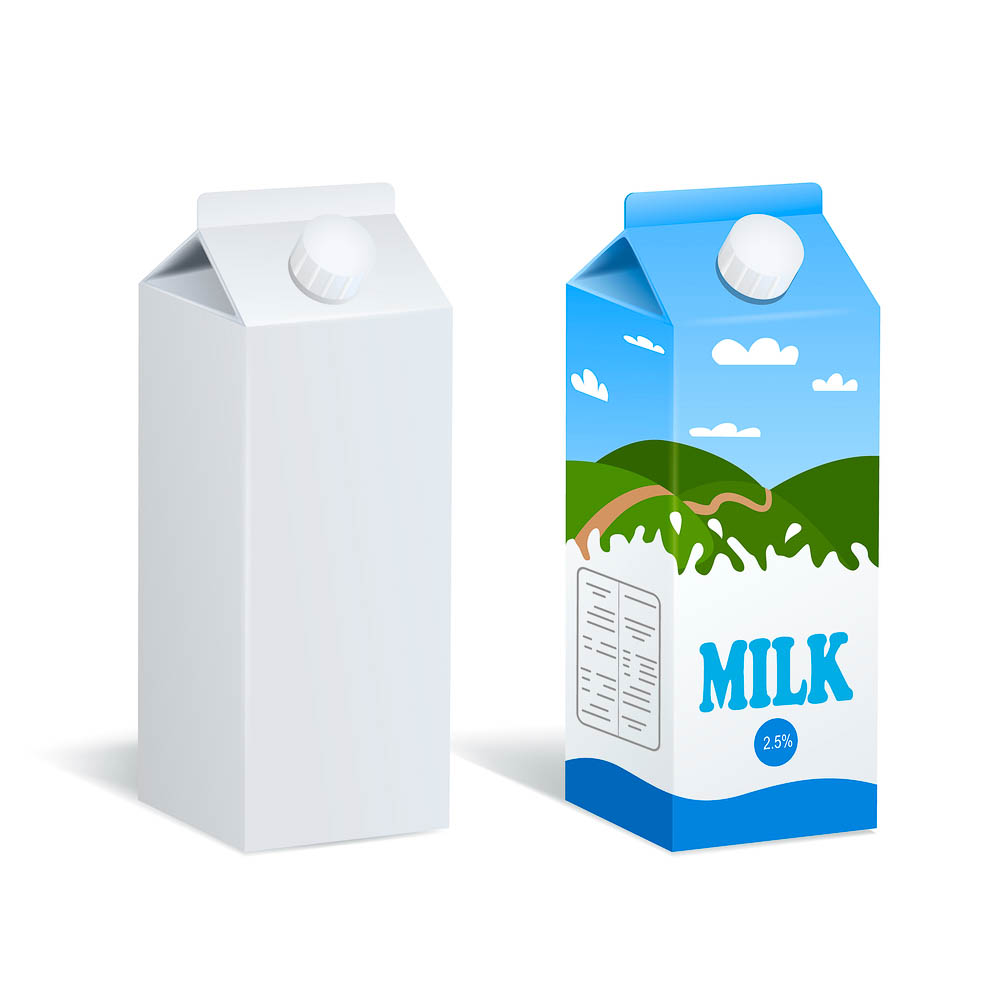
[fusion_builder_container hundred_percent=”no” hundred_percent_height=”no” hundred_percent_height_scroll=”no” hundred_percent_height_center_content=”yes” equal_height_columns=”no” menu_anchor=”” hide_on_mobile=”small-visibility,medium-visibility,large-visibility” class=”” id=”” background_color=”” background_image=”” background_position=”center center” background_repeat=”no-repeat” fade=”no” background_parallax=”none” enable_mobile=”no” parallax_speed=”0.3″ video_mp4=”” video_webm=”” video_ogv=”” video_url=”” video_aspect_ratio=”16:9″ video_loop=”yes” video_mute=”yes” video_preview_image=”” border_size=”” border_color=”” border_style=”solid” margin_top=”” margin_bottom=”” padding_top=”” padding_right=”” padding_bottom=”” padding_left=””][fusion_builder_row][fusion_builder_column type=”3_5″ layout=”1_1″ spacing=”” center_content=”no” link=”” target=”_self” min_height=”” hide_on_mobile=”small-visibility,medium-visibility,large-visibility” class=”” id=”” background_color=”” background_image=”” background_position=”left top” background_repeat=”no-repeat” hover_type=”none” border_size=”0″ border_color=”” border_style=”solid” border_position=”all” padding_top=”” padding_right=”” padding_bottom=”” padding_left=”” dimension_margin=”” animation_type=”” animation_direction=”left” animation_speed=”0.3″ animation_offset=”” last=”no”][fusion_text columns=”” column_min_width=”” column_spacing=”” rule_style=”default” rule_size=”” rule_color=”” class=”” id=””]Tetra packs seem to be ubiquitous and with no alternatives. They are used to carry all kind of liquids, from juices to milk and as well as some semi-solids like puree and sauces. Used Tetra packs pose a big voluminous hazard and unhygienic pile of garbage for the environment. Tetra Pak, the company which manufactures Tetra Pak, is the world’s leading food processing and packaging solutions company. They strive to provide safe, innovative and environmentally sound products in more than 170 countries around the world.[/fusion_text][/fusion_builder_column][fusion_builder_column type=”2_5″ layout=”1_1″ spacing=”” center_content=”no” link=”” target=”_self” min_height=”” hide_on_mobile=”small-visibility,medium-visibility,large-visibility” class=”” id=”” background_color=”” background_image=”” background_position=”left top” background_repeat=”no-repeat” hover_type=”none” border_size=”0″ border_color=”” border_style=”solid” border_position=”all” padding_top=”” padding_right=”” padding_bottom=”” padding_left=”” dimension_margin=”” animation_type=”” animation_direction=”left” animation_speed=”0.3″ animation_offset=”” last=”no”][fusion_counters_circle animation_offset=”” hide_on_mobile=”small-visibility,medium-visibility,large-visibility” class=”” id=””][fusion_counter_circle value=”70″ filledcolor=”” unfilledcolor=”” size=”220″ scales=”no” countdown=”no” speed=”1500″]700[/fusion_counter_circle][/fusion_counters_circle][/fusion_builder_column][/fusion_builder_row][/fusion_builder_container][fusion_builder_container hundred_percent=”no” hundred_percent_height=”no” hundred_percent_height_scroll=”no” hundred_percent_height_center_content=”yes” equal_height_columns=”no” menu_anchor=”” hide_on_mobile=”small-visibility,medium-visibility,large-visibility” class=”” id=”” background_color=”” background_image=”https://www.earthsquad.global/wp-content/uploads/2018/06/20-13.jpg” background_position=”center top” background_repeat=”no-repeat” fade=”no” background_parallax=”fixed” enable_mobile=”no” parallax_speed=”0.3″ video_mp4=”” video_webm=”” video_ogv=”” video_url=”” video_aspect_ratio=”16:9″ video_loop=”yes” video_mute=”yes” video_preview_image=”” border_size=”” border_color=”” border_style=”solid” margin_top=”” margin_bottom=”” padding_top=”40px” padding_right=”40px” padding_bottom=”40px” padding_left=”40px”][fusion_builder_row][fusion_builder_column type=”1_1″ layout=”1_1″ spacing=”” center_content=”no” link=”” target=”_self” min_height=”” hide_on_mobile=”small-visibility,medium-visibility,large-visibility” class=”” id=”” background_color=”rgba(255,255,255,0.94)” background_image=”” background_position=”left top” undefined=”” background_repeat=”no-repeat” hover_type=”none” border_size=”0″ border_color=”” border_style=”solid” border_position=”all” padding_top=”25px” padding_right=”25px” padding_bottom=”25px” padding_left=”25px” margin_top=”” margin_bottom=”0″ animation_type=”” animation_direction=”left” animation_speed=”0.3″ animation_offset=”” last=”no”][fusion_text columns=”” column_min_width=”” column_spacing=”” rule_style=”default” rule_size=”” rule_color=”” class=”” id=””]
What is Tetra Pak made of?
Tetra Paks are of several types and made of diverse materials. Generally the Tetra Pak Briks are made of several layers of Polyethylene plastic so that the shelf-life of the products they contain can be stretched to one year. There are 4 layers of polyethylene and one layer each of paper and aluminum.
These three materials are layered together by heat and pressure. The six-layered Tetra Pak protects the food contents from light, air, dirt, moisture and microbes. This aseptic technology enables the product to remain fresh without any preservatives, till it is opened for use.[/fusion_text][/fusion_builder_column][/fusion_builder_row][/fusion_builder_container][fusion_builder_container hundred_percent=”no” hundred_percent_height=”no” hundred_percent_height_scroll=”no” hundred_percent_height_center_content=”yes” equal_height_columns=”no” menu_anchor=”” hide_on_mobile=”small-visibility,medium-visibility,large-visibility” class=”” id=”” background_color=”” background_image=”” background_position=”center center” background_repeat=”no-repeat” fade=”no” background_parallax=”none” enable_mobile=”no” parallax_speed=”0.3″ video_mp4=”” video_webm=”” video_ogv=”” video_url=”” video_aspect_ratio=”16:9″ video_loop=”yes” video_mute=”yes” video_preview_image=”” border_size=”” border_color=”” border_style=”solid” margin_top=”” margin_bottom=”” padding_top=”45px” padding_right=”” padding_bottom=”” padding_left=””][fusion_builder_row][fusion_builder_column type=”3_5″ layout=”3_5″ spacing=”” center_content=”no” link=”” target=”_self” min_height=”” hide_on_mobile=”small-visibility,medium-visibility,large-visibility” class=”” id=”” background_color=”” background_image=”” background_position=”left top” background_repeat=”no-repeat” hover_type=”none” border_size=”0″ border_color=”” border_style=”solid” border_position=”all” padding_top=”” padding_right=”” padding_bottom=”” padding_left=”” dimension_margin=”” animation_type=”” animation_direction=”left” animation_speed=”0.3″ animation_offset=”” last=”no”][fusion_text columns=”” column_min_width=”” column_spacing=”” rule_style=”default” rule_size=”” rule_color=”” class=”” id=””]
Are Tetra Paks recycleable?
Paper constitutes 75% of the Tetra Pak carton; and 20% is low-density polyethylene and 5% is aluminum. Tetra Paks are considered to be fully recyclable. However, what is important is that just because something is fully recyclable doesn’t mean that it will be recycled.
In developed European countries like UK, the availability of recycling facilities is very high at 85%; whereas even in USA it is around 40%, and in other developing countries it is much less. In Canada and some European countries like Germany; Tetra Paks bricks have recycle rates higher than 65%. In developing countries like India, it is close to 30%. Most often Tetra Paks are incinerated which generates toxic ash and is an environmental hazard.[/fusion_text][/fusion_builder_column][fusion_builder_column type=”2_5″ layout=”2_5″ spacing=”” center_content=”no” link=”” target=”_self” min_height=”” hide_on_mobile=”small-visibility,medium-visibility,large-visibility” class=”” id=”” background_color=”” background_image=”” background_position=”left top” background_repeat=”no-repeat” hover_type=”none” border_size=”0″ border_color=”” border_style=”solid” border_position=”all” padding_top=”” padding_right=”” padding_bottom=”” padding_left=”” dimension_margin=”” animation_type=”” animation_direction=”left” animation_speed=”0.3″ animation_offset=”” last=”no”][fusion_separator style_type=”none” hide_on_mobile=”small-visibility,medium-visibility,large-visibility” class=”” id=”” sep_color=”” top_margin=”25px” bottom_margin=”” border_size=”” icon=”” icon_circle=”” icon_circle_color=”” width=”” alignment=”center” /][fusion_progress height=”30px” text_position=”” show_percentage=”yes” unit=”%” percentage=”75″ filledcolor=”” filledbordersize=”” filledbordercolor=”” unfilledcolor=”” striped=”no” animated_stripes=”no” textcolor=”#555555″ hide_on_mobile=”small-visibility,medium-visibility,large-visibility” class=”” id=””]Paper constitutes[/fusion_progress][fusion_separator style_type=”none” hide_on_mobile=”small-visibility,medium-visibility,large-visibility” class=”” id=”” sep_color=”” top_margin=”10px” bottom_margin=”” border_size=”” icon=”” icon_circle=”” icon_circle_color=”” width=”” alignment=”center” /][fusion_progress height=”30px” text_position=”” show_percentage=”yes” unit=”%” percentage=”20″ filledcolor=”#ff6f6f” filledbordersize=”” filledbordercolor=”” unfilledcolor=”” striped=”no” animated_stripes=”no” textcolor=”#555555″ hide_on_mobile=”small-visibility,medium-visibility,large-visibility” class=”” id=””]Low-density polyethylene[/fusion_progress][fusion_separator style_type=”none” hide_on_mobile=”small-visibility,medium-visibility,large-visibility” class=”” id=”” sep_color=”” top_margin=”10px” bottom_margin=”” border_size=”” icon=”” icon_circle=”” icon_circle_color=”” width=”” alignment=”center” /][fusion_progress height=”30px” text_position=”” show_percentage=”yes” unit=”%” percentage=”5″ filledcolor=”#1fbed6″ filledbordersize=”” filledbordercolor=”” unfilledcolor=”” striped=”no” animated_stripes=”no” textcolor=”#555555″ hide_on_mobile=”small-visibility,medium-visibility,large-visibility” class=”” id=””]Aluminum[/fusion_progress][fusion_separator style_type=”none” hide_on_mobile=”small-visibility,medium-visibility,large-visibility” class=”” id=”” sep_color=”” top_margin=”30px” bottom_margin=”” border_size=”” icon=”” icon_circle=”” icon_circle_color=”” width=”” alignment=”center” /][fusion_progress height=”30px” text_position=”” show_percentage=”yes” unit=”%” percentage=”85″ filledcolor=”#ff6f6f” filledbordersize=”” filledbordercolor=”” unfilledcolor=”” striped=”no” animated_stripes=”no” textcolor=”#555555″ hide_on_mobile=”small-visibility,medium-visibility,large-visibility” class=”” id=””]UK[/fusion_progress][fusion_separator style_type=”none” hide_on_mobile=”small-visibility,medium-visibility,large-visibility” class=”” id=”” sep_color=”” top_margin=”10px” bottom_margin=”” border_size=”” icon=”” icon_circle=”” icon_circle_color=”” width=”” alignment=”center” /][fusion_progress height=”30px” text_position=”” show_percentage=”yes” unit=”%” percentage=”65″ filledcolor=”#1fbed6″ filledbordersize=”” filledbordercolor=”” unfilledcolor=”” striped=”no” animated_stripes=”no” textcolor=”#555555″ hide_on_mobile=”small-visibility,medium-visibility,large-visibility” class=”” id=””]Germany[/fusion_progress][fusion_separator style_type=”none” hide_on_mobile=”small-visibility,medium-visibility,large-visibility” class=”” id=”” sep_color=”” top_margin=”10px” bottom_margin=”” border_size=”” icon=”” icon_circle=”” icon_circle_color=”” width=”” alignment=”center” /][fusion_progress height=”30px” text_position=”” show_percentage=”yes” unit=”%” percentage=”30″ filledcolor=”#5bb45a” filledbordersize=”” filledbordercolor=”” unfilledcolor=”” striped=”no” animated_stripes=”no” textcolor=”#555555″ hide_on_mobile=”small-visibility,medium-visibility,large-visibility” class=”” id=””]India[/fusion_progress][/fusion_builder_column][/fusion_builder_row][/fusion_builder_container][fusion_builder_container hundred_percent=”no” hundred_percent_height=”no” hundred_percent_height_scroll=”no” hundred_percent_height_center_content=”yes” equal_height_columns=”no” menu_anchor=”” hide_on_mobile=”small-visibility,medium-visibility,large-visibility” class=”” id=”” background_color=”” background_image=”https://www.earthsquad.global/wp-content/uploads/2018/06/14-34.jpg” background_position=”left center” background_repeat=”no-repeat” fade=”no” background_parallax=”fixed” enable_mobile=”no” parallax_speed=”0.3″ video_mp4=”” video_webm=”” video_ogv=”” video_url=”” video_aspect_ratio=”16:9″ video_loop=”yes” video_mute=”yes” video_preview_image=”” border_size=”” border_color=”” border_style=”solid” margin_top=”” margin_bottom=”” padding_top=”” padding_right=”” padding_bottom=”” padding_left=””][fusion_builder_row][fusion_builder_column type=”3_5″ layout=”3_5″ spacing=”” center_content=”no” link=”” target=”_self” min_height=”” hide_on_mobile=”small-visibility,medium-visibility,large-visibility” class=”” id=”” background_color=”rgba(255,255,255,0.86)” background_image=”” background_position=”left top” undefined=”” background_repeat=”no-repeat” hover_type=”none” border_size=”0″ border_color=”” border_style=”solid” border_position=”all” padding_top=”25px” padding_right=”25px” padding_bottom=”25px” padding_left=”25px” margin_top=”” margin_bottom=”0px” animation_type=”” animation_direction=”left” animation_speed=”0.3″ animation_offset=”” last=”no”][fusion_text columns=”” column_min_width=”” column_spacing=”” rule_style=”default” rule_size=”” rule_color=”” class=”” id=””]
How is Tetra Pak recycled ?
In the recycling centers, several technologies are employed to enable almost complete recycling of Tetra Pak empties. Tetra Pak, the company, has been rendering technological and financial assistance in collaboration with the concerned local authorities. Some of the technologies employed are given below.
Hydrapulping technology
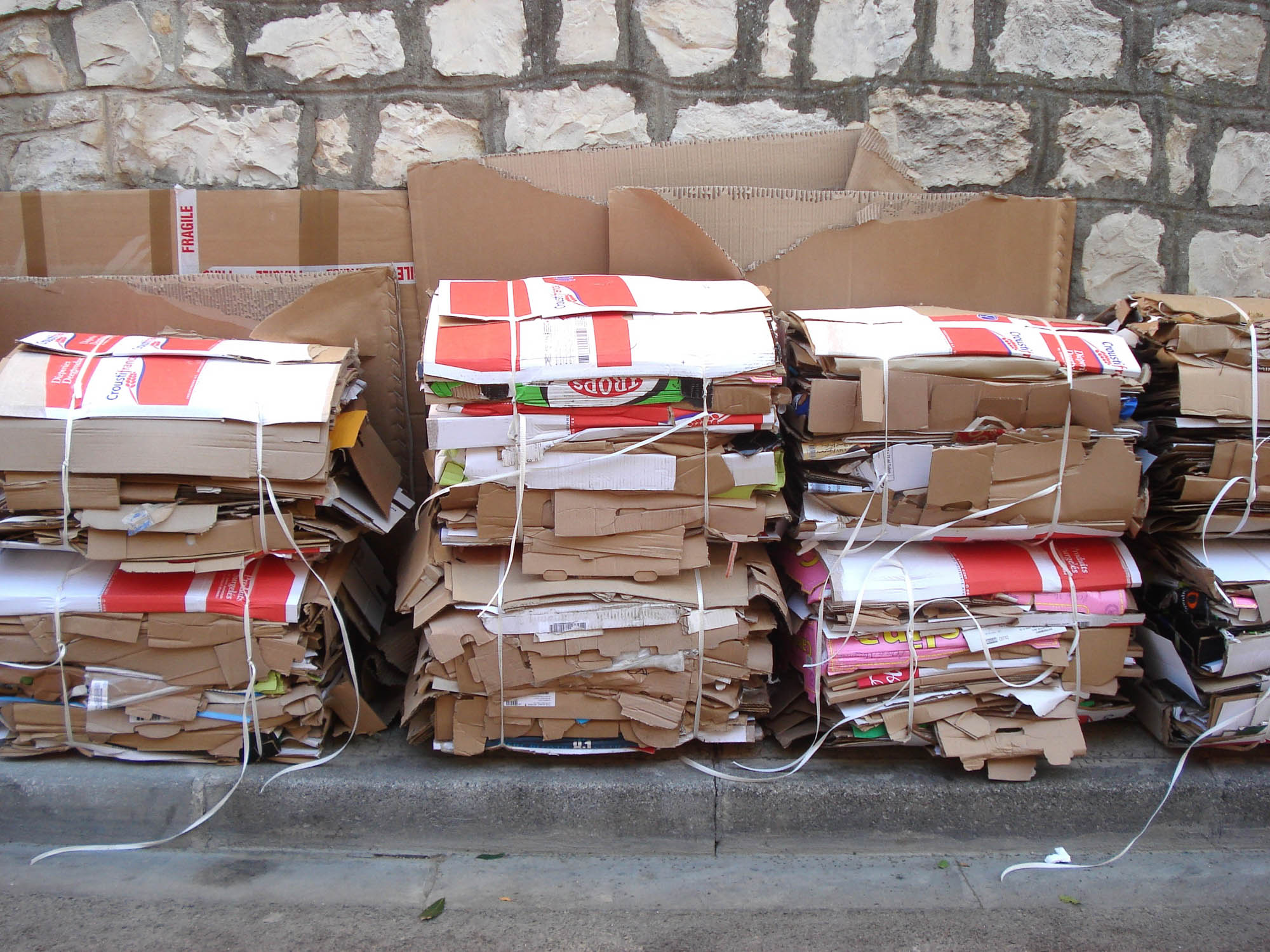
One of the earliest and most popular processes of recycling Tetra-Paks is called hydrapulping. It starts with adding water and then heating and crushing the empties into pulp. Industrial blenders are used to separate the paper fiber from the polyethylene and aluminum layers. The paper is recovered, leaving the polyethylene and aluminum as a residual. These are then re-cycled.
The paper pulp goes into manufacturing of corrugated cardboards, packing materials, egg-cartons, stationery etc. The aluminum and plastic are used for making consumer goods including household furniture and other utility items. In Germany, the residual is used by the cement industry; In Brazil it is used to make products like roofing materials, buckets, brooms and other household items..[/fusion_text][/fusion_builder_column][fusion_builder_column type=”2_5″ layout=”2_5″ spacing=”” center_content=”no” link=”” target=”_self” min_height=”” hide_on_mobile=”small-visibility,medium-visibility,large-visibility” class=”” id=”” background_color=”” background_image=”” background_position=”left top” undefined=”” background_repeat=”no-repeat” hover_type=”none” border_size=”0″ border_color=”” border_style=”solid” border_position=”all” padding_top=”” padding_right=”” padding_bottom=”” padding_left=”” margin_top=”” margin_bottom=”0px” animation_type=”” animation_direction=”left” animation_speed=”0.3″ animation_offset=”” last=”no”][/fusion_builder_column][/fusion_builder_row][/fusion_builder_container][fusion_builder_container hundred_percent=”no” hundred_percent_height=”no” hundred_percent_height_scroll=”no” hundred_percent_height_center_content=”yes” equal_height_columns=”no” menu_anchor=”” hide_on_mobile=”small-visibility,medium-visibility,large-visibility” class=”” id=”” background_color=”” background_image=”” background_position=”center center” background_repeat=”no-repeat” fade=”no” background_parallax=”none” enable_mobile=”no” parallax_speed=”0.3″ video_mp4=”” video_webm=”” video_ogv=”” video_url=”” video_aspect_ratio=”16:9″ video_loop=”yes” video_mute=”yes” video_preview_image=”” border_size=”” border_color=”” border_style=”solid” margin_top=”” margin_bottom=”” padding_top=”45px” padding_right=”” padding_bottom=”” padding_left=””][fusion_builder_row][fusion_builder_column type=”2_5″ layout=”2_5″ spacing=”” center_content=”no” link=”” target=”_self” min_height=”” hide_on_mobile=”small-visibility,medium-visibility,large-visibility” class=”” id=”” background_color=”” background_image=”” background_position=”left top” background_repeat=”no-repeat” hover_type=”none” border_size=”0″ border_color=”” border_style=”solid” border_position=”all” padding_top=”” padding_right=”” padding_bottom=”” padding_left=”” dimension_margin=”” animation_type=”” animation_direction=”left” animation_speed=”0.3″ animation_offset=”” last=”no”][fusion_imageframe image_id=”4315″ max_width=”220px” style_type=”none” stylecolor=”” hover_type=”none” bordersize=”1″ bordercolor=”rgba(52,204,232,0.48)” borderradius=”100%” align=”center” lightbox=”no” gallery_id=”” lightbox_image=”” alt=”” link=”” linktarget=”_self” hide_on_mobile=”small-visibility,medium-visibility,large-visibility” class=”” id=”” animation_type=”” animation_direction=”left” animation_speed=”0.3″ animation_offset=””]https://www.earthsquad.global/wp-content/uploads/2018/06/9-42.jpg[/fusion_imageframe][/fusion_builder_column][fusion_builder_column type=”3_5″ layout=”3_5″ spacing=”” center_content=”no” link=”” target=”_self” min_height=”” hide_on_mobile=”small-visibility,medium-visibility,large-visibility” class=”” id=”” background_color=”” background_image=”” background_position=”left top” background_repeat=”no-repeat” hover_type=”none” border_size=”0″ border_color=”” border_style=”solid” border_position=”all” padding_top=”” padding_right=”” padding_bottom=”” padding_left=”” dimension_margin=”” animation_type=”” animation_direction=”left” animation_speed=”0.3″ animation_offset=”” last=”no”][fusion_text columns=”” column_min_width=”” column_spacing=”” rule_style=”default” rule_size=”” rule_color=”” class=”” id=””]
Pyrolysis or Thermal Plasma Technology
Thermal plasma technology is another recycling process for complete separation of materials. After removal of the paper pulp, the polylaminate or polyethylene – aluminum residual is dried and broken down into small pieces before being put through the pyrolysis process.[/fusion_text][/fusion_builder_column][/fusion_builder_row][/fusion_builder_container][fusion_builder_container hundred_percent=”no” hundred_percent_height=”no” hundred_percent_height_scroll=”no” hundred_percent_height_center_content=”yes” equal_height_columns=”no” menu_anchor=”” hide_on_mobile=”small-visibility,medium-visibility,large-visibility” class=”” id=”” background_color=”” background_image=”https://www.earthsquad.global/wp-content/uploads/2018/06/13-24.jpg” background_position=”center center” background_repeat=”no-repeat” fade=”no” background_parallax=”fixed” enable_mobile=”no” parallax_speed=”0.3″ video_mp4=”” video_webm=”” video_ogv=”” video_url=”” video_aspect_ratio=”16:9″ video_loop=”yes” video_mute=”yes” video_preview_image=”” border_size=”” border_color=”” border_style=”solid” margin_top=”25px” margin_bottom=”” padding_top=”100px” padding_right=”40px” padding_bottom=”100px” padding_left=”40px”][fusion_builder_row][fusion_builder_column type=”1_1″ layout=”1_1″ spacing=”” center_content=”no” link=”” target=”_self” min_height=”” hide_on_mobile=”small-visibility,medium-visibility,large-visibility” class=”” id=”” background_color=”rgba(255,255,255,0.84)” background_image=”” background_position=”left top” undefined=”” background_repeat=”no-repeat” hover_type=”none” border_size=”0″ border_color=”” border_style=”solid” border_position=”all” padding_top=”25px” padding_right=”25px” padding_bottom=”25px” padding_left=”25px” margin_top=”” margin_bottom=”” animation_type=”” animation_direction=”left” animation_speed=”0.3″ animation_offset=”” last=”no”][fusion_text columns=”” column_min_width=”” column_spacing=”” rule_style=”default” rule_size=”” rule_color=”” class=”” id=””]
Conversion to Thermo Plastic Resins and Granules
There are recycling processes that accept Tetra Paks, as well as plastic shopping bags and cellophane films etc which are brought from the collection centers. These are made into a thermoplastic resin, which is later used in industrial and commercial manufacturing. The waste-free process converts the used materials into plastic granules, which are later used for making a variety of plastic products.
[/fusion_text][/fusion_builder_column][/fusion_builder_row][/fusion_builder_container][fusion_builder_container hundred_percent=”no” hundred_percent_height=”no” hundred_percent_height_scroll=”no” hundred_percent_height_center_content=”yes” equal_height_columns=”no” menu_anchor=”” hide_on_mobile=”small-visibility,medium-visibility,large-visibility” class=”” id=”” background_color=”” background_image=”” background_position=”center center” background_repeat=”no-repeat” fade=”no” background_parallax=”none” enable_mobile=”no” parallax_speed=”0.3″ video_mp4=”” video_webm=”” video_ogv=”” video_url=”” video_aspect_ratio=”16:9″ video_loop=”yes” video_mute=”yes” video_preview_image=”” border_size=”” border_color=”” border_style=”solid” margin_top=”” margin_bottom=”” padding_top=”35px” padding_right=”” padding_bottom=”” padding_left=””][fusion_builder_row][fusion_builder_column type=”1_1″ layout=”1_1″ spacing=”” center_content=”no” link=”” target=”_self” min_height=”” hide_on_mobile=”small-visibility,medium-visibility,large-visibility” class=”” id=”” background_color=”” background_image=”” background_position=”left top” background_repeat=”no-repeat” hover_type=”none” border_size=”0″ border_color=”” border_style=”solid” border_position=”all” padding_top=”” padding_right=”” padding_bottom=”” padding_left=”” dimension_margin=”” animation_type=”” animation_direction=”left” animation_speed=”0.3″ animation_offset=”” last=”no”][fusion_text columns=”” column_min_width=”” column_spacing=”” rule_style=”default” rule_size=”” rule_color=”” class=”” id=””]
Collection of used Tetra Paks
The most important aspect in dealing with recycling of Tetra-Paks, is the collection of used cartons. As these are consumer products they have a wide spread to almost every household. Some of the ways in which the empty Tetra Paks can be collected are these:[/fusion_text][fusion_accordion type=”” boxed_mode=”” border_size=”1″ border_color=”” background_color=”” hover_color=”” divider_line=”” icon_size=”” icon_color=”” icon_boxed_mode=”” icon_alignment=”” hide_on_mobile=”small-visibility,medium-visibility,large-visibility” class=”” id=””][fusion_toggle title=”Curbside recycling” open=”no”]
Authorities of the local bodies and community can be requested to arrange for Blue Bins for segregating used and empty Tetra Paks. These are especially suitable for densely populated areas and near commercial and shopping centers with a heavy footfall of consumers.
[/fusion_toggle][fusion_toggle title=”Drop-off recycling” open=”no”]
In sparsely populated areas where curbside recycling cannot be extended; drop-off recycling centers can be started for accepting Tetra Paks for recycling.
[/fusion_toggle][fusion_toggle title=”Segregation of household waste” open=”no”]
With the co-operation of families and household consuming the Tetra Paks products; separate waste-bins can be used for discarding the cartons. These can be taken to the Drop-off collection centers.
[/fusion_toggle][/fusion_accordion][/fusion_builder_column][/fusion_builder_row][/fusion_builder_container][fusion_builder_container hundred_percent=”no” hundred_percent_height=”no” hundred_percent_height_scroll=”no” hundred_percent_height_center_content=”yes” equal_height_columns=”no” menu_anchor=”” hide_on_mobile=”small-visibility,medium-visibility,large-visibility” class=”” id=”” background_color=”” background_image=”https://www.earthsquad.global/wp-content/uploads/2018/06/19-13.jpg” background_position=”center center” background_repeat=”no-repeat” fade=”no” background_parallax=”fixed” enable_mobile=”no” parallax_speed=”0.3″ video_mp4=”” video_webm=”” video_ogv=”” video_url=”” video_aspect_ratio=”16:9″ video_loop=”yes” video_mute=”yes” video_preview_image=”” border_size=”” border_color=”” border_style=”solid” margin_top=”45px” margin_bottom=”” padding_top=”40px” padding_right=”40px” padding_bottom=”40px” padding_left=”40px”][fusion_builder_row][fusion_builder_column type=”1_1″ layout=”1_1″ spacing=”” center_content=”no” link=”” target=”_self” min_height=”” hide_on_mobile=”small-visibility,medium-visibility,large-visibility” class=”” id=”” background_color=”rgba(255,255,255,0.85)” background_image=”” background_position=”left top” undefined=”” background_repeat=”no-repeat” hover_type=”none” border_size=”0″ border_color=”” border_style=”solid” border_position=”all” padding_top=”25px” padding_right=”25px” padding_bottom=”25px” padding_left=”25px” margin_top=”” margin_bottom=”” animation_type=”” animation_direction=”left” animation_speed=”0.3″ animation_offset=”” last=”no”][fusion_text columns=”” column_min_width=”” column_spacing=”” rule_style=”default” rule_size=”” rule_color=”” class=”” id=””]
Minimizing the consumption of Tetra Pak products
All citizen concerned with the environment, should attempt to reduce the consumption of Tetra Pak products. It is desirable to minimize the quantity sent for recycling, rather than generating more trash in the belief that it is recyclable.
 A few simple tips to minimize your consumption are:[/fusion_text][fusion_checklist icon=”fa-recycle fas” iconcolor=”#ff6f6f” circle=”no” circlecolor=”” size=”” divider=”” divider_color=”” hide_on_mobile=”small-visibility,medium-visibility,large-visibility” class=”” id=””][fusion_li_item icon=””]Buy milk and juice that are sold in plastic or glass containers.[/fusion_li_item][fusion_li_item icon=””]When buying wine or other food products; opt for those that are available in glass bottles.[/fusion_li_item][fusion_li_item icon=””]Choose canned food, rather than those sold in Tetra Paks.[/fusion_li_item][fusion_li_item icon=””]Buy bigger sized Tetra Paks, instead of the single-use smaller ones.[/fusion_li_item][/fusion_checklist][fusion_separator style_type=”none” hide_on_mobile=”small-visibility,medium-visibility,large-visibility” class=”” id=”” sep_color=”” top_margin=”20px” bottom_margin=”” border_size=”” icon=”” icon_circle=”” icon_circle_color=”” width=”” alignment=”center” /][fusion_text columns=”” column_min_width=”” column_spacing=”” rule_style=”default” rule_size=”” rule_color=”” class=”” id=””]
Tetra Paks may be here to stay, but we can do our best to ensure that it does not turn into an environmental hazard. We can contribute by making others aware of the environmental impact of Tetra Paks and how they can help in recycling it.
[/fusion_text][/fusion_builder_column][/fusion_builder_row][/fusion_builder_container][fusion_global id=”4038″]



Leave A Comment