
[fusion_builder_container hundred_percent=”no” hundred_percent_height=”no” hundred_percent_height_scroll=”no” hundred_percent_height_center_content=”yes” equal_height_columns=”no” menu_anchor=”” hide_on_mobile=”small-visibility,medium-visibility,large-visibility” class=”” id=”” background_color=”” background_image=”” background_position=”center center” background_repeat=”no-repeat” fade=”no” background_parallax=”none” enable_mobile=”no” parallax_speed=”0.3″ video_mp4=”” video_webm=”” video_ogv=”” video_url=”” video_aspect_ratio=”16:9″ video_loop=”yes” video_mute=”yes” video_preview_image=”” border_size=”” border_color=”” border_style=”solid” margin_top=”” margin_bottom=”” padding_top=”” padding_right=”” padding_bottom=”” padding_left=””][fusion_builder_row][fusion_builder_column type=”1_1″ layout=”1_1″ spacing=”” center_content=”no” link=”” target=”_self” min_height=”” hide_on_mobile=”small-visibility,medium-visibility,large-visibility” class=”” id=”” background_color=”” background_image=”” background_position=”left top” background_repeat=”no-repeat” hover_type=”none” border_size=”0″ border_color=”” border_style=”solid” border_position=”all” padding_top=”” padding_right=”” padding_bottom=”” padding_left=”” dimension_margin=”” animation_type=”” animation_direction=”left” animation_speed=”0.3″ animation_offset=”” last=”no”][fusion_text columns=”” column_min_width=”” column_spacing=”” rule_style=”default” rule_size=”” rule_color=”” class=”” id=””]
Is recycling in Australia dead in the water?
[/fusion_text][/fusion_builder_column][fusion_builder_column type=”3_5″ layout=”3_5″ spacing=”” center_content=”no” link=”” target=”_self” min_height=”” hide_on_mobile=”small-visibility,medium-visibility,large-visibility” class=”” id=”” background_color=”” background_image=”” background_position=”left top” undefined=”” background_repeat=”no-repeat” hover_type=”none” border_size=”0″ border_color=”” border_style=”solid” border_position=”all” padding_top=”” padding_right=”” padding_bottom=”” padding_left=”” margin_top=”” margin_bottom=”” animation_type=”” animation_direction=”left” animation_speed=”0.3″ animation_offset=”” last=”no”][fusion_text columns=”” column_min_width=”” column_spacing=”” rule_style=”default” rule_size=”” rule_color=”” class=”” id=””]The Australian government reports that thirty-five mega tonnes of material were recycled in Australia in 2016, representing 1,472 kg per capita and 60% of all waste generated in Australia.1 According to Statista, only Austria and Germany have higher recycling rates, at 63% and 62%, respectively.2 The percentage of waste material recycled seems to be growing year on year.
Recycling in Australia is mostly a private sector led activity. The majority of recycling services are provided by the private sector under contract on behalf of local governments. Some provide recycling on a fee basis to households and industry. The contracts for recycling services are granted for periods as long as ten years.3[/fusion_text][/fusion_builder_column][fusion_builder_column type=”2_5″ layout=”2_5″ spacing=”” center_content=”no” link=”” target=”_self” min_height=”” hide_on_mobile=”small-visibility,medium-visibility,large-visibility” class=”” id=”” background_color=”” background_image=”” background_position=”left top” undefined=”” background_repeat=”no-repeat” hover_type=”none” border_size=”0″ border_color=”” border_style=”solid” border_position=”all” padding_top=”” padding_right=”” padding_bottom=”” padding_left=”” margin_top=”” margin_bottom=”” animation_type=”” animation_direction=”left” animation_speed=”0.3″ animation_offset=”” last=”no”][fusion_separator style_type=”none” hide_on_mobile=”small-visibility,medium-visibility,large-visibility” class=”” id=”” sep_color=”” top_margin=”30px” bottom_margin=”” border_size=”” icon=”” icon_circle=”” icon_circle_color=”” width=”” alignment=”center” /][fusion_chart title=”” chart_type=”polarArea” chart_legend_position=”” x_axis_label=”” y_axis_label=”” show_tooltips=”” chart_border_type=”smooth” chart_fill=”off” chart_point_style=”circle” chart_point_size=”3″ chart_point_bg_color=”” chart_point_border_color=”” hide_on_mobile=”small-visibility,medium-visibility,large-visibility” class=”” id=”” chart_bg_color=”” padding_top=”” padding_right=”” padding_bottom=”” padding_left=”” chart_axis_text_color=”” chart_gridline_color=”” x_axis_labels=”60% Waste |63% Waste |62% Waste ” legend_text_colors=”#ffffff|#ffffff|#ffffff” bg_colors=”#00bcd4|#8bc34a|#ff9800″ border_colors=”#00bcd4|#8bc34a|#ff9800″ chart_border_size=””][fusion_chart_dataset title=”Data Set 1″ legend_text_color=”#ffffff” background_color=”#00bcd4″ border_color=”#00bcd4″ values=”60|63|63″][/fusion_chart_dataset][/fusion_chart][/fusion_builder_column][/fusion_builder_row][/fusion_builder_container][fusion_builder_container hundred_percent=”no” hundred_percent_height=”no” hundred_percent_height_scroll=”no” hundred_percent_height_center_content=”yes” equal_height_columns=”no” menu_anchor=”” hide_on_mobile=”small-visibility,medium-visibility,large-visibility” class=”” id=”” background_color=”” background_image=”https://www.earthsquad.global/wp-content/uploads/2018/07/10-47.jpg” background_position=”center center” background_repeat=”no-repeat” fade=”no” background_parallax=”none” enable_mobile=”no” parallax_speed=”0.3″ video_mp4=”” video_webm=”” video_ogv=”” video_url=”” video_aspect_ratio=”16:9″ video_loop=”yes” video_mute=”yes” video_preview_image=”” border_size=”” border_color=”” border_style=”solid” margin_top=”” margin_bottom=”” padding_top=”” padding_right=”” padding_bottom=”” padding_left=””][fusion_builder_row][fusion_builder_column type=”3_5″ layout=”3_5″ spacing=”” center_content=”no” link=”” target=”_self” min_height=”” hide_on_mobile=”small-visibility,medium-visibility,large-visibility” class=”” id=”” background_color=”rgba(255,255,255,0.86)” background_image=”” background_position=”left top” undefined=”” background_repeat=”no-repeat” hover_type=”none” border_size=”0″ border_color=”” border_style=”solid” border_position=”all” padding_top=”45px” padding_right=”25px” padding_bottom=”25px” padding_left=”25px” margin_top=”” margin_bottom=”0px” animation_type=”” animation_direction=”left” animation_speed=”0.3″ animation_offset=”” last=”no”][fusion_text columns=”” column_min_width=”” column_spacing=”” rule_style=”default” rule_size=”” rule_color=”” class=”” id=””]
Recycling in the big cities
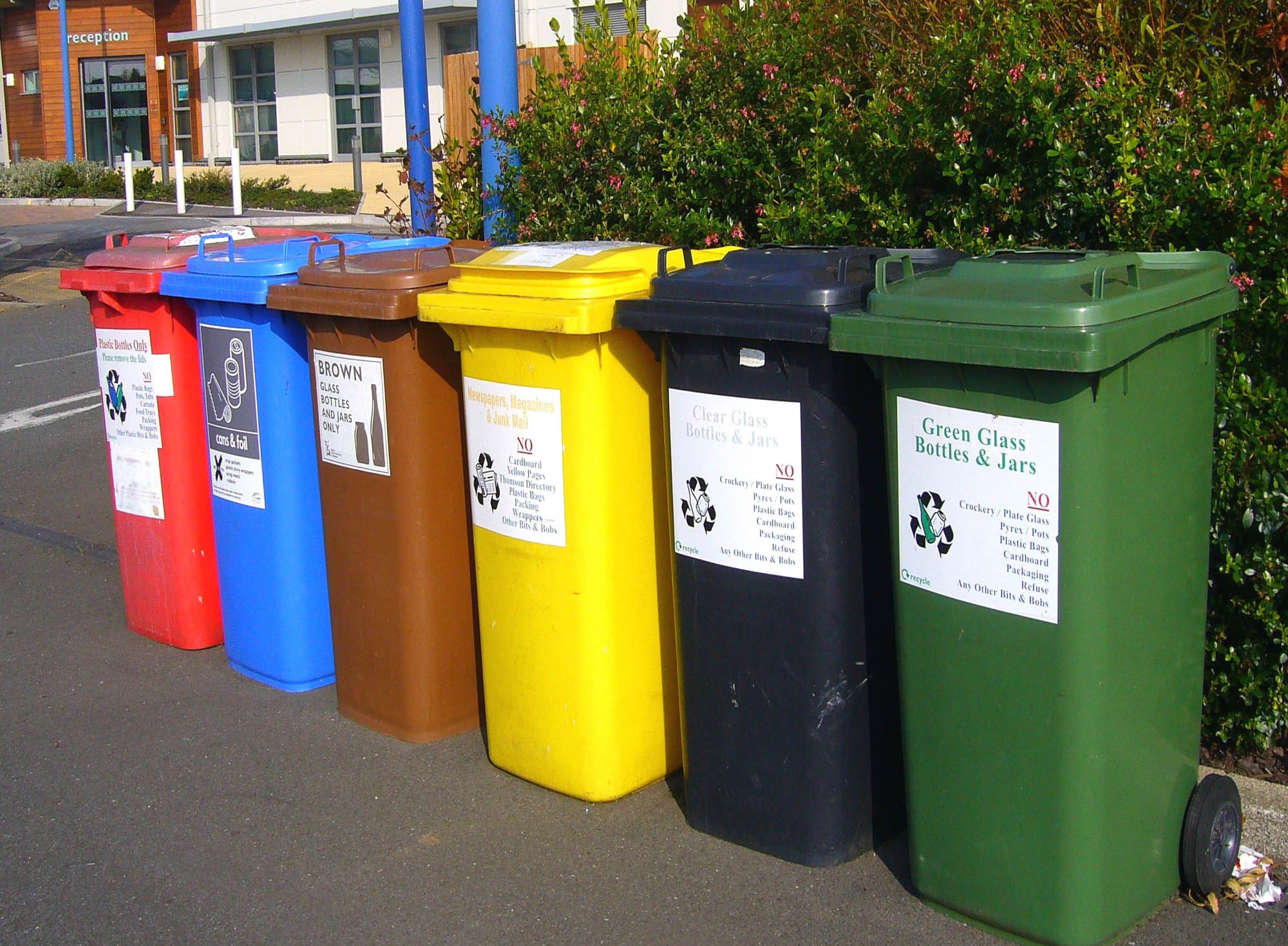
In big cities such as Sydney, the city authorities organise recycling programs for residents including plastic, glass, cans, bottles and cartons, as well as paper and cardboard. However, certain items cannot be recycled including plastic bags, polystyrene, glass, and nappies. There is a specialised program called REDcycle for plastic bags and packaging including biscuit packets, shopping bags, bread bags, rice bags, frozen food bags. The goal of the city of Sydney is zero waste.4
Unwanted chemicals and toxic waste can also be disposed safely under the E-waste and Chemical Cleanout programs run by the Environmental Protection Authority.5 Items like paints, pesticides, chemicals, aerosols and old computers can be taken to Chemical Clean out events around the city periodically. Batteries, old mobile phones and light bulbs can be dropped off at Customer Service centres and libraries. These programs were set up to avoid toxic chemicals from ending up at landfills and seeping into the soil to contaminate the groundwater table.
…And in the countryside
The rural industries have less success with recycling, because of the high cost of logistics and collection. For example, industry insiders have described an “unsustainable situation” with recycling of glass, which has nowhere to go. It turns out that the viability of recycling glass in the rural areas is marginal and it is more economical for recycling firms to just dump the glass in a landfill. A manager in the recycling plant Polytrade, noting the proliferation of glass landfill sites stated: “We are back in the dark ages and we don’t know what to do. We are receiving more and more glass with nowhere to go.”6
With recycling companies locked into long-term contracts with the local councils and the current commodity price slump in the industry, this has created a situation where hundred of thousands of tonnes of recyclable material accumulates. A recent fire outbreak at a recycling facility highlighted the dangers of this practice.7[/fusion_text][/fusion_builder_column][fusion_builder_column type=”2_5″ layout=”2_5″ spacing=”” center_content=”no” link=”” target=”_self” min_height=”” hide_on_mobile=”small-visibility,medium-visibility,large-visibility” class=”” id=”” background_color=”” background_image=”” background_position=”left top” undefined=”” background_repeat=”no-repeat” hover_type=”none” border_size=”0″ border_color=”” border_style=”solid” border_position=”all” padding_top=”45px” padding_right=”25px” padding_bottom=”25px” padding_left=”25px” margin_top=”” margin_bottom=”0px” animation_type=”” animation_direction=”left” animation_speed=”0.3″ animation_offset=”” last=”no”][/fusion_builder_column][/fusion_builder_row][/fusion_builder_container][fusion_builder_container hundred_percent=”no” hundred_percent_height=”no” hundred_percent_height_scroll=”no” hundred_percent_height_center_content=”yes” equal_height_columns=”no” menu_anchor=”” hide_on_mobile=”small-visibility,medium-visibility,large-visibility” class=”” id=”” background_color=”” background_image=”” background_position=”center center” background_repeat=”no-repeat” fade=”no” background_parallax=”none” enable_mobile=”no” parallax_speed=”0.3″ video_mp4=”” video_webm=”” video_ogv=”” video_url=”” video_aspect_ratio=”16:9″ video_loop=”yes” video_mute=”yes” video_preview_image=”” border_size=”” border_color=”” border_style=”solid” margin_top=”” margin_bottom=”” padding_top=”40px” padding_right=”” padding_bottom=”” padding_left=””][fusion_builder_row][fusion_builder_column type=”1_1″ layout=”1_1″ spacing=”” center_content=”no” link=”” target=”_self” min_height=”” hide_on_mobile=”small-visibility,medium-visibility,large-visibility” class=”” id=”” background_color=”” background_image=”” background_position=”left top” background_repeat=”no-repeat” hover_type=”none” border_size=”0″ border_color=”” border_style=”solid” border_position=”all” padding_top=”” padding_right=”” padding_bottom=”” padding_left=”” dimension_margin=”” animation_type=”” animation_direction=”left” animation_speed=”0.3″ animation_offset=”” last=”no”][fusion_text columns=”” column_min_width=”” column_spacing=”” rule_style=”default” rule_size=”” rule_color=”” class=”” id=””]
Self reported success
Is the industry successful or not? It is hard to provide a definitive measurement. Waste management outcomes and trends vary significantly across the states and territories but generally the Australian government is reporting positively on recycling industry outcomes. They note that even the lowest recovery rates are actually improving the fastest. Every year, more municipal waste is recycled rather than dumped, and this is an achievement. Even hard to recycle materials such as waste metals, organics and plastics appear to be reducing on a per capita basis. However, the volumes of material still ending up in the landfill or sitting in recycling centres, deemed too uneconomical to recycle, are significant.[/fusion_text][/fusion_builder_column][/fusion_builder_row][/fusion_builder_container][fusion_builder_container hundred_percent=”no” hundred_percent_height=”no” hundred_percent_height_scroll=”no” hundred_percent_height_center_content=”yes” equal_height_columns=”no” menu_anchor=”” hide_on_mobile=”small-visibility,medium-visibility,large-visibility” class=”” id=”” background_color=”” background_image=”” background_position=”center center” background_repeat=”no-repeat” fade=”no” background_parallax=”none” enable_mobile=”no” parallax_speed=”0.3″ video_mp4=”” video_webm=”” video_ogv=”” video_url=”” video_aspect_ratio=”16:9″ video_loop=”yes” video_mute=”yes” video_preview_image=”” border_size=”” border_color=”” border_style=”solid” margin_top=”” margin_bottom=”” padding_top=”” padding_right=”” padding_bottom=”” padding_left=””][fusion_builder_row][fusion_builder_column type=”1_1″ layout=”1_1″ spacing=”” center_content=”no” link=”” target=”_self” min_height=”” hide_on_mobile=”small-visibility,medium-visibility,large-visibility” class=”” id=”” background_color=”” background_image=”” background_position=”left top” background_repeat=”no-repeat” hover_type=”none” border_size=”0″ border_color=”” border_style=”solid” border_position=”all” padding_top=”” padding_right=”” padding_bottom=”” padding_left=”” dimension_margin=”” animation_type=”” animation_direction=”left” animation_speed=”0.3″ animation_offset=”” last=”no”][fusion_text columns=”” column_min_width=”” column_spacing=”” rule_style=”default” rule_size=”” rule_color=”” class=”” id=””]
Global challenges
[/fusion_text][/fusion_builder_column][fusion_builder_column type=”1_1″ layout=”1_1″ spacing=”” center_content=”no” link=”” target=”_self” min_height=”” hide_on_mobile=”small-visibility,medium-visibility,large-visibility” class=”” id=”” background_color=”” background_image=”” background_position=”left top” undefined=”” background_repeat=”no-repeat” hover_type=”none” border_size=”0″ border_color=”” border_style=”solid” border_position=”all” padding_top=”” padding_right=”” padding_bottom=”” padding_left=”” margin_top=”” margin_bottom=”0px” animation_type=”” animation_direction=”left” animation_speed=”0.3″ animation_offset=”” last=”no”][fusion_text columns=”” column_min_width=”” column_spacing=”” rule_style=”default” rule_size=”” rule_color=”” class=”” id=””]Despite positive outcomes, Australia faces challenges, some of which are the result of global trends. For example, plastic waste. As a country surrounded by oceans, the sheer volume that ends up in the oceans is alarming. It is estimated that by 2050, the weight of plastics in the oceans will match that of fish.8[/fusion_text][/fusion_builder_column][fusion_builder_column type=”2_3″ layout=”2_3″ spacing=”” center_content=”no” link=”” target=”_self” min_height=”” hide_on_mobile=”small-visibility,medium-visibility,large-visibility” class=”” id=”” background_color=”” background_image=”” background_position=”left top” undefined=”” background_repeat=”no-repeat” hover_type=”none” border_size=”0″ border_color=”” border_style=”solid” border_position=”all” padding_top=”” padding_right=”” padding_bottom=”” padding_left=”” margin_top=”” margin_bottom=”0px” animation_type=”” animation_direction=”left” animation_speed=”0.3″ animation_offset=”” last=”no”][fusion_text columns=”” column_min_width=”” column_spacing=”” rule_style=”default” rule_size=”” rule_color=”” class=”” id=””]Plastic recycling is also a major challenge. In Australia, more than 1.5 metric tons of crude oil derivative is consumed each year, and that is not counting the imported plastic products and packaging.9 Yet, only 300,000 tons of plastics are collected for recycling each year. Around half of the recycled plastic, or 150,000 tons is sent overseas for processing. Twenty percent of the material is reprocessed in Australia into pellets to be made into new products overseas.10[/fusion_text][/fusion_builder_column][fusion_builder_column type=”1_3″ layout=”1_3″ spacing=”” center_content=”no” link=”” target=”_self” min_height=”” hide_on_mobile=”small-visibility,medium-visibility,large-visibility” class=”” id=”” background_color=”” background_image=”” background_position=”left top” undefined=”” background_repeat=”no-repeat” hover_type=”none” border_size=”0″ border_color=”” border_style=”solid” border_position=”all” padding_top=”” padding_right=”” padding_bottom=”” padding_left=”” margin_top=”” margin_bottom=”0px” animation_type=”” animation_direction=”left” animation_speed=”0.3″ animation_offset=”” last=”no”][fusion_progress height=”40″ text_position=”” show_percentage=”no” unit=”” percentage=”15″ filledcolor=”#fe717e” filledbordersize=”” filledbordercolor=”” unfilledcolor=”” striped=”no” animated_stripes=”no” textcolor=”#333333″ hide_on_mobile=”small-visibility,medium-visibility,large-visibility” class=”” id=””]1.5 metric tons [/fusion_progress][fusion_separator style_type=”none” hide_on_mobile=”small-visibility,medium-visibility,large-visibility” class=”” id=”” sep_color=”” top_margin=”7px” bottom_margin=”” border_size=”” icon=”” icon_circle=”” icon_circle_color=”” width=”” alignment=”center” /][fusion_progress height=”40″ text_position=”” show_percentage=”no” unit=”” percentage=”30″ filledcolor=”#5bb45a” filledbordersize=”” filledbordercolor=”” unfilledcolor=”” striped=”no” animated_stripes=”no” textcolor=”#333333″ hide_on_mobile=”small-visibility,medium-visibility,large-visibility” class=”” id=””]300,000 tons[/fusion_progress][fusion_separator style_type=”none” hide_on_mobile=”small-visibility,medium-visibility,large-visibility” class=”” id=”” sep_color=”” top_margin=”7px” bottom_margin=”” border_size=”” icon=”” icon_circle=”” icon_circle_color=”” width=”” alignment=”center” /][fusion_progress height=”40″ text_position=”” show_percentage=”no” unit=”” percentage=”15″ filledcolor=”#1fbed6″ filledbordersize=”” filledbordercolor=”” unfilledcolor=”” striped=”no” animated_stripes=”no” textcolor=”#333333″ hide_on_mobile=”small-visibility,medium-visibility,large-visibility” class=”” id=””]150,000 tons[/fusion_progress][/fusion_builder_column][fusion_builder_column type=”1_1″ layout=”1_1″ spacing=”” center_content=”no” link=”” target=”_self” min_height=”” hide_on_mobile=”small-visibility,medium-visibility,large-visibility” class=”” id=”” background_color=”” background_image=”” background_position=”left top” background_repeat=”no-repeat” hover_type=”none” border_size=”0″ border_color=”” border_style=”solid” border_position=”all” padding_top=”” padding_right=”” padding_bottom=”” padding_left=”” dimension_margin=”” animation_type=”” animation_direction=”left” animation_speed=”0.3″ animation_offset=”” last=”no”][fusion_text columns=”” column_min_width=”” column_spacing=”” rule_style=”default” rule_size=”” rule_color=”” class=”” id=””]The REDcycle program has tried to tackle this problem by setting up a separate collection mechanism for soft plastic packaging, because this type of material is hard to recycle unless it is separated from the other plastics. The program has grown into more than 600 collection stations, mostly around supermarkets, around the country.11 A private recycling company, Replas, has been in business for three decades, turning soft plastics such as milk cartons and shampoo bottles into plastic play equipment, decking and bollards. Yet, the consumers are not demanding these recycled products as much as there is waste material to process.12[/fusion_text][/fusion_builder_column][/fusion_builder_row][/fusion_builder_container][fusion_builder_container hundred_percent=”no” hundred_percent_height=”no” hundred_percent_height_scroll=”no” hundred_percent_height_center_content=”yes” equal_height_columns=”no” menu_anchor=”” hide_on_mobile=”small-visibility,medium-visibility,large-visibility” class=”” id=”” background_color=”” background_image=”https://www.earthsquad.global/wp-content/uploads/2018/07/11-40.jpg” background_position=”center center” background_repeat=”no-repeat” fade=”no” background_parallax=”fixed” enable_mobile=”no” parallax_speed=”0.3″ video_mp4=”” video_webm=”” video_ogv=”” video_url=”” video_aspect_ratio=”16:9″ video_loop=”yes” video_mute=”yes” video_preview_image=”” border_size=”” border_color=”” border_style=”solid” margin_top=”” margin_bottom=”” padding_top=”40px” padding_right=”40px” padding_bottom=”40px” padding_left=”40px”][fusion_builder_row][fusion_builder_column type=”1_1″ layout=”1_1″ spacing=”” center_content=”no” link=”” target=”_self” min_height=”” hide_on_mobile=”small-visibility,medium-visibility,large-visibility” class=”” id=”” background_color=”rgba(255,255,255,0.85)” background_image=”” background_position=”left top” undefined=”” background_repeat=”no-repeat” hover_type=”none” border_size=”0″ border_color=”” border_style=”solid” border_position=”all” padding_top=”25px” padding_right=”25px” padding_bottom=”25px” padding_left=”25px” margin_top=”” margin_bottom=”” animation_type=”” animation_direction=”left” animation_speed=”0.3″ animation_offset=”” last=”no”][fusion_builder_row_inner][fusion_builder_column_inner type=”1_1″ layout=”2_3″ spacing=”” center_content=”no” hover_type=”none” link=”” min_height=”” hide_on_mobile=”small-visibility,medium-visibility,large-visibility” class=”” id=”” background_color=”” background_image=”” background_position=”left top” undefined=”” background_repeat=”no-repeat” border_size=”0″ border_color=”” border_style=”solid” padding_top=”” padding_right=”” padding_bottom=”” padding_left=”” margin_top=”” margin_bottom=”0px” animation_type=”” animation_direction=”left” animation_speed=”0.3″ animation_offset=”” last=”no” border_position=”all”][fusion_text columns=”” column_min_width=”” column_spacing=”” rule_style=”default” rule_size=”” rule_color=”” class=”” id=””]
The outlook
Some industry participants are not too positive about the outlook for the recycling industry in Australia. Mark Jacobsen, a Director of Marketing at Replas, a recycling firm, states: “Recycling in Australia is dead in the water, unless people are willing to buy recycled products made of their own waste.”13[/fusion_text][/fusion_builder_column_inner][fusion_builder_column_inner type=”2_3″ layout=”2_3″ spacing=”” center_content=”no” hover_type=”none” link=”” min_height=”” hide_on_mobile=”small-visibility,medium-visibility,large-visibility” class=”” id=”” background_color=”” background_image=”” background_position=”left top” undefined=”” background_repeat=”no-repeat” border_size=”0″ border_color=”” border_style=”solid” padding_top=”” padding_right=”” padding_bottom=”” padding_left=”” margin_top=”” margin_bottom=”0px” animation_type=”” animation_direction=”left” animation_speed=”0.3″ animation_offset=”” last=”no” border_position=”all”][fusion_text columns=”” column_min_width=”” column_spacing=”” rule_style=”default” rule_size=”” rule_color=”” class=”” id=””]Yet there are others who are increasing investments into recycling by approaching plastic waste sorting more aggressively.14 For example, Range International recovers unsorted plastic waste from Indonesian landfills and turns the water into shipping pallets. The company chose recycled plastic because currently the world’s shipping industry consumes 40% of the world’s timber supply on the production of pallets. For every 25 of the RePal pallets bought, one tree is saved from being felled.15[/fusion_text][/fusion_builder_column_inner][fusion_builder_column_inner type=”1_3″ layout=”1_3″ spacing=”” center_content=”no” hover_type=”none” link=”” min_height=”” hide_on_mobile=”small-visibility,medium-visibility,large-visibility” class=”” id=”” background_color=”” background_image=”” background_position=”left top” undefined=”” background_repeat=”no-repeat” border_size=”0″ border_color=”” border_style=”solid” padding_top=”” padding_right=”” padding_bottom=”” padding_left=”” margin_top=”” margin_bottom=”0px” animation_type=”” animation_direction=”left” animation_speed=”0.3″ animation_offset=”” last=”no” border_position=”all”][fusion_counters_circle animation_offset=”” hide_on_mobile=”small-visibility,medium-visibility,large-visibility” class=”” id=””][fusion_counter_circle value=”40″ filledcolor=”” unfilledcolor=”#fe717e” size=”220″ scales=”no” countdown=”yes” speed=”1500″]40%[/fusion_counter_circle][/fusion_counters_circle][/fusion_builder_column_inner][fusion_builder_column_inner type=”1_1″ layout=”1_1″ spacing=”” center_content=”no” hover_type=”none” link=”” min_height=”” hide_on_mobile=”small-visibility,medium-visibility,large-visibility” class=”” id=”” background_color=”” background_image=”” background_position=”left top” background_repeat=”no-repeat” border_size=”0″ border_color=”” border_style=”solid” padding_top=”” padding_right=”” padding_bottom=”” padding_left=”” dimension_margin=”” animation_type=”” animation_direction=”left” animation_speed=”0.3″ animation_offset=”” last=”no” border_position=”all”][fusion_text columns=”” column_min_width=”” column_spacing=”” rule_style=”default” rule_size=”” rule_color=”” class=”” id=””]
The lesson in these examples is that the only sustainable way for uneconomical materials, such as plastics and glass, to become a part of a circular economy- rather than the linear one- is by reintroducing recycled materials back into the real economy. It is up to a new generation of recycling industry players to implement these ideas.
[/fusion_text][/fusion_builder_column_inner][/fusion_builder_row_inner][/fusion_builder_column][/fusion_builder_row][/fusion_builder_container][fusion_builder_container hundred_percent=”no” hundred_percent_height=”no” hundred_percent_height_scroll=”no” hundred_percent_height_center_content=”yes” equal_height_columns=”no” menu_anchor=”” hide_on_mobile=”small-visibility,medium-visibility,large-visibility” class=”” id=”” background_color=”” background_image=”” background_position=”center center” background_repeat=”no-repeat” fade=”no” background_parallax=”none” enable_mobile=”no” parallax_speed=”0.3″ video_mp4=”” video_webm=”” video_ogv=”” video_url=”” video_aspect_ratio=”16:9″ video_loop=”yes” video_mute=”yes” video_preview_image=”” border_size=”” border_color=”” border_style=”solid” margin_top=”” margin_bottom=”” padding_top=”40px” padding_right=”” padding_bottom=”” padding_left=””][fusion_builder_row][fusion_builder_column type=”1_1″ layout=”1_1″ spacing=”” center_content=”no” link=”” target=”_self” min_height=”” hide_on_mobile=”small-visibility,medium-visibility,large-visibility” class=”” id=”” background_color=”” background_image=”” background_position=”left top” background_repeat=”no-repeat” hover_type=”none” border_size=”0″ border_color=”” border_style=”solid” border_position=”all” padding_top=”” padding_right=”” padding_bottom=”” padding_left=”” dimension_margin=”” animation_type=”” animation_direction=”left” animation_speed=”0.3″ animation_offset=”” last=”no”][fusion_text columns=”” column_min_width=”” column_spacing=”” rule_style=”default” rule_size=”” rule_color=”” class=”” id=””]
Advocates of recycling
Since recycling is a private sector activity, led by companies on behalf of the local communities, private companies are also the biggest advocates of recycling. However, there are a few public institutions and associations that are helping to lobby for more sustainable recycling solutions to be introduced.[/fusion_text][/fusion_builder_column][fusion_builder_column type=”1_3″ layout=”1_3″ spacing=”” center_content=”no” link=”” target=”_self” min_height=”” hide_on_mobile=”small-visibility,medium-visibility,large-visibility” class=”” id=”” background_color=”” background_image=”” background_position=”left top” background_repeat=”no-repeat” hover_type=”none” border_size=”0″ border_color=”” border_style=”solid” border_position=”all” padding_top=”” padding_right=”” padding_bottom=”” padding_left=”” dimension_margin=”” animation_type=”” animation_direction=”left” animation_speed=”0.3″ animation_offset=”” last=”no”][fusion_counters_circle animation_offset=”” hide_on_mobile=”small-visibility,medium-visibility,large-visibility” class=”” id=””][fusion_counter_circle value=”70″ filledcolor=”#fe717e” unfilledcolor=”” size=”220″ scales=”no” countdown=”yes” speed=”1500″]70[/fusion_counter_circle][/fusion_counters_circle][fusion_text columns=”” column_min_width=”” column_spacing=”” rule_style=”default” rule_size=”” rule_color=”” class=”” id=””]
70 Businesses
[/fusion_text][/fusion_builder_column][fusion_builder_column type=”2_3″ layout=”2_3″ spacing=”” center_content=”no” link=”” target=”_self” min_height=”” hide_on_mobile=”small-visibility,medium-visibility,large-visibility” class=”” id=”” background_color=”” background_image=”” background_position=”left top” background_repeat=”no-repeat” hover_type=”none” border_size=”0″ border_color=”” border_style=”solid” border_position=”all” padding_top=”” padding_right=”” padding_bottom=”” padding_left=”” dimension_margin=”” animation_type=”” animation_direction=”left” animation_speed=”0.3″ animation_offset=”” last=”no”][fusion_text columns=”” column_min_width=”” column_spacing=”” rule_style=”default” rule_size=”” rule_color=”” class=”” id=””]The Australian Council of Recycling (ACOR) represents about 70 businesses in the recycling industry in Australia, and lobbies government actively to develop policies and programs that improve recycling. ACOR is currently advocating for more investment into recycling infrastructure that can recycle materials previously exported to China and create local jobs.16
The Waste Management Association of Australia also provides the opportunity for the industry to connect, exchange ideas and keep up to date with developments. It has 1839 members and organises events all over the country.17[/fusion_text][/fusion_builder_column][fusion_builder_column type=”2_3″ layout=”2_3″ spacing=”” center_content=”no” link=”” target=”_self” min_height=”” hide_on_mobile=”small-visibility,medium-visibility,large-visibility” class=”” id=”” background_color=”” background_image=”” background_position=”left top” background_repeat=”no-repeat” hover_type=”none” border_size=”0″ border_color=”” border_style=”solid” border_position=”all” padding_top=”” padding_right=”” padding_bottom=”” padding_left=”” dimension_margin=”” animation_type=”” animation_direction=”left” animation_speed=”0.3″ animation_offset=”” last=”no”][fusion_text columns=”” column_min_width=”” column_spacing=”” rule_style=”default” rule_size=”” rule_color=”” class=”” id=””]The Australian Green Party is the most ecologically oriented political party in government that makes gains year on year since it was formed in 1992.18 The party stands for ecological principles over neoliberal ideology, and is devoted to four core values: ecological sustainability, social justice, grassroots democracy and peace and non-violence.19 At the time of publication, the party had one representative in the House and nine in the Senate of Australia, 23 elected representatives in the state and territory parliaments, 100 local counsellors, and about 15,000 registered members.20 As with recycling outcomes, the Greens are more popular in the urban areas, with the strongest support in inner-city seats like Melbourne, Sydney and Grayndler.21[/fusion_text][/fusion_builder_column][fusion_builder_column type=”1_3″ layout=”1_3″ spacing=”” center_content=”no” link=”” target=”_self” min_height=”” hide_on_mobile=”small-visibility,medium-visibility,large-visibility” class=”” id=”” background_color=”” background_image=”” background_position=”left top” background_repeat=”no-repeat” hover_type=”none” border_size=”0″ border_color=”” border_style=”solid” border_position=”all” padding_top=”” padding_right=”” padding_bottom=”” padding_left=”” dimension_margin=”” animation_type=”” animation_direction=”left” animation_speed=”0.3″ animation_offset=”” last=”no”][fusion_counters_circle animation_offset=”” hide_on_mobile=”small-visibility,medium-visibility,large-visibility” class=”” id=””][fusion_counter_circle value=”100″ filledcolor=”#1fbed6″ unfilledcolor=”” size=”220″ scales=”no” countdown=”yes” speed=”1500″]100[/fusion_counter_circle][/fusion_counters_circle][fusion_text columns=”” column_min_width=”” column_spacing=”” rule_style=”default” rule_size=”” rule_color=”” class=”” id=””]
100 Local Counsellors
[/fusion_text][/fusion_builder_column][/fusion_builder_row][/fusion_builder_container][fusion_builder_container hundred_percent=”no” hundred_percent_height=”no” hundred_percent_height_scroll=”no” hundred_percent_height_center_content=”yes” equal_height_columns=”no” menu_anchor=”” hide_on_mobile=”small-visibility,medium-visibility,large-visibility” class=”” id=”” background_color=”rgba(236,236,236,0.61)” background_image=”” background_position=”center center” background_repeat=”no-repeat” fade=”no” background_parallax=”none” enable_mobile=”no” parallax_speed=”0.3″ video_mp4=”” video_webm=”” video_ogv=”” video_url=”” video_aspect_ratio=”16:9″ video_loop=”yes” video_mute=”yes” video_preview_image=”” border_size=”1″ border_color=”#ececec” border_style=”solid” margin_top=”” margin_bottom=”” padding_top=”40px” padding_right=”40px” padding_bottom=”0″ padding_left=”40px”][fusion_builder_row][fusion_builder_column type=”2_5″ layout=”2_5″ spacing=”” center_content=”no” link=”” target=”_self” min_height=”” hide_on_mobile=”small-visibility,medium-visibility,large-visibility” class=”” id=”” background_color=”” background_image=”” background_position=”left top” undefined=”” background_repeat=”no-repeat” hover_type=”none” border_size=”0″ border_color=”” border_style=”solid” border_position=”all” padding_top=”” padding_right=”” padding_bottom=”” padding_left=”” margin_top=”” margin_bottom=”0px” animation_type=”” animation_direction=”left” animation_speed=”0.3″ animation_offset=”” last=”no”][fusion_chart title=”” chart_type=”pie” chart_legend_position=”” x_axis_label=”” y_axis_label=”” show_tooltips=”” chart_border_type=”smooth” chart_fill=”off” chart_point_style=”circle” chart_point_size=”3″ chart_point_bg_color=”” chart_point_border_color=”” hide_on_mobile=”small-visibility,medium-visibility,large-visibility” class=”” id=”” chart_bg_color=”” padding_top=”” padding_right=”” padding_bottom=”” padding_left=”” chart_axis_text_color=”” chart_gridline_color=”” x_axis_labels=”30%|50%” legend_text_colors=”#ffffff|#ffffff” bg_colors=”#00bcd4|#8bc34a” border_colors=”#00bcd4|#8bc34a” chart_border_size=””][fusion_chart_dataset title=”Data Set 1″ legend_text_color=”#ffffff” background_color=”#00bcd4″ border_color=”#00bcd4″ values=”30|50″][/fusion_chart_dataset][/fusion_chart][/fusion_builder_column][fusion_builder_column type=”3_5″ layout=”3_5″ spacing=”” center_content=”no” link=”” target=”_self” min_height=”” hide_on_mobile=”small-visibility,medium-visibility,large-visibility” class=”” id=”” background_color=”” background_image=”” background_position=”left top” undefined=”” background_repeat=”no-repeat” hover_type=”none” border_size=”0″ border_color=”” border_style=”solid” border_position=”all” padding_top=”” padding_right=”” padding_bottom=”” padding_left=”” margin_top=”” margin_bottom=”0px” animation_type=”” animation_direction=”left” animation_speed=”0.3″ animation_offset=”” last=”no”][fusion_text columns=”” column_min_width=”” column_spacing=”” rule_style=”default” rule_size=”” rule_color=”” class=”” id=””]
The future
The most noteworthy finding about the Australian recycling industry is that while government self-reports that it is doing well, global analysts are not as positive. For example, Statisita in its global survey of recycling reports only 30% of national waste materials being recycled, compared with the Australian government’s figure of 50%. What accounts for the difference?
[/fusion_text][/fusion_builder_column][fusion_builder_column type=”1_1″ layout=”1_1″ spacing=”” center_content=”no” link=”” target=”_self” min_height=”” hide_on_mobile=”small-visibility,medium-visibility,large-visibility” class=”” id=”” background_color=”” background_image=”” background_position=”left top” background_repeat=”no-repeat” hover_type=”none” border_size=”0″ border_color=”” border_style=”solid” border_position=”all” padding_top=”” padding_right=”” padding_bottom=”” padding_left=”” dimension_margin=”” animation_type=”” animation_direction=”left” animation_speed=”0.3″ animation_offset=”” last=”no”][fusion_text columns=”” column_min_width=”” column_spacing=”” rule_style=”default” rule_size=”” rule_color=”” class=”” id=””]In addition, the industry faces huge challenges meeting global trends, including a drop-in commodity prices for recyclable materials such as plastics and glass. These developments make recycling of some materials uneconomical. For a private sector led industry, such as Australia’s, this is a challenge.
Recycling cannot be only about turning around profits because recycling also has immeasurable social, environmental and health capital. There has to be a level of investment from government to make the industry sustainable. One way to challenge the current trend of landfill site proliferation is to commit to setting up local plants to recycle all materials within the country, and for consumers to commit to buying products made from recycled products. Otherwise, the recycling industry in Australia, may indeed, become dead in the water.[/fusion_text][/fusion_builder_column][/fusion_builder_row][/fusion_builder_container][fusion_builder_container hundred_percent=”no” hundred_percent_height=”no” hundred_percent_height_scroll=”no” hundred_percent_height_center_content=”yes” equal_height_columns=”no” menu_anchor=”” hide_on_mobile=”small-visibility,medium-visibility,large-visibility” class=”” id=”” background_color=”” background_image=”” background_position=”center center” background_repeat=”no-repeat” fade=”no” background_parallax=”none” enable_mobile=”no” parallax_speed=”0.3″ video_mp4=”” video_webm=”” video_ogv=”” video_url=”” video_aspect_ratio=”16:9″ video_loop=”yes” video_mute=”yes” video_preview_image=”” border_size=”” border_color=”” border_style=”solid” margin_top=”” margin_bottom=”” padding_top=”40px” padding_right=”” padding_bottom=”” padding_left=””][fusion_builder_row][fusion_builder_column type=”1_1″ layout=”1_1″ spacing=”” center_content=”no” link=”” target=”_self” min_height=”” hide_on_mobile=”small-visibility,medium-visibility,large-visibility” class=”” id=”” background_color=”” background_image=”” background_position=”left top” background_repeat=”no-repeat” hover_type=”none” border_size=”0″ border_color=”” border_style=”solid” border_position=”all” padding_top=”” padding_right=”” padding_bottom=”” padding_left=”” dimension_margin=”” animation_type=”” animation_direction=”left” animation_speed=”0.3″ animation_offset=”” last=”no”][fusion_text columns=”” column_min_width=”” column_spacing=”” rule_style=”default” rule_size=”” rule_color=”” class=”” id=””]
[/fusion_text][/fusion_builder_column][/fusion_builder_row][/fusion_builder_container][fusion_global id=”4038″]



Leave A Comment