Leather Recycling: A great way to show kindness to the environment and turn something old into new one

/, Material de reciclagem/Leather Recycling: A great way to show kindness to the environment and turn something old into new one

[fusion_builder_container hundred_percent=”no” hundred_percent_height=”no” hundred_percent_height_scroll=”no” hundred_percent_height_center_content=”yes” equal_height_columns=”no” menu_anchor=”” hide_on_mobile=”small-visibility,medium-visibility,large-visibility” class=”” id=”” background_color=”” background_image=”” background_position=”center center” background_repeat=”no-repeat” fade=”no” background_parallax=”none” enable_mobile=”no” parallax_speed=”0.3″ video_mp4=”” video_webm=”” video_ogv=”” video_url=”” video_aspect_ratio=”16:9″ video_loop=”yes” video_mute=”yes” video_preview_image=”” border_size=”” border_color=”” border_style=”solid” margin_top=”” margin_bottom=”” padding_top=”” padding_right=”” padding_bottom=”” padding_left=””][fusion_builder_row][fusion_builder_column type=”3_5″ layout=”3_5″ spacing=”” center_content=”no” link=”” target=”_self” min_height=”” hide_on_mobile=”small-visibility,medium-visibility,large-visibility” class=”” id=”” background_color=”” background_image=”” background_position=”left top” background_repeat=”no-repeat” hover_type=”none” border_size=”0″ border_color=”” border_style=”solid” border_position=”all” padding_top=”” padding_right=”” padding_bottom=”” padding_left=”” margin_top=”” margin_bottom=”” animation_type=”” animation_direction=”left” animation_speed=”0.3″ animation_offset=”” last=”no”][fusion_text columns=”” column_min_width=”” column_spacing=”” rule_style=”default” rule_size=”” rule_color=”” hide_on_mobile=”small-visibility,medium-visibility,large-visibility” class=”” id=””]

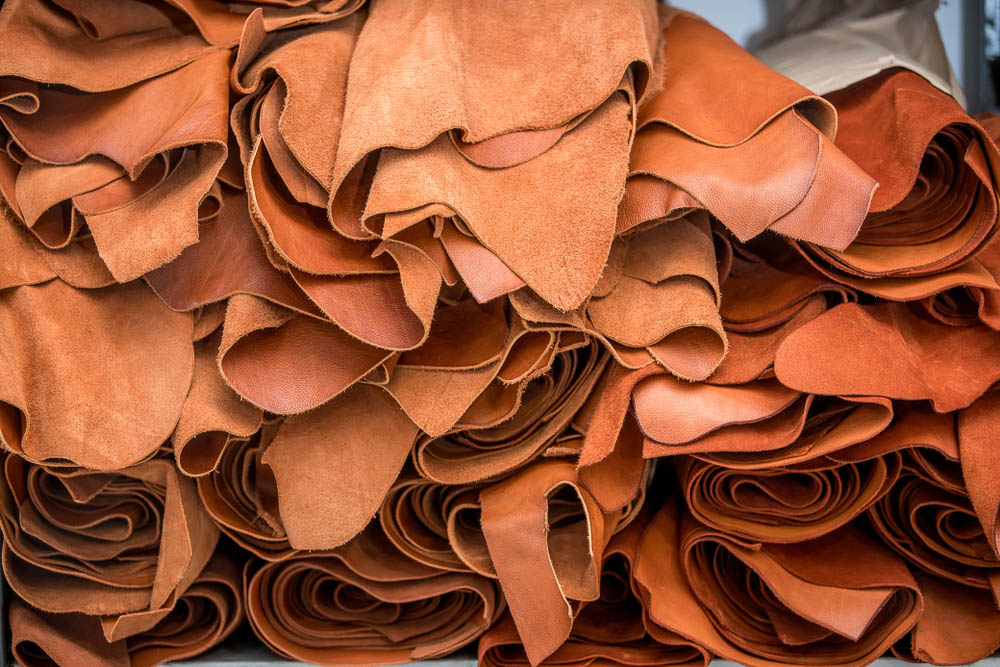
O homem é a única espécie que consome mais do que sua necessidade. Ela produz resíduos em quantidades tão grandes que a natureza não pode “reciclar” sozinha. O homem faz parte da natureza e todos os elementos da natureza, vivos ou não-vivos, estão em um relacionamento próximo e, portanto, criam um equilíbrio natural. O ser humano usa matérias-primas naturais e cria outras sem perceber que isso prejudica o meio ambiente. O couro é um dos elementos mais usados ​​dos tipos masculinos. Mas é produzida uma quantidade enorme de couro todos os anos.

[/fusion_text][/fusion_builder_column][fusion_builder_column type=”2_5″ layout=”2_5″ spacing=”” center_content=”no” link=”” target=”_self” min_height=”” hide_on_mobile=”small-visibility,medium-visibility,large-visibility” class=”” id=”” background_color=”” background_image=”” background_position=”left top” background_repeat=”no-repeat” hover_type=”none” border_size=”0″ border_color=”” border_style=”solid” border_position=”all” padding_top=”” padding_right=”” padding_bottom=”” padding_left=”” margin_top=”” margin_bottom=”” animation_type=”” animation_direction=”left” animation_speed=”0.3″ animation_offset=”” last=”no”][fusion_imageframe image_id=”3872″ max_width=”” style_type=”glow” stylecolor=”” hover_type=”zoomin” bordersize=”” bordercolor=”” borderradius=”” align=”center” lightbox=”no” gallery_id=”” lightbox_image=”” alt=”” link=”” linktarget=”_self” hide_on_mobile=”small-visibility,medium-visibility,large-visibility” class=”” id=”” animation_type=”” animation_direction=”left” animation_speed=”0.3″ animation_offset=””]https://www.earthsquad.global/wp-content/uploads/2018/06/8-40.jpg[/fusion_imageframe][/fusion_builder_column][/fusion_builder_row][/fusion_builder_container][fusion_builder_container hundred_percent=”no” hundred_percent_height=”no” hundred_percent_height_scroll=”no” hundred_percent_height_center_content=”yes” equal_height_columns=”no” menu_anchor=”” hide_on_mobile=”small-visibility,medium-visibility,large-visibility” class=”” id=”” background_color=”” background_image=”” background_position=”center center” background_repeat=”no-repeat” fade=”no” background_parallax=”none” enable_mobile=”no” parallax_speed=”0.3″ video_mp4=”” video_webm=”” video_ogv=”” video_url=”” video_aspect_ratio=”16:9″ video_loop=”yes” video_mute=”yes” video_preview_image=”” border_size=”” border_color=”” border_style=”solid” margin_top=”” margin_bottom=”” padding_top=”” padding_right=”” padding_bottom=”” padding_left=””][fusion_builder_row][fusion_builder_column type=”1_1″ layout=”1_1″ spacing=”” center_content=”no” link=”” target=”_self” min_height=”” hide_on_mobile=”small-visibility,medium-visibility,large-visibility” class=”set_block1″ id=”” background_color=”” background_image=”” background_position=”left top” undefined=”” background_repeat=”no-repeat” hover_type=”none” border_size=”0″ border_color=”” border_style=”solid” border_position=”all” padding_top=”” padding_right=”” padding_bottom=”” padding_left=”” margin_top=”” margin_bottom=”” animation_type=”” animation_direction=”left” animation_speed=”0.3″ animation_offset=”” last=”no”][fusion_text columns=”” column_min_width=”” column_spacing=”” rule_style=”default” rule_size=”” rule_color=”” hide_on_mobile=”small-visibility,medium-visibility,large-visibility” class=”” id=””]

Indústrias de fabricação de couro gerar um grande número de resíduos sólidos. Na E.U. curtumes, os resíduos sólidos são estimados em cerca de 1.200.000 toneladas / ano. As sucatas bronzeadas são venenosas e potencialmente perigosas para a saúde humana e para o meio ambiente, pois geralmente contêm alto teor de cromo.

Couro processos de curtimento causam impacto ambiental porque geram resíduos sólidos , águas residuais e gases emissores. O descarte não planejado e aleatório de tais resíduos pode promover a oxidação do cromo, como a mudança do cromo (III) para o cromo (VI).

O foco principal deste artigo é descrever os impactos do couro e a utilidade da reciclagem de produtos de couro, de modo que uma série de resíduos sólidos possa ser reduzida.

[/fusion_text][/fusion_builder_column][/fusion_builder_row][/fusion_builder_container][fusion_builder_container hundred_percent=”no” hundred_percent_height=”no” hundred_percent_height_scroll=”no” hundred_percent_height_center_content=”yes” equal_height_columns=”no” menu_anchor=”” hide_on_mobile=”small-visibility,medium-visibility,large-visibility” class=”” id=”” background_color=”” background_image=”https://www.earthsquad.global/wp-content/uploads/2018/06/9-39.jpg” background_position=”center center” background_repeat=”no-repeat” fade=”no” background_parallax=”fixed” enable_mobile=”no” parallax_speed=”0.3″ video_mp4=”” video_webm=”” video_ogv=”” video_url=”” video_aspect_ratio=”16:9″ video_loop=”yes” video_mute=”yes” video_preview_image=”” border_size=”” border_color=”” border_style=”solid” margin_top=”” margin_bottom=”” padding_top=”40px” padding_right=”40px” padding_bottom=”40px” padding_left=”40px”][fusion_builder_row][fusion_builder_column type=”1_1″ layout=”1_1″ spacing=”” center_content=”no” link=”” target=”_self” min_height=”” hide_on_mobile=”small-visibility,medium-visibility,large-visibility” class=”borderleftcls” id=”” background_color=”rgba(255,255,255,0.88)” background_image=”” background_position=”left top” undefined=”” background_repeat=”no-repeat” hover_type=”none” border_size=”0″ border_color=”” border_style=”solid” border_position=”all” padding_top=”25px” padding_right=”25px” padding_bottom=”25px” padding_left=”25px” margin_top=”” margin_bottom=”” animation_type=”” animation_direction=”left” animation_speed=”0.3″ animation_offset=”” last=”no”][fusion_text columns=”” column_min_width=”” column_spacing=”” rule_style=”default” rule_size=”” rule_color=”” hide_on_mobile=”small-visibility,medium-visibility,large-visibility” class=”” id=””]

Couro

[/fusion_text][fusion_separator style_type=”single solid” hide_on_mobile=”small-visibility,medium-visibility,large-visibility” class=”” id=”” sep_color=”#1fbed6″ top_margin=”” bottom_margin=”15px” border_size=”6″ icon=”” icon_circle=”” icon_circle_color=”” width=”70px” alignment=”center” /][fusion_text columns=”” column_min_width=”” column_spacing=”” rule_style=”default” rule_size=”” rule_color=”” hide_on_mobile=”small-visibility,medium-visibility,large-visibility” class=”” id=””]O couro é um material duradouro e flexível criado pelo curtimento de couro cru animal, principalmente couro de gado. Ele pode ser produzido em escalas de fabricação que variam de uma casa de campo para empresas de manufatura pesada.

Usos do couro

O couro é usado para fazer diferentes produtos, como roupas (especialmente calçados), encadernação e revestimento de móveis. É criado em uma ampla variedade de tipos e estilos, decorados por técnicas diversificadas.
Processamento de couro

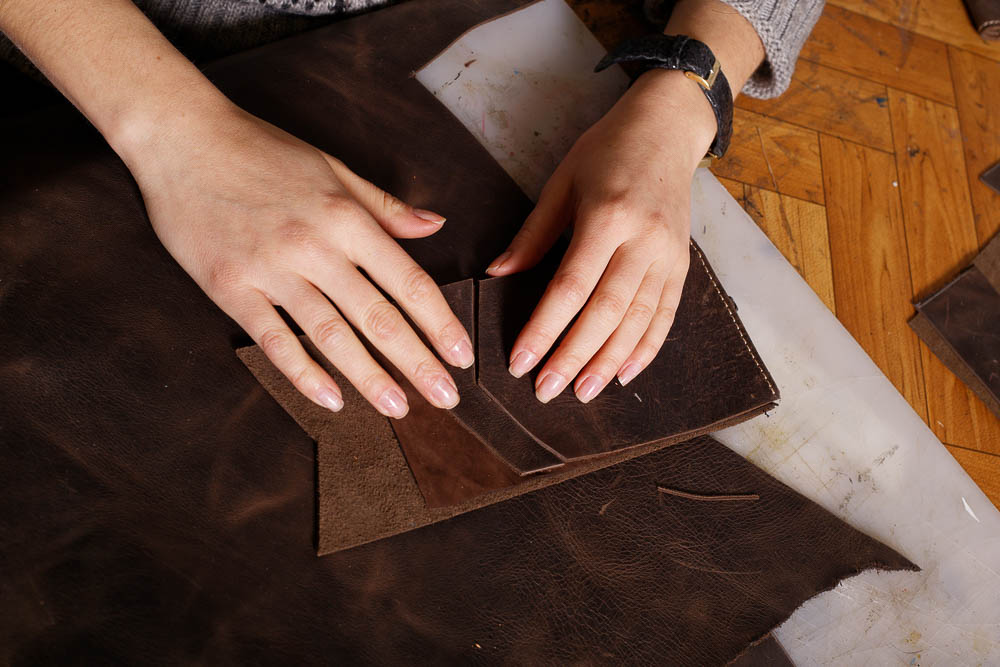
O processo de fabricação de couro é dividido em três processos fundamentais. Eles são a) etapas preparatórias, b) bronzeamento, ec) crostas.

a) Estágios preparatórios

O estágio preparatório começa quando a pele é preparada para se bronzear. Limning, delinking, depilação, digressão, branqueamento e decapagem estão em fase preparatória.

b) Bronzeamento

O bronzeamento é um processo que estabiliza as proteínas do couro cru para que ele não se decompõe, tornando-o adequado para uma ampla variedade de aplicações finais.
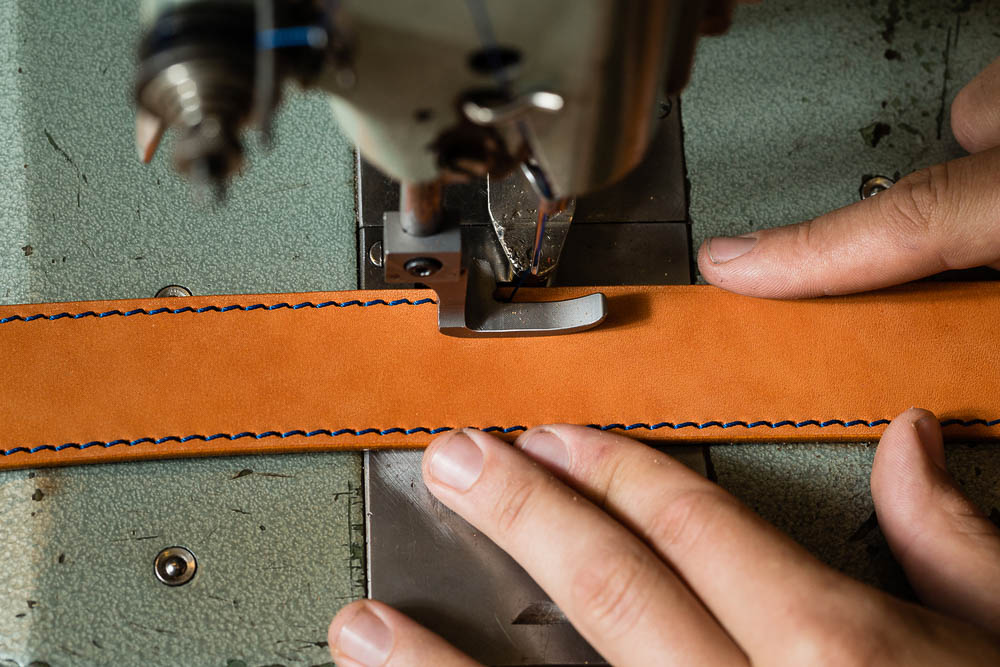
Existem muitos métodos e materiais de bronzeamento. O processo comum é que os curtidores carreguem as peles em um tambor e as mergulhem em um tanque que contenha o “licor” de bronzeamento. Os couros embebem-se enquanto o tambor gira lentamente em torno do seu eixo, e o licor de curtimento penetra lentamente através da espessura total do couro. Quando o processo alcança a penetração, os trabalhadores elevam lentamente o pH do licor em um processo chamado basificação. Ele fixa o material de bronzeamento ao couro.

C) Crostas

O processo que dilui e lubrifica o couro é chamado de crosta. Geralmente incorpora uma operação de coloração. Crostas culmina com uma operação de secagem e amaciamento. Pode incluir a divisão, barbear, tingimento, branqueamento e outros processos.

Além disso, em algum momento os curtidores usam um revestimento de superfície. É conhecido como “acabamento”. As operações de acabamento são compostas por lubrificação, escovagem, polimento, revestimento, polimento, gravação em relevo, envidraçamento ou trepidação, etc.[/fusion_text][/fusion_builder_column][/fusion_builder_row][/fusion_builder_container][fusion_builder_container hundred_percent=”no” hundred_percent_height=”no” hundred_percent_height_scroll=”no” hundred_percent_height_center_content=”yes” equal_height_columns=”no” menu_anchor=”” hide_on_mobile=”small-visibility,medium-visibility,large-visibility” class=”” id=”” background_color=”” background_image=”” background_position=”center center” background_repeat=”no-repeat” fade=”no” background_parallax=”none” enable_mobile=”no” parallax_speed=”0.3″ video_mp4=”” video_webm=”” video_ogv=”” video_url=”” video_aspect_ratio=”16:9″ video_loop=”yes” video_mute=”yes” video_preview_image=”” border_size=”” border_color=”” border_style=”solid” margin_top=”” margin_bottom=”” padding_top=”35px” padding_right=”” padding_bottom=”” padding_left=””][fusion_builder_row][fusion_builder_column type=”1_1″ layout=”1_1″ spacing=”” center_content=”no” link=”” target=”_self” min_height=”” hide_on_mobile=”small-visibility,medium-visibility,large-visibility” class=”” id=”” background_color=”” background_image=”” background_position=”left top” background_repeat=”no-repeat” hover_type=”none” border_size=”0″ border_color=”” border_style=”solid” border_position=”all” padding_top=”” padding_right=”” padding_bottom=”” padding_left=”” margin_top=”” margin_bottom=”” animation_type=”” animation_direction=”left” animation_speed=”0.3″ animation_offset=”” last=”no”][fusion_text columns=”” column_min_width=”” column_spacing=”” rule_style=”default” rule_size=”” rule_color=”” hide_on_mobile=”small-visibility,medium-visibility,large-visibility” class=”” id=””]

Impactos Ambientais

Alguns impactos ambientais são causados ​​pela produção de couro. Os impactos mais notáveis ​​são[/fusion_text][fusion_checklist icon=”fa-angle-right fas” iconcolor=”#ff6f6f” circle=”no” circlecolor=”” size=”” divider=”” divider_color=”” hide_on_mobile=”small-visibility,medium-visibility,large-visibility” class=”” id=””][fusion_li_item icon=””]

Os pegada de carbono da criação de gado

[/fusion_li_item][fusion_li_item icon=””]

O uso de produtos químicos no processo de curtimento

[/fusion_li_item][fusion_li_item icon=””]

Poluição do ar devido ao processo de transformação

[/fusion_li_item][/fusion_checklist][/fusion_builder_column][/fusion_builder_row][/fusion_builder_container][fusion_builder_container hundred_percent=”no” hundred_percent_height=”no” hundred_percent_height_scroll=”no” hundred_percent_height_center_content=”yes” equal_height_columns=”no” menu_anchor=”” hide_on_mobile=”small-visibility,medium-visibility,large-visibility” class=”” id=”” background_color=”” background_image=”” background_position=”center center” background_repeat=”no-repeat” fade=”no” background_parallax=”none” enable_mobile=”no” parallax_speed=”0.3″ video_mp4=”” video_webm=”” video_ogv=”” video_url=”” video_aspect_ratio=”16:9″ video_loop=”yes” video_mute=”yes” video_preview_image=”” border_size=”” border_color=”” border_style=”solid” margin_top=”” margin_bottom=”” padding_top=”” padding_right=”” padding_bottom=”” padding_left=””][fusion_builder_row][fusion_builder_column type=”1_1″ layout=”1_1″ spacing=”” center_content=”no” link=”” target=”_self” min_height=”” hide_on_mobile=”small-visibility,medium-visibility,large-visibility” class=”” id=”” background_color=”” background_image=”” background_position=”left top” background_repeat=”no-repeat” hover_type=”none” border_size=”0″ border_color=”” border_style=”solid” border_position=”all” padding_top=”” padding_right=”” padding_bottom=”” padding_left=”” margin_top=”” margin_bottom=”” animation_type=”” animation_direction=”left” animation_speed=”0.3″ animation_offset=”” last=”no”][fusion_accordion type=”” boxed_mode=”” border_size=”1″ border_color=”” background_color=”” hover_color=”” divider_line=”” title_font_size=”” icon_size=”” icon_color=”” icon_boxed_mode=”” icon_box_color=”” icon_alignment=”” toggle_hover_accent_color=”” hide_on_mobile=”small-visibility,medium-visibility,large-visibility” class=”” id=””][fusion_toggle title=”Pegada de carbono” open=”no”]

A estimativa média do pegada de carbono de artigos de couro é de 0,51 kg de CO2. São equivalentes por 1 libra de produto aos preços de varejo de 2010, ou 0,71 kg de CO2eq por 1 libra de produto aos preços da indústria de 2010.

[/fusion_toggle][fusion_toggle title=”Pegada hídrica” open=”no”]

Uma tonelada de couro ou pele geralmente polui 20 a 80 m3 de água, incluindo níveis de cromo de 100-400 mg / l, níveis de sulfeto de 200-800 mg / l, altos níveis de gordura e outros resíduos sólidos e notável contaminação por patógenos.

[/fusion_toggle][fusion_toggle title=”Disposição” open=”no”]

O couro degrada devagar. Demora 25 a 40 anos para ser decomposto. No entanto, materiais derivados de vinil e petroquímicos levam 500 anos ou mais para se decompor.

[/fusion_toggle][fusion_toggle title=”Resíduos Sólidos Crated from Leather” open=”no”]

O processo de fabricação de couro gera uma variedade de resíduos sólidos que são bem descritos em um documento de referência da UNIDO. Segundo o documento, a China produz 105 198 toneladas, a Ásia (excl. China) 195 319 toneladas, o Oriente Médio 37 521 toneladas, a Europa Oriental 18 264 toneladas, a Europa Ocidental 186 834 toneladas, América do Sul 87 225 toneladas 60 018 toneladas | e América Central 115 277 toneladas | Resto do mundo 805 656 toneladas de resíduos sólidos a cada ano.

[/fusion_toggle][fusion_toggle title=”Material biodegradável” open=”no”]Material biodegradável refere-se aos materiais que podem ser quebrados (decomposto) rapidamente através da ação de microorganismos. Elementos biodegradáveis ​​incluem restos de comida, algodão, lã, madeira, resíduos humanos e animais, produtos manufaturados baseados em materiais naturais.[/fusion_toggle][fusion_toggle title=”Materiais não biodegradáveis” open=”no”]

Os resíduos não biodegradáveis ​​incluem qualquer matéria em resíduos que não possa ser decomposta em dióxido de carbono, água, metano ou moléculas orgânicas simples por microorganismos e outros seres vivos usando compostagem, digestão aeróbica, digestão anaeróbica ou processos semelhantes.

[/fusion_toggle][fusion_toggle title=”Couro Ecológico” open=”no”]

Couro pode ser eco-friendly quando os produtos feitos de couro são curtidos naturalmente sem o uso de quaisquer produtos químicos. Hoje em dia, vários métodos modernos de curtimento de couro têm sido usados, os quais são ecologicamente corretos, por exemplo, usando couros curtidos ou tingidos de vegetais, etc.

[/fusion_toggle][/fusion_accordion][/fusion_builder_column][/fusion_builder_row][/fusion_builder_container][fusion_builder_container hundred_percent=”no” hundred_percent_height=”no” hundred_percent_height_scroll=”no” hundred_percent_height_center_content=”yes” equal_height_columns=”no” menu_anchor=”” hide_on_mobile=”small-visibility,medium-visibility,large-visibility” class=”” id=”” background_color=”” background_image=”https://www.earthsquad.global/wp-content/uploads/2018/06/3-39.jpg” background_position=”center center” background_repeat=”no-repeat” fade=”no” background_parallax=”fixed” enable_mobile=”no” parallax_speed=”0.3″ video_mp4=”” video_webm=”” video_ogv=”” video_url=”” video_aspect_ratio=”16:9″ video_loop=”yes” video_mute=”yes” video_preview_image=”” border_size=”” border_color=”” border_style=”solid” margin_top=”25px” margin_bottom=”” padding_top=”40px” padding_right=”40px” padding_bottom=”40px” padding_left=”40px”][fusion_builder_row][fusion_builder_column type=”1_1″ layout=”1_1″ spacing=”” center_content=”no” link=”” target=”_self” min_height=”” hide_on_mobile=”small-visibility,medium-visibility,large-visibility” class=”borderleftcls” id=”” background_color=”rgba(255,255,255,0.88)” background_image=”” background_position=”left top” undefined=”” background_repeat=”no-repeat” hover_type=”none” border_size=”0″ border_color=”” border_style=”solid” border_position=”all” padding_top=”25px” padding_right=”25px” padding_bottom=”25px” padding_left=”25px” margin_top=”” margin_bottom=”” animation_type=”” animation_direction=”left” animation_speed=”0.3″ animation_offset=”” last=”no”][fusion_text columns=”” column_min_width=”” column_spacing=”” rule_style=”default” rule_size=”” rule_color=”” hide_on_mobile=”small-visibility,medium-visibility,large-visibility” class=”” id=””]

Couro Reciclado
O processo de reciclagem de couro inclui tratar e reciclar resíduos de couro que são descartados por curtumes e outras indústrias de produtos de couro e usá-lo na produção de materiais compósitos.

Etapas da Reciclagem de Couro

[/fusion_text][fusion_text columns=”” column_min_width=”” column_spacing=”” rule_style=”default” rule_size=”” rule_color=”” hide_on_mobile=”small-visibility,medium-visibility,large-visibility” class=”” id=””]

O processo de ciclagem de couro envolve os seguintes passos.

[/fusion_text][fusion_checklist icon=”fa-angle-right fas” iconcolor=”#ff6f6f” circle=”no” circlecolor=”” size=”” divider=”” divider_color=”” hide_on_mobile=”small-visibility,medium-visibility,large-visibility” class=”” id=””][fusion_li_item icon=””]

Primeiro de tudo, os resíduos de couro e sucatas devem ser triturados.

[/fusion_li_item][fusion_li_item icon=””]A mistura resultante de desfiado o material de couro é colado junto com resina e catalisadores.[/fusion_li_item][fusion_li_item icon=””]

Este produto é prensado entre moldes metálicos de várias formas e tamanhos, ou diretamente em subcamadas para formar compensados,

[/fusion_li_item][fusion_li_item icon=””]

Está estruturado no item desejado.

[/fusion_li_item][fusion_li_item icon=””]

O produto final tem uma aparência muito polida e não há necessidade de nenhum acabamento adicional.

[/fusion_li_item][/fusion_checklist][fusion_separator style_type=”none” hide_on_mobile=”small-visibility,medium-visibility,large-visibility” class=”” id=”” sep_color=”” top_margin=”10px” bottom_margin=”” border_size=”” icon=”” icon_circle=”” icon_circle_color=”” width=”” alignment=”center” /][fusion_text columns=”” column_min_width=”” column_spacing=”” rule_style=”default” rule_size=”” rule_color=”” hide_on_mobile=”small-visibility,medium-visibility,large-visibility” class=”” id=””]

Conclusão

O couro pode ser reciclado para fazer roupas. A maior parte do couro reciclado é um composto de restos de couro picado e resíduos que são coletados de curtumes e outros fabricantes de produtos de couro.

Os produtos de couro reciclado são, definitivamente, agradáveis, à prova de som e até mesmo possuem propriedades de isolamento térmico. Eles são usados ​​de diferentes maneiras, desde móveis a pisos e interiores de automóveis e têm a aparência de couro natural.

A reciclagem de couro é uma ótima maneira de ser gentil com o meio ambiente e transformar algo antigo em algo novo.[/fusion_text][/fusion_builder_column][/fusion_builder_row][/fusion_builder_container][fusion_builder_container hundred_percent=”no” hundred_percent_height=”no” hundred_percent_height_scroll=”no” hundred_percent_height_center_content=”yes” equal_height_columns=”no” menu_anchor=”” hide_on_mobile=”small-visibility,medium-visibility,large-visibility” class=”” id=”” background_color=”” background_image=”” background_position=”center center” background_repeat=”no-repeat” fade=”no” background_parallax=”none” enable_mobile=”no” parallax_speed=”0.3″ video_mp4=”” video_webm=”” video_ogv=”” video_url=”” video_aspect_ratio=”16:9″ video_loop=”yes” video_mute=”yes” video_preview_image=”” border_size=”” border_color=”” border_style=”solid” margin_top=”” margin_bottom=”” padding_top=”35px” padding_right=”” padding_bottom=”” padding_left=””][fusion_builder_row][fusion_builder_column type=”1_1″ layout=”1_1″ spacing=”” center_content=”no” link=”” target=”_self” min_height=”” hide_on_mobile=”small-visibility,medium-visibility,large-visibility” class=”” id=”” background_color=”” background_image=”” background_position=”left top” background_repeat=”no-repeat” hover_type=”none” border_size=”0″ border_color=”” border_style=”solid” border_position=”all” padding_top=”” padding_right=”” padding_bottom=”” padding_left=”” margin_top=”” margin_bottom=”” animation_type=”” animation_direction=”left” animation_speed=”0.3″ animation_offset=”” last=”no”][fusion_text columns=”” column_min_width=”” column_spacing=”” rule_style=”default” rule_size=”” rule_color=”” hide_on_mobile=”small-visibility,medium-visibility,large-visibility” class=”” id=””]

[/fusion_text][/fusion_builder_column][/fusion_builder_row][/fusion_builder_container]

2018-10-17T08:42:01+00:00By |Categories: Biodegradable, Material de reciclagem|0 Comments

About the Author:

Leave A Comment

[fusion_builder_container hundred_percent=”no” hundred_percent_height=”no” hundred_percent_height_scroll=”no” hundred_percent_height_center_content=”yes” equal_height_columns=”no” menu_anchor=”” hide_on_mobile=”small-visibility,medium-visibility,large-visibility” class=”” id=”” background_color=”” background_image=”” background_position=”center center” background_repeat=”no-repeat” fade=”no” background_parallax=”none” enable_mobile=”no” parallax_speed=”0.3″ video_mp4=”” video_webm=”” video_ogv=”” video_url=”” video_aspect_ratio=”16:9″ video_loop=”yes” video_mute=”yes” video_preview_image=”” border_size=”” border_color=”” border_style=”solid” margin_top=”” margin_bottom=”” padding_top=”” padding_right=”” padding_bottom=”” padding_left=””][fusion_builder_row][fusion_builder_column type=”3_5″ layout=”3_5″ spacing=”” center_content=”no” link=”” target=”_self” min_height=”” hide_on_mobile=”small-visibility,medium-visibility,large-visibility” class=”” id=”” background_color=”” background_image=”” background_position=”left top” background_repeat=”no-repeat” hover_type=”none” border_size=”0″ border_color=”” border_style=”solid” border_position=”all” padding_top=”” padding_right=”” padding_bottom=”” padding_left=”” dimension_margin=”” animation_type=”” animation_direction=”left” animation_speed=”0.3″ animation_offset=”” last=”no”][fusion_text columns=”” column_min_width=”” column_spacing=”” rule_style=”default” rule_size=”” rule_color=”” class=”” id=””]Man is the only species that consumes more than its need. It produces waste in quantities so large that nature cannot “recycle” by itself. Man is part of nature and all the elements of nature, living or non-living, are in a close relationship and therefore create a natural balance. Human uses natural raw materials and creates others without realizing that it damages the environment. The leather is one of the most used elements of man kinds. But it is produced a huge amount of leather every year.[/fusion_text][/fusion_builder_column][fusion_builder_column type=”2_5″ layout=”2_5″ spacing=”” center_content=”no” link=”” target=”_self” min_height=”” hide_on_mobile=”small-visibility,medium-visibility,large-visibility” class=”” id=”” background_color=”” background_image=”” background_position=”left top” background_repeat=”no-repeat” hover_type=”none” border_size=”0″ border_color=”” border_style=”solid” border_position=”all” padding_top=”” padding_right=”” padding_bottom=”” padding_left=”” dimension_margin=”” animation_type=”” animation_direction=”left” animation_speed=”0.3″ animation_offset=”” last=”no”][fusion_imageframe image_id=”3872″ max_width=”” style_type=”glow” stylecolor=”” hover_type=”zoomin” bordersize=”” bordercolor=”” borderradius=”” align=”center” lightbox=”no” gallery_id=”” lightbox_image=”” alt=”” link=”” linktarget=”_self” hide_on_mobile=”small-visibility,medium-visibility,large-visibility” class=”” id=”” animation_type=”” animation_direction=”left” animation_speed=”0.3″ animation_offset=””]https://www.earthsquad.global/wp-content/uploads/2018/06/8-40.jpg[/fusion_imageframe][/fusion_builder_column][/fusion_builder_row][/fusion_builder_container][fusion_builder_container hundred_percent=”no” hundred_percent_height=”no” hundred_percent_height_scroll=”no” hundred_percent_height_center_content=”yes” equal_height_columns=”no” menu_anchor=”” hide_on_mobile=”small-visibility,medium-visibility,large-visibility” class=”” id=”” background_color=”” background_image=”” background_position=”center center” background_repeat=”no-repeat” fade=”no” background_parallax=”none” enable_mobile=”no” parallax_speed=”0.3″ video_mp4=”” video_webm=”” video_ogv=”” video_url=”” video_aspect_ratio=”16:9″ video_loop=”yes” video_mute=”yes” video_preview_image=”” border_size=”” border_color=”” border_style=”solid” margin_top=”” margin_bottom=”” padding_top=”” padding_right=”” padding_bottom=”” padding_left=””][fusion_builder_row][fusion_builder_column type=”1_1″ layout=”1_1″ spacing=”” center_content=”no” link=”” target=”_self” min_height=”” hide_on_mobile=”small-visibility,medium-visibility,large-visibility” class=”set_block1″ id=”” background_color=”” background_image=”” background_position=”left top” undefined=”” background_repeat=”no-repeat” hover_type=”none” border_size=”0″ border_color=”” border_style=”solid” border_position=”all” padding_top=”” padding_right=”” padding_bottom=”” padding_left=”” margin_top=”” margin_bottom=”” animation_type=”” animation_direction=”left” animation_speed=”0.3″ animation_offset=”” last=”no”][fusion_text columns=”” column_min_width=”” column_spacing=”” rule_style=”default” rule_size=”” rule_color=”” class=”” id=””]Leather manufacturing industries generate a large number of solid wastes. In the E.U. tannery, solid wastes are estimated to about 1,200,000 tons/year. Tanned scraps are poisonous and potentially perilous to human health and the environment as they usually contain high chrome contents.

Leather tanning processes cause environmental impact since they generate solid waste, wastewater, and emit gases. The unplanned and haphazard disposal of such waste may promote the oxidation of chromium such as changing from chromium (III) to chromium (VI).

The main focus of this article is to describe the impacts of leather and usefulness of  recycling  leather product so that a number of solid wastes can be reduced.[/fusion_text][/fusion_builder_column][/fusion_builder_row][/fusion_builder_container][fusion_builder_container hundred_percent=”no” hundred_percent_height=”no” hundred_percent_height_scroll=”no” hundred_percent_height_center_content=”yes” equal_height_columns=”no” menu_anchor=”” hide_on_mobile=”small-visibility,medium-visibility,large-visibility” class=”” id=”” background_color=”” background_image=”https://www.earthsquad.global/wp-content/uploads/2018/06/9-39.jpg” background_position=”center center” background_repeat=”no-repeat” fade=”no” background_parallax=”fixed” enable_mobile=”no” parallax_speed=”0.3″ video_mp4=”” video_webm=”” video_ogv=”” video_url=”” video_aspect_ratio=”16:9″ video_loop=”yes” video_mute=”yes” video_preview_image=”” border_size=”” border_color=”” border_style=”solid” margin_top=”” margin_bottom=”” padding_top=”40px” padding_right=”40px” padding_bottom=”40px” padding_left=”40px”][fusion_builder_row][fusion_builder_column type=”1_1″ layout=”1_1″ spacing=”” center_content=”no” link=”” target=”_self” min_height=”” hide_on_mobile=”small-visibility,medium-visibility,large-visibility” class=”borderleftcls” id=”” background_color=”rgba(255,255,255,0.88)” background_image=”” background_position=”left top” undefined=”” background_repeat=”no-repeat” hover_type=”none” border_size=”0″ border_color=”” border_style=”solid” border_position=”all” padding_top=”25px” padding_right=”25px” padding_bottom=”25px” padding_left=”25px” margin_top=”” margin_bottom=”” animation_type=”” animation_direction=”left” animation_speed=”0.3″ animation_offset=”” last=”no”][fusion_text columns=”” column_min_width=”” column_spacing=”” rule_style=”default” rule_size=”” rule_color=”” class=”” id=””]

Leather

[/fusion_text][fusion_separator style_type=”single solid” hide_on_mobile=”small-visibility,medium-visibility,large-visibility” class=”” id=”” sep_color=”#1fbed6″ top_margin=”” bottom_margin=”15px” border_size=”6″ icon=”” icon_circle=”” icon_circle_color=”” width=”70px” alignment=”center” /][fusion_text columns=”” column_min_width=”” column_spacing=”” rule_style=”default” rule_size=”” rule_color=”” class=”” id=””]The leather is a long-lasting and flexible material created by tanning animal rawhides, mostly cattle hide. It can be produced at manufacturing scales ranging from a cottage to heavy manufacture companies.

Uses of Leather

The leather is used to make different goods such as clothing (especially footwear), bookbinding, and furniture covering. It is created in a wide variety of types and styles, decorated by diversified techniques.

Leather Processing

The leather manufacturing process is divided into three fundamental processes. They are a) preparatory stages, b) tanning, and c) crusting.

a) Preparatory Stages

The preparatory stage starts as the hide is prepared for tanning. Limning, delinking, hair removal, digressing, bleaching and pickling are in the preparatory stage.

b) Tanning

Tanning is a process that stabilizes the proteins of the rawhide so it does not decay, making it suitable for a wide variety of final applications.

There are many tanning methods and materials. The common process is that tanners load the hides into a drum and immerse them in a tank that contains the tanning “liquor”. The hides soak while the drum slowly rotates about its axis, and the tanning liquor slowly penetrates through the full thickness of the hide. When the process achieves penetration, the workers slowly raise the liquor’s pH in a process called basification It fixes the tanning material to the leather.

C) Crusting

The process that thins and lubricates leather is called crusting. It often incorporates a coloring operation. Crusting culminates with a drying and softening operation. It may include splitting, shaving, dyeing, whitening and other processes.

In addition to, sometime tanners use a surface coating. It is known as “finishing”. Finishing operations are composed of oiling, brushing, buffing, coating, polishing, embossing, glazing or tumbling etc.[/fusion_text][/fusion_builder_column][/fusion_builder_row][/fusion_builder_container][fusion_builder_container hundred_percent=”no” hundred_percent_height=”no” hundred_percent_height_scroll=”no” hundred_percent_height_center_content=”yes” equal_height_columns=”no” menu_anchor=”” hide_on_mobile=”small-visibility,medium-visibility,large-visibility” class=”” id=”” background_color=”” background_image=”” background_position=”center center” background_repeat=”no-repeat” fade=”no” background_parallax=”none” enable_mobile=”no” parallax_speed=”0.3″ video_mp4=”” video_webm=”” video_ogv=”” video_url=”” video_aspect_ratio=”16:9″ video_loop=”yes” video_mute=”yes” video_preview_image=”” border_size=”” border_color=”” border_style=”solid” margin_top=”” margin_bottom=”” padding_top=”35px” padding_right=”” padding_bottom=”” padding_left=””][fusion_builder_row][fusion_builder_column type=”1_1″ layout=”1_1″ spacing=”” center_content=”no” link=”” target=”_self” min_height=”” hide_on_mobile=”small-visibility,medium-visibility,large-visibility” class=”” id=”” background_color=”” background_image=”” background_position=”left top” background_repeat=”no-repeat” hover_type=”none” border_size=”0″ border_color=”” border_style=”solid” border_position=”all” padding_top=”” padding_right=”” padding_bottom=”” padding_left=”” dimension_margin=”” animation_type=”” animation_direction=”left” animation_speed=”0.3″ animation_offset=”” last=”no”][fusion_text columns=”” column_min_width=”” column_spacing=”” rule_style=”default” rule_size=”” rule_color=”” class=”” id=””]

Environmental Impacts

Some environmental impacts are caused by leather production. Most notable impacts are[/fusion_text][fusion_checklist icon=”fa-angle-right fas” iconcolor=”#ff6f6f” circle=”no” circlecolor=”” size=”” divider=”” divider_color=”” hide_on_mobile=”small-visibility,medium-visibility,large-visibility” class=”” id=””][fusion_li_item icon=””]The carbon footprint of cattle rearing[/fusion_li_item][fusion_li_item icon=””]The use of chemicals in the tanning process[/fusion_li_item][fusion_li_item icon=””]Air pollution due to the transformation process[/fusion_li_item][/fusion_checklist][/fusion_builder_column][/fusion_builder_row][/fusion_builder_container][fusion_builder_container hundred_percent=”no” hundred_percent_height=”no” hundred_percent_height_scroll=”no” hundred_percent_height_center_content=”yes” equal_height_columns=”no” menu_anchor=”” hide_on_mobile=”small-visibility,medium-visibility,large-visibility” class=”” id=”” background_color=”” background_image=”” background_position=”center center” background_repeat=”no-repeat” fade=”no” background_parallax=”none” enable_mobile=”no” parallax_speed=”0.3″ video_mp4=”” video_webm=”” video_ogv=”” video_url=”” video_aspect_ratio=”16:9″ video_loop=”yes” video_mute=”yes” video_preview_image=”” border_size=”” border_color=”” border_style=”solid” margin_top=”” margin_bottom=”” padding_top=”” padding_right=”” padding_bottom=”” padding_left=””][fusion_builder_row][fusion_builder_column type=”1_1″ layout=”1_1″ spacing=”” center_content=”no” link=”” target=”_self” min_height=”” hide_on_mobile=”small-visibility,medium-visibility,large-visibility” class=”” id=”” background_color=”” background_image=”” background_position=”left top” background_repeat=”no-repeat” hover_type=”none” border_size=”0″ border_color=”” border_style=”solid” border_position=”all” padding_top=”” padding_right=”” padding_bottom=”” padding_left=”” dimension_margin=”” animation_type=”” animation_direction=”left” animation_speed=”0.3″ animation_offset=”” last=”no”][fusion_accordion type=”” boxed_mode=”” border_size=”1″ border_color=”” background_color=”” hover_color=”” divider_line=”” title_font_size=”” icon_size=”” icon_color=”” icon_boxed_mode=”” icon_box_color=”” icon_alignment=”” toggle_hover_accent_color=”” hide_on_mobile=”small-visibility,medium-visibility,large-visibility” class=”” id=””][fusion_toggle title=”Carbon footprint” open=”no”]The average estimate of the carbon footprint of leather goods is 0.51 kg of CO2. It equivalents per £1 of output at 2010 retail prices, or 0.71 kg CO2eq per £1 of output at 2010 industry prices.[/fusion_toggle][fusion_toggle title=”Water footprint” open=”no”]One ton of hide or skin generally pollutes 20 to 80 m3 of water, including chromium levels of 100–400 mg/l, sulfide levels of 200–800 mg/l, high levels of fat and other solid wastes, and notable pathogen contamination.[/fusion_toggle][fusion_toggle title=”Disposal” open=”no”]Leather degrades slowly. It takes 25 to 40 years to be decomposed. However, vinyl and petrochemical-derived materials take 500 or more years to decompose.[/fusion_toggle][fusion_toggle title=”Solid Wastes crated from Leather” open=”no”]The leather manufacturing process generates a variety of solid wastes which are well described in a UNIDO reference document. According to the document China produce 105 198 ton, Asia (excl. China) 195 319 tons, Middle east 37 521 tons, Eastern Europe 18 264 tons, Western Europe 186 834 tons, South America 87 225 tons North 60 018 tons| and Central America 115 277 tons | Rest of the world 805 656 tons solid wastes every year.[/fusion_toggle][fusion_toggle title=”Biodegradable Material ” open=”no”]Biodegradable Material refers to the materials that are capable of being broken down (decomposed) rapidly through the action of microorganisms. Biodegradable elements include food scraps, cotton, wool, wood, human and animal waste, manufactured products based on natural materials[/fusion_toggle][fusion_toggle title=”Non-biodegradable Materials” open=”no”]Non Biodegradable waste includes any matter in waste which cannot be broken down into carbon dioxide, water, methane or simple organic molecules by micro-organisms and other living things using composting, aerobic digestion, anaerobic digestion or similar processes.[/fusion_toggle][fusion_toggle title=” Eco-friendly Leather” open=”no”]Leather can be eco-friendly when the products made from leather are tanned naturally without using of any chemicals. Nowadays, various modern methods of tanning leather have been used which are eco-friendly for example, using un-dyed or vegetable tanned leather etc.[/fusion_toggle][/fusion_accordion][/fusion_builder_column][/fusion_builder_row][/fusion_builder_container][fusion_builder_container hundred_percent=”no” hundred_percent_height=”no” hundred_percent_height_scroll=”no” hundred_percent_height_center_content=”yes” equal_height_columns=”no” menu_anchor=”” hide_on_mobile=”small-visibility,medium-visibility,large-visibility” class=”” id=”” background_color=”” background_image=”https://www.earthsquad.global/wp-content/uploads/2018/06/3-39.jpg” background_position=”center center” background_repeat=”no-repeat” fade=”no” background_parallax=”fixed” enable_mobile=”no” parallax_speed=”0.3″ video_mp4=”” video_webm=”” video_ogv=”” video_url=”” video_aspect_ratio=”16:9″ video_loop=”yes” video_mute=”yes” video_preview_image=”” border_size=”” border_color=”” border_style=”solid” margin_top=”25px” margin_bottom=”” padding_top=”40px” padding_right=”40px” padding_bottom=”40px” padding_left=”40px”][fusion_builder_row][fusion_builder_column type=”1_1″ layout=”1_1″ spacing=”” center_content=”no” link=”” target=”_self” min_height=”” hide_on_mobile=”small-visibility,medium-visibility,large-visibility” class=”borderleftcls” id=”” background_color=”rgba(255,255,255,0.88)” background_image=”” background_position=”left top” undefined=”” background_repeat=”no-repeat” hover_type=”none” border_size=”0″ border_color=”” border_style=”solid” border_position=”all” padding_top=”25px” padding_right=”25px” padding_bottom=”25px” padding_left=”25px” margin_top=”” margin_bottom=”” animation_type=”” animation_direction=”left” animation_speed=”0.3″ animation_offset=”” last=”no”][fusion_text columns=”” column_min_width=”” column_spacing=”” rule_style=”default” rule_size=”” rule_color=”” class=”” id=””]

Leather Recycled

The process of recycling leather includes treating and recycling leather residues that are discarded by tanneries and other leather product industries and using it in the production of composite materials.

Steps of Leather Recycling

[/fusion_text][fusion_text columns=”” column_min_width=”” column_spacing=”” rule_style=”default” rule_size=”” rule_color=”” class=”” id=””]

Leather cycling process involves following steps.

[/fusion_text][fusion_checklist icon=”fa-angle-right fas” iconcolor=”#ff6f6f” circle=”no” circlecolor=”” size=”” divider=”” divider_color=”” hide_on_mobile=”small-visibility,medium-visibility,large-visibility” class=”” id=””][fusion_li_item icon=””]First of all, the leather residues and scraps must be shredded.[/fusion_li_item][fusion_li_item icon=””]The resulting blend of shredded leather material is glued together with resin and catalyzers.[/fusion_li_item][fusion_li_item icon=””]This product is pressed between metallic molds of various shapes and sizes, or directly on sublayers to form plywoods,[/fusion_li_item][fusion_li_item icon=””]It is structured into the desired item.[/fusion_li_item][fusion_li_item icon=””]The final product has a very polished appearance and there is no need for any additional finishing.[/fusion_li_item][/fusion_checklist][fusion_separator style_type=”none” hide_on_mobile=”small-visibility,medium-visibility,large-visibility” class=”” id=”” sep_color=”” top_margin=”10px” bottom_margin=”” border_size=”” icon=”” icon_circle=”” icon_circle_color=”” width=”” alignment=”center” /][fusion_text columns=”” column_min_width=”” column_spacing=”” rule_style=”default” rule_size=”” rule_color=”” class=”” id=””]

Conclusion

Leather can be recycled to make clothing. Most of the recycled leather is a composite of shredded leather scraps and residues which are collected from tanneries and other leather product manufacturers.

Recycled leather products are, definitely pleasing, soundproof and even have heat insulation properties. They are used in different ways, from furniture to floor tiles to car interiors and have the look of natural leather.

The recycling leather is a great way to be kind to the environment and turn something old into something new.[/fusion_text][/fusion_builder_column][/fusion_builder_row][/fusion_builder_container][fusion_builder_container hundred_percent=”no” hundred_percent_height=”no” hundred_percent_height_scroll=”no” hundred_percent_height_center_content=”yes” equal_height_columns=”no” menu_anchor=”” hide_on_mobile=”small-visibility,medium-visibility,large-visibility” class=”” id=”” background_color=”” background_image=”” background_position=”center center” background_repeat=”no-repeat” fade=”no” background_parallax=”none” enable_mobile=”no” parallax_speed=”0.3″ video_mp4=”” video_webm=”” video_ogv=”” video_url=”” video_aspect_ratio=”16:9″ video_loop=”yes” video_mute=”yes” video_preview_image=”” border_size=”” border_color=”” border_style=”solid” margin_top=”” margin_bottom=”” padding_top=”35px” padding_right=”” padding_bottom=”” padding_left=””][fusion_builder_row][fusion_builder_column type=”1_1″ layout=”1_1″ spacing=”” center_content=”no” link=”” target=”_self” min_height=”” hide_on_mobile=”small-visibility,medium-visibility,large-visibility” class=”” id=”” background_color=”” background_image=”” background_position=”left top” background_repeat=”no-repeat” hover_type=”none” border_size=”0″ border_color=”” border_style=”solid” border_position=”all” padding_top=”” padding_right=”” padding_bottom=”” padding_left=”” dimension_margin=”” animation_type=”” animation_direction=”left” animation_speed=”0.3″ animation_offset=”” last=”no”][fusion_text columns=”” column_min_width=”” column_spacing=”” rule_style=”default” rule_size=”” rule_color=”” class=”” id=””]

[/fusion_text][/fusion_builder_column][/fusion_builder_row][/fusion_builder_container][fusion_global id=”4038″]

2018-08-07T05:52:32+00:00By |Categories: Biodegradable, Recycling Material|0 Comments

About the Author:

Leave A Comment

[fusion_builder_container hundred_percent=”no” hundred_percent_height=”no” hundred_percent_height_scroll=”no” hundred_percent_height_center_content=”yes” equal_height_columns=”no” menu_anchor=”” hide_on_mobile=”small-visibility,medium-visibility,large-visibility” class=”” id=”” background_color=”” background_image=”” background_position=”center center” background_repeat=”no-repeat” fade=”no” background_parallax=”none” enable_mobile=”no” parallax_speed=”0.3″ video_mp4=”” video_webm=”” video_ogv=”” video_url=”” video_aspect_ratio=”16:9″ video_loop=”yes” video_mute=”yes” video_preview_image=”” border_size=”” border_color=”” border_style=”solid” margin_top=”” margin_bottom=”” padding_top=”” padding_right=”” padding_bottom=”” padding_left=””][fusion_builder_row][fusion_builder_column type=”3_5″ layout=”3_5″ spacing=”” center_content=”no” link=”” target=”_self” min_height=”” hide_on_mobile=”small-visibility,medium-visibility,large-visibility” class=”” id=”” background_color=”” background_image=”” background_position=”left top” background_repeat=”no-repeat” hover_type=”none” border_size=”0″ border_color=”” border_style=”solid” border_position=”all” padding_top=”” padding_right=”” padding_bottom=”” padding_left=”” margin_top=”” margin_bottom=”” animation_type=”” animation_direction=”left” animation_speed=”0.3″ animation_offset=”” last=”no”][fusion_text columns=”” column_min_width=”” column_spacing=”” rule_style=”default” rule_size=”” rule_color=”” hide_on_mobile=”small-visibility,medium-visibility,large-visibility” class=”” id=””]

人类是唯一消耗超过其需求的物种。它产生浪费数量如此之大,以至于大自然不能自行“回收”。人是自然的一部分,自然,生活或非生活的所有元素都处于密切的关系中,因此创造了自然的平衡。人类使用天然原料并创造其他人而不会意识到它会破坏环境。皮革是人类最常用的元素之一。但它产生了大量的皮革

[/fusion_text][/fusion_builder_column][fusion_builder_column type=”2_5″ layout=”2_5″ spacing=”” center_content=”no” link=”” target=”_self” min_height=”” hide_on_mobile=”small-visibility,medium-visibility,large-visibility” class=”” id=”” background_color=”” background_image=”” background_position=”left top” background_repeat=”no-repeat” hover_type=”none” border_size=”0″ border_color=”” border_style=”solid” border_position=”all” padding_top=”” padding_right=”” padding_bottom=”” padding_left=”” margin_top=”” margin_bottom=”” animation_type=”” animation_direction=”left” animation_speed=”0.3″ animation_offset=”” last=”no”][fusion_imageframe image_id=”3872″ max_width=”” style_type=”glow” stylecolor=”” hover_type=”zoomin” bordersize=”” bordercolor=”” borderradius=”” align=”center” lightbox=”no” gallery_id=”” lightbox_image=”” alt=”” link=”” linktarget=”_self” hide_on_mobile=”small-visibility,medium-visibility,large-visibility” class=”” id=”” animation_type=”” animation_direction=”left” animation_speed=”0.3″ animation_offset=””]https://www.earthsquad.global/wp-content/uploads/2018/06/8-40.jpg[/fusion_imageframe][/fusion_builder_column][/fusion_builder_row][/fusion_builder_container][fusion_builder_container hundred_percent=”no” hundred_percent_height=”no” hundred_percent_height_scroll=”no” hundred_percent_height_center_content=”yes” equal_height_columns=”no” menu_anchor=”” hide_on_mobile=”small-visibility,medium-visibility,large-visibility” class=”” id=”” background_color=”” background_image=”” background_position=”center center” background_repeat=”no-repeat” fade=”no” background_parallax=”none” enable_mobile=”no” parallax_speed=”0.3″ video_mp4=”” video_webm=”” video_ogv=”” video_url=”” video_aspect_ratio=”16:9″ video_loop=”yes” video_mute=”yes” video_preview_image=”” border_size=”” border_color=”” border_style=”solid” margin_top=”” margin_bottom=”” padding_top=”” padding_right=”” padding_bottom=”” padding_left=””][fusion_builder_row][fusion_builder_column type=”1_1″ layout=”1_1″ spacing=”” center_content=”no” link=”” target=”_self” min_height=”” hide_on_mobile=”small-visibility,medium-visibility,large-visibility” class=”set_block1″ id=”” background_color=”” background_image=”” background_position=”left top” undefined=”” background_repeat=”no-repeat” hover_type=”none” border_size=”0″ border_color=”” border_style=”solid” border_position=”all” padding_top=”” padding_right=”” padding_bottom=”” padding_left=”” margin_top=”” margin_bottom=”” animation_type=”” animation_direction=”left” animation_speed=”0.3″ animation_offset=”” last=”no”][fusion_text columns=”” column_min_width=”” column_spacing=”” rule_style=”default” rule_size=”” rule_color=”” hide_on_mobile=”small-visibility,medium-visibility,large-visibility” class=”” id=””]

皮革制造业产生大量固体废物。在E.U.制革厂,固体废物估计约为1,200,000吨/年。鞣制的废料是有毒的,可能对人类健康和环境有害,因为它们通常含有高铬含量。

皮革制革过程会产生环境影响,因为它们会产生固体废物,废水和排放气体。这种废物的无计划和随意处置可能促进铬的氧化,例如从铬(III)变为铬(VI)。

本文的主要重点是描述皮革的影响和回收皮革产品的有用性,以便减少许多固体废物。

[/fusion_text][/fusion_builder_column][/fusion_builder_row][/fusion_builder_container][fusion_builder_container hundred_percent=”no” hundred_percent_height=”no” hundred_percent_height_scroll=”no” hundred_percent_height_center_content=”yes” equal_height_columns=”no” menu_anchor=”” hide_on_mobile=”small-visibility,medium-visibility,large-visibility” class=”” id=”” background_color=”” background_image=”https://www.earthsquad.global/wp-content/uploads/2018/06/9-39.jpg” background_position=”center center” background_repeat=”no-repeat” fade=”no” background_parallax=”fixed” enable_mobile=”no” parallax_speed=”0.3″ video_mp4=”” video_webm=”” video_ogv=”” video_url=”” video_aspect_ratio=”16:9″ video_loop=”yes” video_mute=”yes” video_preview_image=”” border_size=”” border_color=”” border_style=”solid” margin_top=”” margin_bottom=”” padding_top=”40px” padding_right=”40px” padding_bottom=”40px” padding_left=”40px”][fusion_builder_row][fusion_builder_column type=”1_1″ layout=”1_1″ spacing=”” center_content=”no” link=”” target=”_self” min_height=”” hide_on_mobile=”small-visibility,medium-visibility,large-visibility” class=”borderleftcls” id=”” background_color=”rgba(255,255,255,0.88)” background_image=”” background_position=”left top” undefined=”” background_repeat=”no-repeat” hover_type=”none” border_size=”0″ border_color=”” border_style=”solid” border_position=”all” padding_top=”25px” padding_right=”25px” padding_bottom=”25px” padding_left=”25px” margin_top=”” margin_bottom=”” animation_type=”” animation_direction=”left” animation_speed=”0.3″ animation_offset=”” last=”no”][fusion_text columns=”” column_min_width=”” column_spacing=”” rule_style=”default” rule_size=”” rule_color=”” class=”” id=””]

皮革

[/fusion_text][fusion_separator style_type=”single solid” hide_on_mobile=”small-visibility,medium-visibility,large-visibility” class=”” id=”” sep_color=”#1fbed6″ top_margin=”” bottom_margin=”15px” border_size=”6″ icon=”” icon_circle=”” icon_circle_color=”” width=”70px” alignment=”center” /][fusion_text columns=”” column_min_width=”” column_spacing=”” rule_style=”default” rule_size=”” rule_color=”” hide_on_mobile=”small-visibility,medium-visibility,large-visibility” class=”” id=””]

皮革是一种持久而柔韧的材料,由鞣制动物生皮制成,主要是牛皮。它可以在从小屋到重型制造公司的制造规模上生产。

皮革的使用

皮革用于制作不同的商品,例如衣服(特别是鞋类),装订和家具覆盖物。它以各种类型和风格创造,采用多种技术装饰。

皮革加工

皮革制造过程分为三个基本过程。它们是 a)准备阶段,b)鞣制,和c)结壳。

a)准备阶段

准备阶段开始,因为皮革准备晒黑。脱毛,脱毛,脱毛,脱毛,漂白和酸洗正处于准备阶段。

b)晒黑

鞣制是一种稳定生皮蛋白质的过程,因此它不会腐烂,因此适用于各种最终应用。

有许多鞣制方法和材料。常见的过程是制革商将生皮装入滚筒中并将其浸入装有鞣制“酒”的罐中。当滚筒围绕其轴缓慢旋转时,皮革浸泡,并且晒黑液慢慢渗透皮革的整个厚度。当该过程实现渗透时,工人在称为碱化的过程中缓慢升高液体的pH值。它将鞣制材料固定在皮革上。

C)结痂

对皮革进行稀释和润滑的过程称为结壳。它通常包含着色操作。结壳以干燥和软化操作达到高潮。它可能包括分裂,剃须,染色,美白和其他过程。

此外,有时制革商使用表面涂层。它被称为“整理”。精加工操作包括上油,刷涂,抛光,涂层,抛光,压花,上釉或翻滚等。

[/fusion_text][/fusion_builder_column][/fusion_builder_row][/fusion_builder_container][fusion_builder_container hundred_percent=”no” hundred_percent_height=”no” hundred_percent_height_scroll=”no” hundred_percent_height_center_content=”yes” equal_height_columns=”no” menu_anchor=”” hide_on_mobile=”small-visibility,medium-visibility,large-visibility” class=”” id=”” background_color=”” background_image=”” background_position=”center center” background_repeat=”no-repeat” fade=”no” background_parallax=”none” enable_mobile=”no” parallax_speed=”0.3″ video_mp4=”” video_webm=”” video_ogv=”” video_url=”” video_aspect_ratio=”16:9″ video_loop=”yes” video_mute=”yes” video_preview_image=”” border_size=”” border_color=”” border_style=”solid” margin_top=”” margin_bottom=”” padding_top=”35px” padding_right=”” padding_bottom=”” padding_left=””][fusion_builder_row][fusion_builder_column type=”1_1″ layout=”1_1″ spacing=”” center_content=”no” link=”” target=”_self” min_height=”” hide_on_mobile=”small-visibility,medium-visibility,large-visibility” class=”” id=”” background_color=”” background_image=”” background_position=”left top” background_repeat=”no-repeat” hover_type=”none” border_size=”0″ border_color=”” border_style=”solid” border_position=”all” padding_top=”” padding_right=”” padding_bottom=”” padding_left=”” margin_top=”” margin_bottom=”” animation_type=”” animation_direction=”left” animation_speed=”0.3″ animation_offset=”” last=”no”][fusion_text columns=”” column_min_width=”” column_spacing=”” rule_style=”default” rule_size=”” rule_color=”” class=”” id=””]

环境影响

一些环境影响是由皮革生产引起的。最显着的影响是[/fusion_text][fusion_checklist icon=”fa-angle-right fas” iconcolor=”#ff6f6f” circle=”no” circlecolor=”” size=”” divider=”” divider_color=”” hide_on_mobile=”small-visibility,medium-visibility,large-visibility” class=”” id=””][fusion_li_item icon=””]

The 养牛的碳足迹

[/fusion_li_item][fusion_li_item icon=””]

在鞣制过程中使用化学品

[/fusion_li_item][fusion_li_item icon=””]

由于转型过程造成的空气污染

[/fusion_li_item][/fusion_checklist][/fusion_builder_column][/fusion_builder_row][/fusion_builder_container][fusion_builder_container hundred_percent=”no” hundred_percent_height=”no” hundred_percent_height_scroll=”no” hundred_percent_height_center_content=”yes” equal_height_columns=”no” menu_anchor=”” hide_on_mobile=”small-visibility,medium-visibility,large-visibility” class=”” id=”” background_color=”” background_image=”” background_position=”center center” background_repeat=”no-repeat” fade=”no” background_parallax=”none” enable_mobile=”no” parallax_speed=”0.3″ video_mp4=”” video_webm=”” video_ogv=”” video_url=”” video_aspect_ratio=”16:9″ video_loop=”yes” video_mute=”yes” video_preview_image=”” border_size=”” border_color=”” border_style=”solid” margin_top=”” margin_bottom=”” padding_top=”” padding_right=”” padding_bottom=”” padding_left=””][fusion_builder_row][fusion_builder_column type=”1_1″ layout=”1_1″ spacing=”” center_content=”no” link=”” target=”_self” min_height=”” hide_on_mobile=”small-visibility,medium-visibility,large-visibility” class=”” id=”” background_color=”” background_image=”” background_position=”left top” background_repeat=”no-repeat” hover_type=”none” border_size=”0″ border_color=”” border_style=”solid” border_position=”all” padding_top=”” padding_right=”” padding_bottom=”” padding_left=”” margin_top=”” margin_bottom=”” animation_type=”” animation_direction=”left” animation_speed=”0.3″ animation_offset=”” last=”no”][fusion_accordion type=”” boxed_mode=”” border_size=”1″ border_color=”” background_color=”” hover_color=”” divider_line=”” title_font_size=”” icon_size=”” icon_color=”” icon_boxed_mode=”” icon_box_color=”” icon_alignment=”” toggle_hover_accent_color=”” hide_on_mobile=”small-visibility,medium-visibility,large-visibility” class=”” id=””][fusion_toggle title=”碳足迹” open=”no”]

平均估计皮革制品的碳足迹为0.51千克二氧化碳。它相当于2010年零售价格每1英镑的产出,或2010年行业价格每1英镑产量0.71千克二氧化碳当量。

[/fusion_toggle][fusion_toggle title=”水足迹” open=”no”]

一吨皮或皮一般污染20至80立方米的水,包括100-400毫克/升的铬水平,200-800毫克/升的硫化物水平,高水平的脂肪和其他固体废物,以及显着的病原体污染。

[/fusion_toggle][fusion_toggle title=”处置” open=”no”]

皮革慢慢降解。分解需要25到40年。然而,乙烯基和石化衍生的材料需要500年或更长时间才能分解。

[/fusion_toggle][fusion_toggle title=”从皮革包装的固体废物” open=”no”]

皮革制造过程产生各种固体废物,这些废物在工发组织参考文件中有详细描述。根据该文件,中国生产105 198吨,亚洲(不含中国)195 319吨,中东37 521吨,东欧18 264吨,西欧186 834吨,南美87 225吨北60 018吨|和中美洲115 277吨|世界其他地区每年有805 656吨固体废物。

[/fusion_toggle][fusion_toggle title=”可生物降解的材料” open=”no”]

可生物降解材料是指能够通过微生物的作用迅速分解(分解)的材料。可生物降解的元素包括食物残渣,棉花,羊毛,木材,人类和动物废物,基于天然材料的制成品

[/fusion_toggle][fusion_toggle title=”不可生物降解的材料” open=”no”]

不可生物降解的废物包括废物中的任何物质,这些物质不能通过堆肥,好氧消化,厌氧消化或类似过程被微生物和其他生物分解为二氧化碳,水,甲烷或简单的有机分子。

[/fusion_toggle][fusion_toggle title=”环保皮革” open=”no”]

当皮革制成的产品在不使用任何化学品的情况下自然鞣制时,皮革可以是环保的。如今,已经使用各种现代的鞣制皮革方法,例如使用未染色或植鞣革等环保型。

[/fusion_toggle][/fusion_accordion][/fusion_builder_column][/fusion_builder_row][/fusion_builder_container][fusion_builder_container hundred_percent=”no” hundred_percent_height=”no” hundred_percent_height_scroll=”no” hundred_percent_height_center_content=”yes” equal_height_columns=”no” menu_anchor=”” hide_on_mobile=”small-visibility,medium-visibility,large-visibility” class=”” id=”” background_color=”” background_image=”https://www.earthsquad.global/wp-content/uploads/2018/06/3-39.jpg” background_position=”center center” background_repeat=”no-repeat” fade=”no” background_parallax=”fixed” enable_mobile=”no” parallax_speed=”0.3″ video_mp4=”” video_webm=”” video_ogv=”” video_url=”” video_aspect_ratio=”16:9″ video_loop=”yes” video_mute=”yes” video_preview_image=”” border_size=”” border_color=”” border_style=”solid” margin_top=”25px” margin_bottom=”” padding_top=”40px” padding_right=”40px” padding_bottom=”40px” padding_left=”40px”][fusion_builder_row][fusion_builder_column type=”1_1″ layout=”1_1″ spacing=”” center_content=”no” link=”” target=”_self” min_height=”” hide_on_mobile=”small-visibility,medium-visibility,large-visibility” class=”borderleftcls” id=”” background_color=”rgba(255,255,255,0.88)” background_image=”” background_position=”left top” undefined=”” background_repeat=”no-repeat” hover_type=”none” border_size=”0″ border_color=”” border_style=”solid” border_position=”all” padding_top=”25px” padding_right=”25px” padding_bottom=”25px” padding_left=”25px” margin_top=”” margin_bottom=”” animation_type=”” animation_direction=”left” animation_speed=”0.3″ animation_offset=”” last=”no”][fusion_text columns=”” column_min_width=”” column_spacing=”” rule_style=”default” rule_size=”” rule_color=”” hide_on_mobile=”small-visibility,medium-visibility,large-visibility” class=”” id=””]

皮革再生

回收皮革的过程包括处理和回收由制革厂和其他皮革制品工业丢弃的皮革残余物,并将其用于复合材料的生产。

皮革回收的步骤

[/fusion_text][fusion_text columns=”” column_min_width=”” column_spacing=”” rule_style=”default” rule_size=”” rule_color=”” hide_on_mobile=”small-visibility,medium-visibility,large-visibility” class=”” id=””]

皮革循环过程包括以下步骤。

[/fusion_text][fusion_checklist icon=”fa-angle-right fas” iconcolor=”#ff6f6f” circle=”no” circlecolor=”” size=”” divider=”” divider_color=”” hide_on_mobile=”small-visibility,medium-visibility,large-visibility” class=”” id=””][fusion_li_item icon=””]

首先,皮革残留物和废料必须切碎。

[/fusion_li_item][fusion_li_item icon=””]

由此产生的切碎混合物 皮革材料用树脂和催化剂粘合在一起。

[/fusion_li_item][fusion_li_item icon=””]

该产品在各种形状和尺寸的金属模具之间压制,或直接在子层上压制成胶合板,

[/fusion_li_item][fusion_li_item icon=””]

它被构造成所需的项目。

[/fusion_li_item][fusion_li_item icon=””]

最终产品外观非常光滑,无需任何额外的修整。

[/fusion_li_item][/fusion_checklist][fusion_separator style_type=”none” hide_on_mobile=”small-visibility,medium-visibility,large-visibility” class=”” id=”” sep_color=”” top_margin=”10px” bottom_margin=”” border_size=”” icon=”” icon_circle=”” icon_circle_color=”” width=”” alignment=”center” /][fusion_text columns=”” column_min_width=”” column_spacing=”” rule_style=”default” rule_size=”” rule_color=”” hide_on_mobile=”small-visibility,medium-visibility,large-visibility” class=”” id=””]

结论

皮革可以回收制作衣服。大多数再生皮革是由碎革和其他皮革制品制造商收集的碎皮革碎屑和残渣的复合物。

再生皮革产品绝对令人愉悦,隔音,甚至具有隔热性能。它们以不同的方式使用,从家具到地砖到汽车内饰,并具有天然皮革的外观。

回收皮革是一种善待环境并将旧东西变成新东西的好方法。[/fusion_text][/fusion_builder_column][/fusion_builder_row][/fusion_builder_container][fusion_builder_container hundred_percent=”no” hundred_percent_height=”no” hundred_percent_height_scroll=”no” hundred_percent_height_center_content=”yes” equal_height_columns=”no” menu_anchor=”” hide_on_mobile=”small-visibility,medium-visibility,large-visibility” class=”” id=”” background_color=”” background_image=”” background_position=”center center” background_repeat=”no-repeat” fade=”no” background_parallax=”none” enable_mobile=”no” parallax_speed=”0.3″ video_mp4=”” video_webm=”” video_ogv=”” video_url=”” video_aspect_ratio=”16:9″ video_loop=”yes” video_mute=”yes” video_preview_image=”” border_size=”” border_color=”” border_style=”solid” margin_top=”” margin_bottom=”” padding_top=”35px” padding_right=”” padding_bottom=”” padding_left=””][fusion_builder_row][fusion_builder_column type=”1_1″ layout=”1_1″ spacing=”” center_content=”no” link=”” target=”_self” min_height=”” hide_on_mobile=”small-visibility,medium-visibility,large-visibility” class=”” id=”” background_color=”” background_image=”” background_position=”left top” background_repeat=”no-repeat” hover_type=”none” border_size=”0″ border_color=”” border_style=”solid” border_position=”all” padding_top=”” padding_right=”” padding_bottom=”” padding_left=”” margin_top=”” margin_bottom=”” animation_type=”” animation_direction=”left” animation_speed=”0.3″ animation_offset=”” last=”no”][fusion_text columns=”” column_min_width=”” column_spacing=”” rule_style=”default” rule_size=”” rule_color=”” hide_on_mobile=”small-visibility,medium-visibility,large-visibility” class=”” id=””]

[/fusion_text][/fusion_builder_column][/fusion_builder_row][/fusion_builder_container]
2018-10-17T08:47:58+00:00By |Categories: 可生物降解, 回收材料|0 Comments

About the Author:

Leave A Comment

[fusion_builder_container hundred_percent=”no” hundred_percent_height=”no” hundred_percent_height_scroll=”no” hundred_percent_height_center_content=”yes” equal_height_columns=”no” menu_anchor=”” hide_on_mobile=”small-visibility,medium-visibility,large-visibility” class=”” id=”” background_color=”” background_image=”” background_position=”center center” background_repeat=”no-repeat” fade=”no” background_parallax=”none” enable_mobile=”no” parallax_speed=”0.3″ video_mp4=”” video_webm=”” video_ogv=”” video_url=”” video_aspect_ratio=”16:9″ video_loop=”yes” video_mute=”yes” video_preview_image=”” border_size=”” border_color=”” border_style=”solid” margin_top=”” margin_bottom=”” padding_top=”” padding_right=”” padding_bottom=”” padding_left=””][fusion_builder_row][fusion_builder_column type=”3_5″ layout=”3_5″ spacing=”” center_content=”no” link=”” target=”_self” min_height=”” hide_on_mobile=”small-visibility,medium-visibility,large-visibility” class=”” id=”” background_color=”” background_image=”” background_position=”left top” background_repeat=”no-repeat” hover_type=”none” border_size=”0″ border_color=”” border_style=”solid” border_position=”all” padding_top=”” padding_right=”” padding_bottom=”” padding_left=”” margin_top=”” margin_bottom=”” animation_type=”” animation_direction=”left” animation_speed=”0.3″ animation_offset=”” last=”no”][fusion_text columns=”” column_min_width=”” column_spacing=”” rule_style=”default” rule_size=”” rule_color=”” class=”” id=””]

Der Mensch ist die einzige Spezies, die mehr verbraucht als sie braucht. Es produziert Abfälle in Mengen, die so groß sind, dass die Natur sich nicht selbst” recyceln “kann. Der Mensch ist Teil der Natur und alle Elemente der Natur, ob lebend oder nicht, stehen in einer engen Beziehung und schaffen so ein natürliches Gleichgewicht. Der Mensch verwendet natürliche Rohstoffe und schafft andere, ohne zu merken, dass dies die Umwelt schädigt. Das Leder ist eines der am häufigsten verwendeten Elemente der Menschenarten. Aber es ist eine große Menge produziert von Leder jedes Jahr.

[/fusion_text][/fusion_builder_column][fusion_builder_column type=”2_5″ layout=”2_5″ spacing=”” center_content=”no” link=”” target=”_self” min_height=”” hide_on_mobile=”small-visibility,medium-visibility,large-visibility” class=”” id=”” background_color=”” background_image=”” background_position=”left top” background_repeat=”no-repeat” hover_type=”none” border_size=”0″ border_color=”” border_style=”solid” border_position=”all” padding_top=”” padding_right=”” padding_bottom=”” padding_left=”” margin_top=”” margin_bottom=”” animation_type=”” animation_direction=”left” animation_speed=”0.3″ animation_offset=”” last=”no”][fusion_imageframe image_id=”3872″ max_width=”” style_type=”glow” stylecolor=”” hover_type=”zoomin” bordersize=”” bordercolor=”” borderradius=”” align=”center” lightbox=”no” gallery_id=”” lightbox_image=”” alt=”” link=”” linktarget=”_self” hide_on_mobile=”small-visibility,medium-visibility,large-visibility” class=”” id=”” animation_type=”” animation_direction=”left” animation_speed=”0.3″ animation_offset=””]https://www.earthsquad.global/wp-content/uploads/2018/06/8-40.jpg[/fusion_imageframe][/fusion_builder_column][/fusion_builder_row][/fusion_builder_container][fusion_builder_container hundred_percent=”no” hundred_percent_height=”no” hundred_percent_height_scroll=”no” hundred_percent_height_center_content=”yes” equal_height_columns=”no” menu_anchor=”” hide_on_mobile=”small-visibility,medium-visibility,large-visibility” class=”” id=”” background_color=”” background_image=”” background_position=”center center” background_repeat=”no-repeat” fade=”no” background_parallax=”none” enable_mobile=”no” parallax_speed=”0.3″ video_mp4=”” video_webm=”” video_ogv=”” video_url=”” video_aspect_ratio=”16:9″ video_loop=”yes” video_mute=”yes” video_preview_image=”” border_size=”” border_color=”” border_style=”solid” margin_top=”” margin_bottom=”” padding_top=”” padding_right=”” padding_bottom=”” padding_left=””][fusion_builder_row][fusion_builder_column type=”1_1″ layout=”1_1″ spacing=”” center_content=”no” link=”” target=”_self” min_height=”” hide_on_mobile=”small-visibility,medium-visibility,large-visibility” class=”set_block1″ id=”” background_color=”” background_image=”” background_position=”left top” undefined=”” background_repeat=”no-repeat” hover_type=”none” border_size=”0″ border_color=”” border_style=”solid” border_position=”all” padding_top=”” padding_right=”” padding_bottom=”” padding_left=”” margin_top=”” margin_bottom=”” animation_type=”” animation_direction=”left” animation_speed=”0.3″ animation_offset=”” last=”no”][fusion_text columns=”” column_min_width=”” column_spacing=”” rule_style=”default” rule_size=”” rule_color=”” hide_on_mobile=”small-visibility,medium-visibility,large-visibility” class=”” id=””] Lederherstellung Die Industrie erzeugt eine große Anzahl von festen Abfällen. In der E.U. Gerberei, feste Abfälle werden auf etwa 1.200.000 Tonnen / Jahr geschätzt. Gegerbte Schrotte sind giftig und potentiell gefährlich für die menschliche Gesundheit und die Umwelt, da sie normalerweise einen hohen Chromgehalt aufweisen.

Leather Bräunungsprozesse verursachen Umweltverträglichkeit, da sie feste Abfälle , Abwasser und Gase ausstoßen. Die ungeplante und willkürliche Entsorgung solcher Abfälle kann die Oxidation von Chrom fördern, wie beispielsweise den Übergang von Chrom (III) zu Chrom (VI).

Das Hauptaugenmerk dieses Artikels liegt auf der Beschreibung der Auswirkungen von Leder und der Nützlichkeit des Recycling von Lederprodukten, so dass eine Reihe von festen Abfällen reduziert werden kann.[/fusion_text][/fusion_builder_column][/fusion_builder_row][/fusion_builder_container][fusion_builder_container hundred_percent=”no” hundred_percent_height=”no” hundred_percent_height_scroll=”no” hundred_percent_height_center_content=”yes” equal_height_columns=”no” menu_anchor=”” hide_on_mobile=”small-visibility,medium-visibility,large-visibility” class=”” id=”” background_color=”” background_image=”https://www.earthsquad.global/wp-content/uploads/2018/06/9-39.jpg” background_position=”center center” background_repeat=”no-repeat” fade=”no” background_parallax=”fixed” enable_mobile=”no” parallax_speed=”0.3″ video_mp4=”” video_webm=”” video_ogv=”” video_url=”” video_aspect_ratio=”16:9″ video_loop=”yes” video_mute=”yes” video_preview_image=”” border_size=”” border_color=”” border_style=”solid” margin_top=”” margin_bottom=”” padding_top=”40px” padding_right=”40px” padding_bottom=”40px” padding_left=”40px”][fusion_builder_row][fusion_builder_column type=”1_1″ layout=”1_1″ spacing=”” center_content=”no” link=”” target=”_self” min_height=”” hide_on_mobile=”small-visibility,medium-visibility,large-visibility” class=”borderleftcls” id=”” background_color=”rgba(255,255,255,0.88)” background_image=”” background_position=”left top” undefined=”” background_repeat=”no-repeat” hover_type=”none” border_size=”0″ border_color=”” border_style=”solid” border_position=”all” padding_top=”25px” padding_right=”25px” padding_bottom=”25px” padding_left=”25px” margin_top=”” margin_bottom=”” animation_type=”” animation_direction=”left” animation_speed=”0.3″ animation_offset=”” last=”no”][fusion_text columns=”” column_min_width=”” column_spacing=”” rule_style=”default” rule_size=”” rule_color=”” class=”” id=””]

Leder

[/fusion_text][fusion_separator style_type=”single solid” hide_on_mobile=”small-visibility,medium-visibility,large-visibility” class=”” id=”” sep_color=”#1fbed6″ top_margin=”” bottom_margin=”15px” border_size=”6″ icon=”” icon_circle=”” icon_circle_color=”” width=”70px” alignment=”center” /][fusion_text columns=”” column_min_width=”” column_spacing=”” rule_style=”default” rule_size=”” rule_color=”” hide_on_mobile=”small-visibility,medium-visibility,large-visibility” class=”” id=””]

Das Leder ist ein langlebiges und flexibles Material, das durch das Gerben von tierischen Rohhäuten, meist Rinderhaut, entsteht. Es kann in einer Produktionsskala hergestellt werden, die von einer Hütte bis hin zu Herstellerfirmen reicht.

Verwendung von Leder

Das Leder wird verwendet, um verschiedene Waren wie Kleidung (insbesondere Schuhe), Buchbinderei und Möbelbezüge herzustellen. Es ist in einer Vielzahl von Arten und Stilen geschaffen, dekoriert mit verschiedenen Techniken.

Lederverarbeitung

Der Lederherstellungsprozess ist in drei grundlegende Prozesse unterteilt. Sie sind a) vorbereitende Stadien, b) Bräunung und c) Krustenbildung.

a) Vorbereitungsstufen

Die Vorbereitungsphase beginnt, wenn die Haut zum Bräunen vorbereitet ist. Liming, Delinking, Haarentfernung, Abschweifen, Bleichen und Beizen sind in der Vorbereitungsphase.

b) Bräunen

Bräunung ist ein Prozess, der die Proteine ​​der Rohhaut stabilisiert, so dass sie nicht zerfällt und somit für eine Vielzahl von Endanwendungen geeignet ist.

Es gibt viele Bräunungsmethoden und Materialien. Der übliche Prozess besteht darin, dass Gerber die Häute in eine Trommel laden und sie in einen Tank eintauchen, der die gerbende “Lauge” enthält. Die Häute saugen ein, während sich die Trommel langsam um ihre Achse dreht, und die Gerbflüssigkeit dringt langsam durch die gesamte Dicke der Haut ein. Wenn das Verfahren die Penetration erreicht, erhöhen die Arbeiter langsam den pH-Wert der Flotte in einem Prozess, der Basifizierung genannt wird. Sie fixiert das Gerbmaterial auf dem Leder.

C) Verkrustung

Der Prozess, der Leder verdünnt und schmiert, nennt man Verkrustung. Es enthält oft eine Färbung Operation. Verkrustung gipfelt in einem Trocknungs- und Erweichungsvorgang. Es kann Spalten, Rasieren, Färben, Bleichen und andere Prozesse umfassen.

Außerdem verwenden Gerber manchmal eine Oberflächenbeschichtung. Es ist bekannt als “Finishing”. Endbearbeitungen bestehen aus Ölen, Bürsten, Polieren, Beschichten, Polieren, Prägen, Glasieren oder Taumeln etc.

[/fusion_text][/fusion_builder_column][/fusion_builder_row][/fusion_builder_container][fusion_builder_container hundred_percent=”no” hundred_percent_height=”no” hundred_percent_height_scroll=”no” hundred_percent_height_center_content=”yes” equal_height_columns=”no” menu_anchor=”” hide_on_mobile=”small-visibility,medium-visibility,large-visibility” class=”” id=”” background_color=”” background_image=”” background_position=”center center” background_repeat=”no-repeat” fade=”no” background_parallax=”none” enable_mobile=”no” parallax_speed=”0.3″ video_mp4=”” video_webm=”” video_ogv=”” video_url=”” video_aspect_ratio=”16:9″ video_loop=”yes” video_mute=”yes” video_preview_image=”” border_size=”” border_color=”” border_style=”solid” margin_top=”” margin_bottom=”” padding_top=”35px” padding_right=”” padding_bottom=”” padding_left=””][fusion_builder_row][fusion_builder_column type=”1_1″ layout=”1_1″ spacing=”” center_content=”no” link=”” target=”_self” min_height=”” hide_on_mobile=”small-visibility,medium-visibility,large-visibility” class=”” id=”” background_color=”” background_image=”” background_position=”left top” background_repeat=”no-repeat” hover_type=”none” border_size=”0″ border_color=”” border_style=”solid” border_position=”all” padding_top=”” padding_right=”” padding_bottom=”” padding_left=”” margin_top=”” margin_bottom=”” animation_type=”” animation_direction=”left” animation_speed=”0.3″ animation_offset=”” last=”no”][fusion_text columns=”” column_min_width=”” column_spacing=”” rule_style=”default” rule_size=”” rule_color=”” hide_on_mobile=”small-visibility,medium-visibility,large-visibility” class=”” id=””]

Umweltverträglichkeit

Einige Umweltverträglichkeit werden durch die Produktion von Leder verursacht. Die bemerkenswertesten Auswirkungen sind[/fusion_text][fusion_checklist icon=”fa-angle-right fas” iconcolor=”#ff6f6f” circle=”no” circlecolor=”” size=”” divider=”” divider_color=”” hide_on_mobile=”small-visibility,medium-visibility,large-visibility” class=”” id=””][fusion_li_item icon=””]

CO2-Fußabdruck vom Viehbestand

[/fusion_li_item][fusion_li_item icon=””]

Die Verwendung von chemischen Produkten im Gerbprozess.

[/fusion_li_item][fusion_li_item icon=””]

Luftverschmutzung durch den Transformationsprozess.

[/fusion_li_item][/fusion_checklist][/fusion_builder_column][/fusion_builder_row][/fusion_builder_container][fusion_builder_container hundred_percent=”no” hundred_percent_height=”no” hundred_percent_height_scroll=”no” hundred_percent_height_center_content=”yes” equal_height_columns=”no” menu_anchor=”” hide_on_mobile=”small-visibility,medium-visibility,large-visibility” class=”” id=”” background_color=”” background_image=”” background_position=”center center” background_repeat=”no-repeat” fade=”no” background_parallax=”none” enable_mobile=”no” parallax_speed=”0.3″ video_mp4=”” video_webm=”” video_ogv=”” video_url=”” video_aspect_ratio=”16:9″ video_loop=”yes” video_mute=”yes” video_preview_image=”” border_size=”” border_color=”” border_style=”solid” margin_top=”” margin_bottom=”” padding_top=”” padding_right=”” padding_bottom=”” padding_left=””][fusion_builder_row][fusion_builder_column type=”1_1″ layout=”1_1″ spacing=”” center_content=”no” link=”” target=”_self” min_height=”” hide_on_mobile=”small-visibility,medium-visibility,large-visibility” class=”” id=”” background_color=”” background_image=”” background_position=”left top” background_repeat=”no-repeat” hover_type=”none” border_size=”0″ border_color=”” border_style=”solid” border_position=”all” padding_top=”” padding_right=”” padding_bottom=”” padding_left=”” margin_top=”” margin_bottom=”” animation_type=”” animation_direction=”left” animation_speed=”0.3″ animation_offset=”” last=”no”][fusion_accordion type=”” boxed_mode=”” border_size=”1″ border_color=”” background_color=”” hover_color=”” divider_line=”” title_font_size=”” icon_size=”” icon_color=”” icon_boxed_mode=”” icon_box_color=”” icon_alignment=”” toggle_hover_accent_color=”” hide_on_mobile=”small-visibility,medium-visibility,large-visibility” class=”” id=””][fusion_toggle title=”CO2-Fußabdruck” open=”no”]

Die durchschnittliche Schätzung der Carbon Footprint von Lederwaren beträgt 0,51 kg CO2. Dies entspricht Äquivalenten je 1 Pfund der Produktion zu Preisen des Jahres 2010 oder 0,71 kg CO2eq je 1 Pfund der Produktion zu Preisen des Jahres 2010.

[/fusion_toggle][fusion_toggle title=”Wasserfußabdruck” open=”no”]

Eine Tonne Haut oder Haut verunreinigt in der Regel 20 bis 80 m3 Wasser, einschließlich Chromgehalten von 100-400 mg / l, Sulfidgehalten von 200-800 mg / l, hohen Fettgehalten und anderen festen Abfällen sowie einer bemerkenswerten Kontamination durch Krankheitserreger.

[/fusion_toggle][fusion_toggle title=”Verfügung” open=”no”]

Leder wird langsam abgebaut. Es dauert 25 bis 40 Jahre, um abgebaut zu werden. Von Vinyl und Petrochemikalien abgeleitete Materialien benötigen jedoch 500 oder mehr Jahre, um sich zu zersetzen.

[/fusion_toggle][fusion_toggle title=”Feste Abfälle aus Leder” open=”no”]

Das Lederherstellungsverfahren erzeugt eine Vielzahl von festen Abfällen, die in einem UNIDO-Referenzdokument gut beschrieben sind. Nach dem Dokument China produzieren 105 198 Tonnen, Asien (ohne China) 195 319 Tonnen, Mittlerer Osten 37 521 Tonnen, Osteuropa 18 264 Tonnen, Westeuropa 186 834 Tonnen, Südamerika 87 225 Tonnen Nord 60 018 Tonnen und Mittelamerika 115 277 Tonnen | Rest der Welt 805 656 Tonnen feste Abfälle pro Jahr.

[/fusion_toggle][fusion_toggle title=”Biologisch abbaubares Material” open=”no”]

Biologisch abbaubares Material bezieht sich auf Materialien, die durch Einwirkung von Mikroorganismen schnell abgebaut (zersetzt) ​​werden können. Zu den biologisch abbaubaren Elementen gehören Speisereste, Baumwolle, Wolle, Holz, menschliche und tierische Abfälle, auf natürlichen Materialien basierende Produkte

[/fusion_toggle][fusion_toggle title=”Nicht biologisch abbaubare Materialien” open=”no”]

Nicht biologisch abbaubare Abfälle sind Abfälle, die nicht durch Mikroorganismen, andere Lebewesen, wie Kompostierung, aerobe Faulung, anaerobe Vergärung oder ähnliche Prozesse in Kohlendioxid, Wasser, Methan oder einfache organische Moleküle zerlegt werden können.

[/fusion_toggle][fusion_toggle title=”Umweltfreundliches Leder” open=”no”]

Leder kann umweltfreundlich sein, wenn die aus Leder gefertigten Produkte ohne Verwendung von Chemikalien natürlich gegerbt werden. Heutzutage wurden verschiedene moderne Methoden des Gerben von Leder verwendet, die zum Beispiel umweltfreundlich sind, wobei ungefärbtes oder pflanzlich gegerbtes Leder usw. verwendet wird.

[/fusion_toggle][/fusion_accordion][/fusion_builder_column][/fusion_builder_row][/fusion_builder_container][fusion_builder_container hundred_percent=”no” hundred_percent_height=”no” hundred_percent_height_scroll=”no” hundred_percent_height_center_content=”yes” equal_height_columns=”no” menu_anchor=”” hide_on_mobile=”small-visibility,medium-visibility,large-visibility” class=”” id=”” background_color=”” background_image=”https://www.earthsquad.global/wp-content/uploads/2018/06/3-39.jpg” background_position=”center center” background_repeat=”no-repeat” fade=”no” background_parallax=”fixed” enable_mobile=”no” parallax_speed=”0.3″ video_mp4=”” video_webm=”” video_ogv=”” video_url=”” video_aspect_ratio=”16:9″ video_loop=”yes” video_mute=”yes” video_preview_image=”” border_size=”” border_color=”” border_style=”solid” margin_top=”25px” margin_bottom=”” padding_top=”40px” padding_right=”40px” padding_bottom=”40px” padding_left=”40px”][fusion_builder_row][fusion_builder_column type=”1_1″ layout=”1_1″ spacing=”” center_content=”no” link=”” target=”_self” min_height=”” hide_on_mobile=”small-visibility,medium-visibility,large-visibility” class=”borderleftcls” id=”” background_color=”rgba(255,255,255,0.88)” background_image=”” background_position=”left top” undefined=”” background_repeat=”no-repeat” hover_type=”none” border_size=”0″ border_color=”” border_style=”solid” border_position=”all” padding_top=”25px” padding_right=”25px” padding_bottom=”25px” padding_left=”25px” margin_top=”” margin_bottom=”” animation_type=”” animation_direction=”left” animation_speed=”0.3″ animation_offset=”” last=”no”][fusion_text columns=”” column_min_width=”” column_spacing=”” rule_style=”default” rule_size=”” rule_color=”” hide_on_mobile=”small-visibility,medium-visibility,large-visibility” class=”” id=””]

Leder recycelt

Der Prozess des Lederrecyclings umfasst die Behandlung und Wiederverwertung von Lederresten, die von Gerbereien und anderen Lederwarenindustrien entsorgt werden, und die Verwendung von diesen bei der Herstellung von Verbundmaterialien.

Schritte der Lederrecycling

[/fusion_text][fusion_text columns=”” column_min_width=”” column_spacing=”” rule_style=”default” rule_size=”” rule_color=”” hide_on_mobile=”small-visibility,medium-visibility,large-visibility” class=”” id=””]

Leder Radfahren Prozess umfasst folgende Schritte.

[/fusion_text][fusion_checklist icon=”fa-angle-right fas” iconcolor=”#ff6f6f” circle=”no” circlecolor=”” size=”” divider=”” divider_color=”” hide_on_mobile=”small-visibility,medium-visibility,large-visibility” class=”” id=””][fusion_li_item icon=””]

Zuallererst müssen die Lederrückstände und -reste geschreddert werden.

[/fusion_li_item][fusion_li_item icon=””]

Die resultierende Mischung aus geschredderten Ledermaterial wird mit Harz und Katalysatoren verklebt.

[/fusion_li_item][fusion_li_item icon=””]

Dieses Produkt wird zwischen Metallformen verschiedener Formen und Größen oder direkt auf Unterschichten zu Sperrhölzern gepresst.

[/fusion_li_item][fusion_li_item icon=””]

Es ist in den gewünschten Artikel strukturiert.

[/fusion_li_item][fusion_li_item icon=””]

Das Endprodukt hat eine sehr polierte Erscheinung und es ist keine zusätzliche Nachbearbeitung erforderlich.

[/fusion_li_item][/fusion_checklist][fusion_separator style_type=”none” hide_on_mobile=”small-visibility,medium-visibility,large-visibility” class=”” id=”” sep_color=”” top_margin=”10px” bottom_margin=”” border_size=”” icon=”” icon_circle=”” icon_circle_color=”” width=”” alignment=”center” /][fusion_text columns=”” column_min_width=”” column_spacing=”” rule_style=”default” rule_size=”” rule_color=”” hide_on_mobile=”small-visibility,medium-visibility,large-visibility” class=”” id=””]

Fazit

Leder kann recycelt werden, um Kleidung herzustellen. Der größte Teil des recycelten Leders besteht aus zerkleinerten Lederresten und Rückständen, die von Gerbereien und anderen Lederproduktherstellern gesammelt werden.

Recycelte Lederprodukte sind auf jeden Fall angenehm, schalldicht und haben sogar wärmeisolierende Eigenschaften. Sie werden auf verschiedene Arten verwendet, von Möbeln über Bodenfliesen bis hin zu Autointerieurs und haben das Aussehen von natürlichem Leder.

Das Recycling-Leder ist ein großartiger Weg, um umweltfreundlich zu sein und etwas Altes in etwas Neues zu verwandeln.[/fusion_text][/fusion_builder_column][/fusion_builder_row][/fusion_builder_container][fusion_builder_container hundred_percent=”no” hundred_percent_height=”no” hundred_percent_height_scroll=”no” hundred_percent_height_center_content=”yes” equal_height_columns=”no” menu_anchor=”” hide_on_mobile=”small-visibility,medium-visibility,large-visibility” class=”” id=”” background_color=”” background_image=”” background_position=”center center” background_repeat=”no-repeat” fade=”no” background_parallax=”none” enable_mobile=”no” parallax_speed=”0.3″ video_mp4=”” video_webm=”” video_ogv=”” video_url=”” video_aspect_ratio=”16:9″ video_loop=”yes” video_mute=”yes” video_preview_image=”” border_size=”” border_color=”” border_style=”solid” margin_top=”” margin_bottom=”” padding_top=”35px” padding_right=”” padding_bottom=”” padding_left=””][fusion_builder_row][fusion_builder_column type=”1_1″ layout=”1_1″ spacing=”” center_content=”no” link=”” target=”_self” min_height=”” hide_on_mobile=”small-visibility,medium-visibility,large-visibility” class=”” id=”” background_color=”” background_image=”” background_position=”left top” background_repeat=”no-repeat” hover_type=”none” border_size=”0″ border_color=”” border_style=”solid” border_position=”all” padding_top=”” padding_right=”” padding_bottom=”” padding_left=”” margin_top=”” margin_bottom=”” animation_type=”” animation_direction=”left” animation_speed=”0.3″ animation_offset=”” last=”no”][fusion_text columns=”” column_min_width=”” column_spacing=”” rule_style=”default” rule_size=”” rule_color=”” hide_on_mobile=”small-visibility,medium-visibility,large-visibility” class=”” id=””]

[/fusion_text][/fusion_builder_column][/fusion_builder_row][/fusion_builder_container]

2018-10-18T14:08:33+00:00By |Categories: Biologisch abbaubar, Recycling-Material|0 Comments

About the Author:

Leave A Comment

[fusion_builder_container hundred_percent=”no” hundred_percent_height=”no” hundred_percent_height_scroll=”no” hundred_percent_height_center_content=”yes” equal_height_columns=”no” menu_anchor=”” hide_on_mobile=”small-visibility,medium-visibility,large-visibility” class=”” id=”” background_color=”” background_image=”” background_position=”center center” background_repeat=”no-repeat” fade=”no” background_parallax=”none” enable_mobile=”no” parallax_speed=”0.3″ video_mp4=”” video_webm=”” video_ogv=”” video_url=”” video_aspect_ratio=”16:9″ video_loop=”yes” video_mute=”yes” video_preview_image=”” border_size=”” border_color=”” border_style=”solid” margin_top=”” margin_bottom=”” padding_top=”” padding_right=”” padding_bottom=”” padding_left=””][fusion_builder_row][fusion_builder_column type=”3_5″ layout=”3_5″ spacing=”” center_content=”no” link=”” target=”_self” min_height=”” hide_on_mobile=”small-visibility,medium-visibility,large-visibility” class=”” id=”” background_color=”” background_image=”” background_position=”left top” background_repeat=”no-repeat” hover_type=”none” border_size=”0″ border_color=”” border_style=”solid” border_position=”all” padding_top=”” padding_right=”” padding_bottom=”” padding_left=”” margin_top=”” margin_bottom=”” animation_type=”” animation_direction=”left” animation_speed=”0.3″ animation_offset=”” last=”no”][fusion_text columns=”” column_min_width=”” column_spacing=”” rule_style=”default” rule_size=”” rule_color=”” class=”” id=””]

Человек – единственный вид, который потребляет больше, чем его потребность. Он создает отходов в количествах, настолько больших, что природа не может« перерабатывать »сама по себе. Человек является частью природы, и все элементы природы, живые или неживые, находятся в близких отношениях и поэтому создают естественный баланс. Человек использует природное сырье и создает других, не осознавая, что он наносит ущерб окружающей среде. Кожа является одним из самых используемых элементов мужских видов. Но создается огромное количество кожа каждый год.

[/fusion_text][/fusion_builder_column][fusion_builder_column type=”2_5″ layout=”2_5″ spacing=”” center_content=”no” link=”” target=”_self” min_height=”” hide_on_mobile=”small-visibility,medium-visibility,large-visibility” class=”” id=”” background_color=”” background_image=”” background_position=”left top” background_repeat=”no-repeat” hover_type=”none” border_size=”0″ border_color=”” border_style=”solid” border_position=”all” padding_top=”” padding_right=”” padding_bottom=”” padding_left=”” margin_top=”” margin_bottom=”” animation_type=”” animation_direction=”left” animation_speed=”0.3″ animation_offset=”” last=”no”][fusion_imageframe image_id=”3872″ max_width=”” style_type=”glow” stylecolor=”” hover_type=”zoomin” bordersize=”” bordercolor=”” borderradius=”” align=”center” lightbox=”no” gallery_id=”” lightbox_image=”” alt=”” link=”” linktarget=”_self” hide_on_mobile=”small-visibility,medium-visibility,large-visibility” class=”” id=”” animation_type=”” animation_direction=”left” animation_speed=”0.3″ animation_offset=””]https://www.earthsquad.global/wp-content/uploads/2018/06/8-40.jpg[/fusion_imageframe][/fusion_builder_column][/fusion_builder_row][/fusion_builder_container][fusion_builder_container hundred_percent=”no” hundred_percent_height=”no” hundred_percent_height_scroll=”no” hundred_percent_height_center_content=”yes” equal_height_columns=”no” menu_anchor=”” hide_on_mobile=”small-visibility,medium-visibility,large-visibility” class=”” id=”” background_color=”” background_image=”” background_position=”center center” background_repeat=”no-repeat” fade=”no” background_parallax=”none” enable_mobile=”no” parallax_speed=”0.3″ video_mp4=”” video_webm=”” video_ogv=”” video_url=”” video_aspect_ratio=”16:9″ video_loop=”yes” video_mute=”yes” video_preview_image=”” border_size=”” border_color=”” border_style=”solid” margin_top=”” margin_bottom=”” padding_top=”” padding_right=”” padding_bottom=”” padding_left=””][fusion_builder_row][fusion_builder_column type=”1_1″ layout=”1_1″ spacing=”” center_content=”no” link=”” target=”_self” min_height=”” hide_on_mobile=”small-visibility,medium-visibility,large-visibility” class=”set_block1″ id=”” background_color=”” background_image=”” background_position=”left top” undefined=”” background_repeat=”no-repeat” hover_type=”none” border_size=”0″ border_color=”” border_style=”solid” border_position=”all” padding_top=”” padding_right=”” padding_bottom=”” padding_left=”” margin_top=”” margin_bottom=”” animation_type=”” animation_direction=”left” animation_speed=”0.3″ animation_offset=”” last=”no”][fusion_text columns=”” column_min_width=”” column_spacing=”” rule_style=”default” rule_size=”” rule_color=”” class=”” id=””]

Производство кожи промышленности генерируют большое количество твердых отходов. В E.U. кожевенный завод, твердые отходы оцениваются примерно в 1 200 000 тонн в год. Загорелые отходы являются ядовитыми и потенциально опасными для здоровья человека и окружающей среды, поскольку они обычно содержат высокое содержание хрома.

Кожа . процессы загара вызывают воздействие на окружающую среду, поскольку они генерируют твердые отходы , сточные воды и выделяющие газы. Незапланированное и случайное удаление таких отходов может способствовать окислению хрома, например, переходу от хрома (III) к хрому (VI)

Основное внимание в этой статье уделяется описанию воздействия кожи и полезности переработки кожевенного продукта, чтобы можно было уменьшить количество твердых отходов.

[/fusion_text][/fusion_builder_column][/fusion_builder_row][/fusion_builder_container][fusion_builder_container hundred_percent=”no” hundred_percent_height=”no” hundred_percent_height_scroll=”no” hundred_percent_height_center_content=”yes” equal_height_columns=”no” menu_anchor=”” hide_on_mobile=”small-visibility,medium-visibility,large-visibility” class=”” id=”” background_color=”” background_image=”https://www.earthsquad.global/wp-content/uploads/2018/06/9-39.jpg” background_position=”center center” background_repeat=”no-repeat” fade=”no” background_parallax=”fixed” enable_mobile=”no” parallax_speed=”0.3″ video_mp4=”” video_webm=”” video_ogv=”” video_url=”” video_aspect_ratio=”16:9″ video_loop=”yes” video_mute=”yes” video_preview_image=”” border_size=”” border_color=”” border_style=”solid” margin_top=”” margin_bottom=”” padding_top=”40px” padding_right=”40px” padding_bottom=”40px” padding_left=”40px”][fusion_builder_row][fusion_builder_column type=”1_1″ layout=”1_1″ spacing=”” center_content=”no” link=”” target=”_self” min_height=”” hide_on_mobile=”small-visibility,medium-visibility,large-visibility” class=”borderleftcls” id=”” background_color=”rgba(255,255,255,0.88)” background_image=”” background_position=”left top” undefined=”” background_repeat=”no-repeat” hover_type=”none” border_size=”0″ border_color=”” border_style=”solid” border_position=”all” padding_top=”25px” padding_right=”25px” padding_bottom=”25px” padding_left=”25px” margin_top=”” margin_bottom=”” animation_type=”” animation_direction=”left” animation_speed=”0.3″ animation_offset=”” last=”no”][fusion_text columns=”” column_min_width=”” column_spacing=”” rule_style=”default” rule_size=”” rule_color=”” class=”” id=””]

Кожа

[/fusion_text][fusion_separator style_type=”single solid” hide_on_mobile=”small-visibility,medium-visibility,large-visibility” class=”” id=”” sep_color=”#1fbed6″ top_margin=”” bottom_margin=”15px” border_size=”6″ icon=”” icon_circle=”” icon_circle_color=”” width=”70px” alignment=”center” /][fusion_text columns=”” column_min_width=”” column_spacing=”” rule_style=”default” rule_size=”” rule_color=”” class=”” id=””]

кожа – это долговечный и гибкий материал, созданный дубильными животными сыромятами, главным образом скот. Он может производиться в производственных масштабах, начиная от предприятий коттеджа и тяжелого производства.

Использование кожи

Кожа используется для изготовления различных товаров, таких как одежда (особенно обувь), переплетная и мебельная отделка. Он создан в широком разнообразии типов и стилей, украшенных разнообразными технологиями.

Обработка кожи

Процесс производства кожи разделен на три основных процесса. Они a) подготовительные этапы, b) дубление и c) образование коры.

a) Подготовительные этапы

Подготовительный этап начинается, когда шкура готовится к загару. На подготовительном этапе находятся лимбирование, дезинфекция, удаление волос, отступление, отбеливание и травление.

b) Дубление

Загар – это процесс, который стабилизирует белки сыромятной кожи, поэтому он не разрушается, что делает его пригодным для широкого круга конечных применений.

Существует много методов и материалов для загара. Общий процесс заключается в том, что кожевники загружают шкуры в барабан и погружают их в резервуар, в котором содержится загара «ликер». Шкуры впитываются, пока барабан медленно вращается вокруг своей оси, а солярий медленно проникает сквозь всю толщину шкуры. Когда процесс достигает проникновения, рабочие медленно поднимают рН раствора в процессе, называемом подщелачиванием. Он фиксирует материал для загара для кожи.

C) Корка

Процесс, который разбавляет и смазывает кожу, называется коркой. Он часто включает в себя операцию окраски. Корка заканчивается операцией сушки и размягчения. Он может включать разделение, бритье, крашение, отбеливание и другие процессы.

В дополнение к тому, когда-то кожевники используют поверхностное покрытие. Он известен как «отделка». Отделочные операции состоят из смазки, чистки, полировки, полировки, полировки, тиснения, остекления или резки и т. Д.

[/fusion_text][/fusion_builder_column][/fusion_builder_row][/fusion_builder_container][fusion_builder_container hundred_percent=”no” hundred_percent_height=”no” hundred_percent_height_scroll=”no” hundred_percent_height_center_content=”yes” equal_height_columns=”no” menu_anchor=”” hide_on_mobile=”small-visibility,medium-visibility,large-visibility” class=”” id=”” background_color=”” background_image=”” background_position=”center center” background_repeat=”no-repeat” fade=”no” background_parallax=”none” enable_mobile=”no” parallax_speed=”0.3″ video_mp4=”” video_webm=”” video_ogv=”” video_url=”” video_aspect_ratio=”16:9″ video_loop=”yes” video_mute=”yes” video_preview_image=”” border_size=”” border_color=”” border_style=”solid” margin_top=”” margin_bottom=”” padding_top=”35px” padding_right=”” padding_bottom=”” padding_left=””][fusion_builder_row][fusion_builder_column type=”1_1″ layout=”1_1″ spacing=”” center_content=”no” link=”” target=”_self” min_height=”” hide_on_mobile=”small-visibility,medium-visibility,large-visibility” class=”” id=”” background_color=”” background_image=”” background_position=”left top” background_repeat=”no-repeat” hover_type=”none” border_size=”0″ border_color=”” border_style=”solid” border_position=”all” padding_top=”” padding_right=”” padding_bottom=”” padding_left=”” margin_top=”” margin_bottom=”” animation_type=”” animation_direction=”left” animation_speed=”0.3″ animation_offset=”” last=”no”][fusion_text columns=”” column_min_width=”” column_spacing=”” rule_style=”default” rule_size=”” rule_color=”” hide_on_mobile=”small-visibility,medium-visibility,large-visibility” class=”” id=””]

Воздействие на окружающую среду

Некоторые воздействия на окружающую среду вызваны производством кожи. Наиболее заметными последствиями являются[/fusion_text][fusion_checklist icon=”fa-angle-right fas” iconcolor=”#ff6f6f” circle=”no” circlecolor=”” size=”” divider=”” divider_color=”” hide_on_mobile=”small-visibility,medium-visibility,large-visibility” class=”” id=””][fusion_li_item icon=””]углеродный след выращивания крупного рогатого скота[/fusion_li_item][fusion_li_item icon=””]

Использование химических веществ в процессе загара

[/fusion_li_item][fusion_li_item icon=””]

Загрязнение воздуха из-за процесса трансформации

[/fusion_li_item][/fusion_checklist][/fusion_builder_column][/fusion_builder_row][/fusion_builder_container][fusion_builder_container hundred_percent=”no” hundred_percent_height=”no” hundred_percent_height_scroll=”no” hundred_percent_height_center_content=”yes” equal_height_columns=”no” menu_anchor=”” hide_on_mobile=”small-visibility,medium-visibility,large-visibility” class=”” id=”” background_color=”” background_image=”” background_position=”center center” background_repeat=”no-repeat” fade=”no” background_parallax=”none” enable_mobile=”no” parallax_speed=”0.3″ video_mp4=”” video_webm=”” video_ogv=”” video_url=”” video_aspect_ratio=”16:9″ video_loop=”yes” video_mute=”yes” video_preview_image=”” border_size=”” border_color=”” border_style=”solid” margin_top=”” margin_bottom=”” padding_top=”” padding_right=”” padding_bottom=”” padding_left=””][fusion_builder_row][fusion_builder_column type=”1_1″ layout=”1_1″ spacing=”” center_content=”no” link=”” target=”_self” min_height=”” hide_on_mobile=”small-visibility,medium-visibility,large-visibility” class=”” id=”” background_color=”” background_image=”” background_position=”left top” background_repeat=”no-repeat” hover_type=”none” border_size=”0″ border_color=”” border_style=”solid” border_position=”all” padding_top=”” padding_right=”” padding_bottom=”” padding_left=”” margin_top=”” margin_bottom=”” animation_type=”” animation_direction=”left” animation_speed=”0.3″ animation_offset=”” last=”no”][fusion_accordion type=”” boxed_mode=”” border_size=”1″ border_color=”” background_color=”” hover_color=”” divider_line=”” title_font_size=”” icon_size=”” icon_color=”” icon_boxed_mode=”” icon_box_color=”” icon_alignment=”” toggle_hover_accent_color=”” hide_on_mobile=”small-visibility,medium-visibility,large-visibility” class=”” id=””][fusion_toggle title=”Углеродный след” open=”no”]

Средняя оценка углеродного следа изделий из кожи составляет 0,51 кг CO2. Это эквиваленты на 1 фунт вывоза по розничным ценам в 2010 году, или 0,71 кг CO2экв за 1 фунт за выкуп продукции в 2010 году.

[/fusion_toggle][fusion_toggle title=”Водозабор” open=”no”]

Одна тонна шкуры или кожи обычно загрязняет от 20 до 80 м3 воды, включая уровни хрома 100-400 мг / л, уровни сульфидов 200-800 мг / л, высокий уровень жира и других твердых отходов и заметное загрязнение патогенами.

[/fusion_toggle][fusion_toggle title=”выбытие” open=”no”]

Кожа медленно деградирует. Для разложения требуется 25-40 лет. Однако материалы, содержащие винил и нефтехимия, занимают 500 или более лет для разложения.

[/fusion_toggle][fusion_toggle title=”Твердые отходы, складывающиеся из кожи” open=”no”]

Процесс производства кожи создает целый ряд твердых отходов, которые хорошо описаны в справочном документе ЮНИДО. Согласно документу Китай производит 105 198 тонн, Азия (за исключением Китая) 195 319 тонн, Ближний Восток 37 521 тонна, Восточная Европа 18 264 тонны, Западная Европа 186 834 тонны, Южная Америка 87 225 тонн Север 60 018 тонн | и Центральной Америке 115 277 тонн | Остальной мир 805 656 тонн твердых отходов каждый год.

[/fusion_toggle][fusion_toggle title=”Биоразлагаемый материал” open=”no”]

Биоразлагаемый материал относится к материалам, которые способны быстро разрушаться (разлагаться) в результате воздействия микроорганизмов. Биоразлагаемые элементы включают пищевые отходы, хлопок, шерсть, древесину, отходы человека и животных, промышленные продукты на основе натуральных материалов

[/fusion_toggle][fusion_toggle title=”Неразлагаемые материалы” open=”no”]

Non Biodegradable waste включает любое вещество в отходах, которое не может быть разбито на углекислый газ, воду, метан или простые органические молекулы микроорганизмами и другими живыми существами с использованием компостирования, аэробного пищеварения, анаэробного сбраживания или подобных процессов.

[/fusion_toggle][fusion_toggle title=”Экологичная кожа” open=”no”]

Кожа может быть экологически чистой, когда изделия из кожи загораются естественным образом без использования каких-либо химических веществ. В настоящее время используются различные современные методы кожевенной кожи, которые являются экологически чистыми, например, с использованием неокрашенной или растительной дубленой кожи и т. Д.

[/fusion_toggle][/fusion_accordion][/fusion_builder_column][/fusion_builder_row][/fusion_builder_container][fusion_builder_container hundred_percent=”no” hundred_percent_height=”no” hundred_percent_height_scroll=”no” hundred_percent_height_center_content=”yes” equal_height_columns=”no” menu_anchor=”” hide_on_mobile=”small-visibility,medium-visibility,large-visibility” class=”” id=”” background_color=”” background_image=”https://www.earthsquad.global/wp-content/uploads/2018/06/3-39.jpg” background_position=”center center” background_repeat=”no-repeat” fade=”no” background_parallax=”fixed” enable_mobile=”no” parallax_speed=”0.3″ video_mp4=”” video_webm=”” video_ogv=”” video_url=”” video_aspect_ratio=”16:9″ video_loop=”yes” video_mute=”yes” video_preview_image=”” border_size=”” border_color=”” border_style=”solid” margin_top=”25px” margin_bottom=”” padding_top=”40px” padding_right=”40px” padding_bottom=”40px” padding_left=”40px”][fusion_builder_row][fusion_builder_column type=”1_1″ layout=”1_1″ spacing=”” center_content=”no” link=”” target=”_self” min_height=”” hide_on_mobile=”small-visibility,medium-visibility,large-visibility” class=”borderleftcls” id=”” background_color=”rgba(255,255,255,0.88)” background_image=”” background_position=”left top” undefined=”” background_repeat=”no-repeat” hover_type=”none” border_size=”0″ border_color=”” border_style=”solid” border_position=”all” padding_top=”25px” padding_right=”25px” padding_bottom=”25px” padding_left=”25px” margin_top=”” margin_bottom=”” animation_type=”” animation_direction=”left” animation_speed=”0.3″ animation_offset=”” last=”no”][fusion_text columns=”” column_min_width=”” column_spacing=”” rule_style=”default” rule_size=”” rule_color=”” hide_on_mobile=”small-visibility,medium-visibility,large-visibility” class=”” id=””]

Кожа из вторсырья

Процесс переработки кожи включает в себя обработку и переработку остатков кожи, которые отбрасываются кожевенными заводами и другими отраслями кожевенного производства и используются в производстве композиционных материалов.

Шаги по переработке кожи

[/fusion_text][fusion_text columns=”” column_min_width=”” column_spacing=”” rule_style=”default” rule_size=”” rule_color=”” hide_on_mobile=”small-visibility,medium-visibility,large-visibility” class=”” id=””]

Процесс циклирования кожи включает следующие этапы.

[/fusion_text][fusion_checklist icon=”fa-angle-right fas” iconcolor=”#ff6f6f” circle=”no” circlecolor=”” size=”” divider=”” divider_color=”” hide_on_mobile=”small-visibility,medium-visibility,large-visibility” class=”” id=””][fusion_li_item icon=””]

Прежде всего, кожаные остатки и обрывки должны быть измельчены.

[/fusion_li_item][fusion_li_item icon=””]Полученная смесь измельченного кожаный материал склеивается вместе с смолой и катализаторами.[/fusion_li_item][fusion_li_item icon=””]

Этот продукт прессуется между металлическими формами различной формы и размеров или непосредственно на подслоях для формирования фанеры,

[/fusion_li_item][fusion_li_item icon=””]

Он структурирован в желаемый предмет.

[/fusion_li_item][fusion_li_item icon=””]

Конечный продукт имеет очень полированный внешний вид, и нет необходимости в дополнительной отделке.

[/fusion_li_item][/fusion_checklist][fusion_separator style_type=”none” hide_on_mobile=”small-visibility,medium-visibility,large-visibility” class=”” id=”” sep_color=”” top_margin=”10px” bottom_margin=”” border_size=”” icon=”” icon_circle=”” icon_circle_color=”” width=”” alignment=”center” /][fusion_text columns=”” column_min_width=”” column_spacing=”” rule_style=”default” rule_size=”” rule_color=”” hide_on_mobile=”small-visibility,medium-visibility,large-visibility” class=”” id=””]

Заключение

Кожа может быть переработана для изготовления одежды. Большая часть переработанной кожи представляет собой композицию измельченных кожаных отходов и остатков, которые собираются из кожевенных заводов и других производителей изделий из кожи.

Рециркулированная кожаная продукция, безусловно, приятная, звуконепроницаемая и даже обладает теплоизоляционными свойствами. Они используются по-разному, от мебели до напольной плитки до интерьеров автомобилей и имеют внешний вид натуральной кожи.

Кожа для переработки – отличный способ быть добрым к окружающей среде и превратить что-то старое во что-то новое.[/fusion_text][/fusion_builder_column][/fusion_builder_row][/fusion_builder_container][fusion_builder_container hundred_percent=”no” hundred_percent_height=”no” hundred_percent_height_scroll=”no” hundred_percent_height_center_content=”yes” equal_height_columns=”no” menu_anchor=”” hide_on_mobile=”small-visibility,medium-visibility,large-visibility” class=”” id=”” background_color=”” background_image=”” background_position=”center center” background_repeat=”no-repeat” fade=”no” background_parallax=”none” enable_mobile=”no” parallax_speed=”0.3″ video_mp4=”” video_webm=”” video_ogv=”” video_url=”” video_aspect_ratio=”16:9″ video_loop=”yes” video_mute=”yes” video_preview_image=”” border_size=”” border_color=”” border_style=”solid” margin_top=”” margin_bottom=”” padding_top=”35px” padding_right=”” padding_bottom=”” padding_left=””][fusion_builder_row][fusion_builder_column type=”1_1″ layout=”1_1″ spacing=”” center_content=”no” link=”” target=”_self” min_height=”” hide_on_mobile=”small-visibility,medium-visibility,large-visibility” class=”” id=”” background_color=”” background_image=”” background_position=”left top” background_repeat=”no-repeat” hover_type=”none” border_size=”0″ border_color=”” border_style=”solid” border_position=”all” padding_top=”” padding_right=”” padding_bottom=”” padding_left=”” margin_top=”” margin_bottom=”” animation_type=”” animation_direction=”left” animation_speed=”0.3″ animation_offset=”” last=”no”][fusion_text columns=”” column_min_width=”” column_spacing=”” rule_style=”default” rule_size=”” rule_color=”” hide_on_mobile=”small-visibility,medium-visibility,large-visibility” class=”” id=””]

[/fusion_text][/fusion_builder_column][/fusion_builder_row][/fusion_builder_container]
About the Author:

Leave A Comment

[fusion_builder_container hundred_percent=”no” hundred_percent_height=”no” hundred_percent_height_scroll=”no” hundred_percent_height_center_content=”yes” equal_height_columns=”no” menu_anchor=”” hide_on_mobile=”small-visibility,medium-visibility,large-visibility” class=”” id=”” background_color=”” background_image=”” background_position=”center center” background_repeat=”no-repeat” fade=”no” background_parallax=”none” enable_mobile=”no” parallax_speed=”0.3″ video_mp4=”” video_webm=”” video_ogv=”” video_url=”” video_aspect_ratio=”16:9″ video_loop=”yes” video_mute=”yes” video_preview_image=”” border_size=”” border_color=”” border_style=”solid” margin_top=”” margin_bottom=”” padding_top=”” padding_right=”” padding_bottom=”” padding_left=””][fusion_builder_row][fusion_builder_column type=”3_5″ layout=”3_5″ spacing=”” center_content=”no” link=”” target=”_self” min_height=”” hide_on_mobile=”small-visibility,medium-visibility,large-visibility” class=”” id=”” background_color=”” background_image=”” background_position=”left top” background_repeat=”no-repeat” hover_type=”none” border_size=”0″ border_color=”” border_style=”solid” border_position=”all” padding_top=”” padding_right=”” padding_bottom=”” padding_left=”” margin_top=”” margin_bottom=”” animation_type=”” animation_direction=”left” animation_speed=”0.3″ animation_offset=”” last=”no”][fusion_text columns=”” column_min_width=”” column_spacing=”” rule_style=”default” rule_size=”” rule_color=”” class=”” id=””]

El hombre es la única especie que consume más de lo que necesita. Produce waste en cantidades tan grandes que la naturaleza no puede” reciclarse “por sí misma. El hombre es parte de la naturaleza y todos los elementos de la naturaleza, vivos o no vivos, están en una relación estrecha y, por lo tanto, crean un equilibrio natural. El ser humano usa materias primas naturales y crea otras sin darse cuenta de que daña el medio ambiente. El cuero es uno de los elementos más utilizados de las clases de hombres. Pero se produce una gran cantidad de cuero cada año.

[/fusion_text][/fusion_builder_column][fusion_builder_column type=”2_5″ layout=”2_5″ spacing=”” center_content=”no” link=”” target=”_self” min_height=”” hide_on_mobile=”small-visibility,medium-visibility,large-visibility” class=”” id=”” background_color=”” background_image=”” background_position=”left top” background_repeat=”no-repeat” hover_type=”none” border_size=”0″ border_color=”” border_style=”solid” border_position=”all” padding_top=”” padding_right=”” padding_bottom=”” padding_left=”” margin_top=”” margin_bottom=”” animation_type=”” animation_direction=”left” animation_speed=”0.3″ animation_offset=”” last=”no”][fusion_imageframe image_id=”3872″ max_width=”” style_type=”glow” stylecolor=”” hover_type=”zoomin” bordersize=”” bordercolor=”” borderradius=”” align=”center” lightbox=”no” gallery_id=”” lightbox_image=”” alt=”” link=”” linktarget=”_self” hide_on_mobile=”small-visibility,medium-visibility,large-visibility” class=”” id=”” animation_type=”” animation_direction=”left” animation_speed=”0.3″ animation_offset=””]https://www.earthsquad.global/wp-content/uploads/2018/06/8-40.jpg[/fusion_imageframe][/fusion_builder_column][/fusion_builder_row][/fusion_builder_container][fusion_builder_container hundred_percent=”no” hundred_percent_height=”no” hundred_percent_height_scroll=”no” hundred_percent_height_center_content=”yes” equal_height_columns=”no” menu_anchor=”” hide_on_mobile=”small-visibility,medium-visibility,large-visibility” class=”” id=”” background_color=”” background_image=”” background_position=”center center” background_repeat=”no-repeat” fade=”no” background_parallax=”none” enable_mobile=”no” parallax_speed=”0.3″ video_mp4=”” video_webm=”” video_ogv=”” video_url=”” video_aspect_ratio=”16:9″ video_loop=”yes” video_mute=”yes” video_preview_image=”” border_size=”” border_color=”” border_style=”solid” margin_top=”” margin_bottom=”” padding_top=”” padding_right=”” padding_bottom=”” padding_left=””][fusion_builder_row][fusion_builder_column type=”1_1″ layout=”1_1″ spacing=”” center_content=”no” link=”” target=”_self” min_height=”” hide_on_mobile=”small-visibility,medium-visibility,large-visibility” class=”set_block1″ id=”” background_color=”” background_image=”” background_position=”left top” undefined=”” background_repeat=”no-repeat” hover_type=”none” border_size=”0″ border_color=”” border_style=”solid” border_position=”all” padding_top=”” padding_right=”” padding_bottom=”” padding_left=”” margin_top=”” margin_bottom=”” animation_type=”” animation_direction=”left” animation_speed=”0.3″ animation_offset=”” last=”no”][fusion_text columns=”” column_min_width=”” column_spacing=”” rule_style=”default” rule_size=”” rule_color=”” class=”” id=””]

Leather manufacturing las industrias generan una gran cantidad de desechos sólidos. En la E.U. curtiduría, los desechos sólidos se estiman en alrededor de 1,200,000 toneladas / año. Los desechos curtidos son venenosos y potencialmente peligrosos para la salud humana y el medio ambiente, ya que generalmente contienen altos contenidos de cromo.

Cuero. los procesos de curtido causan impacto ambiental ya que generan desechos sólidos , aguas residuales y emiten gases. La eliminación no planificada y desordenada de tales desechos puede promover la oxidación del cromo, como el cambio de cromo (III) a cromo (VI)

El objetivo principal de este artículo es describir los impactos del cuero y la utilidad del reciclaje de productos de cuero para poder reducir una cantidad de desechos sólidos.

[/fusion_text][/fusion_builder_column][/fusion_builder_row][/fusion_builder_container][fusion_builder_container hundred_percent=”no” hundred_percent_height=”no” hundred_percent_height_scroll=”no” hundred_percent_height_center_content=”yes” equal_height_columns=”no” menu_anchor=”” hide_on_mobile=”small-visibility,medium-visibility,large-visibility” class=”” id=”” background_color=”” background_image=”https://www.earthsquad.global/wp-content/uploads/2018/06/9-39.jpg” background_position=”center center” background_repeat=”no-repeat” fade=”no” background_parallax=”fixed” enable_mobile=”no” parallax_speed=”0.3″ video_mp4=”” video_webm=”” video_ogv=”” video_url=”” video_aspect_ratio=”16:9″ video_loop=”yes” video_mute=”yes” video_preview_image=”” border_size=”” border_color=”” border_style=”solid” margin_top=”” margin_bottom=”” padding_top=”40px” padding_right=”40px” padding_bottom=”40px” padding_left=”40px”][fusion_builder_row][fusion_builder_column type=”1_1″ layout=”1_1″ spacing=”” center_content=”no” link=”” target=”_self” min_height=”” hide_on_mobile=”small-visibility,medium-visibility,large-visibility” class=”borderleftcls” id=”” background_color=”rgba(255,255,255,0.88)” background_image=”” background_position=”left top” undefined=”” background_repeat=”no-repeat” hover_type=”none” border_size=”0″ border_color=”” border_style=”solid” border_position=”all” padding_top=”25px” padding_right=”25px” padding_bottom=”25px” padding_left=”25px” margin_top=”” margin_bottom=”” animation_type=”” animation_direction=”left” animation_speed=”0.3″ animation_offset=”” last=”no”][fusion_text columns=”” column_min_width=”” column_spacing=”” rule_style=”default” rule_size=”” rule_color=”” class=”” id=””]

Cuero

[/fusion_text][fusion_separator style_type=”single solid” hide_on_mobile=”small-visibility,medium-visibility,large-visibility” class=”” id=”” sep_color=”#1fbed6″ top_margin=”” bottom_margin=”15px” border_size=”6″ icon=”” icon_circle=”” icon_circle_color=”” width=”70px” alignment=”center” /][fusion_text columns=”” column_min_width=”” column_spacing=”” rule_style=”default” rule_size=”” rule_color=”” class=”” id=””]El piel es un material duradero y flexible creado por el curtido de cuero sin curtir, en su mayoría pieles de ganado. Se puede producir en escalas de fabricación que van desde una casa de campo hasta empresas de fabricación pesada.

Usos del cuero

El cuero se utiliza para fabricar diferentes artículos, como ropa (especialmente calzado), encuadernación y revestimiento de muebles. Se crea en una amplia variedad de tipos y estilos, decorados con técnicas diversificadas.

Procesamiento de cuero

El proceso de fabricación del cuero se divide en tres procesos fundamentales. Son a) etapas preparatorias, b) curtido, yc) formación de costras.

a) Etapas preparatorias

La etapa preparatoria comienza cuando el cuero está preparado para broncearse. Limning, delinking, depilación, digresión, blanqueamiento y decapado se encuentran en la etapa preparatoria.

b) Bronceado

El bronceado es un proceso que estabiliza las proteínas del cuero crudo para que no se descomponga, por lo que es adecuado para una amplia variedad de aplicaciones finales.

Hay muchos métodos y materiales de bronceado. El proceso común es que los curtidores carguen las pieles en un tambor y las sumerjan en un tanque que contiene el “licor” de bronceado. Las pieles se remojan mientras el tambor gira lentamente alrededor de su eje, y el licor de curtido penetra lentamente a través del espesor total de la piel. Cuando el proceso logra la penetración, los trabajadores aumentan lentamente el pH del licor en un proceso llamado basificación. Fija el material de curtido al cuero.

C) Encolado

El proceso que adelgaza y lubrica el cuero se llama costra. A menudo incorpora una operación de coloración. La formación de costra culmina con una operación de secado y ablandamiento. Puede incluir fragmentación, afeitado, teñido, blanqueado y otros procesos.

Además, a veces los curtidores usan un recubrimiento de superficie. Se lo conoce como “acabado”. Las operaciones de acabado se componen de aceitado, cepillado, pulido, recubrimiento, pulido, gofrado, acristalamiento, volteo, etc.[/fusion_text][/fusion_builder_column][/fusion_builder_row][/fusion_builder_container][fusion_builder_container hundred_percent=”no” hundred_percent_height=”no” hundred_percent_height_scroll=”no” hundred_percent_height_center_content=”yes” equal_height_columns=”no” menu_anchor=”” hide_on_mobile=”small-visibility,medium-visibility,large-visibility” class=”” id=”” background_color=”” background_image=”” background_position=”center center” background_repeat=”no-repeat” fade=”no” background_parallax=”none” enable_mobile=”no” parallax_speed=”0.3″ video_mp4=”” video_webm=”” video_ogv=”” video_url=”” video_aspect_ratio=”16:9″ video_loop=”yes” video_mute=”yes” video_preview_image=”” border_size=”” border_color=”” border_style=”solid” margin_top=”” margin_bottom=”” padding_top=”35px” padding_right=”” padding_bottom=”” padding_left=””][fusion_builder_row][fusion_builder_column type=”1_1″ layout=”1_1″ spacing=”” center_content=”no” link=”” target=”_self” min_height=”” hide_on_mobile=”small-visibility,medium-visibility,large-visibility” class=”” id=”” background_color=”” background_image=”” background_position=”left top” background_repeat=”no-repeat” hover_type=”none” border_size=”0″ border_color=”” border_style=”solid” border_position=”all” padding_top=”” padding_right=”” padding_bottom=”” padding_left=”” margin_top=”” margin_bottom=”” animation_type=”” animation_direction=”left” animation_speed=”0.3″ animation_offset=”” last=”no”][fusion_text columns=”” column_min_width=”” column_spacing=”” rule_style=”default” rule_size=”” rule_color=”” hide_on_mobile=”small-visibility,medium-visibility,large-visibility” class=”” id=””]

Impactos ambientales

Algunos impactos ambientales son causados ​​por la producción de cuero. Los impactos más notables son

[/fusion_text][fusion_checklist icon=”fa-angle-right fas” iconcolor=”#ff6f6f” circle=”no” circlecolor=”” size=”” divider=”” divider_color=”” hide_on_mobile=”small-visibility,medium-visibility,large-visibility” class=”” id=””][fusion_li_item icon=””]chuella de carbono de la ganadería[/fusion_li_item][fusion_li_item icon=””]

El uso de productos químicos en el proceso de curtido.

[/fusion_li_item][fusion_li_item icon=””]

Contaminación del aire por el proceso de transformación.

[/fusion_li_item][/fusion_checklist][/fusion_builder_column][/fusion_builder_row][/fusion_builder_container][fusion_builder_container hundred_percent=”no” hundred_percent_height=”no” hundred_percent_height_scroll=”no” hundred_percent_height_center_content=”yes” equal_height_columns=”no” menu_anchor=”” hide_on_mobile=”small-visibility,medium-visibility,large-visibility” class=”” id=”” background_color=”” background_image=”” background_position=”center center” background_repeat=”no-repeat” fade=”no” background_parallax=”none” enable_mobile=”no” parallax_speed=”0.3″ video_mp4=”” video_webm=”” video_ogv=”” video_url=”” video_aspect_ratio=”16:9″ video_loop=”yes” video_mute=”yes” video_preview_image=”” border_size=”” border_color=”” border_style=”solid” margin_top=”” margin_bottom=”” padding_top=”” padding_right=”” padding_bottom=”” padding_left=””][fusion_builder_row][fusion_builder_column type=”1_1″ layout=”1_1″ spacing=”” center_content=”no” link=”” target=”_self” min_height=”” hide_on_mobile=”small-visibility,medium-visibility,large-visibility” class=”” id=”” background_color=”” background_image=”” background_position=”left top” background_repeat=”no-repeat” hover_type=”none” border_size=”0″ border_color=”” border_style=”solid” border_position=”all” padding_top=”” padding_right=”” padding_bottom=”” padding_left=”” margin_top=”” margin_bottom=”” animation_type=”” animation_direction=”left” animation_speed=”0.3″ animation_offset=”” last=”no”][fusion_accordion type=”” boxed_mode=”” border_size=”1″ border_color=”” background_color=”” hover_color=”” divider_line=”” title_font_size=”” icon_size=”” icon_color=”” icon_boxed_mode=”” icon_box_color=”” icon_alignment=”” toggle_hover_accent_color=”” hide_on_mobile=”small-visibility,medium-visibility,large-visibility” class=”” id=””][fusion_toggle title=”Huella de carbono” open=”no”]La estimación promedio de la huella de carbono de los artículos de cuero es de 0.51 kg de CO2. Equivale por £ 1 de producción a precios minoristas de 2010, o 0.71 kg CO2eq por £ 1 de producción a precios de industria 2010.[/fusion_toggle][fusion_toggle title=”Huella de agua” open=”no”]

Una tonelada de piel o piel generalmente contamina de 20 a 80 m3 de agua, incluidos niveles de cromo de 100 a 400 mg / l, niveles de sulfuro de 200 a 800 mg / l, niveles altos de grasa y otros desechos sólidos, y una notable contaminación por patógenos.

[/fusion_toggle][fusion_toggle title=”Disposición” open=”no”]

El cuero se degrada lentamente. Se tarda de 25 a 40 años en descomponerse. Sin embargo, los materiales derivados de vinilo y petroquímicos tardan 500 o más años en descomponerse.

[/fusion_toggle][fusion_toggle title=”Residuos sólidos embalados de cuero” open=”no”]

El proceso de fabricación de cuero genera una variedad de desechos sólidos que están bien descritos en un documento de referencia de la ONUDI. Según el documento, China produce 105 198 toneladas, Asia (excl. China) 195 319 toneladas, Medio Oriente 37 521 toneladas, Europa del Este 18 264 toneladas, Europa Occidental 186 834 toneladas, América del Sur 87 225 toneladas Norte 60 018 toneladas | y América Central 115 277 toneladas | Resto del mundo 805 656 toneladas de desechos sólidos cada año.

[/fusion_toggle][fusion_toggle title=”Material biodegradable” open=”no”]

El material biodegradable se refiere a los materiales que se pueden descomponer (descomponer) rápidamente a través de la acción de los microorganismos. Los elementos biodegradables incluyen restos de alimentos, algodón, lana, madera, desechos humanos y animales, productos manufacturados a base de materiales naturales

[/fusion_toggle][fusion_toggle title=”Materiales no biodegradables” open=”no”]

Los desechos no biodegradables incluyen cualquier materia en los desechos que no se puede descomponer en dióxido de carbono, agua, metano o moléculas orgánicas simples por microorganismos y otros seres vivos que utilizan compostaje, digestión aeróbica, digestión anaeróbica o procesos similares.

[/fusion_toggle][fusion_toggle title=”Cuero ecológico” open=”no”]

El cuero puede ser respetuoso con el medio ambiente cuando los productos hechos de cuero se broncean naturalmente sin usar ningún producto químico. Hoy en día, se han utilizado varios métodos modernos para curtir el cuero que son ecológicos, por ejemplo, utilizando cuero sin teñir o curtido con vegetales, etc.

[/fusion_toggle][/fusion_accordion][/fusion_builder_column][/fusion_builder_row][/fusion_builder_container][fusion_builder_container hundred_percent=”no” hundred_percent_height=”no” hundred_percent_height_scroll=”no” hundred_percent_height_center_content=”yes” equal_height_columns=”no” menu_anchor=”” hide_on_mobile=”small-visibility,medium-visibility,large-visibility” class=”” id=”” background_color=”” background_image=”https://www.earthsquad.global/wp-content/uploads/2018/06/3-39.jpg” background_position=”center center” background_repeat=”no-repeat” fade=”no” background_parallax=”fixed” enable_mobile=”no” parallax_speed=”0.3″ video_mp4=”” video_webm=”” video_ogv=”” video_url=”” video_aspect_ratio=”16:9″ video_loop=”yes” video_mute=”yes” video_preview_image=”” border_size=”” border_color=”” border_style=”solid” margin_top=”25px” margin_bottom=”” padding_top=”40px” padding_right=”40px” padding_bottom=”40px” padding_left=”40px”][fusion_builder_row][fusion_builder_column type=”1_1″ layout=”1_1″ spacing=”” center_content=”no” link=”” target=”_self” min_height=”” hide_on_mobile=”small-visibility,medium-visibility,large-visibility” class=”borderleftcls” id=”” background_color=”rgba(255,255,255,0.88)” background_image=”” background_position=”left top” undefined=”” background_repeat=”no-repeat” hover_type=”none” border_size=”0″ border_color=”” border_style=”solid” border_position=”all” padding_top=”25px” padding_right=”25px” padding_bottom=”25px” padding_left=”25px” margin_top=”” margin_bottom=”” animation_type=”” animation_direction=”left” animation_speed=”0.3″ animation_offset=”” last=”no”][fusion_text columns=”” column_min_width=”” column_spacing=”” rule_style=”default” rule_size=”” rule_color=”” hide_on_mobile=”small-visibility,medium-visibility,large-visibility” class=”” id=””]

Cuero reciclado

El proceso de reciclaje de cuero incluye el tratamiento y el reciclaje de residuos de cuero que son descartados por las curtidurías y otras industrias de productos de cuero y su uso en la producción de materiales compuestos.

Pasos del reciclaje de cuero

[/fusion_text][fusion_text columns=”” column_min_width=”” column_spacing=”” rule_style=”default” rule_size=”” rule_color=”” hide_on_mobile=”small-visibility,medium-visibility,large-visibility” class=”” id=””]

Proceso de ciclismo de cuero implica seguir los pasos.

[/fusion_text][fusion_checklist icon=”fa-angle-right fas” iconcolor=”#ff6f6f” circle=”no” circlecolor=”” size=”” divider=”” divider_color=”” hide_on_mobile=”small-visibility,medium-visibility,large-visibility” class=”” id=””][fusion_li_item icon=””]

En primer lugar, los residuos de cuero y desechos deben ser triturados.

[/fusion_li_item][fusion_li_item icon=””]La combinación resultante de El material de cuero está pegado con resina y catalizadores.[/fusion_li_item][fusion_li_item icon=””]

Este producto se presiona entre moldes metálicos de varias formas y tamaños, o directamente en subcapas para formar tableros contrachapados,

[/fusion_li_item][fusion_li_item icon=””]

Se estructura en el elemento deseado.

[/fusion_li_item][fusion_li_item icon=””]

El producto final tiene un aspecto muy pulido y no hay necesidad de ningún acabado adicional.

[/fusion_li_item][/fusion_checklist][fusion_separator style_type=”none” hide_on_mobile=”small-visibility,medium-visibility,large-visibility” class=”” id=”” sep_color=”” top_margin=”10px” bottom_margin=”” border_size=”” icon=”” icon_circle=”” icon_circle_color=”” width=”” alignment=”center” /][fusion_text columns=”” column_min_width=”” column_spacing=”” rule_style=”default” rule_size=”” rule_color=”” hide_on_mobile=”small-visibility,medium-visibility,large-visibility” class=”” id=””]

Conclusión

El cuero puede ser reciclado para confeccionar ropa. La mayoría del cuero reciclado es un compuesto de restos de cuero triturado y residuos que se recolectan de las curtidurías y otros fabricantes de productos de cuero.

Los productos de cuero reciclado son, definitivamente agradables, insonorizados e incluso tienen propiedades de aislamiento térmico. Se utilizan de diferentes maneras, desde muebles hasta baldosas para pisos e interiores de automóviles, y tienen el aspecto de cuero natural.

El reciclaje de cuero es una excelente manera de ser amable con el medio ambiente y convertir algo antiguo en algo nuevo.

[/fusion_text][/fusion_builder_column][/fusion_builder_row][/fusion_builder_container][fusion_builder_container hundred_percent=”no” hundred_percent_height=”no” hundred_percent_height_scroll=”no” hundred_percent_height_center_content=”yes” equal_height_columns=”no” menu_anchor=”” hide_on_mobile=”small-visibility,medium-visibility,large-visibility” class=”” id=”” background_color=”” background_image=”” background_position=”center center” background_repeat=”no-repeat” fade=”no” background_parallax=”none” enable_mobile=”no” parallax_speed=”0.3″ video_mp4=”” video_webm=”” video_ogv=”” video_url=”” video_aspect_ratio=”16:9″ video_loop=”yes” video_mute=”yes” video_preview_image=”” border_size=”” border_color=”” border_style=”solid” margin_top=”” margin_bottom=”” padding_top=”35px” padding_right=”” padding_bottom=”” padding_left=””][fusion_builder_row][fusion_builder_column type=”1_1″ layout=”1_1″ spacing=”” center_content=”no” link=”” target=”_self” min_height=”” hide_on_mobile=”small-visibility,medium-visibility,large-visibility” class=”” id=”” background_color=”” background_image=”” background_position=”left top” background_repeat=”no-repeat” hover_type=”none” border_size=”0″ border_color=”” border_style=”solid” border_position=”all” padding_top=”” padding_right=”” padding_bottom=”” padding_left=”” margin_top=”” margin_bottom=”” animation_type=”” animation_direction=”left” animation_speed=”0.3″ animation_offset=”” last=”no”][fusion_text columns=”” column_min_width=”” column_spacing=”” rule_style=”default” rule_size=”” rule_color=”” hide_on_mobile=”small-visibility,medium-visibility,large-visibility” class=”” id=””]

[/fusion_text][/fusion_builder_column][/fusion_builder_row][/fusion_builder_container]
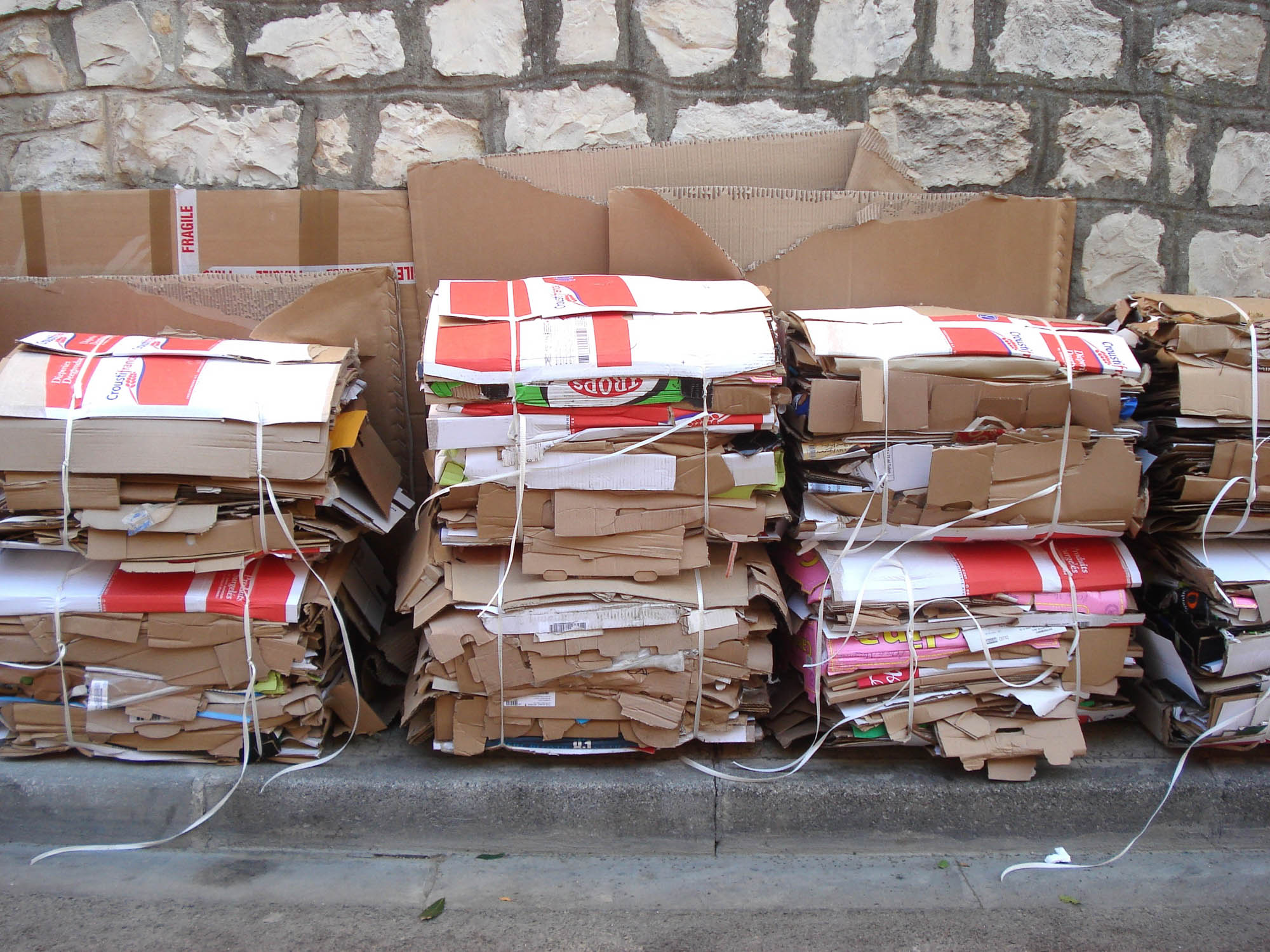
2018-10-03T15:13:30+00:00By |Categories: Biodegradable, Reciclaje de material|0 Comments

About the Author:

Leave A Comment