RECICLAGEM DE METAIS

[fusion_builder_container hundred_percent=”no” hundred_percent_height=”no” hundred_percent_height_scroll=”no” hundred_percent_height_center_content=”yes” equal_height_columns=”no” menu_anchor=”” hide_on_mobile=”small-visibility,medium-visibility,large-visibility” class=”” id=”” background_color=”” background_image=”https://www.earthsquad.global/wp-content/uploads/2018/04/recycling-240-1024×682.jpg” background_position=”center center” background_repeat=”no-repeat” fade=”no” background_parallax=”fixed” enable_mobile=”no” parallax_speed=”0.3″ video_mp4=”” video_webm=”” video_ogv=”” video_url=”” video_aspect_ratio=”16:9″ video_loop=”yes” video_mute=”yes” video_preview_image=”” border_size=”” border_color=”” border_style=”solid” margin_top=”” margin_bottom=”40px” padding_top=”” padding_right=”” padding_bottom=”” padding_left=””][fusion_builder_row][fusion_builder_column type=”1_1″ layout=”1_1″ spacing=”” center_content=”no” link=”” target=”_self” min_height=”” hide_on_mobile=”small-visibility,medium-visibility,large-visibility” class=”set_recycle” id=”” background_color=”” background_image=”” background_position=”left top” undefined=”” background_repeat=”no-repeat” hover_type=”none” border_size=”0″ border_color=”” border_style=”solid” border_position=”all” padding_top=”50px” padding_right=”50px” padding_bottom=”50px” padding_left=”50px” margin_top=”” margin_bottom=”” animation_type=”” animation_direction=”left” animation_speed=”0.3″ animation_offset=”” last=”no”][fusion_text columns=”” column_min_width=”” column_spacing=”” rule_style=”default” rule_size=”” rule_color=”” class=”” id=””]

O scrap metal pode ser definido como a combinação de desperdício metal, ou qualquer material ou produto de composição metálica que possa ser reciclado de uma composição anterior. Isso poderia ser usado peças de veículos, peças usadas de construção e fábricas, materiais de construção excedente, etc; sucata é de alto valor se comercializado corretamente. Reciclagem de sucatas de metal recebeu grande atenção nos últimos anos por causa da inclinação do mundo para alcançar um clima verde. Reciclagem reduz drasticamente o impacto ambiental equilibrado por resíduos metal .

A sucata é largamente classificada em metal ferroso e não ferroso. Os metais não ferrosos são metais que não contêm ferro, como alumínio e cobre. Isso pode ser facilmente detectado passando-os por um campo magnético forte. O ferro tem propriedades magnéticas, portanto, espera-se que cada metal contendo ferro tenha propriedades magnéticas. Metais ferrosos são metais contendo ferro neles. Os metais ferrosos são frequentemente compactados e enviados para as fundições para reutilização, enquanto os metais não ferrosos passam por tratamento e caracterização adicionais.

[/fusion_text][/fusion_builder_column][/fusion_builder_row][/fusion_builder_container][fusion_builder_container hundred_percent=”no” hundred_percent_height=”no” hundred_percent_height_scroll=”no” hundred_percent_height_center_content=”yes” equal_height_columns=”no” menu_anchor=”” hide_on_mobile=”small-visibility,medium-visibility,large-visibility” class=”” id=”” background_color=”” background_image=”” background_position=”center center” background_repeat=”no-repeat” fade=”no” background_parallax=”none” enable_mobile=”no” parallax_speed=”0.3″ video_mp4=”” video_webm=”” video_ogv=”” video_url=”” video_aspect_ratio=”16:9″ video_loop=”yes” video_mute=”yes” video_preview_image=”” border_size=”” border_color=”” border_style=”solid” margin_top=”” margin_bottom=”” padding_top=”” padding_right=”” padding_bottom=”” padding_left=””][fusion_builder_row][fusion_builder_column type=”1_1″ layout=”1_1″ spacing=”” center_content=”no” link=”” target=”_self” min_height=”” hide_on_mobile=”small-visibility,medium-visibility,large-visibility” class=”” id=”” background_color=”” background_image=”” background_position=”left top” background_repeat=”no-repeat” hover_type=”none” border_size=”0″ border_color=”” border_style=”solid” border_position=”all” padding_top=”” padding_right=”” padding_bottom=”” padding_left=”” margin_top=”” margin_bottom=”” animation_type=”” animation_direction=”left” animation_speed=”0.3″ animation_offset=”” last=”no”][fusion_text columns=”” column_min_width=”” column_spacing=”” rule_style=”default” rule_size=”” rule_color=”” hide_on_mobile=”small-visibility,medium-visibility,large-visibility” class=”” id=””]

O processo de reciclagem de metal

A seguir, os principais estágios de um processo de reciclagem de metal:

Coleção:
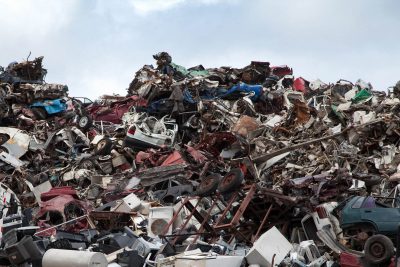
Este é o primeiro passo em reciclagem de metal . Envolve a obtenção de sucatas de metal de estaleiros, garagem etc. Os restos de metal são classificados acima dos materiais comuns. Materiais regulares, como papel, são empilhados juntos e usados para preenchimento de aterros. Nos EUA, a maior fonte de metal ferroso é de veículos de sucata. Outras fontes incluem materiais de construção, o consumidor usou as facetas metal , instalações de instalações, trilhos de estradas de ferro, etc.[/fusion_text][/fusion_builder_column][fusion_builder_column type=”1_1″ layout=”1_1″ spacing=”” center_content=”no” link=”” target=”_self” min_height=”” hide_on_mobile=”small-visibility,medium-visibility,large-visibility” class=”” id=”” background_color=”” background_image=”” background_position=”left top” background_repeat=”no-repeat” hover_type=”none” border_size=”0″ border_color=”” border_style=”solid” border_position=”all” animation_type=”” animation_direction=”left” animation_speed=”0.3″ animation_offset=”” last=”no”][fusion_text columns=”” column_min_width=”” column_spacing=”” rule_style=”default” rule_size=”” rule_color=”” hide_on_mobile=”small-visibility,medium-visibility,large-visibility” class=”” id=””]

Técnicas de classificação e separação:
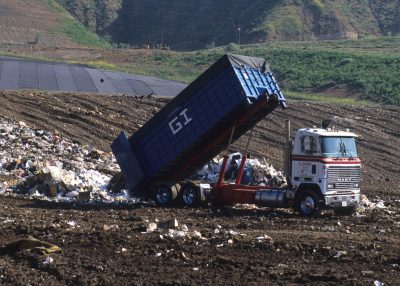
A classificação é uma passo muito importante na reciclagem. A classificação eficaz gera uma reciclagem eficaz, especialmente quando se lida com metal recados. A classificação envolve a separação de metais de uma pilha de fluxo de resíduos ou de uma mistura de sucata de diferentes composições com base na forma, tamanho, cor, densidade, peso, magnetismo, condutividade elétrica, luminosidade, tipo, forma, estrutura etc. reciclagem automatizada, as máquinas são equipadas com ímãs, feixes de luz, sensores e dispositivos para separar metais com base nos parâmetros mencionados acima. Algumas técnicas de classificação e separação incluem as seguintes

[/fusion_text][/fusion_builder_column][fusion_builder_column type=”1_1″ layout=”1_1″ spacing=”” center_content=”no” link=”” target=”_self” min_height=”” hide_on_mobile=”small-visibility,medium-visibility,large-visibility” class=”” id=”” background_color=”” background_image=”” background_position=”left top” background_repeat=”no-repeat” hover_type=”none” border_size=”0″ border_color=”” border_style=”solid” border_position=”all” padding_top=”” padding_right=”” padding_bottom=”” padding_left=”” margin_top=”” margin_bottom=”” animation_type=”” animation_direction=”left” animation_speed=”0.3″ animation_offset=”” last=”no”][fusion_accordion type=”” boxed_mode=”” border_size=”1″ border_color=”” background_color=”” hover_color=”” divider_line=”” title_font_size=”” icon_size=”” icon_color=”” icon_boxed_mode=”” icon_box_color=”” icon_alignment=”” toggle_hover_accent_color=”” hide_on_mobile=”small-visibility,medium-visibility,large-visibility” class=”” id=””][fusion_toggle title=”Processo de separação magnética” open=”no”]

A separação magnética é usada quando os metais ferrosos são separados dos não-ferrosos. Ímãs e eletroímãs grandes e poderosos são empregados nesse processo. Os electroímãs são controlados eletricamente e podem ser desligados ou ligados. As duas formas populares de separação magnética são o tipo de tambor e correia. No primeiro, um grande tambor é permanentemente fixado com um imã embaixo dele. O fluxo de resíduos passa através de um cinto e, por baixo do tambor, os materiais ferrosos são rapidamente atraídos para o íman e facilmente separados. No sistema de tipo de correia, os ímãs são fixados em vários pontos de movimento do processo, como entre as polias que a correia percorre. No entanto, a separação magnética tem suas limitações, pois não pode separar o ferro e o aço do níquel ou do aço inoxidável magnético. É aconselhável incluir triagem manual onde a ineficiência é observada.

[/fusion_toggle][fusion_toggle title=”Processo de separação de corrente parasita” open=”no”]

Este método separa os metais ferrosos dos resíduos. Uma corrente de Foucault é induzida na exposição de um condutor a um campo magnético variável. Este método explora a condutividade elétrica de metais não magnéticos. Isso é feito simplesmente passando uma corrente magnética ao longo da corrente de alimentação e usando correntes parasitas induzidas nos metais. Quando uma alimentação de lixo entra no sistema, os materiais não-magnéticos deslizam para baixo, enquanto os metais ferrosos são desviados para os lados devido à interação do campo magnético e da corrente parasita.

[/fusion_toggle][fusion_toggle title=”Separadores Trommel / telas de tambor” open=”no”]

Este método separa os materiais de acordo com seus tamanhos. A alimentação de resíduos é alimentada em um tambor rotativo muito grande com um fundo perfurado. Materiais de tamanhos pequenos caem através desses furos enquanto as partículas maiores permanecem.

[/fusion_toggle][fusion_toggle title=”Classificação de indução” open=”no”]

Neste processo, a alimentação de resíduos é enviada através de uma correia transportadora equipada com sensores em vários pontos abaixo dela. Esses sensores têm a capacidade de localizar vários tipos de metais que são então separados por um sistema de jatos de ar rápido ligados a esses sensores.

[/fusion_toggle][fusion_toggle title=”Sensores infravermelhos próximos (NIR)” open=”no”]

A luminosidade é uma das propriedades associadas aos metais. Os metais refletem prontamente a luz quando iluminados no comprimento de onda do infravermelho próximo. Os sensores NIR podem distinguir os metais com base na intensidade e nos comprimentos de onda da luz que eles refletem.

[/fusion_toggle][fusion_toggle title=”Tecnologia de raios X” open=”no”]

A tecnologia de raios X pode distinguir metais com base em suas densidades.

[/fusion_toggle][/fusion_accordion][/fusion_builder_column][fusion_builder_column type=”1_1″ layout=”1_1″ spacing=”” center_content=”no” link=”” target=”_self” min_height=”” hide_on_mobile=”small-visibility,medium-visibility,large-visibility” class=”” id=”” background_color=”” background_image=”” background_position=”left top” background_repeat=”no-repeat” hover_type=”none” border_size=”0″ border_color=”” border_style=”solid” border_position=”all” animation_type=”” animation_direction=”left” animation_speed=”0.3″ animation_offset=”” last=”no”][fusion_text columns=”” column_min_width=”” column_spacing=”” rule_style=”default” rule_size=”” rule_color=”” class=”” id=””]

Em processamento:
Para processamento adicional, os metais estão fragmentados. Shredding é feito para aumentar a área de superfície dos metais. Metais com grande área de superfície exigem menos energia térmica derreter. Como resultado, isso economiza custos de aquecimento, bem como custos de resfriamento de câmaras aquecidas.

[/fusion_text][/fusion_builder_column][fusion_builder_column type=”1_1″ layout=”1_1″ spacing=”” center_content=”no” link=”” target=”_self” min_height=”” hide_on_mobile=”small-visibility,medium-visibility,large-visibility” class=”” id=”” background_color=”” background_image=”” background_position=”left top” background_repeat=”no-repeat” hover_type=”none” border_size=”0″ border_color=”” border_style=”solid” border_position=”all” animation_type=”” animation_direction=”left” animation_speed=”0.3″ animation_offset=”” last=”no”][fusion_text columns=”” column_min_width=”” column_spacing=”” rule_style=”default” rule_size=”” rule_color=”” class=”” id=””]

Fusão:
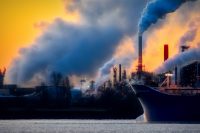
A sucata é aquecida em fornos muito grandes. Cada metal é derretido em um forno específico projetado para isso. Altas temperaturas são necessárias para a fusão de metais, mas isso pode ser reduzido com o aumento da área de superfície. Apesar da alta energia necessária no processamento de sucata, é incomparável à energia necessária na extração e uso de metais diretamente das matérias-primas. Dependendo do tamanho do forno e do grau de energia térmica, o tempo do processo pode variar de minutos a horas.

[/fusion_text][/fusion_builder_column][fusion_builder_column type=”1_1″ layout=”1_1″ spacing=”” center_content=”no” link=”” target=”_self” min_height=”” hide_on_mobile=”small-visibility,medium-visibility,large-visibility” class=”” id=”” background_color=”” background_image=”” background_position=”left top” background_repeat=”no-repeat” hover_type=”none” border_size=”0″ border_color=”” border_style=”solid” border_position=”all” animation_type=”” animation_direction=”left” animation_speed=”0.3″ animation_offset=”” last=”no”][fusion_text columns=”” column_min_width=”” column_spacing=”” rule_style=”default” rule_size=”” rule_color=”” class=”” id=””]

Purificação:
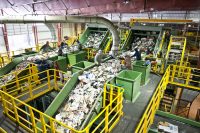
A purificação é feita para eliminar possíveis contaminantes no material e garantir que o metal final seja de alto grau. O processo mais comum é por eletrólise.[/fusion_text][/fusion_builder_column][fusion_builder_column type=”1_1″ layout=”1_1″ spacing=”” center_content=”no” link=”” target=”_self” min_height=”” hide_on_mobile=”small-visibility,medium-visibility,large-visibility” class=”” id=”” background_color=”” background_image=”” background_position=”left top” background_repeat=”no-repeat” hover_type=”none” border_size=”0″ border_color=”” border_style=”solid” border_position=”all” animation_type=”” animation_direction=”left” animation_speed=”0.3″ animation_offset=”” last=”no”][fusion_text columns=”” column_min_width=”” column_spacing=”” rule_style=”default” rule_size=”” rule_color=”” class=”” id=””]

Solidificando:

Após a fusão e purificação, a sucata de metal fundido é transferida nas correias transportadoras para resfriar e solidificar formando barras de aço e metal camas. Eles podem ser facilmente usados ​​para formar vários produtos

[/fusion_text][/fusion_builder_column][fusion_builder_column type=”1_1″ layout=”1_1″ spacing=”” center_content=”no” link=”” target=”_self” min_height=”” hide_on_mobile=”small-visibility,medium-visibility,large-visibility” class=”” id=”” background_color=”” background_image=”” background_position=”left top” background_repeat=”no-repeat” hover_type=”none” border_size=”0″ border_color=”” border_style=”solid” border_position=”all” animation_type=”” animation_direction=”left” animation_speed=”0.3″ animation_offset=”” last=”no”][fusion_text columns=”” column_min_width=”” column_spacing=”” rule_style=”default” rule_size=”” rule_color=”” class=”” id=””]

reciclagem de sucata de metal tornou-se um setor muito importante da economia gerando renda maciça na última década e esta tendência ainda está para continuar. Com a necessidade de um clima verde, a reciclagem está ativada o aumento. O calor gerado e o CO2 liberado na reciclagem de sucata metálica é muito menor em comparação com o gerado a partir de matérias-primas virgens. Reciclagem de sucata elimina o despejo indiscriminado de metal desperdiçar no ambiente. Também reduz a pressão sobre nossos recursos naturais, como o minério de ferro.

[/fusion_text][/fusion_builder_column][/fusion_builder_row][/fusion_builder_container][fusion_builder_container hundred_percent=”no” hundred_percent_height=”no” hundred_percent_height_scroll=”no” hundred_percent_height_center_content=”yes” equal_height_columns=”no” menu_anchor=”” hide_on_mobile=”small-visibility,medium-visibility,large-visibility” class=”” id=”” background_color=”” background_image=”” background_position=”center center” background_repeat=”no-repeat” fade=”no” background_parallax=”none” enable_mobile=”no” parallax_speed=”0.3″ video_mp4=”” video_webm=”” video_ogv=”” video_url=”” video_aspect_ratio=”16:9″ video_loop=”yes” video_mute=”yes” video_preview_image=”” border_size=”” border_color=”” border_style=”solid” margin_top=”” margin_bottom=”” padding_top=”” padding_right=”” padding_bottom=”” padding_left=””][fusion_builder_row][fusion_builder_column type=”1_1″ layout=”1_1″ spacing=”” center_content=”no” link=”” target=”_self” min_height=”” hide_on_mobile=”small-visibility,medium-visibility,large-visibility” class=”” id=”” background_color=”” background_image=”” background_position=”left top” background_repeat=”no-repeat” hover_type=”none” border_size=”0″ border_color=”” border_style=”solid” border_position=”all” padding_top=”” padding_right=”” padding_bottom=”” padding_left=”” margin_top=”” margin_bottom=”” animation_type=”” animation_direction=”left” animation_speed=”0.3″ animation_offset=”” last=”no”][fusion_separator style_type=”single solid” hide_on_mobile=”small-visibility,medium-visibility,large-visibility” class=”” id=”” sep_color=”rgba(193,25,120,0.73)” top_margin=”5%” bottom_margin=”5%” border_size=”” icon=”” icon_circle=”” icon_circle_color=”” width=”25%” alignment=”center” /][/fusion_builder_column][fusion_builder_column type=”1_1″ layout=”1_1″ spacing=”” center_content=”no” link=”” target=”_self” min_height=”” hide_on_mobile=”small-visibility,medium-visibility,large-visibility” class=”” id=”” background_color=”” background_image=”” background_position=”left top” background_repeat=”no-repeat” hover_type=”none” border_size=”0″ border_color=”” border_style=”solid” border_position=”all” padding_top=”” padding_right=”” padding_bottom=”” padding_left=”” margin_top=”” margin_bottom=”” animation_type=”” animation_direction=”left” animation_speed=”0.3″ animation_offset=”” last=”no”][fusion_text columns=”” column_min_width=”” column_spacing=”” rule_style=”default” rule_size=”” rule_color=”” class=”” id=””]

Surf em …

[/fusion_text][/fusion_builder_column][fusion_builder_column type=”1_1″ layout=”1_1″ spacing=”” center_content=”no” link=”” target=”_self” min_height=”” hide_on_mobile=”small-visibility,medium-visibility,large-visibility” class=”” id=”” background_color=”” background_image=”” background_position=”left top” background_repeat=”no-repeat” hover_type=”none” border_size=”0″ border_color=”” border_style=”solid” border_position=”all” padding_top=”” padding_right=”” padding_bottom=”” padding_left=”” margin_top=”” margin_bottom=”” animation_type=”” animation_direction=”left” animation_speed=”0.3″ animation_offset=”” last=”no”][fusion_blog layout=”medium alternate” blog_grid_columns=”” blog_grid_column_spacing=”” blog_masonry_grid_ratio=”” blog_masonry_width_double=”” equal_heights=”no” number_posts=”6″ offset=”0″ pull_by=”category” cat_slug=”” exclude_cats=”” tag_slug=”” exclude_tags=”” orderby=”date” order=”DESC” thumbnail=”yes” title=”yes” title_link=”yes” excerpt=”” excerpt_length=”10″ strip_html=”yes” meta_all=”yes” meta_author=”yes” meta_categories=”yes” meta_comments=”no” meta_date=”no” meta_link=”yes” meta_tags=”no” scrolling=”pagination” grid_box_color=”” grid_element_color=”” grid_separator_style_type=”” grid_separator_color=”” padding_top=”” padding_right=”” padding_bottom=”” padding_left=”” hide_on_mobile=”small-visibility,medium-visibility,large-visibility” class=”” id=”” /][/fusion_builder_column][/fusion_builder_row][/fusion_builder_container]


2018-10-10T07:21:17+00:00By |Categories: Economia circular, Material de reciclagem, Metal|0 Comments

About the Author:

Leave A Comment

[fusion_builder_container hundred_percent=”no” hundred_percent_height=”no” hundred_percent_height_scroll=”no” hundred_percent_height_center_content=”yes” equal_height_columns=”no” menu_anchor=”” hide_on_mobile=”small-visibility,medium-visibility,large-visibility” class=”” id=”” background_color=”” background_image=”https://www.earthsquad.global/wp-content/uploads/2018/04/recycling-240-1024×682.jpg” background_position=”center center” background_repeat=”no-repeat” fade=”no” background_parallax=”fixed” enable_mobile=”no” parallax_speed=”0.3″ video_mp4=”” video_webm=”” video_ogv=”” video_url=”” video_aspect_ratio=”16:9″ video_loop=”yes” video_mute=”yes” video_preview_image=”” border_size=”” border_color=”” border_style=”solid” margin_top=”” margin_bottom=”40px” padding_top=”” padding_right=”” padding_bottom=”” padding_left=””][fusion_builder_row][fusion_builder_column type=”1_1″ layout=”1_1″ spacing=”” center_content=”no” link=”” target=”_self” min_height=”” hide_on_mobile=”small-visibility,medium-visibility,large-visibility” class=”set_recycle” id=”” background_color=”” background_image=”” background_position=”left top” undefined=”” background_repeat=”no-repeat” hover_type=”none” border_size=”0″ border_color=”” border_style=”solid” border_position=”all” padding_top=”50px” padding_right=”50px” padding_bottom=”50px” padding_left=”50px” margin_top=”” margin_bottom=”” animation_type=”” animation_direction=”left” animation_speed=”0.3″ animation_offset=”” last=”no”][fusion_text columns=”” column_min_width=”” column_spacing=”” rule_style=”default” rule_size=”” rule_color=”” class=”” id=””]Scrap metal can be defined as the combination of waste metal, or any material or product of metallic composition which can be recycled from a previous composition. This could be used vehicle parts, used parts of construction and manufacturing plants, surplus building materials, etc; scrap is of high value if marketed properly. Recycling of metal scraps has received massive attention in recent years because of the inclination of the world towards achieving a green climate. Recycling grossly reduces the environmental impact poised by waste metal.

Scrap metal is largely classified into ferrous and non-ferrous metal. Non-ferrous metals are metals which do not contain iron in them such as aluminum and copper. This can be easily detected by passing them over a strong magnetic field. Iron has magnetic properties, hence every metal containing iron is expected to have magnetic properties. Ferrous metals are metals containing iron in them. Ferrous metals are often compacted and shipped to foundries for reuse while non-ferrous metals undergo further treatment and characterization.[/fusion_text][/fusion_builder_column][/fusion_builder_row][/fusion_builder_container][fusion_builder_container hundred_percent=”no” hundred_percent_height=”no” hundred_percent_height_scroll=”no” hundred_percent_height_center_content=”yes” equal_height_columns=”no” menu_anchor=”” hide_on_mobile=”small-visibility,medium-visibility,large-visibility” class=”” id=”” background_color=”” background_image=”” background_position=”center center” background_repeat=”no-repeat” fade=”no” background_parallax=”none” enable_mobile=”no” parallax_speed=”0.3″ video_mp4=”” video_webm=”” video_ogv=”” video_url=”” video_aspect_ratio=”16:9″ video_loop=”yes” video_mute=”yes” video_preview_image=”” border_size=”” border_color=”” border_style=”solid” margin_top=”” margin_bottom=”” padding_top=”” padding_right=”” padding_bottom=”” padding_left=””][fusion_builder_row][fusion_builder_column type=”1_1″ layout=”1_1″ spacing=”” center_content=”no” link=”” target=”_self” min_height=”” hide_on_mobile=”small-visibility,medium-visibility,large-visibility” class=”” id=”” background_color=”” background_image=”” background_position=”left top” background_repeat=”no-repeat” hover_type=”none” border_size=”0″ border_color=”” border_style=”solid” border_position=”all” padding_top=”” padding_right=”” padding_bottom=”” padding_left=”” margin_top=”” margin_bottom=”” animation_type=”” animation_direction=”left” animation_speed=”0.3″ animation_offset=”” last=”no”][fusion_text columns=”” column_min_width=”” column_spacing=”” rule_style=”default” rule_size=”” rule_color=”” class=”” id=””]

The metal recycling process

The following are the main stages of a metal recycling process:

Collection:

This is the first step in metal recycling. It involves obtaining metal scraps from junk yards, garage etc. Metal scraps are rated above regular materials. Regular materials such as paper, are heaped together and used for land filling. In the US, the largest source of ferrous metal is from scrap vehicles. Other sources includebuilding materials, consumer used metal facets, plant facilities,rail road tracks etc.[/fusion_text][/fusion_builder_column][fusion_builder_column type=”1_1″ layout=”1_1″ spacing=”” center_content=”no” link=”” target=”_self” min_height=”” hide_on_mobile=”small-visibility,medium-visibility,large-visibility” class=”” id=”” background_color=”” background_image=”” background_position=”left top” background_repeat=”no-repeat” hover_type=”none” border_size=”0″ border_color=”” border_style=”solid” border_position=”all” animation_type=”” animation_direction=”left” animation_speed=”0.3″ animation_offset=”” last=”no”][fusion_text columns=”” column_min_width=”” column_spacing=”” rule_style=”default” rule_size=”” rule_color=”” class=”” id=””]

Sorting and separation techniques:

Sorting is a very important step in recycling. Effective sorting begets effective recycling especially when dealing with metal scraps. Sorting involves separation of metals from a heap of waste stream or from a mix of scrap metal of different compositions based on shape, size, colour, density, weight, magnetism, electrical conductivity, luminosity, type, form, structure etc.. In automated recycling, machines are fitted with magnets, light beams, sensors and gadgets to separate metals based on the parameters mentioned above. Some sorting and separation techniques include the following[/fusion_text][/fusion_builder_column][fusion_builder_column type=”1_1″ layout=”1_1″ spacing=”” center_content=”no” link=”” target=”_self” min_height=”” hide_on_mobile=”small-visibility,medium-visibility,large-visibility” class=”” id=”” background_color=”” background_image=”” background_position=”left top” background_repeat=”no-repeat” hover_type=”none” border_size=”0″ border_color=”” border_style=”solid” border_position=”all” padding_top=”” padding_right=”” padding_bottom=”” padding_left=”” margin_top=”” margin_bottom=”” animation_type=”” animation_direction=”left” animation_speed=”0.3″ animation_offset=”” last=”no”][fusion_accordion type=”” boxed_mode=”” border_size=”1″ border_color=”” background_color=”” hover_color=”” divider_line=”” icon_size=”” icon_color=”” icon_boxed_mode=”” icon_alignment=”” hide_on_mobile=”small-visibility,medium-visibility,large-visibility” class=”” id=””][fusion_toggle title=”Magnetic separation process” open=”no”]Magnetic separation is used when ferrous metals are to be separated from non-ferrous. Large powerful magnets and electromagnets are employed in this process. Electro magnets are electrically controlled and can be turned off or on. The two popular ways of magnetic separation are drum and belt type. In the former, a big drum is permanently fixed with a magnet underneath it. The waste stream passes through a belt and underneath the drum, the ferrous materials are quickly attracted to the magnet and easily separated. In the belt type system, magnets are attached at various process points of motion such as in between pulleys which the belt travels. However magnetic separation has its limitations as it cannot separate iron and steel from nickel or magnetic stainless steel. It is advised to include manual sorting where inefficiency is observed.[/fusion_toggle][fusion_toggle title=”Eddy current separation process” open=”no”]This method separates ferrous metals from waste. An eddy current is inducedon exposure of a conductor to a changing magnetic field. This method exploits the electrical conductivity of non-magnetic metals. This is simply done by passing a magnetic current along the feed stream and using induced eddy currents in the metals. When a feed of waste enters the system, the non-magnetic materials slide down while ferrous metals are deflected sideways due to the interaction of magnetic field and eddy current.[/fusion_toggle][fusion_toggle title=”Trommel separators/drum screens” open=”no”]This method separates materials according to their sizes. Waste feed is fed into a very large rotating drum with a perforated bottom. Materials of small sizes fall through these holes while larger particles remain.[/fusion_toggle][fusion_toggle title=”Induction sorting” open=”no”]In this process, waste feed is sent through a conveyor belt fitted with sensors at various points beneath it. These sensors have the ability to locate various types of metals which are then separated by a system of fast air jets linked to these sensors.[/fusion_toggle][fusion_toggle title=”Near infrared sensors (NIR)” open=”no”]Luminosity is one of the properties associated with metals. Metals readily reflect light when illuminated in the near IR wavelength. NIR sensors can distinguish metals based on the intensity and wavelengths of light they reflect.[/fusion_toggle][fusion_toggle title=”X-ray technology ” open=”no”]X-ray technology can distinguish metals based on their densities.[/fusion_toggle][/fusion_accordion][/fusion_builder_column][fusion_builder_column type=”1_1″ layout=”1_1″ spacing=”” center_content=”no” link=”” target=”_self” min_height=”” hide_on_mobile=”small-visibility,medium-visibility,large-visibility” class=”” id=”” background_color=”” background_image=”” background_position=”left top” background_repeat=”no-repeat” hover_type=”none” border_size=”0″ border_color=”” border_style=”solid” border_position=”all” animation_type=”” animation_direction=”left” animation_speed=”0.3″ animation_offset=”” last=”no”][fusion_text columns=”” column_min_width=”” column_spacing=”” rule_style=”default” rule_size=”” rule_color=”” class=”” id=””]

Processing:

For further processing, metals are shredded. Shredding is done to increase the surface area of metals. Metals with large surface area require less heat energy to melt. As a result, this saves heating costs as well as costs of cooling heated chambers.[/fusion_text][/fusion_builder_column][fusion_builder_column type=”1_1″ layout=”1_1″ spacing=”” center_content=”no” link=”” target=”_self” min_height=”” hide_on_mobile=”small-visibility,medium-visibility,large-visibility” class=”” id=”” background_color=”” background_image=”” background_position=”left top” background_repeat=”no-repeat” hover_type=”none” border_size=”0″ border_color=”” border_style=”solid” border_position=”all” animation_type=”” animation_direction=”left” animation_speed=”0.3″ animation_offset=”” last=”no”][fusion_text columns=”” column_min_width=”” column_spacing=”” rule_style=”default” rule_size=”” rule_color=”” class=”” id=””]

Melting:

Scrap metal is heated in very large furnace. Each metal is melted in a specific furnace designed for it. High temperatures are required for melting metals but this can be reduced with increased surface area. Despite the high energy required in scrap metal processing, it is incomparable to the energy required in extraction and use of metals directly from raw materials. Depending on the size of furnace and degree of heat energy, the process time can vary from mins to hours.[/fusion_text][/fusion_builder_column][fusion_builder_column type=”1_1″ layout=”1_1″ spacing=”” center_content=”no” link=”” target=”_self” min_height=”” hide_on_mobile=”small-visibility,medium-visibility,large-visibility” class=”” id=”” background_color=”” background_image=”” background_position=”left top” background_repeat=”no-repeat” hover_type=”none” border_size=”0″ border_color=”” border_style=”solid” border_position=”all” animation_type=”” animation_direction=”left” animation_speed=”0.3″ animation_offset=”” last=”no”][fusion_text columns=”” column_min_width=”” column_spacing=”” rule_style=”default” rule_size=”” rule_color=”” class=”” id=””]

Purification:

Purification is done to eliminate possible contaminants in the material and ensure the final metal is high grade. The most common process is by electrolysis.[/fusion_text][/fusion_builder_column][fusion_builder_column type=”1_1″ layout=”1_1″ spacing=”” center_content=”no” link=”” target=”_self” min_height=”” hide_on_mobile=”small-visibility,medium-visibility,large-visibility” class=”” id=”” background_color=”” background_image=”” background_position=”left top” background_repeat=”no-repeat” hover_type=”none” border_size=”0″ border_color=”” border_style=”solid” border_position=”all” animation_type=”” animation_direction=”left” animation_speed=”0.3″ animation_offset=”” last=”no”][fusion_text columns=”” column_min_width=”” column_spacing=”” rule_style=”default” rule_size=”” rule_color=”” class=”” id=””]

Solidifying:

After melting and purification, molten scrap metal is transferred in conveyor belts to cool and solidify forming steel bars and metal beds. They can be easily used for form various products[/fusion_text][/fusion_builder_column][fusion_builder_column type=”1_1″ layout=”1_1″ spacing=”” center_content=”no” link=”” target=”_self” min_height=”” hide_on_mobile=”small-visibility,medium-visibility,large-visibility” class=”” id=”” background_color=”” background_image=”” background_position=”left top” background_repeat=”no-repeat” hover_type=”none” border_size=”0″ border_color=”” border_style=”solid” border_position=”all” animation_type=”” animation_direction=”left” animation_speed=”0.3″ animation_offset=”” last=”no”][fusion_text columns=”” column_min_width=”” column_spacing=”” rule_style=”default” rule_size=”” rule_color=”” class=”” id=””]Metal scrap recycling has become a very important sector of the economy generating massive income in the last decade and this trend is yet to continue. With the need for a green climate, recycling is on the increase. The heat generated and CO2 released in Metal scrap recycling is a lot less compared to that generated from virgin raw materials. Scrap recycle eliminates indiscriminate dumping of metal waste in the environment. It also reduces the strain on our natural resources such as Iron ore.[/fusion_text][/fusion_builder_column][/fusion_builder_row][/fusion_builder_container][fusion_builder_container hundred_percent=”no” hundred_percent_height=”no” hundred_percent_height_scroll=”no” hundred_percent_height_center_content=”yes” equal_height_columns=”no” menu_anchor=”” hide_on_mobile=”small-visibility,medium-visibility,large-visibility” class=”” id=”” background_color=”” background_image=”” background_position=”center center” background_repeat=”no-repeat” fade=”no” background_parallax=”none” enable_mobile=”no” parallax_speed=”0.3″ video_mp4=”” video_webm=”” video_ogv=”” video_url=”” video_aspect_ratio=”16:9″ video_loop=”yes” video_mute=”yes” video_preview_image=”” border_size=”” border_color=”” border_style=”solid” margin_top=”” margin_bottom=”” padding_top=”” padding_right=”” padding_bottom=”” padding_left=””][fusion_builder_row][fusion_builder_column type=”1_1″ layout=”1_1″ spacing=”” center_content=”no” link=”” target=”_self” min_height=”” hide_on_mobile=”small-visibility,medium-visibility,large-visibility” class=”” id=”” background_color=”” background_image=”” background_position=”left top” background_repeat=”no-repeat” hover_type=”none” border_size=”0″ border_color=”” border_style=”solid” border_position=”all” padding_top=”” padding_right=”” padding_bottom=”” padding_left=”” margin_top=”” margin_bottom=”” animation_type=”” animation_direction=”left” animation_speed=”0.3″ animation_offset=”” last=”no”][fusion_separator style_type=”single solid” hide_on_mobile=”small-visibility,medium-visibility,large-visibility” class=”” id=”” sep_color=”rgba(193,25,120,0.73)” top_margin=”5%” bottom_margin=”5%” border_size=”” icon=”” icon_circle=”” icon_circle_color=”” width=”25%” alignment=”center” /][/fusion_builder_column][fusion_builder_column type=”1_1″ layout=”1_1″ spacing=”” center_content=”no” link=”” target=”_self” min_height=”” hide_on_mobile=”small-visibility,medium-visibility,large-visibility” class=”” id=”” background_color=”” background_image=”” background_position=”left top” background_repeat=”no-repeat” hover_type=”none” border_size=”0″ border_color=”” border_style=”solid” border_position=”all” padding_top=”” padding_right=”” padding_bottom=”” padding_left=”” margin_top=”” margin_bottom=”” animation_type=”” animation_direction=”left” animation_speed=”0.3″ animation_offset=”” last=”no”][fusion_text columns=”” column_min_width=”” column_spacing=”” rule_style=”default” rule_size=”” rule_color=”” class=”” id=””]

Surf on…

[/fusion_text][/fusion_builder_column][fusion_builder_column type=”1_1″ layout=”1_1″ spacing=”” center_content=”no” link=”” target=”_self” min_height=”” hide_on_mobile=”small-visibility,medium-visibility,large-visibility” class=”” id=”” background_color=”” background_image=”” background_position=”left top” background_repeat=”no-repeat” hover_type=”none” border_size=”0″ border_color=”” border_style=”solid” border_position=”all” padding_top=”” padding_right=”” padding_bottom=”” padding_left=”” margin_top=”” margin_bottom=”” animation_type=”” animation_direction=”left” animation_speed=”0.3″ animation_offset=”” last=”no”][fusion_blog layout=”medium alternate” blog_grid_columns=”” blog_grid_column_spacing=”” blog_masonry_grid_ratio=”” blog_masonry_width_double=”” equal_heights=”no” number_posts=”6″ offset=”0″ pull_by=”category” cat_slug=”” exclude_cats=”” tag_slug=”” exclude_tags=”” orderby=”date” order=”DESC” thumbnail=”yes” title=”yes” title_link=”yes” excerpt=”” excerpt_length=”10″ strip_html=”yes” meta_all=”yes” meta_author=”yes” meta_categories=”yes” meta_comments=”no” meta_date=”no” meta_link=”yes” meta_tags=”no” scrolling=”pagination” grid_box_color=”” grid_element_color=”” grid_separator_style_type=”” grid_separator_color=”” padding_top=”” padding_right=”” padding_bottom=”” padding_left=”” hide_on_mobile=”small-visibility,medium-visibility,large-visibility” class=”” id=”” /][/fusion_builder_column][/fusion_builder_row][/fusion_builder_container]

2018-10-10T07:09:50+00:00By |Categories: Circular Economy, Metal, Recycling Material|0 Comments

About the Author:

Leave A Comment

[fusion_builder_container hundred_percent=”no” hundred_percent_height=”no” hundred_percent_height_scroll=”no” hundred_percent_height_center_content=”yes” equal_height_columns=”no” menu_anchor=”” hide_on_mobile=”small-visibility,medium-visibility,large-visibility” class=”” id=”” background_color=”” background_image=”https://www.earthsquad.global/wp-content/uploads/2018/04/recycling-240-1024×682.jpg” background_position=”center center” background_repeat=”no-repeat” fade=”no” background_parallax=”fixed” enable_mobile=”no” parallax_speed=”0.3″ video_mp4=”” video_webm=”” video_ogv=”” video_url=”” video_aspect_ratio=”16:9″ video_loop=”yes” video_mute=”yes” video_preview_image=”” border_size=”” border_color=”” border_style=”solid” margin_top=”” margin_bottom=”40px” padding_top=”” padding_right=”” padding_bottom=”” padding_left=””][fusion_builder_row][fusion_builder_column type=”1_1″ layout=”1_1″ spacing=”” center_content=”no” link=”” target=”_self” min_height=”” hide_on_mobile=”small-visibility,medium-visibility,large-visibility” class=”set_recycle” id=”” background_color=”” background_image=”” background_position=”left top” undefined=”” background_repeat=”no-repeat” hover_type=”none” border_size=”0″ border_color=”” border_style=”solid” border_position=”all” padding_top=”50px” padding_right=”50px” padding_bottom=”50px” padding_left=”50px” margin_top=”” margin_bottom=”” animation_type=”” animation_direction=”left” animation_speed=”0.3″ animation_offset=”” last=”no”][fusion_text columns=”” column_min_width=”” column_spacing=”” rule_style=”default” rule_size=”” rule_color=”” hide_on_mobile=”small-visibility,medium-visibility,large-visibility” class=”” id=””]废金属可以定义为废物金属,或任何可从以前的组合物中回收的金属组合物的材料或产品。这可用于汽车零件,建筑和制造工厂的二手零件,多余的建筑材料等;如果销售得当,废料价值很高。金属废料的回收近年来备受关注因为世界倾向于实现绿色气候。 回收大大减少了metal 。

废金属主要分为黑色金属和有色金属。有色金属是不含铁的金属,如和铜。通过将它们传递到强磁场上可以很容易地检测到这一点。铁具有磁性,因此每种含铁的金属都具有磁性。黑色金属是含有铁的金属。黑色金属通常被压实并运送到铸造厂以供再利用,而有色金属则经过进一步的处理和表征。[/fusion_text][/fusion_builder_column][/fusion_builder_row][/fusion_builder_container][fusion_builder_container hundred_percent=”no” hundred_percent_height=”no” hundred_percent_height_scroll=”no” hundred_percent_height_center_content=”yes” equal_height_columns=”no” menu_anchor=”” hide_on_mobile=”small-visibility,medium-visibility,large-visibility” class=”” id=”” background_color=”” background_image=”” background_position=”center center” background_repeat=”no-repeat” fade=”no” background_parallax=”none” enable_mobile=”no” parallax_speed=”0.3″ video_mp4=”” video_webm=”” video_ogv=”” video_url=”” video_aspect_ratio=”16:9″ video_loop=”yes” video_mute=”yes” video_preview_image=”” border_size=”” border_color=”” border_style=”solid” margin_top=”” margin_bottom=”” padding_top=”” padding_right=”” padding_bottom=”” padding_left=””][fusion_builder_row][fusion_builder_column type=”1_1″ layout=”1_1″ spacing=”” center_content=”no” link=”” target=”_self” min_height=”” hide_on_mobile=”small-visibility,medium-visibility,large-visibility” class=”” id=”” background_color=”” background_image=”” background_position=”left top” background_repeat=”no-repeat” hover_type=”none” border_size=”0″ border_color=”” border_style=”solid” border_position=”all” padding_top=”” padding_right=”” padding_bottom=”” padding_left=”” margin_top=”” margin_bottom=”” animation_type=”” animation_direction=”left” animation_speed=”0.3″ animation_offset=”” last=”no”][fusion_text columns=”” column_min_width=”” column_spacing=”” rule_style=”default” rule_size=”” rule_color=”” hide_on_mobile=”small-visibility,medium-visibility,large-visibility” class=”” id=””]

金属

回收流程
以下是金属回收过程的主要阶段:

收集:

这是金属回收的第一步。它涉及从垃圾场,车库等处获得金属废料。金属废料的评级高于常规材料。诸如纸之类的常规材料堆叠在一起并用于填埋。在美国,最大的黑色金属来源是废旧车辆。其他来源包括建筑材料,消费者使用金属方面,工厂设施,铁路轨道等

[/fusion_text][/fusion_builder_column][fusion_builder_column type=”1_1″ layout=”1_1″ spacing=”” center_content=”no” link=”” target=”_self” min_height=”” hide_on_mobile=”small-visibility,medium-visibility,large-visibility” class=”” id=”” background_color=”” background_image=”” background_position=”left top” background_repeat=”no-repeat” hover_type=”none” border_size=”0″ border_color=”” border_style=”solid” border_position=”all” animation_type=”” animation_direction=”left” animation_speed=”0.3″ animation_offset=”” last=”no”][fusion_text columns=”” column_min_width=”” column_spacing=”” rule_style=”default” rule_size=”” rule_color=”” class=”” id=””]

分选和分离技术:

分拣是回收利用中非常重要的一步。有效的分类有效 回收,特别是在处理时metal scraps. Sorting involves separation of metals from a heap of回收,特别是在处理时 根据形状,大小,颜色,密度,重量,磁性,导电性,发光度,类型,形式,结构等,废弃物流或来自不同成分的废金属混合物。在自动回收中,机器安装使用磁铁,光束,传感器和小工具根据上述参数分离金属。一些分选和分离技术包括以下内容

[/fusion_text][/fusion_builder_column][fusion_builder_column type=”1_1″ layout=”1_1″ spacing=”” center_content=”no” link=”” target=”_self” min_height=”” hide_on_mobile=”small-visibility,medium-visibility,large-visibility” class=”” id=”” background_color=”” background_image=”” background_position=”left top” background_repeat=”no-repeat” hover_type=”none” border_size=”0″ border_color=”” border_style=”solid” border_position=”all” padding_top=”” padding_right=”” padding_bottom=”” padding_left=”” margin_top=”” margin_bottom=”” animation_type=”” animation_direction=”left” animation_speed=”0.3″ animation_offset=”” last=”no”][fusion_accordion type=”” boxed_mode=”” border_size=”1″ border_color=”” background_color=”” hover_color=”” divider_line=”” title_font_size=”” icon_size=”” icon_color=”” icon_boxed_mode=”” icon_box_color=”” icon_alignment=”” toggle_hover_accent_color=”” hide_on_mobile=”small-visibility,medium-visibility,large-visibility” class=”” id=””][fusion_toggle title=”磁选工艺” open=”no”]

当黑色金属与有色金属分离时,使用磁分离。在这个过程中使用大型强力磁铁和电磁铁。电磁铁是电控制的,可以关闭或打开。两种流行的磁分离方式是鼓式和皮带式。在前者中,一个大鼓永久固定在其下面的磁铁。废物流通过皮带并在滚筒下方,铁质材料迅速被磁铁吸引并容易分离。在带式系统中,磁体安装在各种运动过程中,例如在皮带行进的皮带轮之间。然而,磁分离有其局限性,因为它不能将铁和钢与镍或磁性不锈钢分开。建议包括观察效率低下的人工分拣。

[/fusion_toggle][fusion_toggle title=”涡流分离过程” open=”no”]

该方法将黑色金属与废物分离。在导体暴露于变化的磁场时感应出涡电流。该方法利用非磁性金属的导电性。这通过沿着进料流传递磁流并使用金属中的感应涡流来简单地完成。当废物进料进入系统时,由于磁场和涡流的相互作用,非磁性材料向下滑动,而黑色金属则向侧面偏转。

[/fusion_toggle][fusion_toggle title=”Trommel分离器/鼓筛” open=”no”]

该方法根据材料的尺寸分离材料。将废料进料到具有穿孔底部的非常大的旋转滚筒中。小尺寸的材料通过这些孔落下,同时保留较大的颗粒。

[/fusion_toggle][fusion_toggle title=”归纳分拣” open=”no”]

在此过程中,废物进料通过传送带传送,传送带在其下方的不同位置安装有传感器。这些传感器能够定位各种类型的金属,然后通过与这些传感器相连的快速空气喷射系统分离。

[/fusion_toggle][fusion_toggle title=”近红外传感器(近红外)” open=”no”]

发光度是与金属相关的特性之一。当在近红外波长下照射时,金属容易反射光。 NIR传感器可以根据金属反射的强度和波长来区分金属。

[/fusion_toggle][fusion_toggle title=”X射线技术” open=”no”]

X射线技术可以根据其密度区分金属。

[/fusion_toggle][/fusion_accordion][/fusion_builder_column][fusion_builder_column type=”1_1″ layout=”1_1″ spacing=”” center_content=”no” link=”” target=”_self” min_height=”” hide_on_mobile=”small-visibility,medium-visibility,large-visibility” class=”” id=”” background_color=”” background_image=”” background_position=”left top” background_repeat=”no-repeat” hover_type=”none” border_size=”0″ border_color=”” border_style=”solid” border_position=”all” animation_type=”” animation_direction=”left” animation_speed=”0.3″ animation_offset=”” last=”no”][fusion_text columns=”” column_min_width=”” column_spacing=”” rule_style=”default” rule_size=”” rule_color=”” class=”” id=””]

处理:

为了进一步处理,金属将被粉碎。进行切碎以增加金属的表面积。具有大表面积的金属需要较少的热能融化。结果,这节省了加热成本以及冷却加热室的成本。

[/fusion_text][/fusion_builder_column][fusion_builder_column type=”1_1″ layout=”1_1″ spacing=”” center_content=”no” link=”” target=”_self” min_height=”” hide_on_mobile=”small-visibility,medium-visibility,large-visibility” class=”” id=”” background_color=”” background_image=”” background_position=”left top” background_repeat=”no-repeat” hover_type=”none” border_size=”0″ border_color=”” border_style=”solid” border_position=”all” animation_type=”” animation_direction=”left” animation_speed=”0.3″ animation_offset=”” last=”no”][fusion_text columns=”” column_min_width=”” column_spacing=”” rule_style=”default” rule_size=”” rule_color=”” hide_on_mobile=”small-visibility,medium-visibility,large-visibility” class=”” id=””]

融化:

废金属在非常大的炉子中加热。每个金属在特定的熔炉中熔化为了它。熔化金属需要高温,但这可以通过增加表面积来降低。尽管废金属加工所需的能量很高,但提取和使用金属直接来自原材料。根据炉子的大小和热能的程度,处理时间可以从几分钟到几小时不等。

[/fusion_text][/fusion_builder_column][fusion_builder_column type=”1_1″ layout=”1_1″ spacing=”” center_content=”no” link=”” target=”_self” min_height=”” hide_on_mobile=”small-visibility,medium-visibility,large-visibility” class=”” id=”” background_color=”” background_image=”” background_position=”left top” background_repeat=”no-repeat” hover_type=”none” border_size=”0″ border_color=”” border_style=”solid” border_position=”all” animation_type=”” animation_direction=”left” animation_speed=”0.3″ animation_offset=”” last=”no”][fusion_text columns=”” column_min_width=”” column_spacing=”” rule_style=”default” rule_size=”” rule_color=”” hide_on_mobile=”small-visibility,medium-visibility,large-visibility” class=”” id=””]

纯化:

进行纯化以消除材料中可能的污染物并确保最终的金属是高等级的。最常见的过程是电解。[/fusion_text][/fusion_builder_column][fusion_builder_column type=”1_1″ layout=”1_1″ spacing=”” center_content=”no” link=”” target=”_self” min_height=”” hide_on_mobile=”small-visibility,medium-visibility,large-visibility” class=”” id=”” background_color=”” background_image=”” background_position=”left top” background_repeat=”no-repeat” hover_type=”none” border_size=”0″ border_color=”” border_style=”solid” border_position=”all” animation_type=”” animation_direction=”left” animation_speed=”0.3″ animation_offset=”” last=”no”][fusion_text columns=”” column_min_width=”” column_spacing=”” rule_style=”default” rule_size=”” rule_color=”” hide_on_mobile=”small-visibility,medium-visibility,large-visibility” class=”” id=””]

凝:

熔化和净化后,熔融的废金属在传送带中转移,冷却并固化成型钢筋 金属床。它们可以很容易地用于形成各种产品

[/fusion_text][/fusion_builder_column][fusion_builder_column type=”1_1″ layout=”1_1″ spacing=”” center_content=”no” link=”” target=”_self” min_height=”” hide_on_mobile=”small-visibility,medium-visibility,large-visibility” class=”” id=”” background_color=”” background_image=”” background_position=”left top” background_repeat=”no-repeat” hover_type=”none” border_size=”0″ border_color=”” border_style=”solid” border_position=”all” animation_type=”” animation_direction=”left” animation_speed=”0.3″ animation_offset=”” last=”no”][fusion_text columns=”” column_min_width=”” column_spacing=”” rule_style=”default” rule_size=”” rule_color=”” hide_on_mobile=”small-visibility,medium-visibility,large-visibility” class=”” id=””]

金属废料 回收已成为过去十年中经济产生巨额收入的一个非常重要的部门,这一趋势尚未持续。随着绿色气候的需要, 回收正在增加。与原始原材料相比,金属废料回收产生的热量和释放的二氧化碳要少得多。废料回收消除了不加选择的金属倾倒 浪费在环境中。它还减少了我们的自然资源如铁矿石的压力。

[/fusion_text][/fusion_builder_column][/fusion_builder_row][/fusion_builder_container][fusion_builder_container hundred_percent=”no” hundred_percent_height=”no” hundred_percent_height_scroll=”no” hundred_percent_height_center_content=”yes” equal_height_columns=”no” menu_anchor=”” hide_on_mobile=”small-visibility,medium-visibility,large-visibility” class=”” id=”” background_color=”” background_image=”” background_position=”center center” background_repeat=”no-repeat” fade=”no” background_parallax=”none” enable_mobile=”no” parallax_speed=”0.3″ video_mp4=”” video_webm=”” video_ogv=”” video_url=”” video_aspect_ratio=”16:9″ video_loop=”yes” video_mute=”yes” video_preview_image=”” border_size=”” border_color=”” border_style=”solid” margin_top=”” margin_bottom=”” padding_top=”” padding_right=”” padding_bottom=”” padding_left=””][fusion_builder_row][fusion_builder_column type=”1_1″ layout=”1_1″ spacing=”” center_content=”no” link=”” target=”_self” min_height=”” hide_on_mobile=”small-visibility,medium-visibility,large-visibility” class=”” id=”” background_color=”” background_image=”” background_position=”left top” background_repeat=”no-repeat” hover_type=”none” border_size=”0″ border_color=”” border_style=”solid” border_position=”all” padding_top=”” padding_right=”” padding_bottom=”” padding_left=”” margin_top=”” margin_bottom=”” animation_type=”” animation_direction=”left” animation_speed=”0.3″ animation_offset=”” last=”no”][fusion_separator style_type=”single solid” hide_on_mobile=”small-visibility,medium-visibility,large-visibility” class=”” id=”” sep_color=”rgba(193,25,120,0.73)” top_margin=”5%” bottom_margin=”5%” border_size=”” icon=”” icon_circle=”” icon_circle_color=”” width=”25%” alignment=”center” /][/fusion_builder_column][fusion_builder_column type=”1_1″ layout=”1_1″ spacing=”” center_content=”no” link=”” target=”_self” min_height=”” hide_on_mobile=”small-visibility,medium-visibility,large-visibility” class=”” id=”” background_color=”” background_image=”” background_position=”left top” background_repeat=”no-repeat” hover_type=”none” border_size=”0″ border_color=”” border_style=”solid” border_position=”all” padding_top=”” padding_right=”” padding_bottom=”” padding_left=”” margin_top=”” margin_bottom=”” animation_type=”” animation_direction=”left” animation_speed=”0.3″ animation_offset=”” last=”no”][fusion_text columns=”” column_min_width=”” column_spacing=”” rule_style=”default” rule_size=”” rule_color=”” hide_on_mobile=”small-visibility,medium-visibility,large-visibility” class=”” id=””]

冲浪……

[/fusion_text][/fusion_builder_column][fusion_builder_column type=”1_1″ layout=”1_1″ spacing=”” center_content=”no” link=”” target=”_self” min_height=”” hide_on_mobile=”small-visibility,medium-visibility,large-visibility” class=”” id=”” background_color=”” background_image=”” background_position=”left top” background_repeat=”no-repeat” hover_type=”none” border_size=”0″ border_color=”” border_style=”solid” border_position=”all” padding_top=”” padding_right=”” padding_bottom=”” padding_left=”” margin_top=”” margin_bottom=”” animation_type=”” animation_direction=”left” animation_speed=”0.3″ animation_offset=”” last=”no”][fusion_blog layout=”medium alternate” blog_grid_columns=”” blog_grid_column_spacing=”” blog_masonry_grid_ratio=”” blog_masonry_width_double=”” equal_heights=”no” number_posts=”6″ offset=”0″ pull_by=”category” cat_slug=”” exclude_cats=”” tag_slug=”” exclude_tags=”” orderby=”date” order=”DESC” thumbnail=”yes” title=”yes” title_link=”yes” excerpt=”” excerpt_length=”10″ strip_html=”yes” meta_all=”yes” meta_author=”yes” meta_categories=”yes” meta_comments=”no” meta_date=”no” meta_link=”yes” meta_tags=”no” scrolling=”pagination” grid_box_color=”” grid_element_color=”” grid_separator_style_type=”” grid_separator_color=”” padding_top=”” padding_right=”” padding_bottom=”” padding_left=”” hide_on_mobile=”small-visibility,medium-visibility,large-visibility” class=”” id=”” /][/fusion_builder_column][/fusion_builder_row][/fusion_builder_container]
2018-10-08T11:27:25+00:00By |Categories: 回收材料, 循環經濟, 金属|0 Comments

About the Author:

Leave A Comment

[fusion_builder_container hundred_percent=”no” hundred_percent_height=”no” hundred_percent_height_scroll=”no” hundred_percent_height_center_content=”yes” equal_height_columns=”no” menu_anchor=”” hide_on_mobile=”small-visibility,medium-visibility,large-visibility” class=”” id=”” background_color=”” background_image=”https://www.earthsquad.global/wp-content/uploads/2018/04/recycling-240-1024×682.jpg” background_position=”center center” background_repeat=”no-repeat” fade=”no” background_parallax=”fixed” enable_mobile=”no” parallax_speed=”0.3″ video_mp4=”” video_webm=”” video_ogv=”” video_url=”” video_aspect_ratio=”16:9″ video_loop=”yes” video_mute=”yes” video_preview_image=”” border_size=”” border_color=”” border_style=”solid” margin_top=”” margin_bottom=”40px” padding_top=”” padding_right=”” padding_bottom=”” padding_left=””][fusion_builder_row][fusion_builder_column type=”1_1″ layout=”1_1″ spacing=”” center_content=”no” link=”” target=”_self” min_height=”” hide_on_mobile=”small-visibility,medium-visibility,large-visibility” class=”set_recycle” id=”” background_color=”” background_image=”” background_position=”left top” undefined=”” background_repeat=”no-repeat” hover_type=”none” border_size=”0″ border_color=”” border_style=”solid” border_position=”all” padding_top=”50px” padding_right=”50px” padding_bottom=”50px” padding_left=”50px” margin_top=”” margin_bottom=”” animation_type=”” animation_direction=”left” animation_speed=”0.3″ animation_offset=”” last=”no”][fusion_text columns=”” column_min_width=”” column_spacing=”” rule_style=”default” rule_size=”” rule_color=”” class=”” id=””]Scrap metal can be defined as the combination of waste metal, or any material or product of metallic composition which can be recycled from a previous composition. This could be used vehicle parts, used parts of construction and manufacturing plants, surplus building materials, etc; scrap is of high value if marketed properly. Recycling of metal scraps has received massive attention in recent years because of the inclination of the world towards achieving a green climate. Recycling grossly reduces the environmental impact poised by waste metal.

Scrap metal is largely classified into ferrous and non-ferrous metal. Non-ferrous metals are metals which do not contain iron in them such as aluminum and copper. This can be easily detected by passing them over a strong magnetic field. Iron has magnetic properties, hence every metal containing iron is expected to have magnetic properties. Ferrous metals are metals containing iron in them. Ferrous metals are often compacted and shipped to foundries for reuse while non-ferrous metals undergo further treatment and characterization.[/fusion_text][/fusion_builder_column][/fusion_builder_row][/fusion_builder_container][fusion_builder_container hundred_percent=”no” hundred_percent_height=”no” hundred_percent_height_scroll=”no” hundred_percent_height_center_content=”yes” equal_height_columns=”no” menu_anchor=”” hide_on_mobile=”small-visibility,medium-visibility,large-visibility” class=”” id=”” background_color=”” background_image=”” background_position=”center center” background_repeat=”no-repeat” fade=”no” background_parallax=”none” enable_mobile=”no” parallax_speed=”0.3″ video_mp4=”” video_webm=”” video_ogv=”” video_url=”” video_aspect_ratio=”16:9″ video_loop=”yes” video_mute=”yes” video_preview_image=”” border_size=”” border_color=”” border_style=”solid” margin_top=”” margin_bottom=”” padding_top=”” padding_right=”” padding_bottom=”” padding_left=””][fusion_builder_row][fusion_builder_column type=”1_1″ layout=”1_1″ spacing=”” center_content=”no” link=”” target=”_self” min_height=”” hide_on_mobile=”small-visibility,medium-visibility,large-visibility” class=”” id=”” background_color=”” background_image=”” background_position=”left top” background_repeat=”no-repeat” hover_type=”none” border_size=”0″ border_color=”” border_style=”solid” border_position=”all” padding_top=”” padding_right=”” padding_bottom=”” padding_left=”” margin_top=”” margin_bottom=”” animation_type=”” animation_direction=”left” animation_speed=”0.3″ animation_offset=”” last=”no”][fusion_text columns=”” column_min_width=”” column_spacing=”” rule_style=”default” rule_size=”” rule_color=”” class=”” id=””]

The metal recycling process

The following are the main stages of a metal recycling process:

Collection:

This is the first step in metal recycling. It involves obtaining metal scraps from junk yards, garage etc. Metal scraps are rated above regular materials. Regular materials such as paper, are heaped together and used for land filling. In the US, the largest source of ferrous metal is from scrap vehicles. Other sources includebuilding materials, consumer used metal facets, plant facilities,rail road tracks etc.[/fusion_text][/fusion_builder_column][fusion_builder_column type=”1_1″ layout=”1_1″ spacing=”” center_content=”no” link=”” target=”_self” min_height=”” hide_on_mobile=”small-visibility,medium-visibility,large-visibility” class=”” id=”” background_color=”” background_image=”” background_position=”left top” background_repeat=”no-repeat” hover_type=”none” border_size=”0″ border_color=”” border_style=”solid” border_position=”all” animation_type=”” animation_direction=”left” animation_speed=”0.3″ animation_offset=”” last=”no”][fusion_text columns=”” column_min_width=”” column_spacing=”” rule_style=”default” rule_size=”” rule_color=”” class=”” id=””]

Sorting and separation techniques:

Sorting is a very important step in recycling. Effective sorting begets effective recycling especially when dealing with metal scraps. Sorting involves separation of metals from a heap of waste stream or from a mix of scrap metal of different compositions based on shape, size, colour, density, weight, magnetism, electrical conductivity, luminosity, type, form, structure etc.. In automated recycling, machines are fitted with magnets, light beams, sensors and gadgets to separate metals based on the parameters mentioned above. Some sorting and separation techniques include the following[/fusion_text][/fusion_builder_column][fusion_builder_column type=”1_1″ layout=”1_1″ spacing=”” center_content=”no” link=”” target=”_self” min_height=”” hide_on_mobile=”small-visibility,medium-visibility,large-visibility” class=”” id=”” background_color=”” background_image=”” background_position=”left top” background_repeat=”no-repeat” hover_type=”none” border_size=”0″ border_color=”” border_style=”solid” border_position=”all” padding_top=”” padding_right=”” padding_bottom=”” padding_left=”” margin_top=”” margin_bottom=”” animation_type=”” animation_direction=”left” animation_speed=”0.3″ animation_offset=”” last=”no”][fusion_accordion type=”” boxed_mode=”” border_size=”1″ border_color=”” background_color=”” hover_color=”” divider_line=”” icon_size=”” icon_color=”” icon_boxed_mode=”” icon_alignment=”” hide_on_mobile=”small-visibility,medium-visibility,large-visibility” class=”” id=””][fusion_toggle title=”Magnetic separation process” open=”no”]Magnetic separation is used when ferrous metals are to be separated from non-ferrous. Large powerful magnets and electromagnets are employed in this process. Electro magnets are electrically controlled and can be turned off or on. The two popular ways of magnetic separation are drum and belt type. In the former, a big drum is permanently fixed with a magnet underneath it. The waste stream passes through a belt and underneath the drum, the ferrous materials are quickly attracted to the magnet and easily separated. In the belt type system, magnets are attached at various process points of motion such as in between pulleys which the belt travels. However magnetic separation has its limitations as it cannot separate iron and steel from nickel or magnetic stainless steel. It is advised to include manual sorting where inefficiency is observed.[/fusion_toggle][fusion_toggle title=”Eddy current separation process” open=”no”]This method separates ferrous metals from waste. An eddy current is inducedon exposure of a conductor to a changing magnetic field. This method exploits the electrical conductivity of non-magnetic metals. This is simply done by passing a magnetic current along the feed stream and using induced eddy currents in the metals. When a feed of waste enters the system, the non-magnetic materials slide down while ferrous metals are deflected sideways due to the interaction of magnetic field and eddy current.[/fusion_toggle][fusion_toggle title=”Trommel separators/drum screens” open=”no”]This method separates materials according to their sizes. Waste feed is fed into a very large rotating drum with a perforated bottom. Materials of small sizes fall through these holes while larger particles remain.[/fusion_toggle][fusion_toggle title=”Induction sorting” open=”no”]In this process, waste feed is sent through a conveyor belt fitted with sensors at various points beneath it. These sensors have the ability to locate various types of metals which are then separated by a system of fast air jets linked to these sensors.[/fusion_toggle][fusion_toggle title=”Near infrared sensors (NIR)” open=”no”]Luminosity is one of the properties associated with metals. Metals readily reflect light when illuminated in the near IR wavelength. NIR sensors can distinguish metals based on the intensity and wavelengths of light they reflect.[/fusion_toggle][fusion_toggle title=”X-ray technology ” open=”no”]X-ray technology can distinguish metals based on their densities.[/fusion_toggle][/fusion_accordion][/fusion_builder_column][fusion_builder_column type=”1_1″ layout=”1_1″ spacing=”” center_content=”no” link=”” target=”_self” min_height=”” hide_on_mobile=”small-visibility,medium-visibility,large-visibility” class=”” id=”” background_color=”” background_image=”” background_position=”left top” background_repeat=”no-repeat” hover_type=”none” border_size=”0″ border_color=”” border_style=”solid” border_position=”all” animation_type=”” animation_direction=”left” animation_speed=”0.3″ animation_offset=”” last=”no”][fusion_text columns=”” column_min_width=”” column_spacing=”” rule_style=”default” rule_size=”” rule_color=”” class=”” id=””]

Processing:

For further processing, metals are shredded. Shredding is done to increase the surface area of metals. Metals with large surface area require less heat energy to melt. As a result, this saves heating costs as well as costs of cooling heated chambers.[/fusion_text][/fusion_builder_column][fusion_builder_column type=”1_1″ layout=”1_1″ spacing=”” center_content=”no” link=”” target=”_self” min_height=”” hide_on_mobile=”small-visibility,medium-visibility,large-visibility” class=”” id=”” background_color=”” background_image=”” background_position=”left top” background_repeat=”no-repeat” hover_type=”none” border_size=”0″ border_color=”” border_style=”solid” border_position=”all” animation_type=”” animation_direction=”left” animation_speed=”0.3″ animation_offset=”” last=”no”][fusion_text columns=”” column_min_width=”” column_spacing=”” rule_style=”default” rule_size=”” rule_color=”” class=”” id=””]

Melting:

Scrap metal is heated in very large furnace. Each metal is melted in a specific furnace designed for it. High temperatures are required for melting metals but this can be reduced with increased surface area. Despite the high energy required in scrap metal processing, it is incomparable to the energy required in extraction and use of metals directly from raw materials. Depending on the size of furnace and degree of heat energy, the process time can vary from mins to hours.[/fusion_text][/fusion_builder_column][fusion_builder_column type=”1_1″ layout=”1_1″ spacing=”” center_content=”no” link=”” target=”_self” min_height=”” hide_on_mobile=”small-visibility,medium-visibility,large-visibility” class=”” id=”” background_color=”” background_image=”” background_position=”left top” background_repeat=”no-repeat” hover_type=”none” border_size=”0″ border_color=”” border_style=”solid” border_position=”all” animation_type=”” animation_direction=”left” animation_speed=”0.3″ animation_offset=”” last=”no”][fusion_text columns=”” column_min_width=”” column_spacing=”” rule_style=”default” rule_size=”” rule_color=”” class=”” id=””]

Purification:

Purification is done to eliminate possible contaminants in the material and ensure the final metal is high grade. The most common process is by electrolysis.[/fusion_text][/fusion_builder_column][fusion_builder_column type=”1_1″ layout=”1_1″ spacing=”” center_content=”no” link=”” target=”_self” min_height=”” hide_on_mobile=”small-visibility,medium-visibility,large-visibility” class=”” id=”” background_color=”” background_image=”” background_position=”left top” background_repeat=”no-repeat” hover_type=”none” border_size=”0″ border_color=”” border_style=”solid” border_position=”all” animation_type=”” animation_direction=”left” animation_speed=”0.3″ animation_offset=”” last=”no”][fusion_text columns=”” column_min_width=”” column_spacing=”” rule_style=”default” rule_size=”” rule_color=”” class=”” id=””]

Solidifying:

After melting and purification, molten scrap metal is transferred in conveyor belts to cool and solidify forming steel bars and metal beds. They can be easily used for form various products[/fusion_text][/fusion_builder_column][fusion_builder_column type=”1_1″ layout=”1_1″ spacing=”” center_content=”no” link=”” target=”_self” min_height=”” hide_on_mobile=”small-visibility,medium-visibility,large-visibility” class=”” id=”” background_color=”” background_image=”” background_position=”left top” background_repeat=”no-repeat” hover_type=”none” border_size=”0″ border_color=”” border_style=”solid” border_position=”all” animation_type=”” animation_direction=”left” animation_speed=”0.3″ animation_offset=”” last=”no”][fusion_text columns=”” column_min_width=”” column_spacing=”” rule_style=”default” rule_size=”” rule_color=”” class=”” id=””]Metal scrap recycling has become a very important sector of the economy generating massive income in the last decade and this trend is yet to continue. With the need for a green climate, recycling is on the increase. The heat generated and CO2 released in Metal scrap recycling is a lot less compared to that generated from virgin raw materials. Scrap recycle eliminates indiscriminate dumping of metal waste in the environment. It also reduces the strain on our natural resources such as Iron ore.[/fusion_text][/fusion_builder_column][/fusion_builder_row][/fusion_builder_container][fusion_builder_container hundred_percent=”no” hundred_percent_height=”no” hundred_percent_height_scroll=”no” hundred_percent_height_center_content=”yes” equal_height_columns=”no” menu_anchor=”” hide_on_mobile=”small-visibility,medium-visibility,large-visibility” class=”” id=”” background_color=”” background_image=”” background_position=”center center” background_repeat=”no-repeat” fade=”no” background_parallax=”none” enable_mobile=”no” parallax_speed=”0.3″ video_mp4=”” video_webm=”” video_ogv=”” video_url=”” video_aspect_ratio=”16:9″ video_loop=”yes” video_mute=”yes” video_preview_image=”” border_size=”” border_color=”” border_style=”solid” margin_top=”” margin_bottom=”” padding_top=”” padding_right=”” padding_bottom=”” padding_left=””][fusion_builder_row][fusion_builder_column type=”1_1″ layout=”1_1″ spacing=”” center_content=”no” link=”” target=”_self” min_height=”” hide_on_mobile=”small-visibility,medium-visibility,large-visibility” class=”” id=”” background_color=”” background_image=”” background_position=”left top” background_repeat=”no-repeat” hover_type=”none” border_size=”0″ border_color=”” border_style=”solid” border_position=”all” padding_top=”” padding_right=”” padding_bottom=”” padding_left=”” margin_top=”” margin_bottom=”” animation_type=”” animation_direction=”left” animation_speed=”0.3″ animation_offset=”” last=”no”][fusion_separator style_type=”single solid” hide_on_mobile=”small-visibility,medium-visibility,large-visibility” class=”” id=”” sep_color=”rgba(193,25,120,0.73)” top_margin=”5%” bottom_margin=”5%” border_size=”” icon=”” icon_circle=”” icon_circle_color=”” width=”25%” alignment=”center” /][/fusion_builder_column][fusion_builder_column type=”1_1″ layout=”1_1″ spacing=”” center_content=”no” link=”” target=”_self” min_height=”” hide_on_mobile=”small-visibility,medium-visibility,large-visibility” class=”” id=”” background_color=”” background_image=”” background_position=”left top” background_repeat=”no-repeat” hover_type=”none” border_size=”0″ border_color=”” border_style=”solid” border_position=”all” padding_top=”” padding_right=”” padding_bottom=”” padding_left=”” margin_top=”” margin_bottom=”” animation_type=”” animation_direction=”left” animation_speed=”0.3″ animation_offset=”” last=”no”][fusion_text columns=”” column_min_width=”” column_spacing=”” rule_style=”default” rule_size=”” rule_color=”” class=”” id=””]

Surf on…

[/fusion_text][/fusion_builder_column][fusion_builder_column type=”1_1″ layout=”1_1″ spacing=”” center_content=”no” link=”” target=”_self” min_height=”” hide_on_mobile=”small-visibility,medium-visibility,large-visibility” class=”” id=”” background_color=”” background_image=”” background_position=”left top” background_repeat=”no-repeat” hover_type=”none” border_size=”0″ border_color=”” border_style=”solid” border_position=”all” padding_top=”” padding_right=”” padding_bottom=”” padding_left=”” margin_top=”” margin_bottom=”” animation_type=”” animation_direction=”left” animation_speed=”0.3″ animation_offset=”” last=”no”][fusion_blog layout=”medium alternate” blog_grid_columns=”” blog_grid_column_spacing=”” blog_masonry_grid_ratio=”” blog_masonry_width_double=”” equal_heights=”no” number_posts=”6″ offset=”0″ pull_by=”category” cat_slug=”” exclude_cats=”” tag_slug=”” exclude_tags=”” orderby=”date” order=”DESC” thumbnail=”yes” title=”yes” title_link=”yes” excerpt=”” excerpt_length=”10″ strip_html=”yes” meta_all=”yes” meta_author=”yes” meta_categories=”yes” meta_comments=”no” meta_date=”no” meta_link=”yes” meta_tags=”no” scrolling=”pagination” grid_box_color=”” grid_element_color=”” grid_separator_style_type=”” grid_separator_color=”” padding_top=”” padding_right=”” padding_bottom=”” padding_left=”” hide_on_mobile=”small-visibility,medium-visibility,large-visibility” class=”” id=”” /][/fusion_builder_column][/fusion_builder_row][/fusion_builder_container]
2018-10-16T11:08:56+00:00By |Categories: Kreisförmig Wirtschaft, Metall, Recycling-Material|0 Comments

About the Author:

Leave A Comment

[fusion_builder_container hundred_percent=”no” hundred_percent_height=”no” hundred_percent_height_scroll=”no” hundred_percent_height_center_content=”yes” equal_height_columns=”no” menu_anchor=”” hide_on_mobile=”small-visibility,medium-visibility,large-visibility” class=”” id=”” background_color=”” background_image=”https://www.earthsquad.global/wp-content/uploads/2018/04/recycling-240-1024×682.jpg” background_position=”center center” background_repeat=”no-repeat” fade=”no” background_parallax=”fixed” enable_mobile=”no” parallax_speed=”0.3″ video_mp4=”” video_webm=”” video_ogv=”” video_url=”” video_aspect_ratio=”16:9″ video_loop=”yes” video_mute=”yes” video_preview_image=”” border_size=”” border_color=”” border_style=”solid” margin_top=”” margin_bottom=”40px” padding_top=”” padding_right=”” padding_bottom=”” padding_left=””][fusion_builder_row][fusion_builder_column type=”1_1″ layout=”1_1″ spacing=”” center_content=”no” link=”” target=”_self” min_height=”” hide_on_mobile=”small-visibility,medium-visibility,large-visibility” class=”set_recycle” id=”” background_color=”” background_image=”” background_position=”left top” undefined=”” background_repeat=”no-repeat” hover_type=”none” border_size=”0″ border_color=”” border_style=”solid” border_position=”all” padding_top=”50px” padding_right=”50px” padding_bottom=”50px” padding_left=”50px” margin_top=”” margin_bottom=”” animation_type=”” animation_direction=”left” animation_speed=”0.3″ animation_offset=”” last=”no”][fusion_text columns=”” column_min_width=”” column_spacing=”” rule_style=”default” rule_size=”” rule_color=”” class=”” id=””]

Металлолом можно определить как комбинацию отходы , металл или любой материал или продукт металлического состава, которые могут быть переработаны из предыдущего состава. Это могут быть использованные части транспортных средств, используемые части строительных и производственных установок, избыточные строительные материалы и т. Д .; лома имеет высокую ценность при правильном сбыте. Переработка металлолома в последние годы получила огромное внимание из-за склонности мира к достижению зеленого климата. Переработка значительно снижает воздействие на окружающую среду, достигнутое отходы металл ,

Металлолом в основном классифицируется на черные и цветные металлы. Цветные металлы – это металлы, которые не содержат железа в них, например алюминий и медь. Это можно легко обнаружить, передав их по сильному магнитному полю. Железо обладает магнитными свойствами, поэтому ожидается, что каждый металл, содержащий железо, обладает магнитными свойствами. Черные металлы – металлы, содержащие железо в них. Черные металлы часто уплотняются и отгружаются в литейные цеха для повторного использования, а цветные металлы подвергаются дальнейшей обработке и характеристике.

[/fusion_text][/fusion_builder_column][/fusion_builder_row][/fusion_builder_container][fusion_builder_container hundred_percent=”no” hundred_percent_height=”no” hundred_percent_height_scroll=”no” hundred_percent_height_center_content=”yes” equal_height_columns=”no” menu_anchor=”” hide_on_mobile=”small-visibility,medium-visibility,large-visibility” class=”” id=”” background_color=”” background_image=”” background_position=”center center” background_repeat=”no-repeat” fade=”no” background_parallax=”none” enable_mobile=”no” parallax_speed=”0.3″ video_mp4=”” video_webm=”” video_ogv=”” video_url=”” video_aspect_ratio=”16:9″ video_loop=”yes” video_mute=”yes” video_preview_image=”” border_size=”” border_color=”” border_style=”solid” margin_top=”” margin_bottom=”” padding_top=”” padding_right=”” padding_bottom=”” padding_left=””][fusion_builder_row][fusion_builder_column type=”1_1″ layout=”1_1″ spacing=”” center_content=”no” link=”” target=”_self” min_height=”” hide_on_mobile=”small-visibility,medium-visibility,large-visibility” class=”” id=”” background_color=”” background_image=”” background_position=”left top” background_repeat=”no-repeat” hover_type=”none” border_size=”0″ border_color=”” border_style=”solid” border_position=”all” padding_top=”” padding_right=”” padding_bottom=”” padding_left=”” margin_top=”” margin_bottom=”” animation_type=”” animation_direction=”left” animation_speed=”0.3″ animation_offset=”” last=”no”][fusion_text columns=”” column_min_width=”” column_spacing=”” rule_style=”default” rule_size=”” rule_color=”” hide_on_mobile=”small-visibility,medium-visibility,large-visibility” class=”” id=””]

Металлический процесс переработки

Ниже приведены основные этапы процесса рециркуляции металла:

Коллекция:

Это первый шаг в переработке металла . Он включает в себя получение металлических отходов из складов, гаражей и т. Д. Металлические отходы оцениваются выше обычных материалов. Обычные материалы, такие как бумага, собираются вместе и используются для заполнения земли. В США самый большой источник черных металлов – от лома. Другие источники включают строительные материалы, используемые потребителями металлические аспекты , заводские установки, железнодорожные дорожные пути и т. д.

[/fusion_text][/fusion_builder_column][fusion_builder_column type=”1_1″ layout=”1_1″ spacing=”” center_content=”no” link=”” target=”_self” min_height=”” hide_on_mobile=”small-visibility,medium-visibility,large-visibility” class=”” id=”” background_color=”” background_image=”” background_position=”left top” background_repeat=”no-repeat” hover_type=”none” border_size=”0″ border_color=”” border_style=”solid” border_position=”all” animation_type=”” animation_direction=”left” animation_speed=”0.3″ animation_offset=”” last=”no”][fusion_text columns=”” column_min_width=”” column_spacing=”” rule_style=”default” rule_size=”” rule_color=”” class=”” id=””]

Методы сортировки и разделения:

Сортировка – это очень важный шаг в переработке. Эффективная сортировка порождает эффективную переработку , особенно при работе с металл обрывки. Сортировка включает разделение металлов от кучи отходы или из смеси металлолома разных составов на основе формы, размера, цвета, плотности, веса, магнетизма, электропроводности, светимости, типа, формы, структуры и т. д. В автоматические рециркуляции, машины оснащены магнитами, лучом света, датчиками и гаджетами для отделения металлов на основе указанных выше параметров. Некоторые методы сортировки и разделения включают следующее

[/fusion_text][/fusion_builder_column][fusion_builder_column type=”1_1″ layout=”1_1″ spacing=”” center_content=”no” link=”” target=”_self” min_height=”” hide_on_mobile=”small-visibility,medium-visibility,large-visibility” class=”” id=”” background_color=”” background_image=”” background_position=”left top” background_repeat=”no-repeat” hover_type=”none” border_size=”0″ border_color=”” border_style=”solid” border_position=”all” padding_top=”” padding_right=”” padding_bottom=”” padding_left=”” margin_top=”” margin_bottom=”” animation_type=”” animation_direction=”left” animation_speed=”0.3″ animation_offset=”” last=”no”][fusion_accordion type=”” boxed_mode=”” border_size=”1″ border_color=”” background_color=”” hover_color=”” divider_line=”” title_font_size=”” icon_size=”” icon_color=”” icon_boxed_mode=”” icon_box_color=”” icon_alignment=”” toggle_hover_accent_color=”” hide_on_mobile=”small-visibility,medium-visibility,large-visibility” class=”” id=””][fusion_toggle title=”Процесс магнитной сепарации” open=”no”]

Магнитное разделение используется, когда черные металлы должны быть отделены от цветных металлов. В этом процессе используются большие мощные магниты и электромагниты. Электромагниты контролируются электрически и могут быть выключены или включены. Двумя популярными способами магнитного разделения являются барабан и тип ленты. В первом случае большой барабан постоянно фиксируется магнитом под ним. Поток отходов проходит через ремень и под барабаном, железистые материалы быстро притягиваются к магниту и легко отделяются. В системе типа ремня магниты прикрепляются в различных технологических точках движения, например, между шкивами, которые перемещаются ремнем. Однако магнитное разделение имеет свои ограничения, поскольку оно не может отделять железо и сталь от никеля или магнитной нержавеющей стали. Рекомендуется включать ручную сортировку, где наблюдается неэффективность.

[/fusion_toggle][fusion_toggle title=”Процесс разделения вихревых токов” open=”no”]

Этот метод отделяет черные металлы от отходов. Вихревой ток индуцируется при воздействии проводника на изменяющееся магнитное поле. Этот метод использует электрическую проводимость немагнитных металлов. Это просто делается путем пропускания магнитного тока вдоль подаваемого потока и использования индуцированных вихревых токов в металлах. Когда в систему поступает поток отходов, немагнитные материалы скользят вниз, а черные металлы отклоняются вбок из-за взаимодействия магнитного поля и вихревого тока.

[/fusion_toggle][fusion_toggle title=”Отделители / барабанные фильтры Trommel” open=”no”]

Этот метод отделяет материалы в соответствии с их размерами. Подача отходов подается в очень большой вращающийся барабан с перфорированным дном. Материалы небольших размеров падают через эти отверстия, пока остаются большие частицы.

[/fusion_toggle][fusion_toggle title=”Индукционная сортировка” open=”no”]

В этом процессе подача отходов направляется через конвейерную ленту, снабженную датчиками в разных местах под ней. Эти датчики имеют возможность находить различные типы металлов, которые затем разделяются системой быстрых воздушных струй, связанных с этими датчиками.

[/fusion_toggle][fusion_toggle title=”Рядом инфракрасные датчики (NIR)” open=”no”]

Светимость – одно из свойств, связанных с металлами. Металлы легко отражают свет при освещении на ближней ИК-длине волны. Датчики NIR могут различать металлы на основе интенсивности и длины волн света, которые они отражают.

[/fusion_toggle][fusion_toggle title=”Рентгеновская технология” open=”no”]

Рентгеновская технология может отличать металлы от их плотности.

[/fusion_toggle][/fusion_accordion][/fusion_builder_column][fusion_builder_column type=”1_1″ layout=”1_1″ spacing=”” center_content=”no” link=”” target=”_self” min_height=”” hide_on_mobile=”small-visibility,medium-visibility,large-visibility” class=”” id=”” background_color=”” background_image=”” background_position=”left top” background_repeat=”no-repeat” hover_type=”none” border_size=”0″ border_color=”” border_style=”solid” border_position=”all” animation_type=”” animation_direction=”left” animation_speed=”0.3″ animation_offset=”” last=”no”][fusion_text columns=”” column_min_width=”” column_spacing=”” rule_style=”default” rule_size=”” rule_color=”” class=”” id=””]

Обработка:

Для дальнейшей обработки металлы . Измельчение производится для увеличения площади поверхности металлов. Металлы с большой площадью поверхности требуют меньше тепловой энергии расплавить. В результате это экономит затраты на отопление, а также затраты на охлаждение обогреваемых камер.

[/fusion_text][/fusion_builder_column][fusion_builder_column type=”1_1″ layout=”1_1″ spacing=”” center_content=”no” link=”” target=”_self” min_height=”” hide_on_mobile=”small-visibility,medium-visibility,large-visibility” class=”” id=”” background_color=”” background_image=”” background_position=”left top” background_repeat=”no-repeat” hover_type=”none” border_size=”0″ border_color=”” border_style=”solid” border_position=”all” animation_type=”” animation_direction=”left” animation_speed=”0.3″ animation_offset=”” last=”no”][fusion_text columns=”” column_min_width=”” column_spacing=”” rule_style=”default” rule_size=”” rule_color=”” class=”” id=””]

плавления:

Металлолом нагревается в очень большой печи. Каждый металл расплавляется в конкретной печи, разработанной для этого. Для плавки металлов требуются высокие температуры, но это может быть уменьшено с увеличением площади поверхности. Несмотря на высокую энергию, требуемую при обработке металлолома, он несравнимо с энергией, необходимой для извлечения и использования металлы непосредственно из сырья. В зависимости от размера печи и степени тепловой энергии время процесса может варьироваться от мин до часов.

[/fusion_text][/fusion_builder_column][fusion_builder_column type=”1_1″ layout=”1_1″ spacing=”” center_content=”no” link=”” target=”_self” min_height=”” hide_on_mobile=”small-visibility,medium-visibility,large-visibility” class=”” id=”” background_color=”” background_image=”” background_position=”left top” background_repeat=”no-repeat” hover_type=”none” border_size=”0″ border_color=”” border_style=”solid” border_position=”all” animation_type=”” animation_direction=”left” animation_speed=”0.3″ animation_offset=”” last=”no”][fusion_text columns=”” column_min_width=”” column_spacing=”” rule_style=”default” rule_size=”” rule_color=”” class=”” id=””]

Очистка:

Очистка производится для устранения возможных загрязнений в материале и обеспечения того, что конечный металл является высококачественным. Наиболее распространенный процесс – электролиз.

[/fusion_text][/fusion_builder_column][fusion_builder_column type=”1_1″ layout=”1_1″ spacing=”” center_content=”no” link=”” target=”_self” min_height=”” hide_on_mobile=”small-visibility,medium-visibility,large-visibility” class=”” id=”” background_color=”” background_image=”” background_position=”left top” background_repeat=”no-repeat” hover_type=”none” border_size=”0″ border_color=”” border_style=”solid” border_position=”all” animation_type=”” animation_direction=”left” animation_speed=”0.3″ animation_offset=”” last=”no”][fusion_text columns=”” column_min_width=”” column_spacing=”” rule_style=”default” rule_size=”” rule_color=”” hide_on_mobile=”small-visibility,medium-visibility,large-visibility” class=”” id=””]

Укрепляя:

После плавки и очистки расплавленный металлолом переносится в конвейерные ленты для охлаждения и затвердевания, образуя стальные стержни и металл . Их можно легко использовать для изготовления различных продуктов

[/fusion_text][/fusion_builder_column][fusion_builder_column type=”1_1″ layout=”1_1″ spacing=”” center_content=”no” link=”” target=”_self” min_height=”” hide_on_mobile=”small-visibility,medium-visibility,large-visibility” class=”” id=”” background_color=”” background_image=”” background_position=”left top” background_repeat=”no-repeat” hover_type=”none” border_size=”0″ border_color=”” border_style=”solid” border_position=”all” animation_type=”” animation_direction=”left” animation_speed=”0.3″ animation_offset=”” last=”no”][fusion_text columns=”” column_min_width=”” column_spacing=”” rule_style=”default” rule_size=”” rule_color=”” hide_on_mobile=”small-visibility,medium-visibility,large-visibility” class=”” id=””]

Металлический лом переработка стал очень важным сектором экономика, приносящая массовый доход в последнее десятилетие, и эта тенденция еще не началась. При необходимости для зеленого климата переработка включена Увеличение. Выработанное тепло и CO2, выделяемые при утилизации металлолома, намного меньше по сравнению с выбросами из первичного сырья. Утилизация лома исключает неразборчивый сброс металла отходы в окружающую среду. Это также снижает нагрузку на наши природные ресурсы, такие как железная руда.

[/fusion_text][/fusion_builder_column][/fusion_builder_row][/fusion_builder_container][fusion_builder_container hundred_percent=”no” hundred_percent_height=”no” hundred_percent_height_scroll=”no” hundred_percent_height_center_content=”yes” equal_height_columns=”no” menu_anchor=”” hide_on_mobile=”small-visibility,medium-visibility,large-visibility” class=”” id=”” background_color=”” background_image=”” background_position=”center center” background_repeat=”no-repeat” fade=”no” background_parallax=”none” enable_mobile=”no” parallax_speed=”0.3″ video_mp4=”” video_webm=”” video_ogv=”” video_url=”” video_aspect_ratio=”16:9″ video_loop=”yes” video_mute=”yes” video_preview_image=”” border_size=”” border_color=”” border_style=”solid” margin_top=”” margin_bottom=”” padding_top=”” padding_right=”” padding_bottom=”” padding_left=””][fusion_builder_row][fusion_builder_column type=”1_1″ layout=”1_1″ spacing=”” center_content=”no” link=”” target=”_self” min_height=”” hide_on_mobile=”small-visibility,medium-visibility,large-visibility” class=”” id=”” background_color=”” background_image=”” background_position=”left top” background_repeat=”no-repeat” hover_type=”none” border_size=”0″ border_color=”” border_style=”solid” border_position=”all” padding_top=”” padding_right=”” padding_bottom=”” padding_left=”” margin_top=”” margin_bottom=”” animation_type=”” animation_direction=”left” animation_speed=”0.3″ animation_offset=”” last=”no”][fusion_separator style_type=”single solid” hide_on_mobile=”small-visibility,medium-visibility,large-visibility” class=”” id=”” sep_color=”rgba(193,25,120,0.73)” top_margin=”5%” bottom_margin=”5%” border_size=”” icon=”” icon_circle=”” icon_circle_color=”” width=”25%” alignment=”center” /][/fusion_builder_column][fusion_builder_column type=”1_1″ layout=”1_1″ spacing=”” center_content=”no” link=”” target=”_self” min_height=”” hide_on_mobile=”small-visibility,medium-visibility,large-visibility” class=”” id=”” background_color=”” background_image=”” background_position=”left top” background_repeat=”no-repeat” hover_type=”none” border_size=”0″ border_color=”” border_style=”solid” border_position=”all” padding_top=”” padding_right=”” padding_bottom=”” padding_left=”” margin_top=”” margin_bottom=”” animation_type=”” animation_direction=”left” animation_speed=”0.3″ animation_offset=”” last=”no”][fusion_text columns=”” column_min_width=”” column_spacing=”” rule_style=”default” rule_size=”” rule_color=”” hide_on_mobile=”small-visibility,medium-visibility,large-visibility” class=”” id=””]

Посидеть на …

[/fusion_text][/fusion_builder_column][fusion_builder_column type=”1_1″ layout=”1_1″ spacing=”” center_content=”no” link=”” target=”_self” min_height=”” hide_on_mobile=”small-visibility,medium-visibility,large-visibility” class=”” id=”” background_color=”” background_image=”” background_position=”left top” background_repeat=”no-repeat” hover_type=”none” border_size=”0″ border_color=”” border_style=”solid” border_position=”all” padding_top=”” padding_right=”” padding_bottom=”” padding_left=”” margin_top=”” margin_bottom=”” animation_type=”” animation_direction=”left” animation_speed=”0.3″ animation_offset=”” last=”no”][fusion_blog layout=”medium alternate” blog_grid_columns=”” blog_grid_column_spacing=”” blog_masonry_grid_ratio=”” blog_masonry_width_double=”” equal_heights=”no” number_posts=”6″ offset=”0″ pull_by=”category” cat_slug=”” exclude_cats=”” tag_slug=”” exclude_tags=”” orderby=”date” order=”DESC” thumbnail=”yes” title=”yes” title_link=”yes” excerpt=”” excerpt_length=”10″ strip_html=”yes” meta_all=”yes” meta_author=”yes” meta_categories=”yes” meta_comments=”no” meta_date=”no” meta_link=”yes” meta_tags=”no” scrolling=”pagination” grid_box_color=”” grid_element_color=”” grid_separator_style_type=”” grid_separator_color=”” padding_top=”” padding_right=”” padding_bottom=”” padding_left=”” hide_on_mobile=”small-visibility,medium-visibility,large-visibility” class=”” id=”” /][/fusion_builder_column][/fusion_builder_row][/fusion_builder_container]
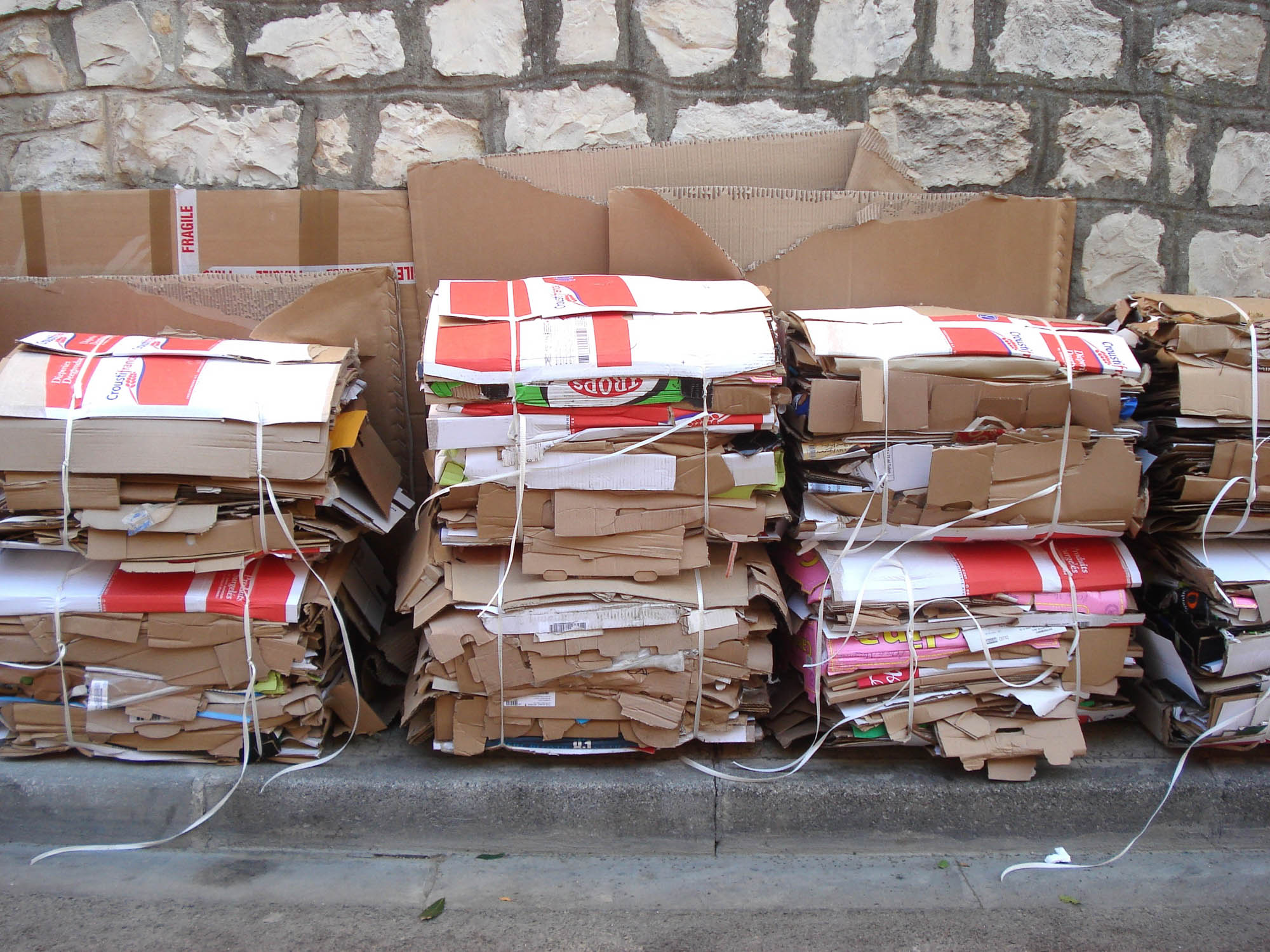
About the Author:

Leave A Comment

[fusion_builder_container hundred_percent=”no” hundred_percent_height=”no” hundred_percent_height_scroll=”no” hundred_percent_height_center_content=”yes” equal_height_columns=”no” menu_anchor=”” hide_on_mobile=”small-visibility,medium-visibility,large-visibility” class=”” id=”” background_color=”” background_image=”https://www.earthsquad.global/wp-content/uploads/2018/04/recycling-240-1024×682.jpg” background_position=”center center” background_repeat=”no-repeat” fade=”no” background_parallax=”fixed” enable_mobile=”no” parallax_speed=”0.3″ video_mp4=”” video_webm=”” video_ogv=”” video_url=”” video_aspect_ratio=”16:9″ video_loop=”yes” video_mute=”yes” video_preview_image=”” border_size=”” border_color=”” border_style=”solid” margin_top=”” margin_bottom=”40px” padding_top=”” padding_right=”” padding_bottom=”” padding_left=””][fusion_builder_row][fusion_builder_column type=”1_1″ layout=”1_1″ spacing=”” center_content=”no” link=”” target=”_self” min_height=”” hide_on_mobile=”small-visibility,medium-visibility,large-visibility” class=”set_recycle” id=”” background_color=”” background_image=”” background_position=”left top” undefined=”” background_repeat=”no-repeat” hover_type=”none” border_size=”0″ border_color=”” border_style=”solid” border_position=”all” padding_top=”50px” padding_right=”50px” padding_bottom=”50px” padding_left=”50px” margin_top=”” margin_bottom=”” animation_type=”” animation_direction=”left” animation_speed=”0.3″ animation_offset=”” last=”no”][fusion_text columns=”” column_min_width=”” column_spacing=”” rule_style=”default” rule_size=”” rule_color=”” class=”” id=””]

Chatarra se puede definir como la combinación de waste metal, o cualquier material o producto de composición metálica que pueda reciclarse de una composición anterior. Esto podría ser usado en partes de vehículos, partes usadas de plantas de construcción y fabricación, materiales de construcción sobrantes, etc .; la chatarra es de gran valor si se comercializa correctamente. Reciclaje de restos de metal ha recibido una gran atención en los últimos años debido a la inclinación del mundo hacia el logro de un clima verde. Reciclaje reduce en gran medida el impacto ambiental contenido en waste metal .

La chatarra se clasifica en gran medida en metales ferrosos y no ferrosos. Los metales no ferrosos son metales que no contienen hierro, como aluminio y cobre. Esto se puede detectar fácilmente pasándolos sobre un campo magnético fuerte. El hierro tiene propiedades magnéticas, por lo tanto, se espera que cada metal que contenga hierro tenga propiedades magnéticas. Los metales ferrosos son metales que contienen hierro en ellos. Los metales ferrosos a menudo se compactan y se envían a fundiciones para su reutilización, mientras que los metales no ferrosos se someten a un tratamiento y caracterización adicionales.

[/fusion_text][/fusion_builder_column][/fusion_builder_row][/fusion_builder_container][fusion_builder_container hundred_percent=”no” hundred_percent_height=”no” hundred_percent_height_scroll=”no” hundred_percent_height_center_content=”yes” equal_height_columns=”no” menu_anchor=”” hide_on_mobile=”small-visibility,medium-visibility,large-visibility” class=”” id=”” background_color=”” background_image=”” background_position=”center center” background_repeat=”no-repeat” fade=”no” background_parallax=”none” enable_mobile=”no” parallax_speed=”0.3″ video_mp4=”” video_webm=”” video_ogv=”” video_url=”” video_aspect_ratio=”16:9″ video_loop=”yes” video_mute=”yes” video_preview_image=”” border_size=”” border_color=”” border_style=”solid” margin_top=”” margin_bottom=”” padding_top=”” padding_right=”” padding_bottom=”” padding_left=””][fusion_builder_row][fusion_builder_column type=”1_1″ layout=”1_1″ spacing=”” center_content=”no” link=”” target=”_self” min_height=”” hide_on_mobile=”small-visibility,medium-visibility,large-visibility” class=”” id=”” background_color=”” background_image=”” background_position=”left top” background_repeat=”no-repeat” hover_type=”none” border_size=”0″ border_color=”” border_style=”solid” border_position=”all” padding_top=”” padding_right=”” padding_bottom=”” padding_left=”” margin_top=”” margin_bottom=”” animation_type=”” animation_direction=”left” animation_speed=”0.3″ animation_offset=”” last=”no”][fusion_text columns=”” column_min_width=”” column_spacing=”” rule_style=”default” rule_size=”” rule_color=”” class=”” id=””]

El proceso de reciclaje de metal

Las siguientes son las etapas principales de un proceso de reciclaje de metal:

Colección:

Este es el primer paso en reciclaje de metales . Implica obtener restos de metal de depósitos de chatarra, garaje, etc. Las chatarras metálicas están clasificadas por encima de los materiales normales. Los materiales comunes, como el papel, se amontonan y se utilizan para rellenar terrenos. En los Estados Unidos, la mayor fuente de metales ferrosos proviene de los vehículos de chatarra. Otras fuentes incluyen materiales de construcción, los consumidores usaron facetas metal , instalaciones de la planta, vías de ferrocarril, etc.

[/fusion_text][/fusion_builder_column][fusion_builder_column type=”1_1″ layout=”1_1″ spacing=”” center_content=”no” link=”” target=”_self” min_height=”” hide_on_mobile=”small-visibility,medium-visibility,large-visibility” class=”” id=”” background_color=”” background_image=”” background_position=”left top” background_repeat=”no-repeat” hover_type=”none” border_size=”0″ border_color=”” border_style=”solid” border_position=”all” animation_type=”” animation_direction=”left” animation_speed=”0.3″ animation_offset=”” last=”no”][fusion_text columns=”” column_min_width=”” column_spacing=”” rule_style=”default” rule_size=”” rule_color=”” class=”” id=””]

Técnicas de clasificación y separación:

La ordenación es una paso muy importante en el reciclaje. La clasificación efectiva genera reciclaje efectivo, especialmente cuando se trata de metal restos. La ordenación implica la separación de metales de un montón de waste stream o de una mezcla de chatarra de diferentes composiciones basada en la forma, tamaño, color, densidad, peso, magnetismo, conductividad eléctrica, luminosidad, tipo, forma, estructura, etc. reciclado automático, las máquinas están equipadas con imanes, haces de luz, sensores y dispositivos para separar los metales en función de los parámetros mencionados anteriormente. Algunas técnicas de clasificación y separación incluyen las siguientes

[/fusion_text][/fusion_builder_column][fusion_builder_column type=”1_1″ layout=”1_1″ spacing=”” center_content=”no” link=”” target=”_self” min_height=”” hide_on_mobile=”small-visibility,medium-visibility,large-visibility” class=”” id=”” background_color=”” background_image=”” background_position=”left top” background_repeat=”no-repeat” hover_type=”none” border_size=”0″ border_color=”” border_style=”solid” border_position=”all” padding_top=”” padding_right=”” padding_bottom=”” padding_left=”” margin_top=”” margin_bottom=”” animation_type=”” animation_direction=”left” animation_speed=”0.3″ animation_offset=”” last=”no”][fusion_accordion type=”” boxed_mode=”” border_size=”1″ border_color=”” background_color=”” hover_color=”” divider_line=”” title_font_size=”” icon_size=”” icon_color=”” icon_boxed_mode=”” icon_box_color=”” icon_alignment=”” toggle_hover_accent_color=”” hide_on_mobile=”small-visibility,medium-visibility,large-visibility” class=”” id=””][fusion_toggle title=”Proceso de separación magnética” open=”no”]

La separación magnética se utiliza cuando los metales ferrosos se separan de los no ferrosos. Grandes imanes potentes y electroimanes se emplean en este proceso. Los electroimanes son controlados eléctricamente y se pueden apagar o encender. Las dos formas populares de separación magnética son el tipo de tambor y correa. En el primero, un gran tambor se fija permanentemente con un imán debajo de él. La corriente de desechos pasa a través de una correa y debajo del tambor, los materiales ferrosos se atraen rápidamente hacia el imán y se separan fácilmente. En el sistema del tipo de correa, los imanes se fijan en varios puntos de movimiento del proceso, por ejemplo, entre las poleas en las que se desplaza la correa. Sin embargo, la separación magnética tiene sus limitaciones, ya que no puede separar el hierro y el acero del níquel o el acero inoxidable magnético. Se recomienda incluir la clasificación manual donde se observa ineficiencia.

[/fusion_toggle][fusion_toggle title=”Proceso de separación de corrientes de Foucault” open=”no”]

Este método separa los metales ferrosos de los residuos. Una corriente de Foucault es inducida por la exposición de un conductor a un campo magnético cambiante. Este método explota la conductividad eléctrica de los metales no magnéticos. Esto se hace simplemente pasando una corriente magnética a lo largo de la corriente de alimentación y utilizando corrientes de Foucault inducidas en los metales. Cuando una alimentación de desechos ingresa al sistema, los materiales no magnéticos se deslizan hacia abajo mientras los metales ferrosos se desvían lateralmente debido a la interacción del campo magnético y la corriente de Foucault.

[/fusion_toggle][fusion_toggle title=”Separadores de trommel / pantallas de tambor” open=”no”]

Este método separa los materiales según sus tamaños. La alimentación de residuos se alimenta a un tambor giratorio muy grande con un fondo perforado. Los materiales de tamaños pequeños caen a través de estos agujeros, mientras que las partículas más grandes permanecen.

[/fusion_toggle][fusion_toggle title=”Clasificación por inducción” open=”no”]

En este proceso, la alimentación de residuos se envía a través de una cinta transportadora equipada con sensores en varios puntos debajo de ella. Estos sensores tienen la capacidad de ubicar varios tipos de metales que luego se separan mediante un sistema de chorros de aire rápidos conectados a estos sensores.

[/fusion_toggle][fusion_toggle title=”Sensores de infrarrojo cercano (NIR)” open=”no”]

La luminosidad es una de las propiedades asociadas con los metales. Los metales reflejan la luz fácilmente cuando se iluminan en la longitud de onda IR cercana. Los sensores NIR pueden distinguir los metales en función de la intensidad y las longitudes de onda de la luz que reflejan.

[/fusion_toggle][fusion_toggle title=”Tecnología de rayos x” open=”no”]

La tecnología de rayos X puede distinguir los metales en función de sus densidades.

[/fusion_toggle][/fusion_accordion][/fusion_builder_column][fusion_builder_column type=”1_1″ layout=”1_1″ spacing=”” center_content=”no” link=”” target=”_self” min_height=”” hide_on_mobile=”small-visibility,medium-visibility,large-visibility” class=”” id=”” background_color=”” background_image=”” background_position=”left top” background_repeat=”no-repeat” hover_type=”none” border_size=”0″ border_color=”” border_style=”solid” border_position=”all” animation_type=”” animation_direction=”left” animation_speed=”0.3″ animation_offset=”” last=”no”][fusion_text columns=”” column_min_width=”” column_spacing=”” rule_style=”default” rule_size=”” rule_color=”” class=”” id=””]

Procesamiento:

Para un procesamiento posterior, metales son triturados. La trituración se hace para aumentar el área de superficie de los metales. Metales con una gran superficie requieren menos energía térmica para fundir. Como resultado, esto ahorra costos de calefacción y costos de enfriamiento de cámaras calefactadas.

[/fusion_text][/fusion_builder_column][fusion_builder_column type=”1_1″ layout=”1_1″ spacing=”” center_content=”no” link=”” target=”_self” min_height=”” hide_on_mobile=”small-visibility,medium-visibility,large-visibility” class=”” id=”” background_color=”” background_image=”” background_position=”left top” background_repeat=”no-repeat” hover_type=”none” border_size=”0″ border_color=”” border_style=”solid” border_position=”all” animation_type=”” animation_direction=”left” animation_speed=”0.3″ animation_offset=”” last=”no”][fusion_text columns=”” column_min_width=”” column_spacing=”” rule_style=”default” rule_size=”” rule_color=”” class=”” id=””]

Fusión:

La chatarra se calienta en un horno muy grande. Cada metal se funde en un horno específico diseñado para ello. Se requieren altas temperaturas para fundir metales, pero esto se puede reducir con un área de superficie aumentada. A pesar de la alta energía requerida en el procesamiento de chatarra, es incomparable a la energía requerida en la extracción y el uso de metales directamente de las materias primas. Dependiendo del tamaño del horno y del grado de energía térmica, el tiempo de proceso puede variar de minutos a horas.

[/fusion_text][/fusion_builder_column][fusion_builder_column type=”1_1″ layout=”1_1″ spacing=”” center_content=”no” link=”” target=”_self” min_height=”” hide_on_mobile=”small-visibility,medium-visibility,large-visibility” class=”” id=”” background_color=”” background_image=”” background_position=”left top” background_repeat=”no-repeat” hover_type=”none” border_size=”0″ border_color=”” border_style=”solid” border_position=”all” animation_type=”” animation_direction=”left” animation_speed=”0.3″ animation_offset=”” last=”no”][fusion_text columns=”” column_min_width=”” column_spacing=”” rule_style=”default” rule_size=”” rule_color=”” class=”” id=””]

Purificación:

La purificación se realiza para eliminar posibles contaminantes en el material y garantizar que el metal final sea de alta ley. El proceso más común es por electrólisis.

[/fusion_text][/fusion_builder_column][fusion_builder_column type=”1_1″ layout=”1_1″ spacing=”” center_content=”no” link=”” target=”_self” min_height=”” hide_on_mobile=”small-visibility,medium-visibility,large-visibility” class=”” id=”” background_color=”” background_image=”” background_position=”left top” background_repeat=”no-repeat” hover_type=”none” border_size=”0″ border_color=”” border_style=”solid” border_position=”all” animation_type=”” animation_direction=”left” animation_speed=”0.3″ animation_offset=”” last=”no”][fusion_text columns=”” column_min_width=”” column_spacing=”” rule_style=”default” rule_size=”” rule_color=”” hide_on_mobile=”small-visibility,medium-visibility,large-visibility” class=”” id=””]

Solidificación:

Después de la fusión y la purificación, la chatarra fundida se transfiere en cintas transportadoras para enfriar y solidificar la formación de barras de acero y metal camas. Se pueden usar fácilmente para formar diversos productos

[/fusion_text][/fusion_builder_column][fusion_builder_column type=”1_1″ layout=”1_1″ spacing=”” center_content=”no” link=”” target=”_self” min_height=”” hide_on_mobile=”small-visibility,medium-visibility,large-visibility” class=”” id=”” background_color=”” background_image=”” background_position=”left top” background_repeat=”no-repeat” hover_type=”none” border_size=”0″ border_color=”” border_style=”solid” border_position=”all” animation_type=”” animation_direction=”left” animation_speed=”0.3″ animation_offset=”” last=”no”][fusion_text columns=”” column_min_width=”” column_spacing=”” rule_style=”default” rule_size=”” rule_color=”” hide_on_mobile=”small-visibility,medium-visibility,large-visibility” class=”” id=””]

La chatarra de metal reciclaje se ha convertido en un sector muy importante del La economía generó ingresos masivos en la última década y esta tendencia aún está por continuar. Con la necesidad de un clima verde, reciclaje está en El aumento. El calor generado y el CO2 emitido en el reciclaje de chatarra de metal es mucho menor en comparación con el generado a partir de materias primas vírgenes. El reciclaje de chatarra elimina el vertido indiscriminado de metal residuos en el medio ambiente. También reduce la presión sobre nuestros recursos naturales como el mineral de hierro.

[/fusion_text][/fusion_builder_column][/fusion_builder_row][/fusion_builder_container][fusion_builder_container hundred_percent=”no” hundred_percent_height=”no” hundred_percent_height_scroll=”no” hundred_percent_height_center_content=”yes” equal_height_columns=”no” menu_anchor=”” hide_on_mobile=”small-visibility,medium-visibility,large-visibility” class=”” id=”” background_color=”” background_image=”” background_position=”center center” background_repeat=”no-repeat” fade=”no” background_parallax=”none” enable_mobile=”no” parallax_speed=”0.3″ video_mp4=”” video_webm=”” video_ogv=”” video_url=”” video_aspect_ratio=”16:9″ video_loop=”yes” video_mute=”yes” video_preview_image=”” border_size=”” border_color=”” border_style=”solid” margin_top=”” margin_bottom=”” padding_top=”” padding_right=”” padding_bottom=”” padding_left=””][fusion_builder_row][fusion_builder_column type=”1_1″ layout=”1_1″ spacing=”” center_content=”no” link=”” target=”_self” min_height=”” hide_on_mobile=”small-visibility,medium-visibility,large-visibility” class=”” id=”” background_color=”” background_image=”” background_position=”left top” background_repeat=”no-repeat” hover_type=”none” border_size=”0″ border_color=”” border_style=”solid” border_position=”all” padding_top=”” padding_right=”” padding_bottom=”” padding_left=”” margin_top=”” margin_bottom=”” animation_type=”” animation_direction=”left” animation_speed=”0.3″ animation_offset=”” last=”no”][fusion_separator style_type=”single solid” hide_on_mobile=”small-visibility,medium-visibility,large-visibility” class=”” id=”” sep_color=”rgba(193,25,120,0.73)” top_margin=”5%” bottom_margin=”5%” border_size=”” icon=”” icon_circle=”” icon_circle_color=”” width=”25%” alignment=”center” /][/fusion_builder_column][fusion_builder_column type=”1_1″ layout=”1_1″ spacing=”” center_content=”no” link=”” target=”_self” min_height=”” hide_on_mobile=”small-visibility,medium-visibility,large-visibility” class=”” id=”” background_color=”” background_image=”” background_position=”left top” background_repeat=”no-repeat” hover_type=”none” border_size=”0″ border_color=”” border_style=”solid” border_position=”all” padding_top=”” padding_right=”” padding_bottom=”” padding_left=”” margin_top=”” margin_bottom=”” animation_type=”” animation_direction=”left” animation_speed=”0.3″ animation_offset=”” last=”no”][fusion_text columns=”” column_min_width=”” column_spacing=”” rule_style=”default” rule_size=”” rule_color=”” hide_on_mobile=”small-visibility,medium-visibility,large-visibility” class=”” id=””]

Navegar en…

[/fusion_text][/fusion_builder_column][fusion_builder_column type=”1_1″ layout=”1_1″ spacing=”” center_content=”no” link=”” target=”_self” min_height=”” hide_on_mobile=”small-visibility,medium-visibility,large-visibility” class=”” id=”” background_color=”” background_image=”” background_position=”left top” background_repeat=”no-repeat” hover_type=”none” border_size=”0″ border_color=”” border_style=”solid” border_position=”all” padding_top=”” padding_right=”” padding_bottom=”” padding_left=”” margin_top=”” margin_bottom=”” animation_type=”” animation_direction=”left” animation_speed=”0.3″ animation_offset=”” last=”no”][fusion_blog layout=”medium alternate” blog_grid_columns=”” blog_grid_column_spacing=”” blog_masonry_grid_ratio=”” blog_masonry_width_double=”” equal_heights=”no” number_posts=”6″ offset=”0″ pull_by=”category” cat_slug=”” exclude_cats=”” tag_slug=”” exclude_tags=”” orderby=”date” order=”DESC” thumbnail=”yes” title=”yes” title_link=”yes” excerpt=”” excerpt_length=”10″ strip_html=”yes” meta_all=”yes” meta_author=”yes” meta_categories=”yes” meta_comments=”no” meta_date=”no” meta_link=”yes” meta_tags=”no” scrolling=”pagination” grid_box_color=”” grid_element_color=”” grid_separator_style_type=”” grid_separator_color=”” padding_top=”” padding_right=”” padding_bottom=”” padding_left=”” hide_on_mobile=”small-visibility,medium-visibility,large-visibility” class=”” id=”” /][/fusion_builder_column][/fusion_builder_row][/fusion_builder_container]

2018-10-15T08:30:06+00:00By |Categories: Economía circular, Metal, Reciclaje de material|0 Comments

About the Author:

Leave A Comment