
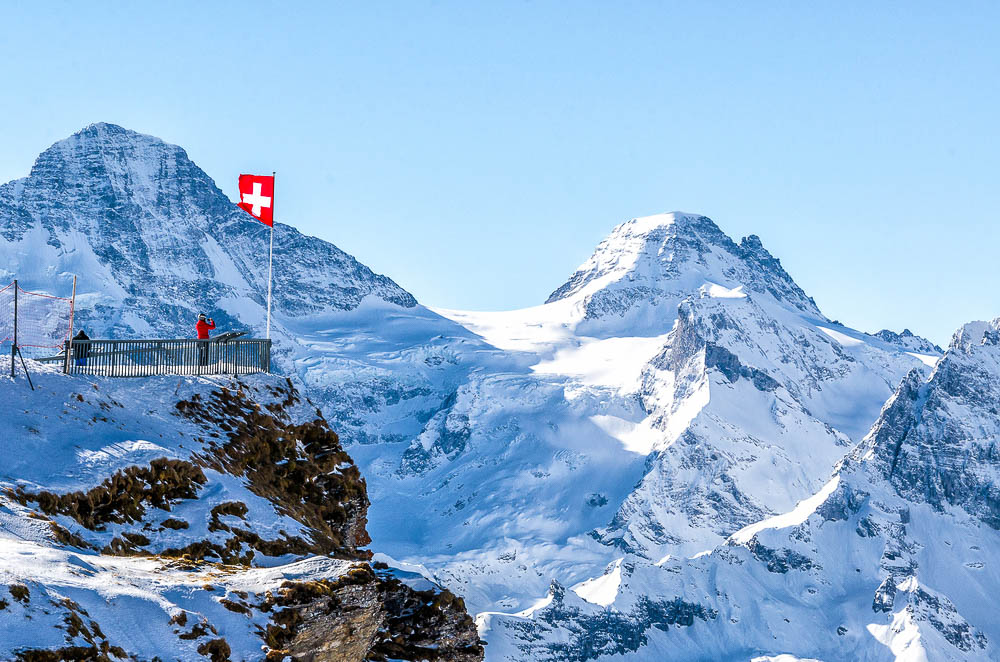
Mountains are Earth’s most valuable assets and arbitrarily the major source of water for plainer and low-lying areas. Apart from offering aesthetic appeal, Alps are a host to a large number of species and contribute a big portion in today’s known biodiversity. Unfortunately, the rapidly increasing human activities are disturbing the natural balance and cleanliness of Alps Mountain pastures. If these pastures are not maintained and looked after properly, chances are that the increasing pollution will pollute the basic sources of life- water and natural vegetation- for us.
In such alarming times, the adoption of special recycling and reusing techniques by local communities is of high importance as it can reduce the severity of harms posed to the world and human race by environmental pollution.
Recycling on the Alps can be a challenging task
The Alps are vast expanses of mountains which cover an area as large as entire Europe. Being world’s most extensive and highest mountain region, Alps require an immense deal of maintenance to subdue the effects of human and other waste upon the quality of its environment. The use of recycling and reusing methods and technologies is a waxing task because of the tough tracks and great sized of mountain pastures and peaks. The cliché recycling methods prove to be of no use or little use in the challenging pastures of Alps Mountains. The bad news is that because of the difficulty faced in waste management and recycling in world’s highest mountain range is resulting in an increase in environmental pollution of plain areas day after day. The good news is that despite the unavailability of adequate resources and harsh environmental challenges, recycling, and resulting strategies are being updated day by day to tackle this problem.
The Problems
Recycling on the Alps is a troublesome because of the far-off and scarce availability of processing equipment and transportation routes. Communities which are strongly willing to better the Alps situation are constantly fighting challenges on daily bases and require proper solutions to their problems. Two of the most common challenge faced during recycling in mountain pastures include:
Distant processing facilities
The Alps offer little to no room for the establishment of proper waste processing facilities. The recyclable material has to be collected in bulk and delivered to the processing units which are usually located outside the mountain areas. This process requires a good deal of efforts and labor in order to transport a single ton of recyclable waste which is not convenient for local recycling advocates.
Remote Transportation routes
The consequences
Given the major problems of far-off processing plants and distant transportation routes, the ease of recycling suffers a lot of strain. Recycling in the Alps may be fun but it is not at all cheap because of the following reasons:
Amplified transportation costs
Because of the distant transportation routes, the transportation costs are amplified. During the process of carrying recyclable waste towards transportation points, dangerous and tough roads have to be taken. Moving on these routes requires labor or investment which is required to make use of local transportation means. The local means of transportation are not big enough to carry waste in bulk and repeated visits need to be paid for the complete transfer of recyclable of waste from the Alps to transport trucks.
Increased processing costs
The time spent in the repeated deposition of recyclable waste causes profit loss to processing units as well as transporters. This results in making the recycling process inefficient and costly for people who are aiming to conserve the Alps.
The solution- Local initiatives
Alps locals have greatly recognized the rising concern of environmental pollution and its adverse effects on human health. To counter this problem, the people and caretakers of Alps have adopted following strategies in order to minimize the severity of the problem:
Composting as an environmental savior in the Alps
Composting is an amazing way of reducing organic waste and reusing it for growing more stuff. Composting can be done by anyone at any place. Alps locals take a lot of benefits from the method of composting. Apart from offering them a chance to reduce organic waste, Composting benefits the Alps locals in terms of fuels and fertilizer provision.
Verdict
The problem of environmental pollution in mountain pastures is a serious concern for everyone, including those who are living in low-lands. To counter the inconvenience in recycling, the reuse of products and strategic shopping sprees can prove to e highly effective.


Leave A Comment