
[fusion_builder_container hundred_percent=”no” hundred_percent_height=”no” hundred_percent_height_scroll=”no” hundred_percent_height_center_content=”yes” equal_height_columns=”no” menu_anchor=”” hide_on_mobile=”small-visibility,medium-visibility,large-visibility” class=”” id=”” background_color=”” background_image=”” background_position=”center center” background_repeat=”no-repeat” fade=”no” background_parallax=”none” enable_mobile=”no” parallax_speed=”0.3″ video_mp4=”” video_webm=”” video_ogv=”” video_url=”” video_aspect_ratio=”16:9″ video_loop=”yes” video_mute=”yes” video_preview_image=”” border_size=”” border_color=”” border_style=”solid” margin_top=”” margin_bottom=”” padding_top=”” padding_right=”” padding_bottom=”” padding_left=””][fusion_builder_row][fusion_builder_column type=”3_5″ layout=”3_5″ spacing=”” center_content=”no” link=”” target=”_self” min_height=”” hide_on_mobile=”small-visibility,medium-visibility,large-visibility” class=”” id=”” background_color=”” background_image=”” background_position=”left top” background_repeat=”no-repeat” hover_type=”none” border_size=”0″ border_color=”” border_style=”solid” border_position=”all” padding_top=”” padding_right=”” padding_bottom=”” padding_left=”” dimension_margin=”” animation_type=”” animation_direction=”left” animation_speed=”0.3″ animation_offset=”” last=”no”][fusion_text columns=”” column_min_width=”” column_spacing=”” rule_style=”default” rule_size=”” rule_color=”” class=”” id=””]Man is the only species that consumes more than its need. It produces waste in quantities so large that nature cannot “recycle” by itself. Man is part of nature and all the elements of nature, living or non-living, are in a close relationship and therefore create a natural balance. Human uses natural raw materials and creates others without realizing that it damages the environment. The leather is one of the most used elements of man kinds. But it is produced a huge amount of leather every year.[/fusion_text][/fusion_builder_column][fusion_builder_column type=”2_5″ layout=”2_5″ spacing=”” center_content=”no” link=”” target=”_self” min_height=”” hide_on_mobile=”small-visibility,medium-visibility,large-visibility” class=”” id=”” background_color=”” background_image=”” background_position=”left top” background_repeat=”no-repeat” hover_type=”none” border_size=”0″ border_color=”” border_style=”solid” border_position=”all” padding_top=”” padding_right=”” padding_bottom=”” padding_left=”” dimension_margin=”” animation_type=”” animation_direction=”left” animation_speed=”0.3″ animation_offset=”” last=”no”][fusion_imageframe image_id=”3872″ max_width=”” style_type=”glow” stylecolor=”” hover_type=”zoomin” bordersize=”” bordercolor=”” borderradius=”” align=”center” lightbox=”no” gallery_id=”” lightbox_image=”” alt=”” link=”” linktarget=”_self” hide_on_mobile=”small-visibility,medium-visibility,large-visibility” class=”” id=”” animation_type=”” animation_direction=”left” animation_speed=”0.3″ animation_offset=””]https://www.earthsquad.global/wp-content/uploads/2018/06/8-40.jpg[/fusion_imageframe][/fusion_builder_column][/fusion_builder_row][/fusion_builder_container][fusion_builder_container hundred_percent=”no” hundred_percent_height=”no” hundred_percent_height_scroll=”no” hundred_percent_height_center_content=”yes” equal_height_columns=”no” menu_anchor=”” hide_on_mobile=”small-visibility,medium-visibility,large-visibility” class=”” id=”” background_color=”” background_image=”” background_position=”center center” background_repeat=”no-repeat” fade=”no” background_parallax=”none” enable_mobile=”no” parallax_speed=”0.3″ video_mp4=”” video_webm=”” video_ogv=”” video_url=”” video_aspect_ratio=”16:9″ video_loop=”yes” video_mute=”yes” video_preview_image=”” border_size=”” border_color=”” border_style=”solid” margin_top=”” margin_bottom=”” padding_top=”” padding_right=”” padding_bottom=”” padding_left=””][fusion_builder_row][fusion_builder_column type=”1_1″ layout=”1_1″ spacing=”” center_content=”no” link=”” target=”_self” min_height=”” hide_on_mobile=”small-visibility,medium-visibility,large-visibility” class=”set_block1″ id=”” background_color=”” background_image=”” background_position=”left top” undefined=”” background_repeat=”no-repeat” hover_type=”none” border_size=”0″ border_color=”” border_style=”solid” border_position=”all” padding_top=”” padding_right=”” padding_bottom=”” padding_left=”” margin_top=”” margin_bottom=”” animation_type=”” animation_direction=”left” animation_speed=”0.3″ animation_offset=”” last=”no”][fusion_text columns=”” column_min_width=”” column_spacing=”” rule_style=”default” rule_size=”” rule_color=”” class=”” id=””]Leather manufacturing industries generate a large number of solid wastes. In the E.U. tannery, solid wastes are estimated to about 1,200,000 tons/year. Tanned scraps are poisonous and potentially perilous to human health and the environment as they usually contain high chrome contents.
Leather tanning processes cause environmental impact since they generate solid waste, wastewater, and emit gases. The unplanned and haphazard disposal of such waste may promote the oxidation of chromium such as changing from chromium (III) to chromium (VI).
The main focus of this article is to describe the impacts of leather and usefulness of recycling leather product so that a number of solid wastes can be reduced.[/fusion_text][/fusion_builder_column][/fusion_builder_row][/fusion_builder_container][fusion_builder_container hundred_percent=”no” hundred_percent_height=”no” hundred_percent_height_scroll=”no” hundred_percent_height_center_content=”yes” equal_height_columns=”no” menu_anchor=”” hide_on_mobile=”small-visibility,medium-visibility,large-visibility” class=”” id=”” background_color=”” background_image=”https://www.earthsquad.global/wp-content/uploads/2018/06/9-39.jpg” background_position=”center center” background_repeat=”no-repeat” fade=”no” background_parallax=”fixed” enable_mobile=”no” parallax_speed=”0.3″ video_mp4=”” video_webm=”” video_ogv=”” video_url=”” video_aspect_ratio=”16:9″ video_loop=”yes” video_mute=”yes” video_preview_image=”” border_size=”” border_color=”” border_style=”solid” margin_top=”” margin_bottom=”” padding_top=”40px” padding_right=”40px” padding_bottom=”40px” padding_left=”40px”][fusion_builder_row][fusion_builder_column type=”1_1″ layout=”1_1″ spacing=”” center_content=”no” link=”” target=”_self” min_height=”” hide_on_mobile=”small-visibility,medium-visibility,large-visibility” class=”borderleftcls” id=”” background_color=”rgba(255,255,255,0.88)” background_image=”” background_position=”left top” undefined=”” background_repeat=”no-repeat” hover_type=”none” border_size=”0″ border_color=”” border_style=”solid” border_position=”all” padding_top=”25px” padding_right=”25px” padding_bottom=”25px” padding_left=”25px” margin_top=”” margin_bottom=”” animation_type=”” animation_direction=”left” animation_speed=”0.3″ animation_offset=”” last=”no”][fusion_text columns=”” column_min_width=”” column_spacing=”” rule_style=”default” rule_size=”” rule_color=”” class=”” id=””]
Leather
[/fusion_text][fusion_separator style_type=”single solid” hide_on_mobile=”small-visibility,medium-visibility,large-visibility” class=”” id=”” sep_color=”#1fbed6″ top_margin=”” bottom_margin=”15px” border_size=”6″ icon=”” icon_circle=”” icon_circle_color=”” width=”70px” alignment=”center” /][fusion_text columns=”” column_min_width=”” column_spacing=”” rule_style=”default” rule_size=”” rule_color=”” class=”” id=””]The leather is a long-lasting and flexible material created by tanning animal rawhides, mostly cattle hide. It can be produced at manufacturing scales ranging from a cottage to heavy manufacture companies.
Uses of Leather
The leather is used to make different goods such as clothing (especially footwear), bookbinding, and furniture covering. It is created in a wide variety of types and styles, decorated by diversified techniques.
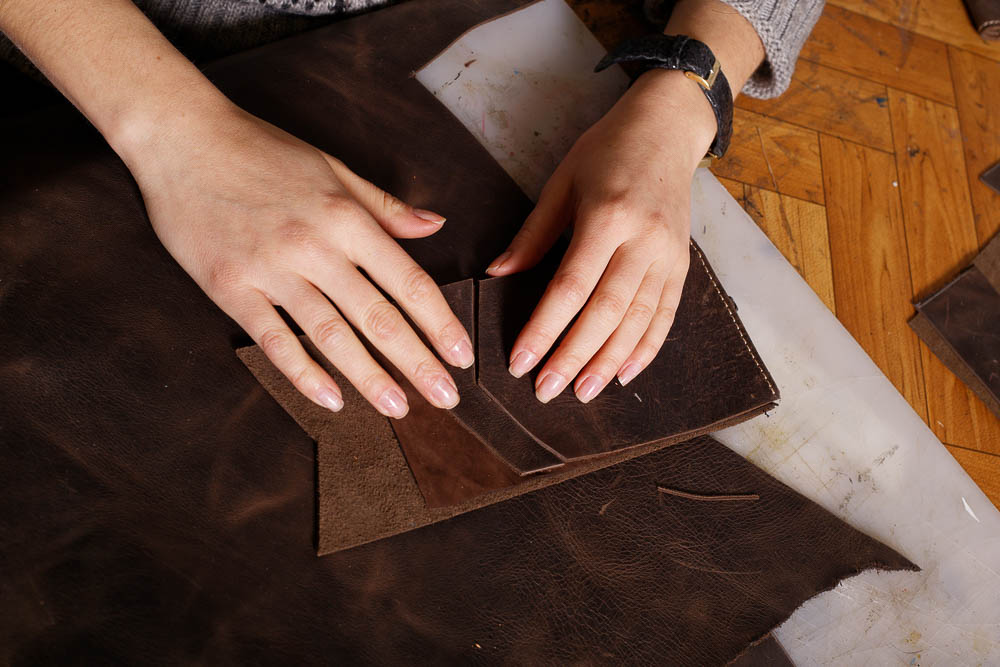
Leather Processing
The leather manufacturing process is divided into three fundamental processes. They are a) preparatory stages, b) tanning, and c) crusting.
a) Preparatory Stages
The preparatory stage starts as the hide is prepared for tanning. Limning, delinking, hair removal, digressing, bleaching and pickling are in the preparatory stage.
b) Tanning
Tanning is a process that stabilizes the proteins of the rawhide so it does not decay, making it suitable for a wide variety of final applications.
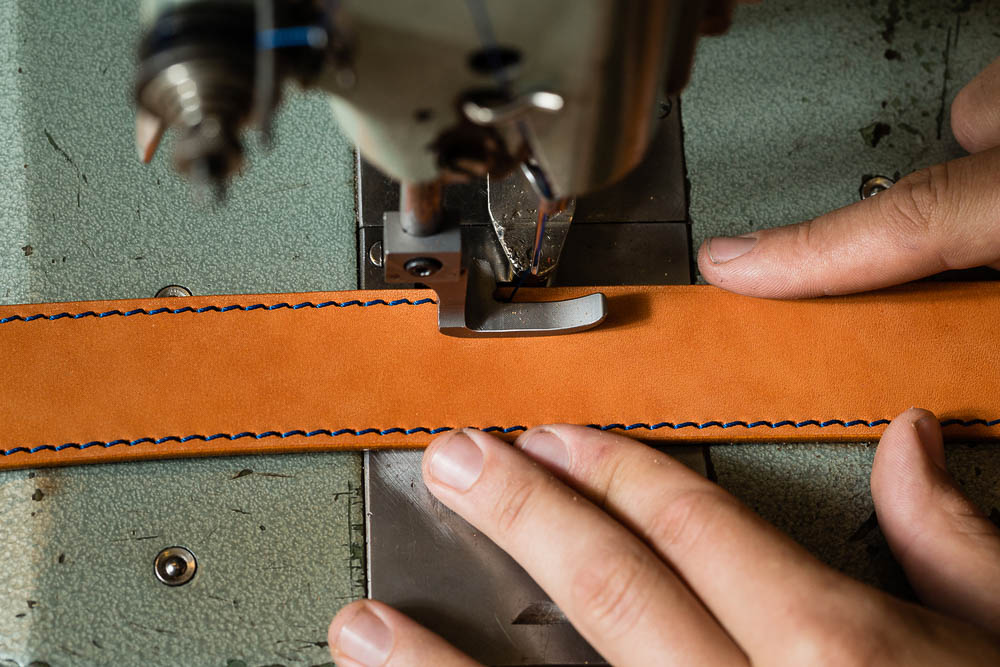 There are many tanning methods and materials. The common process is that tanners load the hides into a drum and immerse them in a tank that contains the tanning “liquor”. The hides soak while the drum slowly rotates about its axis, and the tanning liquor slowly penetrates through the full thickness of the hide. When the process achieves penetration, the workers slowly raise the liquor’s pH in a process called basification It fixes the tanning material to the leather.
C) Crusting
The process that thins and lubricates leather is called crusting. It often incorporates a coloring operation. Crusting culminates with a drying and softening operation. It may include splitting, shaving, dyeing, whitening and other processes.
In addition to, sometime tanners use a surface coating. It is known as “finishing”. Finishing operations are composed of oiling, brushing, buffing, coating, polishing, embossing, glazing or tumbling etc.[/fusion_text][/fusion_builder_column][/fusion_builder_row][/fusion_builder_container][fusion_builder_container hundred_percent=”no” hundred_percent_height=”no” hundred_percent_height_scroll=”no” hundred_percent_height_center_content=”yes” equal_height_columns=”no” menu_anchor=”” hide_on_mobile=”small-visibility,medium-visibility,large-visibility” class=”” id=”” background_color=”” background_image=”” background_position=”center center” background_repeat=”no-repeat” fade=”no” background_parallax=”none” enable_mobile=”no” parallax_speed=”0.3″ video_mp4=”” video_webm=”” video_ogv=”” video_url=”” video_aspect_ratio=”16:9″ video_loop=”yes” video_mute=”yes” video_preview_image=”” border_size=”” border_color=”” border_style=”solid” margin_top=”” margin_bottom=”” padding_top=”35px” padding_right=”” padding_bottom=”” padding_left=””][fusion_builder_row][fusion_builder_column type=”1_1″ layout=”1_1″ spacing=”” center_content=”no” link=”” target=”_self” min_height=”” hide_on_mobile=”small-visibility,medium-visibility,large-visibility” class=”” id=”” background_color=”” background_image=”” background_position=”left top” background_repeat=”no-repeat” hover_type=”none” border_size=”0″ border_color=”” border_style=”solid” border_position=”all” padding_top=”” padding_right=”” padding_bottom=”” padding_left=”” dimension_margin=”” animation_type=”” animation_direction=”left” animation_speed=”0.3″ animation_offset=”” last=”no”][fusion_text columns=”” column_min_width=”” column_spacing=”” rule_style=”default” rule_size=”” rule_color=”” class=”” id=””]
Environmental Impacts
Some environmental impacts are caused by leather production. Most notable impacts are[/fusion_text][fusion_checklist icon=”fa-angle-right fas” iconcolor=”#ff6f6f” circle=”no” circlecolor=”” size=”” divider=”” divider_color=”” hide_on_mobile=”small-visibility,medium-visibility,large-visibility” class=”” id=””][fusion_li_item icon=””]The carbon footprint of cattle rearing[/fusion_li_item][fusion_li_item icon=””]The use of chemicals in the tanning process[/fusion_li_item][fusion_li_item icon=””]Air pollution due to the transformation process[/fusion_li_item][/fusion_checklist][/fusion_builder_column][/fusion_builder_row][/fusion_builder_container][fusion_builder_container hundred_percent=”no” hundred_percent_height=”no” hundred_percent_height_scroll=”no” hundred_percent_height_center_content=”yes” equal_height_columns=”no” menu_anchor=”” hide_on_mobile=”small-visibility,medium-visibility,large-visibility” class=”” id=”” background_color=”” background_image=”” background_position=”center center” background_repeat=”no-repeat” fade=”no” background_parallax=”none” enable_mobile=”no” parallax_speed=”0.3″ video_mp4=”” video_webm=”” video_ogv=”” video_url=”” video_aspect_ratio=”16:9″ video_loop=”yes” video_mute=”yes” video_preview_image=”” border_size=”” border_color=”” border_style=”solid” margin_top=”” margin_bottom=”” padding_top=”” padding_right=”” padding_bottom=”” padding_left=””][fusion_builder_row][fusion_builder_column type=”1_1″ layout=”1_1″ spacing=”” center_content=”no” link=”” target=”_self” min_height=”” hide_on_mobile=”small-visibility,medium-visibility,large-visibility” class=”” id=”” background_color=”” background_image=”” background_position=”left top” background_repeat=”no-repeat” hover_type=”none” border_size=”0″ border_color=”” border_style=”solid” border_position=”all” padding_top=”” padding_right=”” padding_bottom=”” padding_left=”” dimension_margin=”” animation_type=”” animation_direction=”left” animation_speed=”0.3″ animation_offset=”” last=”no”][fusion_accordion type=”” boxed_mode=”” border_size=”1″ border_color=”” background_color=”” hover_color=”” divider_line=”” title_font_size=”” icon_size=”” icon_color=”” icon_boxed_mode=”” icon_box_color=”” icon_alignment=”” toggle_hover_accent_color=”” hide_on_mobile=”small-visibility,medium-visibility,large-visibility” class=”” id=””][fusion_toggle title=”Carbon footprint” open=”no”]The average estimate of the carbon footprint of leather goods is 0.51 kg of CO2. It equivalents per £1 of output at 2010 retail prices, or 0.71 kg CO2eq per £1 of output at 2010 industry prices.[/fusion_toggle][fusion_toggle title=”Water footprint” open=”no”]One ton of hide or skin generally pollutes 20 to 80 m3 of water, including chromium levels of 100–400 mg/l, sulfide levels of 200–800 mg/l, high levels of fat and other solid wastes, and notable pathogen contamination.[/fusion_toggle][fusion_toggle title=”Disposal” open=”no”]Leather degrades slowly. It takes 25 to 40 years to be decomposed. However, vinyl and petrochemical-derived materials take 500 or more years to decompose.[/fusion_toggle][fusion_toggle title=”Solid Wastes crated from Leather” open=”no”]The leather manufacturing process generates a variety of solid wastes which are well described in a UNIDO reference document. According to the document China produce 105 198 ton, Asia (excl. China) 195 319 tons, Middle east 37 521 tons, Eastern Europe 18 264 tons, Western Europe 186 834 tons, South America 87 225 tons North 60 018 tons| and Central America 115 277 tons | Rest of the world 805 656 tons solid wastes every year.[/fusion_toggle][fusion_toggle title=”Biodegradable Material ” open=”no”]Biodegradable Material refers to the materials that are capable of being broken down (decomposed) rapidly through the action of microorganisms. Biodegradable elements include food scraps, cotton, wool, wood, human and animal waste, manufactured products based on natural materials[/fusion_toggle][fusion_toggle title=”Non-biodegradable Materials” open=”no”]Non Biodegradable waste includes any matter in waste which cannot be broken down into carbon dioxide, water, methane or simple organic molecules by micro-organisms and other living things using composting, aerobic digestion, anaerobic digestion or similar processes.[/fusion_toggle][fusion_toggle title=” Eco-friendly Leather” open=”no”]Leather can be eco-friendly when the products made from leather are tanned naturally without using of any chemicals. Nowadays, various modern methods of tanning leather have been used which are eco-friendly for example, using un-dyed or vegetable tanned leather etc.[/fusion_toggle][/fusion_accordion][/fusion_builder_column][/fusion_builder_row][/fusion_builder_container][fusion_builder_container hundred_percent=”no” hundred_percent_height=”no” hundred_percent_height_scroll=”no” hundred_percent_height_center_content=”yes” equal_height_columns=”no” menu_anchor=”” hide_on_mobile=”small-visibility,medium-visibility,large-visibility” class=”” id=”” background_color=”” background_image=”https://www.earthsquad.global/wp-content/uploads/2018/06/3-39.jpg” background_position=”center center” background_repeat=”no-repeat” fade=”no” background_parallax=”fixed” enable_mobile=”no” parallax_speed=”0.3″ video_mp4=”” video_webm=”” video_ogv=”” video_url=”” video_aspect_ratio=”16:9″ video_loop=”yes” video_mute=”yes” video_preview_image=”” border_size=”” border_color=”” border_style=”solid” margin_top=”25px” margin_bottom=”” padding_top=”40px” padding_right=”40px” padding_bottom=”40px” padding_left=”40px”][fusion_builder_row][fusion_builder_column type=”1_1″ layout=”1_1″ spacing=”” center_content=”no” link=”” target=”_self” min_height=”” hide_on_mobile=”small-visibility,medium-visibility,large-visibility” class=”borderleftcls” id=”” background_color=”rgba(255,255,255,0.88)” background_image=”” background_position=”left top” undefined=”” background_repeat=”no-repeat” hover_type=”none” border_size=”0″ border_color=”” border_style=”solid” border_position=”all” padding_top=”25px” padding_right=”25px” padding_bottom=”25px” padding_left=”25px” margin_top=”” margin_bottom=”” animation_type=”” animation_direction=”left” animation_speed=”0.3″ animation_offset=”” last=”no”][fusion_text columns=”” column_min_width=”” column_spacing=”” rule_style=”default” rule_size=”” rule_color=”” class=”” id=””]
Leather Recycled
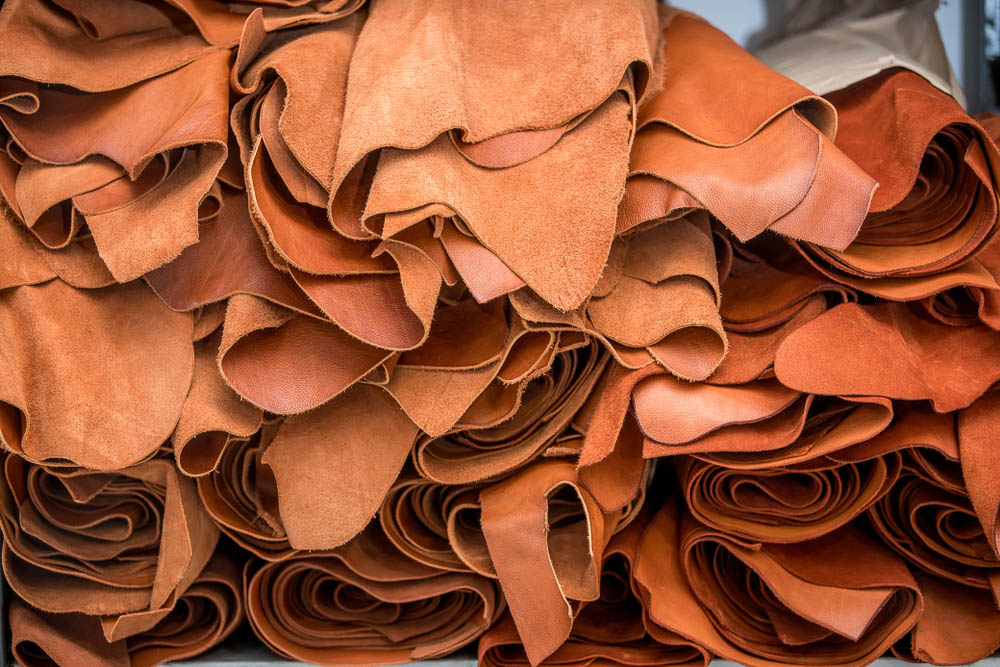 The process of recycling leather includes treating and recycling leather residues that are discarded by tanneries and other leather product industries and using it in the production of composite materials.
Steps of Leather Recycling
[/fusion_text][fusion_text columns=”” column_min_width=”” column_spacing=”” rule_style=”default” rule_size=”” rule_color=”” class=”” id=””]
Leather cycling process involves following steps.
[/fusion_text][fusion_checklist icon=”fa-angle-right fas” iconcolor=”#ff6f6f” circle=”no” circlecolor=”” size=”” divider=”” divider_color=”” hide_on_mobile=”small-visibility,medium-visibility,large-visibility” class=”” id=””][fusion_li_item icon=””]First of all, the leather residues and scraps must be shredded.[/fusion_li_item][fusion_li_item icon=””]The resulting blend of shredded leather material is glued together with resin and catalyzers.[/fusion_li_item][fusion_li_item icon=””]This product is pressed between metallic molds of various shapes and sizes, or directly on sublayers to form plywoods,[/fusion_li_item][fusion_li_item icon=””]It is structured into the desired item.[/fusion_li_item][fusion_li_item icon=””]The final product has a very polished appearance and there is no need for any additional finishing.[/fusion_li_item][/fusion_checklist][fusion_separator style_type=”none” hide_on_mobile=”small-visibility,medium-visibility,large-visibility” class=”” id=”” sep_color=”” top_margin=”10px” bottom_margin=”” border_size=”” icon=”” icon_circle=”” icon_circle_color=”” width=”” alignment=”center” /][fusion_text columns=”” column_min_width=”” column_spacing=”” rule_style=”default” rule_size=”” rule_color=”” class=”” id=””]
Conclusion
Leather can be recycled to make clothing. Most of the recycled leather is a composite of shredded leather scraps and residues which are collected from tanneries and other leather product manufacturers.
Recycled leather products are, definitely pleasing, soundproof and even have heat insulation properties. They are used in different ways, from furniture to floor tiles to car interiors and have the look of natural leather.
The recycling leather is a great way to be kind to the environment and turn something old into something new.[/fusion_text][/fusion_builder_column][/fusion_builder_row][/fusion_builder_container][fusion_builder_container hundred_percent=”no” hundred_percent_height=”no” hundred_percent_height_scroll=”no” hundred_percent_height_center_content=”yes” equal_height_columns=”no” menu_anchor=”” hide_on_mobile=”small-visibility,medium-visibility,large-visibility” class=”” id=”” background_color=”” background_image=”” background_position=”center center” background_repeat=”no-repeat” fade=”no” background_parallax=”none” enable_mobile=”no” parallax_speed=”0.3″ video_mp4=”” video_webm=”” video_ogv=”” video_url=”” video_aspect_ratio=”16:9″ video_loop=”yes” video_mute=”yes” video_preview_image=”” border_size=”” border_color=”” border_style=”solid” margin_top=”” margin_bottom=”” padding_top=”35px” padding_right=”” padding_bottom=”” padding_left=””][fusion_builder_row][fusion_builder_column type=”1_1″ layout=”1_1″ spacing=”” center_content=”no” link=”” target=”_self” min_height=”” hide_on_mobile=”small-visibility,medium-visibility,large-visibility” class=”” id=”” background_color=”” background_image=”” background_position=”left top” background_repeat=”no-repeat” hover_type=”none” border_size=”0″ border_color=”” border_style=”solid” border_position=”all” padding_top=”” padding_right=”” padding_bottom=”” padding_left=”” dimension_margin=”” animation_type=”” animation_direction=”left” animation_speed=”0.3″ animation_offset=”” last=”no”][fusion_text columns=”” column_min_width=”” column_spacing=”” rule_style=”default” rule_size=”” rule_color=”” class=”” id=””]
Sources
https://en.wikipedia.org/wiki/Leather
http://www.eurekanetwork.org/project/id/2221
https://link.springer.com/article/10.1007/s10098-014-0776-x
https://onlinelibrary.wiley.com/doi/pdf/10.1002/pc.23140
https://www.brighthub.com/environment/green-living/articles/91891.aspx
http://textile.webhost.uoradea.ro/Annals/Vol%20XV-no%20II/Art.%20nr.%2064,%20pag%20157-162.pdf
https://leatherpanel.org/sites/default/files/publications-attachments/leather_waste_recycling1.pdf
[/fusion_text][/fusion_builder_column][/fusion_builder_row][/fusion_builder_container][fusion_global id=”4038″]




Leave A Comment