Recycling Glass FAQs

///Recycling Glass FAQs

[fusion_builder_container hundred_percent=”no” hundred_percent_height=”no” hundred_percent_height_scroll=”no” hundred_percent_height_center_content=”yes” equal_height_columns=”no” menu_anchor=”” hide_on_mobile=”small-visibility,medium-visibility,large-visibility” class=”” id=”” background_color=”” background_image=”” background_position=”center center” background_repeat=”no-repeat” fade=”no” background_parallax=”none” enable_mobile=”no” parallax_speed=”0.3″ video_mp4=”” video_webm=”” video_ogv=”” video_url=”” video_aspect_ratio=”16:9″ video_loop=”yes” video_mute=”yes” video_preview_image=”” border_size=”” border_color=”” border_style=”solid” margin_top=”” margin_bottom=”” padding_top=”” padding_right=”” padding_bottom=”” padding_left=””][fusion_builder_row][fusion_builder_column type=”3_5″ layout=”3_5″ spacing=”” center_content=”no” link=”” target=”_self” min_height=”” hide_on_mobile=”small-visibility,medium-visibility,large-visibility” class=”” id=”” background_color=”” background_image=”” background_position=”left top” background_repeat=”no-repeat” hover_type=”none” border_size=”0″ border_color=”” border_style=”solid” border_position=”all” padding_top=”” padding_right=”” padding_bottom=”” padding_left=”” dimension_margin=”” animation_type=”” animation_direction=”left” animation_speed=”0.3″ animation_offset=”” last=”no”][fusion_text columns=”” column_min_width=”” column_spacing=”” rule_style=”default” rule_size=”” rule_color=”” class=”” id=””]Glass is one of the most common packaging materials found on supermarket shelves and is typically used to manufacture bottles and jars in which food and beverages are sold. It is also used for window glazing, shower doors, light bulbs, scientific equipment, etc. Yet, while glass is so prolific, many consumers are unaware of how glass is produced or what happens to it once it is thrown away or recycled.[/fusion_text][/fusion_builder_column][fusion_builder_column type=”2_5″ layout=”2_5″ spacing=”” center_content=”no” link=”” target=”_self” min_height=”” hide_on_mobile=”small-visibility,medium-visibility,large-visibility” class=”” id=”” background_color=”” background_image=”” background_position=”left top” background_repeat=”no-repeat” hover_type=”none” border_size=”0″ border_color=”” border_style=”solid” border_position=”all” padding_top=”” padding_right=”” padding_bottom=”” padding_left=”” dimension_margin=”” animation_type=”” animation_direction=”left” animation_speed=”0.3″ animation_offset=”” last=”no”][fusion_imageframe image_id=”2599″ max_width=”” style_type=”dropshadow” stylecolor=”” hover_type=”zoomin” bordersize=”” bordercolor=”” borderradius=”” align=”center” lightbox=”no” gallery_id=”” lightbox_image=”” alt=”” link=”” linktarget=”_self” hide_on_mobile=”small-visibility,medium-visibility,large-visibility” class=”” id=”” animation_type=”” animation_direction=”left” animation_speed=”0.3″ animation_offset=””]https://www.earthsquad.global/wp-content/uploads/2018/05/23-5.jpg[/fusion_imageframe][/fusion_builder_column][/fusion_builder_row][/fusion_builder_container][fusion_builder_container hundred_percent=”no” hundred_percent_height=”no” hundred_percent_height_scroll=”no” hundred_percent_height_center_content=”yes” equal_height_columns=”no” menu_anchor=”” hide_on_mobile=”small-visibility,medium-visibility,large-visibility” class=”” id=”” background_color=”” background_image=”https://www.earthsquad.global/wp-content/uploads/2018/05/26-6.jpg” background_position=”center center” background_repeat=”no-repeat” fade=”no” background_parallax=”none” enable_mobile=”no” parallax_speed=”0.3″ video_mp4=”” video_webm=”” video_ogv=”” video_url=”” video_aspect_ratio=”16:9″ video_loop=”yes” video_mute=”yes” video_preview_image=”” border_size=”” border_color=”” border_style=”solid” margin_top=”20px” margin_bottom=”” padding_top=”” padding_right=”” padding_bottom=”” padding_left=””][fusion_builder_row][fusion_builder_column type=”2_5″ layout=”2_5″ spacing=”” center_content=”no” link=”” target=”_self” min_height=”” hide_on_mobile=”small-visibility,medium-visibility,large-visibility” class=”” id=”” background_color=”” background_image=”” background_position=”left top” undefined=”” background_repeat=”no-repeat” hover_type=”none” border_size=”0″ border_color=”” border_style=”solid” border_position=”all” padding_top=”” padding_right=”” padding_bottom=”” padding_left=”” margin_top=”” margin_bottom=”0px” animation_type=”” animation_direction=”left” animation_speed=”0.3″ animation_offset=”” last=”no”][/fusion_builder_column][fusion_builder_column type=”3_5″ layout=”3_5″ spacing=”” center_content=”no” link=”” target=”_self” min_height=”” hide_on_mobile=”small-visibility,medium-visibility,large-visibility” class=”” id=”” background_color=”rgba(255,255,255,0.89)” background_image=”” background_position=”left top” undefined=”” background_repeat=”no-repeat” hover_type=”none” border_size=”0″ border_color=”” border_style=”solid” border_position=”all” padding_top=”40px” padding_right=”25px” padding_bottom=”25px” padding_left=”25px” margin_top=”” margin_bottom=”0px” animation_type=”” animation_direction=”left” animation_speed=”0.3″ animation_offset=”” last=”no”][fusion_text columns=”” column_min_width=”” column_spacing=”” rule_style=”default” rule_size=”” rule_color=”” class=”” id=””]

How is Glass Made?

Glass is made from sand (silica dioxide), limestone and soda ash, which are heated together to form liquid glass. When this molten mixture is cooled it forms clear glass, which may either be spread out onto flat sheets or it can be moulded to into various shaped products such as bottles and jars typically used to package products that will not degrade when exposed to light. However, because some products are more sensitive to light, and possibly also temperature, glass is often colored amber/brown (light resistant) or emerald green (light and temperature resistant). To produce amber colored glass, such as commonly used for beer bottles, manufacturers add nickel, sulfur and carbon to the molten glass mixture, and to produce green colored glass, such as that used for wine bottles, they add iron, chromium or copper. All these materials occur naturally in the environment and are readily available.[/fusion_text][/fusion_builder_column][/fusion_builder_row][/fusion_builder_container][fusion_builder_container hundred_percent=”no” hundred_percent_height=”no” hundred_percent_height_scroll=”no” hundred_percent_height_center_content=”yes” equal_height_columns=”no” menu_anchor=”” hide_on_mobile=”small-visibility,medium-visibility,large-visibility” class=”” id=”” background_color=”” background_image=”” background_position=”center center” background_repeat=”no-repeat” fade=”no” background_parallax=”none” enable_mobile=”no” parallax_speed=”0.3″ video_mp4=”” video_webm=”” video_ogv=”” video_url=”” video_aspect_ratio=”16:9″ video_loop=”yes” video_mute=”yes” video_preview_image=”” border_size=”” border_color=”” border_style=”solid” margin_top=”” margin_bottom=”” padding_top=”45px” padding_right=”” padding_bottom=”” padding_left=””][fusion_builder_row][fusion_builder_column type=”1_1″ layout=”1_1″ spacing=”” center_content=”no” link=”” target=”_self” min_height=”” hide_on_mobile=”small-visibility,medium-visibility,large-visibility” class=”” id=”” background_color=”” background_image=”” background_position=”left top” background_repeat=”no-repeat” hover_type=”none” border_size=”0″ border_color=”” border_style=”solid” border_position=”all” padding_top=”” padding_right=”” padding_bottom=”” padding_left=”” dimension_margin=”” animation_type=”” animation_direction=”left” animation_speed=”0.3″ animation_offset=”” last=”no”][fusion_text columns=”” column_min_width=”” column_spacing=”” rule_style=”default” rule_size=”” rule_color=”” class=”” id=””]

What is the Environmental Impact of Glass?

[/fusion_text][/fusion_builder_column][fusion_builder_column type=”3_5″ layout=”3_5″ spacing=”” center_content=”no” link=”” target=”_self” min_height=”” hide_on_mobile=”small-visibility,medium-visibility,large-visibility” class=”” id=”” background_color=”” background_image=”” background_position=”left top” background_repeat=”no-repeat” hover_type=”none” border_size=”0″ border_color=”” border_style=”solid” border_position=”all” padding_top=”” padding_right=”” padding_bottom=”” padding_left=”” dimension_margin=”” animation_type=”” animation_direction=”left” animation_speed=”0.3″ animation_offset=”” last=”no”][fusion_text columns=”” column_min_width=”” column_spacing=”” rule_style=”default” rule_size=”” rule_color=”” class=”” id=””]Because glass is produced from natural occurring materials rather than harmful chemical substances it will not harm the environment or negatively impact human health as it degrades. However, as glass does not decompose, it will take a very long time to disintegrate into the ground. Consequently, bottles take up a lot of space on a landfill, and glass can pose an aesthetic pollution problem when discarded in natural areas. The biggest impact that glass has on the environment is during the production stage when carbon dioxide, a greenhouse gas, is released into the atmosphere when natural gas or fuel oil is burned to melt the raw materials in order to produce glass. These emissions contribute to atmospheric warming and climate change.[/fusion_text][/fusion_builder_column][fusion_builder_column type=”2_5″ layout=”2_5″ spacing=”” center_content=”no” link=”” target=”_self” min_height=”” hide_on_mobile=”small-visibility,medium-visibility,large-visibility” class=”” id=”” background_color=”” background_image=”” background_position=”left top” background_repeat=”no-repeat” hover_type=”none” border_size=”0″ border_color=”” border_style=”solid” border_position=”all” padding_top=”” padding_right=”” padding_bottom=”” padding_left=”” dimension_margin=”” animation_type=”” animation_direction=”left” animation_speed=”0.3″ animation_offset=”” last=”no”][fusion_imageframe image_id=”445″ max_width=”” style_type=”glow” stylecolor=”” hover_type=”zoomin” bordersize=”” bordercolor=”” borderradius=”” align=”center” lightbox=”no” gallery_id=”” lightbox_image=”” alt=”” link=”” linktarget=”_self” hide_on_mobile=”small-visibility,medium-visibility,large-visibility” class=”” id=”” animation_type=”” animation_direction=”left” animation_speed=”0.3″ animation_offset=””]https://www.earthsquad.global/wp-content/uploads/2018/04/115-1.jpg[/fusion_imageframe][/fusion_builder_column][/fusion_builder_row][/fusion_builder_container][fusion_builder_container hundred_percent=”no” hundred_percent_height=”no” hundred_percent_height_scroll=”no” hundred_percent_height_center_content=”yes” equal_height_columns=”no” menu_anchor=”” hide_on_mobile=”small-visibility,medium-visibility,large-visibility” class=”” id=”” background_color=”” background_image=”https://www.earthsquad.global/wp-content/uploads/2018/08/14-60.jpg” background_position=”center center” background_repeat=”no-repeat” fade=”no” background_parallax=”none” enable_mobile=”no” parallax_speed=”0.3″ video_mp4=”” video_webm=”” video_ogv=”” video_url=”” video_aspect_ratio=”16:9″ video_loop=”yes” video_mute=”yes” video_preview_image=”” border_size=”” border_color=”” border_style=”solid” margin_top=”” margin_bottom=”” padding_top=”” padding_right=”” padding_bottom=”” padding_left=””][fusion_builder_row][fusion_builder_column type=”2_5″ layout=”2_5″ spacing=”” center_content=”no” link=”” target=”_self” min_height=”” hide_on_mobile=”small-visibility,medium-visibility,large-visibility” class=”” id=”” background_color=”” background_image=”” background_position=”left top” undefined=”” background_repeat=”no-repeat” hover_type=”none” border_size=”0″ border_color=”” border_style=”solid” border_position=”all” padding_top=”” padding_right=”” padding_bottom=”” padding_left=”” margin_top=”” margin_bottom=”0px” animation_type=”” animation_direction=”left” animation_speed=”0.3″ animation_offset=”” last=”no”][/fusion_builder_column][fusion_builder_column type=”3_5″ layout=”3_5″ spacing=”” center_content=”no” link=”” target=”_self” min_height=”” hide_on_mobile=”small-visibility,medium-visibility,large-visibility” class=”” id=”” background_color=”rgba(255,255,255,0.89)” background_image=”” background_position=”left top” undefined=”” background_repeat=”no-repeat” hover_type=”none” border_size=”0″ border_color=”” border_style=”solid” border_position=”all” padding_top=”40px” padding_right=”25px” padding_bottom=”25px” padding_left=”25px” margin_top=”” margin_bottom=”0px” animation_type=”” animation_direction=”left” animation_speed=”0.3″ animation_offset=”” last=”no”][fusion_text columns=”” column_min_width=”” column_spacing=”” rule_style=”default” rule_size=”” rule_color=”” class=”” id=””]

Why Recycle Glass?

Producing glass from virgin materials requires a lot of energy to create sufficient heat to melt the raw materials. When glass is recycled, it gets broken up into small pieces, referred to as ‘cullet’. This cullet then gets crushed, cleaned and sorted according to color, so that it can be used together with raw materials to produce another batch of glass of the same color. But because cullet has a much lower melting point than the raw materials needed to produce glass, the more cullet that is added during the manufacturing process, the less energy is required to melt these ingredients together. Using less energy, is not only more economical, it reduces atmospheric emissions, therefore reducing the overall environmental impact of the glass manufacturing process.

Glass bottles and jars are heavy and do not compress in size or decompose on a landfill. But, while this may be a bad point when disposing of glass on a landfill, it is beneficial for recycling. Because there is no loss in quality over time, glass can be recycled over and over and over again with no loss in the quality of the glass produced.[/fusion_text][/fusion_builder_column][/fusion_builder_row][/fusion_builder_container][fusion_builder_container hundred_percent=”no” hundred_percent_height=”no” hundred_percent_height_scroll=”no” hundred_percent_height_center_content=”yes” equal_height_columns=”no” menu_anchor=”” hide_on_mobile=”small-visibility,medium-visibility,large-visibility” class=”” id=”” background_color=”” background_image=”” background_position=”center center” background_repeat=”no-repeat” fade=”no” background_parallax=”none” enable_mobile=”no” parallax_speed=”0.3″ video_mp4=”” video_webm=”” video_ogv=”” video_url=”” video_aspect_ratio=”16:9″ video_loop=”yes” video_mute=”yes” video_preview_image=”” border_size=”” border_color=”” border_style=”solid” margin_top=”” margin_bottom=”” padding_top=”45px” padding_right=”” padding_bottom=”” padding_left=””][fusion_builder_row][fusion_builder_column type=”1_1″ layout=”1_1″ spacing=”” center_content=”no” link=”” target=”_self” min_height=”” hide_on_mobile=”small-visibility,medium-visibility,large-visibility” class=”” id=”” background_color=”” background_image=”” background_position=”left top” background_repeat=”no-repeat” hover_type=”none” border_size=”0″ border_color=”” border_style=”solid” border_position=”all” padding_top=”” padding_right=”” padding_bottom=”” padding_left=”” dimension_margin=”” animation_type=”” animation_direction=”left” animation_speed=”0.3″ animation_offset=”” last=”no”][fusion_text columns=”” column_min_width=”” column_spacing=”” rule_style=”default” rule_size=”” rule_color=”” class=”” id=””]

What Glass Can be Recycled?

Not all types of glass can be sent for recycling. When placing glass items in a recycling bin, it is best to stick with bottles and jars. Some glass items are produced using a different process and/or they can contaminate or weaken the batch and should therefore never be recycled. These include:

[/fusion_text][fusion_checklist icon=”fa-angle-right fas” iconcolor=”#ff6f6f” circle=”no” circlecolor=”” size=”” divider=”yes” divider_color=”” hide_on_mobile=”small-visibility,medium-visibility,large-visibility” class=”” id=””][fusion_li_item icon=””]

Glass products that are contaminated with food waste, dirt, gravel or stones

[/fusion_li_item][fusion_li_item icon=””]Metal/plastic bottle tops or lids (remove and where possible recycle separately)[/fusion_li_item][fusion_li_item icon=””]

Ceramic products such as crockery, dinnerware, ovenware and household ornaments

[/fusion_li_item][fusion_li_item icon=””]

Heat-resistant glassware such as Pyrex oven dishes

[/fusion_li_item][fusion_li_item icon=””]

Broken glass consisting of mixed colors

[/fusion_li_item][fusion_li_item icon=””]

Window glass or mirrors

[/fusion_li_item][fusion_li_item icon=””]

Crystal glassware

[/fusion_li_item][fusion_li_item icon=””]

Glass light bulbs or fluorescent tubes

[/fusion_li_item][fusion_li_item icon=””]

Cathode-ray tubes from computer monitors and television sets

[/fusion_li_item][/fusion_checklist][/fusion_builder_column][/fusion_builder_row][/fusion_builder_container][fusion_builder_container hundred_percent=”no” hundred_percent_height=”no” hundred_percent_height_scroll=”no” hundred_percent_height_center_content=”yes” equal_height_columns=”no” menu_anchor=”” hide_on_mobile=”small-visibility,medium-visibility,large-visibility” class=”” id=”” background_color=”” background_image=”https://www.earthsquad.global/wp-content/uploads/2018/08/29-18.jpg” background_position=”center center” background_repeat=”no-repeat” fade=”no” background_parallax=”none” enable_mobile=”no” parallax_speed=”0.3″ video_mp4=”” video_webm=”” video_ogv=”” video_url=”” video_aspect_ratio=”16:9″ video_loop=”yes” video_mute=”yes” video_preview_image=”” border_size=”” border_color=”” border_style=”solid” margin_top=”25px” margin_bottom=”” padding_top=”60px” padding_right=”40px” padding_bottom=”40px” padding_left=”40px”][fusion_builder_row][fusion_builder_column type=”1_1″ layout=”1_1″ spacing=”” center_content=”no” link=”” target=”_self” min_height=”” hide_on_mobile=”small-visibility,medium-visibility,large-visibility” class=”” id=”” background_color=”rgba(255,255,255,0.86)” background_image=”” background_position=”left top” undefined=”” background_repeat=”no-repeat” hover_type=”none” border_size=”0″ border_color=”” border_style=”solid” border_position=”all” padding_top=”40px” padding_right=”25px” padding_bottom=”25px” padding_left=”25px” margin_top=”” margin_bottom=”” animation_type=”” animation_direction=”left” animation_speed=”0.3″ animation_offset=”” last=”no”][fusion_text columns=”” column_min_width=”” column_spacing=”” rule_style=”default” rule_size=”” rule_color=”” class=”” id=””]

What happens to the non-recyclable glass?

Non-recyclable glass that could potentially contaminate a batch of recycled glass is typically sent to a landfill. However, it may be possible to keep such items out of the landfill. You just need to get creative. Instead of dumping unwanted glass or ceramic household items that are otherwise in perfectly usable condition, consider donating to a charitable organization or a charity shop that sells second hand stuff to raise funds in support of a worthy cause. Broken ceramics, mirrors and colored glass can be used for decorative mosaic arts and crafts, while contaminated bottles and jars can be cleaned up and used to store non-edible things such as nails, screws, curtain hooks, and other household or workshop items.[/fusion_text][/fusion_builder_column][/fusion_builder_row][/fusion_builder_container][fusion_builder_container hundred_percent=”no” hundred_percent_height=”no” hundred_percent_height_scroll=”no” hundred_percent_height_center_content=”yes” equal_height_columns=”no” menu_anchor=”” hide_on_mobile=”small-visibility,medium-visibility,large-visibility” class=”” id=”” background_color=”” background_image=”” background_position=”center center” background_repeat=”no-repeat” fade=”no” background_parallax=”none” enable_mobile=”no” parallax_speed=”0.3″ video_mp4=”” video_webm=”” video_ogv=”” video_url=”” video_aspect_ratio=”16:9″ video_loop=”yes” video_mute=”yes” video_preview_image=”” border_size=”” border_color=”” border_style=”solid” margin_top=”” margin_bottom=”” padding_top=”40px” padding_right=”” padding_bottom=”” padding_left=””][fusion_builder_row][fusion_builder_column type=”3_5″ layout=”3_5″ spacing=”” center_content=”no” link=”” target=”_self” min_height=”” hide_on_mobile=”small-visibility,medium-visibility,large-visibility” class=”” id=”” background_color=”” background_image=”” background_position=”left top” background_repeat=”no-repeat” hover_type=”none” border_size=”0″ border_color=”” border_style=”solid” border_position=”all” padding_top=”” padding_right=”” padding_bottom=”” padding_left=”” dimension_margin=”” animation_type=”” animation_direction=”left” animation_speed=”0.3″ animation_offset=”” last=”no”][fusion_text columns=”” column_min_width=”” column_spacing=”” rule_style=”default” rule_size=”” rule_color=”” class=”” id=””]Glass bottles and jars are 100% recyclable, and doing so can help reduce greenhouse gas emissions that contribute to climate warming. Just be careful what you toss into the recycling bin as some glass items can contaminate the entire batch, resulting in the lot being sent to a landfill. Check with your nearest recycling center to see if they take in other types of glass, or find creative ways to prevent these items from ending up on a landfill.[/fusion_text][/fusion_builder_column][fusion_builder_column type=”2_5″ layout=”2_5″ spacing=”” center_content=”no” link=”” target=”_self” min_height=”” hide_on_mobile=”small-visibility,medium-visibility,large-visibility” class=”” id=”” background_color=”” background_image=”” background_position=”left top” background_repeat=”no-repeat” hover_type=”none” border_size=”0″ border_color=”” border_style=”solid” border_position=”all” padding_top=”” padding_right=”” padding_bottom=”” padding_left=”” dimension_margin=”” animation_type=”” animation_direction=”left” animation_speed=”0.3″ animation_offset=”” last=”no”][fusion_imageframe image_id=”2607″ max_width=”” style_type=”none” stylecolor=”” hover_type=”none” bordersize=”” bordercolor=”” borderradius=”” align=”none” lightbox=”no” gallery_id=”” lightbox_image=”” alt=”” link=”” linktarget=”_self” hide_on_mobile=”small-visibility,medium-visibility,large-visibility” class=”” id=”” animation_type=”” animation_direction=”left” animation_speed=”0.3″ animation_offset=””]https://www.earthsquad.global/wp-content/uploads/2018/05/30-5.jpg[/fusion_imageframe][/fusion_builder_column][/fusion_builder_row][/fusion_builder_container][fusion_global id=”11018″]

2018-08-27T17:25:00+00:00By |Categories: Glass, Recycling Material|0 Comments

About the Author:

Leave A Comment

[fusion_builder_container hundred_percent=”no” hundred_percent_height=”no” hundred_percent_height_scroll=”no” hundred_percent_height_center_content=”yes” equal_height_columns=”no” menu_anchor=”” hide_on_mobile=”small-visibility,medium-visibility,large-visibility” class=”” id=”” background_color=”” background_image=”” background_position=”center center” background_repeat=”no-repeat” fade=”no” background_parallax=”none” enable_mobile=”no” parallax_speed=”0.3″ video_mp4=”” video_webm=”” video_ogv=”” video_url=”” video_aspect_ratio=”16:9″ video_loop=”yes” video_mute=”yes” video_preview_image=”” border_size=”” border_color=”” border_style=”solid” margin_top=”” margin_bottom=”” padding_top=”” padding_right=”” padding_bottom=”” padding_left=””][fusion_builder_row][fusion_builder_column type=”3_5″ layout=”3_5″ spacing=”” center_content=”no” link=”” target=”_self” min_height=”” hide_on_mobile=”small-visibility,medium-visibility,large-visibility” class=”” id=”” background_color=”” background_image=”” background_position=”left top” background_repeat=”no-repeat” hover_type=”none” border_size=”0″ border_color=”” border_style=”solid” border_position=”all” padding_top=”” padding_right=”” padding_bottom=”” padding_left=”” margin_top=”” margin_bottom=”” animation_type=”” animation_direction=”left” animation_speed=”0.3″ animation_offset=”” last=”no”][fusion_text columns=”” column_min_width=”” column_spacing=”” rule_style=”default” rule_size=”” rule_color=”” hide_on_mobile=”small-visibility,medium-visibility,large-visibility” class=”” id=””]

O vidro é um dos materiais de embalagem mais comuns encontrados nas prateleiras dos supermercados e é normalmente usado para fabricar garrafas e frascos em que alimentos e bebidas são vendidos. Ele também é usado para vidros de janelas, portas de chuveiros, lâmpadas, equipamentos científicos, etc. No entanto, enquanto o vidro é tão prolífico, muitos consumidores não sabem como vidro é produzido ou o que acontece quando é jogado fora ou reciclado.

[/fusion_text][/fusion_builder_column][fusion_builder_column type=”2_5″ layout=”2_5″ spacing=”” center_content=”no” link=”” target=”_self” min_height=”” hide_on_mobile=”small-visibility,medium-visibility,large-visibility” class=”” id=”” background_color=”” background_image=”” background_position=”left top” background_repeat=”no-repeat” hover_type=”none” border_size=”0″ border_color=”” border_style=”solid” border_position=”all” padding_top=”” padding_right=”” padding_bottom=”” padding_left=”” margin_top=”” margin_bottom=”” animation_type=”” animation_direction=”left” animation_speed=”0.3″ animation_offset=”” last=”no”][fusion_imageframe image_id=”2599″ max_width=”” style_type=”dropshadow” stylecolor=”” hover_type=”zoomin” bordersize=”” bordercolor=”” borderradius=”” align=”center” lightbox=”no” gallery_id=”” lightbox_image=”” alt=”” link=”” linktarget=”_self” hide_on_mobile=”small-visibility,medium-visibility,large-visibility” class=”” id=”” animation_type=”” animation_direction=”left” animation_speed=”0.3″ animation_offset=””]https://www.earthsquad.global/wp-content/uploads/2018/05/23-5.jpg[/fusion_imageframe][/fusion_builder_column][/fusion_builder_row][/fusion_builder_container][fusion_builder_container hundred_percent=”no” hundred_percent_height=”no” hundred_percent_height_scroll=”no” hundred_percent_height_center_content=”yes” equal_height_columns=”no” menu_anchor=”” hide_on_mobile=”small-visibility,medium-visibility,large-visibility” class=”” id=”” background_color=”” background_image=”https://www.earthsquad.global/wp-content/uploads/2018/05/26-6.jpg” background_position=”center center” background_repeat=”no-repeat” fade=”no” background_parallax=”none” enable_mobile=”no” parallax_speed=”0.3″ video_mp4=”” video_webm=”” video_ogv=”” video_url=”” video_aspect_ratio=”16:9″ video_loop=”yes” video_mute=”yes” video_preview_image=”” border_size=”” border_color=”” border_style=”solid” margin_top=”20px” margin_bottom=”” padding_top=”” padding_right=”” padding_bottom=”” padding_left=””][fusion_builder_row][fusion_builder_column type=”2_5″ layout=”2_5″ spacing=”” center_content=”no” link=”” target=”_self” min_height=”” hide_on_mobile=”small-visibility,medium-visibility,large-visibility” class=”” id=”” background_color=”” background_image=”” background_position=”left top” undefined=”” background_repeat=”no-repeat” hover_type=”none” border_size=”0″ border_color=”” border_style=”solid” border_position=”all” padding_top=”” padding_right=”” padding_bottom=”” padding_left=”” margin_top=”” margin_bottom=”0px” animation_type=”” animation_direction=”left” animation_speed=”0.3″ animation_offset=”” last=”no”][/fusion_builder_column][fusion_builder_column type=”3_5″ layout=”3_5″ spacing=”” center_content=”no” link=”” target=”_self” min_height=”” hide_on_mobile=”small-visibility,medium-visibility,large-visibility” class=”” id=”” background_color=”rgba(255,255,255,0.89)” background_image=”” background_position=”left top” undefined=”” background_repeat=”no-repeat” hover_type=”none” border_size=”0″ border_color=”” border_style=”solid” border_position=”all” padding_top=”40px” padding_right=”25px” padding_bottom=”25px” padding_left=”25px” margin_top=”” margin_bottom=”0px” animation_type=”” animation_direction=”left” animation_speed=”0.3″ animation_offset=”” last=”no”][fusion_text columns=”” column_min_width=”” column_spacing=”” rule_style=”default” rule_size=”” rule_color=”” hide_on_mobile=”small-visibility,medium-visibility,large-visibility” class=”” id=””]

Como é feito o vidro?

O vidro é feito de areia (dióxido de sílica), calcário e carbonato de sódio, que são aquecidos juntos para formar vidro líquido. Quando esta mistura derretida é resfriada, ela forma um vidro transparente, que pode ser espalhado em folhas planas ou pode ser moldado em vários produtos moldados, como frascos e frascos normalmente usados ​​para embalar produtos que não se degradam quando expostos à luz. No entanto, como alguns produtos são mais sensíveis à luz e, possivelmente, também à temperatura, o vidro é geralmente colorido de cor âmbar / marrom (resistente à luz) ou verde esmeralda (resistente à luz e à temperatura). Para produzir cor âmbar vidro , como comumente usado para cerveja garrafas , os fabricantes adicionam níquel, enxofre e carbono ao mistura de vidro , e para produzir vidro de cor verde, como o usado para vinho garrafas , elas adicionam ferro, cromo ou cobre. Todos esses materiais ocorrem naturalmente no meio ambiente e estão prontamente disponíveis.

[/fusion_text][/fusion_builder_column][/fusion_builder_row][/fusion_builder_container][fusion_builder_container hundred_percent=”no” hundred_percent_height=”no” hundred_percent_height_scroll=”no” hundred_percent_height_center_content=”yes” equal_height_columns=”no” menu_anchor=”” hide_on_mobile=”small-visibility,medium-visibility,large-visibility” class=”” id=”” background_color=”” background_image=”” background_position=”center center” background_repeat=”no-repeat” fade=”no” background_parallax=”none” enable_mobile=”no” parallax_speed=”0.3″ video_mp4=”” video_webm=”” video_ogv=”” video_url=”” video_aspect_ratio=”16:9″ video_loop=”yes” video_mute=”yes” video_preview_image=”” border_size=”” border_color=”” border_style=”solid” margin_top=”” margin_bottom=”” padding_top=”45px” padding_right=”” padding_bottom=”” padding_left=””][fusion_builder_row][fusion_builder_column type=”1_1″ layout=”1_1″ spacing=”” center_content=”no” link=”” target=”_self” min_height=”” hide_on_mobile=”small-visibility,medium-visibility,large-visibility” class=”” id=”” background_color=”” background_image=”” background_position=”left top” background_repeat=”no-repeat” hover_type=”none” border_size=”0″ border_color=”” border_style=”solid” border_position=”all” padding_top=”” padding_right=”” padding_bottom=”” padding_left=”” margin_top=”” margin_bottom=”” animation_type=”” animation_direction=”left” animation_speed=”0.3″ animation_offset=”” last=”no”][fusion_text columns=”” column_min_width=”” column_spacing=”” rule_style=”default” rule_size=”” rule_color=”” hide_on_mobile=”small-visibility,medium-visibility,large-visibility” class=”” id=””]

Qual é o impacto ambiental do vidro?

[/fusion_text][/fusion_builder_column][fusion_builder_column type=”3_5″ layout=”3_5″ spacing=”” center_content=”no” link=”” target=”_self” min_height=”” hide_on_mobile=”small-visibility,medium-visibility,large-visibility” class=”” id=”” background_color=”” background_image=”” background_position=”left top” background_repeat=”no-repeat” hover_type=”none” border_size=”0″ border_color=”” border_style=”solid” border_position=”all” padding_top=”” padding_right=”” padding_bottom=”” padding_left=”” margin_top=”” margin_bottom=”” animation_type=”” animation_direction=”left” animation_speed=”0.3″ animation_offset=”” last=”no”][fusion_text columns=”” column_min_width=”” column_spacing=”” rule_style=”default” rule_size=”” rule_color=”” hide_on_mobile=”small-visibility,medium-visibility,large-visibility” class=”” id=””]

Porque o vidro é produzido a partir de materiais que ocorrem naturalmente, em vez de substâncias químicas nocivas, que não prejudicam o meio ambiente nem afetam negativamente a saúde humana à medida que se degrada. No entanto, como o vidro não se decompõe, levará muito tempo para se desintegrar no solo. Consequentemente, as garrafas ocupam muito espaço em um aterro e vidro podem representar um problema de poluição estética quando descartados em áreas naturais. O maior impacto que o vidro tem sobre o meio ambiente é durante a fase de produção, quando o dióxido de carbono, um gás de efeito estufa, é liberado na atmosfera quando gás natural ou óleo combustível é queimado para derreter as matérias-primas, a fim de produzir vidro . Essas emissões contribuem para o aquecimento da atmosfera e as mudanças climáticas.

[/fusion_text][/fusion_builder_column][fusion_builder_column type=”2_5″ layout=”2_5″ spacing=”” center_content=”no” link=”” target=”_self” min_height=”” hide_on_mobile=”small-visibility,medium-visibility,large-visibility” class=”” id=”” background_color=”” background_image=”” background_position=”left top” background_repeat=”no-repeat” hover_type=”none” border_size=”0″ border_color=”” border_style=”solid” border_position=”all” padding_top=”” padding_right=”” padding_bottom=”” padding_left=”” margin_top=”” margin_bottom=”” animation_type=”” animation_direction=”left” animation_speed=”0.3″ animation_offset=”” last=”no”][fusion_imageframe image_id=”445″ max_width=”” style_type=”glow” stylecolor=”” hover_type=”zoomin” bordersize=”” bordercolor=”” borderradius=”” align=”center” lightbox=”no” gallery_id=”” lightbox_image=”” alt=”” link=”” linktarget=”_self” hide_on_mobile=”small-visibility,medium-visibility,large-visibility” class=”” id=”” animation_type=”” animation_direction=”left” animation_speed=”0.3″ animation_offset=””]https://www.earthsquad.global/wp-content/uploads/2018/04/115-1.jpg[/fusion_imageframe][/fusion_builder_column][/fusion_builder_row][/fusion_builder_container][fusion_builder_container hundred_percent=”no” hundred_percent_height=”no” hundred_percent_height_scroll=”no” hundred_percent_height_center_content=”yes” equal_height_columns=”no” menu_anchor=”” hide_on_mobile=”small-visibility,medium-visibility,large-visibility” class=”” id=”” background_color=”” background_image=”https://www.earthsquad.global/wp-content/uploads/2018/08/14-60.jpg” background_position=”center center” background_repeat=”no-repeat” fade=”no” background_parallax=”none” enable_mobile=”no” parallax_speed=”0.3″ video_mp4=”” video_webm=”” video_ogv=”” video_url=”” video_aspect_ratio=”16:9″ video_loop=”yes” video_mute=”yes” video_preview_image=”” border_size=”” border_color=”” border_style=”solid” margin_top=”” margin_bottom=”” padding_top=”” padding_right=”” padding_bottom=”” padding_left=””][fusion_builder_row][fusion_builder_column type=”2_5″ layout=”2_5″ spacing=”” center_content=”no” link=”” target=”_self” min_height=”” hide_on_mobile=”small-visibility,medium-visibility,large-visibility” class=”” id=”” background_color=”” background_image=”” background_position=”left top” undefined=”” background_repeat=”no-repeat” hover_type=”none” border_size=”0″ border_color=”” border_style=”solid” border_position=”all” padding_top=”” padding_right=”” padding_bottom=”” padding_left=”” margin_top=”” margin_bottom=”0px” animation_type=”” animation_direction=”left” animation_speed=”0.3″ animation_offset=”” last=”no”][/fusion_builder_column][fusion_builder_column type=”3_5″ layout=”3_5″ spacing=”” center_content=”no” link=”” target=”_self” min_height=”” hide_on_mobile=”small-visibility,medium-visibility,large-visibility” class=”” id=”” background_color=”rgba(255,255,255,0.89)” background_image=”” background_position=”left top” undefined=”” background_repeat=”no-repeat” hover_type=”none” border_size=”0″ border_color=”” border_style=”solid” border_position=”all” padding_top=”40px” padding_right=”25px” padding_bottom=”25px” padding_left=”25px” margin_top=”” margin_bottom=”0px” animation_type=”” animation_direction=”left” animation_speed=”0.3″ animation_offset=”” last=”no”][fusion_text columns=”” column_min_width=”” column_spacing=”” rule_style=”default” rule_size=”” rule_color=”” hide_on_mobile=”small-visibility,medium-visibility,large-visibility” class=”” id=””]

Por que reciclar vidro?

Produzir vidro de materiais virgens requer muita energia para criar calor para derreter as matérias-primas. Quando o vidro é reciclado, ele é quebrado em pequenos pedaços, chamados de ‘cullet’. Este caco é então esmagado, limpo e classificado de acordo com a cor, para que possa ser usado em conjunto com matérias-primas para produzir outro lote de vidro da mesma cor. Mas porque o cullet tem um ponto de fusão muito menor do que as matérias-primas necessárias para produzir vidro , quanto mais cullet for adicionado durante o processo de fabricação, menos energia será necessária para fundir esses ingredientes. Usar menos energia, além de ser mais econômico, reduz as emissões atmosféricas, reduzindo assim o impacto ambiental geral do processo de fabricação de vidro.

Frascos de vidro e frascos são pesados ​​e não comprimem de tamanho ou se decompõem em um aterro . Mas, enquanto isso pode ser um ponto ruim ao descartar o vidro em um aterro , é benéfico para a reciclagem. Porque não há perda de qualidade ao longo do tempo, o vidro pode ser reciclado repetidas vezes sem perda na qualidade do vidro produzido.

[/fusion_text][/fusion_builder_column][/fusion_builder_row][/fusion_builder_container][fusion_builder_container hundred_percent=”no” hundred_percent_height=”no” hundred_percent_height_scroll=”no” hundred_percent_height_center_content=”yes” equal_height_columns=”no” menu_anchor=”” hide_on_mobile=”small-visibility,medium-visibility,large-visibility” class=”” id=”” background_color=”” background_image=”” background_position=”center center” background_repeat=”no-repeat” fade=”no” background_parallax=”none” enable_mobile=”no” parallax_speed=”0.3″ video_mp4=”” video_webm=”” video_ogv=”” video_url=”” video_aspect_ratio=”16:9″ video_loop=”yes” video_mute=”yes” video_preview_image=”” border_size=”” border_color=”” border_style=”solid” margin_top=”” margin_bottom=”” padding_top=”45px” padding_right=”” padding_bottom=”” padding_left=””][fusion_builder_row][fusion_builder_column type=”1_1″ layout=”1_1″ spacing=”” center_content=”no” link=”” target=”_self” min_height=”” hide_on_mobile=”small-visibility,medium-visibility,large-visibility” class=”” id=”” background_color=”” background_image=”” background_position=”left top” background_repeat=”no-repeat” hover_type=”none” border_size=”0″ border_color=”” border_style=”solid” border_position=”all” padding_top=”” padding_right=”” padding_bottom=”” padding_left=”” margin_top=”” margin_bottom=”” animation_type=”” animation_direction=”left” animation_speed=”0.3″ animation_offset=”” last=”no”][fusion_text columns=”” column_min_width=”” column_spacing=”” rule_style=”default” rule_size=”” rule_color=”” hide_on_mobile=”small-visibility,medium-visibility,large-visibility” class=”” id=””]

Que vidro pode ser reciclado?

Nem todos os tipos de vidro podem ser enviados para reciclagem. Ao colocar itens de vidro em uma lixeira, é melhor ficar com garrafas e frascos. Alguns itens de vidro são produzidos usando um processo diferente e / ou podem contaminar ou enfraquecer o lote e, portanto, nunca devem ser reciclados. Esses incluem:

[/fusion_text][fusion_checklist icon=”fa-angle-right fas” iconcolor=”#ff6f6f” circle=”no” circlecolor=”” size=”” divider=”yes” divider_color=”” hide_on_mobile=”small-visibility,medium-visibility,large-visibility” class=”” id=””][fusion_li_item icon=””]

Produtos de vidro contaminados com restos de alimentos, sujeira, cascalho ou pedras

[/fusion_li_item][fusion_li_item icon=””]

Tampos ou tampas de garrafas de metal / plástico (remova e, quando possível, recicle separadamente)

[/fusion_li_item][fusion_li_item icon=””]

Produtos cerâmicos, como louças, louças, louças e utensílios domésticos

[/fusion_li_item][fusion_li_item icon=””]

Vidraria resistente ao calor, como fornos Pyrex

[/fusion_li_item][fusion_li_item icon=””]

Vidro quebrado composto por cores misturadas

[/fusion_li_item][fusion_li_item icon=””]

Vidro de janela ou espelhos

[/fusion_li_item][fusion_li_item icon=””]

Copos de cristal

[/fusion_li_item][fusion_li_item icon=””]

Lâmpadas de vidro ou lâmpadas fluorescentes

[/fusion_li_item][fusion_li_item icon=””]

Tubos de raios catódicos de monitores de computador e televisores

[/fusion_li_item][/fusion_checklist][/fusion_builder_column][/fusion_builder_row][/fusion_builder_container][fusion_builder_container hundred_percent=”no” hundred_percent_height=”no” hundred_percent_height_scroll=”no” hundred_percent_height_center_content=”yes” equal_height_columns=”no” menu_anchor=”” hide_on_mobile=”small-visibility,medium-visibility,large-visibility” class=”” id=”” background_color=”” background_image=”https://www.earthsquad.global/wp-content/uploads/2018/08/29-18.jpg” background_position=”center center” background_repeat=”no-repeat” fade=”no” background_parallax=”none” enable_mobile=”no” parallax_speed=”0.3″ video_mp4=”” video_webm=”” video_ogv=”” video_url=”” video_aspect_ratio=”16:9″ video_loop=”yes” video_mute=”yes” video_preview_image=”” border_size=”” border_color=”” border_style=”solid” margin_top=”25px” margin_bottom=”” padding_top=”60px” padding_right=”40px” padding_bottom=”40px” padding_left=”40px”][fusion_builder_row][fusion_builder_column type=”1_1″ layout=”1_1″ spacing=”” center_content=”no” link=”” target=”_self” min_height=”” hide_on_mobile=”small-visibility,medium-visibility,large-visibility” class=”” id=”” background_color=”rgba(255,255,255,0.86)” background_image=”” background_position=”left top” undefined=”” background_repeat=”no-repeat” hover_type=”none” border_size=”0″ border_color=”” border_style=”solid” border_position=”all” padding_top=”40px” padding_right=”25px” padding_bottom=”25px” padding_left=”25px” margin_top=”” margin_bottom=”” animation_type=”” animation_direction=”left” animation_speed=”0.3″ animation_offset=”” last=”no”][fusion_text columns=”” column_min_width=”” column_spacing=”” rule_style=”default” rule_size=”” rule_color=”” hide_on_mobile=”small-visibility,medium-visibility,large-visibility” class=”” id=””]

O que acontece com o vidro não reciclável?

O vidro não reciclável que potencialmente contamina um lote de vidro reciclado é normalmente enviado para um aterro . No entanto, pode ser possível manter esses itens fora do aterro . Você só precisa ser criativo. Em vez de despejar utensílios domésticos de vidro ou cerâmica indesejados que estão em condições perfeitamente utilizáveis, considere fazer uma doação para uma organização de caridade ou uma loja de caridade que venda coisas em segunda mão para levantar fundos em prol de uma causa digna. Cerâmica quebrada, espelhos e vidro colorido podem ser usados ​​para artes decorativas em mosaico, enquanto garrafas e potes contaminados podem ser limpos e usados ​​para armazenar coisas não comestíveis, como pregos, parafusos, ganchos de cortina e outros itens domésticos ou de oficina.

[/fusion_text][/fusion_builder_column][/fusion_builder_row][/fusion_builder_container][fusion_builder_container hundred_percent=”no” hundred_percent_height=”no” hundred_percent_height_scroll=”no” hundred_percent_height_center_content=”yes” equal_height_columns=”no” menu_anchor=”” hide_on_mobile=”small-visibility,medium-visibility,large-visibility” class=”” id=”” background_color=”” background_image=”” background_position=”center center” background_repeat=”no-repeat” fade=”no” background_parallax=”none” enable_mobile=”no” parallax_speed=”0.3″ video_mp4=”” video_webm=”” video_ogv=”” video_url=”” video_aspect_ratio=”16:9″ video_loop=”yes” video_mute=”yes” video_preview_image=”” border_size=”” border_color=”” border_style=”solid” margin_top=”” margin_bottom=”” padding_top=”40px” padding_right=”” padding_bottom=”” padding_left=””][fusion_builder_row][fusion_builder_column type=”3_5″ layout=”3_5″ spacing=”” center_content=”no” link=”” target=”_self” min_height=”” hide_on_mobile=”small-visibility,medium-visibility,large-visibility” class=”” id=”” background_color=”” background_image=”” background_position=”left top” background_repeat=”no-repeat” hover_type=”none” border_size=”0″ border_color=”” border_style=”solid” border_position=”all” padding_top=”” padding_right=”” padding_bottom=”” padding_left=”” margin_top=”” margin_bottom=”” animation_type=”” animation_direction=”left” animation_speed=”0.3″ animation_offset=”” last=”no”][fusion_text columns=”” column_min_width=”” column_spacing=”” rule_style=”default” rule_size=”” rule_color=”” hide_on_mobile=”small-visibility,medium-visibility,large-visibility” class=”” id=””]

Garrafas de vidro e frascos são 100% recicláveis, e isso pode ajudar a reduzir as emissões de gases de efeito estufa que contribuem para o aquecimento climático. Basta ter cuidado com o que você joga na lixeira, pois alguns itens de vidro podem contaminar todo o lote, fazendo com que o lote seja enviado a um lote. aterro . Verifique com o centro de reciclagem mais próximo para ver se eles aceitam outros tipos de vidro, ou encontre maneiras criativas de evitar que esses itens acabem em um aterro.

[/fusion_text][/fusion_builder_column][fusion_builder_column type=”2_5″ layout=”2_5″ spacing=”” center_content=”no” link=”” target=”_self” min_height=”” hide_on_mobile=”small-visibility,medium-visibility,large-visibility” class=”” id=”” background_color=”” background_image=”” background_position=”left top” background_repeat=”no-repeat” hover_type=”none” border_size=”0″ border_color=”” border_style=”solid” border_position=”all” padding_top=”” padding_right=”” padding_bottom=”” padding_left=”” margin_top=”” margin_bottom=”” animation_type=”” animation_direction=”left” animation_speed=”0.3″ animation_offset=”” last=”no”][fusion_imageframe image_id=”2607″ max_width=”” style_type=”none” stylecolor=”” hover_type=”none” bordersize=”” bordercolor=”” borderradius=”” align=”none” lightbox=”no” gallery_id=”” lightbox_image=”” alt=”” link=”” linktarget=”_self” hide_on_mobile=”small-visibility,medium-visibility,large-visibility” class=”” id=”” animation_type=”” animation_direction=”left” animation_speed=”0.3″ animation_offset=””]https://www.earthsquad.global/wp-content/uploads/2018/05/30-5.jpg[/fusion_imageframe][/fusion_builder_column][/fusion_builder_row][/fusion_builder_container][fusion_global id=”11018″]

2018-10-11T11:36:09+00:00By |Categories: Material de reciclagem, Vidro|0 Comments

About the Author:

Leave A Comment

[fusion_builder_container hundred_percent=”no” hundred_percent_height=”no” hundred_percent_height_scroll=”no” hundred_percent_height_center_content=”yes” equal_height_columns=”no” menu_anchor=”” hide_on_mobile=”small-visibility,medium-visibility,large-visibility” class=”” id=”” background_color=”” background_image=”” background_position=”center center” background_repeat=”no-repeat” fade=”no” background_parallax=”none” enable_mobile=”no” parallax_speed=”0.3″ video_mp4=”” video_webm=”” video_ogv=”” video_url=”” video_aspect_ratio=”16:9″ video_loop=”yes” video_mute=”yes” video_preview_image=”” border_size=”” border_color=”” border_style=”solid” margin_top=”” margin_bottom=”” padding_top=”” padding_right=”” padding_bottom=”” padding_left=””][fusion_builder_row][fusion_builder_column type=”3_5″ layout=”3_5″ spacing=”” center_content=”no” link=”” target=”_self” min_height=”” hide_on_mobile=”small-visibility,medium-visibility,large-visibility” class=”” id=”” background_color=”” background_image=”” background_position=”left top” background_repeat=”no-repeat” hover_type=”none” border_size=”0″ border_color=”” border_style=”solid” border_position=”all” padding_top=”” padding_right=”” padding_bottom=”” padding_left=”” margin_top=”” margin_bottom=”” animation_type=”” animation_direction=”left” animation_speed=”0.3″ animation_offset=”” last=”no”][fusion_text columns=”” column_min_width=”” column_spacing=”” rule_style=”default” rule_size=”” rule_color=”” class=”” id=””]玻璃是超市货架上最常见的包装材料之一,通常用于制造 瓶子和罐子里面出售食品和饮料。它也用于窗户玻璃,淋浴门,灯泡,科学设备等。然而,虽然玻璃是如此多产,许多消费者不知道如何生产玻璃或一旦丢弃或回收后会发生什么。[/fusion_text][/fusion_builder_column][fusion_builder_column type=”2_5″ layout=”2_5″ spacing=”” center_content=”no” link=”” target=”_self” min_height=”” hide_on_mobile=”small-visibility,medium-visibility,large-visibility” class=”” id=”” background_color=”” background_image=”” background_position=”left top” background_repeat=”no-repeat” hover_type=”none” border_size=”0″ border_color=”” border_style=”solid” border_position=”all” padding_top=”” padding_right=”” padding_bottom=”” padding_left=”” margin_top=”” margin_bottom=”” animation_type=”” animation_direction=”left” animation_speed=”0.3″ animation_offset=”” last=”no”][fusion_imageframe image_id=”2599″ max_width=”” style_type=”dropshadow” stylecolor=”” hover_type=”zoomin” bordersize=”” bordercolor=”” borderradius=”” align=”center” lightbox=”no” gallery_id=”” lightbox_image=”” alt=”” link=”” linktarget=”_self” hide_on_mobile=”small-visibility,medium-visibility,large-visibility” class=”” id=”” animation_type=”” animation_direction=”left” animation_speed=”0.3″ animation_offset=””]https://www.earthsquad.global/wp-content/uploads/2018/05/23-5.jpg[/fusion_imageframe][/fusion_builder_column][/fusion_builder_row][/fusion_builder_container][fusion_builder_container hundred_percent=”no” hundred_percent_height=”no” hundred_percent_height_scroll=”no” hundred_percent_height_center_content=”yes” equal_height_columns=”no” menu_anchor=”” hide_on_mobile=”small-visibility,medium-visibility,large-visibility” class=”” id=”” background_color=”” background_image=”https://www.earthsquad.global/wp-content/uploads/2018/05/26-6.jpg” background_position=”center center” background_repeat=”no-repeat” fade=”no” background_parallax=”none” enable_mobile=”no” parallax_speed=”0.3″ video_mp4=”” video_webm=”” video_ogv=”” video_url=”” video_aspect_ratio=”16:9″ video_loop=”yes” video_mute=”yes” video_preview_image=”” border_size=”” border_color=”” border_style=”solid” margin_top=”20px” margin_bottom=”” padding_top=”” padding_right=”” padding_bottom=”” padding_left=””][fusion_builder_row][fusion_builder_column type=”2_5″ layout=”2_5″ spacing=”” center_content=”no” link=”” target=”_self” min_height=”” hide_on_mobile=”small-visibility,medium-visibility,large-visibility” class=”” id=”” background_color=”” background_image=”” background_position=”left top” undefined=”” background_repeat=”no-repeat” hover_type=”none” border_size=”0″ border_color=”” border_style=”solid” border_position=”all” padding_top=”” padding_right=”” padding_bottom=”” padding_left=”” margin_top=”” margin_bottom=”0px” animation_type=”” animation_direction=”left” animation_speed=”0.3″ animation_offset=”” last=”no”][/fusion_builder_column][fusion_builder_column type=”3_5″ layout=”3_5″ spacing=”” center_content=”no” link=”” target=”_self” min_height=”” hide_on_mobile=”small-visibility,medium-visibility,large-visibility” class=”” id=”” background_color=”rgba(255,255,255,0.89)” background_image=”” background_position=”left top” undefined=”” background_repeat=”no-repeat” hover_type=”none” border_size=”0″ border_color=”” border_style=”solid” border_position=”all” padding_top=”40px” padding_right=”25px” padding_bottom=”25px” padding_left=”25px” margin_top=”” margin_bottom=”0px” animation_type=”” animation_direction=”left” animation_speed=”0.3″ animation_offset=”” last=”no”][fusion_text columns=”” column_min_width=”” column_spacing=”” rule_style=”default” rule_size=”” rule_color=”” class=”” id=””]

玻璃是如何制造的?

玻璃由沙子(二氧化硅),石灰石和苏打灰制成,它们一起加热形成液体玻璃。当这种熔融混合物冷却时,它形成透明玻璃,它可以铺展在平板上,也可以模塑成各种形状的产品,如瓶子和罐子通常用于包装暴露在光线下不会降解的产品。然而,由于某些产品对光线以及可能还有温度更敏感,因此玻璃通常呈琥珀色棕色(耐光)或翠绿色(耐光和耐温)。生产琥珀色 玻璃,如常用于啤酒 瓶子, 制造商在熔融状态下添加镍,硫和碳玻璃混合物,并生产绿色玻璃,如用于葡萄酒 瓶子,他们添加铁,铬或铜。所有这些材料在环境中自然存在并且容易获得。[/fusion_text][/fusion_builder_column][/fusion_builder_row][/fusion_builder_container][fusion_builder_container hundred_percent=”no” hundred_percent_height=”no” hundred_percent_height_scroll=”no” hundred_percent_height_center_content=”yes” equal_height_columns=”no” menu_anchor=”” hide_on_mobile=”small-visibility,medium-visibility,large-visibility” class=”” id=”” background_color=”” background_image=”” background_position=”center center” background_repeat=”no-repeat” fade=”no” background_parallax=”none” enable_mobile=”no” parallax_speed=”0.3″ video_mp4=”” video_webm=”” video_ogv=”” video_url=”” video_aspect_ratio=”16:9″ video_loop=”yes” video_mute=”yes” video_preview_image=”” border_size=”” border_color=”” border_style=”solid” margin_top=”” margin_bottom=”” padding_top=”45px” padding_right=”” padding_bottom=”” padding_left=””][fusion_builder_row][fusion_builder_column type=”1_1″ layout=”1_1″ spacing=”” center_content=”no” link=”” target=”_self” min_height=”” hide_on_mobile=”small-visibility,medium-visibility,large-visibility” class=”” id=”” background_color=”” background_image=”” background_position=”left top” background_repeat=”no-repeat” hover_type=”none” border_size=”0″ border_color=”” border_style=”solid” border_position=”all” padding_top=”” padding_right=”” padding_bottom=”” padding_left=”” margin_top=”” margin_bottom=”” animation_type=”” animation_direction=”left” animation_speed=”0.3″ animation_offset=”” last=”no”][fusion_text columns=”” column_min_width=”” column_spacing=”” rule_style=”default” rule_size=”” rule_color=”” class=”” id=””]

玻璃的环境影响是什么?

[/fusion_text][/fusion_builder_column][fusion_builder_column type=”3_5″ layout=”3_5″ spacing=”” center_content=”no” link=”” target=”_self” min_height=”” hide_on_mobile=”small-visibility,medium-visibility,large-visibility” class=”” id=”” background_color=”” background_image=”” background_position=”left top” background_repeat=”no-repeat” hover_type=”none” border_size=”0″ border_color=”” border_style=”solid” border_position=”all” padding_top=”” padding_right=”” padding_bottom=”” padding_left=”” margin_top=”” margin_bottom=”” animation_type=”” animation_direction=”left” animation_speed=”0.3″ animation_offset=”” last=”no”][fusion_text columns=”” column_min_width=”” column_spacing=”” rule_style=”default” rule_size=”” rule_color=”” class=”” id=””]

因为玻璃是由天然存在的材料而不是有害的化学物质制成的,它不会对环境造成危害,也不会对人体健康产生负面影响。然而,由于玻璃不会分解,因此需要很长时间才能分解到地下。因此,瓶子占用了大量的空间垃圾填埋场,玻璃在自然区域丢弃时会造成美观污染问题。玻璃对环境的最大影响是在生产阶段,当温室气体二氧化碳被释放到大气中时,燃烧天然气或燃料油以熔化原材料以生产 玻璃。这些排放导致大气变暖和气候变化。

[/fusion_text][/fusion_builder_column][fusion_builder_column type=”2_5″ layout=”2_5″ spacing=”” center_content=”no” link=”” target=”_self” min_height=”” hide_on_mobile=”small-visibility,medium-visibility,large-visibility” class=”” id=”” background_color=”” background_image=”” background_position=”left top” background_repeat=”no-repeat” hover_type=”none” border_size=”0″ border_color=”” border_style=”solid” border_position=”all” padding_top=”” padding_right=”” padding_bottom=”” padding_left=”” margin_top=”” margin_bottom=”” animation_type=”” animation_direction=”left” animation_speed=”0.3″ animation_offset=”” last=”no”][fusion_imageframe image_id=”445″ max_width=”” style_type=”glow” stylecolor=”” hover_type=”zoomin” bordersize=”” bordercolor=”” borderradius=”” align=”center” lightbox=”no” gallery_id=”” lightbox_image=”” alt=”” link=”” linktarget=”_self” hide_on_mobile=”small-visibility,medium-visibility,large-visibility” class=”” id=”” animation_type=”” animation_direction=”left” animation_speed=”0.3″ animation_offset=””]https://www.earthsquad.global/wp-content/uploads/2018/04/115-1.jpg[/fusion_imageframe][/fusion_builder_column][/fusion_builder_row][/fusion_builder_container][fusion_builder_container hundred_percent=”no” hundred_percent_height=”no” hundred_percent_height_scroll=”no” hundred_percent_height_center_content=”yes” equal_height_columns=”no” menu_anchor=”” hide_on_mobile=”small-visibility,medium-visibility,large-visibility” class=”” id=”” background_color=”” background_image=”https://www.earthsquad.global/wp-content/uploads/2018/08/14-60.jpg” background_position=”center center” background_repeat=”no-repeat” fade=”no” background_parallax=”none” enable_mobile=”no” parallax_speed=”0.3″ video_mp4=”” video_webm=”” video_ogv=”” video_url=”” video_aspect_ratio=”16:9″ video_loop=”yes” video_mute=”yes” video_preview_image=”” border_size=”” border_color=”” border_style=”solid” margin_top=”” margin_bottom=”” padding_top=”” padding_right=”” padding_bottom=”” padding_left=””][fusion_builder_row][fusion_builder_column type=”2_5″ layout=”2_5″ spacing=”” center_content=”no” link=”” target=”_self” min_height=”” hide_on_mobile=”small-visibility,medium-visibility,large-visibility” class=”” id=”” background_color=”” background_image=”” background_position=”left top” undefined=”” background_repeat=”no-repeat” hover_type=”none” border_size=”0″ border_color=”” border_style=”solid” border_position=”all” padding_top=”” padding_right=”” padding_bottom=”” padding_left=”” margin_top=”” margin_bottom=”0px” animation_type=”” animation_direction=”left” animation_speed=”0.3″ animation_offset=”” last=”no”][/fusion_builder_column][fusion_builder_column type=”3_5″ layout=”3_5″ spacing=”” center_content=”no” link=”” target=”_self” min_height=”” hide_on_mobile=”small-visibility,medium-visibility,large-visibility” class=”” id=”” background_color=”rgba(255,255,255,0.89)” background_image=”” background_position=”left top” undefined=”” background_repeat=”no-repeat” hover_type=”none” border_size=”0″ border_color=”” border_style=”solid” border_position=”all” padding_top=”40px” padding_right=”25px” padding_bottom=”25px” padding_left=”25px” margin_top=”” margin_bottom=”0px” animation_type=”” animation_direction=”left” animation_speed=”0.3″ animation_offset=”” last=”no”][fusion_text columns=”” column_min_width=”” column_spacing=”” rule_style=”default” rule_size=”” rule_color=”” class=”” id=””]

为什么回收玻璃?

生产来自原始材料的玻璃需要大量的能量才能产生足够的热量来熔化原材料。当玻璃被回收时,它会被分解成小块,称为“碎玻璃”。然后根据颜色对碎玻璃进行压碎,清洁和分类,以便它可以与原材料一起使用以生产另一批相同颜色的玻璃。但是因为碎玻璃的熔点比生产所需的原料低得多玻璃,在制造过程中添加的碎玻璃越多,将这些成分熔化在一起所需的能量就越少。使用更少的能源,不仅更经济,而且减少了大气排放,因此减少了玻璃制造过程对环境的整体影响。

玻璃瓶和罐子很重,不会压缩或分解垃圾填埋场。但是,虽然在处理玻璃时这可能是一个坏点垃圾填埋场,有利于回收利用。因为随着时间的推移质量没有损失,玻璃可以一次又一次地回收,而不会损失所生产的玻璃的质量。[/fusion_text][/fusion_builder_column][/fusion_builder_row][/fusion_builder_container][fusion_builder_container hundred_percent=”no” hundred_percent_height=”no” hundred_percent_height_scroll=”no” hundred_percent_height_center_content=”yes” equal_height_columns=”no” menu_anchor=”” hide_on_mobile=”small-visibility,medium-visibility,large-visibility” class=”” id=”” background_color=”” background_image=”” background_position=”center center” background_repeat=”no-repeat” fade=”no” background_parallax=”none” enable_mobile=”no” parallax_speed=”0.3″ video_mp4=”” video_webm=”” video_ogv=”” video_url=”” video_aspect_ratio=”16:9″ video_loop=”yes” video_mute=”yes” video_preview_image=”” border_size=”” border_color=”” border_style=”solid” margin_top=”” margin_bottom=”” padding_top=”45px” padding_right=”” padding_bottom=”” padding_left=””][fusion_builder_row][fusion_builder_column type=”1_1″ layout=”1_1″ spacing=”” center_content=”no” link=”” target=”_self” min_height=”” hide_on_mobile=”small-visibility,medium-visibility,large-visibility” class=”” id=”” background_color=”” background_image=”” background_position=”left top” background_repeat=”no-repeat” hover_type=”none” border_size=”0″ border_color=”” border_style=”solid” border_position=”all” padding_top=”” padding_right=”” padding_bottom=”” padding_left=”” margin_top=”” margin_bottom=”” animation_type=”” animation_direction=”left” animation_speed=”0.3″ animation_offset=”” last=”no”][fusion_text columns=”” column_min_width=”” column_spacing=”” rule_style=”default” rule_size=”” rule_color=”” class=”” id=””]

什么玻璃可以回收?

并非所有类型的玻璃都可以送回用。将玻璃制品放入回收箱时,最好坚持使用瓶子和罐子。一些玻璃制品使用不同的工艺生产和/或它们可能污染或削弱批次,因此不应再循环使用。这些包括:[/fusion_text][fusion_checklist icon=”fa-angle-right fas” iconcolor=”#ff6f6f” circle=”no” circlecolor=”” size=”” divider=”yes” divider_color=”” hide_on_mobile=”small-visibility,medium-visibility,large-visibility” class=”” id=””][fusion_li_item icon=””]被食物垃圾,污垢,砾石或石头污染的玻璃制品[/fusion_li_item][fusion_li_item icon=””]

金属/塑料瓶盖或盖子(拆除并在可能的情况下单独回收)

[/fusion_li_item][fusion_li_item icon=””]

陶瓷产品,如陶器,餐具,烤箱器皿和家居饰品

[/fusion_li_item][fusion_li_item icon=””]

耐热玻璃器皿,如耐热玻璃烤箱

[/fusion_li_item][fusion_li_item icon=””]破碎的玻璃组成的混合颜色[/fusion_li_item][fusion_li_item icon=””]窗户玻璃或镜子[/fusion_li_item][fusion_li_item icon=””]

水晶玻璃器皿

[/fusion_li_item][fusion_li_item icon=””]

玻璃灯泡或荧光灯管

[/fusion_li_item][fusion_li_item icon=””]来自电脑显示器和电视机的阴极射线管[/fusion_li_item][/fusion_checklist][/fusion_builder_column][/fusion_builder_row][/fusion_builder_container][fusion_builder_container hundred_percent=”no” hundred_percent_height=”no” hundred_percent_height_scroll=”no” hundred_percent_height_center_content=”yes” equal_height_columns=”no” menu_anchor=”” hide_on_mobile=”small-visibility,medium-visibility,large-visibility” class=”” id=”” background_color=”” background_image=”https://www.earthsquad.global/wp-content/uploads/2018/08/29-18.jpg” background_position=”center center” background_repeat=”no-repeat” fade=”no” background_parallax=”none” enable_mobile=”no” parallax_speed=”0.3″ video_mp4=”” video_webm=”” video_ogv=”” video_url=”” video_aspect_ratio=”16:9″ video_loop=”yes” video_mute=”yes” video_preview_image=”” border_size=”” border_color=”” border_style=”solid” margin_top=”25px” margin_bottom=”” padding_top=”60px” padding_right=”40px” padding_bottom=”40px” padding_left=”40px”][fusion_builder_row][fusion_builder_column type=”1_1″ layout=”1_1″ spacing=”” center_content=”no” link=”” target=”_self” min_height=”” hide_on_mobile=”small-visibility,medium-visibility,large-visibility” class=”” id=”” background_color=”rgba(255,255,255,0.86)” background_image=”” background_position=”left top” undefined=”” background_repeat=”no-repeat” hover_type=”none” border_size=”0″ border_color=”” border_style=”solid” border_position=”all” padding_top=”40px” padding_right=”25px” padding_bottom=”25px” padding_left=”25px” margin_top=”” margin_bottom=”” animation_type=”” animation_direction=”left” animation_speed=”0.3″ animation_offset=”” last=”no”][fusion_text columns=”” column_min_width=”” column_spacing=”” rule_style=”default” rule_size=”” rule_color=”” class=”” id=””]

不可回收的玻璃会发生什么?

可能污染一批回收玻璃的不可回收玻璃通常被送到 垃圾填埋场。但是,有可能将这些物品排除在外垃圾填埋场。你只需要有创意。不要倾倒那些处于完全可用状态的不需要的玻璃或陶瓷家居用品,而是考虑捐赠给慈善机构或慈善商店,这些商店出售二手货以筹集资金以支持有价值的事业。破碎的陶瓷,镜子和彩色玻璃可用于装饰马赛克艺术品和工艺品,而污染的瓶子和罐子可以清理并用于储存不可食用的东西,如钉子,螺丝,窗帘钩和其他家庭或车间物品。[/fusion_text][/fusion_builder_column][/fusion_builder_row][/fusion_builder_container][fusion_builder_container hundred_percent=”no” hundred_percent_height=”no” hundred_percent_height_scroll=”no” hundred_percent_height_center_content=”yes” equal_height_columns=”no” menu_anchor=”” hide_on_mobile=”small-visibility,medium-visibility,large-visibility” class=”” id=”” background_color=”” background_image=”” background_position=”center center” background_repeat=”no-repeat” fade=”no” background_parallax=”none” enable_mobile=”no” parallax_speed=”0.3″ video_mp4=”” video_webm=”” video_ogv=”” video_url=”” video_aspect_ratio=”16:9″ video_loop=”yes” video_mute=”yes” video_preview_image=”” border_size=”” border_color=”” border_style=”solid” margin_top=”” margin_bottom=”” padding_top=”40px” padding_right=”” padding_bottom=”” padding_left=””][fusion_builder_row][fusion_builder_column type=”3_5″ layout=”3_5″ spacing=”” center_content=”no” link=”” target=”_self” min_height=”” hide_on_mobile=”small-visibility,medium-visibility,large-visibility” class=”” id=”” background_color=”” background_image=”” background_position=”left top” background_repeat=”no-repeat” hover_type=”none” border_size=”0″ border_color=”” border_style=”solid” border_position=”all” padding_top=”” padding_right=”” padding_bottom=”” padding_left=”” margin_top=”” margin_bottom=”” animation_type=”” animation_direction=”left” animation_speed=”0.3″ animation_offset=”” last=”no”][fusion_text columns=”” column_min_width=”” column_spacing=”” rule_style=”default” rule_size=”” rule_color=”” class=”” id=””]玻璃瓶和罐子是100%可回收的,这样做有助于减少导致气候变暖的温室气体排放。小心你扔进回收箱的是什么,因为一些玻璃物品会污染整个批次,导致批次被送到 垃圾填埋场。请咨询离您最近的回收中心,了解他们是否接收其他类型的玻璃,或找到创造性的方法来阻止这些物品进入垃圾填埋场.[/fusion_text][/fusion_builder_column][fusion_builder_column type=”2_5″ layout=”2_5″ spacing=”” center_content=”no” link=”” target=”_self” min_height=”” hide_on_mobile=”small-visibility,medium-visibility,large-visibility” class=”” id=”” background_color=”” background_image=”” background_position=”left top” background_repeat=”no-repeat” hover_type=”none” border_size=”0″ border_color=”” border_style=”solid” border_position=”all” padding_top=”” padding_right=”” padding_bottom=”” padding_left=”” margin_top=”” margin_bottom=”” animation_type=”” animation_direction=”left” animation_speed=”0.3″ animation_offset=”” last=”no”][fusion_imageframe image_id=”2607″ max_width=”” style_type=”none” stylecolor=”” hover_type=”none” bordersize=”” bordercolor=”” borderradius=”” align=”none” lightbox=”no” gallery_id=”” lightbox_image=”” alt=”” link=”” linktarget=”_self” hide_on_mobile=”small-visibility,medium-visibility,large-visibility” class=”” id=”” animation_type=”” animation_direction=”left” animation_speed=”0.3″ animation_offset=””]https://www.earthsquad.global/wp-content/uploads/2018/05/30-5.jpg[/fusion_imageframe][/fusion_builder_column][/fusion_builder_row][/fusion_builder_container][fusion_global id=”11018″]
2018-10-18T13:26:45+00:00By |Categories: 回收材料, 玻璃|0 Comments

About the Author:

Leave A Comment

[fusion_builder_container hundred_percent=”no” hundred_percent_height=”no” hundred_percent_height_scroll=”no” hundred_percent_height_center_content=”yes” equal_height_columns=”no” menu_anchor=”” hide_on_mobile=”small-visibility,medium-visibility,large-visibility” class=”” id=”” background_color=”” background_image=”” background_position=”center center” background_repeat=”no-repeat” fade=”no” background_parallax=”none” enable_mobile=”no” parallax_speed=”0.3″ video_mp4=”” video_webm=”” video_ogv=”” video_url=”” video_aspect_ratio=”16:9″ video_loop=”yes” video_mute=”yes” video_preview_image=”” border_size=”” border_color=”” border_style=”solid” margin_top=”” margin_bottom=”” padding_top=”” padding_right=”” padding_bottom=”” padding_left=””][fusion_builder_row][fusion_builder_column type=”3_5″ layout=”3_5″ spacing=”” center_content=”no” link=”” target=”_self” min_height=”” hide_on_mobile=”small-visibility,medium-visibility,large-visibility” class=”” id=”” background_color=”” background_image=”” background_position=”left top” background_repeat=”no-repeat” hover_type=”none” border_size=”0″ border_color=”” border_style=”solid” border_position=”all” padding_top=”” padding_right=”” padding_bottom=”” padding_left=”” margin_top=”” margin_bottom=”” animation_type=”” animation_direction=”left” animation_speed=”0.3″ animation_offset=”” last=”no”][fusion_text columns=”” column_min_width=”” column_spacing=”” rule_style=”default” rule_size=”” rule_color=”” class=”” id=””]Glas ist eines der gebräuchlichsten Verpackungsmaterialien in Supermarktregalen und wird typischerweise für die Herstellung verwendet Flaschen und Gläser, in denen Speisen und Getränke verkauft werden. Es wird auch für Fensterverglasung, Duschtüren, Glühbirnen, wissenschaftliche Ausrüstung usw. verwendet. Doch obwohl Glas so produktiv ist, wissen viele Verbraucher nicht, wie Glas wird produziert oder was passiert, wenn es weggeworfen oder recycelt wird.[/fusion_text][/fusion_builder_column][fusion_builder_column type=”2_5″ layout=”2_5″ spacing=”” center_content=”no” link=”” target=”_self” min_height=”” hide_on_mobile=”small-visibility,medium-visibility,large-visibility” class=”” id=”” background_color=”” background_image=”” background_position=”left top” background_repeat=”no-repeat” hover_type=”none” border_size=”0″ border_color=”” border_style=”solid” border_position=”all” padding_top=”” padding_right=”” padding_bottom=”” padding_left=”” margin_top=”” margin_bottom=”” animation_type=”” animation_direction=”left” animation_speed=”0.3″ animation_offset=”” last=”no”][fusion_imageframe image_id=”2599″ max_width=”” style_type=”dropshadow” stylecolor=”” hover_type=”zoomin” bordersize=”” bordercolor=”” borderradius=”” align=”center” lightbox=”no” gallery_id=”” lightbox_image=”” alt=”” link=”” linktarget=”_self” hide_on_mobile=”small-visibility,medium-visibility,large-visibility” class=”” id=”” animation_type=”” animation_direction=”left” animation_speed=”0.3″ animation_offset=””]https://www.earthsquad.global/wp-content/uploads/2018/05/23-5.jpg[/fusion_imageframe][/fusion_builder_column][/fusion_builder_row][/fusion_builder_container][fusion_builder_container hundred_percent=”no” hundred_percent_height=”no” hundred_percent_height_scroll=”no” hundred_percent_height_center_content=”yes” equal_height_columns=”no” menu_anchor=”” hide_on_mobile=”small-visibility,medium-visibility,large-visibility” class=”” id=”” background_color=”” background_image=”https://www.earthsquad.global/wp-content/uploads/2018/05/26-6.jpg” background_position=”center center” background_repeat=”no-repeat” fade=”no” background_parallax=”none” enable_mobile=”no” parallax_speed=”0.3″ video_mp4=”” video_webm=”” video_ogv=”” video_url=”” video_aspect_ratio=”16:9″ video_loop=”yes” video_mute=”yes” video_preview_image=”” border_size=”” border_color=”” border_style=”solid” margin_top=”20px” margin_bottom=”” padding_top=”” padding_right=”” padding_bottom=”” padding_left=””][fusion_builder_row][fusion_builder_column type=”2_5″ layout=”2_5″ spacing=”” center_content=”no” link=”” target=”_self” min_height=”” hide_on_mobile=”small-visibility,medium-visibility,large-visibility” class=”” id=”” background_color=”” background_image=”” background_position=”left top” undefined=”” background_repeat=”no-repeat” hover_type=”none” border_size=”0″ border_color=”” border_style=”solid” border_position=”all” padding_top=”” padding_right=”” padding_bottom=”” padding_left=”” margin_top=”” margin_bottom=”0px” animation_type=”” animation_direction=”left” animation_speed=”0.3″ animation_offset=”” last=”no”][/fusion_builder_column][fusion_builder_column type=”3_5″ layout=”3_5″ spacing=”” center_content=”no” link=”” target=”_self” min_height=”” hide_on_mobile=”small-visibility,medium-visibility,large-visibility” class=”” id=”” background_color=”rgba(255,255,255,0.89)” background_image=”” background_position=”left top” undefined=”” background_repeat=”no-repeat” hover_type=”none” border_size=”0″ border_color=”” border_style=”solid” border_position=”all” padding_top=”40px” padding_right=”25px” padding_bottom=”25px” padding_left=”25px” margin_top=”” margin_bottom=”0px” animation_type=”” animation_direction=”left” animation_speed=”0.3″ animation_offset=”” last=”no”][fusion_text columns=”” column_min_width=”” column_spacing=”” rule_style=”default” rule_size=”” rule_color=”” class=”” id=””]

Wie wird Glas hergestellt?

Glas wird aus Sand (Kieselerde), Kalkstein und Sodaasche hergestellt, die zusammen zu flüssigem Glas erhitzt werden. Wenn diese geschmolzene Mischung gekühlt wird, bildet sie klares Glas, das entweder auf flachen Blättern ausgebreitet werden kann oder zu verschiedenen geformten Produkten, wie z Flaschen und Gläser, die normalerweise zum Verpacken von Produkten verwendet werden, die unter Lichteinwirkung nicht abgebaut werden. Da einige Produkte jedoch lichtempfindlicher und möglicherweise auch temperaturempfindlicher sind, wird Glas oft gelb / braun (lichtbeständig) oder smaragdgrün (licht- und temperaturbeständig) gefärbt. Um bernsteinfarben zu produzieren Glas , wie es üblicherweise für Bier verwendet wird Flaschen fügen die Hersteller Nickel, Schwefel und Kohlenstoff in die Schmelze ein Glas Mischung und zur Herstellung von grünem Glas, wie es für Wein verwendet wird Flaschen , fügen sie Eisen, Chrom oder Kupfer hinzu. Alle diese Materialien kommen natürlich in der Umwelt vor und sind leicht verfügbar.[/fusion_text][/fusion_builder_column][/fusion_builder_row][/fusion_builder_container][fusion_builder_container hundred_percent=”no” hundred_percent_height=”no” hundred_percent_height_scroll=”no” hundred_percent_height_center_content=”yes” equal_height_columns=”no” menu_anchor=”” hide_on_mobile=”small-visibility,medium-visibility,large-visibility” class=”” id=”” background_color=”” background_image=”” background_position=”center center” background_repeat=”no-repeat” fade=”no” background_parallax=”none” enable_mobile=”no” parallax_speed=”0.3″ video_mp4=”” video_webm=”” video_ogv=”” video_url=”” video_aspect_ratio=”16:9″ video_loop=”yes” video_mute=”yes” video_preview_image=”” border_size=”” border_color=”” border_style=”solid” margin_top=”” margin_bottom=”” padding_top=”45px” padding_right=”” padding_bottom=”” padding_left=””][fusion_builder_row][fusion_builder_column type=”1_1″ layout=”1_1″ spacing=”” center_content=”no” link=”” target=”_self” min_height=”” hide_on_mobile=”small-visibility,medium-visibility,large-visibility” class=”” id=”” background_color=”” background_image=”” background_position=”left top” background_repeat=”no-repeat” hover_type=”none” border_size=”0″ border_color=”” border_style=”solid” border_position=”all” padding_top=”” padding_right=”” padding_bottom=”” padding_left=”” margin_top=”” margin_bottom=”” animation_type=”” animation_direction=”left” animation_speed=”0.3″ animation_offset=”” last=”no”][fusion_text columns=”” column_min_width=”” column_spacing=”” rule_style=”default” rule_size=”” rule_color=”” class=”” id=””]

Was sind die Umweltauswirkungen von Glas?

[/fusion_text][/fusion_builder_column][fusion_builder_column type=”3_5″ layout=”3_5″ spacing=”” center_content=”no” link=”” target=”_self” min_height=”” hide_on_mobile=”small-visibility,medium-visibility,large-visibility” class=”” id=”” background_color=”” background_image=”” background_position=”left top” background_repeat=”no-repeat” hover_type=”none” border_size=”0″ border_color=”” border_style=”solid” border_position=”all” padding_top=”” padding_right=”” padding_bottom=”” padding_left=”” margin_top=”” margin_bottom=”” animation_type=”” animation_direction=”left” animation_speed=”0.3″ animation_offset=”” last=”no”][fusion_text columns=”” column_min_width=”” column_spacing=”” rule_style=”default” rule_size=”” rule_color=”” class=”” id=””]weil Glas wird aus natürlich vorkommenden Materialien und nicht aus schädlichen chemischen Substanzen hergestellt, es schadet der Umwelt nicht und beeinträchtigt nicht die menschliche Gesundheit, wenn sie abgebaut wird. Da sich Glas jedoch nicht zersetzt, wird es sehr lange dauern, bis es in den Boden zerfällt. Folglich benötigen Flaschen viel Platz auf einem Mülldeponie , und Glas kann ein ästhetisches Verschmutzungsproblem darstellen, wenn es in natürlichen Gebieten entsorgt wird. Die größte Auswirkung, die Glas auf die Umwelt hat, ist während der Produktionsphase, wenn Kohlendioxid, ein Treibhausgas, in die Atmosphäre freigesetzt wird, wenn Erdgas oder Heizöl verbrannt wird, um die Rohmaterialien zu schmelzen, um zu produzieren Glas . Diese Emissionen tragen zur Erwärmung der Atmosphäre und zum Klimawandel bei.[/fusion_text][/fusion_builder_column][fusion_builder_column type=”2_5″ layout=”2_5″ spacing=”” center_content=”no” link=”” target=”_self” min_height=”” hide_on_mobile=”small-visibility,medium-visibility,large-visibility” class=”” id=”” background_color=”” background_image=”” background_position=”left top” background_repeat=”no-repeat” hover_type=”none” border_size=”0″ border_color=”” border_style=”solid” border_position=”all” padding_top=”” padding_right=”” padding_bottom=”” padding_left=”” margin_top=”” margin_bottom=”” animation_type=”” animation_direction=”left” animation_speed=”0.3″ animation_offset=”” last=”no”][fusion_imageframe image_id=”445″ max_width=”” style_type=”glow” stylecolor=”” hover_type=”zoomin” bordersize=”” bordercolor=”” borderradius=”” align=”center” lightbox=”no” gallery_id=”” lightbox_image=”” alt=”” link=”” linktarget=”_self” hide_on_mobile=”small-visibility,medium-visibility,large-visibility” class=”” id=”” animation_type=”” animation_direction=”left” animation_speed=”0.3″ animation_offset=””]https://www.earthsquad.global/wp-content/uploads/2018/04/115-1.jpg[/fusion_imageframe][/fusion_builder_column][/fusion_builder_row][/fusion_builder_container][fusion_builder_container hundred_percent=”no” hundred_percent_height=”no” hundred_percent_height_scroll=”no” hundred_percent_height_center_content=”yes” equal_height_columns=”no” menu_anchor=”” hide_on_mobile=”small-visibility,medium-visibility,large-visibility” class=”” id=”” background_color=”” background_image=”https://www.earthsquad.global/wp-content/uploads/2018/08/14-60.jpg” background_position=”center center” background_repeat=”no-repeat” fade=”no” background_parallax=”none” enable_mobile=”no” parallax_speed=”0.3″ video_mp4=”” video_webm=”” video_ogv=”” video_url=”” video_aspect_ratio=”16:9″ video_loop=”yes” video_mute=”yes” video_preview_image=”” border_size=”” border_color=”” border_style=”solid” margin_top=”” margin_bottom=”” padding_top=”” padding_right=”” padding_bottom=”” padding_left=””][fusion_builder_row][fusion_builder_column type=”2_5″ layout=”2_5″ spacing=”” center_content=”no” link=”” target=”_self” min_height=”” hide_on_mobile=”small-visibility,medium-visibility,large-visibility” class=”” id=”” background_color=”” background_image=”” background_position=”left top” undefined=”” background_repeat=”no-repeat” hover_type=”none” border_size=”0″ border_color=”” border_style=”solid” border_position=”all” padding_top=”” padding_right=”” padding_bottom=”” padding_left=”” margin_top=”” margin_bottom=”0px” animation_type=”” animation_direction=”left” animation_speed=”0.3″ animation_offset=”” last=”no”][/fusion_builder_column][fusion_builder_column type=”3_5″ layout=”3_5″ spacing=”” center_content=”no” link=”” target=”_self” min_height=”” hide_on_mobile=”small-visibility,medium-visibility,large-visibility” class=”” id=”” background_color=”rgba(255,255,255,0.89)” background_image=”” background_position=”left top” undefined=”” background_repeat=”no-repeat” hover_type=”none” border_size=”0″ border_color=”” border_style=”solid” border_position=”all” padding_top=”40px” padding_right=”25px” padding_bottom=”25px” padding_left=”25px” margin_top=”” margin_bottom=”0px” animation_type=”” animation_direction=”left” animation_speed=”0.3″ animation_offset=”” last=”no”][fusion_text columns=”” column_min_width=”” column_spacing=”” rule_style=”default” rule_size=”” rule_color=”” class=”” id=””]

Warum Glas recyceln?

Produzieren Glas aus Neuware benötigt viel Energie, um genügend Wärme zum Schmelzen der Rohstoffe zu erzeugen. Wenn Glas recycelt wird, wird es in kleine Stücke zerbrochen, die als Bruchglas bezeichnet werden. Dieser Scherben wird dann zerkleinert, gereinigt und nach Farbe sortiert, so dass er zusammen mit Rohmaterialien verwendet werden kann, um eine weitere Charge von Glas der gleichen Farbe herzustellen. Aber weil Bruchglas einen viel niedrigeren Schmelzpunkt als die Rohstoffe hat, die benötigt werden, um zu produzieren Glas , je mehr Scherben während des Herstellungsprozesses hinzugefügt werden, desto weniger Energie wird benötigt, um diese Zutaten zusammen zu schmelzen. Weniger Energie zu verbrauchen, ist nicht nur wirtschaftlicher, sondern reduziert auch die Emissionen in die Atmosphäre und verringert somit die Umweltbelastung des Glasherstellungsprozesses.

Glasflaschen und Gläser sind schwer und komprimieren nicht in Größe oder zersetzen sich auf einem Mülldeponie . Aber, während das ein schlechter Punkt sein kann, wenn man Glas auf a entsorgt Deponie , ist es für das Recycling von Vorteil. Da es im Laufe der Zeit keine Qualitätseinbußen gibt, kann Glas immer wieder und wieder und wieder recycelt werden, ohne die Qualität des produzierten Glases zu beeinträchtigen.[/fusion_text][/fusion_builder_column][/fusion_builder_row][/fusion_builder_container][fusion_builder_container hundred_percent=”no” hundred_percent_height=”no” hundred_percent_height_scroll=”no” hundred_percent_height_center_content=”yes” equal_height_columns=”no” menu_anchor=”” hide_on_mobile=”small-visibility,medium-visibility,large-visibility” class=”” id=”” background_color=”” background_image=”” background_position=”center center” background_repeat=”no-repeat” fade=”no” background_parallax=”none” enable_mobile=”no” parallax_speed=”0.3″ video_mp4=”” video_webm=”” video_ogv=”” video_url=”” video_aspect_ratio=”16:9″ video_loop=”yes” video_mute=”yes” video_preview_image=”” border_size=”” border_color=”” border_style=”solid” margin_top=”” margin_bottom=”” padding_top=”45px” padding_right=”” padding_bottom=”” padding_left=””][fusion_builder_row][fusion_builder_column type=”1_1″ layout=”1_1″ spacing=”” center_content=”no” link=”” target=”_self” min_height=”” hide_on_mobile=”small-visibility,medium-visibility,large-visibility” class=”” id=”” background_color=”” background_image=”” background_position=”left top” background_repeat=”no-repeat” hover_type=”none” border_size=”0″ border_color=”” border_style=”solid” border_position=”all” padding_top=”” padding_right=”” padding_bottom=”” padding_left=”” margin_top=”” margin_bottom=”” animation_type=”” animation_direction=”left” animation_speed=”0.3″ animation_offset=”” last=”no”][fusion_text columns=”” column_min_width=”” column_spacing=”” rule_style=”default” rule_size=”” rule_color=”” class=”” id=””]

Welches Glas kann recycelt werden?

Nicht alle Arten von Glas können zum Recycling geschickt werden. Wenn Sie Glasartikel in einen Papierkorb legen, halten Sie sich am besten an Flaschen und Gläser. Einige Glasartikel werden in einem anderen Verfahren hergestellt und / oder können die Charge verunreinigen oder schwächen und sollten daher niemals recycelt werden. Diese beinhalten:[/fusion_text][fusion_checklist icon=”fa-angle-right fas” iconcolor=”#ff6f6f” circle=”no” circlecolor=”” size=”” divider=”yes” divider_color=”” hide_on_mobile=”small-visibility,medium-visibility,large-visibility” class=”” id=””][fusion_li_item icon=””]

Glasprodukte, die mit Lebensmittelabfällen, Schmutz, Kies oder Steinen verunreinigt sind

[/fusion_li_item][fusion_li_item icon=””]

Deckel / Deckel aus Metall / Kunststoff (entfernen und wenn möglich separat recyceln)

[/fusion_li_item][fusion_li_item icon=””]

Keramische Produkte wie Geschirr, Essgeschirr, Geschirr und Haushaltsgegenstände

[/fusion_li_item][fusion_li_item icon=””]

Heat-resistant glassware such as Pyrex oven dishes

[/fusion_li_item][fusion_li_item icon=””]

Zerbrochenes Glas, bestehend aus gemischten Farben

[/fusion_li_item][fusion_li_item icon=””]

Fensterglas oder Spiegel

[/fusion_li_item][fusion_li_item icon=””]

Kristallglaswaren

[/fusion_li_item][fusion_li_item icon=””]

Glas Glühbirnen oder Leuchtstoffröhren

[/fusion_li_item][fusion_li_item icon=””]

Kathodenstrahlröhren von Computermonitoren und Fernsehgeräten

[/fusion_li_item][/fusion_checklist][/fusion_builder_column][/fusion_builder_row][/fusion_builder_container][fusion_builder_container hundred_percent=”no” hundred_percent_height=”no” hundred_percent_height_scroll=”no” hundred_percent_height_center_content=”yes” equal_height_columns=”no” menu_anchor=”” hide_on_mobile=”small-visibility,medium-visibility,large-visibility” class=”” id=”” background_color=”” background_image=”https://www.earthsquad.global/wp-content/uploads/2018/08/29-18.jpg” background_position=”center center” background_repeat=”no-repeat” fade=”no” background_parallax=”none” enable_mobile=”no” parallax_speed=”0.3″ video_mp4=”” video_webm=”” video_ogv=”” video_url=”” video_aspect_ratio=”16:9″ video_loop=”yes” video_mute=”yes” video_preview_image=”” border_size=”” border_color=”” border_style=”solid” margin_top=”25px” margin_bottom=”” padding_top=”60px” padding_right=”40px” padding_bottom=”40px” padding_left=”40px”][fusion_builder_row][fusion_builder_column type=”1_1″ layout=”1_1″ spacing=”” center_content=”no” link=”” target=”_self” min_height=”” hide_on_mobile=”small-visibility,medium-visibility,large-visibility” class=”” id=”” background_color=”rgba(255,255,255,0.86)” background_image=”” background_position=”left top” undefined=”” background_repeat=”no-repeat” hover_type=”none” border_size=”0″ border_color=”” border_style=”solid” border_position=”all” padding_top=”40px” padding_right=”25px” padding_bottom=”25px” padding_left=”25px” margin_top=”” margin_bottom=”” animation_type=”” animation_direction=”left” animation_speed=”0.3″ animation_offset=”” last=”no”][fusion_text columns=”” column_min_width=”” column_spacing=”” rule_style=”default” rule_size=”” rule_color=”” class=”” id=””]

Was passiert mit dem nicht recycelbaren Glas?

Nicht wiederverwertbares Glas, das möglicherweise eine Charge von recyceltem Glas kontaminieren könnte, wird typischerweise an ein Mülldeponie . Es kann jedoch möglich sein, solche Gegenstände aus der Mülldeponie . Sie müssen nur kreativ werden. Anstatt überflüssige Haushaltsgegenstände aus Glas oder Keramik zu entsorgen, die ansonsten in einem einwandfreien Zustand sind, sollten Sie eine Wohltätigkeitsorganisation oder einen Wohltätigkeitsladen spenden, der Second-Hand-Sachen verkauft, um Geld für einen guten Zweck zu sammeln. Zerbrochene Keramik, Spiegel und farbiges Glas können für dekorative Mosaikkunst und Kunsthandwerk verwendet werden, während kontaminierte Flaschen und Gläser gereinigt und für die Aufbewahrung von nicht essbaren Dingen wie Nägeln, Schrauben, Gardinenhaken und anderen Haushalts- oder Werkstattgegenständen verwendet werden können.[/fusion_text][/fusion_builder_column][/fusion_builder_row][/fusion_builder_container][fusion_builder_container hundred_percent=”no” hundred_percent_height=”no” hundred_percent_height_scroll=”no” hundred_percent_height_center_content=”yes” equal_height_columns=”no” menu_anchor=”” hide_on_mobile=”small-visibility,medium-visibility,large-visibility” class=”” id=”” background_color=”” background_image=”” background_position=”center center” background_repeat=”no-repeat” fade=”no” background_parallax=”none” enable_mobile=”no” parallax_speed=”0.3″ video_mp4=”” video_webm=”” video_ogv=”” video_url=”” video_aspect_ratio=”16:9″ video_loop=”yes” video_mute=”yes” video_preview_image=”” border_size=”” border_color=”” border_style=”solid” margin_top=”” margin_bottom=”” padding_top=”40px” padding_right=”” padding_bottom=”” padding_left=””][fusion_builder_row][fusion_builder_column type=”3_5″ layout=”3_5″ spacing=”” center_content=”no” link=”” target=”_self” min_height=”” hide_on_mobile=”small-visibility,medium-visibility,large-visibility” class=”” id=”” background_color=”” background_image=”” background_position=”left top” background_repeat=”no-repeat” hover_type=”none” border_size=”0″ border_color=”” border_style=”solid” border_position=”all” padding_top=”” padding_right=”” padding_bottom=”” padding_left=”” margin_top=”” margin_bottom=”” animation_type=”” animation_direction=”left” animation_speed=”0.3″ animation_offset=”” last=”no”][fusion_text columns=”” column_min_width=”” column_spacing=”” rule_style=”default” rule_size=”” rule_color=”” class=”” id=””]Glasflaschen und -gläser sind zu 100% recycelbar und können so dazu beitragen, Treibhausgasemissionen zu reduzieren, die zur Klimaerwärmung beitragen. Seien Sie vorsichtig, was Sie in den Papierkorb werfen, da einige Glasartikel die gesamte Charge kontaminieren können, was dazu führt, dass die Charge an einen Mülldeponie . Erkundigen Sie sich beim nächstgelegenen Recyclingcenter, ob andere Glasarten verwendet werden, oder finden Sie kreative Möglichkeiten, um zu verhindern, dass diese Gegenstände auf einem Glas landen Deponie.[/fusion_text][/fusion_builder_column][fusion_builder_column type=”2_5″ layout=”2_5″ spacing=”” center_content=”no” link=”” target=”_self” min_height=”” hide_on_mobile=”small-visibility,medium-visibility,large-visibility” class=”” id=”” background_color=”” background_image=”” background_position=”left top” background_repeat=”no-repeat” hover_type=”none” border_size=”0″ border_color=”” border_style=”solid” border_position=”all” padding_top=”” padding_right=”” padding_bottom=”” padding_left=”” margin_top=”” margin_bottom=”” animation_type=”” animation_direction=”left” animation_speed=”0.3″ animation_offset=”” last=”no”][fusion_imageframe image_id=”2607″ max_width=”” style_type=”none” stylecolor=”” hover_type=”none” bordersize=”” bordercolor=”” borderradius=”” align=”none” lightbox=”no” gallery_id=”” lightbox_image=”” alt=”” link=”” linktarget=”_self” hide_on_mobile=”small-visibility,medium-visibility,large-visibility” class=”” id=”” animation_type=”” animation_direction=”left” animation_speed=”0.3″ animation_offset=””]https://www.earthsquad.global/wp-content/uploads/2018/05/30-5.jpg[/fusion_imageframe][/fusion_builder_column][/fusion_builder_row][/fusion_builder_container][fusion_global id=”11018″]
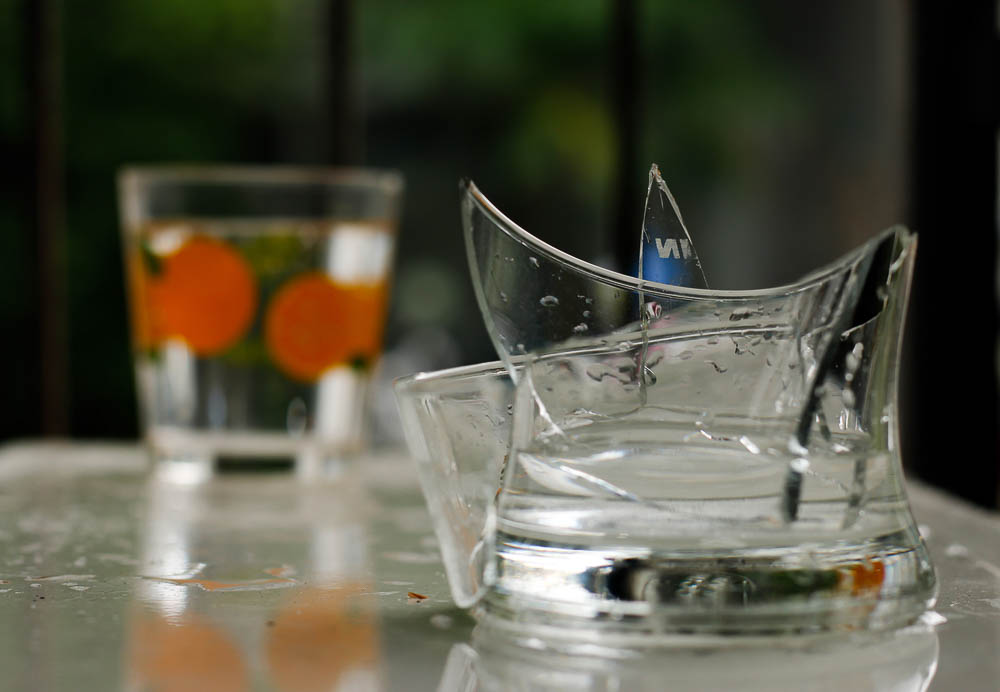
2018-10-17T09:25:21+00:00By |Categories: Glas, Recycling-Material|0 Comments

About the Author:

Leave A Comment

[fusion_builder_container hundred_percent=”no” hundred_percent_height=”no” hundred_percent_height_scroll=”no” hundred_percent_height_center_content=”yes” equal_height_columns=”no” menu_anchor=”” hide_on_mobile=”small-visibility,medium-visibility,large-visibility” class=”” id=”” background_color=”” background_image=”” background_position=”center center” background_repeat=”no-repeat” fade=”no” background_parallax=”none” enable_mobile=”no” parallax_speed=”0.3″ video_mp4=”” video_webm=”” video_ogv=”” video_url=”” video_aspect_ratio=”16:9″ video_loop=”yes” video_mute=”yes” video_preview_image=”” border_size=”” border_color=”” border_style=”solid” margin_top=”” margin_bottom=”” padding_top=”” padding_right=”” padding_bottom=”” padding_left=””][fusion_builder_row][fusion_builder_column type=”3_5″ layout=”3_5″ spacing=”” center_content=”no” link=”” target=”_self” min_height=”” hide_on_mobile=”small-visibility,medium-visibility,large-visibility” class=”” id=”” background_color=”” background_image=”” background_position=”left top” background_repeat=”no-repeat” hover_type=”none” border_size=”0″ border_color=”” border_style=”solid” border_position=”all” padding_top=”” padding_right=”” padding_bottom=”” padding_left=”” margin_top=”” margin_bottom=”” animation_type=”” animation_direction=”left” animation_speed=”0.3″ animation_offset=”” last=”no”][fusion_text columns=”” column_min_width=”” column_spacing=”” rule_style=”default” rule_size=”” rule_color=”” hide_on_mobile=”small-visibility,medium-visibility,large-visibility” class=”” id=””]стакан является одним из самых распространенных упаковочных материалов, который можно найти на полках супермаркетов и обычно используется для производства бутылки и банки, в которых продаются продукты питания и напитки. Он также используется для оконного остекления, душевых дверей, лампочек, научного оборудования и т. Д. Однако, хотя стекло настолько плодовито, многие потребители не знают, как стекло , или что происходит с ним, когда оно выбрасывается или перерабатывается.[/fusion_text][/fusion_builder_column][fusion_builder_column type=”2_5″ layout=”2_5″ spacing=”” center_content=”no” link=”” target=”_self” min_height=”” hide_on_mobile=”small-visibility,medium-visibility,large-visibility” class=”” id=”” background_color=”” background_image=”” background_position=”left top” background_repeat=”no-repeat” hover_type=”none” border_size=”0″ border_color=”” border_style=”solid” border_position=”all” padding_top=”” padding_right=”” padding_bottom=”” padding_left=”” margin_top=”” margin_bottom=”” animation_type=”” animation_direction=”left” animation_speed=”0.3″ animation_offset=”” last=”no”][fusion_imageframe image_id=”2599″ max_width=”” style_type=”dropshadow” stylecolor=”” hover_type=”zoomin” bordersize=”” bordercolor=”” borderradius=”” align=”center” lightbox=”no” gallery_id=”” lightbox_image=”” alt=”” link=”” linktarget=”_self” hide_on_mobile=”small-visibility,medium-visibility,large-visibility” class=”” id=”” animation_type=”” animation_direction=”left” animation_speed=”0.3″ animation_offset=””]https://www.earthsquad.global/wp-content/uploads/2018/05/23-5.jpg[/fusion_imageframe][/fusion_builder_column][/fusion_builder_row][/fusion_builder_container][fusion_builder_container hundred_percent=”no” hundred_percent_height=”no” hundred_percent_height_scroll=”no” hundred_percent_height_center_content=”yes” equal_height_columns=”no” menu_anchor=”” hide_on_mobile=”small-visibility,medium-visibility,large-visibility” class=”” id=”” background_color=”” background_image=”https://www.earthsquad.global/wp-content/uploads/2018/05/26-6.jpg” background_position=”center center” background_repeat=”no-repeat” fade=”no” background_parallax=”none” enable_mobile=”no” parallax_speed=”0.3″ video_mp4=”” video_webm=”” video_ogv=”” video_url=”” video_aspect_ratio=”16:9″ video_loop=”yes” video_mute=”yes” video_preview_image=”” border_size=”” border_color=”” border_style=”solid” margin_top=”20px” margin_bottom=”” padding_top=”” padding_right=”” padding_bottom=”” padding_left=””][fusion_builder_row][fusion_builder_column type=”2_5″ layout=”2_5″ spacing=”” center_content=”no” link=”” target=”_self” min_height=”” hide_on_mobile=”small-visibility,medium-visibility,large-visibility” class=”” id=”” background_color=”” background_image=”” background_position=”left top” undefined=”” background_repeat=”no-repeat” hover_type=”none” border_size=”0″ border_color=”” border_style=”solid” border_position=”all” padding_top=”” padding_right=”” padding_bottom=”” padding_left=”” margin_top=”” margin_bottom=”0px” animation_type=”” animation_direction=”left” animation_speed=”0.3″ animation_offset=”” last=”no”][/fusion_builder_column][fusion_builder_column type=”3_5″ layout=”3_5″ spacing=”” center_content=”no” link=”” target=”_self” min_height=”” hide_on_mobile=”small-visibility,medium-visibility,large-visibility” class=”” id=”” background_color=”rgba(255,255,255,0.89)” background_image=”” background_position=”left top” undefined=”” background_repeat=”no-repeat” hover_type=”none” border_size=”0″ border_color=”” border_style=”solid” border_position=”all” padding_top=”40px” padding_right=”25px” padding_bottom=”25px” padding_left=”25px” margin_top=”” margin_bottom=”0px” animation_type=”” animation_direction=”left” animation_speed=”0.3″ animation_offset=”” last=”no”][fusion_text columns=”” column_min_width=”” column_spacing=”” rule_style=”default” rule_size=”” rule_color=”” class=”” id=””]

Как производится стекло?

Стекло производится из песка (двуокиси кремния), известняка и кальцинированной соды, которые нагреваются вместе для образования жидкого стекла. Когда эта расплавленная смесь охлаждается, она образует прозрачное стекло, которое может быть либо разложено на плоские листы, либо оно может быть отформовано в различные формованные изделия, такие как бутылки и банки, обычно используемые для упаковки продуктов, которые не будут разрушаться при воздействии света. Однако, поскольку некоторые продукты более чувствительны к свету и, возможно, также к температуре, стекло часто окрашено в янтарь / коричневый (светостойкий) или изумрудно-зеленый (устойчив к свету и температуре). Для производства янтарного цвета стекло , например, обычно используемое для пива бутылки , производители добавляют никель, серу и углерод к расплавленным стекла , а также для производства зеленого цветного стекла, например, используемого для вина бутылки , они добавляют железо, хром или медь. Все эти материалы естественно встречаются в окружающей среде и легко доступны.[/fusion_text][/fusion_builder_column][/fusion_builder_row][/fusion_builder_container][fusion_builder_container hundred_percent=”no” hundred_percent_height=”no” hundred_percent_height_scroll=”no” hundred_percent_height_center_content=”yes” equal_height_columns=”no” menu_anchor=”” hide_on_mobile=”small-visibility,medium-visibility,large-visibility” class=”” id=”” background_color=”” background_image=”” background_position=”center center” background_repeat=”no-repeat” fade=”no” background_parallax=”none” enable_mobile=”no” parallax_speed=”0.3″ video_mp4=”” video_webm=”” video_ogv=”” video_url=”” video_aspect_ratio=”16:9″ video_loop=”yes” video_mute=”yes” video_preview_image=”” border_size=”” border_color=”” border_style=”solid” margin_top=”” margin_bottom=”” padding_top=”45px” padding_right=”” padding_bottom=”” padding_left=””][fusion_builder_row][fusion_builder_column type=”1_1″ layout=”1_1″ spacing=”” center_content=”no” link=”” target=”_self” min_height=”” hide_on_mobile=”small-visibility,medium-visibility,large-visibility” class=”” id=”” background_color=”” background_image=”” background_position=”left top” background_repeat=”no-repeat” hover_type=”none” border_size=”0″ border_color=”” border_style=”solid” border_position=”all” padding_top=”” padding_right=”” padding_bottom=”” padding_left=”” margin_top=”” margin_bottom=”” animation_type=”” animation_direction=”left” animation_speed=”0.3″ animation_offset=”” last=”no”][fusion_text columns=”” column_min_width=”” column_spacing=”” rule_style=”default” rule_size=”” rule_color=”” class=”” id=””]

Что такое воздействие стекла на окружающую среду?

[/fusion_text][/fusion_builder_column][fusion_builder_column type=”3_5″ layout=”3_5″ spacing=”” center_content=”no” link=”” target=”_self” min_height=”” hide_on_mobile=”small-visibility,medium-visibility,large-visibility” class=”” id=”” background_color=”” background_image=”” background_position=”left top” background_repeat=”no-repeat” hover_type=”none” border_size=”0″ border_color=”” border_style=”solid” border_position=”all” padding_top=”” padding_right=”” padding_bottom=”” padding_left=”” margin_top=”” margin_bottom=”” animation_type=”” animation_direction=”left” animation_speed=”0.3″ animation_offset=”” last=”no”][fusion_text columns=”” column_min_width=”” column_spacing=”” rule_style=”default” rule_size=”” rule_color=”” hide_on_mobile=”small-visibility,medium-visibility,large-visibility” class=”” id=””]Потому как стакан производится из природных материалов, а не вредных химических веществ, это не наносит вреда окружающей среде или отрицательно сказывается на здоровье человека по мере его ухудшения. Однако, поскольку стекло не разлагается, потребуется очень много времени, чтобы распасться в землю. Следовательно, бутылки занимают много места на полигоне , а стекло может представлять собой проблему эстетического загрязнения при отбросе в природные территории. Наибольшее влияние, которое стекло оказывает на окружающую среду, находится на стадии производства, когда углекислый газ, парниковый газ, выделяется в атмосферу, когда сжигается природный газ или мазут, чтобы расплавить сырье, чтобы получить стекло . Эти выбросы способствуют потеплению атмосферы и изменению климата.[/fusion_text][/fusion_builder_column][fusion_builder_column type=”2_5″ layout=”2_5″ spacing=”” center_content=”no” link=”” target=”_self” min_height=”” hide_on_mobile=”small-visibility,medium-visibility,large-visibility” class=”” id=”” background_color=”” background_image=”” background_position=”left top” background_repeat=”no-repeat” hover_type=”none” border_size=”0″ border_color=”” border_style=”solid” border_position=”all” padding_top=”” padding_right=”” padding_bottom=”” padding_left=”” margin_top=”” margin_bottom=”” animation_type=”” animation_direction=”left” animation_speed=”0.3″ animation_offset=”” last=”no”][fusion_imageframe image_id=”445″ max_width=”” style_type=”glow” stylecolor=”” hover_type=”zoomin” bordersize=”” bordercolor=”” borderradius=”” align=”center” lightbox=”no” gallery_id=”” lightbox_image=”” alt=”” link=”” linktarget=”_self” hide_on_mobile=”small-visibility,medium-visibility,large-visibility” class=”” id=”” animation_type=”” animation_direction=”left” animation_speed=”0.3″ animation_offset=””]https://www.earthsquad.global/wp-content/uploads/2018/04/115-1.jpg[/fusion_imageframe][/fusion_builder_column][/fusion_builder_row][/fusion_builder_container][fusion_builder_container hundred_percent=”no” hundred_percent_height=”no” hundred_percent_height_scroll=”no” hundred_percent_height_center_content=”yes” equal_height_columns=”no” menu_anchor=”” hide_on_mobile=”small-visibility,medium-visibility,large-visibility” class=”” id=”” background_color=”” background_image=”https://www.earthsquad.global/wp-content/uploads/2018/08/14-60.jpg” background_position=”center center” background_repeat=”no-repeat” fade=”no” background_parallax=”none” enable_mobile=”no” parallax_speed=”0.3″ video_mp4=”” video_webm=”” video_ogv=”” video_url=”” video_aspect_ratio=”16:9″ video_loop=”yes” video_mute=”yes” video_preview_image=”” border_size=”” border_color=”” border_style=”solid” margin_top=”” margin_bottom=”” padding_top=”” padding_right=”” padding_bottom=”” padding_left=””][fusion_builder_row][fusion_builder_column type=”2_5″ layout=”2_5″ spacing=”” center_content=”no” link=”” target=”_self” min_height=”” hide_on_mobile=”small-visibility,medium-visibility,large-visibility” class=”” id=”” background_color=”” background_image=”” background_position=”left top” undefined=”” background_repeat=”no-repeat” hover_type=”none” border_size=”0″ border_color=”” border_style=”solid” border_position=”all” padding_top=”” padding_right=”” padding_bottom=”” padding_left=”” margin_top=”” margin_bottom=”0px” animation_type=”” animation_direction=”left” animation_speed=”0.3″ animation_offset=”” last=”no”][/fusion_builder_column][fusion_builder_column type=”3_5″ layout=”3_5″ spacing=”” center_content=”no” link=”” target=”_self” min_height=”” hide_on_mobile=”small-visibility,medium-visibility,large-visibility” class=”” id=”” background_color=”rgba(255,255,255,0.89)” background_image=”” background_position=”left top” undefined=”” background_repeat=”no-repeat” hover_type=”none” border_size=”0″ border_color=”” border_style=”solid” border_position=”all” padding_top=”40px” padding_right=”25px” padding_bottom=”25px” padding_left=”25px” margin_top=”” margin_bottom=”0px” animation_type=”” animation_direction=”left” animation_speed=”0.3″ animation_offset=”” last=”no”][fusion_text columns=”” column_min_width=”” column_spacing=”” rule_style=”default” rule_size=”” rule_color=”” class=”” id=””]

Почему переработка стекла?

Изготовление стекла из первичных материалов требует большой энергии для создания достаточного количества тепла для расплавления сырья. Когда стекло перерабатывается, оно разбивается на мелкие кусочки, называемые «стеклобой». Затем его изготовят измельчают, очищают и сортируют по цвету, чтобы его можно было использовать вместе с сырьем для производства другой партии стекла того же цвета. Но поскольку у стеклобоя есть гораздо более низкая температура плавления, чем сырье, необходимое для производства стекла , тем больше добавляется стеклобой во время производственного процесса требуется меньше энергии для расплавления этих ингредиентов. Использование меньше энергии не только более экономично, но и снижает выбросы в атмосферу, что снижает общее воздействие на окружающую среду процесса производства стекла.

Стеклянные бутылки и банки тяжелые и не сжимаются по размеру или разлагаются на полигоне . Но, хотя это может быть плохой момент при утилизации стекла на полигоне , это выгодно для утилизации. Поскольку качество со временем не ухудшается, стекло можно перерабатывать снова и снова, без потери качества произведенного стекла.

[/fusion_text][/fusion_builder_column][/fusion_builder_row][/fusion_builder_container][fusion_builder_container hundred_percent=”no” hundred_percent_height=”no” hundred_percent_height_scroll=”no” hundred_percent_height_center_content=”yes” equal_height_columns=”no” menu_anchor=”” hide_on_mobile=”small-visibility,medium-visibility,large-visibility” class=”” id=”” background_color=”” background_image=”” background_position=”center center” background_repeat=”no-repeat” fade=”no” background_parallax=”none” enable_mobile=”no” parallax_speed=”0.3″ video_mp4=”” video_webm=”” video_ogv=”” video_url=”” video_aspect_ratio=”16:9″ video_loop=”yes” video_mute=”yes” video_preview_image=”” border_size=”” border_color=”” border_style=”solid” margin_top=”” margin_bottom=”” padding_top=”45px” padding_right=”” padding_bottom=”” padding_left=””][fusion_builder_row][fusion_builder_column type=”1_1″ layout=”1_1″ spacing=”” center_content=”no” link=”” target=”_self” min_height=”” hide_on_mobile=”small-visibility,medium-visibility,large-visibility” class=”” id=”” background_color=”” background_image=”” background_position=”left top” background_repeat=”no-repeat” hover_type=”none” border_size=”0″ border_color=”” border_style=”solid” border_position=”all” padding_top=”” padding_right=”” padding_bottom=”” padding_left=”” margin_top=”” margin_bottom=”” animation_type=”” animation_direction=”left” animation_speed=”0.3″ animation_offset=”” last=”no”][fusion_text columns=”” column_min_width=”” column_spacing=”” rule_style=”default” rule_size=”” rule_color=”” class=”” id=””]

Какое стекло может быть переработано?

Не все типы стекла могут быть отправлены на переработку. При размещении стеклянных предметов в мусорной корзине лучше придерживаться бутылок и банок. Некоторые стеклянные предметы производятся с использованием другого процесса и / или могут загрязнять или ослаблять партию, и поэтому их не следует перерабатывать. К ним относятся:[/fusion_text][fusion_checklist icon=”fa-angle-right fas” iconcolor=”#ff6f6f” circle=”no” circlecolor=”” size=”” divider=”yes” divider_color=”” hide_on_mobile=”small-visibility,medium-visibility,large-visibility” class=”” id=””][fusion_li_item icon=””]

Изделия из стекла, загрязненные пищевыми отходами, грязи, гравия или камней

[/fusion_li_item][fusion_li_item icon=””]

Металлические / пластиковые крышки или крышки для бутылок (удалите и, где возможно, переработать отдельно)

[/fusion_li_item][fusion_li_item icon=””]

Керамические изделия, такие как посуда, посуда, посуда и бытовые украшения

[/fusion_li_item][fusion_li_item icon=””]

Термостойкая стеклянная посуда, такая как посуда из печи Pyrex

[/fusion_li_item][fusion_li_item icon=””]

Сломанное стекло, состоящее из смешанных цветов

[/fusion_li_item][fusion_li_item icon=””]

Оконное стекло или зеркала

[/fusion_li_item][fusion_li_item icon=””]

Хрустальная посуда

[/fusion_li_item][fusion_li_item icon=””]

Стеклянные лампочки или люминесцентные лампы

[/fusion_li_item][fusion_li_item icon=””]

Катодно-лучевые трубки от компьютерных мониторов и телевизоров

[/fusion_li_item][/fusion_checklist][/fusion_builder_column][/fusion_builder_row][/fusion_builder_container][fusion_builder_container hundred_percent=”no” hundred_percent_height=”no” hundred_percent_height_scroll=”no” hundred_percent_height_center_content=”yes” equal_height_columns=”no” menu_anchor=”” hide_on_mobile=”small-visibility,medium-visibility,large-visibility” class=”” id=”” background_color=”” background_image=”https://www.earthsquad.global/wp-content/uploads/2018/08/29-18.jpg” background_position=”center center” background_repeat=”no-repeat” fade=”no” background_parallax=”none” enable_mobile=”no” parallax_speed=”0.3″ video_mp4=”” video_webm=”” video_ogv=”” video_url=”” video_aspect_ratio=”16:9″ video_loop=”yes” video_mute=”yes” video_preview_image=”” border_size=”” border_color=”” border_style=”solid” margin_top=”25px” margin_bottom=”” padding_top=”60px” padding_right=”40px” padding_bottom=”40px” padding_left=”40px”][fusion_builder_row][fusion_builder_column type=”1_1″ layout=”1_1″ spacing=”” center_content=”no” link=”” target=”_self” min_height=”” hide_on_mobile=”small-visibility,medium-visibility,large-visibility” class=”” id=”” background_color=”rgba(255,255,255,0.86)” background_image=”” background_position=”left top” undefined=”” background_repeat=”no-repeat” hover_type=”none” border_size=”0″ border_color=”” border_style=”solid” border_position=”all” padding_top=”40px” padding_right=”25px” padding_bottom=”25px” padding_left=”25px” margin_top=”” margin_bottom=”” animation_type=”” animation_direction=”left” animation_speed=”0.3″ animation_offset=”” last=”no”][fusion_text columns=”” column_min_width=”” column_spacing=”” rule_style=”default” rule_size=”” rule_color=”” class=”” id=””]

Что происходит с неперерабатываемым стеклом?

Неперерабатываемое стекло, которое может потенциально загрязнить партию вторичного стекла, обычно отправляется на полигон . Тем не менее, возможно сохранить такие элементы из свалки . Вам просто нужно проявить творческий подход. Вместо того, чтобы сбрасывать нежелательные стеклянные или керамические предметы домашнего обихода, которые в противном случае находятся в совершенно удобном для жизни состоянии, подумайте о том, чтобы пожертвовать благотворительной организации или благотворительному магазину, который продает подержанные вещи для сбора средств в поддержку достойного дела. Сломанная керамика, зеркала и цветное стекло могут использоваться для декоративных мозаичных искусств и ремесел, в то время как загрязненные бутылки и банки могут быть очищены и использованы для хранения не съедобных вещей, таких как гвозди, шурупы, крючки для занавесок и другие предметы домашнего обихода или мастерской.

[/fusion_text][/fusion_builder_column][/fusion_builder_row][/fusion_builder_container][fusion_builder_container hundred_percent=”no” hundred_percent_height=”no” hundred_percent_height_scroll=”no” hundred_percent_height_center_content=”yes” equal_height_columns=”no” menu_anchor=”” hide_on_mobile=”small-visibility,medium-visibility,large-visibility” class=”” id=”” background_color=”” background_image=”” background_position=”center center” background_repeat=”no-repeat” fade=”no” background_parallax=”none” enable_mobile=”no” parallax_speed=”0.3″ video_mp4=”” video_webm=”” video_ogv=”” video_url=”” video_aspect_ratio=”16:9″ video_loop=”yes” video_mute=”yes” video_preview_image=”” border_size=”” border_color=”” border_style=”solid” margin_top=”” margin_bottom=”” padding_top=”40px” padding_right=”” padding_bottom=”” padding_left=””][fusion_builder_row][fusion_builder_column type=”3_5″ layout=”3_5″ spacing=”” center_content=”no” link=”” target=”_self” min_height=”” hide_on_mobile=”small-visibility,medium-visibility,large-visibility” class=”” id=”” background_color=”” background_image=”” background_position=”left top” background_repeat=”no-repeat” hover_type=”none” border_size=”0″ border_color=”” border_style=”solid” border_position=”all” padding_top=”” padding_right=”” padding_bottom=”” padding_left=”” margin_top=”” margin_bottom=”” animation_type=”” animation_direction=”left” animation_speed=”0.3″ animation_offset=”” last=”no”][fusion_text columns=”” column_min_width=”” column_spacing=”” rule_style=”default” rule_size=”” rule_color=”” class=”” id=””]

Стеклянные бутылки и банки 100% подлежат вторичной переработке, и это может помочь сократить выбросы парниковых газов, которые способствуют потеплению климата. Просто будьте осторожны с тем, что вы бросаете в мусорный ящик, поскольку некоторые предметы из стекла могут загрязнять всю партию, в результате чего партия отправляется на свалки . Проконсультируйтесь с ближайшим центром переработки, чтобы узнать, принимают ли они другие типы стекла или найдут креативные способы предотвратить попадание этих предметов на свалка .

[/fusion_text][/fusion_builder_column][fusion_builder_column type=”2_5″ layout=”2_5″ spacing=”” center_content=”no” link=”” target=”_self” min_height=”” hide_on_mobile=”small-visibility,medium-visibility,large-visibility” class=”” id=”” background_color=”” background_image=”” background_position=”left top” background_repeat=”no-repeat” hover_type=”none” border_size=”0″ border_color=”” border_style=”solid” border_position=”all” padding_top=”” padding_right=”” padding_bottom=”” padding_left=”” margin_top=”” margin_bottom=”” animation_type=”” animation_direction=”left” animation_speed=”0.3″ animation_offset=”” last=”no”][fusion_imageframe image_id=”2607″ max_width=”” style_type=”none” stylecolor=”” hover_type=”none” bordersize=”” bordercolor=”” borderradius=”” align=”none” lightbox=”no” gallery_id=”” lightbox_image=”” alt=”” link=”” linktarget=”_self” hide_on_mobile=”small-visibility,medium-visibility,large-visibility” class=”” id=”” animation_type=”” animation_direction=”left” animation_speed=”0.3″ animation_offset=””]https://www.earthsquad.global/wp-content/uploads/2018/05/30-5.jpg[/fusion_imageframe][/fusion_builder_column][/fusion_builder_row][/fusion_builder_container][fusion_global id=”11018″]
About the Author:

Leave A Comment

[fusion_builder_container hundred_percent=”no” hundred_percent_height=”no” hundred_percent_height_scroll=”no” hundred_percent_height_center_content=”yes” equal_height_columns=”no” menu_anchor=”” hide_on_mobile=”small-visibility,medium-visibility,large-visibility” class=”” id=”” background_color=”” background_image=”” background_position=”center center” background_repeat=”no-repeat” fade=”no” background_parallax=”none” enable_mobile=”no” parallax_speed=”0.3″ video_mp4=”” video_webm=”” video_ogv=”” video_url=”” video_aspect_ratio=”16:9″ video_loop=”yes” video_mute=”yes” video_preview_image=”” border_size=”” border_color=”” border_style=”solid” margin_top=”” margin_bottom=”” padding_top=”” padding_right=”” padding_bottom=”” padding_left=””][fusion_builder_row][fusion_builder_column type=”3_5″ layout=”3_5″ spacing=”” center_content=”no” link=”” target=”_self” min_height=”” hide_on_mobile=”small-visibility,medium-visibility,large-visibility” class=”” id=”” background_color=”” background_image=”” background_position=”left top” background_repeat=”no-repeat” hover_type=”none” border_size=”0″ border_color=”” border_style=”solid” border_position=”all” padding_top=”” padding_right=”” padding_bottom=”” padding_left=”” margin_top=”” margin_bottom=”” animation_type=”” animation_direction=”left” animation_speed=”0.3″ animation_offset=”” last=”no”][fusion_text columns=”” column_min_width=”” column_spacing=”” rule_style=”default” rule_size=”” rule_color=”” class=”” id=””]

El vidrio es uno de los materiales de empaque más comunes que se encuentran en los estantes de los supermercados y se suele usar para fabricar bottles y frascos en los que se venden alimentos y bebidas. También se usa para acristalamiento de ventanas, puertas de ducha, bombillas, equipos científicos, etc. Sin embargo, aunque el vidrio es tan prolífico, muchos consumidores no saben cómo glass se produce o lo que le sucede una vez que se desecha o se recicla.

[/fusion_text][/fusion_builder_column][fusion_builder_column type=”2_5″ layout=”2_5″ spacing=”” center_content=”no” link=”” target=”_self” min_height=”” hide_on_mobile=”small-visibility,medium-visibility,large-visibility” class=”” id=”” background_color=”” background_image=”” background_position=”left top” background_repeat=”no-repeat” hover_type=”none” border_size=”0″ border_color=”” border_style=”solid” border_position=”all” padding_top=”” padding_right=”” padding_bottom=”” padding_left=”” margin_top=”” margin_bottom=”” animation_type=”” animation_direction=”left” animation_speed=”0.3″ animation_offset=”” last=”no”][fusion_imageframe image_id=”2599″ max_width=”” style_type=”dropshadow” stylecolor=”” hover_type=”zoomin” bordersize=”” bordercolor=”” borderradius=”” align=”center” lightbox=”no” gallery_id=”” lightbox_image=”” alt=”” link=”” linktarget=”_self” hide_on_mobile=”small-visibility,medium-visibility,large-visibility” class=”” id=”” animation_type=”” animation_direction=”left” animation_speed=”0.3″ animation_offset=””]https://www.earthsquad.global/wp-content/uploads/2018/05/23-5.jpg[/fusion_imageframe][/fusion_builder_column][/fusion_builder_row][/fusion_builder_container][fusion_builder_container hundred_percent=”no” hundred_percent_height=”no” hundred_percent_height_scroll=”no” hundred_percent_height_center_content=”yes” equal_height_columns=”no” menu_anchor=”” hide_on_mobile=”small-visibility,medium-visibility,large-visibility” class=”” id=”” background_color=”” background_image=”https://www.earthsquad.global/wp-content/uploads/2018/05/26-6.jpg” background_position=”center center” background_repeat=”no-repeat” fade=”no” background_parallax=”none” enable_mobile=”no” parallax_speed=”0.3″ video_mp4=”” video_webm=”” video_ogv=”” video_url=”” video_aspect_ratio=”16:9″ video_loop=”yes” video_mute=”yes” video_preview_image=”” border_size=”” border_color=”” border_style=”solid” margin_top=”20px” margin_bottom=”” padding_top=”” padding_right=”” padding_bottom=”” padding_left=””][fusion_builder_row][fusion_builder_column type=”2_5″ layout=”2_5″ spacing=”” center_content=”no” link=”” target=”_self” min_height=”” hide_on_mobile=”small-visibility,medium-visibility,large-visibility” class=”” id=”” background_color=”” background_image=”” background_position=”left top” undefined=”” background_repeat=”no-repeat” hover_type=”none” border_size=”0″ border_color=”” border_style=”solid” border_position=”all” padding_top=”” padding_right=”” padding_bottom=”” padding_left=”” margin_top=”” margin_bottom=”0px” animation_type=”” animation_direction=”left” animation_speed=”0.3″ animation_offset=”” last=”no”][/fusion_builder_column][fusion_builder_column type=”3_5″ layout=”3_5″ spacing=”” center_content=”no” link=”” target=”_self” min_height=”” hide_on_mobile=”small-visibility,medium-visibility,large-visibility” class=”” id=”” background_color=”rgba(255,255,255,0.89)” background_image=”” background_position=”left top” undefined=”” background_repeat=”no-repeat” hover_type=”none” border_size=”0″ border_color=”” border_style=”solid” border_position=”all” padding_top=”40px” padding_right=”25px” padding_bottom=”25px” padding_left=”25px” margin_top=”” margin_bottom=”0px” animation_type=”” animation_direction=”left” animation_speed=”0.3″ animation_offset=”” last=”no”][fusion_text columns=”” column_min_width=”” column_spacing=”” rule_style=”default” rule_size=”” rule_color=”” class=”” id=””]

¿Cómo se hace el vidrio?

El vidrio está hecho de arena (dióxido de sílice), piedra caliza y ceniza de sosa, que se calientan para formar vidrio líquido. Cuando esta mezcla fundida se enfría, forma un vidrio transparente, que puede extenderse sobre láminas planas o puede moldearse en varios productos con formas, tales como botellas y frascos normalmente se utilizan para envasar productos que no se degradan cuando se exponen a la luz. Sin embargo, debido a que algunos productos son más sensibles a la luz y posiblemente también a la temperatura, el vidrio suele ser de color ámbar / marrón (resistente a la luz) o verde esmeralda (resistente a la luz y la temperatura). Para producir color ámbar vidrio , como el que se usa comúnmente para la cerveza botellas , los fabricantes agregan níquel, azufre y carbono al fundido vidrio y para producir vidrio de color verde, como el que se usa para el vino botellas , agregan hierro, cromo o cobre. Todos estos materiales se encuentran de forma natural en el entorno y están fácilmente disponibles. Disponible.ente disponible.

[/fusion_text][/fusion_builder_column][/fusion_builder_row][/fusion_builder_container][fusion_builder_container hundred_percent=”no” hundred_percent_height=”no” hundred_percent_height_scroll=”no” hundred_percent_height_center_content=”yes” equal_height_columns=”no” menu_anchor=”” hide_on_mobile=”small-visibility,medium-visibility,large-visibility” class=”” id=”” background_color=”” background_image=”” background_position=”center center” background_repeat=”no-repeat” fade=”no” background_parallax=”none” enable_mobile=”no” parallax_speed=”0.3″ video_mp4=”” video_webm=”” video_ogv=”” video_url=”” video_aspect_ratio=”16:9″ video_loop=”yes” video_mute=”yes” video_preview_image=”” border_size=”” border_color=”” border_style=”solid” margin_top=”” margin_bottom=”” padding_top=”45px” padding_right=”” padding_bottom=”” padding_left=””][fusion_builder_row][fusion_builder_column type=”1_1″ layout=”1_1″ spacing=”” center_content=”no” link=”” target=”_self” min_height=”” hide_on_mobile=”small-visibility,medium-visibility,large-visibility” class=”” id=”” background_color=”” background_image=”” background_position=”left top” background_repeat=”no-repeat” hover_type=”none” border_size=”0″ border_color=”” border_style=”solid” border_position=”all” padding_top=”” padding_right=”” padding_bottom=”” padding_left=”” margin_top=”” margin_bottom=”” animation_type=”” animation_direction=”left” animation_speed=”0.3″ animation_offset=”” last=”no”][fusion_text columns=”” column_min_width=”” column_spacing=”” rule_style=”default” rule_size=”” rule_color=”” class=”” id=””]

¿Cuál es el impacto ambiental del vidrio?

[/fusion_text][/fusion_builder_column][fusion_builder_column type=”3_5″ layout=”3_5″ spacing=”” center_content=”no” link=”” target=”_self” min_height=”” hide_on_mobile=”small-visibility,medium-visibility,large-visibility” class=”” id=”” background_color=”” background_image=”” background_position=”left top” background_repeat=”no-repeat” hover_type=”none” border_size=”0″ border_color=”” border_style=”solid” border_position=”all” padding_top=”” padding_right=”” padding_bottom=”” padding_left=”” margin_top=”” margin_bottom=”” animation_type=”” animation_direction=”left” animation_speed=”0.3″ animation_offset=”” last=”no”][fusion_text columns=”” column_min_width=”” column_spacing=”” rule_style=”default” rule_size=”” rule_color=”” class=”” id=””]

Debido a que el vidrio se produce a partir de materiales naturales en lugar de sustancias químicas nocivas, no dañará el medio ambiente ni afectará negativamente la salud humana. a medida que se degrada Sin embargo, como el vidrio no se descompone, tardará mucho tiempo en desintegrarse en el suelo. En consecuencia, las botellas ocupan mucho espacio en un vertedero , y el vidrio puede plantear un problema de contaminación estética cuando se desechan en áreas naturales El mayor impacto que el vidrio tiene sobre el medioambiente es durante la etapa de producción cuando el dióxido de carbono, un gas de efecto invernadero, se libera a la atmósfera cuando se quema gas natural o combustible para fundir las materias primas a fin de producir glass . Estas emisiones contribuyen al calentamiento atmosférico y al cambio climático.

[/fusion_text][/fusion_builder_column][fusion_builder_column type=”2_5″ layout=”2_5″ spacing=”” center_content=”no” link=”” target=”_self” min_height=”” hide_on_mobile=”small-visibility,medium-visibility,large-visibility” class=”” id=”” background_color=”” background_image=”” background_position=”left top” background_repeat=”no-repeat” hover_type=”none” border_size=”0″ border_color=”” border_style=”solid” border_position=”all” padding_top=”” padding_right=”” padding_bottom=”” padding_left=”” margin_top=”” margin_bottom=”” animation_type=”” animation_direction=”left” animation_speed=”0.3″ animation_offset=”” last=”no”][fusion_imageframe image_id=”445″ max_width=”” style_type=”glow” stylecolor=”” hover_type=”zoomin” bordersize=”” bordercolor=”” borderradius=”” align=”center” lightbox=”no” gallery_id=”” lightbox_image=”” alt=”” link=”” linktarget=”_self” hide_on_mobile=”small-visibility,medium-visibility,large-visibility” class=”” id=”” animation_type=”” animation_direction=”left” animation_speed=”0.3″ animation_offset=””]https://www.earthsquad.global/wp-content/uploads/2018/04/115-1.jpg[/fusion_imageframe][/fusion_builder_column][/fusion_builder_row][/fusion_builder_container][fusion_builder_container hundred_percent=”no” hundred_percent_height=”no” hundred_percent_height_scroll=”no” hundred_percent_height_center_content=”yes” equal_height_columns=”no” menu_anchor=”” hide_on_mobile=”small-visibility,medium-visibility,large-visibility” class=”” id=”” background_color=”” background_image=”https://www.earthsquad.global/wp-content/uploads/2018/08/14-60.jpg” background_position=”center center” background_repeat=”no-repeat” fade=”no” background_parallax=”none” enable_mobile=”no” parallax_speed=”0.3″ video_mp4=”” video_webm=”” video_ogv=”” video_url=”” video_aspect_ratio=”16:9″ video_loop=”yes” video_mute=”yes” video_preview_image=”” border_size=”” border_color=”” border_style=”solid” margin_top=”” margin_bottom=”” padding_top=”” padding_right=”” padding_bottom=”” padding_left=””][fusion_builder_row][fusion_builder_column type=”2_5″ layout=”2_5″ spacing=”” center_content=”no” link=”” target=”_self” min_height=”” hide_on_mobile=”small-visibility,medium-visibility,large-visibility” class=”” id=”” background_color=”” background_image=”” background_position=”left top” undefined=”” background_repeat=”no-repeat” hover_type=”none” border_size=”0″ border_color=”” border_style=”solid” border_position=”all” padding_top=”” padding_right=”” padding_bottom=”” padding_left=”” margin_top=”” margin_bottom=”0px” animation_type=”” animation_direction=”left” animation_speed=”0.3″ animation_offset=”” last=”no”][/fusion_builder_column][fusion_builder_column type=”3_5″ layout=”3_5″ spacing=”” center_content=”no” link=”” target=”_self” min_height=”” hide_on_mobile=”small-visibility,medium-visibility,large-visibility” class=”” id=”” background_color=”rgba(255,255,255,0.89)” background_image=”” background_position=”left top” undefined=”” background_repeat=”no-repeat” hover_type=”none” border_size=”0″ border_color=”” border_style=”solid” border_position=”all” padding_top=”40px” padding_right=”25px” padding_bottom=”25px” padding_left=”25px” margin_top=”” margin_bottom=”0px” animation_type=”” animation_direction=”left” animation_speed=”0.3″ animation_offset=”” last=”no”][fusion_text columns=”” column_min_width=”” column_spacing=”” rule_style=”default” rule_size=”” rule_color=”” class=”” id=””]

¿Por qué reciclar vidrio?

Producir vidrio de materiales vírgenes requiere una gran cantidad de energía para generar el calor suficiente para derretir las materias primas. Cuando el vidrio se recicla, se descompone en trozos pequeños, conocidos como ‘cullet’. Este cullet se tritura, limpia y clasifica según el color, de modo que pueda usarse junto con las materias primas para producir otro lote de vidrio del mismo color. Pero como el vidrio recuperado tiene un punto de fusión mucho menor que las materias primas necesarias para producir vidrio , se agrega más vidrio recuperado durante el proceso de fabricación, se necesita menos energía para fundir estos ingredientes. Usar menos energía no solo es más económico, sino que también reduce las emisiones atmosféricas y, por lo tanto, reduce el impacto ambiental general del proceso de fabricación del vidrio.

Las botellas de vidrio y los frascos son pesados ​​y no se comprimen en tamaño ni se descomponen en un vertedero . Sin embargo, aunque este puede ser un mal momento al desechar el vidrio en un vertedero , es beneficioso para el reciclaje. Debido a que no hay pérdida de calidad en el tiempo, el vidrio puede reciclarse una y otra vez sin pérdida en la calidad del vidrio producido.

[/fusion_text][/fusion_builder_column][/fusion_builder_row][/fusion_builder_container][fusion_builder_container hundred_percent=”no” hundred_percent_height=”no” hundred_percent_height_scroll=”no” hundred_percent_height_center_content=”yes” equal_height_columns=”no” menu_anchor=”” hide_on_mobile=”small-visibility,medium-visibility,large-visibility” class=”” id=”” background_color=”” background_image=”” background_position=”center center” background_repeat=”no-repeat” fade=”no” background_parallax=”none” enable_mobile=”no” parallax_speed=”0.3″ video_mp4=”” video_webm=”” video_ogv=”” video_url=”” video_aspect_ratio=”16:9″ video_loop=”yes” video_mute=”yes” video_preview_image=”” border_size=”” border_color=”” border_style=”solid” margin_top=”” margin_bottom=”” padding_top=”45px” padding_right=”” padding_bottom=”” padding_left=””][fusion_builder_row][fusion_builder_column type=”1_1″ layout=”1_1″ spacing=”” center_content=”no” link=”” target=”_self” min_height=”” hide_on_mobile=”small-visibility,medium-visibility,large-visibility” class=”” id=”” background_color=”” background_image=”” background_position=”left top” background_repeat=”no-repeat” hover_type=”none” border_size=”0″ border_color=”” border_style=”solid” border_position=”all” padding_top=”” padding_right=”” padding_bottom=”” padding_left=”” margin_top=”” margin_bottom=”” animation_type=”” animation_direction=”left” animation_speed=”0.3″ animation_offset=”” last=”no”][fusion_text columns=”” column_min_width=”” column_spacing=”” rule_style=”default” rule_size=”” rule_color=”” class=”” id=””]

¿Qué vidrio se puede reciclar?

No todos los tipos de vidrio pueden enviarse para reciclaje. Cuando coloque artículos de vidrio en una papelera de reciclaje, lo mejor es quedarse con botellas y frascos. Algunos artículos de vidrio se producen usando un proceso diferente y / o pueden contaminar o debilitar el lote y, por lo tanto, nunca deben reciclarse. Éstas incluyen:[/fusion_text][fusion_checklist icon=”fa-angle-right fas” iconcolor=”#ff6f6f” circle=”no” circlecolor=”” size=”” divider=”yes” divider_color=”” hide_on_mobile=”small-visibility,medium-visibility,large-visibility” class=”” id=””][fusion_li_item icon=””]

Productos de vidrio que están contaminados con desechos de alimentos, suciedad, grava o piedras

[/fusion_li_item][fusion_li_item icon=””]

Tapas o tapas de botellas de metal / plástico (retire y, cuando sea posible, recíclelas por separado)

[/fusion_li_item][fusion_li_item icon=””]

Productos de cerámica como vajilla, vajillas, utensilios de cocina y adornos para el hogar

[/fusion_li_item][fusion_li_item icon=””]

Cristalería resistente al calor, como platos de horno Pyrex

[/fusion_li_item][fusion_li_item icon=””]

Vidrio roto que consiste en colores mezclados

[/fusion_li_item][fusion_li_item icon=””]

Vidrio o espejos

[/fusion_li_item][fusion_li_item icon=””]

Cristalería

[/fusion_li_item][fusion_li_item icon=””]

Bombillas de vidrio o tubos fluorescentes

[/fusion_li_item][fusion_li_item icon=””]

Tubos de rayos catódicos de monitores de computadora y televisores

[/fusion_li_item][/fusion_checklist][/fusion_builder_column][/fusion_builder_row][/fusion_builder_container][fusion_builder_container hundred_percent=”no” hundred_percent_height=”no” hundred_percent_height_scroll=”no” hundred_percent_height_center_content=”yes” equal_height_columns=”no” menu_anchor=”” hide_on_mobile=”small-visibility,medium-visibility,large-visibility” class=”” id=”” background_color=”” background_image=”https://www.earthsquad.global/wp-content/uploads/2018/08/29-18.jpg” background_position=”center center” background_repeat=”no-repeat” fade=”no” background_parallax=”none” enable_mobile=”no” parallax_speed=”0.3″ video_mp4=”” video_webm=”” video_ogv=”” video_url=”” video_aspect_ratio=”16:9″ video_loop=”yes” video_mute=”yes” video_preview_image=”” border_size=”” border_color=”” border_style=”solid” margin_top=”25px” margin_bottom=”” padding_top=”60px” padding_right=”40px” padding_bottom=”40px” padding_left=”40px”][fusion_builder_row][fusion_builder_column type=”1_1″ layout=”1_1″ spacing=”” center_content=”no” link=”” target=”_self” min_height=”” hide_on_mobile=”small-visibility,medium-visibility,large-visibility” class=”” id=”” background_color=”rgba(255,255,255,0.86)” background_image=”” background_position=”left top” undefined=”” background_repeat=”no-repeat” hover_type=”none” border_size=”0″ border_color=”” border_style=”solid” border_position=”all” padding_top=”40px” padding_right=”25px” padding_bottom=”25px” padding_left=”25px” margin_top=”” margin_bottom=”” animation_type=”” animation_direction=”left” animation_speed=”0.3″ animation_offset=”” last=”no”][fusion_text columns=”” column_min_width=”” column_spacing=”” rule_style=”default” rule_size=”” rule_color=”” class=”” id=””]

¿Qué le sucede al vidrio no reciclable?

El vidrio no reciclable que podría contaminar un lote de vidrio reciclado generalmente se envía a un vertedero . Sin embargo, es posible mantener dichos artículos fuera del vertedero . Solo necesitas ser creativo. En lugar de tirar el vidrio no deseado o los artículos de cerámica del hogar que de otra manera estarían en condiciones perfectamente utilizables, considere donar a una organización benéfica o una tienda de caridad que venda artículos de segunda mano para recaudar fondos en apoyo de una buena causa. Las cerámicas rotas, los espejos y los vidrios de colores se pueden usar para artesanías y mosaicos decorativos, mientras que las botellas y los frascos contaminados se pueden limpiar y usar para almacenar cosas no comestibles como clavos, tornillos, ganchos de cortinas y otros artículos domésticos o de taller.

[/fusion_text][/fusion_builder_column][/fusion_builder_row][/fusion_builder_container][fusion_builder_container hundred_percent=”no” hundred_percent_height=”no” hundred_percent_height_scroll=”no” hundred_percent_height_center_content=”yes” equal_height_columns=”no” menu_anchor=”” hide_on_mobile=”small-visibility,medium-visibility,large-visibility” class=”” id=”” background_color=”” background_image=”” background_position=”center center” background_repeat=”no-repeat” fade=”no” background_parallax=”none” enable_mobile=”no” parallax_speed=”0.3″ video_mp4=”” video_webm=”” video_ogv=”” video_url=”” video_aspect_ratio=”16:9″ video_loop=”yes” video_mute=”yes” video_preview_image=”” border_size=”” border_color=”” border_style=”solid” margin_top=”” margin_bottom=”” padding_top=”40px” padding_right=”” padding_bottom=”” padding_left=””][fusion_builder_row][fusion_builder_column type=”3_5″ layout=”3_5″ spacing=”” center_content=”no” link=”” target=”_self” min_height=”” hide_on_mobile=”small-visibility,medium-visibility,large-visibility” class=”” id=”” background_color=”” background_image=”” background_position=”left top” background_repeat=”no-repeat” hover_type=”none” border_size=”0″ border_color=”” border_style=”solid” border_position=”all” padding_top=”” padding_right=”” padding_bottom=”” padding_left=”” margin_top=”” margin_bottom=”” animation_type=”” animation_direction=”left” animation_speed=”0.3″ animation_offset=”” last=”no”][fusion_text columns=”” column_min_width=”” column_spacing=”” rule_style=”default” rule_size=”” rule_color=”” class=”” id=””]

Las botellas de vidrio y los frascos son 100% reciclables, y al hacerlo pueden ayudar a reducir las emisiones de gases de efecto invernadero que contribuyen al calentamiento del clima. Solo tenga cuidado con lo que arroje a la papelera de reciclaje ya que algunos objetos de vidrio pueden contaminar todo el lote, lo que hace que el lote se envíe a un vertedero . Consulte con su centro de reciclaje más cercano para ver si aceptan otros tipos de vidrio, o busque formas creativas para evitar que estos artículos terminen en un vertedero .

[/fusion_text][/fusion_builder_column][fusion_builder_column type=”2_5″ layout=”2_5″ spacing=”” center_content=”no” link=”” target=”_self” min_height=”” hide_on_mobile=”small-visibility,medium-visibility,large-visibility” class=”” id=”” background_color=”” background_image=”” background_position=”left top” background_repeat=”no-repeat” hover_type=”none” border_size=”0″ border_color=”” border_style=”solid” border_position=”all” padding_top=”” padding_right=”” padding_bottom=”” padding_left=”” margin_top=”” margin_bottom=”” animation_type=”” animation_direction=”left” animation_speed=”0.3″ animation_offset=”” last=”no”][fusion_imageframe image_id=”2607″ max_width=”” style_type=”none” stylecolor=”” hover_type=”none” bordersize=”” bordercolor=”” borderradius=”” align=”none” lightbox=”no” gallery_id=”” lightbox_image=”” alt=”” link=”” linktarget=”_self” hide_on_mobile=”small-visibility,medium-visibility,large-visibility” class=”” id=”” animation_type=”” animation_direction=”left” animation_speed=”0.3″ animation_offset=””]https://www.earthsquad.global/wp-content/uploads/2018/05/30-5.jpg[/fusion_imageframe][/fusion_builder_column][/fusion_builder_row][/fusion_builder_container][fusion_global id=”11018″]
2018-10-17T09:16:18+00:00By |Categories: Reciclaje de material, vidrio|0 Comments

About the Author:

Leave A Comment