

Cooking oil is probably the most useful thing in our kitchens. From sauteed vegetables to preparing Thanksgiving delicious Turkey and salads, we rely heavily on cooking oil. However, used cooking oil creates all sorts of problems too when it comes to disposing of it. It can block drains and sewage pipes and is not easy to clean. But what if we tell you that cooking oil can be recycled and reused in many ways? This article is all about recycling cooking oil, ways to do that, legal requirements and whatnot.
So, without further ado, let’s get down to business and know more about recycling cooking oil.
Why should we collect and recycle kitchen oil?
Used kitchen oil isn’t worth cooking fresh food but recycling it, can make things go your way. Here we’ll list down some points why you should recycle kitchen oil instead of draining it.
Unawareness of grease straps can cause a lot
According to a survey, it is calculated that only 5% houses had the correct-sized grease traps installed while 95% weren’t backed up. Grease straps separate the solid fats and oil from water to protect your pipe and the public sewerage system. If grease straps aren’t installed in your house you should call the plumber right away so the oil can be collected somewhere and can be used for a good purpose in future.
Clearing oil blocked pipes can be expensive
Oil can block pipes in no time but clearing the mess takes ample time and specialists from the water company. Price of clearing or replacing the pipes can vary from company to company but one thing is sure that it will cost you a lot.
Sewer system could be on stake
Let’s say that your home’s drainage system is well out of harm’s way but what about the public sewer system? Slowly but your carelessness of oil drain can contribute to a blocked sewage system. According to Thames Water, they clear 85,000 blockages per year from its 108,000 km sewer network. Your little negligence can cause the city to suffer so be sure to collect and use kitchen oil for something good.
Turning your oil greener
We don’t actually mean to turn your oil into a green color but greener for the environment. Your used kitchen oil can be turned into biodiesel by a process called transesterification. This process will actually turn your oil into something meaningful and purposeful
About Old Oils
We know that oils are extracted from various mediums but it’s hard to calculate the actual life of it. Specifically, an oil is called old oil when it is near to the best before date or is used to its full extent.
Old oils can be used past its due date if they are stored in a proper way and place. For cooking purpose, you might not be willing to use an oil after its best before date, even if they are stored with good precautions.
Differentiating between an old oil and bad oil
Color, texture, and quality may change with age but when the fat begins to go rancid the oil is known as bad. Unpleasant smell and taste develop causing the oil to be labeled as a bad oil. Old oil may not hold up the qualities of freshly developed oil but it can be used to cook food.
When it comes to delivering long-lasting quality the olive oil beats every other option. Olive oil last longer as compared to other oils, the flavor might not be compelling but it is not harmful at all. Note that there is a difference between the flavored olive oil and standard olive oil because flavored ones don’t last long as it contains ingredients which can go rancid.
Storing your kitchen old oil the right way
As we kicked off the debate on old oil, you might be thinking that what would be the best way to store your old oil so it can last longer than its expiry date.
The best possible way to store your old oil is to keep it inside the original airtight containers in a cool dark place away from heat. Just don’t put your oil container inside the refrigerator but inside a naturally cool place like shelves that are away from the stove. Similarly, don’t shift the oil inside any other container until and unless that is airtight because it might decrease the oil’s quality more rapidly.
Old oil isn’t that bad as it hasn’t expired yet. Some might say that old oil loses quality near the expiry date but if it’s kept according to our storing guide than it’s well out of harm’s way. So what is your say on this, would you use old oil just like any other freshly produced oil or prefer buying a new one from the store?
Can We Dispose of the Used Oil in Landfills?
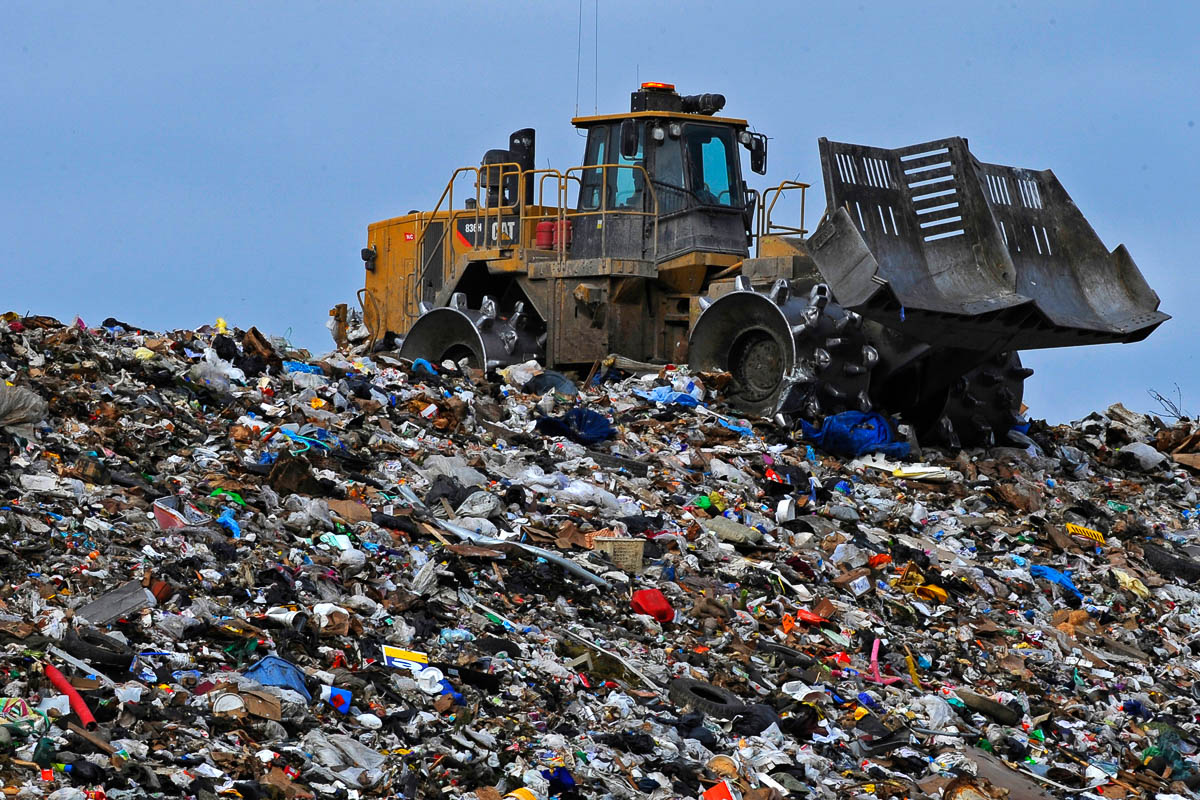
Landfills are special structures that are built to collect, store and reuse trash. Certain landfills are designed to tackle used cooking oil while others simply can’t. Generally, it is not a good idea to throw used cooking oil in landfills. Many fills will even fine you for disposing of used cooking oil. In landfills not designed to hold used cooking oil, the oil will form a thick layer at the bottom of the landfill and may seep into the ground and damage it.
There are many places where trash is burnt to produce energy/heat and used for different purposes. In such setups, used cooking oil can be actually useful as it will help the burning process. No matter if it’s a landfill or a burning unit, we advise our readers to check your local laws when it comes to disposing of the used cooking oil.
Used Cooking Oil in Composts
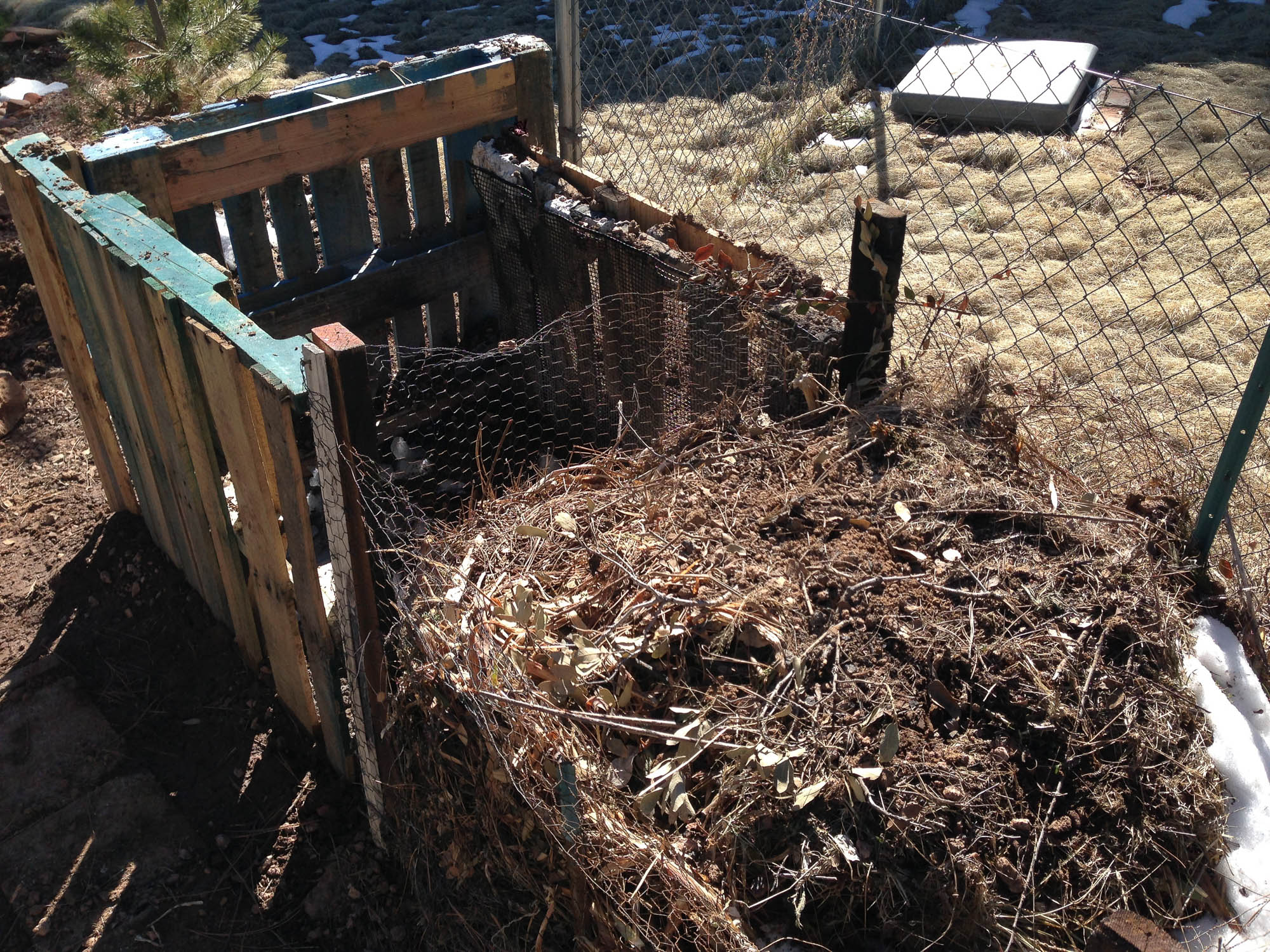
Composting is a process where various organic materials (wastes) are recycled to create soil conditioners. Used cooking oil can be used in composts if it’s a vegetable oil, corn oil, olive oil or made from other organic material. They key here is the amount of used cooking oil being disposed of. If it is too much, it can hurt composting. For example, a small towel soaked in used cooking oil can be composted but if you’re talking about used cooking oil from the fryers of KFC than it is a big NO! Excess used cooking oil can slow down composting, produce an unbearable smell or sometimes can even stop the process.
Can We Dispose Of Used Cooking Oil in Toilets/Drains
The answer to this is NO! In Europe, 75% of public sewage blockages are caused by FOG (Fat, Oil, and Grease). Local authorities in the UK spend around 100 million Euros each year to clean up this mess. This cost can only be controlled if restaurants and domestic kitchens start disposing of their used cooking oil sensibly.
Collecting used cooking oil is a new market having huge potential. According to an estimate this market worths 470 million euros. There are not many companies collecting used cooking oil from the restaurants and big canteens but those who are are making around 4 – 5 million euros annually. Disposing of used cooking oil is important and companies collecting this waste can play a huge role in this regard. They can help spread awareness, prevent environmental damage by disposing of the oil properly, help create renewable energy, employ more people and in turn earn well too.
What Happens After Collection
For those of you who don’t like to see wasteki can actually use rancid or used cooking oil in many ways. We’ll jot down some uses that will actually help you to make use of handed-down cooking oil.
Paint Remover
Got paint on your hands while you were redecorating your house? Don’t spend hours washing your hands with the soap as oil will do the trick in few minutes. Just rub the used cooking oil into your skin, leave it for a couple of minutes and then wash your hands with soap to see the magic. Easy, isn’t it?
Polishing agent
Yes, you heard it right, the used cooking oil that you were draining can make your furniture look just like new. Used cooking oils added to vinegar makes a good mixture that can be used to polish wooden furniture. Just take the equal amount of used cooking oil and vinegar, stir the mixture and use it to make your good old furniture look brand new once again.
Preserver
Worried about door hinges or your tools getting rusty? Just take the used oil and apply thoroughly to every single tool and door hinges to protect them from getting useless. Similarly, you can also apply oil to leather for restoring and protecting it from the dirt and rot. Don’t forget to wear gloves before applying as your hands will get fuzzy.
Feed the animals
Unlike humans, animals aren’t bothered by used oils nor they are affected by it. We don’t recommend to feed animals with used oils when fresh is available but one can add a little to their food for increasing their coats.
So would you feed your animal used oil or prefer fresh one?
Making Diesel
You won’t believe that but used cooking oil can be processed and burned in diesel engines. Read this guide to produce homemade biodiesel from used cooking and be more productive.
Soap
Heat 5 liters of water in a metal bucket near boiling point. Now remove the bucket from the stove and add 1 kg of caustic soda. Now put the bucket back for heating and stir continuously so that the soda can dissolve in water. Now start adding 5 liters of oil slowly (cup by cup) to make the mixture homogeneous. Continue stirring for about 40 minutes until the mixture becomes thick and sticky. Now pour the liquid into a wooden drawer with coarse paper covering and leave it for a day to dry. Cut it into portions on the next day and leave the pieces for about 8-10 days. Your soap is ready!
Used Cooking Oil Can Be Used To Make Cosmetics
This one is a little hard to believe but it is true that used cooking oil can be used to prepare cosmetics. According to researchers in 2007 used cooking oil from restaurants and homes can be used to make a variety of products including cosmetics. Speaking more specifically, Researchers at Dowling College found that oil can be fermented with yeast to produce “biosurfactants” for making products like cosmetics, soap and more. Surfactants play a vital role in the making of many products. Oil fermented with yeast produces a special type of surfactant called sophorolipids that are usually used to produce skin and hair products.
Although used cooking oil can be treated in a way to produce cosmetics, this method isn’t widespread among the manufacturers. Researchers are still investigating to make this procedure more effective so that it can be used by the majority.
Used Cooking Oil For Biodiesel
Used oil is commonly thrown away or drained which contributes to environmental pollution and sewage damage. Although there are many treatments available to rescue the used cooking oil, converting it to biodiesel is amongst one of the best options. According to this research, scientists aimed to study the kinetic reaction of used cooking oil transesterification into biodiesel to calculate just the right condition for the process. Methanol was used as a reactor whereas KOH working as the base catalyst inside the batch reactor to conclude the correct temperature, alcohol to air molar ratio and catalyst concentration. Analysis like free glycerol analysis, total glycerol analysis, free fatty acid analysis and saponification analysis were applied to check the results.
On paper, the results concluded in a way that temperature should be around 66.5oC, the molar ratio of 6.81:1 and concentration of 1 wt.% in order to convert used cooking oil to biodiesel.




Leave A Comment