

[fusion_builder_container hundred_percent=“no“ hundred_percent_height=“no“ hundred_percent_height_scroll=“no“ hundred_percent_height_center_content=“yes“ equal_height_columns=“no“ menu_anchor=““ hide_on_mobile=“small-visibility,medium-visibility,large-visibility“ class=““ id=““ background_color=““ background_image=““ background_position=“center center“ background_repeat=“no-repeat“ fade=“no“ background_parallax=“none“ enable_mobile=“no“ parallax_speed=“0.3″ video_mp4=““ video_webm=““ video_ogv=““ video_url=““ video_aspect_ratio=“16:9″ video_loop=“yes“ video_mute=“yes“ video_preview_image=““ border_size=““ border_color=““ border_style=“solid“ margin_top=““ margin_bottom=““ padding_top=““ padding_right=““ padding_bottom=““ padding_left=““][fusion_builder_row][fusion_builder_column type=“3_5″ layout=“3_5″ spacing=““ center_content=“no“ link=““ target=“_self“ min_height=““ hide_on_mobile=“small-visibility,medium-visibility,large-visibility“ class=““ id=““ background_color=““ background_image=““ background_position=“left top“ background_repeat=“no-repeat“ hover_type=“none“ border_size=“0″ border_color=““ border_style=“solid“ border_position=“all“ padding_top=““ padding_right=““ padding_bottom=““ padding_left=““ margin_top=““ margin_bottom=““ animation_type=““ animation_direction=“left“ animation_speed=“0.3″ animation_offset=““ last=“no“][fusion_text columns=““ column_min_width=““ column_spacing=““ rule_style=“default“ rule_size=““ rule_color=““ class=““ id=““]Glas ist eines der gebräuchlichsten Verpackungsmaterialien in Supermarktregalen und wird typischerweise für die Herstellung verwendet Flaschen und Gläser, in denen Speisen und Getränke verkauft werden. Es wird auch für Fensterverglasung, Duschtüren, Glühbirnen, wissenschaftliche Ausrüstung usw. verwendet. Doch obwohl Glas so produktiv ist, wissen viele Verbraucher nicht, wie Glas wird produziert oder was passiert, wenn es weggeworfen oder recycelt wird.[/fusion_text][/fusion_builder_column][fusion_builder_column type=“2_5″ layout=“2_5″ spacing=““ center_content=“no“ link=““ target=“_self“ min_height=““ hide_on_mobile=“small-visibility,medium-visibility,large-visibility“ class=““ id=““ background_color=““ background_image=““ background_position=“left top“ background_repeat=“no-repeat“ hover_type=“none“ border_size=“0″ border_color=““ border_style=“solid“ border_position=“all“ padding_top=““ padding_right=““ padding_bottom=““ padding_left=““ margin_top=““ margin_bottom=““ animation_type=““ animation_direction=“left“ animation_speed=“0.3″ animation_offset=““ last=“no“][fusion_imageframe image_id=“2599″ max_width=““ style_type=“dropshadow“ stylecolor=““ hover_type=“zoomin“ bordersize=““ bordercolor=““ borderradius=““ align=“center“ lightbox=“no“ gallery_id=““ lightbox_image=““ alt=““ link=““ linktarget=“_self“ hide_on_mobile=“small-visibility,medium-visibility,large-visibility“ class=““ id=““ animation_type=““ animation_direction=“left“ animation_speed=“0.3″ animation_offset=““]https://www.earthsquad.global/wp-content/uploads/2018/05/23-5.jpg[/fusion_imageframe][/fusion_builder_column][/fusion_builder_row][/fusion_builder_container][fusion_builder_container hundred_percent=“no“ hundred_percent_height=“no“ hundred_percent_height_scroll=“no“ hundred_percent_height_center_content=“yes“ equal_height_columns=“no“ menu_anchor=““ hide_on_mobile=“small-visibility,medium-visibility,large-visibility“ class=““ id=““ background_color=““ background_image=“https://www.earthsquad.global/wp-content/uploads/2018/05/26-6.jpg“ background_position=“center center“ background_repeat=“no-repeat“ fade=“no“ background_parallax=“none“ enable_mobile=“no“ parallax_speed=“0.3″ video_mp4=““ video_webm=““ video_ogv=““ video_url=““ video_aspect_ratio=“16:9″ video_loop=“yes“ video_mute=“yes“ video_preview_image=““ border_size=““ border_color=““ border_style=“solid“ margin_top=“20px“ margin_bottom=““ padding_top=““ padding_right=““ padding_bottom=““ padding_left=““][fusion_builder_row][fusion_builder_column type=“2_5″ layout=“2_5″ spacing=““ center_content=“no“ link=““ target=“_self“ min_height=““ hide_on_mobile=“small-visibility,medium-visibility,large-visibility“ class=““ id=““ background_color=““ background_image=““ background_position=“left top“ undefined=““ background_repeat=“no-repeat“ hover_type=“none“ border_size=“0″ border_color=““ border_style=“solid“ border_position=“all“ padding_top=““ padding_right=““ padding_bottom=““ padding_left=““ margin_top=““ margin_bottom=“0px“ animation_type=““ animation_direction=“left“ animation_speed=“0.3″ animation_offset=““ last=“no“][/fusion_builder_column][fusion_builder_column type=“3_5″ layout=“3_5″ spacing=““ center_content=“no“ link=““ target=“_self“ min_height=““ hide_on_mobile=“small-visibility,medium-visibility,large-visibility“ class=““ id=““ background_color=“rgba(255,255,255,0.89)“ background_image=““ background_position=“left top“ undefined=““ background_repeat=“no-repeat“ hover_type=“none“ border_size=“0″ border_color=““ border_style=“solid“ border_position=“all“ padding_top=“40px“ padding_right=“25px“ padding_bottom=“25px“ padding_left=“25px“ margin_top=““ margin_bottom=“0px“ animation_type=““ animation_direction=“left“ animation_speed=“0.3″ animation_offset=““ last=“no“][fusion_text columns=““ column_min_width=““ column_spacing=““ rule_style=“default“ rule_size=““ rule_color=““ class=““ id=““]
Wie wird Glas hergestellt?
Glas wird aus Sand (Kieselerde), Kalkstein und Sodaasche hergestellt, die zusammen zu flüssigem Glas erhitzt werden. Wenn diese geschmolzene Mischung gekühlt wird, bildet sie klares Glas, das entweder auf flachen Blättern ausgebreitet werden kann oder zu verschiedenen geformten Produkten, wie z Flaschen und Gläser, die normalerweise zum Verpacken von Produkten verwendet werden, die unter Lichteinwirkung nicht abgebaut werden. Da einige Produkte jedoch lichtempfindlicher und möglicherweise auch temperaturempfindlicher sind, wird Glas oft gelb / braun (lichtbeständig) oder smaragdgrün (licht- und temperaturbeständig) gefärbt. Um bernsteinfarben zu produzieren Glas , wie es üblicherweise für Bier verwendet wird Flaschen fügen die Hersteller Nickel, Schwefel und Kohlenstoff in die Schmelze ein Glas Mischung und zur Herstellung von grünem Glas, wie es für Wein verwendet wird Flaschen , fügen sie Eisen, Chrom oder Kupfer hinzu. Alle diese Materialien kommen natürlich in der Umwelt vor und sind leicht verfügbar.[/fusion_text][/fusion_builder_column][/fusion_builder_row][/fusion_builder_container][fusion_builder_container hundred_percent=“no“ hundred_percent_height=“no“ hundred_percent_height_scroll=“no“ hundred_percent_height_center_content=“yes“ equal_height_columns=“no“ menu_anchor=““ hide_on_mobile=“small-visibility,medium-visibility,large-visibility“ class=““ id=““ background_color=““ background_image=““ background_position=“center center“ background_repeat=“no-repeat“ fade=“no“ background_parallax=“none“ enable_mobile=“no“ parallax_speed=“0.3″ video_mp4=““ video_webm=““ video_ogv=““ video_url=““ video_aspect_ratio=“16:9″ video_loop=“yes“ video_mute=“yes“ video_preview_image=““ border_size=““ border_color=““ border_style=“solid“ margin_top=““ margin_bottom=““ padding_top=“45px“ padding_right=““ padding_bottom=““ padding_left=““][fusion_builder_row][fusion_builder_column type=“1_1″ layout=“1_1″ spacing=““ center_content=“no“ link=““ target=“_self“ min_height=““ hide_on_mobile=“small-visibility,medium-visibility,large-visibility“ class=““ id=““ background_color=““ background_image=““ background_position=“left top“ background_repeat=“no-repeat“ hover_type=“none“ border_size=“0″ border_color=““ border_style=“solid“ border_position=“all“ padding_top=““ padding_right=““ padding_bottom=““ padding_left=““ margin_top=““ margin_bottom=““ animation_type=““ animation_direction=“left“ animation_speed=“0.3″ animation_offset=““ last=“no“][fusion_text columns=““ column_min_width=““ column_spacing=““ rule_style=“default“ rule_size=““ rule_color=““ class=““ id=““]
Was sind die Umweltauswirkungen von Glas?
[/fusion_text][/fusion_builder_column][fusion_builder_column type=“3_5″ layout=“3_5″ spacing=““ center_content=“no“ link=““ target=“_self“ min_height=““ hide_on_mobile=“small-visibility,medium-visibility,large-visibility“ class=““ id=““ background_color=““ background_image=““ background_position=“left top“ background_repeat=“no-repeat“ hover_type=“none“ border_size=“0″ border_color=““ border_style=“solid“ border_position=“all“ padding_top=““ padding_right=““ padding_bottom=““ padding_left=““ margin_top=““ margin_bottom=““ animation_type=““ animation_direction=“left“ animation_speed=“0.3″ animation_offset=““ last=“no“][fusion_text columns=““ column_min_width=““ column_spacing=““ rule_style=“default“ rule_size=““ rule_color=““ class=““ id=““]weil Glas wird aus natürlich vorkommenden Materialien und nicht aus schädlichen chemischen Substanzen hergestellt, es schadet der Umwelt nicht und beeinträchtigt nicht die menschliche Gesundheit, wenn sie abgebaut wird. Da sich Glas jedoch nicht zersetzt, wird es sehr lange dauern, bis es in den Boden zerfällt. Folglich benötigen Flaschen viel Platz auf einem Mülldeponie , und Glas kann ein ästhetisches Verschmutzungsproblem darstellen, wenn es in natürlichen Gebieten entsorgt wird. Die größte Auswirkung, die Glas auf die Umwelt hat, ist während der Produktionsphase, wenn Kohlendioxid, ein Treibhausgas, in die Atmosphäre freigesetzt wird, wenn Erdgas oder Heizöl verbrannt wird, um die Rohmaterialien zu schmelzen, um zu produzieren Glas . Diese Emissionen tragen zur Erwärmung der Atmosphäre und zum Klimawandel bei.[/fusion_text][/fusion_builder_column][fusion_builder_column type=“2_5″ layout=“2_5″ spacing=““ center_content=“no“ link=““ target=“_self“ min_height=““ hide_on_mobile=“small-visibility,medium-visibility,large-visibility“ class=““ id=““ background_color=““ background_image=““ background_position=“left top“ background_repeat=“no-repeat“ hover_type=“none“ border_size=“0″ border_color=““ border_style=“solid“ border_position=“all“ padding_top=““ padding_right=““ padding_bottom=““ padding_left=““ margin_top=““ margin_bottom=““ animation_type=““ animation_direction=“left“ animation_speed=“0.3″ animation_offset=““ last=“no“][fusion_imageframe image_id=“445″ max_width=““ style_type=“glow“ stylecolor=““ hover_type=“zoomin“ bordersize=““ bordercolor=““ borderradius=““ align=“center“ lightbox=“no“ gallery_id=““ lightbox_image=““ alt=““ link=““ linktarget=“_self“ hide_on_mobile=“small-visibility,medium-visibility,large-visibility“ class=““ id=““ animation_type=““ animation_direction=“left“ animation_speed=“0.3″ animation_offset=““]https://www.earthsquad.global/wp-content/uploads/2018/04/115-1.jpg[/fusion_imageframe][/fusion_builder_column][/fusion_builder_row][/fusion_builder_container][fusion_builder_container hundred_percent=“no“ hundred_percent_height=“no“ hundred_percent_height_scroll=“no“ hundred_percent_height_center_content=“yes“ equal_height_columns=“no“ menu_anchor=““ hide_on_mobile=“small-visibility,medium-visibility,large-visibility“ class=““ id=““ background_color=““ background_image=“https://www.earthsquad.global/wp-content/uploads/2018/08/14-60.jpg“ background_position=“center center“ background_repeat=“no-repeat“ fade=“no“ background_parallax=“none“ enable_mobile=“no“ parallax_speed=“0.3″ video_mp4=““ video_webm=““ video_ogv=““ video_url=““ video_aspect_ratio=“16:9″ video_loop=“yes“ video_mute=“yes“ video_preview_image=““ border_size=““ border_color=““ border_style=“solid“ margin_top=““ margin_bottom=““ padding_top=““ padding_right=““ padding_bottom=““ padding_left=““][fusion_builder_row][fusion_builder_column type=“2_5″ layout=“2_5″ spacing=““ center_content=“no“ link=““ target=“_self“ min_height=““ hide_on_mobile=“small-visibility,medium-visibility,large-visibility“ class=““ id=““ background_color=““ background_image=““ background_position=“left top“ undefined=““ background_repeat=“no-repeat“ hover_type=“none“ border_size=“0″ border_color=““ border_style=“solid“ border_position=“all“ padding_top=““ padding_right=““ padding_bottom=““ padding_left=““ margin_top=““ margin_bottom=“0px“ animation_type=““ animation_direction=“left“ animation_speed=“0.3″ animation_offset=““ last=“no“][/fusion_builder_column][fusion_builder_column type=“3_5″ layout=“3_5″ spacing=““ center_content=“no“ link=““ target=“_self“ min_height=““ hide_on_mobile=“small-visibility,medium-visibility,large-visibility“ class=““ id=““ background_color=“rgba(255,255,255,0.89)“ background_image=““ background_position=“left top“ undefined=““ background_repeat=“no-repeat“ hover_type=“none“ border_size=“0″ border_color=““ border_style=“solid“ border_position=“all“ padding_top=“40px“ padding_right=“25px“ padding_bottom=“25px“ padding_left=“25px“ margin_top=““ margin_bottom=“0px“ animation_type=““ animation_direction=“left“ animation_speed=“0.3″ animation_offset=““ last=“no“][fusion_text columns=““ column_min_width=““ column_spacing=““ rule_style=“default“ rule_size=““ rule_color=““ class=““ id=““]
Warum Glas recyceln?
Produzieren Glas aus Neuware benötigt viel Energie, um genügend Wärme zum Schmelzen der Rohstoffe zu erzeugen. Wenn Glas recycelt wird, wird es in kleine Stücke zerbrochen, die als Bruchglas bezeichnet werden. Dieser Scherben wird dann zerkleinert, gereinigt und nach Farbe sortiert, so dass er zusammen mit Rohmaterialien verwendet werden kann, um eine weitere Charge von Glas der gleichen Farbe herzustellen. Aber weil Bruchglas einen viel niedrigeren Schmelzpunkt als die Rohstoffe hat, die benötigt werden, um zu produzieren Glas , je mehr Scherben während des Herstellungsprozesses hinzugefügt werden, desto weniger Energie wird benötigt, um diese Zutaten zusammen zu schmelzen. Weniger Energie zu verbrauchen, ist nicht nur wirtschaftlicher, sondern reduziert auch die Emissionen in die Atmosphäre und verringert somit die Umweltbelastung des Glasherstellungsprozesses.
Glasflaschen und Gläser sind schwer und komprimieren nicht in Größe oder zersetzen sich auf einem Mülldeponie . Aber, während das ein schlechter Punkt sein kann, wenn man Glas auf a entsorgt Deponie , ist es für das Recycling von Vorteil. Da es im Laufe der Zeit keine Qualitätseinbußen gibt, kann Glas immer wieder und wieder und wieder recycelt werden, ohne die Qualität des produzierten Glases zu beeinträchtigen.[/fusion_text][/fusion_builder_column][/fusion_builder_row][/fusion_builder_container][fusion_builder_container hundred_percent=“no“ hundred_percent_height=“no“ hundred_percent_height_scroll=“no“ hundred_percent_height_center_content=“yes“ equal_height_columns=“no“ menu_anchor=““ hide_on_mobile=“small-visibility,medium-visibility,large-visibility“ class=““ id=““ background_color=““ background_image=““ background_position=“center center“ background_repeat=“no-repeat“ fade=“no“ background_parallax=“none“ enable_mobile=“no“ parallax_speed=“0.3″ video_mp4=““ video_webm=““ video_ogv=““ video_url=““ video_aspect_ratio=“16:9″ video_loop=“yes“ video_mute=“yes“ video_preview_image=““ border_size=““ border_color=““ border_style=“solid“ margin_top=““ margin_bottom=““ padding_top=“45px“ padding_right=““ padding_bottom=““ padding_left=““][fusion_builder_row][fusion_builder_column type=“1_1″ layout=“1_1″ spacing=““ center_content=“no“ link=““ target=“_self“ min_height=““ hide_on_mobile=“small-visibility,medium-visibility,large-visibility“ class=““ id=““ background_color=““ background_image=““ background_position=“left top“ background_repeat=“no-repeat“ hover_type=“none“ border_size=“0″ border_color=““ border_style=“solid“ border_position=“all“ padding_top=““ padding_right=““ padding_bottom=““ padding_left=““ margin_top=““ margin_bottom=““ animation_type=““ animation_direction=“left“ animation_speed=“0.3″ animation_offset=““ last=“no“][fusion_text columns=““ column_min_width=““ column_spacing=““ rule_style=“default“ rule_size=““ rule_color=““ class=““ id=““]
Welches Glas kann recycelt werden?
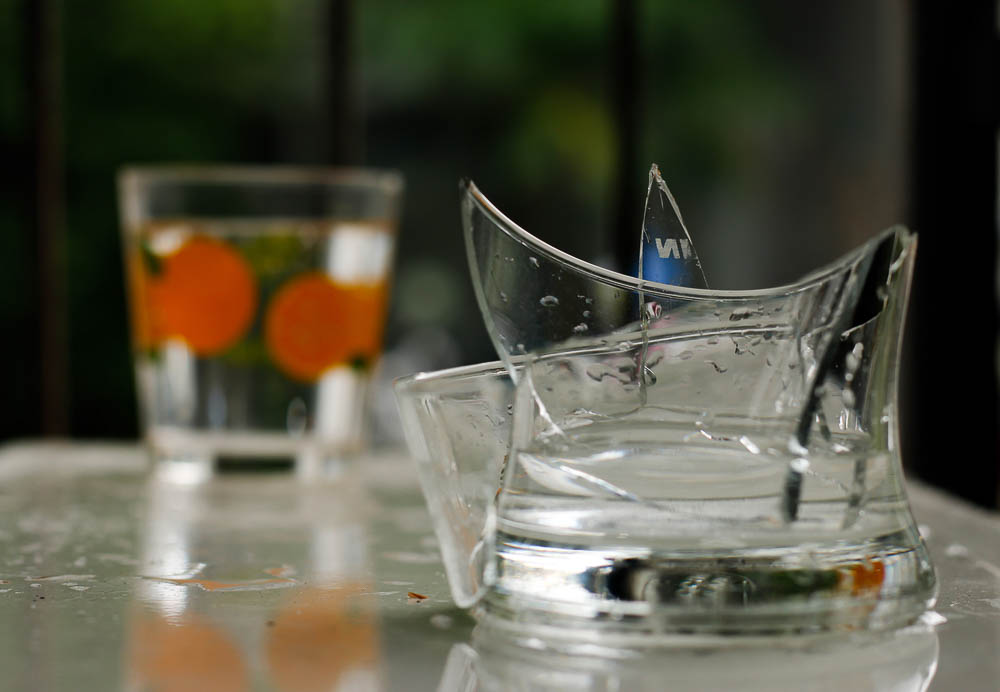
Nicht alle Arten von Glas können zum Recycling geschickt werden. Wenn Sie Glasartikel in einen Papierkorb legen, halten Sie sich am besten an Flaschen und Gläser. Einige Glasartikel werden in einem anderen Verfahren hergestellt und / oder können die Charge verunreinigen oder schwächen und sollten daher niemals recycelt werden. Diese beinhalten:[/fusion_text][fusion_checklist icon=“fa-angle-right fas“ iconcolor=“#ff6f6f“ circle=“no“ circlecolor=““ size=““ divider=“yes“ divider_color=““ hide_on_mobile=“small-visibility,medium-visibility,large-visibility“ class=““ id=““][fusion_li_item icon=““]
Glasprodukte, die mit Lebensmittelabfällen, Schmutz, Kies oder Steinen verunreinigt sind
[/fusion_li_item][fusion_li_item icon=““]
Deckel / Deckel aus Metall / Kunststoff (entfernen und wenn möglich separat recyceln)
[/fusion_li_item][fusion_li_item icon=““]
Keramische Produkte wie Geschirr, Essgeschirr, Geschirr und Haushaltsgegenstände
[/fusion_li_item][fusion_li_item icon=““]
Heat-resistant glassware such as Pyrex oven dishes
[/fusion_li_item][fusion_li_item icon=““]
Zerbrochenes Glas, bestehend aus gemischten Farben
[/fusion_li_item][fusion_li_item icon=““]
Fensterglas oder Spiegel
[/fusion_li_item][fusion_li_item icon=““]
Kristallglaswaren
[/fusion_li_item][fusion_li_item icon=““]
Glas Glühbirnen oder Leuchtstoffröhren
[/fusion_li_item][fusion_li_item icon=““]
Kathodenstrahlröhren von Computermonitoren und Fernsehgeräten
[/fusion_li_item][/fusion_checklist][/fusion_builder_column][/fusion_builder_row][/fusion_builder_container][fusion_builder_container hundred_percent=“no“ hundred_percent_height=“no“ hundred_percent_height_scroll=“no“ hundred_percent_height_center_content=“yes“ equal_height_columns=“no“ menu_anchor=““ hide_on_mobile=“small-visibility,medium-visibility,large-visibility“ class=““ id=““ background_color=““ background_image=“https://www.earthsquad.global/wp-content/uploads/2018/08/29-18.jpg“ background_position=“center center“ background_repeat=“no-repeat“ fade=“no“ background_parallax=“none“ enable_mobile=“no“ parallax_speed=“0.3″ video_mp4=““ video_webm=““ video_ogv=““ video_url=““ video_aspect_ratio=“16:9″ video_loop=“yes“ video_mute=“yes“ video_preview_image=““ border_size=““ border_color=““ border_style=“solid“ margin_top=“25px“ margin_bottom=““ padding_top=“60px“ padding_right=“40px“ padding_bottom=“40px“ padding_left=“40px“][fusion_builder_row][fusion_builder_column type=“1_1″ layout=“1_1″ spacing=““ center_content=“no“ link=““ target=“_self“ min_height=““ hide_on_mobile=“small-visibility,medium-visibility,large-visibility“ class=““ id=““ background_color=“rgba(255,255,255,0.86)“ background_image=““ background_position=“left top“ undefined=““ background_repeat=“no-repeat“ hover_type=“none“ border_size=“0″ border_color=““ border_style=“solid“ border_position=“all“ padding_top=“40px“ padding_right=“25px“ padding_bottom=“25px“ padding_left=“25px“ margin_top=““ margin_bottom=““ animation_type=““ animation_direction=“left“ animation_speed=“0.3″ animation_offset=““ last=“no“][fusion_text columns=““ column_min_width=““ column_spacing=““ rule_style=“default“ rule_size=““ rule_color=““ class=““ id=““]
Was passiert mit dem nicht recycelbaren Glas?
Nicht wiederverwertbares Glas, das möglicherweise eine Charge von recyceltem Glas kontaminieren könnte, wird typischerweise an ein Mülldeponie . Es kann jedoch möglich sein, solche Gegenstände aus der Mülldeponie . Sie müssen nur kreativ werden. Anstatt überflüssige Haushaltsgegenstände aus Glas oder Keramik zu entsorgen, die ansonsten in einem einwandfreien Zustand sind, sollten Sie eine Wohltätigkeitsorganisation oder einen Wohltätigkeitsladen spenden, der Second-Hand-Sachen verkauft, um Geld für einen guten Zweck zu sammeln. Zerbrochene Keramik, Spiegel und farbiges Glas können für dekorative Mosaikkunst und Kunsthandwerk verwendet werden, während kontaminierte Flaschen und Gläser gereinigt und für die Aufbewahrung von nicht essbaren Dingen wie Nägeln, Schrauben, Gardinenhaken und anderen Haushalts- oder Werkstattgegenständen verwendet werden können.[/fusion_text][/fusion_builder_column][/fusion_builder_row][/fusion_builder_container][fusion_builder_container hundred_percent=“no“ hundred_percent_height=“no“ hundred_percent_height_scroll=“no“ hundred_percent_height_center_content=“yes“ equal_height_columns=“no“ menu_anchor=““ hide_on_mobile=“small-visibility,medium-visibility,large-visibility“ class=““ id=““ background_color=““ background_image=““ background_position=“center center“ background_repeat=“no-repeat“ fade=“no“ background_parallax=“none“ enable_mobile=“no“ parallax_speed=“0.3″ video_mp4=““ video_webm=““ video_ogv=““ video_url=““ video_aspect_ratio=“16:9″ video_loop=“yes“ video_mute=“yes“ video_preview_image=““ border_size=““ border_color=““ border_style=“solid“ margin_top=““ margin_bottom=““ padding_top=“40px“ padding_right=““ padding_bottom=““ padding_left=““][fusion_builder_row][fusion_builder_column type=“3_5″ layout=“3_5″ spacing=““ center_content=“no“ link=““ target=“_self“ min_height=““ hide_on_mobile=“small-visibility,medium-visibility,large-visibility“ class=““ id=““ background_color=““ background_image=““ background_position=“left top“ background_repeat=“no-repeat“ hover_type=“none“ border_size=“0″ border_color=““ border_style=“solid“ border_position=“all“ padding_top=““ padding_right=““ padding_bottom=““ padding_left=““ margin_top=““ margin_bottom=““ animation_type=““ animation_direction=“left“ animation_speed=“0.3″ animation_offset=““ last=“no“][fusion_text columns=““ column_min_width=““ column_spacing=““ rule_style=“default“ rule_size=““ rule_color=““ class=““ id=““]Glasflaschen und -gläser sind zu 100% recycelbar und können so dazu beitragen, Treibhausgasemissionen zu reduzieren, die zur Klimaerwärmung beitragen. Seien Sie vorsichtig, was Sie in den Papierkorb werfen, da einige Glasartikel die gesamte Charge kontaminieren können, was dazu führt, dass die Charge an einen Mülldeponie . Erkundigen Sie sich beim nächstgelegenen Recyclingcenter, ob andere Glasarten verwendet werden, oder finden Sie kreative Möglichkeiten, um zu verhindern, dass diese Gegenstände auf einem Glas landen Deponie.[/fusion_text][/fusion_builder_column][fusion_builder_column type=“2_5″ layout=“2_5″ spacing=““ center_content=“no“ link=““ target=“_self“ min_height=““ hide_on_mobile=“small-visibility,medium-visibility,large-visibility“ class=““ id=““ background_color=““ background_image=““ background_position=“left top“ background_repeat=“no-repeat“ hover_type=“none“ border_size=“0″ border_color=““ border_style=“solid“ border_position=“all“ padding_top=““ padding_right=““ padding_bottom=““ padding_left=““ margin_top=““ margin_bottom=““ animation_type=““ animation_direction=“left“ animation_speed=“0.3″ animation_offset=““ last=“no“][fusion_imageframe image_id=“2607″ max_width=““ style_type=“none“ stylecolor=““ hover_type=“none“ bordersize=““ bordercolor=““ borderradius=““ align=“none“ lightbox=“no“ gallery_id=““ lightbox_image=““ alt=““ link=““ linktarget=“_self“ hide_on_mobile=“small-visibility,medium-visibility,large-visibility“ class=““ id=““ animation_type=““ animation_direction=“left“ animation_speed=“0.3″ animation_offset=““]https://www.earthsquad.global/wp-content/uploads/2018/05/30-5.jpg[/fusion_imageframe][/fusion_builder_column][/fusion_builder_row][/fusion_builder_container][fusion_global id=“11018″]


Leave A Comment