

[fusion_builder_container hundred_percent=“no“ hundred_percent_height=“no“ hundred_percent_height_scroll=“no“ hundred_percent_height_center_content=“yes“ equal_height_columns=“no“ menu_anchor=““ hide_on_mobile=“small-visibility,medium-visibility,large-visibility“ class=““ id=““ background_color=““ background_image=““ background_position=“center center“ background_repeat=“no-repeat“ fade=“no“ background_parallax=“none“ enable_mobile=“no“ parallax_speed=“0.3″ video_mp4=““ video_webm=““ video_ogv=““ video_url=““ video_aspect_ratio=“16:9″ video_loop=“yes“ video_mute=“yes“ video_preview_image=““ border_size=““ border_color=““ border_style=“solid“ margin_top=““ margin_bottom=““ padding_top=““ padding_right=““ padding_bottom=““ padding_left=““][fusion_builder_row][fusion_builder_column type=“1_1″ layout=“1_1″ spacing=““ center_content=“no“ link=““ target=“_self“ min_height=““ hide_on_mobile=“small-visibility,medium-visibility,large-visibility“ class=““ id=““ background_color=““ background_image=““ background_position=“left top“ background_repeat=“no-repeat“ hover_type=“none“ border_size=“0″ border_color=““ border_style=“solid“ border_position=“all“ padding_top=““ padding_right=““ padding_bottom=““ padding_left=““ margin_top=““ margin_bottom=““ animation_type=““ animation_direction=“left“ animation_speed=“0.3″ animation_offset=““ last=“no“][fusion_text columns=““ column_min_width=““ column_spacing=““ rule_style=“default“ rule_size=““ rule_color=““ class=““ id=““]
Ist das Recycling in Australien tot im Wasser?
[/fusion_text][/fusion_builder_column][fusion_builder_column type=“3_5″ layout=“3_5″ spacing=““ center_content=“no“ link=““ target=“_self“ min_height=““ hide_on_mobile=“small-visibility,medium-visibility,large-visibility“ class=““ id=““ background_color=““ background_image=““ background_position=“left top“ undefined=““ background_repeat=“no-repeat“ hover_type=“none“ border_size=“0″ border_color=““ border_style=“solid“ border_position=“all“ padding_top=““ padding_right=““ padding_bottom=““ padding_left=““ margin_top=““ margin_bottom=““ animation_type=““ animation_direction=“left“ animation_speed=“0.3″ animation_offset=““ last=“no“][fusion_text columns=““ column_min_width=““ column_spacing=““ rule_style=“default“ rule_size=““ rule_color=““ class=““ id=““]
Die australische Regierung berichtet, dass im Jahr 2016 in Australien 35 Megatonnen Material recycelt wurden, was 1.472 kg pro Kopf und 60% aller in Australien lebenden Menschen entspricht. Abfall erzeugt in Australien 1 Nach Statista weisen nur Österreich und Deutschland höhere Recyclingquoten auf, bei 63% bzw. 62%. 2 Der prozentuale Anteil von Abfall Recyclingmaterial scheint von Jahr zu Jahr zu wachsen.
Recycling in Australien ist meist eine privatwirtschaftliche Aktivität. Der Großteil der Recycling-Dienstleistungen wird vom privaten Sektor im Auftrag der lokalen Regierungen bereitgestellt. Einige bieten Haushalten und der Industrie ein kostenpflichtiges Recycling an. Die Verträge für Recycling-Dienstleistungen werden für Zeiträume von bis zu zehn Jahren gewährt.
[/fusion_text][/fusion_builder_column][fusion_builder_column type=“2_5″ layout=“2_5″ spacing=““ center_content=“no“ link=““ target=“_self“ min_height=““ hide_on_mobile=“small-visibility,medium-visibility,large-visibility“ class=““ id=““ background_color=““ background_image=““ background_position=“left top“ undefined=““ background_repeat=“no-repeat“ hover_type=“none“ border_size=“0″ border_color=““ border_style=“solid“ border_position=“all“ padding_top=““ padding_right=““ padding_bottom=““ padding_left=““ margin_top=““ margin_bottom=““ animation_type=““ animation_direction=“left“ animation_speed=“0.3″ animation_offset=““ last=“no“][fusion_separator style_type=“none“ hide_on_mobile=“small-visibility,medium-visibility,large-visibility“ class=““ id=““ sep_color=““ top_margin=“30px“ bottom_margin=““ border_size=““ icon=““ icon_circle=““ icon_circle_color=““ width=““ alignment=“center“ /][fusion_chart title=““ chart_type=“polarArea“ chart_legend_position=““ x_axis_label=““ y_axis_label=““ show_tooltips=““ chart_border_type=“smooth“ chart_fill=“off“ chart_point_style=“circle“ chart_point_size=“3″ chart_point_bg_color=““ chart_point_border_color=““ hide_on_mobile=“small-visibility,medium-visibility,large-visibility“ class=““ id=““ chart_bg_color=““ padding_top=““ padding_right=““ padding_bottom=““ padding_left=““ chart_axis_text_color=““ chart_gridline_color=““ x_axis_labels=“60% Waste |63% Waste |62% Waste “ legend_text_colors=“#ffffff|#ffffff|#ffffff“ bg_colors=“#00bcd4|#8bc34a|#ff9800″ border_colors=“#00bcd4|#8bc34a|#ff9800″ chart_border_size=““][fusion_chart_dataset title=“Data Set 1″ legend_text_color=“#ffffff“ background_color=“#00bcd4″ border_color=“#00bcd4″ values=“60|63|63″][/fusion_chart_dataset][/fusion_chart][/fusion_builder_column][/fusion_builder_row][/fusion_builder_container][fusion_builder_container hundred_percent=“no“ hundred_percent_height=“no“ hundred_percent_height_scroll=“no“ hundred_percent_height_center_content=“yes“ equal_height_columns=“no“ menu_anchor=““ hide_on_mobile=“small-visibility,medium-visibility,large-visibility“ class=““ id=““ background_color=““ background_image=“https://www.earthsquad.global/wp-content/uploads/2018/07/10-47.jpg“ background_position=“center center“ background_repeat=“no-repeat“ fade=“no“ background_parallax=“none“ enable_mobile=“no“ parallax_speed=“0.3″ video_mp4=““ video_webm=““ video_ogv=““ video_url=““ video_aspect_ratio=“16:9″ video_loop=“yes“ video_mute=“yes“ video_preview_image=““ border_size=““ border_color=““ border_style=“solid“ margin_top=““ margin_bottom=““ padding_top=““ padding_right=““ padding_bottom=““ padding_left=““][fusion_builder_row][fusion_builder_column type=“3_5″ layout=“3_5″ spacing=““ center_content=“no“ link=““ target=“_self“ min_height=““ hide_on_mobile=“small-visibility,medium-visibility,large-visibility“ class=““ id=““ background_color=“rgba(255,255,255,0.86)“ background_image=““ background_position=“left top“ undefined=““ background_repeat=“no-repeat“ hover_type=“none“ border_size=“0″ border_color=““ border_style=“solid“ border_position=“all“ padding_top=“45px“ padding_right=“25px“ padding_bottom=“25px“ padding_left=“25px“ margin_top=““ margin_bottom=“0px“ animation_type=““ animation_direction=“left“ animation_speed=“0.3″ animation_offset=““ last=“no“][fusion_text columns=““ column_min_width=““ column_spacing=““ rule_style=“default“ rule_size=““ rule_color=““ class=““ id=““]
Recycling in den großen Städten
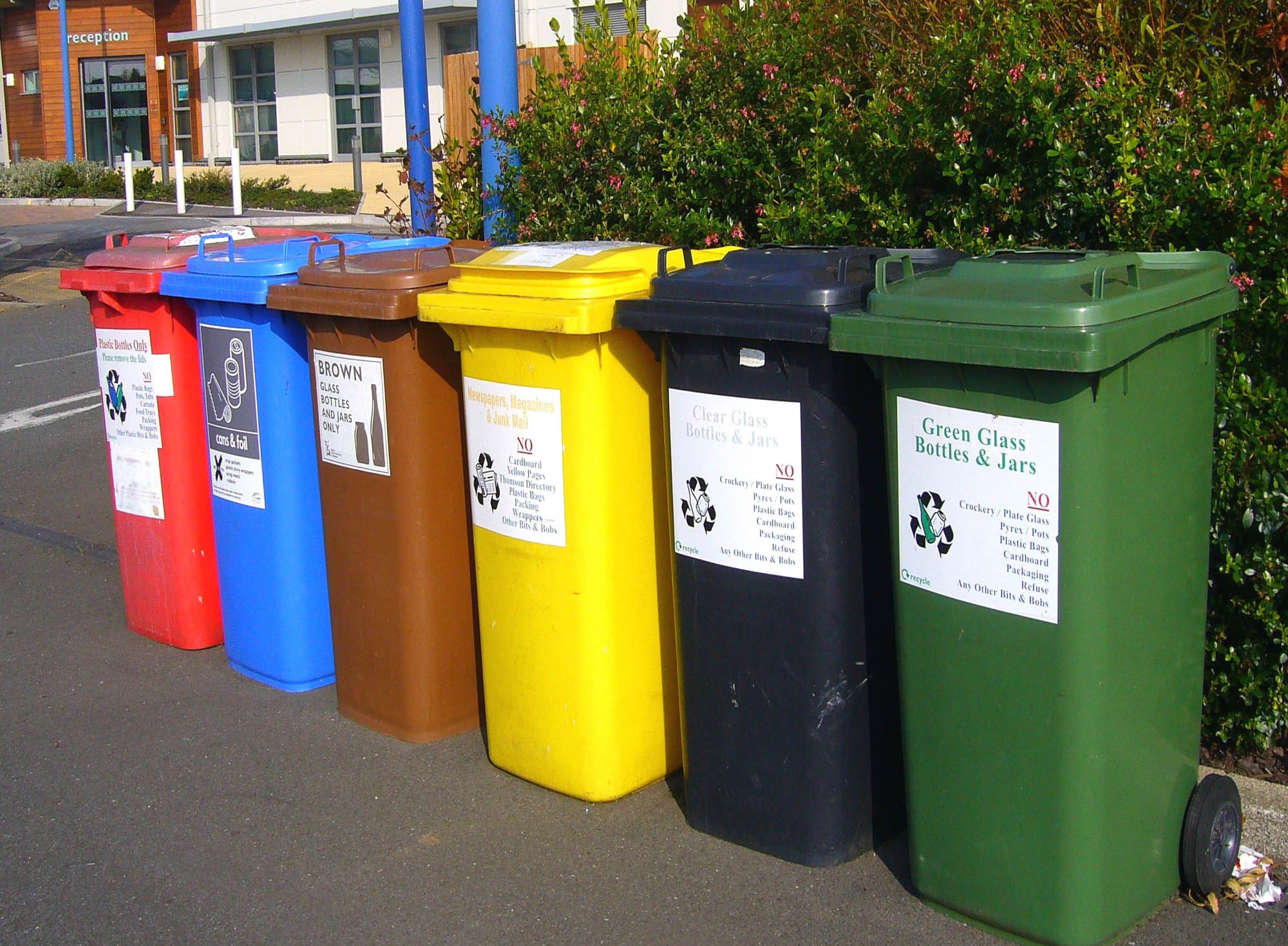
In Großstädten wie Sydney organisieren die Stadtbehörden Recyclingprogramme für Anwohner, darunter Kunststoff , Glas , Dosen, Flaschen und Kartons, sowie Papier und Pappe. Bestimmte Artikel können jedoch nicht recycelt werden, einschließlich Plastiktüten . Polystyrol, Glas und Windeln. Es gibt ein spezielles Programm namens REDcycle für Plastiktüten und -verpackungen, darunter Kekspakete, Einkaufstaschen, Brotbeutel, Reissäcke, Tiefkühlkostbeutel. Das Ziel der Stadt Sydney ist null Müll . 4
Unerwünschte Chemikalien und giftige Abfälle kann auch sicher unter den Programmen E-waste und Chemical Cleanout, die von der Environmental Protection Authority betrieben werden, gelagert werden. 5 Gegenstände wie Farben, Pestizide, Chemikalien, Aerosole und alte Computer können zur chemischen Reinigung von Ereignissen gebracht werden die Stadt in regelmäßigen Abständen. Batterien, alte Mobiltelefone und Glühbirnen können in Kundendienstzentren und Bibliotheken abgegeben werden. Diese Programme wurden eingerichtet, um zu verhindern, dass giftige Chemikalien auf Deponien landen und in den Boden gelangen, um den Grundwasserspiegel zu kontaminieren.
… Und auf dem Land
Die ländlichen Industrien haben wegen der hohen Kosten für Logistik und Sammlung weniger Erfolg beim Recycling. Zum Beispiel haben Brancheninsider eine „nicht nachhaltige Situation“ mit Recycling von Glas Recyclingglas in den ländlichen Gebieten besteht ist marginal und es ist für Recyclingunternehmen wirtschaftlicher, das Glas einfach auf eine Mülldeponie zu werfen. Ein Manager in der Recyclinganlage Polytrade stellte fest: „Wir sind zurück in den dunklen Zeiten und wissen nicht, was wir tun sollen. Wir bekommen mehr und mehr Glas, ohne dass wir gehen können. „ 6
Mit Recyclingunternehmen, die langfristige Verträge mit den Gemeinden abgeschlossen haben, und dem aktuellen Einbruch der Rohstoffpreise in der Industrie hat dies eine Situation geschaffen, in der sich Hunderttausende Tonnen recycelbarer Materialien ansammeln. Ein neuer Brand in einer Recyclinganlage hat die Gefahren dieser Praxis deutlich gemacht.7
[/fusion_text][/fusion_builder_column][fusion_builder_column type=“2_5″ layout=“2_5″ spacing=““ center_content=“no“ link=““ target=“_self“ min_height=““ hide_on_mobile=“small-visibility,medium-visibility,large-visibility“ class=““ id=““ background_color=““ background_image=““ background_position=“left top“ undefined=““ background_repeat=“no-repeat“ hover_type=“none“ border_size=“0″ border_color=““ border_style=“solid“ border_position=“all“ padding_top=“45px“ padding_right=“25px“ padding_bottom=“25px“ padding_left=“25px“ margin_top=““ margin_bottom=“0px“ animation_type=““ animation_direction=“left“ animation_speed=“0.3″ animation_offset=““ last=“no“][/fusion_builder_column][/fusion_builder_row][/fusion_builder_container][fusion_builder_container hundred_percent=“no“ hundred_percent_height=“no“ hundred_percent_height_scroll=“no“ hundred_percent_height_center_content=“yes“ equal_height_columns=“no“ menu_anchor=““ hide_on_mobile=“small-visibility,medium-visibility,large-visibility“ class=““ id=““ background_color=““ background_image=““ background_position=“center center“ background_repeat=“no-repeat“ fade=“no“ background_parallax=“none“ enable_mobile=“no“ parallax_speed=“0.3″ video_mp4=““ video_webm=““ video_ogv=““ video_url=““ video_aspect_ratio=“16:9″ video_loop=“yes“ video_mute=“yes“ video_preview_image=““ border_size=““ border_color=““ border_style=“solid“ margin_top=““ margin_bottom=““ padding_top=“40px“ padding_right=““ padding_bottom=““ padding_left=““][fusion_builder_row][fusion_builder_column type=“1_1″ layout=“1_1″ spacing=““ center_content=“no“ link=““ target=“_self“ min_height=““ hide_on_mobile=“small-visibility,medium-visibility,large-visibility“ class=““ id=““ background_color=““ background_image=““ background_position=“left top“ background_repeat=“no-repeat“ hover_type=“none“ border_size=“0″ border_color=““ border_style=“solid“ border_position=“all“ padding_top=““ padding_right=““ padding_bottom=““ padding_left=““ margin_top=““ margin_bottom=““ animation_type=““ animation_direction=“left“ animation_speed=“0.3″ animation_offset=““ last=“no“][fusion_text columns=““ column_min_width=““ column_spacing=““ rule_style=“default“ rule_size=““ rule_color=““ hide_on_mobile=“small-visibility,medium-visibility,large-visibility“ class=““ id=““]
Selbst gemeldeter Erfolg
Ist die Industrie erfolgreich oder nicht? Es ist schwer, eine definitive Messung zu liefern. Waste Management-Ergebnisse und Trends In den einzelnen Bundesstaaten und Territorien gibt es erhebliche Unterschiede, aber generell berichtet die australische Regierung positiv über die Ergebnisse der Recyclingindustrie. Sie stellen fest, dass selbst die niedrigsten Wiederfindungsraten sich am schnellsten verbessern. Jedes Jahr werden mehr kommunale waste wird recycelt statt entsorgt, und das ist ein Erfolg. Selbst schwer recycelbare Materialien wie Altmetalle, organische Stoffe und plastics scheinen auf Pro-Kopf-Basis zu sinken. Dennoch sind die Mengen an Material, die noch auf der Deponie landen oder in Recyclingzentren lagern, als zu unwirtschaftlich für das Recycling zu betrachten.
[/fusion_text][/fusion_builder_column][/fusion_builder_row][/fusion_builder_container][fusion_builder_container hundred_percent=“no“ hundred_percent_height=“no“ hundred_percent_height_scroll=“no“ hundred_percent_height_center_content=“yes“ equal_height_columns=“no“ menu_anchor=““ hide_on_mobile=“small-visibility,medium-visibility,large-visibility“ class=““ id=““ background_color=““ background_image=““ background_position=“center center“ background_repeat=“no-repeat“ fade=“no“ background_parallax=“none“ enable_mobile=“no“ parallax_speed=“0.3″ video_mp4=““ video_webm=““ video_ogv=““ video_url=““ video_aspect_ratio=“16:9″ video_loop=“yes“ video_mute=“yes“ video_preview_image=““ border_size=““ border_color=““ border_style=“solid“ margin_top=““ margin_bottom=““ padding_top=““ padding_right=““ padding_bottom=““ padding_left=““][fusion_builder_row][fusion_builder_column type=“1_1″ layout=“1_1″ spacing=““ center_content=“no“ link=““ target=“_self“ min_height=““ hide_on_mobile=“small-visibility,medium-visibility,large-visibility“ class=““ id=““ background_color=““ background_image=““ background_position=“left top“ background_repeat=“no-repeat“ hover_type=“none“ border_size=“0″ border_color=““ border_style=“solid“ border_position=“all“ padding_top=““ padding_right=““ padding_bottom=““ padding_left=““ margin_top=““ margin_bottom=““ animation_type=““ animation_direction=“left“ animation_speed=“0.3″ animation_offset=““ last=“no“][fusion_text columns=““ column_min_width=““ column_spacing=““ rule_style=“default“ rule_size=““ rule_color=““ hide_on_mobile=“small-visibility,medium-visibility,large-visibility“ class=““ id=““]
Globale Herausforderungen
[/fusion_text][/fusion_builder_column][fusion_builder_column type=“1_1″ layout=“1_1″ spacing=““ center_content=“no“ link=““ target=“_self“ min_height=““ hide_on_mobile=“small-visibility,medium-visibility,large-visibility“ class=““ id=““ background_color=““ background_image=““ background_position=“left top“ undefined=““ background_repeat=“no-repeat“ hover_type=“none“ border_size=“0″ border_color=““ border_style=“solid“ border_position=“all“ padding_top=““ padding_right=““ padding_bottom=““ padding_left=““ margin_top=““ margin_bottom=“0px“ animation_type=““ animation_direction=“left“ animation_speed=“0.3″ animation_offset=““ last=“no“][fusion_text columns=““ column_min_width=““ column_spacing=““ rule_style=“default“ rule_size=““ rule_color=““ hide_on_mobile=“small-visibility,medium-visibility,large-visibility“ class=““ id=““]
Trotz positiver Ergebnisse steht Australien vor Herausforderungen, von denen einige auf globale Trends zurückzuführen sind. Zum Beispiel Plastik Verschwendung. Als ein von Ozeanen umgebenes Land ist das schiere Volumen, das in den Ozeanen landet, alarmierend. Es wird geschätzt, dass bis zum Jahr 2050 das Gewicht der Kunststoffe in den Ozeanen mit dem von Fischen übereinstimmt. 8
[/fusion_text][/fusion_builder_column][fusion_builder_column type=“2_3″ layout=“2_3″ spacing=““ center_content=“no“ link=““ target=“_self“ min_height=““ hide_on_mobile=“small-visibility,medium-visibility,large-visibility“ class=““ id=““ background_color=““ background_image=““ background_position=“left top“ undefined=““ background_repeat=“no-repeat“ hover_type=“none“ border_size=“0″ border_color=““ border_style=“solid“ border_position=“all“ padding_top=““ padding_right=““ padding_bottom=““ padding_left=““ margin_top=““ margin_bottom=“0px“ animation_type=““ animation_direction=“left“ animation_speed=“0.3″ animation_offset=““ last=“no“][fusion_text columns=““ column_min_width=““ column_spacing=““ rule_style=“default“ rule_size=““ rule_color=““ hide_on_mobile=“small-visibility,medium-visibility,large-visibility“ class=““ id=““]
Kunststoffrecycling ist ebenfalls eine große Herausforderung. In Australien werden jedes Jahr mehr als 1,5 Tonnen Rohölderivate verbraucht, und das gilt nicht für die importierte Menge. Kunststoff Produkte und Verpackungen 9 Aber nur 300.000 Tonnen Kunststoffe werden jedes Jahr zum Recycling gesammelt. Etwa die Hälfte des recycelten Kunststoffs oder 150.000 Tonnen wird zur Verarbeitung ins Ausland geschickt. Zwanzig Prozent des Materials werden in Australien zu Pellets verarbeitet, die im Ausland zu neuen Produkten verarbeitet werden. 10
[/fusion_text][/fusion_builder_column][fusion_builder_column type=“1_3″ layout=“1_3″ spacing=““ center_content=“no“ link=““ target=“_self“ min_height=““ hide_on_mobile=“small-visibility,medium-visibility,large-visibility“ class=““ id=““ background_color=““ background_image=““ background_position=“left top“ undefined=““ background_repeat=“no-repeat“ hover_type=“none“ border_size=“0″ border_color=““ border_style=“solid“ border_position=“all“ padding_top=““ padding_right=““ padding_bottom=““ padding_left=““ margin_top=““ margin_bottom=“0px“ animation_type=““ animation_direction=“left“ animation_speed=“0.3″ animation_offset=““ last=“no“][fusion_progress height=“40″ text_position=““ show_percentage=“no“ unit=““ percentage=“15″ filledcolor=“#fe717e“ filledbordersize=““ filledbordercolor=““ unfilledcolor=““ striped=“no“ animated_stripes=“no“ textcolor=“#333333″ hide_on_mobile=“small-visibility,medium-visibility,large-visibility“ class=““ id=““]1.5 metric tons [/fusion_progress][fusion_separator style_type=“none“ hide_on_mobile=“small-visibility,medium-visibility,large-visibility“ class=““ id=““ sep_color=““ top_margin=“7px“ bottom_margin=““ border_size=““ icon=““ icon_circle=““ icon_circle_color=““ width=““ alignment=“center“ /][fusion_progress height=“40″ text_position=““ show_percentage=“no“ unit=““ percentage=“30″ filledcolor=“#5bb45a“ filledbordersize=““ filledbordercolor=““ unfilledcolor=““ striped=“no“ animated_stripes=“no“ textcolor=“#333333″ hide_on_mobile=“small-visibility,medium-visibility,large-visibility“ class=““ id=““]300,000 tons[/fusion_progress][fusion_separator style_type=“none“ hide_on_mobile=“small-visibility,medium-visibility,large-visibility“ class=““ id=““ sep_color=““ top_margin=“7px“ bottom_margin=““ border_size=““ icon=““ icon_circle=““ icon_circle_color=““ width=““ alignment=“center“ /][fusion_progress height=“40″ text_position=““ show_percentage=“no“ unit=““ percentage=“15″ filledcolor=“#1fbed6″ filledbordersize=““ filledbordercolor=““ unfilledcolor=““ striped=“no“ animated_stripes=“no“ textcolor=“#333333″ hide_on_mobile=“small-visibility,medium-visibility,large-visibility“ class=““ id=““]150,000 tons[/fusion_progress][/fusion_builder_column][fusion_builder_column type=“1_1″ layout=“1_1″ spacing=““ center_content=“no“ link=““ target=“_self“ min_height=““ hide_on_mobile=“small-visibility,medium-visibility,large-visibility“ class=““ id=““ background_color=““ background_image=““ background_position=“left top“ background_repeat=“no-repeat“ hover_type=“none“ border_size=“0″ border_color=““ border_style=“solid“ border_position=“all“ padding_top=““ padding_right=““ padding_bottom=““ padding_left=““ margin_top=““ margin_bottom=““ animation_type=““ animation_direction=“left“ animation_speed=“0.3″ animation_offset=““ last=“no“][fusion_text columns=““ column_min_width=““ column_spacing=““ rule_style=“default“ rule_size=““ rule_color=““ hide_on_mobile=“small-visibility,medium-visibility,large-visibility“ class=““ id=““]
Das REDcycle-Programm hat versucht, dieses Problem anzugehen, indem es einen separaten Sammelmechanismus für Weichplastikverpackungen einrichtete, da diese Art von Material schwer zu recyceln ist, wenn es nicht von den anderen Kunststoffen getrennt wird. Das Programm ist in mehr als 600 Sammelstationen, meist in Supermärkten, im ganzen Land gewachsen.11 Ein privates Recyclingunternehmen, Replas, ist seit drei Jahrzehnten im Geschäft und verwandelt weiche Kunststoffe wie Milchkartons und Shampooflaschen in Spielgeräte aus Kunststoff, Terrassen und Poller. Dennoch fordern die Verbraucher diese recycelten Produkte nicht so sehr, wie sie sind Abfall Material zu verarbeiten.12
[/fusion_text][/fusion_builder_column][/fusion_builder_row][/fusion_builder_container][fusion_builder_container hundred_percent=“no“ hundred_percent_height=“no“ hundred_percent_height_scroll=“no“ hundred_percent_height_center_content=“yes“ equal_height_columns=“no“ menu_anchor=““ hide_on_mobile=“small-visibility,medium-visibility,large-visibility“ class=““ id=““ background_color=““ background_image=“https://www.earthsquad.global/wp-content/uploads/2018/07/11-40.jpg“ background_position=“center center“ background_repeat=“no-repeat“ fade=“no“ background_parallax=“fixed“ enable_mobile=“no“ parallax_speed=“0.3″ video_mp4=““ video_webm=““ video_ogv=““ video_url=““ video_aspect_ratio=“16:9″ video_loop=“yes“ video_mute=“yes“ video_preview_image=““ border_size=““ border_color=““ border_style=“solid“ margin_top=““ margin_bottom=““ padding_top=“40px“ padding_right=“40px“ padding_bottom=“40px“ padding_left=“40px“][fusion_builder_row][fusion_builder_column type=“1_1″ layout=“1_1″ spacing=““ center_content=“no“ link=““ target=“_self“ min_height=““ hide_on_mobile=“small-visibility,medium-visibility,large-visibility“ class=““ id=““ background_color=“rgba(255,255,255,0.85)“ background_image=““ background_position=“left top“ undefined=““ background_repeat=“no-repeat“ hover_type=“none“ border_size=“0″ border_color=““ border_style=“solid“ border_position=“all“ padding_top=“25px“ padding_right=“25px“ padding_bottom=“25px“ padding_left=“25px“ margin_top=““ margin_bottom=““ animation_type=““ animation_direction=“left“ animation_speed=“0.3″ animation_offset=““ last=“no“][fusion_builder_row_inner][fusion_builder_column_inner type=“1_1″ layout=“2_3″ spacing=““ center_content=“no“ hover_type=“none“ link=““ min_height=““ hide_on_mobile=“small-visibility,medium-visibility,large-visibility“ class=““ id=““ background_color=““ background_image=““ background_position=“left top“ undefined=““ background_repeat=“no-repeat“ border_size=“0″ border_color=““ border_style=“solid“ padding_top=““ padding_right=““ padding_bottom=““ padding_left=““ margin_top=““ margin_bottom=“0px“ animation_type=““ animation_direction=“left“ animation_speed=“0.3″ animation_offset=““ last=“no“ border_position=“all“][fusion_text columns=““ column_min_width=““ column_spacing=““ rule_style=“default“ rule_size=““ rule_color=““ hide_on_mobile=“small-visibility,medium-visibility,large-visibility“ class=““ id=““]
Der Ausblick
Einige Industrieteilnehmer sind nicht sehr optimistisch hinsichtlich der Aussichten für die Recyclingindustrie in Australien. Mark Jacobsen, Marketingdirektor bei Replas, einem Recyclingunternehmen, erklärt: „Das Recycling in Australien ist tot im Wasser, es sei denn, die Menschen sind bereit, recycelte Produkte aus ihren eigenen Abfällen zu kaufen.“ 13
[/fusion_text][/fusion_builder_column_inner][fusion_builder_column_inner type=“2_3″ layout=“2_3″ spacing=““ center_content=“no“ hover_type=“none“ link=““ min_height=““ hide_on_mobile=“small-visibility,medium-visibility,large-visibility“ class=““ id=““ background_color=““ background_image=““ background_position=“left top“ undefined=““ background_repeat=“no-repeat“ border_size=“0″ border_color=““ border_style=“solid“ padding_top=““ padding_right=““ padding_bottom=““ padding_left=““ margin_top=““ margin_bottom=“0px“ animation_type=““ animation_direction=“left“ animation_speed=“0.3″ animation_offset=““ last=“no“ border_position=“all“][fusion_text columns=““ column_min_width=““ column_spacing=““ rule_style=“default“ rule_size=““ rule_color=““ hide_on_mobile=“small-visibility,medium-visibility,large-visibility“ class=““ id=““]
Aber es gibt andere, die ihre Investitionen in das Recycling erhöhen, indem sie die Sortierung von Kunststoffabfällen aggressiver angehen.14 Zum Beispiel, Range International erholt sich unsortiert Plastikmüll aus indonesischen Mülldeponien und verwandelt das Wasser in Transportpaletten. Das Unternehmen entschied sich für Recycling Kunststoff , weil die weltweite Schifffahrtsindustrie derzeit 40% der weltweiten Holzversorgung für die Produktion von Paletten verbraucht. Für jede 25 gekaufte RePal-Palette wird ein Baum vor dem Fällen bewahrt.15
[/fusion_text][/fusion_builder_column_inner][fusion_builder_column_inner type=“1_3″ layout=“1_3″ spacing=““ center_content=“no“ hover_type=“none“ link=““ min_height=““ hide_on_mobile=“small-visibility,medium-visibility,large-visibility“ class=““ id=““ background_color=““ background_image=““ background_position=“left top“ undefined=““ background_repeat=“no-repeat“ border_size=“0″ border_color=““ border_style=“solid“ padding_top=““ padding_right=““ padding_bottom=““ padding_left=““ margin_top=““ margin_bottom=“0px“ animation_type=““ animation_direction=“left“ animation_speed=“0.3″ animation_offset=““ last=“no“ border_position=“all“][fusion_counters_circle animation_offset=““ hide_on_mobile=“small-visibility,medium-visibility,large-visibility“ class=““ id=““][fusion_counter_circle value=“40″ filledcolor=““ unfilledcolor=“#fe717e“ size=“220″ scales=“no“ countdown=“yes“ speed=“1500″]40%[/fusion_counter_circle][/fusion_counters_circle][/fusion_builder_column_inner][fusion_builder_column_inner type=“1_1″ layout=“1_1″ spacing=““ center_content=“no“ hover_type=“none“ link=““ min_height=““ hide_on_mobile=“small-visibility,medium-visibility,large-visibility“ class=““ id=““ background_color=““ background_image=““ background_position=“left top“ background_repeat=“no-repeat“ border_size=“0″ border_color=““ border_style=“solid“ padding_top=““ padding_right=““ padding_bottom=““ padding_left=““ dimension_margin=““ animation_type=““ animation_direction=“left“ animation_speed=“0.3″ animation_offset=““ last=“no“ border_position=“all“][fusion_text columns=““ column_min_width=““ column_spacing=““ rule_style=“default“ rule_size=““ rule_color=““ hide_on_mobile=“small-visibility,medium-visibility,large-visibility“ class=““ id=““]
Die Lektion in diesen Beispielen ist, dass die einzige nachhaltige Möglichkeit für unwirtschaftliche Materialien, wie Kunststoffe und Glas, Teil einer Kreislaufwirtschaft statt einer linearen Wirtschaft zu werden, ist die Wiedereinführung von recycelten Materialien in die Realwirtschaft. Es liegt an einer neuen Generation von Akteuren der Recyclingindustrie, diese Ideen umzusetzen.
[/fusion_text][/fusion_builder_column_inner][/fusion_builder_row_inner][/fusion_builder_column][/fusion_builder_row][/fusion_builder_container][fusion_builder_container hundred_percent=“no“ hundred_percent_height=“no“ hundred_percent_height_scroll=“no“ hundred_percent_height_center_content=“yes“ equal_height_columns=“no“ menu_anchor=““ hide_on_mobile=“small-visibility,medium-visibility,large-visibility“ class=““ id=““ background_color=““ background_image=““ background_position=“center center“ background_repeat=“no-repeat“ fade=“no“ background_parallax=“none“ enable_mobile=“no“ parallax_speed=“0.3″ video_mp4=““ video_webm=““ video_ogv=““ video_url=““ video_aspect_ratio=“16:9″ video_loop=“yes“ video_mute=“yes“ video_preview_image=““ border_size=““ border_color=““ border_style=“solid“ margin_top=““ margin_bottom=““ padding_top=“40px“ padding_right=““ padding_bottom=““ padding_left=““][fusion_builder_row][fusion_builder_column type=“1_1″ layout=“1_1″ spacing=““ center_content=“no“ link=““ target=“_self“ min_height=““ hide_on_mobile=“small-visibility,medium-visibility,large-visibility“ class=““ id=““ background_color=““ background_image=““ background_position=“left top“ background_repeat=“no-repeat“ hover_type=“none“ border_size=“0″ border_color=““ border_style=“solid“ border_position=“all“ padding_top=““ padding_right=““ padding_bottom=““ padding_left=““ margin_top=““ margin_bottom=““ animation_type=““ animation_direction=“left“ animation_speed=“0.3″ animation_offset=““ last=“no“][fusion_text columns=““ column_min_width=““ column_spacing=““ rule_style=“default“ rule_size=““ rule_color=““ hide_on_mobile=“small-visibility,medium-visibility,large-visibility“ class=““ id=““]
Befürworter des Recyclings
Da das Recycling eine privatwirtschaftliche Tätigkeit ist, die von Unternehmen im Auftrag der lokalen Gemeinschaften geführt wird, sind private Unternehmen auch die größten Befürworter des Recyclings. Es gibt jedoch einige öffentliche Einrichtungen und Verbände, die sich dafür einsetzen, dass nachhaltigere Recycling-Lösungen eingeführt werden.[/fusion_text][/fusion_builder_column][fusion_builder_column type=“1_3″ layout=“1_3″ spacing=““ center_content=“no“ link=““ target=“_self“ min_height=““ hide_on_mobile=“small-visibility,medium-visibility,large-visibility“ class=““ id=““ background_color=““ background_image=““ background_position=“left top“ background_repeat=“no-repeat“ hover_type=“none“ border_size=“0″ border_color=““ border_style=“solid“ border_position=“all“ padding_top=““ padding_right=““ padding_bottom=““ padding_left=““ margin_top=““ margin_bottom=““ animation_type=““ animation_direction=“left“ animation_speed=“0.3″ animation_offset=““ last=“no“][fusion_counters_circle animation_offset=““ hide_on_mobile=“small-visibility,medium-visibility,large-visibility“ class=““ id=““][fusion_counter_circle value=“70″ filledcolor=“#fe717e“ unfilledcolor=““ size=“220″ scales=“no“ countdown=“yes“ speed=“1500″]70[/fusion_counter_circle][/fusion_counters_circle][fusion_text columns=““ column_min_width=““ column_spacing=““ rule_style=“default“ rule_size=““ rule_color=““ class=““ id=““]
70 Businesses
[/fusion_text][/fusion_builder_column][fusion_builder_column type=“2_3″ layout=“2_3″ spacing=““ center_content=“no“ link=““ target=“_self“ min_height=““ hide_on_mobile=“small-visibility,medium-visibility,large-visibility“ class=““ id=““ background_color=““ background_image=““ background_position=“left top“ background_repeat=“no-repeat“ hover_type=“none“ border_size=“0″ border_color=““ border_style=“solid“ border_position=“all“ padding_top=““ padding_right=““ padding_bottom=““ padding_left=““ margin_top=““ margin_bottom=““ animation_type=““ animation_direction=“left“ animation_speed=“0.3″ animation_offset=““ last=“no“][fusion_text columns=““ column_min_width=““ column_spacing=““ rule_style=“default“ rule_size=““ rule_color=““ hide_on_mobile=“small-visibility,medium-visibility,large-visibility“ class=““ id=““]
Der Australian Council of Recycling (ACOR) vertritt etwa 70 Unternehmen in der Recyclingindustrie in Australien und setzt sich aktiv für die Entwicklung von Richtlinien und Programmen ein, die das Recycling verbessern. ACOR setzt sich derzeit für mehr Investitionen in Recycling-Infrastruktur ein, die zuvor nach China exportierte Materialien recyceln und lokale Arbeitsplätze schaffen kann.
Die australische Vereinigung für Abfallwirtschaft bietet auch der Industrie die Gelegenheit, Kontakte zu knüpfen, Ideen auszutauschen und sich über Entwicklungen auf dem Laufenden zu halten. Es hat 1839 Mitglieder und organisiert Veranstaltungen im ganzen Land. 17
[/fusion_text][/fusion_builder_column][fusion_builder_column type=“2_3″ layout=“2_3″ spacing=““ center_content=“no“ link=““ target=“_self“ min_height=““ hide_on_mobile=“small-visibility,medium-visibility,large-visibility“ class=““ id=““ background_color=““ background_image=““ background_position=“left top“ background_repeat=“no-repeat“ hover_type=“none“ border_size=“0″ border_color=““ border_style=“solid“ border_position=“all“ padding_top=““ padding_right=““ padding_bottom=““ padding_left=““ margin_top=““ margin_bottom=““ animation_type=““ animation_direction=“left“ animation_speed=“0.3″ animation_offset=““ last=“no“][fusion_text columns=““ column_min_width=““ column_spacing=““ rule_style=“default“ rule_size=““ rule_color=““ hide_on_mobile=“small-visibility,medium-visibility,large-visibility“ class=““ id=““]
Die Australische Grüne Partei ist die ökologisch ausgerichtete politische Partei in der Regierung, die Jahr für Jahr seit ihrer Gründung im Jahr 1992 Gewinne macht. Die Partei steht für ökologische Prinzipien über neoliberale Ideologie und widmet sich vier Kernthemen Werte: ökologische Nachhaltigkeit, soziale Gerechtigkeit, Basisdemokratie und Frieden und Gewaltfreiheit. 19 Zum Zeitpunkt der Veröffentlichung hatte die Partei einen Vertreter im Repräsentantenhaus und neun im Senat von Australien, 23 gewählte Vertreter in den Land – und Territorialparlamenten, 100 lokale Berater und etwa 15.000 registrierte Mitglieder 20 Wie bei den Recycling – Ergebnissen sind die Grünen in die städtischen Gebiete, mit der stärksten Unterstützung in innerstädtischen Sitzen wie Melbourne, Sydney und Grayndler. 21
[/fusion_text][/fusion_builder_column][fusion_builder_column type=“1_3″ layout=“1_3″ spacing=““ center_content=“no“ link=““ target=“_self“ min_height=““ hide_on_mobile=“small-visibility,medium-visibility,large-visibility“ class=““ id=““ background_color=““ background_image=““ background_position=“left top“ background_repeat=“no-repeat“ hover_type=“none“ border_size=“0″ border_color=““ border_style=“solid“ border_position=“all“ padding_top=““ padding_right=““ padding_bottom=““ padding_left=““ margin_top=““ margin_bottom=““ animation_type=““ animation_direction=“left“ animation_speed=“0.3″ animation_offset=““ last=“no“][fusion_counters_circle animation_offset=““ hide_on_mobile=“small-visibility,medium-visibility,large-visibility“ class=““ id=““][fusion_counter_circle value=“100″ filledcolor=“#1fbed6″ unfilledcolor=““ size=“220″ scales=“no“ countdown=“yes“ speed=“1500″]100[/fusion_counter_circle][/fusion_counters_circle][fusion_text columns=““ column_min_width=““ column_spacing=““ rule_style=“default“ rule_size=““ rule_color=““ class=““ id=““]
100 Local Counsellors
[/fusion_text][/fusion_builder_column][/fusion_builder_row][/fusion_builder_container][fusion_builder_container hundred_percent=“no“ hundred_percent_height=“no“ hundred_percent_height_scroll=“no“ hundred_percent_height_center_content=“yes“ equal_height_columns=“no“ menu_anchor=““ hide_on_mobile=“small-visibility,medium-visibility,large-visibility“ class=““ id=““ background_color=“rgba(236,236,236,0.61)“ background_image=““ background_position=“center center“ background_repeat=“no-repeat“ fade=“no“ background_parallax=“none“ enable_mobile=“no“ parallax_speed=“0.3″ video_mp4=““ video_webm=““ video_ogv=““ video_url=““ video_aspect_ratio=“16:9″ video_loop=“yes“ video_mute=“yes“ video_preview_image=““ border_size=“1″ border_color=“#ececec“ border_style=“solid“ margin_top=““ margin_bottom=““ padding_top=“40px“ padding_right=“40px“ padding_bottom=“0″ padding_left=“40px“][fusion_builder_row][fusion_builder_column type=“2_5″ layout=“2_5″ spacing=““ center_content=“no“ link=““ target=“_self“ min_height=““ hide_on_mobile=“small-visibility,medium-visibility,large-visibility“ class=““ id=““ background_color=““ background_image=““ background_position=“left top“ undefined=““ background_repeat=“no-repeat“ hover_type=“none“ border_size=“0″ border_color=““ border_style=“solid“ border_position=“all“ padding_top=““ padding_right=““ padding_bottom=““ padding_left=““ margin_top=““ margin_bottom=“0px“ animation_type=““ animation_direction=“left“ animation_speed=“0.3″ animation_offset=““ last=“no“][fusion_chart title=““ chart_type=“pie“ chart_legend_position=““ x_axis_label=““ y_axis_label=““ show_tooltips=““ chart_border_type=“smooth“ chart_fill=“off“ chart_point_style=“circle“ chart_point_size=“3″ chart_point_bg_color=““ chart_point_border_color=““ hide_on_mobile=“small-visibility,medium-visibility,large-visibility“ class=““ id=““ chart_bg_color=““ padding_top=““ padding_right=““ padding_bottom=““ padding_left=““ chart_axis_text_color=““ chart_gridline_color=““ x_axis_labels=“30%|50%“ legend_text_colors=“#ffffff|#ffffff“ bg_colors=“#00bcd4|#8bc34a“ border_colors=“#00bcd4|#8bc34a“ chart_border_size=““][fusion_chart_dataset title=“Data Set 1″ legend_text_color=“#ffffff“ background_color=“#00bcd4″ border_color=“#00bcd4″ values=“30|50″][/fusion_chart_dataset][/fusion_chart][/fusion_builder_column][fusion_builder_column type=“3_5″ layout=“3_5″ spacing=““ center_content=“no“ link=““ target=“_self“ min_height=““ hide_on_mobile=“small-visibility,medium-visibility,large-visibility“ class=““ id=““ background_color=““ background_image=““ background_position=“left top“ undefined=““ background_repeat=“no-repeat“ hover_type=“none“ border_size=“0″ border_color=““ border_style=“solid“ border_position=“all“ padding_top=““ padding_right=““ padding_bottom=““ padding_left=““ margin_top=““ margin_bottom=“0px“ animation_type=““ animation_direction=“left“ animation_speed=“0.3″ animation_offset=““ last=“no“][fusion_text columns=““ column_min_width=““ column_spacing=““ rule_style=“default“ rule_size=““ rule_color=““ hide_on_mobile=“small-visibility,medium-visibility,large-visibility“ class=““ id=““]
Die Zukunft
Das bemerkenswerteste Ergebnis der australischen Recyclingindustrie ist, dass die globalen Analysten zwar nicht so positiv sind, wie die Regierung selbst berichtet, dass es gut läuft. Zum Beispiel berichtet Statidisa in seiner globalen Umfrage zum Recycling, dass nur 30% der nationalen Abfallstoffe recycelt werden, verglichen mit 50% der australischen Regierung. Was macht den Unterschied aus?[/fusion_text][/fusion_builder_column][fusion_builder_column type=“1_1″ layout=“1_1″ spacing=““ center_content=“no“ link=““ target=“_self“ min_height=““ hide_on_mobile=“small-visibility,medium-visibility,large-visibility“ class=““ id=““ background_color=““ background_image=““ background_position=“left top“ background_repeat=“no-repeat“ hover_type=“none“ border_size=“0″ border_color=““ border_style=“solid“ border_position=“all“ padding_top=““ padding_right=““ padding_bottom=““ padding_left=““ margin_top=““ margin_bottom=““ animation_type=““ animation_direction=“left“ animation_speed=“0.3″ animation_offset=““ last=“no“][fusion_text columns=““ column_min_width=““ column_spacing=““ rule_style=“default“ rule_size=““ rule_color=““ hide_on_mobile=“small-visibility,medium-visibility,large-visibility“ class=““ id=““]
Darüber hinaus sieht sich die Branche mit großen Herausforderungen konfrontiert, die den globalen Trends entsprechen, einschließlich der fallenden Rohstoffpreise für wiederverwertbare Materialien wie Kunststoffe und Glas. Diese Entwicklungen machen das Recycling einiger Materialien unwirtschaftlich. Für eine privatwirtschaftlich geführte Industrie wie Australien ist dies eine Herausforderung.
Beim Recycling geht es nicht nur darum, Profite umzukehren, denn das Recycling hat auch ein unermessliches soziales, ökologisches und gesundheitliches Kapital. Die Regierung muss ein gewisses Maß an Investitionen tätigen, um die Industrie nachhaltig zu machen. Eine Möglichkeit, den derzeitigen Trend zur Verbreitung von Deponien in Frage zu stellen, besteht in der Einrichtung lokaler Anlagen zur Wiederverwertung aller Materialien im Land und in der Verpflichtung der Verbraucher, Produkte aus recycelten Produkten zu kaufen. Andernfalls könnte die Recyclingindustrie in Australien tatsächlich tot im Wasser werden.
[/fusion_text][/fusion_builder_column][/fusion_builder_row][/fusion_builder_container][fusion_builder_container hundred_percent=“no“ hundred_percent_height=“no“ hundred_percent_height_scroll=“no“ hundred_percent_height_center_content=“yes“ equal_height_columns=“no“ menu_anchor=““ hide_on_mobile=“small-visibility,medium-visibility,large-visibility“ class=““ id=““ background_color=““ background_image=““ background_position=“center center“ background_repeat=“no-repeat“ fade=“no“ background_parallax=“none“ enable_mobile=“no“ parallax_speed=“0.3″ video_mp4=““ video_webm=““ video_ogv=““ video_url=““ video_aspect_ratio=“16:9″ video_loop=“yes“ video_mute=“yes“ video_preview_image=““ border_size=““ border_color=““ border_style=“solid“ margin_top=““ margin_bottom=““ padding_top=“40px“ padding_right=““ padding_bottom=““ padding_left=““][fusion_builder_row][fusion_builder_column type=“1_1″ layout=“1_1″ spacing=““ center_content=“no“ link=““ target=“_self“ min_height=““ hide_on_mobile=“small-visibility,medium-visibility,large-visibility“ class=““ id=““ background_color=““ background_image=““ background_position=“left top“ background_repeat=“no-repeat“ hover_type=“none“ border_size=“0″ border_color=““ border_style=“solid“ border_position=“all“ padding_top=““ padding_right=““ padding_bottom=““ padding_left=““ margin_top=““ margin_bottom=““ animation_type=““ animation_direction=“left“ animation_speed=“0.3″ animation_offset=““ last=“no“][fusion_text columns=““ column_min_width=““ column_spacing=““ rule_style=“default“ rule_size=““ rule_color=““ class=““ id=““]
[/fusion_text][/fusion_builder_column][/fusion_builder_row][/fusion_builder_container]



Leave A Comment