

[fusion_builder_container hundred_percent=“no“ hundred_percent_height=“no“ hundred_percent_height_scroll=“no“ hundred_percent_height_center_content=“yes“ equal_height_columns=“no“ menu_anchor=““ hide_on_mobile=“small-visibility,medium-visibility,large-visibility“ class=““ id=““ background_color=““ background_image=““ background_position=“center center“ background_repeat=“no-repeat“ fade=“no“ background_parallax=“none“ enable_mobile=“no“ parallax_speed=“0.3″ video_mp4=““ video_webm=““ video_ogv=““ video_url=““ video_aspect_ratio=“16:9″ video_loop=“yes“ video_mute=“yes“ video_preview_image=““ border_size=““ border_color=““ border_style=“solid“ margin_top=““ margin_bottom=““ padding_top=““ padding_right=““ padding_bottom=““ padding_left=““][fusion_builder_row][fusion_builder_column type=“1_2″ layout=“1_2″ spacing=““ center_content=“no“ link=““ target=“_self“ min_height=““ hide_on_mobile=“small-visibility,medium-visibility,large-visibility“ class=““ id=““ background_color=““ background_image=““ background_position=“left top“ undefined=““ background_repeat=“no-repeat“ hover_type=“none“ border_size=“0″ border_color=““ border_style=“solid“ border_position=“all“ padding_top=““ padding_right=““ padding_bottom=““ padding_left=““ margin_top=““ margin_bottom=“0px“ animation_type=““ animation_direction=“left“ animation_speed=“0.3″ animation_offset=““ last=“no“][fusion_text columns=““ column_min_width=““ column_spacing=““ rule_style=“default“ rule_size=““ rule_color=““ class=““ id=““]
Trockenbau wird auch als Gipskarton, Wandplatte und oft unter Verwendung verschiedener Markennamen bezeichnet. Es ist ein Baumaterial aus Gips – eine natürlich vorkommende Calciumsulfat enthaltende Substanz. Trockenbau / Rigips wird oft für Innenausbau und Isolierung insbesondere in Büros verwendet, da es beim Umbauen leicht zu bauen und zu entfernen ist. Der zusätzliche Vorteil von Trockenbau ist, dass es feuerbeständig ist und auf Oberflächen angewendet werden kann und zu gewünschten Formen modelliert werden kann.
[/fusion_text][/fusion_builder_column][fusion_builder_column type=“1_2″ layout=“1_2″ spacing=““ center_content=“no“ link=““ target=“_self“ min_height=““ hide_on_mobile=“small-visibility,medium-visibility,large-visibility“ class=““ id=““ background_color=““ background_image=““ background_position=“left top“ undefined=““ background_repeat=“no-repeat“ hover_type=“none“ border_size=“0″ border_color=““ border_style=“solid“ border_position=“all“ padding_top=““ padding_right=““ padding_bottom=““ padding_left=““ margin_top=““ margin_bottom=“0px“ animation_type=““ animation_direction=“left“ animation_speed=“0.3″ animation_offset=““ last=“no“][fusion_imageframe image_id=“2498″ max_width=““ style_type=“glow“ stylecolor=““ hover_type=“zoomin“ bordersize=““ bordercolor=““ borderradius=““ align=“center“ lightbox=“no“ gallery_id=““ lightbox_image=““ alt=““ link=““ linktarget=“_self“ hide_on_mobile=“small-visibility,medium-visibility,large-visibility“ class=““ id=““ animation_type=““ animation_direction=“left“ animation_speed=“0.3″ animation_offset=““]https://www.earthsquad.global/wp-content/uploads/2018/05/18-3.jpg[/fusion_imageframe][/fusion_builder_column][fusion_builder_column type=“1_1″ layout=“1_1″ spacing=““ center_content=“no“ link=““ target=“_self“ min_height=““ hide_on_mobile=“small-visibility,medium-visibility,large-visibility“ class=““ id=““ background_color=““ background_image=““ background_position=“left top“ background_repeat=“no-repeat“ hover_type=“none“ border_size=“0″ border_color=““ border_style=“solid“ border_position=“all“ padding_top=““ padding_right=““ padding_bottom=““ padding_left=““ margin_top=““ margin_bottom=““ animation_type=““ animation_direction=“left“ animation_speed=“0.3″ animation_offset=““ last=“no“][fusion_separator style_type=“none“ hide_on_mobile=“small-visibility,medium-visibility,large-visibility“ class=““ id=““ sep_color=““ top_margin=“10px“ bottom_margin=““ border_size=““ icon=““ icon_circle=““ icon_circle_color=““ width=““ alignment=“center“ /][fusion_text columns=““ column_min_width=““ column_spacing=““ rule_style=“default“ rule_size=““ rule_color=““ class=““ id=““]Trotz aller Konstruktionsvorteile ist die unsachgemäße Entsorgung von Trockenbauabfällen mit vielen Umweltproblemen verbunden. Wenn in Deponien entsorgt wird , wurde dies mit der Freisetzung von gefährlichen Gasen wie Schwefelwasserstoff in Zusammenhang gebracht, während das Verbrennen von ihnen verursacht wird Schwefeldioxidgas, das zu saurem Regen führen kann.[/fusion_text][/fusion_builder_column][/fusion_builder_row][/fusion_builder_container][fusion_builder_container hundred_percent=“no“ hundred_percent_height=“no“ hundred_percent_height_scroll=“no“ hundred_percent_height_center_content=“yes“ equal_height_columns=“no“ menu_anchor=““ hide_on_mobile=“small-visibility,medium-visibility,large-visibility“ class=““ id=““ background_color=““ background_image=“https://www.earthsquad.global/wp-content/uploads/2018/05/11-5.jpg“ background_position=“center center“ background_repeat=“no-repeat“ fade=“no“ background_parallax=“fixed“ enable_mobile=“no“ parallax_speed=“0.3″ video_mp4=““ video_webm=““ video_ogv=““ video_url=““ video_aspect_ratio=“16:9″ video_loop=“yes“ video_mute=“yes“ video_preview_image=““ border_size=““ border_color=““ border_style=“solid“ margin_top=““ margin_bottom=““ padding_top=“40px“ padding_right=“40px“ padding_bottom=“40px“ padding_left=“40px“][fusion_builder_row][fusion_builder_column type=“1_1″ layout=“1_1″ spacing=““ center_content=“no“ link=““ target=“_self“ min_height=““ hide_on_mobile=“small-visibility,medium-visibility,large-visibility“ class=“borderleftcls “ id=““ background_color=“rgba(255,255,255,0.86)“ background_image=““ background_position=“left top“ undefined=““ background_repeat=“no-repeat“ hover_type=“none“ border_size=“0″ border_color=““ border_style=“solid“ border_position=“all“ padding_top=“25px“ padding_right=“25px“ padding_bottom=“25px“ padding_left=“25px“ margin_top=““ margin_bottom=““ animation_type=““ animation_direction=“left“ animation_speed=“0.3″ animation_offset=““ last=“no“][fusion_builder_row_inner][fusion_builder_column_inner type=“1_1″ layout=“3_5″ spacing=““ center_content=“no“ hover_type=“none“ link=““ min_height=““ hide_on_mobile=“small-visibility,medium-visibility,large-visibility“ class=““ id=““ background_color=““ background_image=““ background_position=“left top“ background_repeat=“no-repeat“ border_size=“0″ border_color=““ border_style=“solid“ padding_top=““ padding_right=““ padding_bottom=““ padding_left=““ dimension_margin=““ animation_type=““ animation_direction=“left“ animation_speed=“0.3″ animation_offset=““ last=“no“ border_position=“all“][fusion_text columns=““ column_min_width=““ column_spacing=““ rule_style=“default“ rule_size=““ rule_color=““ class=““ id=““]
Wie man Trockenbau / Rigips recycelt
[/fusion_text][/fusion_builder_column_inner][fusion_builder_column_inner type=“2_5″ layout=“2_5″ spacing=““ center_content=“no“ hover_type=“none“ link=““ min_height=““ hide_on_mobile=“small-visibility,medium-visibility,large-visibility“ class=““ id=““ background_color=““ background_image=““ background_position=“left top“ background_repeat=“no-repeat“ border_size=“0″ border_color=““ border_style=“solid“ padding_top=““ padding_right=““ padding_bottom=““ padding_left=““ dimension_margin=““ animation_type=““ animation_direction=“left“ animation_speed=“0.3″ animation_offset=““ last=“no“ border_position=“all“][fusion_separator style_type=“none“ hide_on_mobile=“small-visibility,medium-visibility,large-visibility“ class=““ id=““ sep_color=““ top_margin=“6px“ bottom_margin=““ border_size=““ icon=““ icon_circle=““ icon_circle_color=““ width=““ alignment=“center“ /][fusion_imageframe image_id=“2490″ max_width=““ style_type=“glow“ stylecolor=““ hover_type=“zoomin“ bordersize=““ bordercolor=““ borderradius=““ align=“center“ lightbox=“no“ gallery_id=““ lightbox_image=““ alt=““ link=““ linktarget=“_self“ hide_on_mobile=“small-visibility,medium-visibility,large-visibility“ class=““ id=““ animation_type=““ animation_direction=“left“ animation_speed=“0.3″ animation_offset=““]https://www.earthsquad.global/wp-content/uploads/2018/05/10-5.jpg[/fusion_imageframe][/fusion_builder_column_inner][fusion_builder_column_inner type=“3_5″ layout=“3_5″ spacing=““ center_content=“no“ hover_type=“none“ link=““ min_height=““ hide_on_mobile=“small-visibility,medium-visibility,large-visibility“ class=““ id=““ background_color=““ background_image=““ background_position=“left top“ background_repeat=“no-repeat“ border_size=“0″ border_color=““ border_style=“solid“ padding_top=““ padding_right=““ padding_bottom=““ padding_left=““ dimension_margin=““ animation_type=““ animation_direction=“left“ animation_speed=“0.3″ animation_offset=““ last=“no“ border_position=“all“][fusion_text columns=““ column_min_width=““ column_spacing=““ rule_style=“default“ rule_size=““ rule_color=““ class=““ id=““]
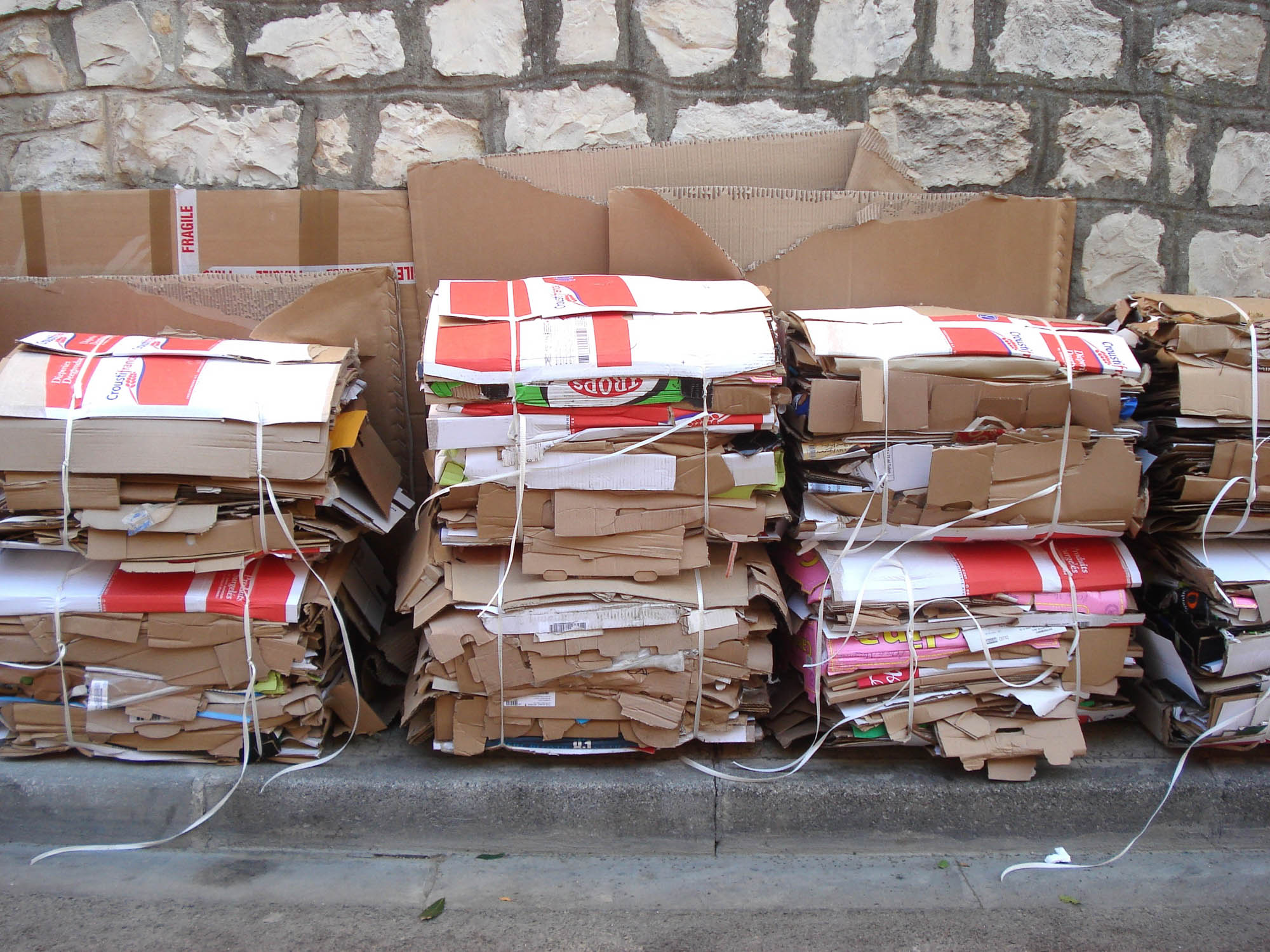
Auf globaler Ebene werden jedes Jahr 80 Millionen Tonnen Trockenbau produziert, von denen eine große Menge in den Deponien liegt . Dies ist trotz der Tatsache, dass Trockenbau / Rigips vollständig recycelbar ist. Die verschiedenen Komponenten, aus denen Trockenbau, Gipspulver, Papier und Verdickungsmittel bestehen, können wiederaufbereitet werden, anstatt als Bauschutt zu verwerfen.
[/fusion_text][/fusion_builder_column_inner][fusion_builder_column_inner type=“1_1″ layout=“2_5″ spacing=““ center_content=“no“ hover_type=“none“ link=““ min_height=““ hide_on_mobile=“small-visibility,medium-visibility,large-visibility“ class=““ id=““ background_color=““ background_image=““ background_position=“left top“ background_repeat=“no-repeat“ border_size=“0″ border_color=““ border_style=“solid“ padding_top=““ padding_right=““ padding_bottom=““ padding_left=““ dimension_margin=““ animation_type=““ animation_direction=“left“ animation_speed=“0.3″ animation_offset=““ last=“no“ border_position=“all“][fusion_text columns=““ column_min_width=““ column_spacing=““ rule_style=“default“ rule_size=““ rule_color=““ class=““ id=““]
Der Recycling-Prozess von Trockenbau ist relativ einfach und umfasst ein paar Schritte. Zuerst wird Bauabfall aus Trockenbau gesammelt und zu einer Verwertungsanlage transportiert. Hier wird manuell sortiert, um sicherzustellen, dass nur reine Gipsplatten übrig bleiben. Nägel, Schrauben und andere Verunreinigungen werden vom Gips getrennt. Ein magnetischer Trennprozess kann ebenfalls involviert sein, um eisenhaltige Metallstücke zu entfernen, die in der Trockenbauwand gefunden werden können. Die dem Papier zugewandte Vorderseite der Gipskartonplatte wird mit Spezialgeräten vom Gips getrennt.
Danach wird der Gips zu Pulver gemahlen und gesiebt. Das resultierende Pulver kann zum leichteren Transport in Pellets umgewandelt und an die Hersteller verkauft werden, die sie dann an den Endmarkt zurückgeben.
[/fusion_text][/fusion_builder_column_inner][/fusion_builder_row_inner][/fusion_builder_column][/fusion_builder_row][/fusion_builder_container][fusion_builder_container hundred_percent=“no“ hundred_percent_height=“no“ hundred_percent_height_scroll=“no“ hundred_percent_height_center_content=“yes“ equal_height_columns=“no“ menu_anchor=““ hide_on_mobile=“small-visibility,medium-visibility,large-visibility“ class=““ id=““ background_color=““ background_image=““ background_position=“center center“ background_repeat=“no-repeat“ fade=“no“ background_parallax=“none“ enable_mobile=“no“ parallax_speed=“0.3″ video_mp4=““ video_webm=““ video_ogv=““ video_url=““ video_aspect_ratio=“16:9″ video_loop=“yes“ video_mute=“yes“ video_preview_image=““ border_size=““ border_color=““ border_style=“solid“ margin_top=““ margin_bottom=““ padding_top=“35px“ padding_right=““ padding_bottom=““ padding_left=““][fusion_builder_row][fusion_builder_column type=“1_1″ layout=“1_1″ spacing=““ center_content=“no“ link=““ target=“_self“ min_height=““ hide_on_mobile=“small-visibility,medium-visibility,large-visibility“ class=““ id=““ background_color=““ background_image=““ background_position=“left top“ background_repeat=“no-repeat“ hover_type=“none“ border_size=“0″ border_color=““ border_style=“solid“ border_position=“all“ padding_top=““ padding_right=““ padding_bottom=““ padding_left=““ margin_top=““ margin_bottom=““ animation_type=““ animation_direction=“left“ animation_speed=“0.3″ animation_offset=““ last=“no“][fusion_text columns=““ column_min_width=““ column_spacing=““ rule_style=“default“ rule_size=““ rule_color=““ class=““ id=““]
Unternehmen, die Trockenbau-Recycling anbieten
Beim Trockenmauerrecycling gibt es zahlreiche Möglichkeiten. Die meisten Recycler sind Gipsplattenhersteller, die Recyclingdienste für Abbruchprojekte und Hausbesitzer anbieten. Sie bieten Abholservice und Müllentsorgung für die Sammlung. Solche Unternehmen gehören[/fusion_text][/fusion_builder_column][fusion_builder_column type=“1_2″ layout=“1_2″ spacing=““ center_content=“no“ link=““ target=“_self“ min_height=““ hide_on_mobile=“small-visibility,medium-visibility,large-visibility“ class=““ id=““ background_color=““ background_image=““ background_position=“left top“ background_repeat=“no-repeat“ hover_type=“none“ border_size=“0″ border_color=““ border_style=“solid“ border_position=“all“ padding_top=““ padding_right=““ padding_bottom=““ padding_left=““ margin_top=““ margin_bottom=““ animation_type=““ animation_direction=“left“ animation_speed=“0.3″ animation_offset=““ last=“no“][fusion_checklist icon=““ iconcolor=“#ff6f6f“ circle=“no“ circlecolor=““ size=““ divider=““ divider_color=““ hide_on_mobile=“small-visibility,medium-visibility,large-visibility“ class=““ id=““][fusion_li_item icon=“fa-angle-right fas“]
USA Gips mit Sitz in Reinhold, Pennsylvania
[/fusion_li_item][fusion_li_item icon=“fa-angle-right fas“]
Gipsrecycling International in Dänemark
[/fusion_li_item][fusion_li_item icon=“fa-angle-right fas“]
Packer Industries in Mableton, Georgia, USA
[/fusion_li_item][fusion_li_item icon=“fa-angle-right fas“]
TRM-Herstellung
[/fusion_li_item][fusion_li_item icon=“fa-angle-right fas“]BioWall,[/fusion_li_item][fusion_li_item icon=“fa-angle-right fas“]
ECO Vertrieb in Kalifornien,
[/fusion_li_item][fusion_li_item icon=“fa-angle-right fas“]
Neue West-Gips-Recycling (NWGR)
[/fusion_li_item][/fusion_checklist][/fusion_builder_column][fusion_builder_column type=“1_2″ layout=“1_2″ spacing=““ center_content=“no“ link=““ target=“_self“ min_height=““ hide_on_mobile=“small-visibility,medium-visibility,large-visibility“ class=““ id=““ background_color=““ background_image=““ background_position=“left top“ background_repeat=“no-repeat“ hover_type=“none“ border_size=“0″ border_color=““ border_style=“solid“ border_position=“all“ padding_top=““ padding_right=““ padding_bottom=““ padding_left=““ margin_top=““ margin_bottom=““ animation_type=““ animation_direction=“left“ animation_speed=“0.3″ animation_offset=““ last=“no“][fusion_checklist icon=““ iconcolor=“#ff6f6f“ circle=“no“ circlecolor=““ size=““ divider=““ divider_color=““ hide_on_mobile=“small-visibility,medium-visibility,large-visibility“ class=““ id=““][fusion_li_item icon=“fa-angle-right fas“]
Bereiten Sie Gips Quebec auf.
[/fusion_li_item][fusion_li_item icon=“fa-angle-right fas“]
SpecPro Umweltdienstleistungen LLC (SES), Oak Ridge, Tennessee, USA
[/fusion_li_item][fusion_li_item icon=“fa-angle-right fas“]
Construction Resource Initiative Council, Ottawa (Ontario, Kanada)
[/fusion_li_item][fusion_li_item icon=“fa-angle-right fas“]
Seattle Trockenbau-Recycling-Dienstleistungen
[/fusion_li_item][fusion_li_item icon=“fa-angle-right fas“]
Gips Agri-Cycle
[/fusion_li_item][/fusion_checklist][/fusion_builder_column][/fusion_builder_row][/fusion_builder_container][fusion_builder_container hundred_percent=“no“ hundred_percent_height=“no“ hundred_percent_height_scroll=“no“ hundred_percent_height_center_content=“yes“ equal_height_columns=“no“ menu_anchor=““ hide_on_mobile=“small-visibility,medium-visibility,large-visibility“ class=““ id=““ background_color=““ background_image=“https://www.earthsquad.global/wp-content/uploads/2018/05/11-5.jpg“ background_position=“center center“ background_repeat=“no-repeat“ fade=“no“ background_parallax=“fixed“ enable_mobile=“no“ parallax_speed=“0.3″ video_mp4=““ video_webm=““ video_ogv=““ video_url=““ video_aspect_ratio=“16:9″ video_loop=“yes“ video_mute=“yes“ video_preview_image=““ border_size=““ border_color=““ border_style=“solid“ margin_top=“15px“ margin_bottom=““ padding_top=“40px“ padding_right=“40px“ padding_bottom=“40px“ padding_left=“40px“][fusion_builder_row][fusion_builder_column type=“1_1″ layout=“1_1″ spacing=““ center_content=“no“ link=““ target=“_self“ min_height=““ hide_on_mobile=“small-visibility,medium-visibility,large-visibility“ class=“borderleftcls “ id=““ background_color=“rgba(255,255,255,0.86)“ background_image=““ background_position=“left top“ undefined=““ background_repeat=“no-repeat“ hover_type=“none“ border_size=“0″ border_color=““ border_style=“solid“ border_position=“all“ padding_top=“25px“ padding_right=“25px“ padding_bottom=“25px“ padding_left=“25px“ margin_top=““ margin_bottom=““ animation_type=““ animation_direction=“left“ animation_speed=“0.3″ animation_offset=““ last=“no“][fusion_builder_row_inner][fusion_builder_column_inner type=“1_1″ layout=“3_5″ spacing=““ center_content=“no“ hover_type=“none“ link=““ min_height=““ hide_on_mobile=“small-visibility,medium-visibility,large-visibility“ class=““ id=““ background_color=““ background_image=““ background_position=“left top“ background_repeat=“no-repeat“ border_size=“0″ border_color=““ border_style=“solid“ padding_top=““ padding_right=““ padding_bottom=““ padding_left=““ dimension_margin=““ animation_type=““ animation_direction=“left“ animation_speed=“0.3″ animation_offset=““ last=“no“ border_position=“all“][fusion_text columns=““ column_min_width=““ column_spacing=““ rule_style=“default“ rule_size=““ rule_color=““ hide_on_mobile=“small-visibility,medium-visibility,large-visibility“ class=““ id=““]
Auswirkungen von Dumping Dry Wall auf die Deponien
[/fusion_text][/fusion_builder_column_inner][fusion_builder_column_inner type=“3_5″ layout=“3_5″ spacing=““ center_content=“no“ hover_type=“none“ link=““ min_height=““ hide_on_mobile=“small-visibility,medium-visibility,large-visibility“ class=““ id=““ background_color=““ background_image=““ background_position=“left top“ undefined=““ background_repeat=“no-repeat“ border_size=“0″ border_color=““ border_style=“solid“ padding_top=““ padding_right=““ padding_bottom=““ padding_left=““ margin_top=““ margin_bottom=“0px“ animation_type=““ animation_direction=“left“ animation_speed=“0.3″ animation_offset=““ last=“no“ border_position=“all“][fusion_text columns=““ column_min_width=““ column_spacing=““ rule_style=“default“ rule_size=““ rule_color=““ hide_on_mobile=“small-visibility,medium-visibility,large-visibility“ class=““ id=““]
Obwohl es in hohem Maße wiederverwertbar ist, ist die Entsorgung von Trockenbau in Deponien immer noch eine gängige Praxis – sie macht etwa 15 Prozent aller Bauschutt aus. Dies erhöht nicht nur die Verbreitung von Deponien, sondern wirkt sich auch negativ auf die Umwelt aus.
Die anaeroben Bedingungen in den Deponien beschleunigen den Zersetzungsprozess der Trockenbauwände, was zur Freisetzung von hochtoxischem Schwefelwasserstoffgas führt.
[/fusion_text][/fusion_builder_column_inner][fusion_builder_column_inner type=“2_5″ layout=“2_5″ spacing=““ center_content=“no“ hover_type=“none“ link=““ min_height=““ hide_on_mobile=“small-visibility,medium-visibility,large-visibility“ class=““ id=““ background_color=““ background_image=““ background_position=“left top“ undefined=““ background_repeat=“no-repeat“ border_size=“0″ border_color=““ border_style=“solid“ padding_top=““ padding_right=““ padding_bottom=““ padding_left=““ margin_top=““ margin_bottom=“0px“ animation_type=““ animation_direction=“left“ animation_speed=“0.3″ animation_offset=““ last=“no“ border_position=“all“][fusion_separator style_type=“none“ hide_on_mobile=“small-visibility,medium-visibility,large-visibility“ class=““ id=““ sep_color=““ top_margin=“6px“ bottom_margin=““ border_size=““ icon=““ icon_circle=““ icon_circle_color=““ width=““ alignment=“center“ /][fusion_imageframe image_id=“2488″ max_width=““ style_type=“glow“ stylecolor=““ hover_type=“zoomin“ bordersize=““ bordercolor=““ borderradius=““ align=“center“ lightbox=“no“ gallery_id=““ lightbox_image=““ alt=““ link=““ linktarget=“_self“ hide_on_mobile=“small-visibility,medium-visibility,large-visibility“ class=““ id=““ animation_type=““ animation_direction=“left“ animation_speed=“0.3″ animation_offset=““]https://www.earthsquad.global/wp-content/uploads/2018/05/19-3.jpg[/fusion_imageframe][/fusion_builder_column_inner][fusion_builder_column_inner type=“1_1″ layout=“2_5″ spacing=““ center_content=“no“ hover_type=“none“ link=““ min_height=““ hide_on_mobile=“small-visibility,medium-visibility,large-visibility“ class=““ id=““ background_color=““ background_image=““ background_position=“left top“ background_repeat=“no-repeat“ border_size=“0″ border_color=““ border_style=“solid“ padding_top=““ padding_right=““ padding_bottom=““ padding_left=““ dimension_margin=““ animation_type=““ animation_direction=“left“ animation_speed=“0.3″ animation_offset=““ last=“no“ border_position=“all“][fusion_text columns=““ column_min_width=““ column_spacing=““ rule_style=“default“ rule_size=““ rule_color=““ hide_on_mobile=“small-visibility,medium-visibility,large-visibility“ class=““ id=““]
Es ist bekannt, dass der Geruch von Schwefelwasserstoff nach faulen Eiern Atemwegsreizungen, Atembeschwerden und Kopfschmerzen verursacht. Dies wird zu einem Problem der öffentlichen Gesundheit, das sich auf Gemeinschaften auswirken kann, die in der Nähe von Deponiegebieten leben.
Darüber hinaus produzieren die anderen Sulfidelemente, die in den meisten Gipskartonplatten enthalten sind, bei der Verbrennung Schwefeldioxid. Schwefeldioxid kann zu saurem Regen führen und in der Folge die Produktion von Feldfrüchten und die Qualität des Bodens beeinflussen. Diese giftigen Chemikalien gelangen auch in das Grundwasser und stören das Gleichgewicht der Mikroorganismen. Wenn sie in Kontakt mit dem Abfluss kommen, können die Auswirkungen für das Leben auf dem Wasser und die Wasserwege schädlich sein. Sie können zu verstopften Leitungen und verstopften Abflüssen führen, die in bestimmten Bereichen zu Überschwemmungen führen können.
[/fusion_text][/fusion_builder_column_inner][/fusion_builder_row_inner][/fusion_builder_column][/fusion_builder_row][/fusion_builder_container][fusion_builder_container hundred_percent=“no“ hundred_percent_height=“no“ hundred_percent_height_scroll=“no“ hundred_percent_height_center_content=“yes“ equal_height_columns=“no“ menu_anchor=““ hide_on_mobile=“small-visibility,medium-visibility,large-visibility“ class=““ id=““ background_color=““ background_image=““ background_position=“center center“ background_repeat=“no-repeat“ fade=“no“ background_parallax=“none“ enable_mobile=“no“ parallax_speed=“0.3″ video_mp4=““ video_webm=““ video_ogv=““ video_url=““ video_aspect_ratio=“16:9″ video_loop=“yes“ video_mute=“yes“ video_preview_image=““ border_size=““ border_color=““ border_style=“solid“ margin_top=““ margin_bottom=““ padding_top=“35px“ padding_right=““ padding_bottom=““ padding_left=““][fusion_builder_row][fusion_builder_column type=“1_1″ layout=“3_5″ spacing=““ center_content=“no“ link=““ target=“_self“ min_height=““ hide_on_mobile=“small-visibility,medium-visibility,large-visibility“ class=““ id=““ background_color=““ background_image=““ background_position=“left top“ background_repeat=“no-repeat“ hover_type=“none“ border_size=“0″ border_color=““ border_style=“solid“ border_position=“all“ padding_top=““ padding_right=““ padding_bottom=““ padding_left=““ margin_top=““ margin_bottom=““ animation_type=““ animation_direction=“left“ animation_speed=“0.3″ animation_offset=““ last=“no“][fusion_text columns=““ column_min_width=““ column_spacing=““ rule_style=“default“ rule_size=““ rule_color=““ hide_on_mobile=“small-visibility,medium-visibility,large-visibility“ class=““ id=““]
Wie können die Auswirkungen von Trockenbauabfällen auf die Umwelt gemildert werden?
Der erste entscheidende Schritt zur Minderung der negativen Auswirkungen von Trockenbauabfällen auf die Umwelt ist das Recycling. Dies wird die Menge an Trockenbauabfällen und -rückständen umleiten, die auf den Deponien landen. Stattdessen werden sie zu Verwertungsanlagen für den Recyclingprozess geleitet. Gips, der Hauptbestandteil der Trockenmauer (ca. 94%), ist hoch recyclingfähig und kann ohne Qualitätsverlust endlos recycelt werden.
Hersteller, Bauunternehmer und Hauseigentümer spielen eine Rolle bei der Sicherstellung, dass der Standard der Trockenbauwände umweltfreundlich ist. Verschiedene Initiativen und Programme, an denen die Verbraucher beteiligt sind, setzen die Industrie unter Druck, giftige Materialien in Bauprojekte zu vermeiden. Dies hat langfristige Auswirkungen auf die Verringerung der Umweltverschmutzung und des Deponiemülls , da die meisten verwendeten Materialien recycelt werden.
[/fusion_text][/fusion_builder_column][/fusion_builder_row][/fusion_builder_container][fusion_builder_container hundred_percent=“no“ hundred_percent_height=“no“ hundred_percent_height_scroll=“no“ hundred_percent_height_center_content=“yes“ equal_height_columns=“no“ menu_anchor=““ hide_on_mobile=“small-visibility,medium-visibility,large-visibility“ class=““ id=““ background_color=““ background_image=““ background_position=“center center“ background_repeat=“no-repeat“ fade=“no“ background_parallax=“none“ enable_mobile=“no“ parallax_speed=“0.3″ video_mp4=““ video_webm=““ video_ogv=““ video_url=““ video_aspect_ratio=“16:9″ video_loop=“yes“ video_mute=“yes“ video_preview_image=““ border_size=““ border_color=““ border_style=“solid“ margin_top=““ margin_bottom=““ padding_top=““ padding_right=““ padding_bottom=““ padding_left=““][fusion_builder_row][fusion_builder_column type=“1_1″ layout=“1_1″ spacing=““ center_content=“no“ link=““ target=“_self“ min_height=““ hide_on_mobile=“small-visibility,medium-visibility,large-visibility“ class=“set_block“ id=““ background_color=““ background_image=““ background_position=“left top“ undefined=““ background_repeat=“no-repeat“ hover_type=“none“ border_size=“0″ border_color=““ border_style=“solid“ border_position=“all“ padding_top=““ padding_right=““ padding_bottom=““ padding_left=““ margin_top=““ margin_bottom=““ animation_type=““ animation_direction=“left“ animation_speed=“0.3″ animation_offset=““ last=“no“][fusion_builder_row_inner][fusion_builder_column_inner type=“1_1″ layout=“3_5″ spacing=““ center_content=“no“ hover_type=“none“ link=““ min_height=““ hide_on_mobile=“small-visibility,medium-visibility,large-visibility“ class=““ id=““ background_color=““ background_image=““ background_position=“left top“ background_repeat=“no-repeat“ border_size=“0″ border_color=““ border_style=“solid“ padding_top=““ padding_right=““ padding_bottom=““ padding_left=““ dimension_margin=““ animation_type=““ animation_direction=“left“ animation_speed=“0.3″ animation_offset=““ last=“no“ border_position=“all“][fusion_text columns=““ column_min_width=““ column_spacing=““ rule_style=“default“ rule_size=““ rule_color=““ hide_on_mobile=“small-visibility,medium-visibility,large-visibility“ class=““ id=““]
Anwendungen für Recycling-Trockenbau
[/fusion_text][/fusion_builder_column_inner][fusion_builder_column_inner type=“3_5″ layout=“3_5″ spacing=““ center_content=“no“ hover_type=“none“ link=““ min_height=““ hide_on_mobile=“small-visibility,medium-visibility,large-visibility“ class=““ id=““ background_color=““ background_image=““ background_position=“left top“ undefined=““ background_repeat=“no-repeat“ border_size=“0″ border_color=““ border_style=“solid“ padding_top=““ padding_right=““ padding_bottom=““ padding_left=““ margin_top=““ margin_bottom=“0px“ animation_type=““ animation_direction=“left“ animation_speed=“0.3″ animation_offset=““ last=“no“ border_position=“all“][fusion_text columns=““ column_min_width=““ column_spacing=““ rule_style=“default“ rule_size=““ rule_color=““ hide_on_mobile=“small-visibility,medium-visibility,large-visibility“ class=““ id=““]
Trockenbauabfälle, die bei der Konstruktion und Herstellung anfallen, enthalten wenig Verunreinigungen und können daher in einer Vielzahl von Anwendungen verwendet werden. Recycling-Gipsplatten enthalten Gips, der zur Bodenverbesserung verwendet werden kann und eine geeignete Gartenergänzung darstellt. Es hilft, das saure Niveau von Böden zu reduzieren und verbessert die Wasserspeicherfähigkeit in sandigen Böden. Andere Anwendungen von recyceltem Trockenbau umfassen Minenrückgewinnung, Komposterneuerung, Pilzzucht, Forstwirtschaft, Golfplatzpflege und in Baumschulen.
[/fusion_text][/fusion_builder_column_inner][fusion_builder_column_inner type=“2_5″ layout=“2_5″ spacing=““ center_content=“no“ hover_type=“none“ link=““ min_height=““ hide_on_mobile=“small-visibility,medium-visibility,large-visibility“ class=““ id=““ background_color=““ background_image=““ background_position=“left top“ undefined=““ background_repeat=“no-repeat“ border_size=“0″ border_color=““ border_style=“solid“ padding_top=““ padding_right=““ padding_bottom=““ padding_left=““ margin_top=““ margin_bottom=“0px“ animation_type=““ animation_direction=“left“ animation_speed=“0.3″ animation_offset=““ last=“no“ border_position=“all“][fusion_imageframe image_id=“2494″ max_width=““ style_type=“glow“ stylecolor=““ hover_type=“zoomin“ bordersize=““ bordercolor=““ borderradius=““ align=“center“ lightbox=“no“ gallery_id=““ lightbox_image=““ alt=““ link=““ linktarget=“_self“ hide_on_mobile=“small-visibility,medium-visibility,large-visibility“ class=““ id=““ animation_type=““ animation_direction=“left“ animation_speed=“0.3″ animation_offset=““]https://www.earthsquad.global/wp-content/uploads/2018/05/14-3.jpg[/fusion_imageframe][/fusion_builder_column_inner][/fusion_builder_row_inner][/fusion_builder_column][/fusion_builder_row][/fusion_builder_container]



Leave A Comment