
[fusion_builder_container hundred_percent=»no» hundred_percent_height=»no» hundred_percent_height_scroll=»no» hundred_percent_height_center_content=»yes» equal_height_columns=»no» menu_anchor=»» hide_on_mobile=»small-visibility,medium-visibility,large-visibility» class=»» id=»» background_color=»» background_image=»» background_position=»center center» background_repeat=»no-repeat» fade=»no» background_parallax=»none» enable_mobile=»no» parallax_speed=»0.3″ video_mp4=»» video_webm=»» video_ogv=»» video_url=»» video_aspect_ratio=»16:9″ video_loop=»yes» video_mute=»yes» video_preview_image=»» border_size=»» border_color=»» border_style=»solid» margin_top=»» margin_bottom=»» padding_top=»» padding_right=»» padding_bottom=»» padding_left=»»][fusion_builder_row][fusion_builder_column type=»1_1″ layout=»1_1″ spacing=»» center_content=»no» link=»» target=»_self» min_height=»» hide_on_mobile=»small-visibility,medium-visibility,large-visibility» class=»» id=»» background_color=»» background_image=»» background_position=»left top» undefined=»» background_repeat=»no-repeat» hover_type=»none» border_size=»0″ border_color=»» border_style=»solid» border_position=»all» padding_top=»» padding_right=»» padding_bottom=»» padding_left=»» margin_top=»» margin_bottom=»10px» animation_type=»» animation_direction=»left» animation_speed=»0.3″ animation_offset=»» last=»no»][fusion_text columns=»» column_min_width=»» column_spacing=»» rule_style=»default» rule_size=»» rule_color=»» class=»» id=»»]
Los restos de comida son parte de una cadena, no la rompa.
[/fusion_text][/fusion_builder_column][fusion_builder_column type=»3_5″ layout=»1_1″ spacing=»» center_content=»no» link=»» target=»_self» min_height=»» hide_on_mobile=»small-visibility,medium-visibility,large-visibility» class=»» id=»» background_color=»» background_image=»» background_position=»left top» background_repeat=»no-repeat» hover_type=»none» border_size=»0″ border_color=»» border_style=»solid» border_position=»all» padding_top=»» padding_right=»» padding_bottom=»» padding_left=»» margin_top=»» margin_bottom=»» animation_type=»» animation_direction=»left» animation_speed=»0.3″ animation_offset=»» last=»no»][fusion_separator style_type=»none» hide_on_mobile=»small-visibility,medium-visibility,large-visibility» class=»» id=»» sep_color=»» top_margin=»10px» bottom_margin=»» border_size=»» icon=»» icon_circle=»» icon_circle_color=»» width=»» alignment=»center» /][fusion_text columns=»» column_min_width=»» column_spacing=»» rule_style=»default» rule_size=»» rule_color=»» class=»» id=»»]
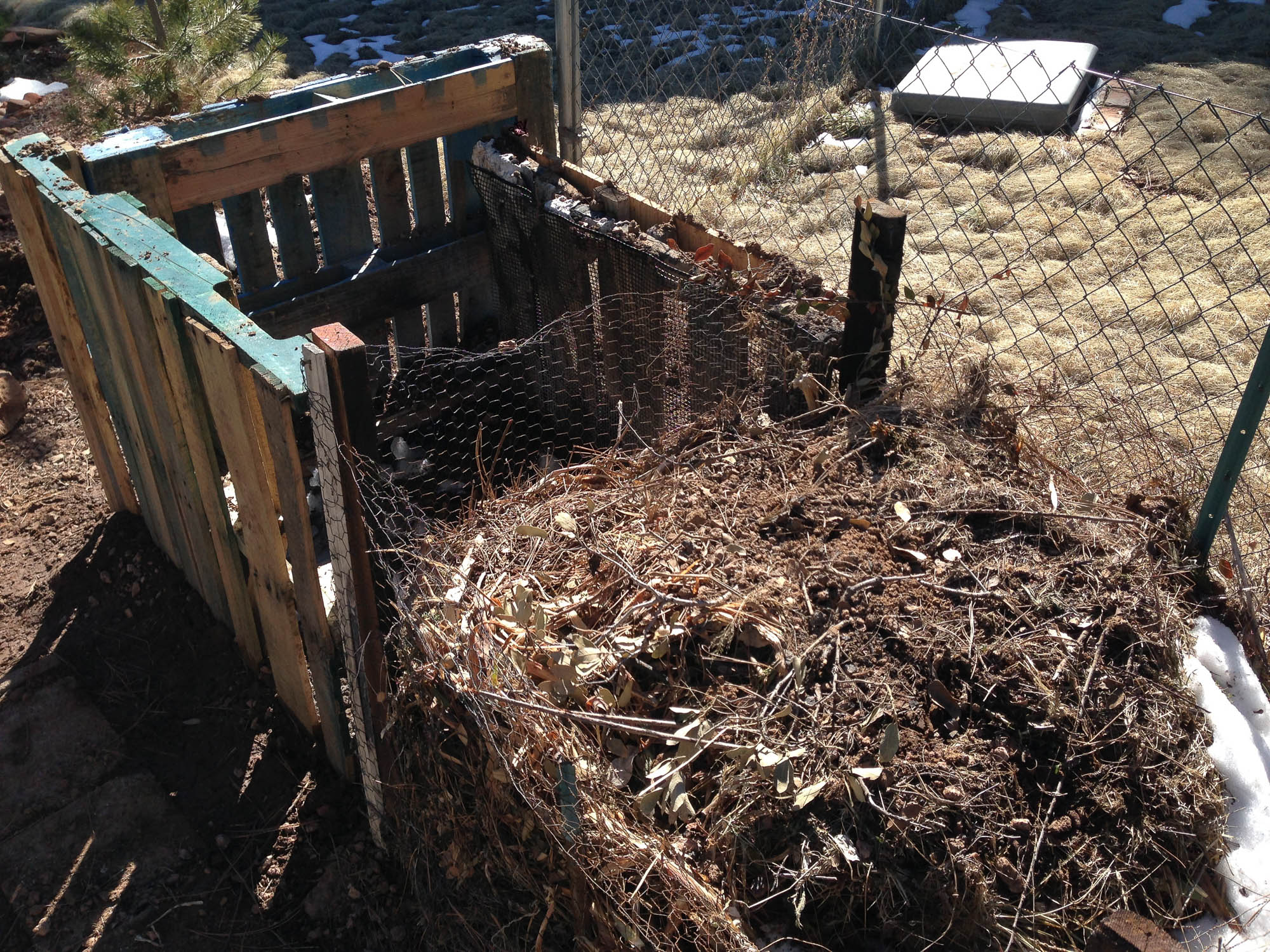
El compost orgánico no es barato. Sus restos de comida y la basura de la cocina podrían ahorrarle una fortuna y darle las mejores verduras de la ciudad.
No lo tire, inicie su propia fábrica orgánica de compost en casa y únase al ciclo de la vida.
[/fusion_text][/fusion_builder_column][fusion_builder_column type=»2_5″ layout=»2_5″ spacing=»» center_content=»no» link=»» target=»_self» min_height=»» hide_on_mobile=»small-visibility,medium-visibility,large-visibility» class=»» id=»» background_color=»» background_image=»» background_position=»left top» background_repeat=»no-repeat» hover_type=»none» border_size=»0″ border_color=»» border_style=»solid» border_position=»all» padding_top=»» padding_right=»» padding_bottom=»» padding_left=»» margin_top=»» margin_bottom=»» animation_type=»» animation_direction=»left» animation_speed=»0.3″ animation_offset=»» last=»no»][fusion_imageframe image_id=»2776″ max_width=»» style_type=»glow» stylecolor=»» hover_type=»zoomin» bordersize=»» bordercolor=»» borderradius=»» align=»center» lightbox=»no» gallery_id=»» lightbox_image=»» alt=»» link=»» linktarget=»_self» hide_on_mobile=»small-visibility,medium-visibility,large-visibility» class=»» id=»» animation_type=»» animation_direction=»left» animation_speed=»0.3″ animation_offset=»»]https://www.earthsquad.global/wp-content/uploads/2018/05/pxhere-wood-wall-material-compost-215024-pxhere-com.jpg[/fusion_imageframe][/fusion_builder_column][/fusion_builder_row][/fusion_builder_container][fusion_builder_container hundred_percent=»no» hundred_percent_height=»no» hundred_percent_height_scroll=»no» hundred_percent_height_center_content=»yes» equal_height_columns=»no» menu_anchor=»» hide_on_mobile=»small-visibility,medium-visibility,large-visibility» class=»» id=»» background_color=»» background_image=»https://www.earthsquad.global/wp-content/uploads/2018/05/envatoelements-bowl-of-household-vegetable-and-fruits-refuse-p6t2bul.jpg» background_position=»center center» background_repeat=»no-repeat» fade=»no» background_parallax=»none» enable_mobile=»no» parallax_speed=»0.3″ video_mp4=»» video_webm=»» video_ogv=»» video_url=»» video_aspect_ratio=»16:9″ video_loop=»yes» video_mute=»yes» video_preview_image=»» border_size=»» border_color=»» border_style=»solid» margin_top=»15px» margin_bottom=»» padding_top=»» padding_right=»» padding_bottom=»» padding_left=»»][fusion_builder_row][fusion_builder_column type=»2_5″ layout=»2_5″ spacing=»» center_content=»no» link=»» target=»_self» min_height=»» hide_on_mobile=»small-visibility,medium-visibility,large-visibility» class=»» id=»» background_color=»» background_image=»» background_position=»left top» undefined=»» background_repeat=»no-repeat» hover_type=»none» border_size=»0″ border_color=»» border_style=»solid» border_position=»all» padding_top=»» padding_right=»» padding_bottom=»» padding_left=»» margin_top=»» margin_bottom=»0px» animation_type=»» animation_direction=»left» animation_speed=»0.3″ animation_offset=»» last=»no»][/fusion_builder_column][fusion_builder_column type=»3_5″ layout=»3_5″ spacing=»» center_content=»no» link=»» target=»_self» min_height=»» hide_on_mobile=»small-visibility,medium-visibility,large-visibility» class=»» id=»» background_color=»rgba(255,255,255,0.87)» background_image=»» background_position=»left top» undefined=»» background_repeat=»no-repeat» hover_type=»none» border_size=»0″ border_color=»» border_style=»solid» border_position=»all» padding_top=»40px» padding_right=»25px» padding_bottom=»25px» padding_left=»25px» margin_top=»» margin_bottom=»0px» animation_type=»» animation_direction=»left» animation_speed=»0.3″ animation_offset=»» last=»no»][fusion_text columns=»» column_min_width=»» column_spacing=»» rule_style=»default» rule_size=»» rule_color=»» class=»» id=»»]
Excedentes y desechos: no los desperdicie ellos.
Si está tirando los restos de comida y sobras de su cocina, está perdiendo una oportunidad vital.
No importa dónde viva o cuán grande o pequeña sea su casa, puede y debe reciclar tanto de su restos de comida como sea posible a través del compostaje.
Hay algunos métodos diferentes de compostaje , pero una vez que haya seleccionado el que mejor se adapte a su estilo de vida y En circunstancias de vida, podrá hacer el fertilizante perfecto para sus flores y vegetales.
Cualquiera lo puede hacer. Todos deberían.
[/fusion_text][/fusion_builder_column][/fusion_builder_row][/fusion_builder_container][fusion_builder_container hundred_percent=»no» hundred_percent_height=»no» hundred_percent_height_scroll=»no» hundred_percent_height_center_content=»yes» equal_height_columns=»no» menu_anchor=»» hide_on_mobile=»small-visibility,medium-visibility,large-visibility» class=»» id=»» background_color=»» background_image=»» background_position=»center center» background_repeat=»no-repeat» fade=»no» background_parallax=»none» enable_mobile=»no» parallax_speed=»0.3″ video_mp4=»» video_webm=»» video_ogv=»» video_url=»» video_aspect_ratio=»16:9″ video_loop=»yes» video_mute=»yes» video_preview_image=»» border_size=»» border_color=»» border_style=»solid» margin_top=»» margin_bottom=»» padding_top=»45px» padding_right=»» padding_bottom=»» padding_left=»»][fusion_builder_row][fusion_builder_column type=»1_1″ layout=»1_1″ spacing=»» center_content=»no» link=»» target=»_self» min_height=»» hide_on_mobile=»small-visibility,medium-visibility,large-visibility» class=»» id=»» background_color=»» background_image=»» background_position=»left top» background_repeat=»no-repeat» hover_type=»none» border_size=»0″ border_color=»» border_style=»solid» border_position=»all» padding_top=»» padding_right=»» padding_bottom=»» padding_left=»» margin_top=»» margin_bottom=»» animation_type=»» animation_direction=»left» animation_speed=»0.3″ animation_offset=»» last=»no»][fusion_text columns=»» column_min_width=»» column_spacing=»» rule_style=»default» rule_size=»» rule_color=»» class=»» id=»»]
Compostaje: la forma de reciclado más antigua del mundo
Las personas han sido reciclando alimentos y cocina waste desde los albores de la civilización.
 Era una parte natural de la vida: lo que la gente no comía se le daba a los cerdos y otros animales de corral. Los desperdicios de jardín como los adornos de las plantas, los recortes de césped y otras cosas biodegradables que los animales no comerían ni podrían comer fueron al desperdicio montón donde se pudrió y se convirtió en parte del medio ambiente de nuevo.
Pero luego vino la urbanización. Las personas que vivían en las ciudades no tenían dónde deshacerse de los restos de comida y los recortes de plantas, aparte de en la basura. Entonces, junto con todas las otras cosas, la materia biodegradable fue marcada como basura.
La idea de que materia compostable l esté de alguna manera sucia, podrida y se trate como un conjunto de basura.
[/fusion_text][/fusion_builder_column][/fusion_builder_row][/fusion_builder_container][fusion_builder_container hundred_percent=»no» hundred_percent_height=»no» hundred_percent_height_scroll=»no» hundred_percent_height_center_content=»yes» equal_height_columns=»no» menu_anchor=»» hide_on_mobile=»small-visibility,medium-visibility,large-visibility» class=»» id=»» background_color=»» background_image=»https://www.earthsquad.global/wp-content/uploads/2018/05/pxhere-dish-meal-food-meat-barbecue-cuisine-775929-pxhere-com.jpg» background_position=»center center» background_repeat=»no-repeat» fade=»no» background_parallax=»none» enable_mobile=»no» parallax_speed=»0.3″ video_mp4=»» video_webm=»» video_ogv=»» video_url=»» video_aspect_ratio=»16:9″ video_loop=»yes» video_mute=»yes» video_preview_image=»» border_size=»» border_color=»» border_style=»solid» margin_top=»» margin_bottom=»» padding_top=»60px» padding_right=»40px» padding_bottom=»40px» padding_left=»40px»][fusion_builder_row][fusion_builder_column type=»1_1″ layout=»1_1″ spacing=»» center_content=»no» link=»» target=»_self» min_height=»» hide_on_mobile=»small-visibility,medium-visibility,large-visibility» class=»» id=»» background_color=»rgba(255,255,255,0.88)» background_image=»» background_position=»left top» undefined=»» background_repeat=»no-repeat» hover_type=»none» border_size=»0″ border_color=»» border_style=»solid» border_position=»all» padding_top=»40px» padding_right=»25px» padding_bottom=»25px» padding_left=»25px» margin_top=»» margin_bottom=»» animation_type=»» animation_direction=»left» animation_speed=»0.3″ animation_offset=»» last=»no»][fusion_text columns=»» column_min_width=»» column_spacing=»» rule_style=»default» rule_size=»» rule_color=»» class=»» id=»»]
Tesoro: no basura
La materia biodegradable es todo menos basura, es un material vital y vital que necesita ser devuelto a la tierra con urgencia.
Toda la materia vegetal y casi todas las formas de alimentos a base de plantas contienen minerales y elementos extraídos de la tierra durante el cultivo. Son valiosos y solo pueden devolverse a la tierra a través del proceso de compostaje .
Entonces, ya sea que tenga un huerto completo o que solo cultive flores en macetas en su balcón o alféizares, puede interesarle el poder de reciclaje restos de cocina y restos de comida.
[/fusion_text][/fusion_builder_column][/fusion_builder_row][/fusion_builder_container][fusion_builder_container hundred_percent=»no» hundred_percent_height=»no» hundred_percent_height_scroll=»no» hundred_percent_height_center_content=»yes» equal_height_columns=»no» menu_anchor=»» hide_on_mobile=»small-visibility,medium-visibility,large-visibility» class=»» id=»» background_color=»» background_image=»» background_position=»center center» background_repeat=»no-repeat» fade=»no» background_parallax=»none» enable_mobile=»no» parallax_speed=»0.3″ video_mp4=»» video_webm=»» video_ogv=»» video_url=»» video_aspect_ratio=»16:9″ video_loop=»yes» video_mute=»yes» video_preview_image=»» border_size=»» border_color=»» border_style=»solid» margin_top=»» margin_bottom=»» padding_top=»45px» padding_right=»» padding_bottom=»» padding_left=»»][fusion_builder_row][fusion_builder_column type=»1_1″ layout=»1_1″ spacing=»» center_content=»no» link=»» target=»_self» min_height=»» hide_on_mobile=»small-visibility,medium-visibility,large-visibility» class=»» id=»» background_color=»» background_image=»» background_position=»left top» undefined=»» background_repeat=»no-repeat» hover_type=»none» border_size=»0″ border_color=»» border_style=»solid» border_position=»all» padding_top=»» padding_right=»» padding_bottom=»» padding_left=»» margin_top=»» margin_bottom=»0px» animation_type=»» animation_direction=»left» animation_speed=»0.3″ animation_offset=»» last=»no»][fusion_text columns=»» column_min_width=»» column_spacing=»» rule_style=»default» rule_size=»» rule_color=»» class=»» id=»»]
Cómo tener tu propio montón de compost
Iniciar su propio programa de compostaje es bastante simple, incluso si vive en un apartamento pequeño.
La primera base es saber que hay 3 tipos principales de compostaje y que debe seleccionar el método más efectivo para su situación y compost requisitos.
Estos son los conceptos básicos de los diferentes métodos: [/fusion_text][fusion_tabs design=»clean» layout=»horizontal» justified=»yes» backgroundcolor=»» inactivecolor=»#f4f4f4″ bordercolor=»#ffffff» icon=»» icon_position=»» icon_size=»» hide_on_mobile=»small-visibility,medium-visibility,large-visibility» class=»» id=»»][fusion_tab title=»Compostaje anaerobico» icon=»»]La palabra «anaeróbico» significa literalmente «sin aire». Se relaciona con los procesos que no dependen del aire o la presencia de oxígeno para funcionar.
El compostaje anaeróbico es llevado a cabo por microbios que descomponen las sobras en su pila o contenedor de compost. El proceso se suele denominar digestión anaeróbica porque los microbios descomponen el material compostable en sus elementos de la misma manera que digerimos los alimentos.
Otras similitudes son que el proceso crea un poco de calor, algo de olor y bastante acidez.
Los patógenos nocivos y la mayoría del otro material se descompondrán y formarán nutrientes.[/fusion_tab][fusion_tab title=»Compostaje aerobico» icon=»»]
Lo opuesto al compostaje anaeróbico, el compostaje aeróbico se basa en el aire y el oxígeno para el proceso de compostaje.
Este proceso crea más calor que el compostaje anaeróbico y si usted estructura bien su montón, el calor puede ser suficiente para matar elementos no deseados como patógenos y semillas de hierba y tomate.
Aquí hay más información sobre los dos métodos.
[/fusion_tab][fusion_tab title=»Compostaje de lombrices – Vermicompost» icon=»»]
Este es el mejor método para proyectos de compostaje en interiores y puedes ver exactamente cómo se hace correctamente aquí .
Un proyecto de compost de gusanos cuidadosamente controlado no creará ningún olor y puede ejecutarse a pequeña escala o llevarse a una granja de gusanos. La opción de drenar el té de lombrices también está ahí, pero esto no es esencial para el éxito del proyecto.
El vermicompostaje es diferente al compostaje aeróbico y anaeróbico porque no depende del proceso de descomposición.
Los gusanos hacen el trabajo de los microbios y el proceso digestivo ocurre en los estómagos de los gusanos una vez que se han comido sus restos. Debido a esto, no esperará que el tomate y
[/fusion_tab][/fusion_tabs][/fusion_builder_column][/fusion_builder_row][/fusion_builder_container][fusion_builder_container hundred_percent=»no» hundred_percent_height=»no» hundred_percent_height_scroll=»no» hundred_percent_height_center_content=»yes» equal_height_columns=»no» menu_anchor=»» hide_on_mobile=»small-visibility,medium-visibility,large-visibility» class=»» id=»» background_color=»» background_image=»https://www.earthsquad.global/wp-content/uploads/2018/05/envatoelements-man-watering-vegetable-garden-in-container-on-px6qbsd.jpg» background_position=»center center» background_repeat=»no-repeat» fade=»no» background_parallax=»none» enable_mobile=»no» parallax_speed=»0.3″ video_mp4=»» video_webm=»» video_ogv=»» video_url=»» video_aspect_ratio=»16:9″ video_loop=»yes» video_mute=»yes» video_preview_image=»» border_size=»» border_color=»» border_style=»solid» margin_top=»» margin_bottom=»» padding_top=»» padding_right=»» padding_bottom=»» padding_left=»»][fusion_builder_row][fusion_builder_column type=»3_5″ layout=»3_5″ spacing=»» center_content=»no» link=»» target=»_self» min_height=»» hide_on_mobile=»small-visibility,medium-visibility,large-visibility» class=»» id=»» background_color=»rgba(255,255,255,0.86)» background_image=»» background_position=»left top» undefined=»» background_repeat=»no-repeat» hover_type=»none» border_size=»0″ border_color=»» border_style=»solid» border_position=»all» padding_top=»40px» padding_right=»25px» padding_bottom=»25px» padding_left=»25px» margin_top=»» margin_bottom=»0px» animation_type=»» animation_direction=»left» animation_speed=»0.3″ animation_offset=»» last=»no»][fusion_text columns=»» column_min_width=»» column_spacing=»» rule_style=»default» rule_size=»» rule_color=»» hide_on_mobile=»small-visibility,medium-visibility,large-visibility» class=»» id=»»]
Getting Going
Para empezar, necesita un lugar para dedicar a su pila de compost o contenedor de compost. No importa cuán pequeño sea ese espacio, podrá hacer compost de forma regular, lo que debería ser suficiente para tus necesidades.
Si vives en un piso, tendrás espacio limitado, pero al mismo tiempo, tendrás espacio limitado para cultivar flores o vegetales. En un jardín grande, debe tener un área más grande para el compost y más espacio para las plantas.
El compostaje en gran jardín es bastante directo, por lo que comience aquí . La encimera compostaje en un apartamento también es fácil, con un poco de planificación. Este es un buen lugar para comenzar .[/fusion_text][/fusion_builder_column][fusion_builder_column type=»2_5″ layout=»2_5″ spacing=»» center_content=»no» link=»» target=»_self» min_height=»» hide_on_mobile=»small-visibility,medium-visibility,large-visibility» class=»» id=»» background_color=»» background_image=»» background_position=»left top» undefined=»» background_repeat=»no-repeat» hover_type=»none» border_size=»0″ border_color=»» border_style=»solid» border_position=»all» padding_top=»» padding_right=»» padding_bottom=»» padding_left=»» margin_top=»» margin_bottom=»0px» animation_type=»» animation_direction=»left» animation_speed=»0.3″ animation_offset=»» last=»no»][/fusion_builder_column][/fusion_builder_row][/fusion_builder_container][fusion_builder_container hundred_percent=»no» hundred_percent_height=»no» hundred_percent_height_scroll=»no» hundred_percent_height_center_content=»yes» equal_height_columns=»no» menu_anchor=»» hide_on_mobile=»small-visibility,medium-visibility,large-visibility» class=»» id=»» background_color=»» background_image=»» background_position=»center center» background_repeat=»no-repeat» fade=»no» background_parallax=»none» enable_mobile=»no» parallax_speed=»0.3″ video_mp4=»» video_webm=»» video_ogv=»» video_url=»» video_aspect_ratio=»16:9″ video_loop=»yes» video_mute=»yes» video_preview_image=»» border_size=»» border_color=»» border_style=»solid» margin_top=»» margin_bottom=»» padding_top=»40px» padding_right=»» padding_bottom=»» padding_left=»»][fusion_builder_row][fusion_builder_column type=»1_1″ layout=»1_1″ spacing=»» center_content=»no» link=»» target=»_self» min_height=»» hide_on_mobile=»small-visibility,medium-visibility,large-visibility» class=»» id=»» background_color=»» background_image=»» background_position=»left top» undefined=»» background_repeat=»no-repeat» hover_type=»none» border_size=»0″ border_color=»» border_style=»solid» border_position=»all» padding_top=»» padding_right=»» padding_bottom=»» padding_left=»» margin_top=»» margin_bottom=»10px» animation_type=»» animation_direction=»left» animation_speed=»0.3″ animation_offset=»» last=»no»][fusion_text columns=»» column_min_width=»» column_spacing=»» rule_style=»default» rule_size=»» rule_color=»» class=»» id=»»]
Qué no incluir
[/fusion_text][/fusion_builder_column][fusion_builder_column type=»3_5″ layout=»3_5″ spacing=»» center_content=»no» link=»» target=»_self» min_height=»» hide_on_mobile=»small-visibility,medium-visibility,large-visibility» class=»» id=»» background_color=»» background_image=»» background_position=»left top» background_repeat=»no-repeat» hover_type=»none» border_size=»0″ border_color=»» border_style=»solid» border_position=»all» padding_top=»» padding_right=»» padding_bottom=»» padding_left=»» margin_top=»» margin_bottom=»» animation_type=»» animation_direction=»left» animation_speed=»0.3″ animation_offset=»» last=»no»][fusion_text columns=»» column_min_width=»» column_spacing=»» rule_style=»default» rule_size=»» rule_color=»» class=»» id=»»]
Todo, excepto la comida más procesada, se pudrirá y se descompondrá, pero no todo agregará elementos beneficiosos a su compost . De hecho, algunas cosas podrían dañar sus plantas, por lo que se debe tener cuidado.
Algunas de las cosas más obvias para mantener fuera de su compost son los excrementos de animales carnívoros, por lo que perro, gato y bebé humano carece definitivamente.
Tampoco es prudente agregar excrementos de pájaros al compost, ya que, como las heces de perros y gatos, puede contener enfermedades que podrían contaminar todo tu montón o cubo.
[/fusion_text][/fusion_builder_column][fusion_builder_column type=»2_5″ layout=»2_5″ spacing=»» center_content=»no» link=»» target=»_self» min_height=»» hide_on_mobile=»small-visibility,medium-visibility,large-visibility» class=»» id=»» background_color=»» background_image=»» background_position=»left top» background_repeat=»no-repeat» hover_type=»none» border_size=»0″ border_color=»» border_style=»solid» border_position=»all» padding_top=»» padding_right=»» padding_bottom=»» padding_left=»» margin_top=»» margin_bottom=»» animation_type=»» animation_direction=»left» animation_speed=»0.3″ animation_offset=»» last=»no»][fusion_imageframe image_id=»2775″ max_width=»» style_type=»glow» stylecolor=»» hover_type=»zoomin» bordersize=»» bordercolor=»» borderradius=»» align=»center» lightbox=»no» gallery_id=»» lightbox_image=»» alt=»» link=»» linktarget=»_self» hide_on_mobile=»small-visibility,medium-visibility,large-visibility» class=»» id=»» animation_type=»» animation_direction=»left» animation_speed=»0.3″ animation_offset=»»]https://www.earthsquad.global/wp-content/uploads/2018/05/pxhere-tree-plant-backyard-soil-garden-yard-240802-pxhere-com.jpg[/fusion_imageframe][/fusion_builder_column][fusion_builder_column type=»2_5″ layout=»2_5″ spacing=»» center_content=»no» link=»» target=»_self» min_height=»» hide_on_mobile=»small-visibility,medium-visibility,large-visibility» class=»» id=»» background_color=»» background_image=»» background_position=»left top» background_repeat=»no-repeat» hover_type=»none» border_size=»0″ border_color=»» border_style=»solid» border_position=»all» padding_top=»» padding_right=»» padding_bottom=»» padding_left=»» margin_top=»» margin_bottom=»» animation_type=»» animation_direction=»left» animation_speed=»0.3″ animation_offset=»» last=»no»][fusion_imageframe image_id=»531″ max_width=»» style_type=»none» stylecolor=»» hover_type=»none» bordersize=»» bordercolor=»» borderradius=»» align=»none» lightbox=»no» gallery_id=»» lightbox_image=»» alt=»» link=»» linktarget=»_self» hide_on_mobile=»small-visibility,medium-visibility,large-visibility» class=»» id=»» animation_type=»» animation_direction=»left» animation_speed=»0.3″ animation_offset=»»]https://www.earthsquad.global/wp-content/uploads/2018/04/148.jpg[/fusion_imageframe][/fusion_builder_column][fusion_builder_column type=»3_5″ layout=»3_5″ spacing=»» center_content=»no» link=»» target=»_self» min_height=»» hide_on_mobile=»small-visibility,medium-visibility,large-visibility» class=»» id=»» background_color=»» background_image=»» background_position=»left top» background_repeat=»no-repeat» hover_type=»none» border_size=»0″ border_color=»» border_style=»solid» border_position=»all» padding_top=»» padding_right=»» padding_bottom=»» padding_left=»» margin_top=»» margin_bottom=»» animation_type=»» animation_direction=»left» animation_speed=»0.3″ animation_offset=»» last=»no»][fusion_text columns=»» column_min_width=»» column_spacing=»» rule_style=»default» rule_size=»» rule_color=»» class=»» id=»»]
Artículos como pañales desechables, bolsas de té o cualquier cosa hecha con fibra sintética nunca se degradarán. Si cree que algo puede ser compostable, como una bolsita de té o un filtro de café, revise el empaque. La mayoría de las empresas responsables tendrán la información que está buscando. Si no lo encuentra, mejor juegue seguro y no lo use en su compost .
Los artículos de plástico, vidrio, aluminio y metal nunca se degradarán, así que siempre déjelos fuera.
[/fusion_text][/fusion_builder_column][/fusion_builder_row][/fusion_builder_container][fusion_builder_container hundred_percent=»no» hundred_percent_height=»no» hundred_percent_height_scroll=»no» hundred_percent_height_center_content=»yes» equal_height_columns=»no» menu_anchor=»» hide_on_mobile=»small-visibility,medium-visibility,large-visibility» class=»» id=»» background_color=»» background_image=»https://www.earthsquad.global/wp-content/uploads/2018/05/pxhere-soil-agriculture-compost-350031-pxhere-com.jpg» background_position=»center center» background_repeat=»no-repeat» fade=»no» background_parallax=»none» enable_mobile=»no» parallax_speed=»0.3″ video_mp4=»» video_webm=»» video_ogv=»» video_url=»» video_aspect_ratio=»16:9″ video_loop=»yes» video_mute=»yes» video_preview_image=»» border_size=»» border_color=»» border_style=»solid» margin_top=»» margin_bottom=»» padding_top=»» padding_right=»» padding_bottom=»» padding_left=»»][fusion_builder_row][fusion_builder_column type=»3_5″ layout=»3_5″ spacing=»» center_content=»no» link=»» target=»_self» min_height=»» hide_on_mobile=»small-visibility,medium-visibility,large-visibility» class=»» id=»» background_color=»rgba(255,255,255,0.88)» background_image=»» background_position=»left top» undefined=»» background_repeat=»no-repeat» hover_type=»none» border_size=»0″ border_color=»» border_style=»solid» border_position=»all» padding_top=»40px» padding_right=»25px» padding_bottom=»25px» padding_left=»25px» margin_top=»» margin_bottom=»0px» animation_type=»» animation_direction=»left» animation_speed=»0.3″ animation_offset=»» last=»no»][fusion_text columns=»» column_min_width=»» column_spacing=»» rule_style=»default» rule_size=»» rule_color=»» class=»» id=»»]
Si tiene la tentación de poner las llamadas bolsas de plástico ecológicas en su compost, no lo haga. Ellos, al igual que sus hermanos no tan amigables con el medio ambiente, no van a ninguna parte; estarás recogiendo las partes de tu compost original .
En la mayoría de los casos, es fácil ver si está bien incluir algo en tu bin o heap, pero a veces no es obvio, así que aquí tienes una lista.
[/fusion_text][/fusion_builder_column][fusion_builder_column type=»2_5″ layout=»2_5″ spacing=»» center_content=»no» link=»» target=»_self» min_height=»» hide_on_mobile=»small-visibility,medium-visibility,large-visibility» class=»» id=»» background_color=»» background_image=»» background_position=»left top» undefined=»» background_repeat=»no-repeat» hover_type=»none» border_size=»0″ border_color=»» border_style=»solid» border_position=»all» padding_top=»» padding_right=»» padding_bottom=»» padding_left=»» margin_top=»» margin_bottom=»0px» animation_type=»» animation_direction=»left» animation_speed=»0.3″ animation_offset=»» last=»no»][/fusion_builder_column][/fusion_builder_row][/fusion_builder_container][fusion_builder_container hundred_percent=»no» hundred_percent_height=»no» hundred_percent_height_scroll=»no» hundred_percent_height_center_content=»yes» equal_height_columns=»no» menu_anchor=»» hide_on_mobile=»small-visibility,medium-visibility,large-visibility» class=»» id=»» background_color=»» background_image=»» background_position=»center center» background_repeat=»no-repeat» fade=»no» background_parallax=»none» enable_mobile=»no» parallax_speed=»0.3″ video_mp4=»» video_webm=»» video_ogv=»» video_url=»» video_aspect_ratio=»16:9″ video_loop=»yes» video_mute=»yes» video_preview_image=»» border_size=»» border_color=»» border_style=»solid» margin_top=»» margin_bottom=»» padding_top=»45px» padding_right=»» padding_bottom=»» padding_left=»»][fusion_builder_row][fusion_builder_column type=»1_1″ layout=»1_1″ spacing=»» center_content=»no» link=»» target=»_self» min_height=»» hide_on_mobile=»small-visibility,medium-visibility,large-visibility» class=»» id=»» background_color=»» background_image=»» background_position=»left top» background_repeat=»no-repeat» hover_type=»none» border_size=»0″ border_color=»» border_style=»solid» border_position=»all» padding_top=»» padding_right=»» padding_bottom=»» padding_left=»» margin_top=»» margin_bottom=»» animation_type=»» animation_direction=»left» animation_speed=»0.3″ animation_offset=»» last=»no»][fusion_text columns=»» column_min_width=»» column_spacing=»» rule_style=»default» rule_size=»» rule_color=»» class=»» id=»»]
10 Compostibles fronterizos
Aquí hay una lista de 10 elementos limítrofes que debe tratar con precaución. Si, al final, todavía no puede decidir, mejor dejar el artículo y enviarlo a reciclaje o vertedero. ¡Más vale prevenir que curar!
[/fusion_text][fusion_accordion type=»» boxed_mode=»» border_size=»1″ border_color=»» background_color=»» hover_color=»» divider_line=»» title_font_size=»20px» icon_size=»» icon_color=»» icon_boxed_mode=»» icon_box_color=»#ff6f6f» icon_alignment=»» toggle_hover_accent_color=»» hide_on_mobile=»small-visibility,medium-visibility,large-visibility» class=»» id=»»][fusion_toggle title=»Papel y cartón» open=»no»]No tome por sentado los artículos de papel y cartón. No son todos iguales y algunos de ellos son totalmente inadecuados para el compostaje.
El cartón suave y fibroso es adecuado. Los artículos como las cajas de huevos y los ingredientes de las toallas de papel y los rollos de papel higiénico están bien. No están hechos para imprimir o verse bien, por lo que no tienen barniz, tinta o productos químicos retardantes de llama.
Los periódicos diarios estándar también suelen estar bien. Si tiene dudas, vaya a lo seguro y déjelo fuera.
Tenga cuidado con el papel brillante, volantes promocionales y cualquier material impreso que no sea su periódico diario. Es probable que estos tipos de papel estén recubiertos con todo tipo de tintas y productos químicos que dañarán su compost, especialmente si está haciendo compostaje en interiores con la ayuda de gusanos o si tiene una granja de gusanos al aire libre.[/fusion_toggle][fusion_toggle title=»Productos lácteos» open=»no»]Si haces compostaje en interiores con gusanos o dependes de gusanos en tu montón afuera, entonces los productos lácteos están definitivamente fuera.
Excluirlos es opcional si los gusanos no son un factor.
La leche, el queso y la mantequilla se descomponen y agregan nutrientes, pero todos sabemos cuán mal huelen estas cosas cuando se apagan. Esto atraerá a los animales que harán un lío de su montón de compost, a menos que esté bien protegido. También podría atraer la atención de sus vecinos y las autoridades locales si se encuentra en una zona urbanizada.[/fusion_toggle][fusion_toggle title=»Productos de carne» open=»no»]Las mismas reglas se aplican a los productos cárnicos como lácteos, a menos que se procese la carne, en cuyo caso está definitivamente descartada.
Si agrega carne al compost, no importa si está cocida o cruda. De cualquier manera, asegúrese de que esté enterrado en lo profundo de su montón para tratar de evadir la atención de los animales y los insectos, especialmente las moscas.[/fusion_toggle][fusion_toggle title=»Productos horneados» open=»no»]
No hay nada de malo en colocar restos de productos horneados en compost, desde el punto de vista del compostaje.
Pero existe un peligro real para las mascotas y los animales si se les puede acceder al pan mohoso y otros alimentos con moho como sobras de pasta y pizza.
El moho contiene Mycotoxins que puede inducir el Síndrome de Shock Tóxico en los animales. Esto a su vez puede resultar en una muerte prolongada y dolorosa.
Por lo tanto, si no hay posibilidad de que las mascotas se hagan con el pan o la pasta con moho, está bien hacerlo.
[/fusion_toggle][fusion_toggle title=»Aserrín y ceniza de fuego» open=»no»]El aserrín y la ceniza de fuego son buenas para el compost, pero hay una precaución para cada una.
El aserrín de madera no tratada es una gran adición a cualquier proyecto de compostaje, absorbe y retiene la humedad, lo cual es ideal para su compost.
La madera creosotada, teñida, pintada o tratada a presión definitivamente debe evitarse. Agregará productos químicos y venenos a su compost que obstaculizará o detendrá el proceso de compostaje.
La ceniza de los incendios de leña es excelente en cantidades limitadas. Contiene lima y potasio y ayudará a neutralizar el suelo ácido. También evitará la actividad de insectos en el montón de compost y en su jardín.
Sin embargo, las cenizas de los fuegos de carbón o las brasas de briquetas no deben agregarse nunca al compost.[/fusion_toggle][fusion_toggle title=»Tomates» open=»no»]La carne de los tomates es ideal para el compostaje; pero las semillas, no tanto. Sobrevivirán al proceso de compostaje anaeróbico y se sembrarán con abandono gay dondequiera que apliques tu preciado compost.
Si opta por el método de compostaje aeróbico, las semillas de tomate y pasto no serán un problema. Un montón de compost aeróbico administrado adecuadamente alcanzará temperaturas de alrededor de 160 ° F. Este calor matará cualquier semilla en su montón.
El vermicompostaje también elimina el problema de la semilla porque los gusanos comen las semillas.[/fusion_toggle][fusion_toggle title=»Malas hierbas» open=»no»]Tenga cuidado de agregar malas hierbas a su compost. Si los arranca o los corta antes de que florezcan y siembren, está bien, son solo materia vegetal.
Si han sembrado, sin embargo, estarás en problemas. Las semillas tienen una buena posibilidad de sobrevivir al proceso de compostaje frío o anaeróbico y, al igual que sus amigos de semilla de tomate, volverán a perseguirte donde sea que uses tu compost.[/fusion_toggle][fusion_toggle title=»Cebollas y ajo» open=»no»]La familia de la cebolla tiene un problema de olores. Están bien agregar, en pequeñas cantidades, si no dependes de los gusanos y si no te importa el olor a cebolla y ajo podridos.
Córtelos tan finamente como puedas para asegurarte de que se ablanden rápidamente.[/fusion_toggle][fusion_toggle title=»Aceite de cocina» open=»no»]No.
Definitivamente no hay petróleo de ningún tipo. Recubre las verduras y otros materiales que tiene en su compost y pone fin al proceso. Se pondrá rancio, pero no se descompondrá.[/fusion_toggle][fusion_toggle title=»Plantas enfermas» open=»no»]Agregar plantas enfermas a su compost está buscando problemas en la primavera cuando usa su compost. Es muy probable que la dolencia sobreviva al proceso de compostaje e infecte sus nuevas plántulas vulnerables.[/fusion_toggle][/fusion_accordion][/fusion_builder_column][fusion_builder_column type=»1_1″ layout=»1_1″ spacing=»» center_content=»no» link=»» target=»_self» min_height=»» hide_on_mobile=»small-visibility,medium-visibility,large-visibility» class=»» id=»» background_color=»» background_image=»» background_position=»left top» background_repeat=»no-repeat» hover_type=»none» border_size=»0″ border_color=»» border_style=»solid» border_position=»all» padding_top=»» padding_right=»» padding_bottom=»» padding_left=»» margin_top=»» margin_bottom=»» animation_type=»» animation_direction=»left» animation_speed=»0.3″ animation_offset=»» last=»no»][fusion_text columns=»» column_min_width=»» column_spacing=»» rule_style=»default» rule_size=»» rule_color=»» class=»» id=»»]
Si no está seguro de que algunos restos de cocina o desperdicio pertenecen a su compost, compruébelo en línea. Si se trata de una decisión dividida, ve con tu instinto. Algunos composteros son puristas, otros son más generalistas, así que al final, depende de usted.
[/fusion_text][/fusion_builder_column][/fusion_builder_row][/fusion_builder_container][fusion_builder_container hundred_percent=»no» hundred_percent_height=»no» hundred_percent_height_scroll=»no» hundred_percent_height_center_content=»yes» equal_height_columns=»no» menu_anchor=»» hide_on_mobile=»small-visibility,medium-visibility,large-visibility» class=»» id=»» background_color=»» background_image=»https://www.earthsquad.global/wp-content/uploads/2018/05/envatoelements-succulents-and-cactus-blooming-flowers-plpcsew.jpg» background_position=»center center» background_repeat=»no-repeat» fade=»no» background_parallax=»none» enable_mobile=»no» parallax_speed=»0.3″ video_mp4=»» video_webm=»» video_ogv=»» video_url=»» video_aspect_ratio=»16:9″ video_loop=»yes» video_mute=»yes» video_preview_image=»» border_size=»» border_color=»» border_style=»solid» margin_top=»» margin_bottom=»» padding_top=»60px» padding_right=»40px» padding_bottom=»40px» padding_left=»40px»][fusion_builder_row][fusion_builder_column type=»1_1″ layout=»1_1″ spacing=»» center_content=»no» link=»» target=»_self» min_height=»» hide_on_mobile=»small-visibility,medium-visibility,large-visibility» class=»» id=»» background_color=»rgba(255,255,255,0.86)» background_image=»» background_position=»left top» undefined=»» background_repeat=»no-repeat» hover_type=»none» border_size=»0″ border_color=»» border_style=»solid» border_position=»all» padding_top=»40px» padding_right=»25px» padding_bottom=»25px» padding_left=»25px» margin_top=»» margin_bottom=»» animation_type=»» animation_direction=»left» animation_speed=»0.3″ animation_offset=»» last=»no»][fusion_text columns=»» column_min_width=»» column_spacing=»» rule_style=»default» rule_size=»» rule_color=»» class=»» id=»»]
Satisfacción en toda la ronda
Tener un proyecto de compostaje viable es algo maravilloso. Es más fácil de lo que parece al principio y los beneficios son enormes.
Tus plantas estarán más sanas, las flores serán más grandes y brillantes y las verduras de cosecha propia probarán mucho mejor.
Pero lo mejor de todo es la satisfacción de estar involucrado en el ciclo interminable de la vida.[/fusion_text][/fusion_builder_column][/fusion_builder_row][/fusion_builder_container][fusion_builder_container hundred_percent=»no» hundred_percent_height=»no» hundred_percent_height_scroll=»no» hundred_percent_height_center_content=»yes» equal_height_columns=»no» menu_anchor=»» hide_on_mobile=»small-visibility,medium-visibility,large-visibility» class=»» id=»» background_color=»» background_image=»» background_position=»center center» background_repeat=»no-repeat» fade=»no» background_parallax=»none» enable_mobile=»no» parallax_speed=»0.3″ video_mp4=»» video_webm=»» video_ogv=»» video_url=»» video_aspect_ratio=»16:9″ video_loop=»yes» video_mute=»yes» video_preview_image=»» border_size=»» border_color=»» border_style=»solid» margin_top=»» margin_bottom=»» padding_top=»45px» padding_right=»» padding_bottom=»» padding_left=»»][fusion_builder_row][fusion_builder_column type=»1_1″ layout=»1_1″ spacing=»» center_content=»no» link=»» target=»_self» min_height=»» hide_on_mobile=»small-visibility,medium-visibility,large-visibility» class=»» id=»» background_color=»» background_image=»» background_position=»left top» background_repeat=»no-repeat» hover_type=»none» border_size=»0″ border_color=»» border_style=»solid» border_position=»all» padding_top=»» padding_right=»» padding_bottom=»» padding_left=»» margin_top=»» margin_bottom=»» animation_type=»» animation_direction=»left» animation_speed=»0.3″ animation_offset=»» last=»no»][fusion_text columns=»» column_min_width=»» column_spacing=»» rule_style=»default» rule_size=»» rule_color=»» hide_on_mobile=»small-visibility,medium-visibility,large-visibility» class=»» id=»»]
[/fusion_text][/fusion_builder_column][/fusion_builder_row][/fusion_builder_container][fusion_global id=»11018″]


Leave A Comment