
[fusion_builder_container hundred_percent=»no» hundred_percent_height=»no» hundred_percent_height_scroll=»no» hundred_percent_height_center_content=»yes» equal_height_columns=»no» menu_anchor=»» hide_on_mobile=»small-visibility,medium-visibility,large-visibility» status=»published» publish_date=»» class=»» id=»» background_color=»» background_image=»» background_position=»center center» background_repeat=»no-repeat» fade=»no» background_parallax=»none» enable_mobile=»no» parallax_speed=»0.3″ video_mp4=»» video_webm=»» video_ogv=»» video_url=»» video_aspect_ratio=»16:9″ video_loop=»yes» video_mute=»yes» video_preview_image=»» border_size=»» border_color=»» border_style=»solid» margin_top=»» margin_bottom=»» padding_top=»» padding_right=»» padding_bottom=»» padding_left=»»][fusion_builder_row][fusion_builder_column type=»3_5″ layout=»3_5″ spacing=»» center_content=»no» link=»» target=»_self» min_height=»» hide_on_mobile=»small-visibility,medium-visibility,large-visibility» class=»» id=»» background_color=»» background_image=»» background_image_id=»» background_position=»left top» background_repeat=»no-repeat» hover_type=»none» border_size=»0″ border_color=»» border_style=»solid» border_position=»all» padding_top=»» padding_right=»» padding_bottom=»» padding_left=»» margin_top=»» margin_bottom=»» animation_type=»» animation_direction=»left» animation_speed=»0.3″ animation_offset=»» last=»no»][fusion_text columns=»» column_min_width=»» column_spacing=»» rule_style=»default» rule_size=»» rule_color=»» hide_on_mobile=»small-visibility,medium-visibility,large-visibility» class=»» id=»»]La tecnología siempre está progresando sin importar qué sector tengas en cuenta. Lo mismo ocurre con la tecnología utilizada para el reciclaje. A la velocidad que crece la producción de desechos en nuestro planeta, deberíamos estar agradecidos de que las mentes jóvenes y frescas están continuamente desarrollando ideas nuevas e innovadoras para atender el problema. Debido a estos avances tecnológicos en el sector del reciclaje, hemos llegado a reducir los vertederos en pequeña medida. Las innovaciones de la nueva generación son tan inteligentes que pueden convertir casi cualquier cosa, desde muertes en carretera hasta colillas de cigarrillos en productos frescos y utilizables.[/fusion_text][/fusion_builder_column][fusion_builder_column type=»2_5″ layout=»2_5″ spacing=»» center_content=»no» link=»» target=»_self» min_height=»» hide_on_mobile=»small-visibility,medium-visibility,large-visibility» class=»» id=»» background_color=»» background_image=»» background_image_id=»» background_position=»left top» background_repeat=»no-repeat» hover_type=»none» border_size=»0″ border_color=»» border_style=»solid» border_position=»all» padding_top=»» padding_right=»» padding_bottom=»» padding_left=»» margin_top=»» margin_bottom=»» animation_type=»» animation_direction=»left» animation_speed=»0.3″ animation_offset=»» last=»no»][fusion_imageframe image_id=»408|full» max_width=»» style_type=»glow» blur=»» stylecolor=»» hover_type=»zoomin» bordersize=»» bordercolor=»» borderradius=»» align=»center» lightbox=»no» gallery_id=»» lightbox_image=»» lightbox_image_id=»» alt=»» link=»» linktarget=»_self» hide_on_mobile=»small-visibility,medium-visibility,large-visibility» class=»» id=»» animation_type=»» animation_direction=»left» animation_speed=»0.3″ animation_offset=»»]http://www.earthsquad.global/wp-content/uploads/2018/04/69.jpg[/fusion_imageframe][/fusion_builder_column][fusion_builder_column type=»1_1″ layout=»1_1″ spacing=»» center_content=»no» link=»» target=»_self» min_height=»» hide_on_mobile=»small-visibility,medium-visibility,large-visibility» class=»» id=»» background_color=»» background_image=»» background_image_id=»» background_position=»left top» background_repeat=»no-repeat» hover_type=»none» border_size=»0″ border_color=»» border_style=»solid» border_position=»all» padding_top=»» padding_right=»» padding_bottom=»» padding_left=»» margin_top=»» margin_bottom=»» animation_type=»» animation_direction=»left» animation_speed=»0.3″ animation_offset=»» last=»no»][fusion_text columns=»» column_min_width=»» column_spacing=»» rule_style=»default» rule_size=»» rule_color=»» hide_on_mobile=»small-visibility,medium-visibility,large-visibility» class=»» id=»»]
Estos son algunos de los esquemas innovadores de reciclaje que están en acción en diferentes partes del mundo hoy en día:
[/fusion_text][/fusion_builder_column][/fusion_builder_row][/fusion_builder_container][fusion_builder_container hundred_percent=»no» hundred_percent_height=»no» hundred_percent_height_scroll=»no» hundred_percent_height_center_content=»yes» equal_height_columns=»no» menu_anchor=»» hide_on_mobile=»small-visibility,medium-visibility,large-visibility» status=»published» publish_date=»» class=»» id=»» background_color=»» background_image=»» background_position=»center center» background_repeat=»no-repeat» fade=»no» background_parallax=»none» enable_mobile=»no» parallax_speed=»0.3″ video_mp4=»» video_webm=»» video_ogv=»» video_url=»» video_aspect_ratio=»16:9″ video_loop=»yes» video_mute=»yes» video_preview_image=»» border_size=»» border_color=»» border_style=»solid» margin_top=»» margin_bottom=»» padding_top=»» padding_right=»» padding_bottom=»» padding_left=»»][fusion_builder_row][fusion_builder_column type=»1_1″ layout=»1_1″ spacing=»» center_content=»no» link=»» target=»_self» min_height=»» hide_on_mobile=»small-visibility,medium-visibility,large-visibility» class=»» id=»» background_color=»» background_image=»» background_image_id=»» background_position=»left top» background_repeat=»no-repeat» hover_type=»none» border_size=»0″ border_color=»» border_style=»solid» border_position=»all» padding_top=»» padding_right=»» padding_bottom=»» padding_left=»» margin_top=»» margin_bottom=»» animation_type=»» animation_direction=»left» animation_speed=»0.3″ animation_offset=»» last=»no»][fusion_title hide_on_mobile=»small-visibility,medium-visibility,large-visibility» class=»» id=»» content_align=»center» size=»3″ font_size=»» line_height=»» letter_spacing=»» margin_top=»» margin_bottom=»» text_color=»» style_type=»default» sep_color=»#bab8b8″]
Convertir los residuos en energía.
[/fusion_title][/fusion_builder_column][/fusion_builder_row][/fusion_builder_container][fusion_builder_container hundred_percent=»no» hundred_percent_height=»no» hundred_percent_height_scroll=»no» hundred_percent_height_center_content=»yes» equal_height_columns=»no» menu_anchor=»» hide_on_mobile=»small-visibility,medium-visibility,large-visibility» status=»published» publish_date=»» class=»» id=»» background_color=»» background_image=»http://www.earthsquad.global/wp-content/uploads/2018/05/freelancer-landfill-schematics_smaller.jpg» background_position=»center center» background_repeat=»no-repeat» fade=»no» background_parallax=»fixed» enable_mobile=»no» parallax_speed=»0.3″ video_mp4=»» video_webm=»» video_ogv=»» video_url=»» video_aspect_ratio=»16:9″ video_loop=»yes» video_mute=»yes» video_preview_image=»» border_size=»» border_color=»» border_style=»solid» margin_top=»» margin_bottom=»» padding_top=»60px» padding_right=»40px» padding_bottom=»40px» padding_left=»40px»][fusion_builder_row][fusion_builder_column type=»1_1″ layout=»1_1″ spacing=»» center_content=»no» link=»» target=»_self» min_height=»» hide_on_mobile=»small-visibility,medium-visibility,large-visibility» class=»» id=»» background_image_id=»» background_color=»rgba(255,255,255,0.9)» background_image=»» background_position=»left top» undefined=»» background_repeat=»no-repeat» hover_type=»none» border_size=»0″ border_color=»» border_style=»solid» border_position=»all» padding_top=»25px» padding_right=»25px» padding_bottom=»25px» padding_left=»25px» margin_top=»» margin_bottom=»» animation_type=»» animation_direction=»left» animation_speed=»0.3″ animation_offset=»» last=»no»][fusion_text columns=»» column_min_width=»» column_spacing=»» rule_style=»default» rule_size=»» rule_color=»» hide_on_mobile=»small-visibility,medium-visibility,large-visibility» class=»» id=»»]Probablemente la tecnología de reciclaje más efectiva en juego hoy en día es la que convierte los desechos sólidos en energía. La tecnología de este tipo funciona para muchos tipos diferentes de residuos, desde restos de alimentos y residuos agrícolas hasta residuos animales y más. Existen empresas de reciclaje como Enerkem, Canadá y Ze-Gen, Boston, que están convirtiendo con éxito los residuos en combustible que luego se utiliza para la generación de energía.
Enerkem utiliza su tecnología de patente que involucra una serie de procesos químicos para convertir el carbono en desechos no reciclables en un producto llamado gas de síntesis que luego se convierte en biocombustible para ser usado para varios propósitos. Ze-Gen utiliza una tecnología similar para convertir los residuos en combustible para producir energía.[/fusion_text][/fusion_builder_column][/fusion_builder_row][/fusion_builder_container][fusion_builder_container hundred_percent=»no» hundred_percent_height=»no» hundred_percent_height_scroll=»no» hundred_percent_height_center_content=»yes» equal_height_columns=»no» menu_anchor=»» hide_on_mobile=»small-visibility,medium-visibility,large-visibility» status=»published» publish_date=»» class=»» id=»» background_color=»» background_image=»» background_position=»center center» background_repeat=»no-repeat» fade=»no» background_parallax=»none» enable_mobile=»no» parallax_speed=»0.3″ video_mp4=»» video_webm=»» video_ogv=»» video_url=»» video_aspect_ratio=»16:9″ video_loop=»yes» video_mute=»yes» video_preview_image=»» border_size=»» border_color=»» border_style=»solid» margin_top=»40px» margin_bottom=»» padding_top=»» padding_right=»» padding_bottom=»» padding_left=»»][fusion_builder_row][fusion_builder_column type=»1_1″ layout=»1_1″ spacing=»» center_content=»no» link=»» target=»_self» min_height=»» hide_on_mobile=»small-visibility,medium-visibility,large-visibility» class=»» id=»» background_color=»» background_image=»» background_image_id=»» background_position=»left top» background_repeat=»no-repeat» hover_type=»none» border_size=»0″ border_color=»» border_style=»solid» border_position=»all» padding_top=»» padding_right=»» padding_bottom=»» padding_left=»» margin_top=»» margin_bottom=»» animation_type=»» animation_direction=»left» animation_speed=»0.3″ animation_offset=»» last=»no»][fusion_tabs design=»classic» layout=»horizontal» justified=»yes» backgroundcolor=»» inactivecolor=»rgba(234,234,234,0.78)» bordercolor=»» icon=»» icon_position=»» icon_size=»» hide_on_mobile=»small-visibility,medium-visibility,large-visibility» class=»» id=»»][fusion_tab title=»Membranas de nanotubos de carbono» icon=»»]
Las membranas de nanotubos de carbono de los CNT son nanomateriales valiosos y de alta tecnología hechos de bolsas plásticas de desecho. La idea fue presentada por un grupo de investigadores de la Universidad de Adelaide que descubrió que estos nuevos materiales son los más fuertes que existen hoy en día. Para ser más precisos, los CNT son varios cientos de veces más fuertes que el acero y, sorprendentemente, también 6 veces más livianos.
El material ya se está utilizando en baterías, electrónica de alta tecnología, sensores, turbinas eólicas y equipos deportivos, y se prevé que también tendrá un futuro brillante en avances médicos.
[/fusion_tab][fusion_tab title=»Uso de bacterias para procesar plástico.» icon=»»]
Una idea que se originó en el University College Dublin llevó a la creación de una compañía llamada Bioplastech. La idea básica de la empresa es utilizar algunas bacterias especializadas para convertir los desechos no degradables en una forma que no represente una amenaza para el medio ambiente. Se emplea una amplia variedad de especies bacterianas para convertir lo que presumimos como plástico no degradable en polihidroxialcanoato o PHA, que es un poliéster biodegradable.
[/fusion_tab][/fusion_tabs][/fusion_builder_column][/fusion_builder_row][/fusion_builder_container][fusion_builder_container hundred_percent=»no» hundred_percent_height=»no» hundred_percent_height_scroll=»no» hundred_percent_height_center_content=»yes» equal_height_columns=»no» menu_anchor=»» hide_on_mobile=»small-visibility,medium-visibility,large-visibility» status=»published» publish_date=»» class=»» id=»» background_color=»» background_image=»http://www.earthsquad.global/wp-content/uploads/2018/04/recycling-15.jpg» background_position=»center center» background_repeat=»no-repeat» fade=»no» background_parallax=»fixed» enable_mobile=»no» parallax_speed=»0.3″ video_mp4=»» video_webm=»» video_ogv=»» video_url=»» video_aspect_ratio=»16:9″ video_loop=»yes» video_mute=»yes» video_preview_image=»» border_size=»» border_color=»» border_style=»solid» margin_top=»» margin_bottom=»» padding_top=»» padding_right=»» padding_bottom=»» padding_left=»»][fusion_builder_row][fusion_builder_column type=»2_5″ layout=»2_5″ spacing=»» center_content=»no» link=»» target=»_self» min_height=»» hide_on_mobile=»small-visibility,medium-visibility,large-visibility» class=»» id=»» background_color=»» background_image=»» background_image_id=»» background_position=»left top» background_repeat=»no-repeat» hover_type=»none» border_size=»0″ border_color=»» border_style=»solid» border_position=»all» padding_top=»» padding_right=»» padding_bottom=»» padding_left=»» margin_top=»» margin_bottom=»» animation_type=»» animation_direction=»left» animation_speed=»0.3″ animation_offset=»» last=»no»][/fusion_builder_column][fusion_builder_column type=»3_5″ layout=»3_5″ spacing=»» center_content=»no» link=»» target=»_self» min_height=»» hide_on_mobile=»small-visibility,medium-visibility,large-visibility» class=»» id=»» background_image_id=»» background_color=»rgba(255,255,255,0.89)» background_image=»» background_position=»left top» undefined=»» background_repeat=»no-repeat» hover_type=»none» border_size=»0″ border_color=»» border_style=»solid» border_position=»all» padding_top=»40px» padding_right=»25px» padding_bottom=»40px» padding_left=»25px» margin_top=»» margin_bottom=»0px» animation_type=»» animation_direction=»left» animation_speed=»0.3″ animation_offset=»» last=»no»][fusion_title hide_on_mobile=»small-visibility,medium-visibility,large-visibility» class=»» id=»» content_align=»left» size=»3″ font_size=»» line_height=»» letter_spacing=»» margin_top=»» margin_bottom=»» text_color=»» style_type=»default» sep_color=»#bab8b8″]
Gestión de residuos RFID
[/fusion_title][fusion_text columns=»» column_min_width=»» column_spacing=»» rule_style=»default» rule_size=»» rule_color=»» hide_on_mobile=»small-visibility,medium-visibility,large-visibility» class=»» id=»»]La gestión de residuos RFID es el uso de contenedores de basura inteligentes que se instalan con chips RFID y un conjunto de sensores para detectar y recopilar diversos datos relacionados con los residuos. Estos contenedores de basura pueden tener capacidades variables dependiendo de los tipos de sensores instalados. Estas capacidades, en contexto a la recopilación de información, van desde los tipos de materiales que se arrojan hasta el peso de los desechos que se arrojan.
El propósito del chip RFID aquí es recopilar y almacenar esta información vital y transmitirla a las autoridades pertinentes. Esta información sobre los desechos puede notificar a las autoridades si los ciudadanos de una comunidad están clasificando y reciclando sus desechos y en qué medida lo están haciendo. Los individuos pueden ser penalizados si no están reciclando sus residuos.
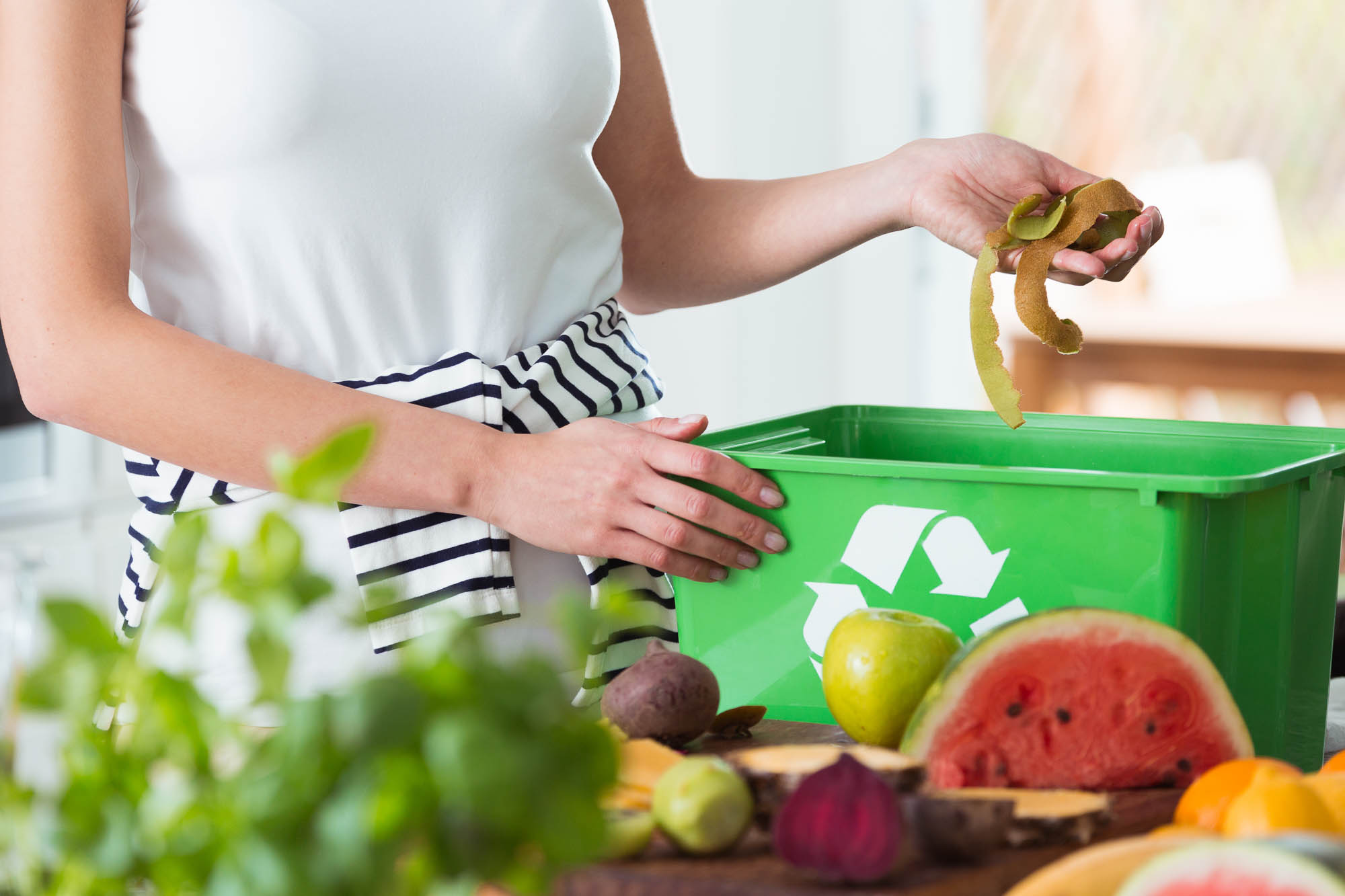
Estos contenedores de residuos de RFID ya se han instalado en muchas ciudades de los EE. UU., Como Los Ángeles, Cleveland y Houston. Corea del Sur planea utilizar estos contenedores inteligentes para recopilar información sobre los comestibles arrojados al contenedor de basura para penalizar a los individuos por hacerlo.[/fusion_text][/fusion_builder_column][/fusion_builder_row][/fusion_builder_container][fusion_builder_container hundred_percent=»no» hundred_percent_height=»no» hundred_percent_height_scroll=»no» hundred_percent_height_center_content=»yes» equal_height_columns=»no» menu_anchor=»» hide_on_mobile=»small-visibility,medium-visibility,large-visibility» status=»published» publish_date=»» class=»» id=»» background_color=»» background_image=»» background_position=»center center» background_repeat=»no-repeat» fade=»no» background_parallax=»none» enable_mobile=»no» parallax_speed=»0.3″ video_mp4=»» video_webm=»» video_ogv=»» video_url=»» video_aspect_ratio=»16:9″ video_loop=»yes» video_mute=»yes» video_preview_image=»» border_size=»» border_color=»» border_style=»solid» margin_top=»40px» margin_bottom=»» padding_top=»» padding_right=»» padding_bottom=»» padding_left=»»][fusion_builder_row][fusion_builder_column type=»1_1″ layout=»1_1″ spacing=»» center_content=»no» link=»» target=»_self» min_height=»» hide_on_mobile=»small-visibility,medium-visibility,large-visibility» class=»» id=»» background_color=»» background_image=»» background_image_id=»» background_position=»left top» background_repeat=»no-repeat» hover_type=»none» border_size=»0″ border_color=»» border_style=»solid» border_position=»all» padding_top=»» padding_right=»» padding_bottom=»» padding_left=»» margin_top=»» margin_bottom=»» animation_type=»» animation_direction=»left» animation_speed=»0.3″ animation_offset=»» last=»no»][fusion_accordion type=»» boxed_mode=»» border_size=»1″ border_color=»» background_color=»» hover_color=»» divider_line=»» title_font_size=»22px» icon_size=»» icon_color=»» icon_boxed_mode=»» icon_box_color=»rgba(249,32,68,0.93)» icon_alignment=»» toggle_hover_accent_color=»#00bcd4″ hide_on_mobile=»small-visibility,medium-visibility,large-visibility» class=»principlestab» id=»»][fusion_toggle title=»Tecnologías de compostaje» open=»no»]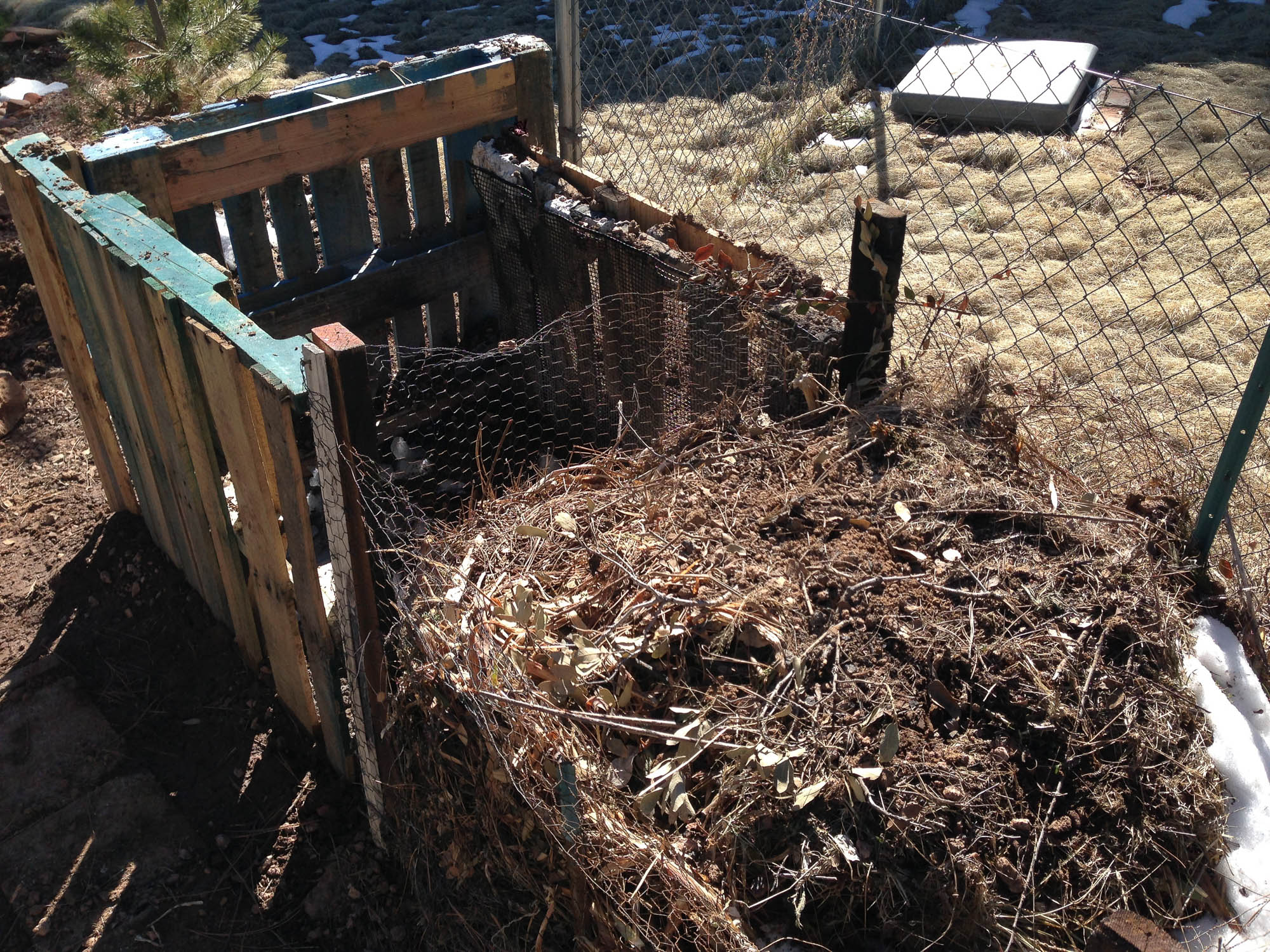 El compostaje no es un nuevo esquema de gestión de residuos. Se está practicando en muchas naciones alrededor del mundo durante años debido a los diversos beneficios que tiene para ofrecer. En realidad, es un proceso natural por el cual los materiales orgánicos son descompuestos por las bacterias a través del uso de oxígeno. Las tecnologías de compostaje implican la creación del ambiente perfecto con la cantidad adecuada de aire y agua para que los microorganismos hagan su trabajo correctamente. Los microorganismos convierten los desechos orgánicos en una forma más simple llamada compost que no solo es más fácil de desechar, sino que también se puede convertir en productos valiosos como los fertilizantes químicos. Las tecnologías de compostaje están mejorando continuamente para hacer que el proceso sea más rápido y más efectivo.[/fusion_toggle][fusion_toggle title=»Compostaje de hileras» open=»no»]
Una de las tecnologías de compostaje más populares que se utilizan actualmente en todo el mundo es el compostaje Windrow. Es el más rentable de los esquemas de compostaje y también es la opción más adecuada para el reciclaje de grandes cantidades de desechos orgánicos generados por comunidades y empresas alimentarias. Implica la colocación de los residuos en largas filas que son torneadas mecánicamente por una máquina enorme llamada tornero de compost. El propósito de este giro es mantener las condiciones óptimas en toda la pila de desechos para que los microorganismos puedan convertirlos en compost de manera eficiente.
[/fusion_toggle][/fusion_accordion][/fusion_builder_column][/fusion_builder_row][/fusion_builder_container][fusion_builder_container hundred_percent=»no» hundred_percent_height=»no» hundred_percent_height_scroll=»no» hundred_percent_height_center_content=»yes» equal_height_columns=»no» menu_anchor=»» hide_on_mobile=»small-visibility,medium-visibility,large-visibility» status=»published» publish_date=»» class=»» id=»» background_color=»» background_image=»http://www.earthsquad.global/wp-content/uploads/2018/04/recycling-329.jpg» background_position=»center center» background_repeat=»no-repeat» fade=»no» background_parallax=»fixed» enable_mobile=»no» parallax_speed=»0.3″ video_mp4=»» video_webm=»» video_ogv=»» video_url=»» video_aspect_ratio=»16:9″ video_loop=»yes» video_mute=»yes» video_preview_image=»» border_size=»» border_color=»» border_style=»solid» margin_top=»40px» margin_bottom=»» padding_top=»60px» padding_right=»40px» padding_bottom=»40px» padding_left=»40px»][fusion_builder_row][fusion_builder_column type=»1_1″ layout=»1_1″ spacing=»» center_content=»no» link=»» target=»_self» min_height=»» hide_on_mobile=»small-visibility,medium-visibility,large-visibility» class=»» id=»» background_image_id=»» background_color=»rgba(255,255,255,0.89)» background_image=»» background_position=»left top» undefined=»» background_repeat=»no-repeat» hover_type=»none» border_size=»0″ border_color=»» border_style=»solid» border_position=»all» padding_top=»25px» padding_right=»25px» padding_bottom=»25px» padding_left=»25px» margin_top=»» margin_bottom=»» animation_type=»» animation_direction=»left» animation_speed=»0.3″ animation_offset=»» last=»no»][fusion_title hide_on_mobile=»small-visibility,medium-visibility,large-visibility» class=»» id=»» content_align=»center» size=»3″ font_size=»» line_height=»» letter_spacing=»» margin_top=»» margin_bottom=»» text_color=»» style_type=»default» sep_color=»#bab8b8″]
Residuos industriales para el almacenamiento de energía.
[/fusion_title][fusion_text columns=»» column_min_width=»» column_spacing=»» rule_style=»default» rule_size=»» rule_color=»» hide_on_mobile=»small-visibility,medium-visibility,large-visibility» class=»» id=»»]
Una de las innovaciones más recientes en tecnologías de reciclaje provino de la Universidad de Buffalo, EE. UU., En agosto de 2018. Un grupo de investigadores descubrió que el ingrediente dominante en las aguas residuales industriales, el azul de metileno, puede tener aplicación en el sector de almacenamiento de energía. Encontraron que esta sustancia química, cuando se disuelve en el agua, puede retener energía y liberarla cuando sea necesario. El químico puede ser un excelente ingrediente para las baterías de flujo redox, pero un desafío mayor es extraer este ingrediente específico de las aguas residuales de una manera rentable. Los científicos ya están en eso, solo el tiempo dirá qué soluciones innovadoras encuentran para resolver este problema.
[/fusion_text][/fusion_builder_column][/fusion_builder_row][/fusion_builder_container][fusion_builder_container hundred_percent=»no» hundred_percent_height=»no» hundred_percent_height_scroll=»no» hundred_percent_height_center_content=»yes» equal_height_columns=»no» menu_anchor=»» hide_on_mobile=»small-visibility,medium-visibility,large-visibility» status=»published» publish_date=»» class=»» id=»» background_color=»» background_image=»» background_position=»center center» background_repeat=»no-repeat» fade=»no» background_parallax=»none» enable_mobile=»no» parallax_speed=»0.3″ video_mp4=»» video_webm=»» video_ogv=»» video_url=»» video_aspect_ratio=»16:9″ video_loop=»yes» video_mute=»yes» video_preview_image=»» border_size=»» border_color=»» border_style=»solid» margin_top=»40px» margin_bottom=»» padding_top=»» padding_right=»» padding_bottom=»» padding_left=»»][fusion_builder_row][fusion_builder_column type=»1_1″ layout=»1_1″ spacing=»» center_content=»no» link=»» target=»_self» min_height=»» hide_on_mobile=»small-visibility,medium-visibility,large-visibility» class=»» id=»» background_color=»» background_image=»» background_image_id=»» background_position=»left top» background_repeat=»no-repeat» hover_type=»none» border_size=»0″ border_color=»» border_style=»solid» border_position=»all» padding_top=»» padding_right=»» padding_bottom=»» padding_left=»» margin_top=»» margin_bottom=»» animation_type=»» animation_direction=»left» animation_speed=»0.3″ animation_offset=»» last=»no»][fusion_title hide_on_mobile=»small-visibility,medium-visibility,large-visibility» class=»» id=»» content_align=»left» size=»3″ font_size=»» line_height=»» letter_spacing=»» margin_top=»» margin_bottom=»» text_color=»» style_type=»default» sep_color=»#bab8b8″]
Conclusión
[/fusion_title][/fusion_builder_column][/fusion_builder_row][/fusion_builder_container][fusion_builder_container hundred_percent=»no» hundred_percent_height=»no» hundred_percent_height_scroll=»no» hundred_percent_height_center_content=»yes» equal_height_columns=»no» menu_anchor=»» hide_on_mobile=»small-visibility,medium-visibility,large-visibility» status=»published» publish_date=»» class=»» id=»» background_color=»» background_image=»» background_position=»center center» background_repeat=»no-repeat» fade=»no» background_parallax=»none» enable_mobile=»no» parallax_speed=»0.3″ video_mp4=»» video_webm=»» video_ogv=»» video_url=»» video_aspect_ratio=»16:9″ video_loop=»yes» video_mute=»yes» video_preview_image=»» border_size=»» border_color=»» border_style=»solid» margin_top=»» margin_bottom=»» padding_top=»» padding_right=»» padding_bottom=»» padding_left=»»][fusion_builder_row][fusion_builder_column type=»3_5″ layout=»3_5″ spacing=»» center_content=»no» link=»» target=»_self» min_height=»» hide_on_mobile=»small-visibility,medium-visibility,large-visibility» class=»» id=»» background_color=»» background_image=»» background_image_id=»» background_position=»left top» background_repeat=»no-repeat» hover_type=»none» border_size=»0″ border_color=»» border_style=»solid» border_position=»all» padding_top=»» padding_right=»» padding_bottom=»» padding_left=»» margin_top=»» margin_bottom=»» animation_type=»» animation_direction=»left» animation_speed=»0.3″ animation_offset=»» last=»no»][fusion_text columns=»» column_min_width=»» column_spacing=»» rule_style=»default» rule_size=»» rule_color=»» hide_on_mobile=»small-visibility,medium-visibility,large-visibility» class=»» id=»»]
Estas son solo algunas de las innovaciones más exitosas en el sector del reciclaje en la actualidad. Estas tecnologías existentes, junto con las que esperamos en el futuro, mejorarán el reciclaje y ahorrarán recursos naturales para un mundo más verde para nosotros y para las generaciones futuras.
Sin embargo, debemos recordar que nuestra participación es tan importante como los avances en las tecnologías de reciclaje. Debemos asegurarnos de que los residuos que producimos se clasifican correctamente y se abren camino en la ruta de reciclaje correcta para convertirse en alimento para una de estas tecnologías.
[/fusion_text][/fusion_builder_column][fusion_builder_column type=»2_5″ layout=»2_5″ spacing=»» center_content=»no» link=»» target=»_self» min_height=»» hide_on_mobile=»small-visibility,medium-visibility,large-visibility» class=»» id=»» background_color=»» background_image=»» background_image_id=»» background_position=»left top» background_repeat=»no-repeat» hover_type=»none» border_size=»0″ border_color=»» border_style=»solid» border_position=»all» padding_top=»» padding_right=»» padding_bottom=»» padding_left=»» margin_top=»» margin_bottom=»» animation_type=»» animation_direction=»left» animation_speed=»0.3″ animation_offset=»» last=»no»][fusion_imageframe image_id=»2331|full» max_width=»» style_type=»glow» blur=»» stylecolor=»» hover_type=»zoomin» bordersize=»» bordercolor=»» borderradius=»» align=»center» lightbox=»no» gallery_id=»» lightbox_image=»» lightbox_image_id=»» alt=»» link=»» linktarget=»_self» hide_on_mobile=»small-visibility,medium-visibility,large-visibility» class=»» id=»» animation_type=»» animation_direction=»left» animation_speed=»0.3″ animation_offset=»»]http://www.earthsquad.global/wp-content/uploads/2018/05/envatoelements-kid-throwing-out-plastic-bottle-ptzwe6q.jpg[/fusion_imageframe][/fusion_builder_column][/fusion_builder_row][/fusion_builder_container]




Leave A Comment