
[fusion_builder_container hundred_percent=»no» hundred_percent_height=»no» hundred_percent_height_scroll=»no» hundred_percent_height_center_content=»yes» equal_height_columns=»no» menu_anchor=»» hide_on_mobile=»small-visibility,medium-visibility,large-visibility» class=»» id=»» background_color=»» background_image=»» background_position=»center center» background_repeat=»no-repeat» fade=»no» background_parallax=»none» enable_mobile=»no» parallax_speed=»0.3″ video_mp4=»» video_webm=»» video_ogv=»» video_url=»» video_aspect_ratio=»16:9″ video_loop=»yes» video_mute=»yes» video_preview_image=»» border_size=»» border_color=»» border_style=»solid» margin_top=»» margin_bottom=»» padding_top=»» padding_right=»» padding_bottom=»» padding_left=»»][fusion_builder_row][fusion_builder_column type=»1_3″ layout=»1_3″ spacing=»1%» center_content=»no» link=»» target=»_self» min_height=»» hide_on_mobile=»small-visibility,medium-visibility,large-visibility» class=»» id=»» background_color=»» background_image=»» background_position=»left top» undefined=»» background_repeat=»no-repeat» hover_type=»none» border_size=»0″ border_color=»» border_style=»solid» border_position=»all» padding_top=»» padding_right=»» padding_bottom=»» padding_left=»» margin_top=»» margin_bottom=»» animation_type=»» animation_direction=»left» animation_speed=»0.3″ animation_offset=»» last=»no»][fusion_counters_circle animation_offset=»» hide_on_mobile=»small-visibility,medium-visibility,large-visibility» class=»» id=»»][fusion_counter_circle value=»95″ filledcolor=»#ff717e» unfilledcolor=»#eaeaea» size=»160″ scales=»no» countdown=»yes» speed=»1500″]95%[/fusion_counter_circle][/fusion_counters_circle][/fusion_builder_column][fusion_builder_column type=»2_3″ layout=»3_5″ spacing=»» center_content=»no» link=»» target=»_self» min_height=»» hide_on_mobile=»small-visibility,medium-visibility,large-visibility» class=»» id=»» background_color=»» background_image=»» background_position=»left top» background_repeat=»no-repeat» hover_type=»none» border_size=»0″ border_color=»» border_style=»solid» border_position=»all» padding_top=»» padding_right=»» padding_bottom=»» padding_left=»» margin_top=»» margin_bottom=»» animation_type=»» animation_direction=»left» animation_speed=»0.3″ animation_offset=»» last=»no»][fusion_text columns=»» column_min_width=»» column_spacing=»» rule_style=»default» rule_size=»» rule_color=»» class=»» id=»»]
El poliestireno es una resina sintética. Se usa como espumas rígidas livianas y es resistente, plástico duro . Debido a su versatilidad, se utiliza para producir una variedad de productos de consumo, tales como envases de alimentos, electrodomésticos, productos electrónicos, juguetes, autopartes y equipos. El poliestireno también se usa como espuma porque tiene propiedades aislantes y amortiguadoras. La espuma de poliestireno se puede fabricar de manera que tenga más de 95% de aire , y esta forma se usa ampliamente para aislar el hogar y el electrodoméstico.
[/fusion_text][/fusion_builder_column][/fusion_builder_row][/fusion_builder_container][fusion_builder_container hundred_percent=»no» hundred_percent_height=»no» hundred_percent_height_scroll=»no» hundred_percent_height_center_content=»yes» equal_height_columns=»no» menu_anchor=»» hide_on_mobile=»small-visibility,medium-visibility,large-visibility» class=»» id=»» background_color=»» background_image=»https://www.earthsquad.global/wp-content/uploads/2018/07/14-58.jpg» background_position=»center center» background_repeat=»no-repeat» fade=»no» background_parallax=»none» enable_mobile=»no» parallax_speed=»0.3″ video_mp4=»» video_webm=»» video_ogv=»» video_url=»» video_aspect_ratio=»16:9″ video_loop=»yes» video_mute=»yes» video_preview_image=»» border_size=»» border_color=»» border_style=»solid» margin_top=»» margin_bottom=»» padding_top=»» padding_right=»» padding_bottom=»» padding_left=»»][fusion_builder_row][fusion_builder_column type=»3_5″ layout=»3_5″ spacing=»» center_content=»no» link=»» target=»_self» min_height=»» hide_on_mobile=»small-visibility,medium-visibility,large-visibility» class=»» id=»» background_color=»rgba(255,255,255,0.88)» background_image=»» background_position=»left top» undefined=»» background_repeat=»no-repeat» hover_type=»none» border_size=»0″ border_color=»» border_style=»solid» border_position=»all» padding_top=»35px» padding_right=»25px» padding_bottom=»25px» padding_left=»35px» margin_top=»» margin_bottom=»0px» animation_type=»» animation_direction=»left» animation_speed=»0.3″ animation_offset=»» last=»no»][fusion_text columns=»» column_min_width=»» column_spacing=»» rule_style=»default» rule_size=»» rule_color=»» class=»» id=»»]La espuma de poliestireno se usa a menudo como material de embalaje, como el poliestireno expandido, que se utiliza como relleno. 1 El poliestireno se usa a menudo en estas industrias porque es económico, de fácil acceso, de color blanco, y también responde bien a la manipulación, como pegar, cortar y pintar. 2
Dow Chemical Company inventó un proceso patentado para fabricar su espuma de poliestireno expandido con la marca registrada «poliestireno expandido» en 1941. El poliestireno es un material termoplástico que se vuelve completamente líquido a un punto de fusión de 210-249 grados Celsius. Esta forma líquida hace que sea fácil verter bajo presión. Sin embargo, la espuma de poliestireno también es un termoestablematerial plásticos , lo que significa que solo se puede calentar. Calentar el material causa un cambio químico que no se puede revertir. El primer calentamiento conduce al hecho de que los materiales del poliestireno expandido se expanden a su capacidad máxima, y luego no pueden procesarse en formas futuras y utilizarse. 3 [/fusion_text][/fusion_builder_column][fusion_builder_column type=»2_5″ layout=»2_5″ spacing=»» center_content=»no» link=»» target=»_self» min_height=»» hide_on_mobile=»small-visibility,medium-visibility,large-visibility» class=»» id=»» background_color=»» background_image=»» background_position=»left top» undefined=»» background_repeat=»no-repeat» hover_type=»none» border_size=»0″ border_color=»» border_style=»solid» border_position=»all» padding_top=»» padding_right=»» padding_bottom=»» padding_left=»» margin_top=»» margin_bottom=»0px» animation_type=»» animation_direction=»left» animation_speed=»0.3″ animation_offset=»» last=»no»][/fusion_builder_column][/fusion_builder_row][/fusion_builder_container][fusion_builder_container hundred_percent=»no» hundred_percent_height=»no» hundred_percent_height_scroll=»no» hundred_percent_height_center_content=»yes» equal_height_columns=»no» menu_anchor=»» hide_on_mobile=»small-visibility,medium-visibility,large-visibility» class=»» id=»» background_color=»» background_image=»» background_position=»center center» background_repeat=»no-repeat» fade=»no» background_parallax=»none» enable_mobile=»no» parallax_speed=»0.3″ video_mp4=»» video_webm=»» video_ogv=»» video_url=»» video_aspect_ratio=»16:9″ video_loop=»yes» video_mute=»yes» video_preview_image=»» border_size=»» border_color=»» border_style=»solid» margin_top=»» margin_bottom=»» padding_top=»45px» padding_right=»» padding_bottom=»» padding_left=»»][fusion_builder_row][fusion_builder_column type=»2_3″ layout=»2_3″ spacing=»» center_content=»no» link=»» target=»_self» min_height=»» hide_on_mobile=»small-visibility,medium-visibility,large-visibility» class=»» id=»» background_color=»» background_image=»» background_position=»left top» background_repeat=»no-repeat» hover_type=»none» border_size=»0″ border_color=»» border_style=»solid» border_position=»all» padding_top=»» padding_right=»» padding_bottom=»» padding_left=»» margin_top=»» margin_bottom=»» animation_type=»» animation_direction=»left» animation_speed=»0.3″ animation_offset=»» last=»no»][fusion_text columns=»» column_min_width=»» column_spacing=»» rule_style=»default» rule_size=»» rule_color=»» class=»» id=»»]
Los ecologistas están preocupados por los residuos de poliestireno, que entran en el medio ambiente, especialmente la contaminación del agua y el medio ambiente marino. Según Douglas McCowley de la Universidad de California en Santa Bárbara, el poliestireno puede entrar en los intestinos de los animales marinos, causando bloqueos. También actúa como una esponja contaminante, recolecta y concentra contaminantes en el océano. De los animales marinos, en realidad se encuentran de nuevo en nuestras mesas a través de nuestra cadena de suministro de alimentos.4 Esto hace que el poliestireno se descarte para la salud humana.
[/fusion_text][/fusion_builder_column][fusion_builder_column type=»1_3″ layout=»1_3″ spacing=»» center_content=»no» link=»» target=»_self» min_height=»» hide_on_mobile=»small-visibility,medium-visibility,large-visibility» class=»» id=»» background_color=»» background_image=»» background_position=»left top» background_repeat=»no-repeat» hover_type=»none» border_size=»0″ border_color=»» border_style=»solid» border_position=»all» padding_top=»» padding_right=»» padding_bottom=»» padding_left=»» margin_top=»» margin_bottom=»» animation_type=»» animation_direction=»left» animation_speed=»0.3″ animation_offset=»» last=»no»][fusion_imageframe image_id=»9032″ max_width=»» style_type=»none» stylecolor=»» hover_type=»none» bordersize=»» bordercolor=»» borderradius=»» align=»center» lightbox=»no» gallery_id=»» lightbox_image=»» alt=»» link=»» linktarget=»_self» hide_on_mobile=»small-visibility,medium-visibility,large-visibility» class=»» id=»» animation_type=»» animation_direction=»left» animation_speed=»0.3″ animation_offset=»»]https://www.earthsquad.global/wp-content/uploads/2018/07/poly.png[/fusion_imageframe][/fusion_builder_column][/fusion_builder_row][/fusion_builder_container][fusion_builder_container hundred_percent=»no» hundred_percent_height=»no» hundred_percent_height_scroll=»no» hundred_percent_height_center_content=»yes» equal_height_columns=»no» menu_anchor=»» hide_on_mobile=»small-visibility,medium-visibility,large-visibility» class=»» id=»» background_color=»» background_image=»https://www.earthsquad.global/wp-content/uploads/2018/07/22-17.jpg» background_position=»center center» background_repeat=»no-repeat» fade=»no» background_parallax=»none» enable_mobile=»no» parallax_speed=»0.3″ video_mp4=»» video_webm=»» video_ogv=»» video_url=»» video_aspect_ratio=»16:9″ video_loop=»yes» video_mute=»yes» video_preview_image=»» border_size=»» border_color=»» border_style=»solid» margin_top=»» margin_bottom=»» padding_top=»60px» padding_right=»40px» padding_bottom=»40px» padding_left=»40px»][fusion_builder_row][fusion_builder_column type=»1_1″ layout=»1_1″ spacing=»» center_content=»no» link=»» target=»_self» min_height=»» hide_on_mobile=»small-visibility,medium-visibility,large-visibility» class=»» id=»» background_color=»rgba(255,255,255,0.88)» background_image=»» background_position=»left top» undefined=»» background_repeat=»no-repeat» hover_type=»none» border_size=»0″ border_color=»» border_style=»solid» border_position=»all» padding_top=»25px» padding_right=»25px» padding_bottom=»25px» padding_left=»25px» margin_top=»» margin_bottom=»» animation_type=»» animation_direction=»left» animation_speed=»0.3″ animation_offset=»» last=»no»][fusion_text columns=»» column_min_width=»» column_spacing=»» rule_style=»default» rule_size=»» rule_color=»» class=»» id=»»]
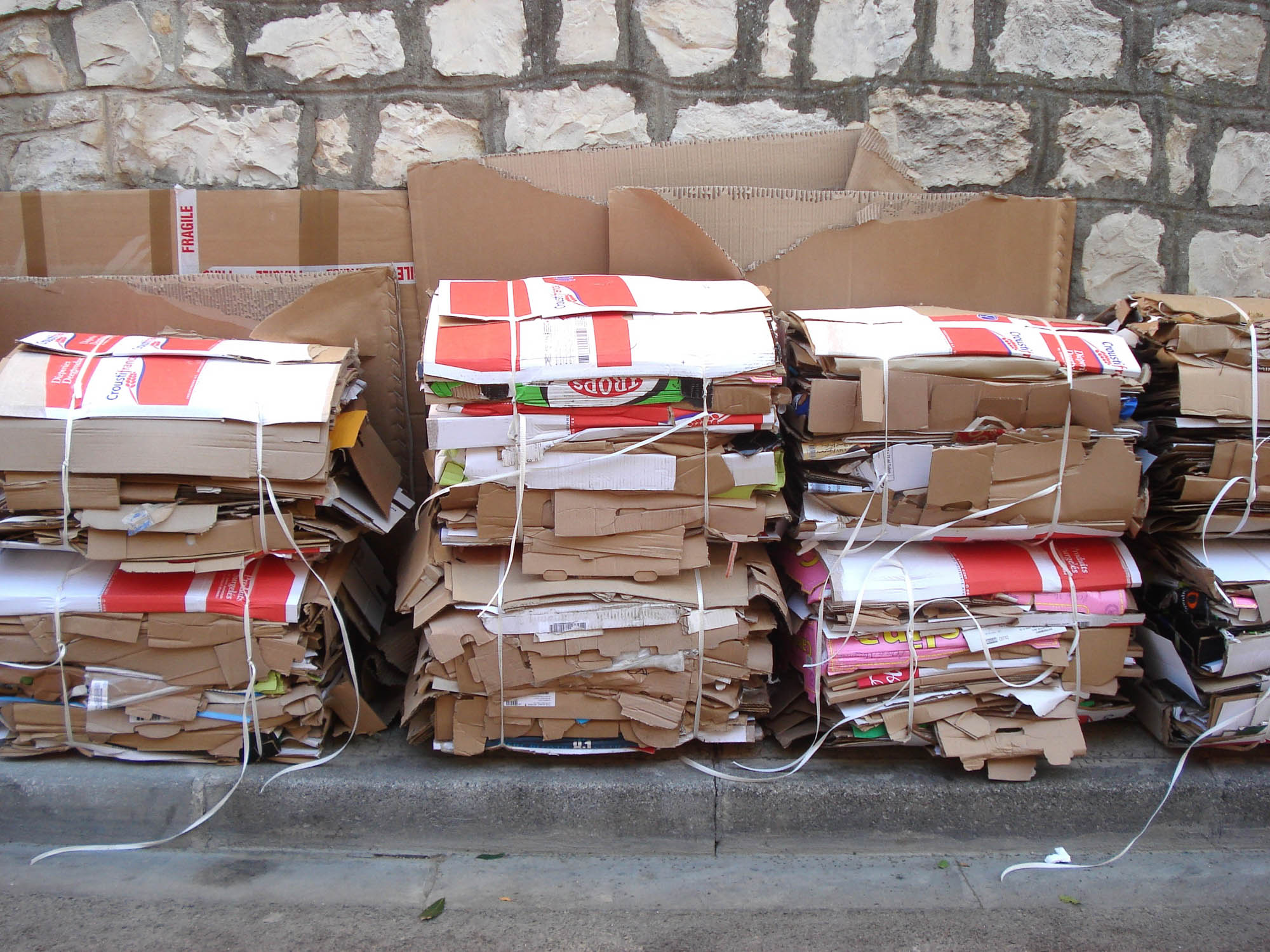
En general, el poliestireno no se acepta en los programas de reciclaje y termina en el vertedero. El poliestireno tarda en biodegradarse. 5 El bioestreno descartado se biodegrada durante cientos de años y es resistente a la fotooxidación. 6 El poliestireno es inflamable y puede encenderse fácilmente, causando incendios en los vertederos que emitir productos químicos tóxicos a la atmósfera.
 Debido a sus características químicas, el poliestireno es esencialmente un producto de uso único y no es reciclable. Algunas ciudades se han despertado ante el impacto ambiental de los productos de desecho de poliestireno de un solo uso en sus vertederos. Nueva York ha prohibido recientemente la posesión, venta u oferta de espuma de poliestireno expansible (EPS) de un solo uso. «Estos productos causan daños ambientales reales y no tienen cabida en la ciudad de Nueva York», dijo el alcalde de Nueva York, Bill de Blasio. El motivo de la prohibición se debe a la dificultad para reciclar EPS, que no se ha realizado a gran escala. 7 La ciudad de Nueva York sigue a Berkeley, California, condado de Suffolk, Portland, San Francisco, Oakland, San José, China, India, Taiwán y Zimbabwe, entre otros. 8
[/fusion_text][/fusion_builder_column][/fusion_builder_row][/fusion_builder_container][fusion_builder_container hundred_percent=»no» hundred_percent_height=»no» hundred_percent_height_scroll=»no» hundred_percent_height_center_content=»yes» equal_height_columns=»no» menu_anchor=»» hide_on_mobile=»small-visibility,medium-visibility,large-visibility» class=»» id=»» background_color=»» background_image=»» background_position=»center center» background_repeat=»no-repeat» fade=»no» background_parallax=»none» enable_mobile=»no» parallax_speed=»0.3″ video_mp4=»» video_webm=»» video_ogv=»» video_url=»» video_aspect_ratio=»16:9″ video_loop=»yes» video_mute=»yes» video_preview_image=»» border_size=»» border_color=»» border_style=»solid» margin_top=»» margin_bottom=»» padding_top=»45px» padding_right=»» padding_bottom=»» padding_left=»»][fusion_builder_row][fusion_builder_column type=»3_5″ layout=»3_5″ spacing=»» center_content=»no» link=»» target=»_self» min_height=»» hide_on_mobile=»small-visibility,medium-visibility,large-visibility» class=»» id=»» background_color=»» background_image=»» background_position=»left top» background_repeat=»no-repeat» hover_type=»none» border_size=»0″ border_color=»» border_style=»solid» border_position=»all» padding_top=»» padding_right=»» padding_bottom=»» padding_left=»» margin_top=»» margin_bottom=»» animation_type=»» animation_direction=»left» animation_speed=»0.3″ animation_offset=»» last=»no»][fusion_text columns=»» column_min_width=»» column_spacing=»» rule_style=»default» rule_size=»» rule_color=»» class=»» id=»»]
Sin embargo, se están desarrollando nuevos métodos para usar residuos de poliestireno como material para la generación de energía. Uno de estos métodos es el reciclado térmico, que quema los residuos de poliestireno en los incineradores municipales. El método ha sido probado y se ha encontrado que deja atrás el dióxido de carbono y los vapores de agua. La eliminación del poliestireno de esta manera podría ser beneficiosa, ya que puede utilizarse como combustible para programas de energía.9 Muchos municipios, especialmente en Europa, están haciendo estas inversiones en infraestructura.
[/fusion_text][/fusion_builder_column][fusion_builder_column type=»2_5″ layout=»2_5″ spacing=»» center_content=»no» link=»» target=»_self» min_height=»» hide_on_mobile=»small-visibility,medium-visibility,large-visibility» class=»» id=»» background_color=»» background_image=»» background_position=»left top» background_repeat=»no-repeat» hover_type=»none» border_size=»0″ border_color=»» border_style=»solid» border_position=»all» padding_top=»» padding_right=»» padding_bottom=»» padding_left=»» margin_top=»» margin_bottom=»» animation_type=»» animation_direction=»left» animation_speed=»0.3″ animation_offset=»» last=»no»][fusion_imageframe image_id=»8711″ max_width=»» style_type=»glow» stylecolor=»» hover_type=»zoomin» bordersize=»» bordercolor=»» borderradius=»» align=»center» lightbox=»no» gallery_id=»» lightbox_image=»» alt=»» link=»» linktarget=»_self» hide_on_mobile=»small-visibility,medium-visibility,large-visibility» class=»» id=»» animation_type=»» animation_direction=»left» animation_speed=»0.3″ animation_offset=»»]https://www.earthsquad.global/wp-content/uploads/2018/07/19-50.jpg[/fusion_imageframe][/fusion_builder_column][fusion_builder_column type=»1_1″ layout=»1_1″ spacing=»» center_content=»no» link=»» target=»_self» min_height=»» hide_on_mobile=»small-visibility,medium-visibility,large-visibility» class=»» id=»» background_color=»» background_image=»» background_position=»left top» background_repeat=»no-repeat» hover_type=»none» border_size=»0″ border_color=»» border_style=»solid» border_position=»all» padding_top=»» padding_right=»» padding_bottom=»» padding_left=»» margin_top=»» margin_bottom=»» animation_type=»» animation_direction=»left» animation_speed=»0.3″ animation_offset=»» last=»no»][fusion_text columns=»» column_min_width=»» column_spacing=»» rule_style=»default» rule_size=»» rule_color=»» class=»» id=»»]
Algunas empresas que necesitan empaques de un solo uso también están haciendo cambios. McDonalds y Dunkin Donuts ya están utilizando alternativas, al cambiar a polipropileno en lugar de poliestireno. Sin embargo, muchas de estas alternativas son más caras.10
[/fusion_text][/fusion_builder_column][fusion_builder_column type=»2_5″ layout=»2_5″ spacing=»» center_content=»no» link=»» target=»_self» min_height=»» hide_on_mobile=»small-visibility,medium-visibility,large-visibility» class=»» id=»» background_color=»» background_image=»» background_position=»left top» background_repeat=»no-repeat» hover_type=»none» border_size=»0″ border_color=»» border_style=»solid» border_position=»all» padding_top=»» padding_right=»» padding_bottom=»» padding_left=»» margin_top=»» margin_bottom=»» animation_type=»» animation_direction=»left» animation_speed=»0.3″ animation_offset=»» last=»no»][fusion_imageframe image_id=»8736″ max_width=»» style_type=»glow» stylecolor=»» hover_type=»zoomin» bordersize=»» bordercolor=»» borderradius=»» align=»center» lightbox=»no» gallery_id=»» lightbox_image=»» alt=»» link=»» linktarget=»_self» hide_on_mobile=»small-visibility,medium-visibility,large-visibility» class=»» id=»» animation_type=»» animation_direction=»left» animation_speed=»0.3″ animation_offset=»»]https://www.earthsquad.global/wp-content/uploads/2018/07/23-17.jpg[/fusion_imageframe][/fusion_builder_column][fusion_builder_column type=»3_5″ layout=»3_5″ spacing=»» center_content=»no» link=»» target=»_self» min_height=»» hide_on_mobile=»small-visibility,medium-visibility,large-visibility» class=»» id=»» background_color=»» background_image=»» background_position=»left top» background_repeat=»no-repeat» hover_type=»none» border_size=»0″ border_color=»» border_style=»solid» border_position=»all» padding_top=»» padding_right=»» padding_bottom=»» padding_left=»» margin_top=»» margin_bottom=»» animation_type=»» animation_direction=»left» animation_speed=»0.3″ animation_offset=»» last=»no»][fusion_text columns=»» column_min_width=»» column_spacing=»» rule_style=»default» rule_size=»» rule_color=»» class=»» id=»»]Las alternativas naturales para la espuma de poliestireno todavía están en etapas de desarrollo e investigación. Los ecologistas han propuesto todo, desde champiñones hasta envases que se pueden plantar, cacahuetes comestibles, fibra de bambú, turba plástico , así como plantas y fibras de madera utilizadas para hacer placas de papel regulares. 11 Sin embargo, estas alternativas son todavía significativamente más caras que las de espuma de poliestireno.[/fusion_text][/fusion_builder_column][/fusion_builder_row][/fusion_builder_container][fusion_builder_container hundred_percent=»no» hundred_percent_height=»no» hundred_percent_height_scroll=»no» hundred_percent_height_center_content=»yes» equal_height_columns=»no» menu_anchor=»» hide_on_mobile=»small-visibility,medium-visibility,large-visibility» class=»» id=»» background_color=»» background_image=»https://www.earthsquad.global/wp-content/uploads/2018/07/28-17.jpg» background_position=»center center» background_repeat=»no-repeat» fade=»no» background_parallax=»none» enable_mobile=»no» parallax_speed=»0.3″ video_mp4=»» video_webm=»» video_ogv=»» video_url=»» video_aspect_ratio=»16:9″ video_loop=»yes» video_mute=»yes» video_preview_image=»» border_size=»» border_color=»» border_style=»solid» margin_top=»30px» margin_bottom=»» padding_top=»60px» padding_right=»40px» padding_bottom=»40px» padding_left=»40px»][fusion_builder_row][fusion_builder_column type=»1_1″ layout=»1_1″ spacing=»» center_content=»no» link=»» target=»_self» min_height=»» hide_on_mobile=»small-visibility,medium-visibility,large-visibility» class=»» id=»» background_color=»rgba(255,255,255,0.86)» background_image=»» background_position=»left top» undefined=»» background_repeat=»no-repeat» hover_type=»none» border_size=»0″ border_color=»» border_style=»solid» border_position=»all» padding_top=»25px» padding_right=»25px» padding_bottom=»25px» padding_left=»25px» margin_top=»» margin_bottom=»» animation_type=»» animation_direction=»left» animation_speed=»0.3″ animation_offset=»» last=»no»][fusion_imageframe image_id=»9049″ max_width=»120px» style_type=»none» stylecolor=»» hover_type=»none» bordersize=»» bordercolor=»» borderradius=»» align=»center» lightbox=»no» gallery_id=»» lightbox_image=»» alt=»» link=»» linktarget=»_self» hide_on_mobile=»small-visibility,medium-visibility,large-visibility» class=»» id=»» animation_type=»» animation_direction=»left» animation_speed=»0.3″ animation_offset=»»]https://www.earthsquad.global/wp-content/uploads/2018/07/poly1.png[/fusion_imageframe][fusion_separator style_type=»none» hide_on_mobile=»small-visibility,medium-visibility,large-visibility» class=»» id=»» sep_color=»» top_margin=»10px» bottom_margin=»» border_size=»» icon=»» icon_circle=»» icon_circle_color=»» width=»» alignment=»center» /][fusion_text columns=»» column_min_width=»» column_spacing=»» rule_style=»default» rule_size=»» rule_color=»» class=»» id=»»]
Debido a la conciencia del consumidor, las empresas de envasado también están desarrollando alternativas, como bandejas de carne compostables a base de maíz, cacahuetes de embalaje a base de almidón hechos de maíz, sorgo u otros cultivos, fibra plegada y envases de pulpa moldeada, así como espuma de caña de azúcar biodegradable. 12
Depende de los dueños de negocios, los consumidores y los gobiernos locales exigir alternativas a los productos de poliestireno. Las alternativas naturales y orgánicas pueden ser más costosas al principio, pero más sostenibles para el planeta a largo plazo.
[/fusion_text][/fusion_builder_column][/fusion_builder_row][/fusion_builder_container][fusion_builder_container hundred_percent=»no» hundred_percent_height=»no» hundred_percent_height_scroll=»no» hundred_percent_height_center_content=»yes» equal_height_columns=»no» menu_anchor=»» hide_on_mobile=»small-visibility,medium-visibility,large-visibility» class=»» id=»» background_color=»» background_image=»» background_position=»center center» background_repeat=»no-repeat» fade=»no» background_parallax=»none» enable_mobile=»no» parallax_speed=»0.3″ video_mp4=»» video_webm=»» video_ogv=»» video_url=»» video_aspect_ratio=»16:9″ video_loop=»yes» video_mute=»yes» video_preview_image=»» border_size=»» border_color=»» border_style=»solid» margin_top=»» margin_bottom=»» padding_top=»40px» padding_right=»» padding_bottom=»» padding_left=»»][fusion_builder_row][fusion_builder_column type=»1_1″ layout=»1_1″ spacing=»» center_content=»no» link=»» target=»_self» min_height=»» hide_on_mobile=»small-visibility,medium-visibility,large-visibility» class=»» id=»» background_color=»» background_image=»» background_position=»left top» background_repeat=»no-repeat» hover_type=»none» border_size=»0″ border_color=»» border_style=»solid» border_position=»all» padding_top=»» padding_right=»» padding_bottom=»» padding_left=»» margin_top=»» margin_bottom=»» animation_type=»» animation_direction=»left» animation_speed=»0.3″ animation_offset=»» last=»no»][fusion_text columns=»» column_min_width=»» column_spacing=»» rule_style=»default» rule_size=»» rule_color=»» class=»» id=»»]
[/fusion_text][/fusion_builder_column][/fusion_builder_row][/fusion_builder_container]


Leave A Comment